View of the Colosseum and the Arch of Constantine — History & Analysis
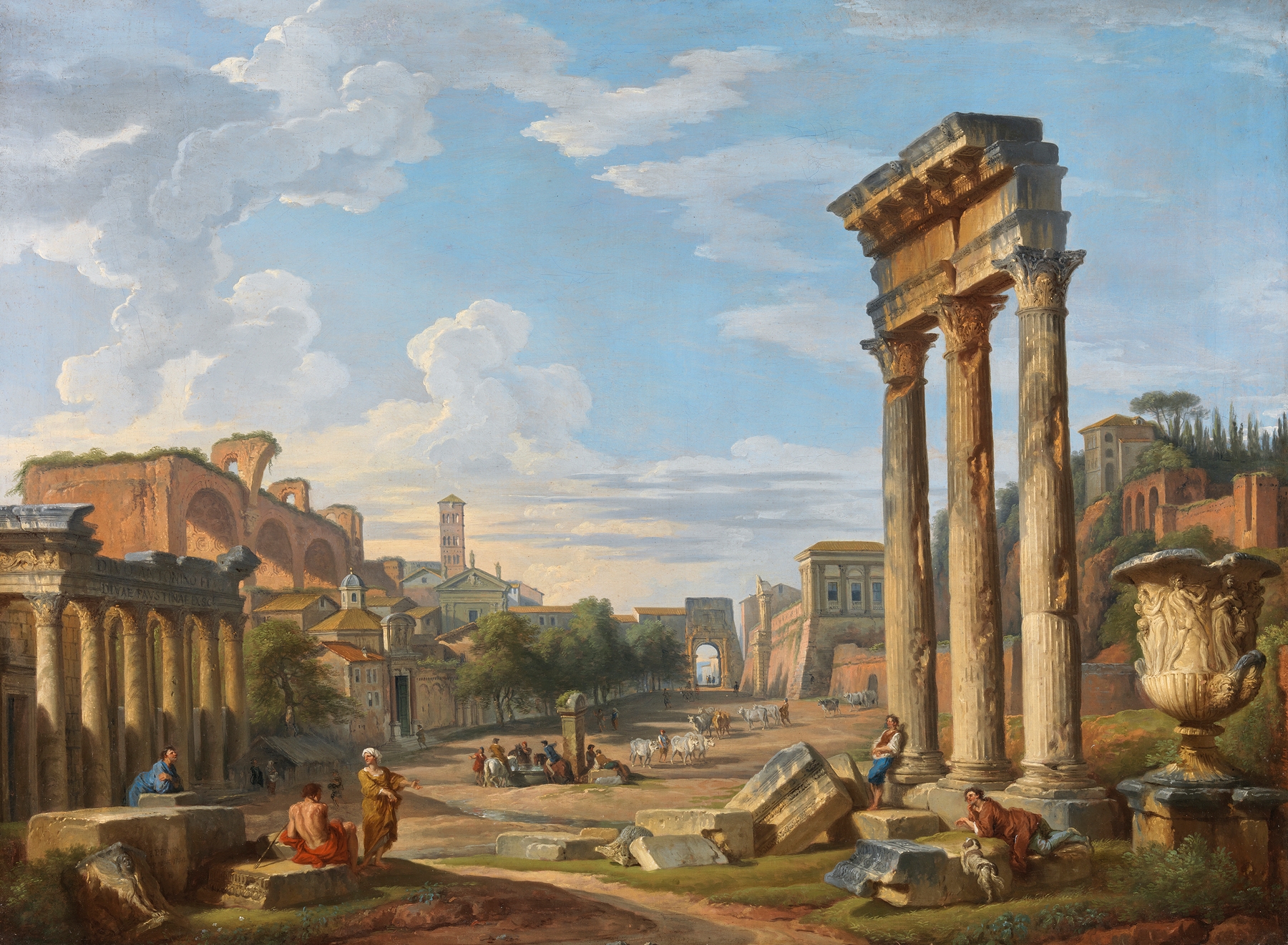
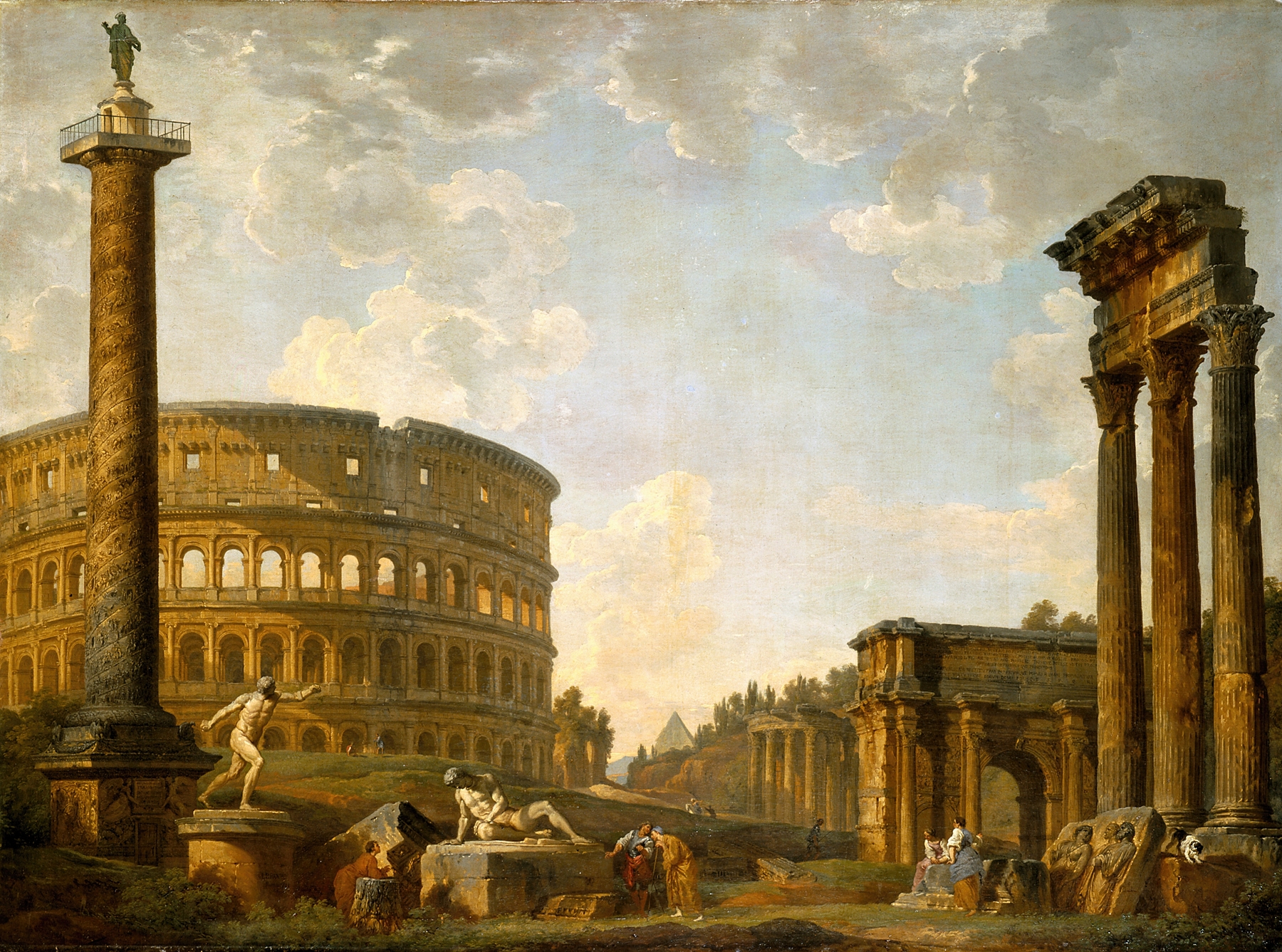
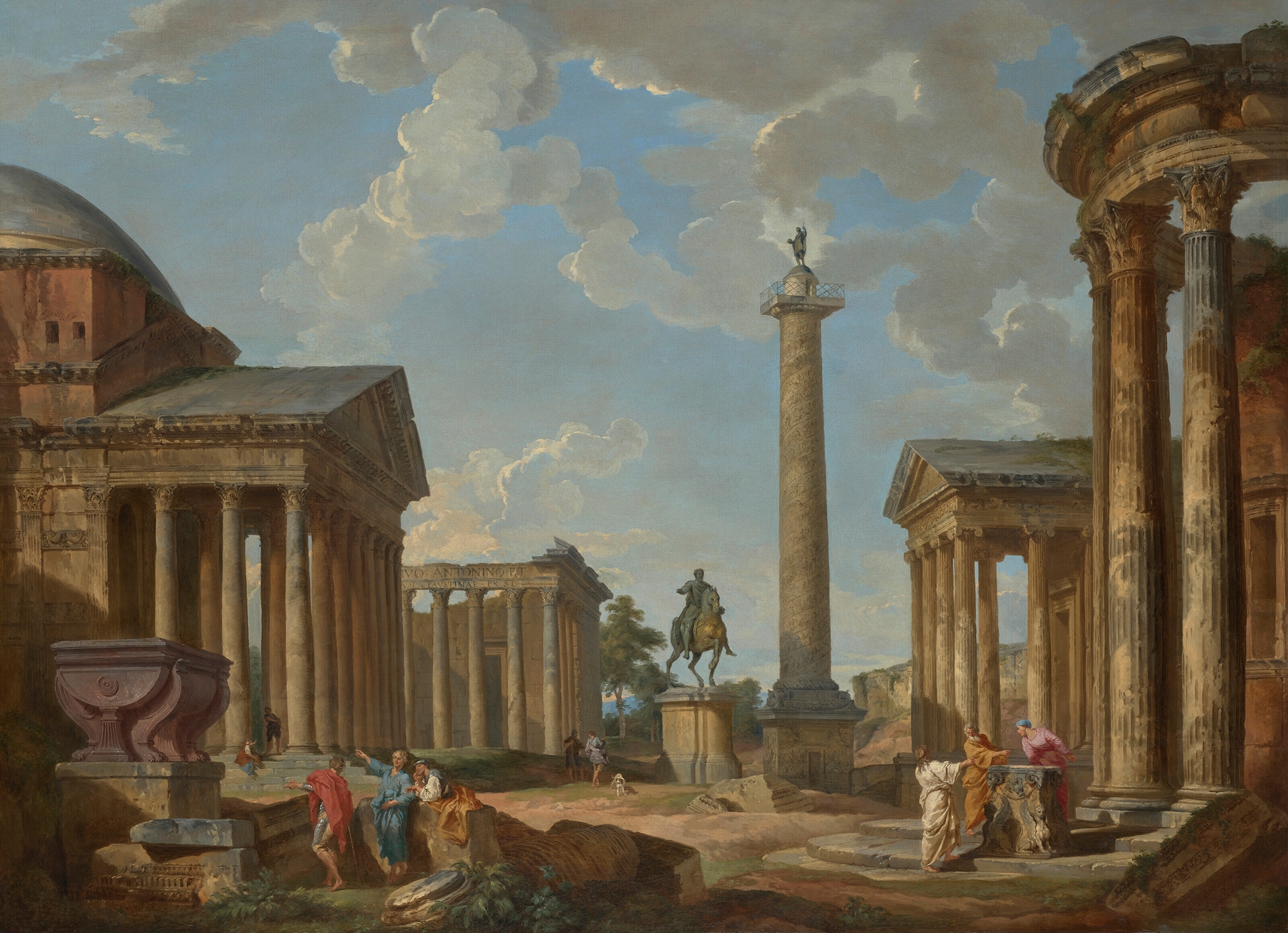
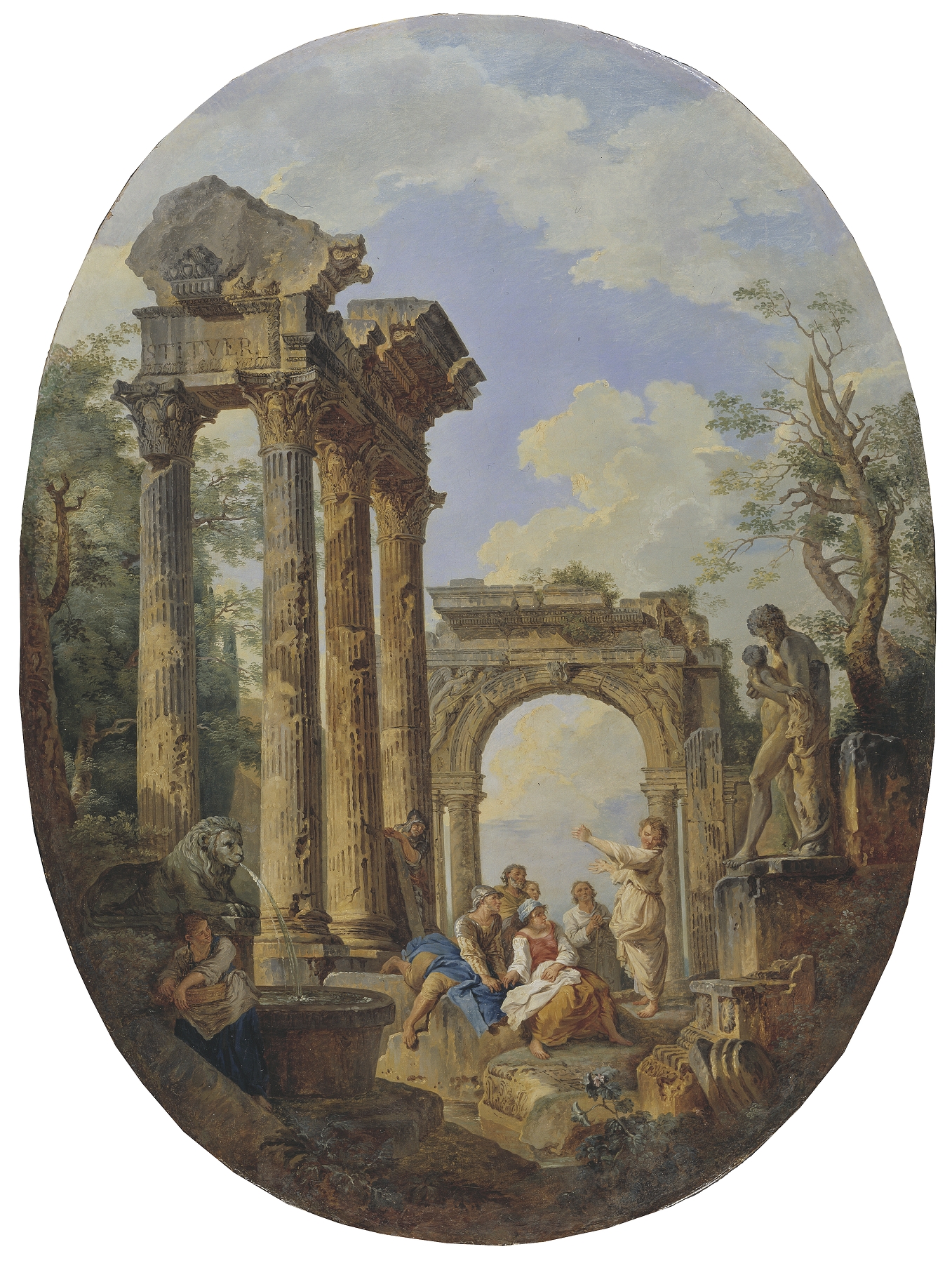
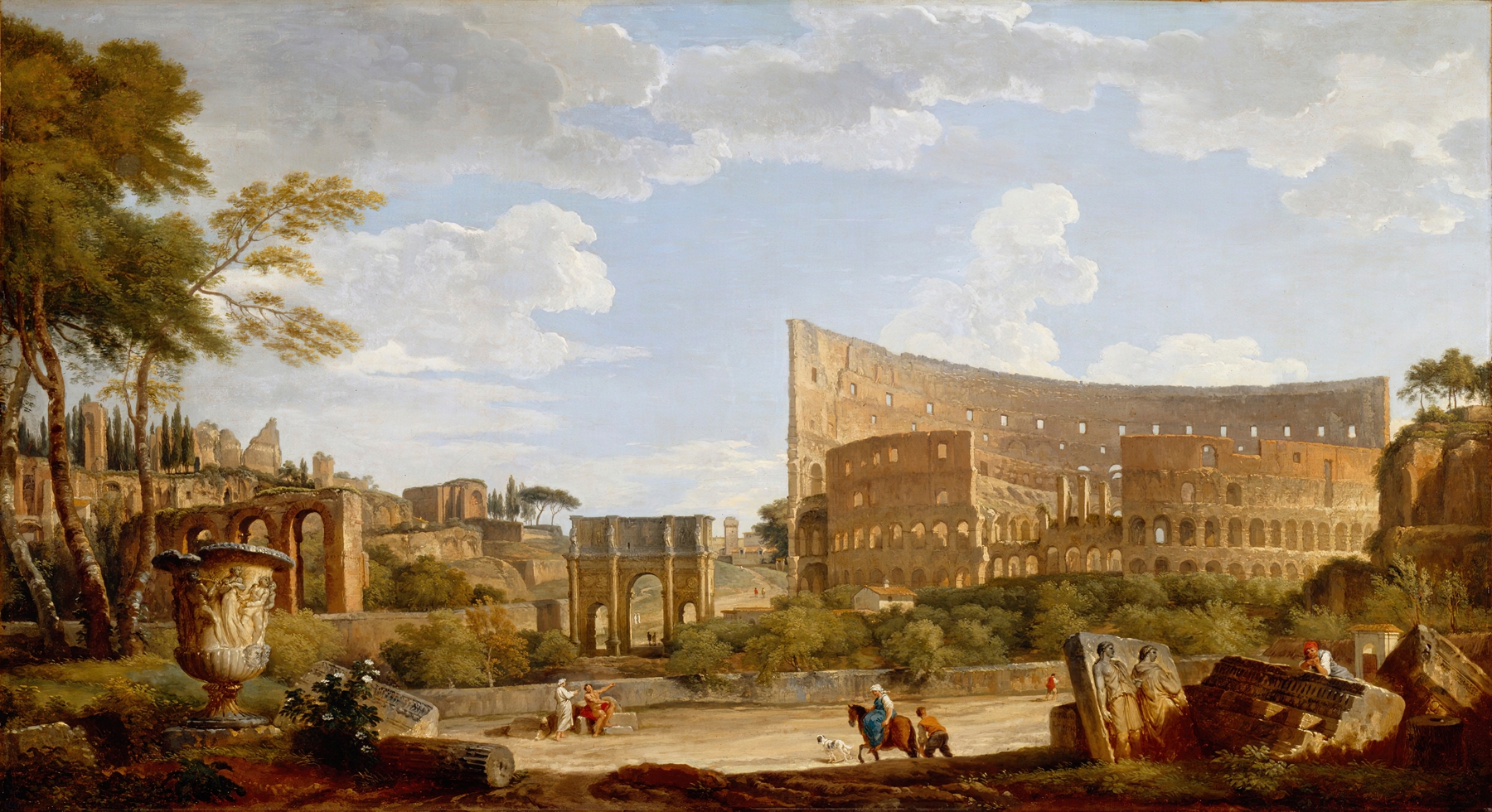
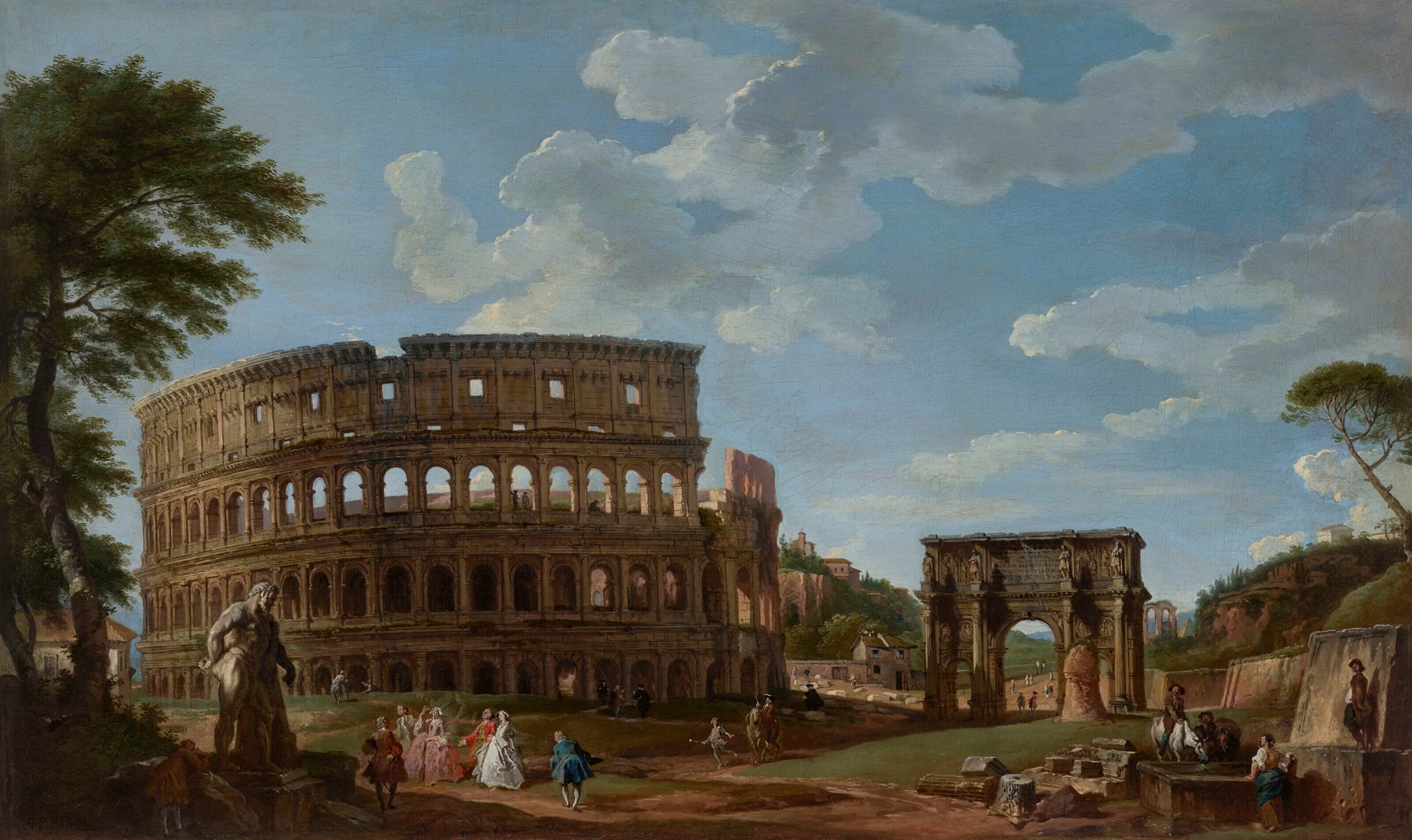
Did the painter know this moment would outlive them? In *View of the Colosseum and the Arch of Constantine*, truth is etched into the very stone of history, inviting us to explore its layered narratives. Look to the left at the magnificent arch, rising proudly against a sky tinged with the golden glow of late afternoon. The Colosseum looms majestically in the background, its grandeur juxtaposed with the bustling life of the foreground. Panini's meticulous brushwork captures the intricate details of the architecture, while the rich palette of warm ochres and fading blues evokes the passage of time. The composition draws your gaze in a circular motion, inviting you to experience both the monumental structures and the animated crowds that pay homage to this storied landscape. Amid the vibrancy, subtle contrasts emerge—the lively figures animatedly conversing beneath the arch contrast sharply with the stoic permanence of the ancient stones. Each character embodies a facet of time: some are mere visitors, while others seem to converse with the ghosts of history. The juxtaposition of the lively, fleeting human presence against the enduring monuments raises questions about legacy, memory, and what it means to leave an imprint on the world. In 1745, Panini created this work during a period when Rome was awakening to a renewed interest in its classical past. He was deeply engaged in the art of veduta, a genre showcasing expansive city views. This particular piece emerged as the Neoclassical movement gained traction, reflecting both the artist’s personal connection to Rome and the broader cultural shift towards celebrating historical grandeur amidst a rapidly modernizing world.