Roman ruins — History & Analysis
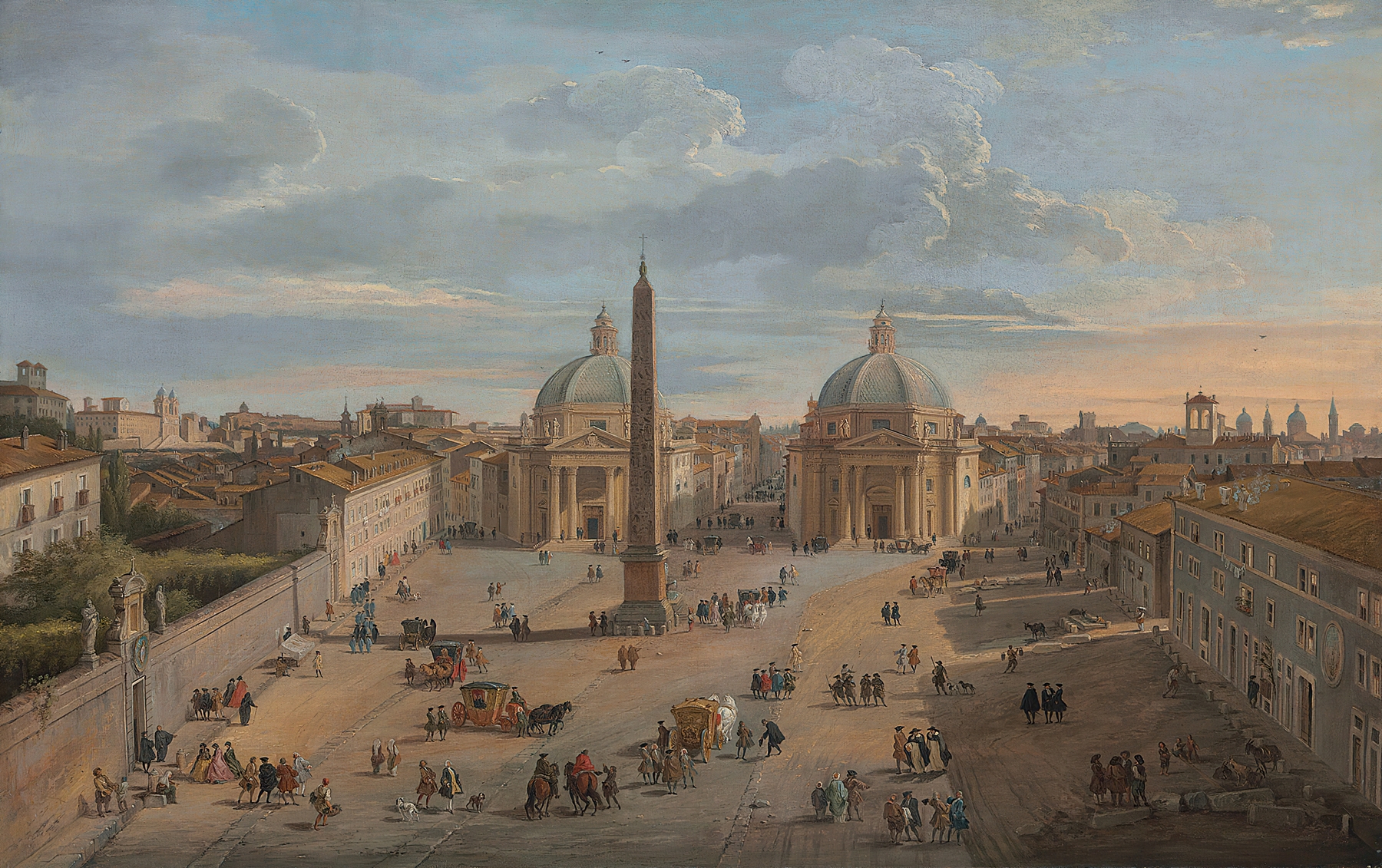
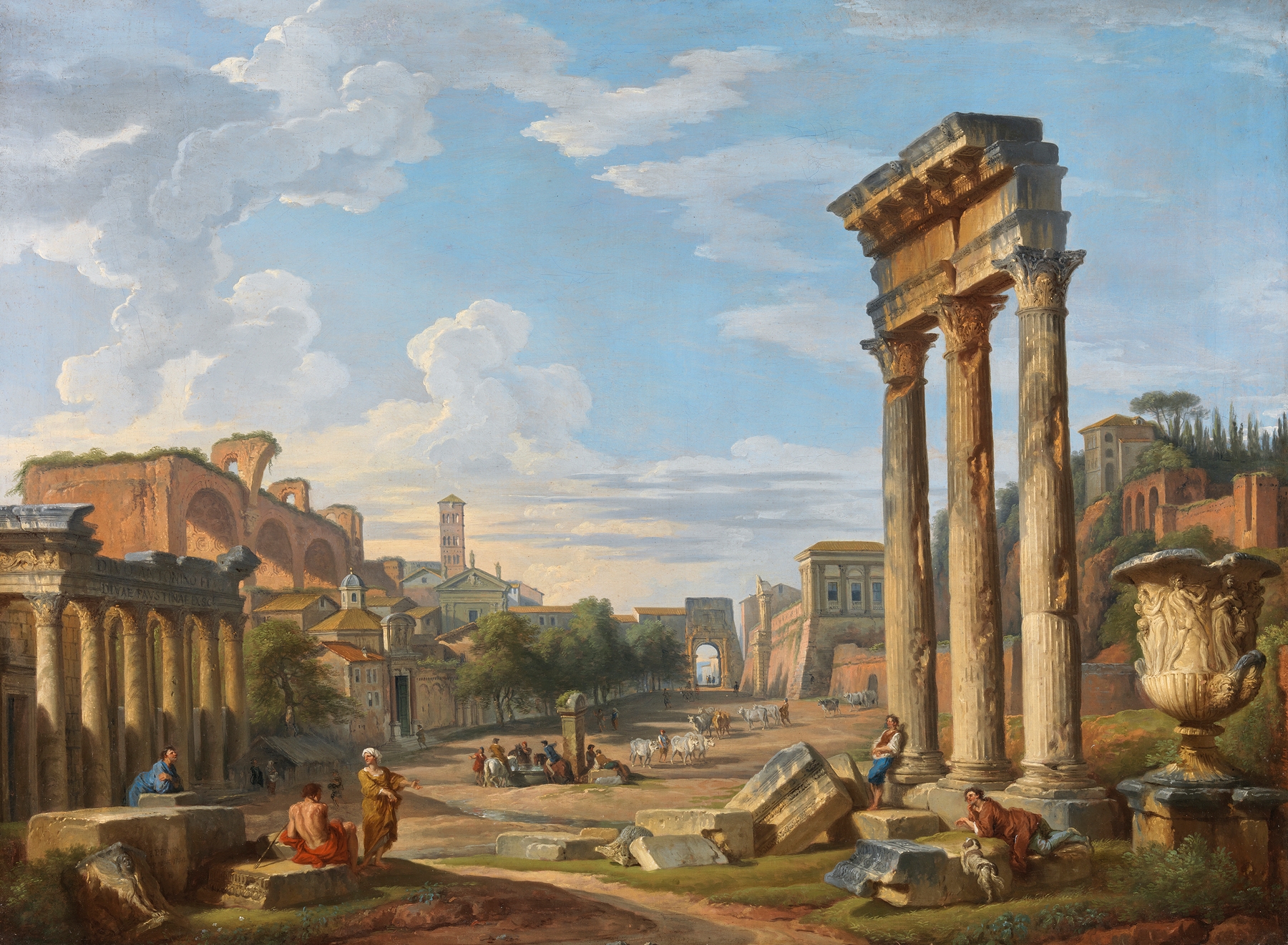
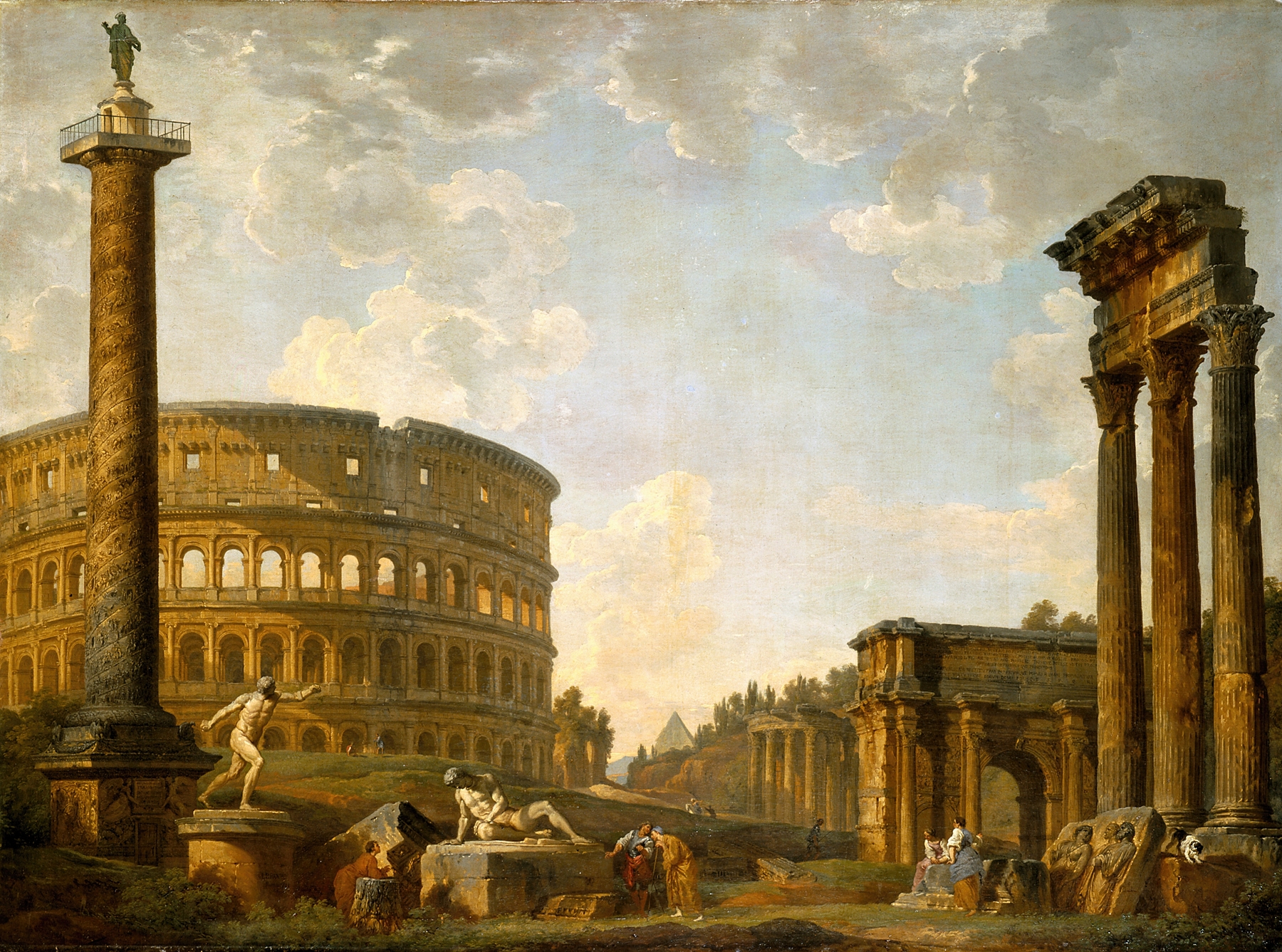
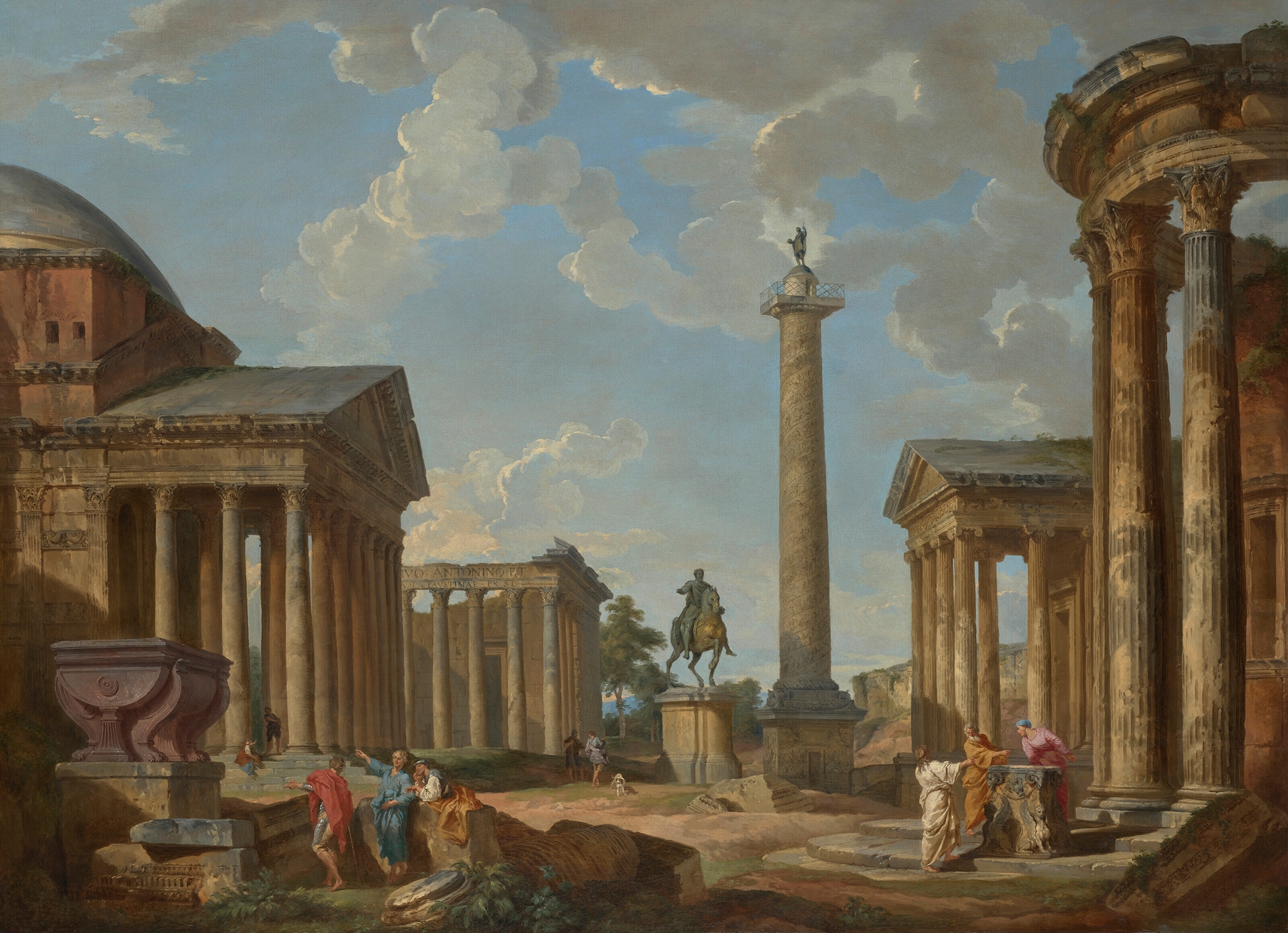
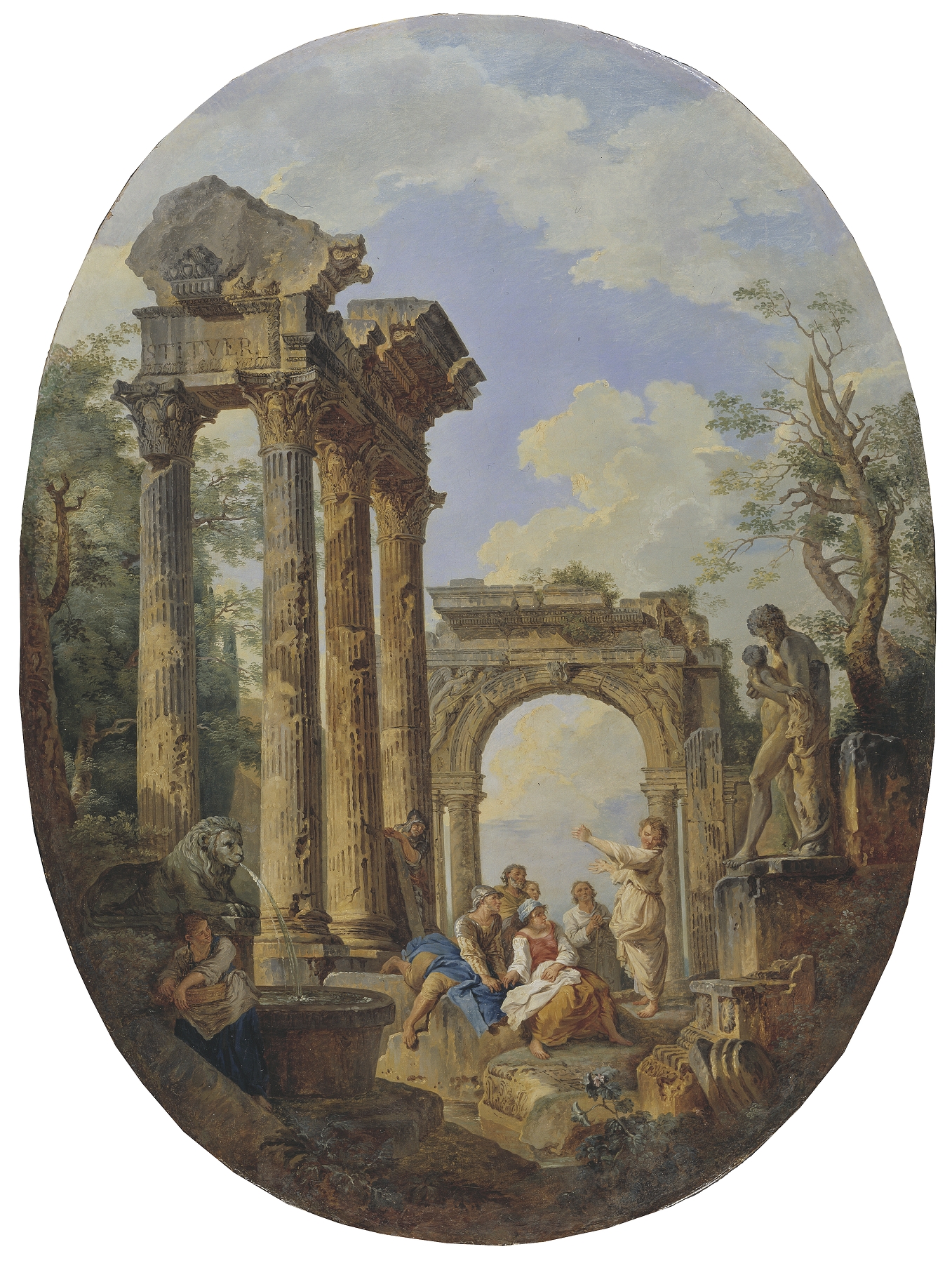
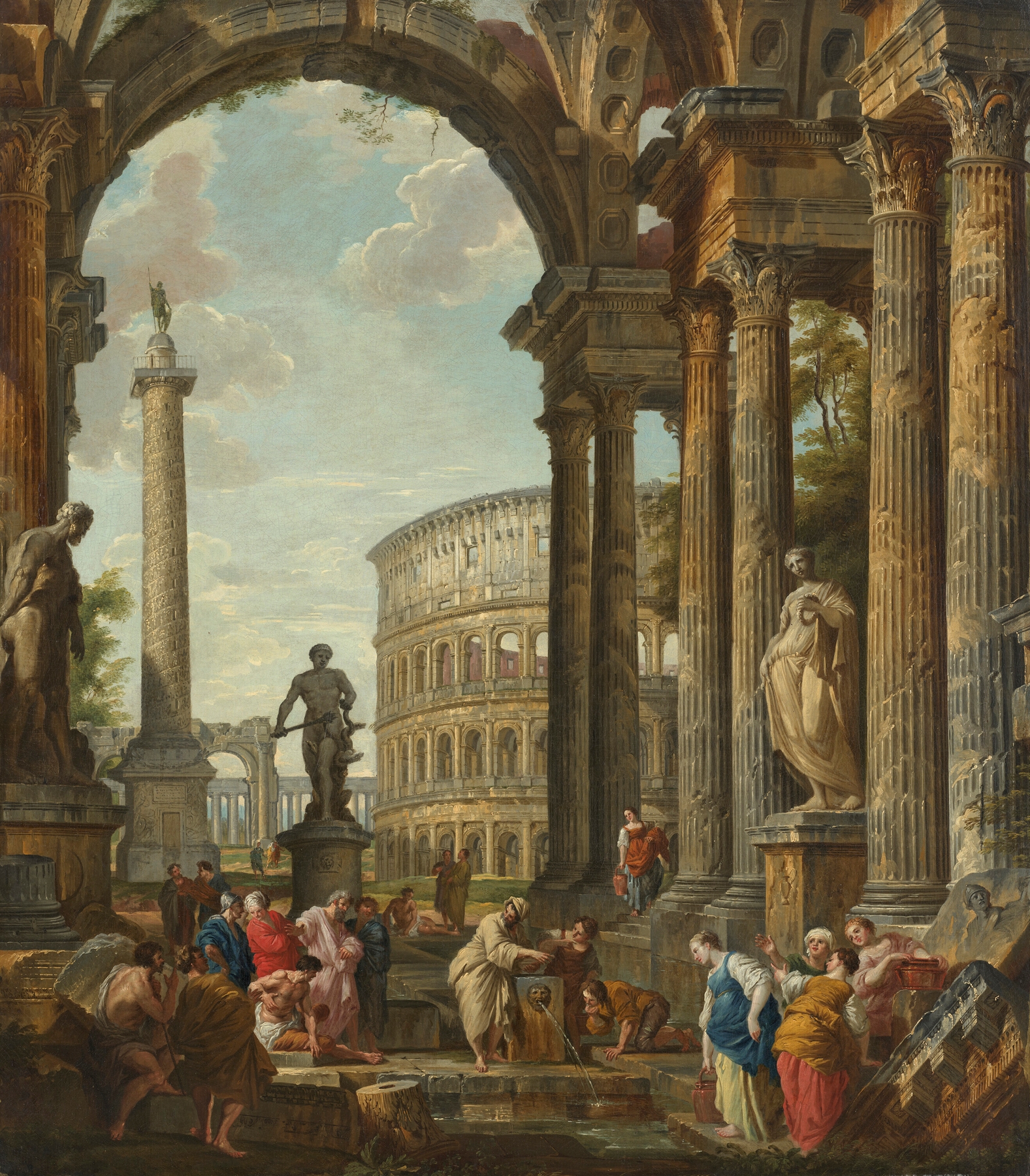
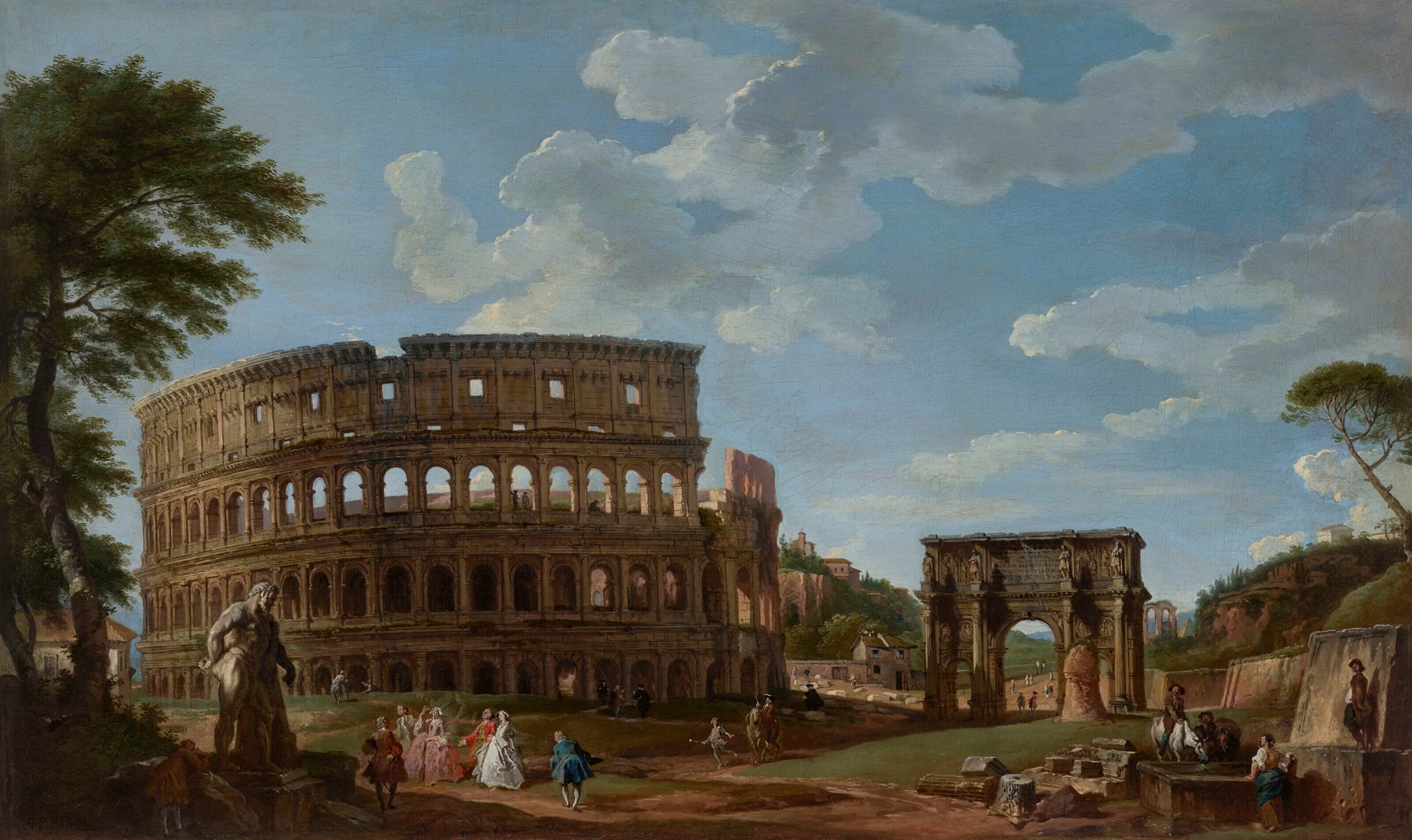
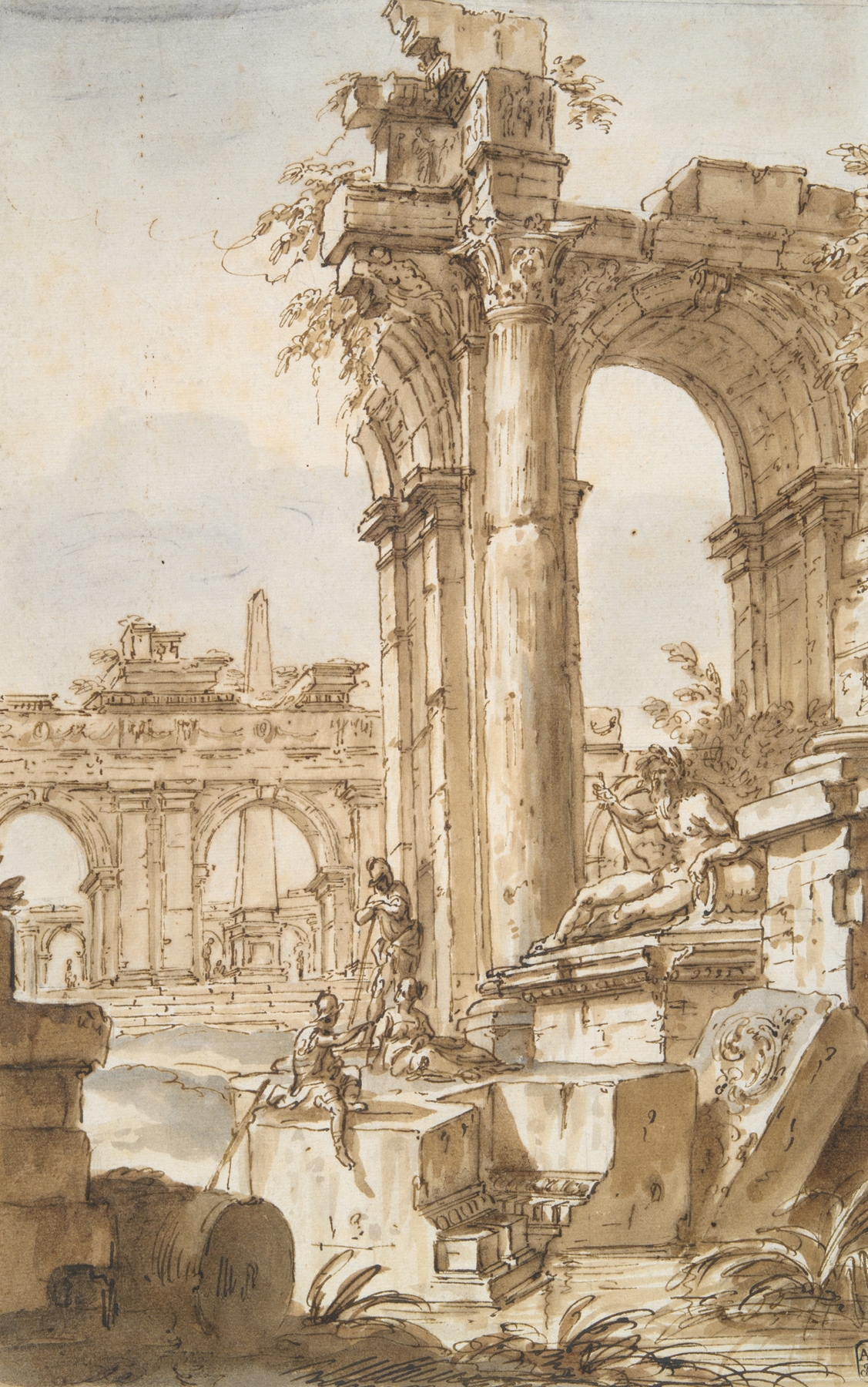
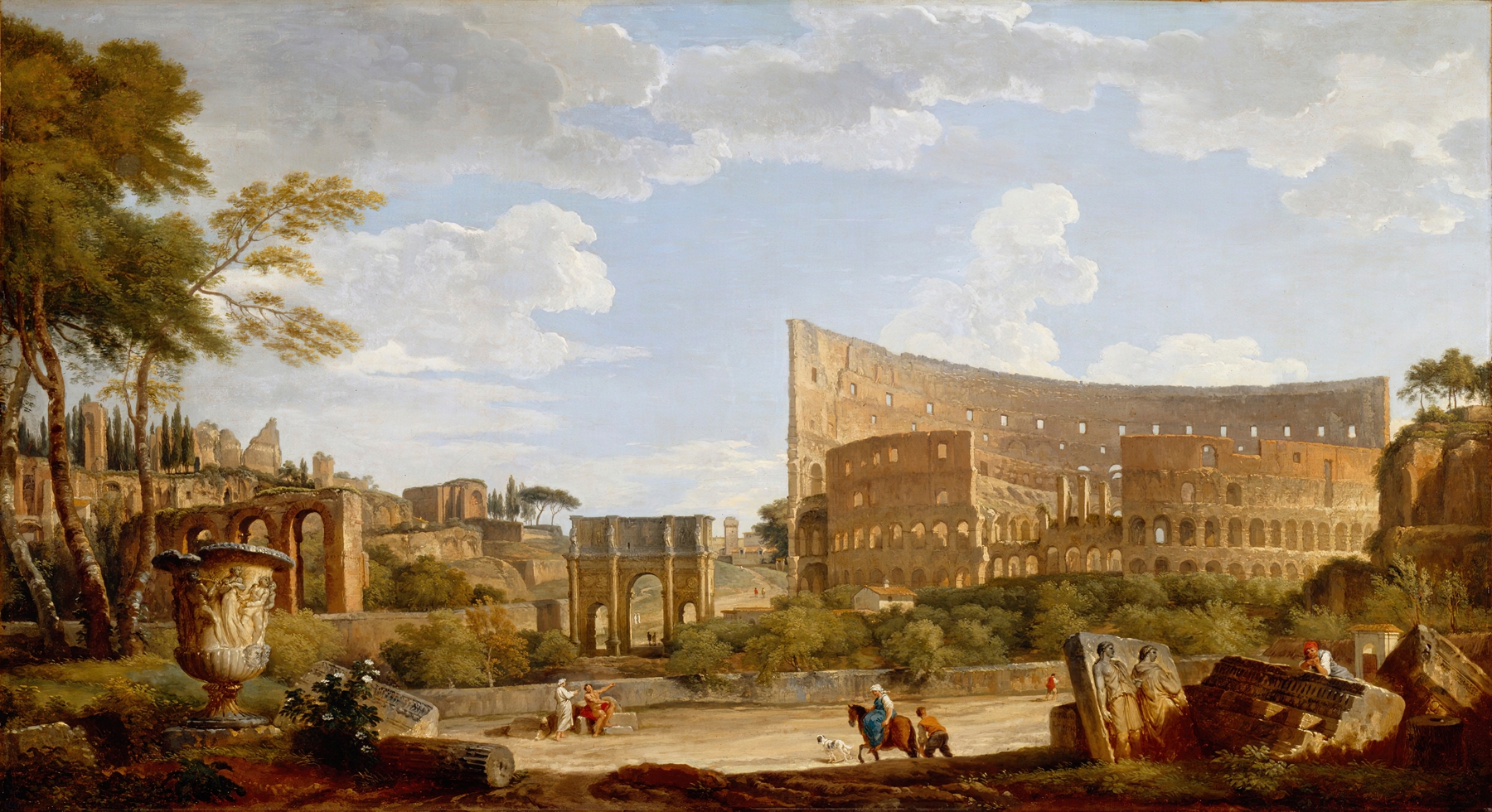
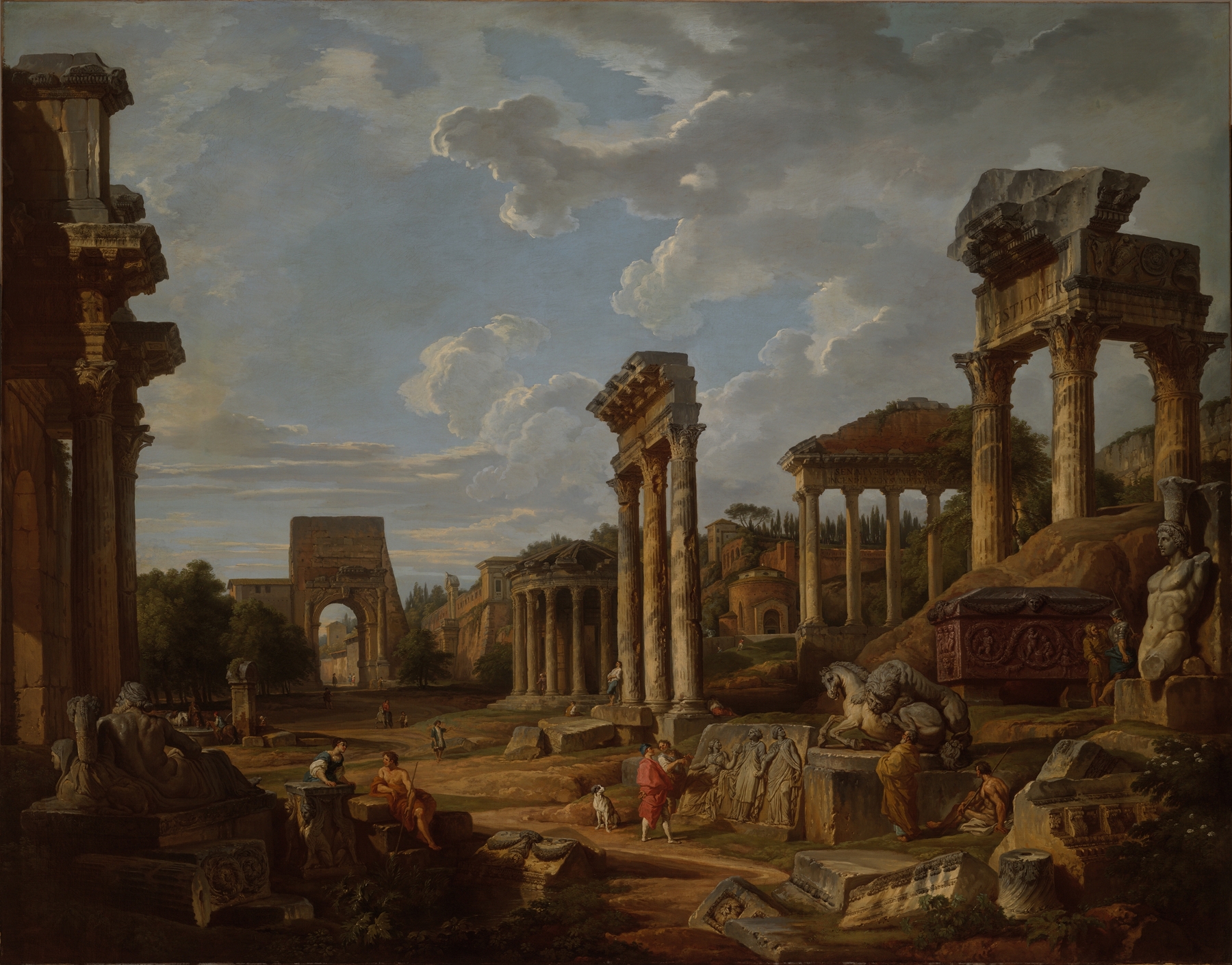
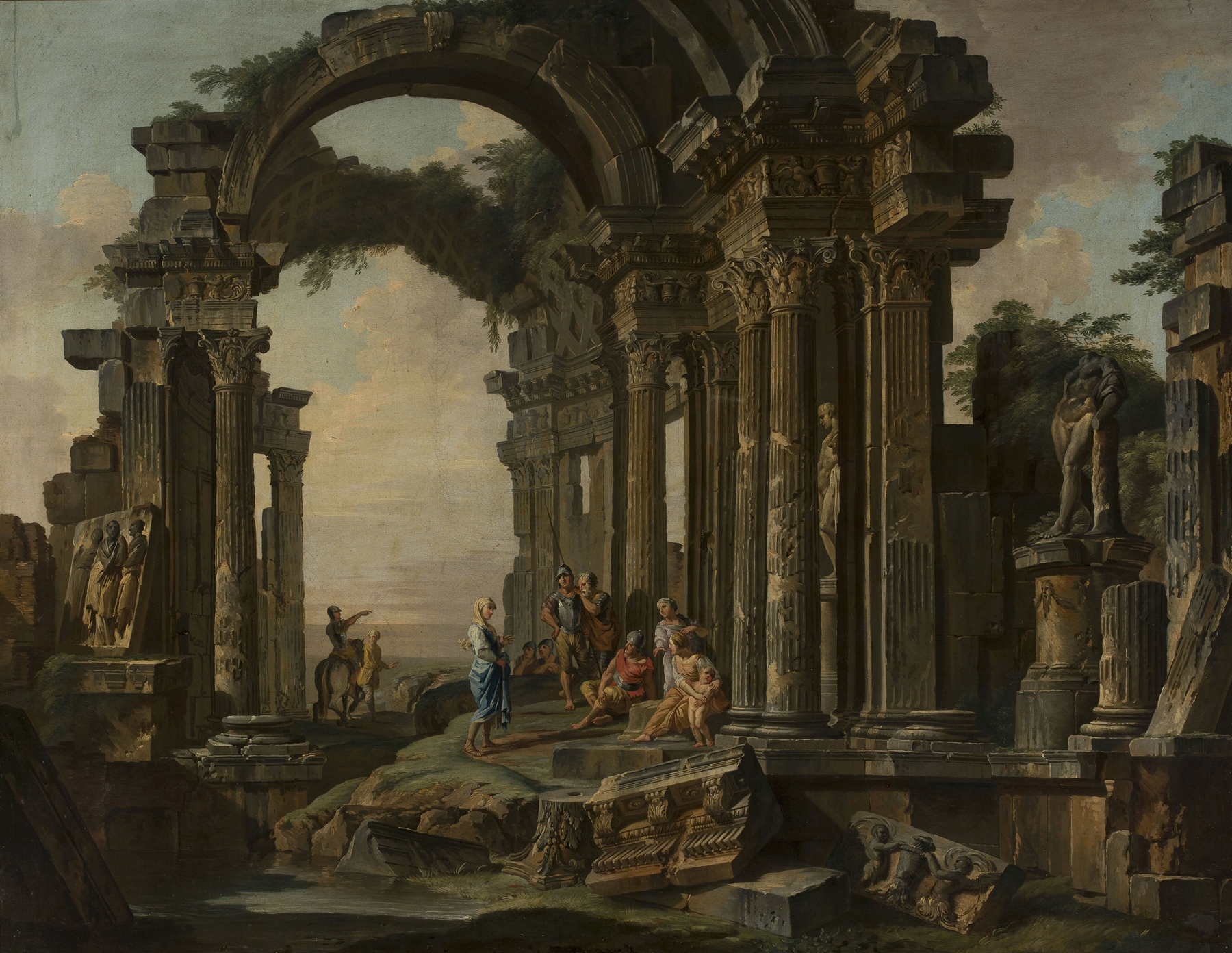
“Every silence here is a confession.” The weight of history presses upon the viewer, beckoning them to uncover the truths whispered by these ancient stones. In this moment, we stand amid remnants of grandeur and decay, gazing at a world that once bustled with life, longing to piece together the stories etched within the ruins. Look to the left, where crumbling columns stretch towards a sky awash in soft, golden hues. Notice the masterful play of light and shadow, enhancing the textures of weathered stone and revealing the delicate brushwork of the artist. The composition guides our eyes along the ruins, inviting us to explore every crevice and detail, from the intricate carvings to the sprawling landscape that surrounds them. Panini’s palette captures a sense of nostalgia, blending earthy tones with gentle highlights that breathe life into the desolation. Within this serene tableau lies a poignant contrast between the past and the present. The remnants of civilization stand as a testament to human ambition and artistry, while the encroaching silence bears witness to time’s relentless progression. Look closely at the scattered figures in the foreground; they engage in quiet contemplation, suggesting an acknowledgment of the fragility of existence. Each element invites reflection on what has been lost and the enduring beauty that persists despite decay. Created in the 18th century, the painting emerged from the heart of Rome, where Panini was deeply entrenched in the artistic community. At this time, the fascination with classical antiquity thrived, driving artists to capture the essence of historical sites. Panini, known for his grand representations of Roman architecture, sought to blend reality with idealism, enhancing the allure of his surroundings. This piece encapsulates not only the physical ruins but also the evocative spirit of an era that revered its past while confronting the impermanence of all things.