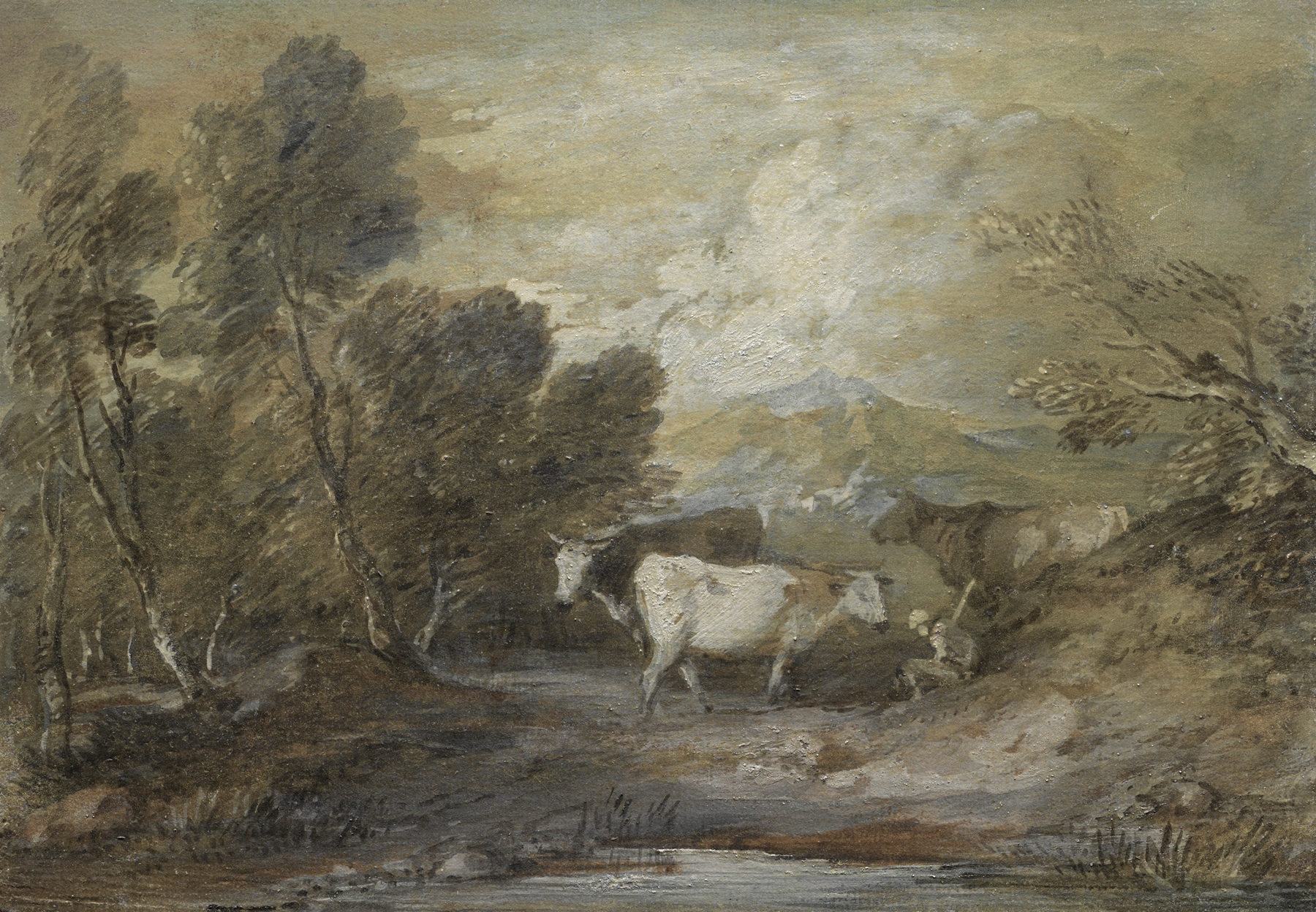
A Coastal Landscape — History & Analysis
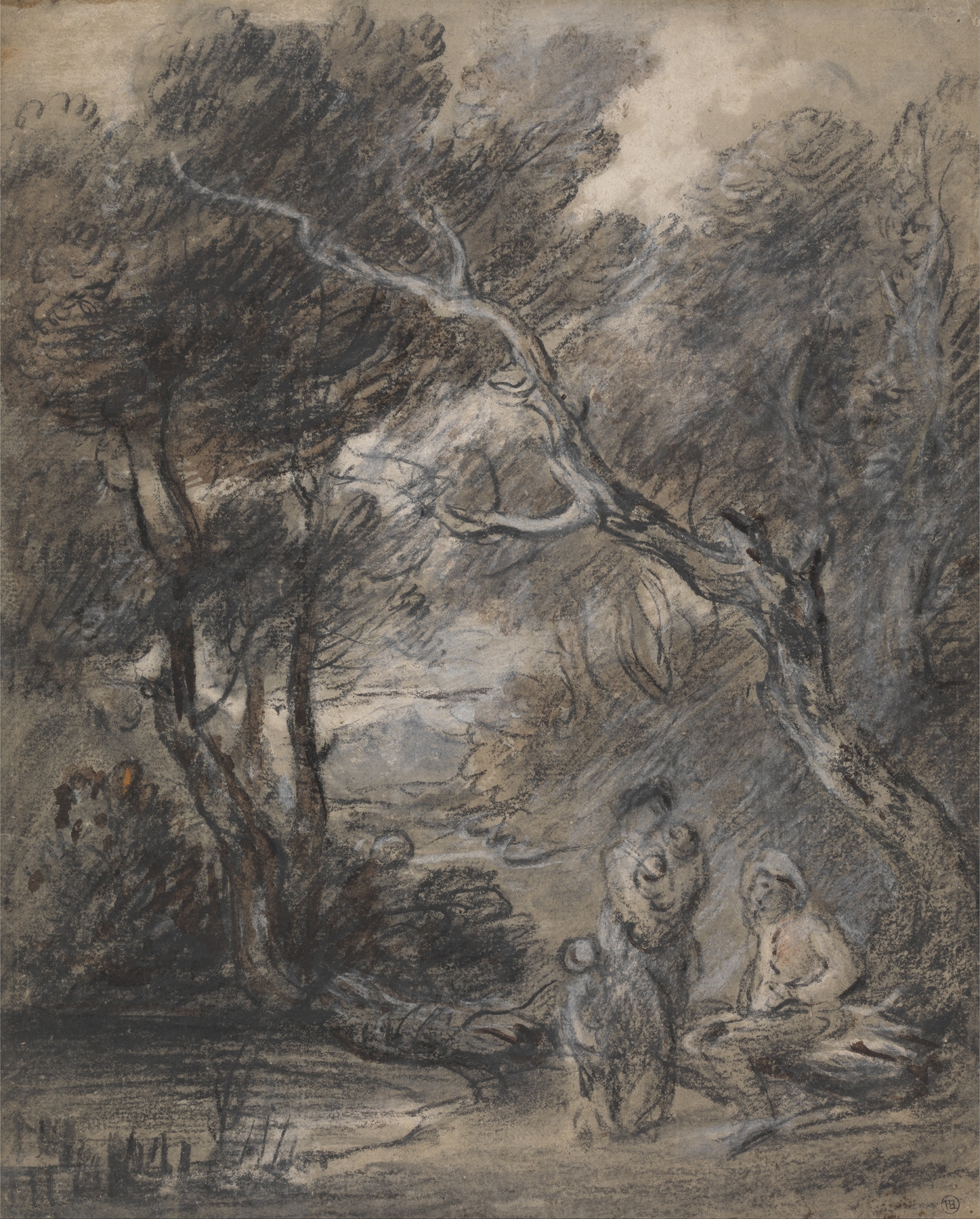
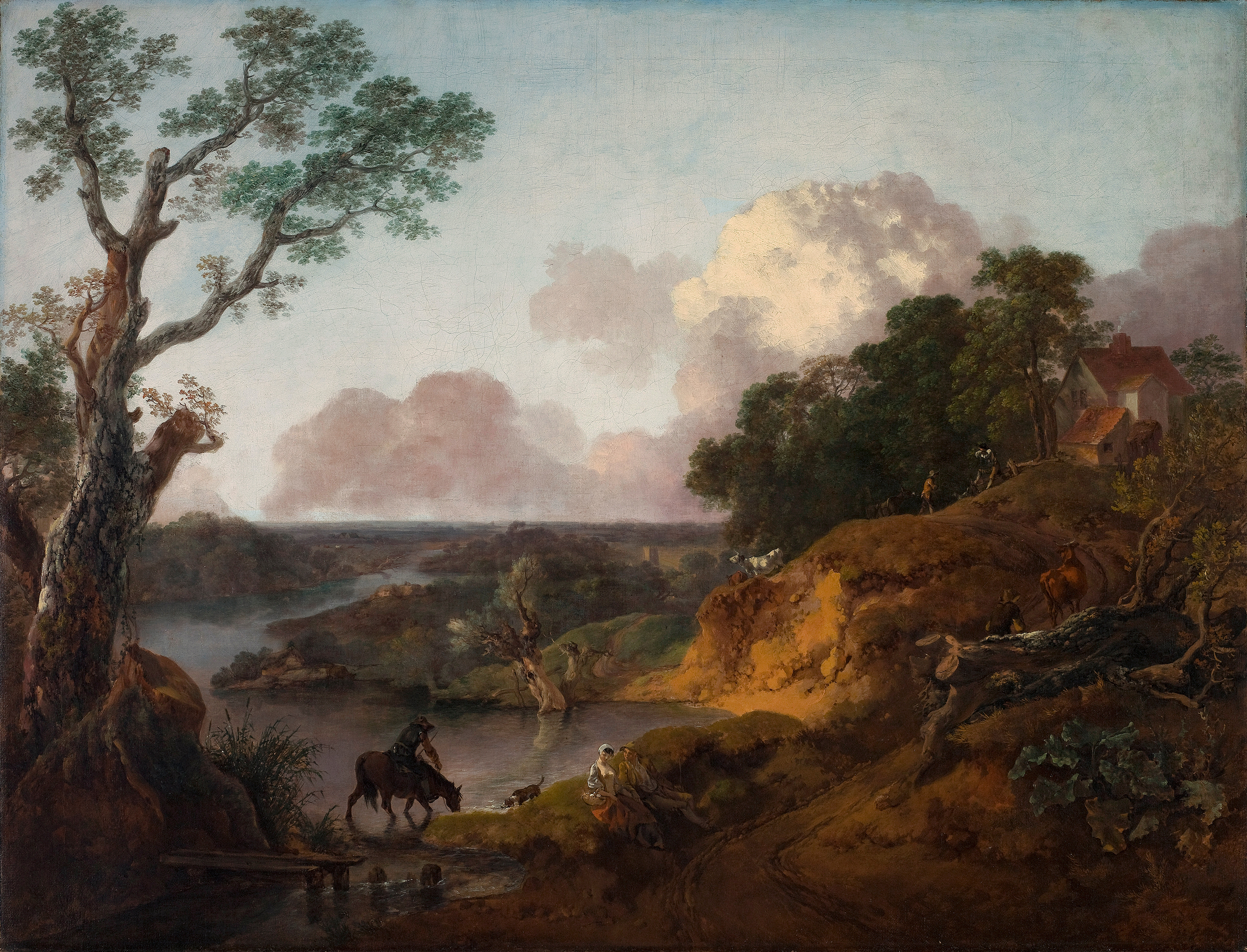
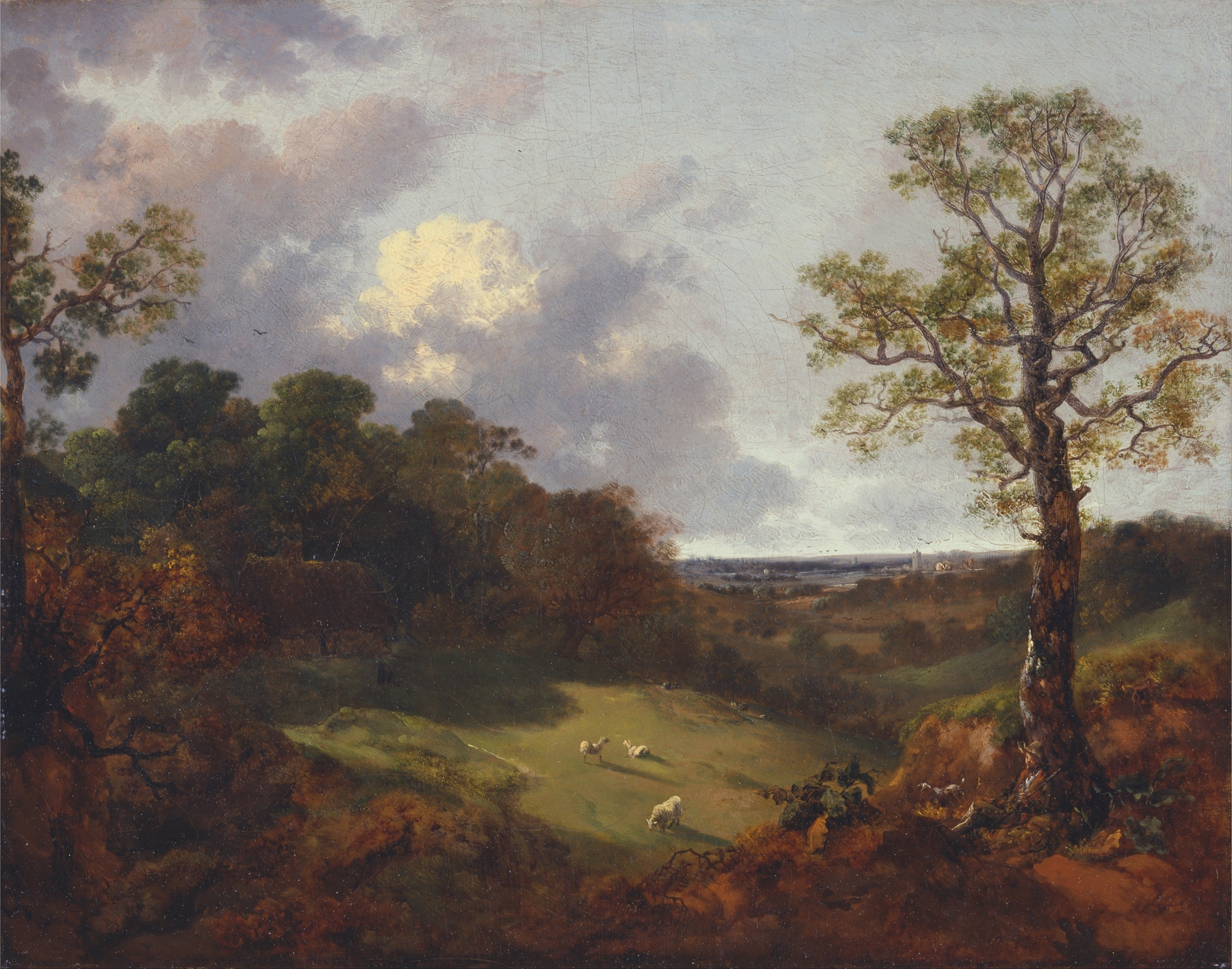
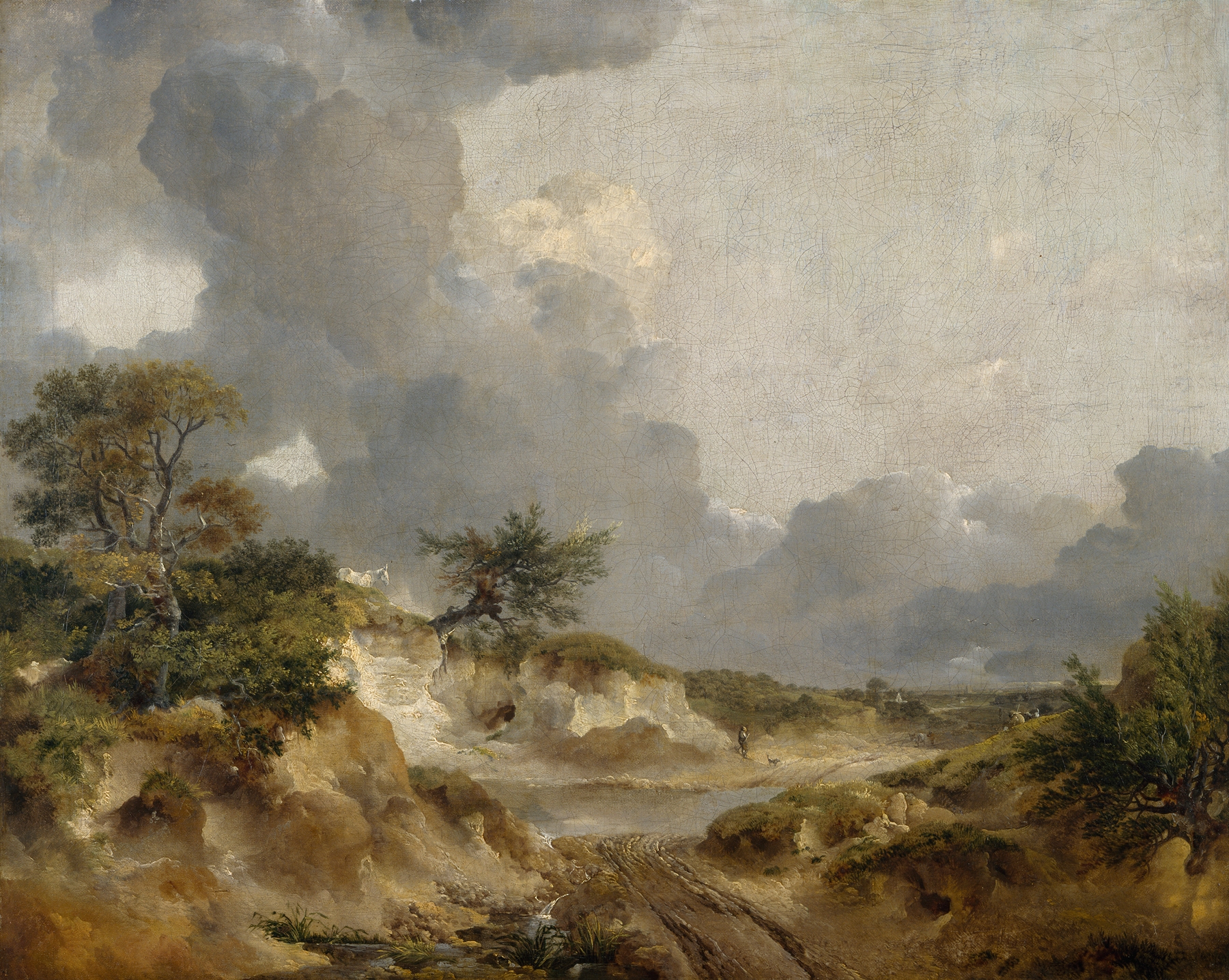
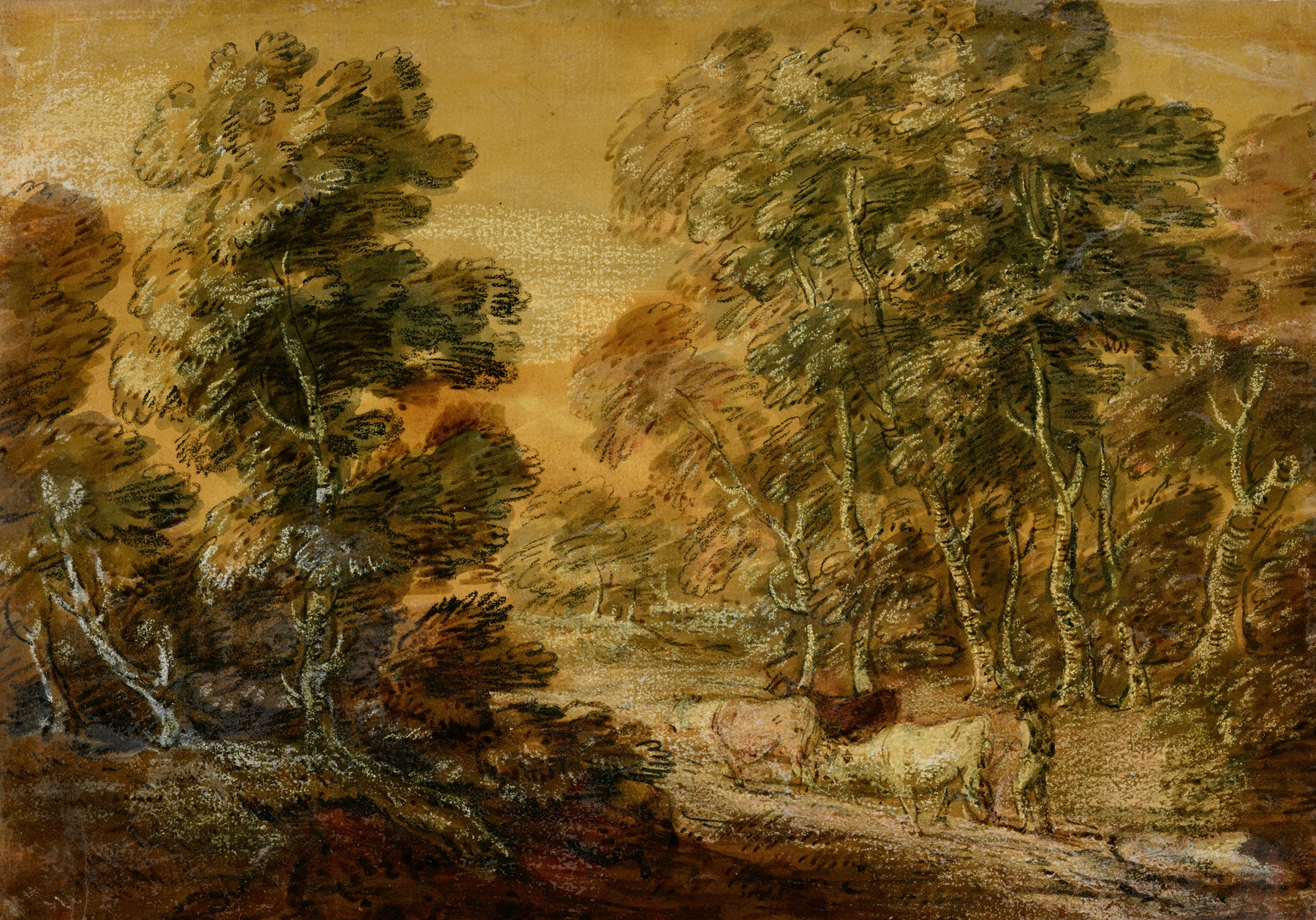
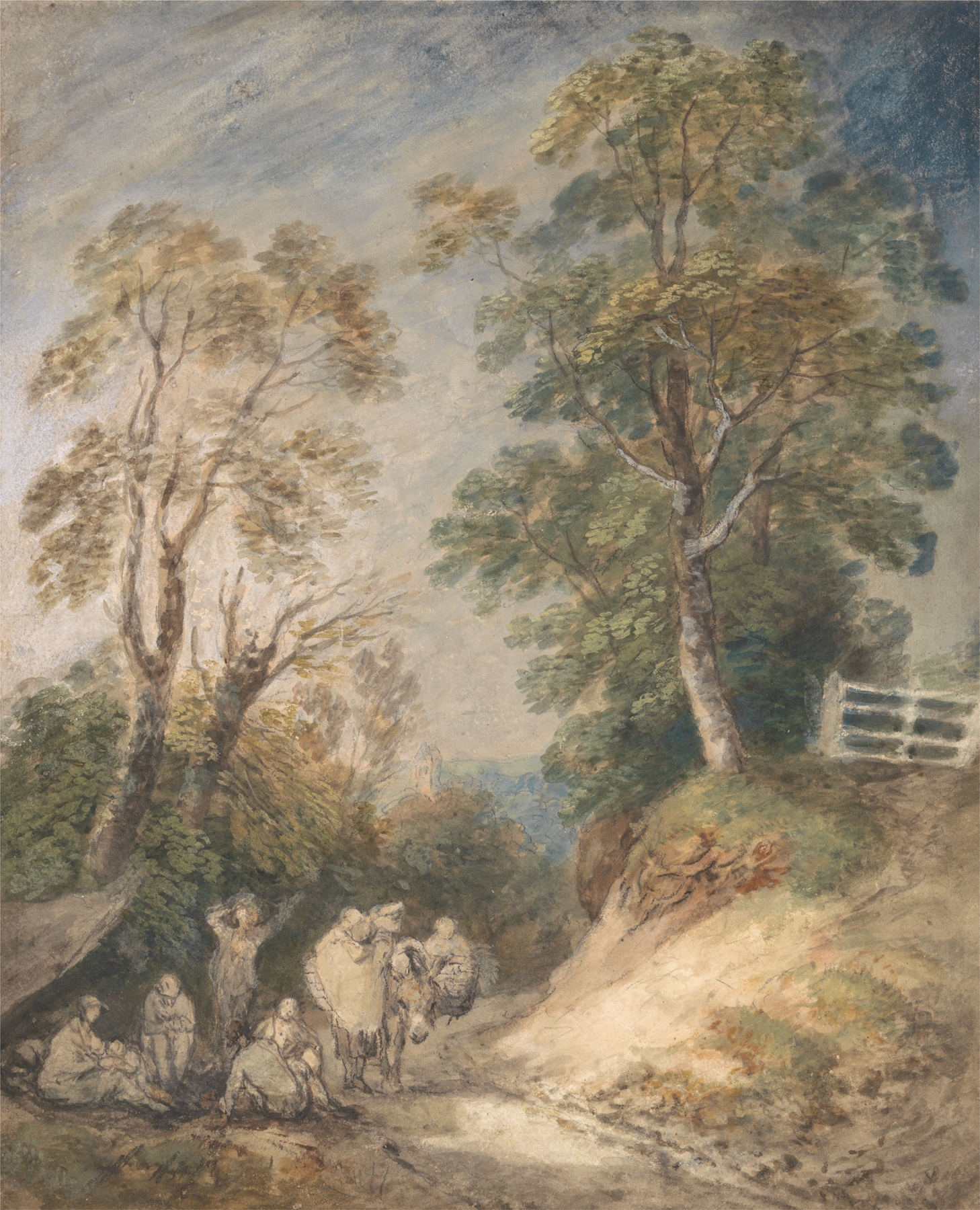
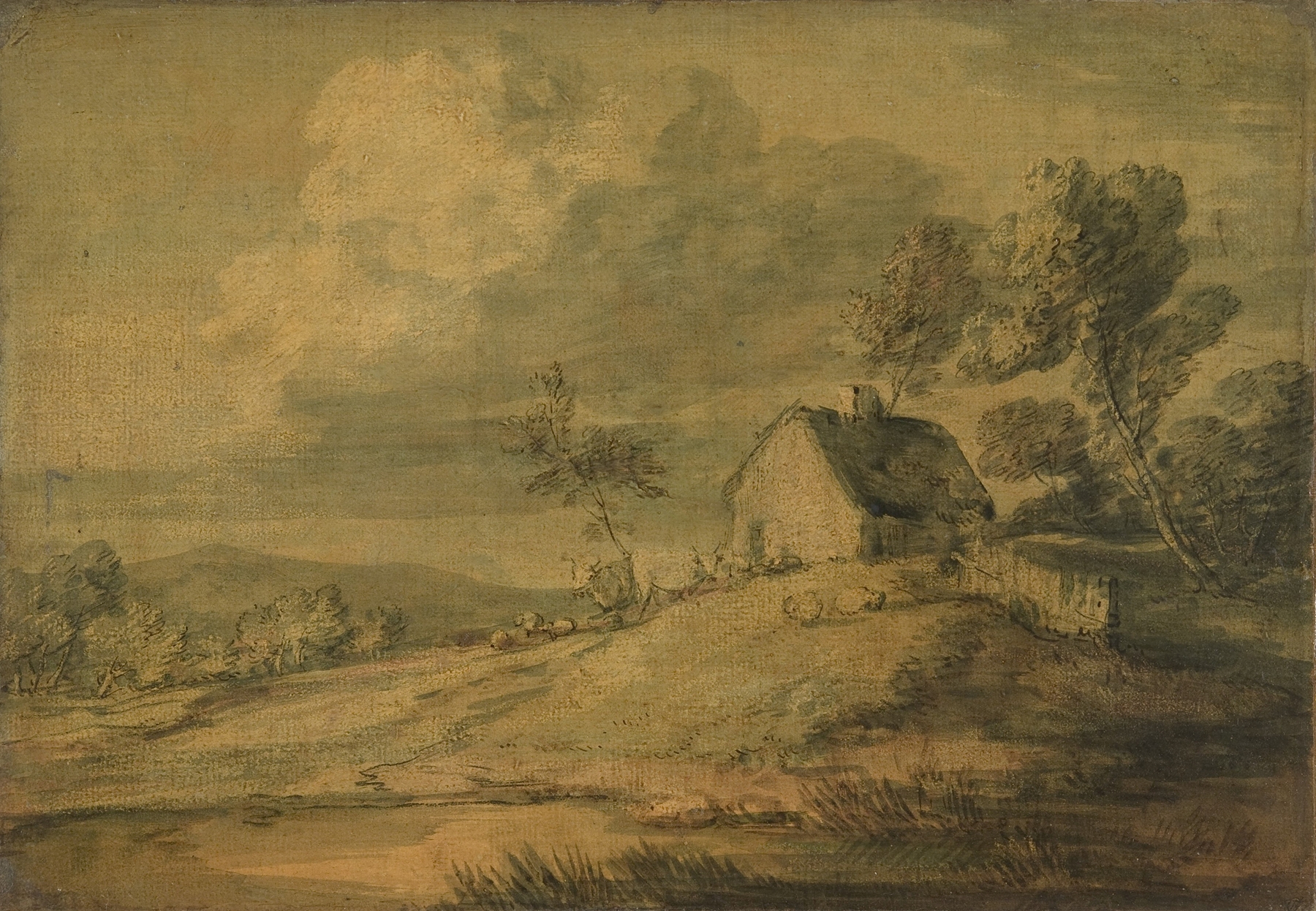
“Sometimes beauty is just pain, disguised in gold.” In the embrace of nature, there lies an undercurrent of unease that stirs the soul. This coastal landscape, painted in the late 18th century, embodies the delicate balance between beauty and the fear of the unknown. Look to the horizon, where a tumultuous sea meets a muted sky, the colors bleeding into one another like secrets revealed. The soft yet turbulent brush strokes evoke both serenity and chaos, drawing the eye across the canvas from the shimmering shoreline to the distant cliffs.
Notice how the gentle light catches the cascading waves, creating fleeting moments of brilliance, while shadowy areas hint at lurking danger beneath the surface. As you delve deeper into the painting, the contrasts grow more pronounced: the lush green land juxtaposed with the dark, roiling waters. This duality speaks to the artist's mastery—one can sense both the allure of the coast and an underlying foreboding. It captures the essence of nature as a source of both inspiration and fear, a reminder of life’s fragility amidst its beauty.
In 1784, Gainsborough was immersed in the English artistic landscape, influenced by the Romantic movement's burgeoning appreciation for nature's sublime qualities. Painted during a time of great personal and societal change, he sought to bridge the worlds of realism and idealism, crafting a scene that resonates with the viewer’s innermost fears and desires. As he painted, he grappled with his own artistic identity—a dance between tradition and the evolving landscape of art around him.