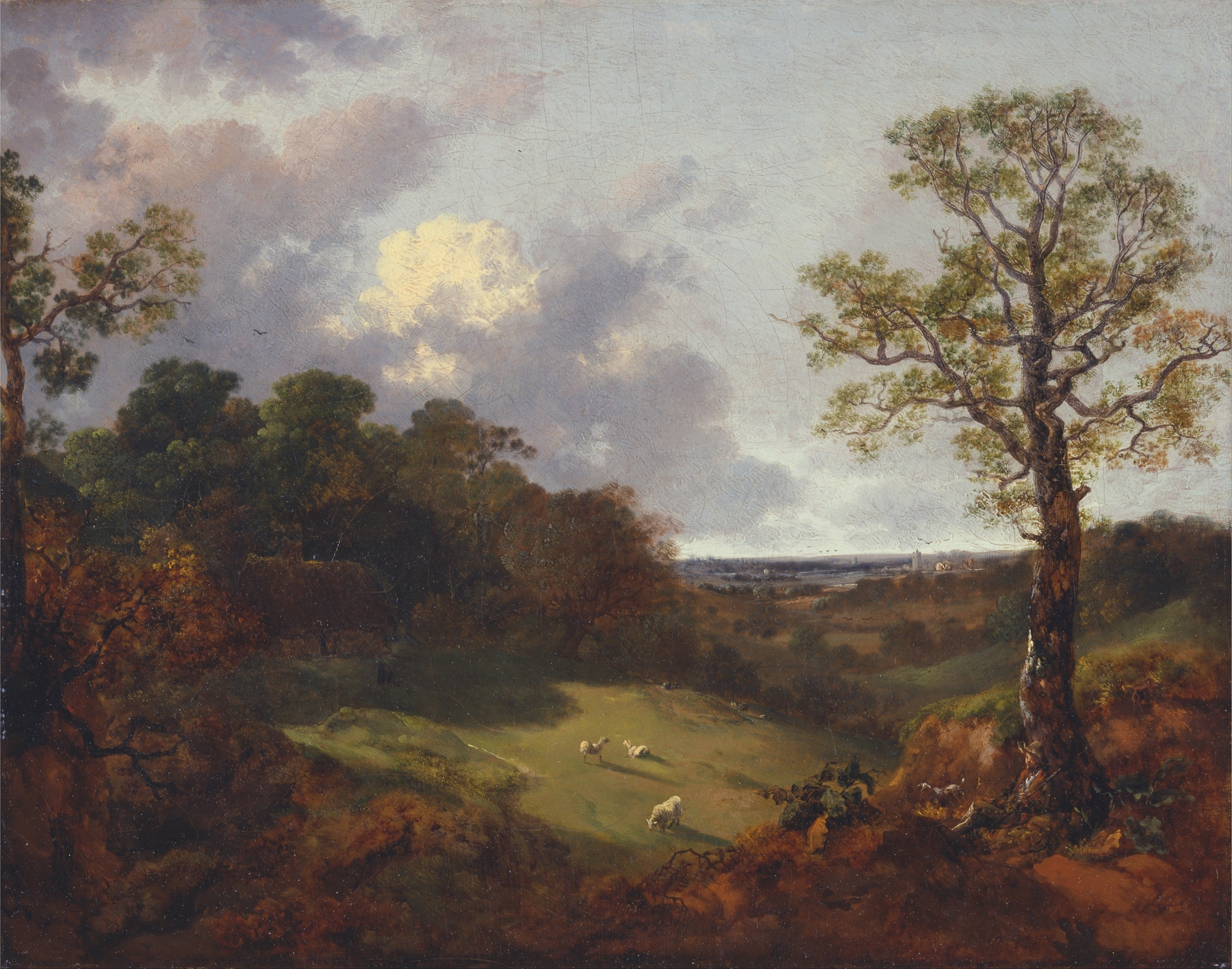
Wooded Landscape with Cottage, Cows and Sheep — History & Analysis
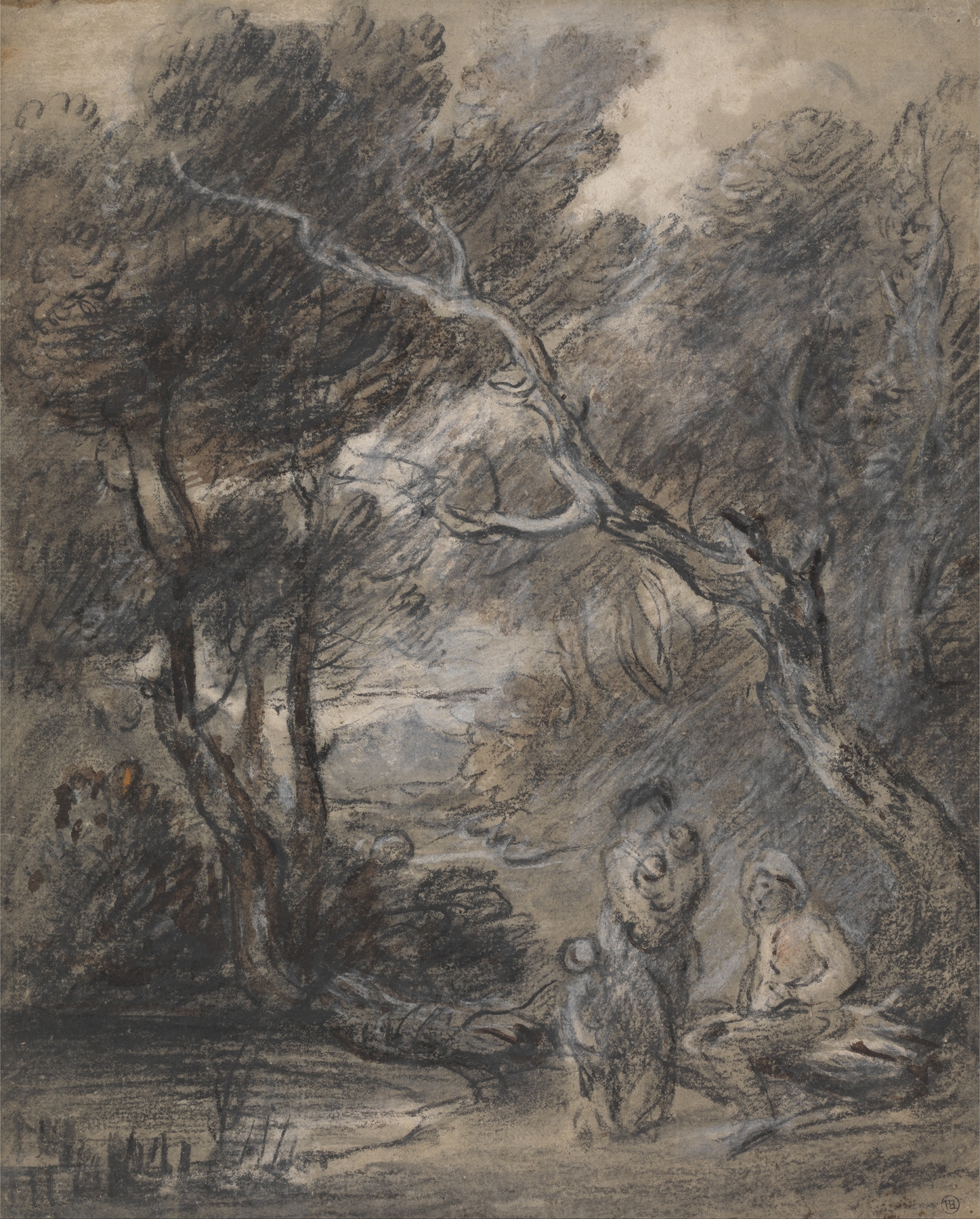
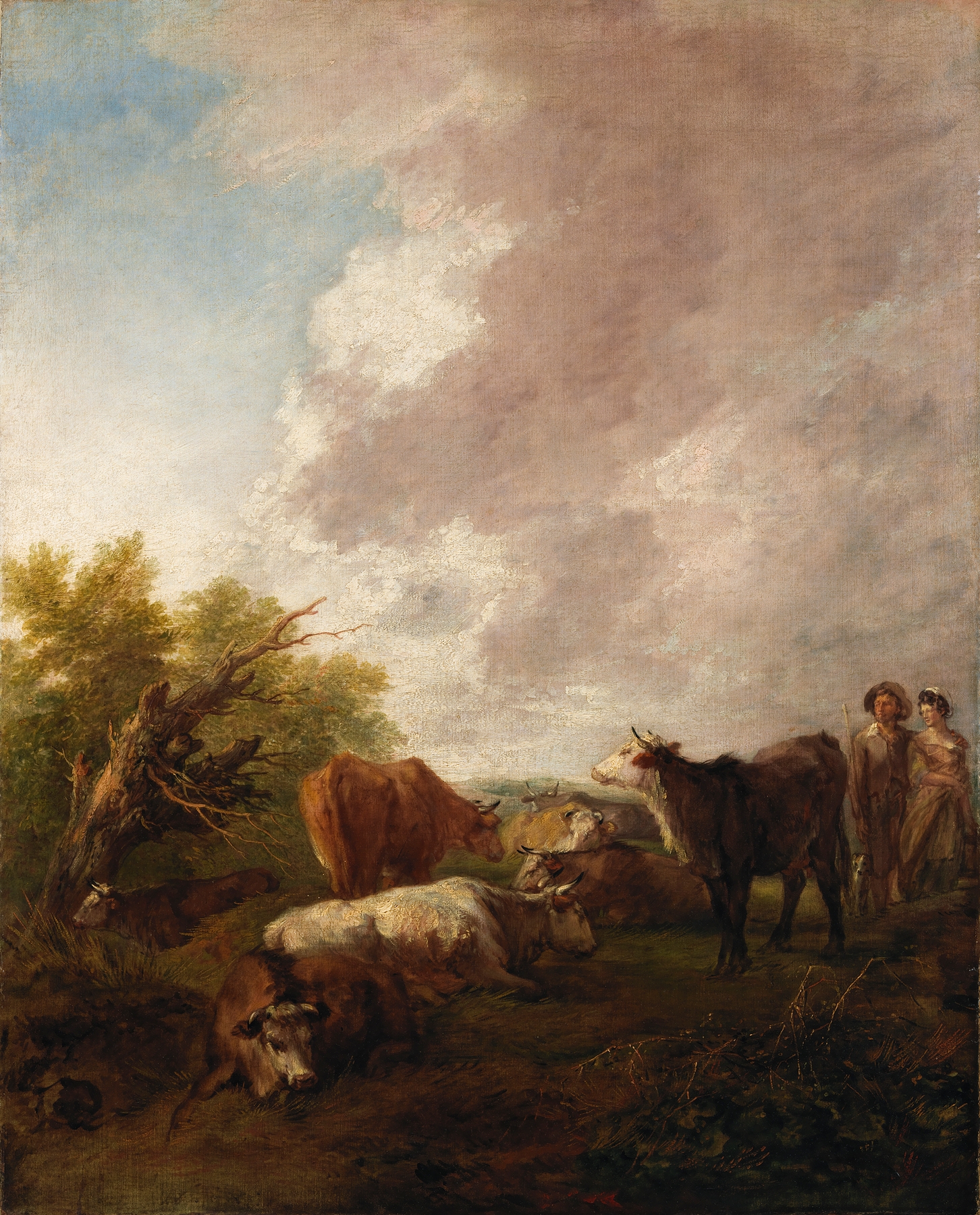
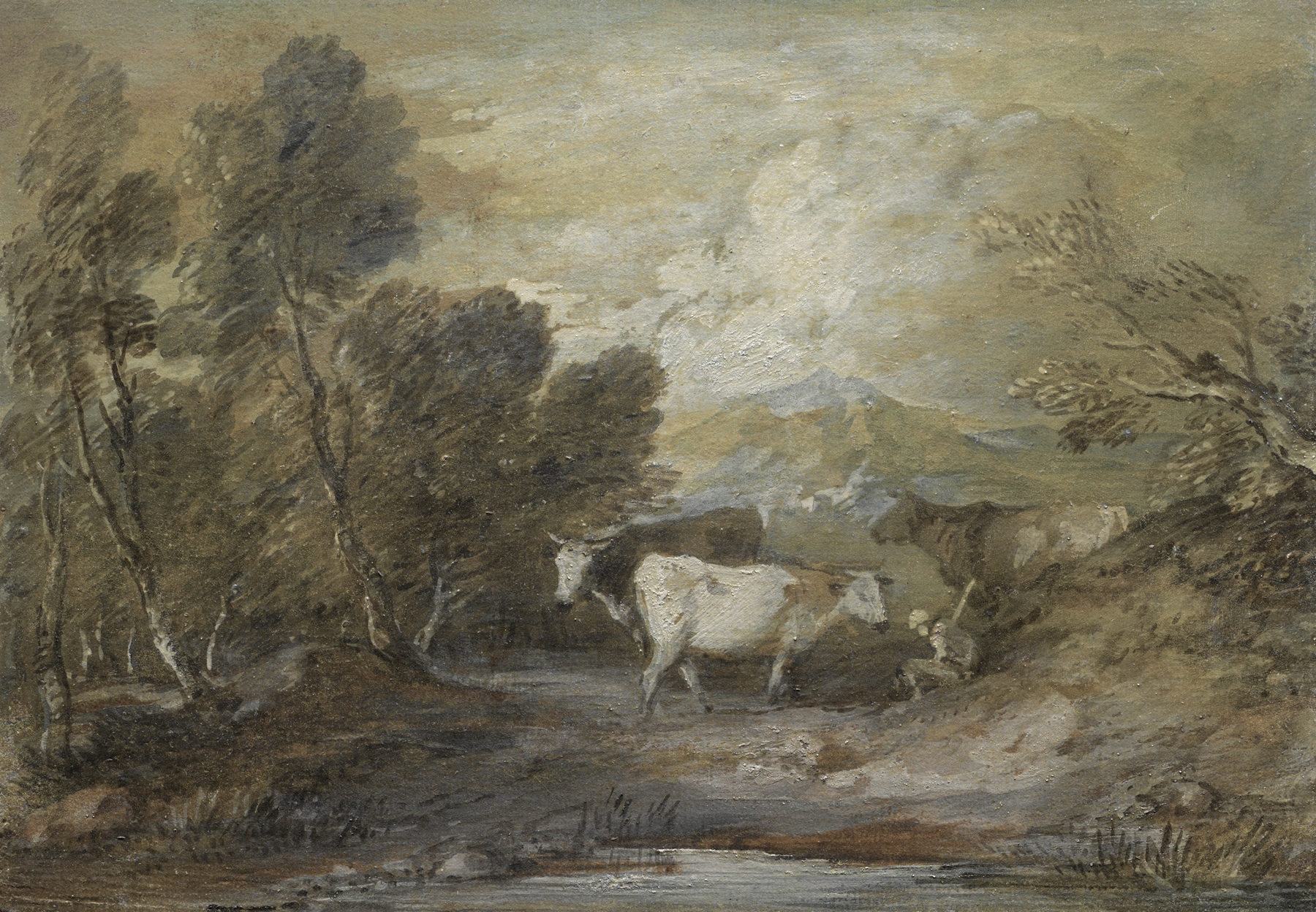
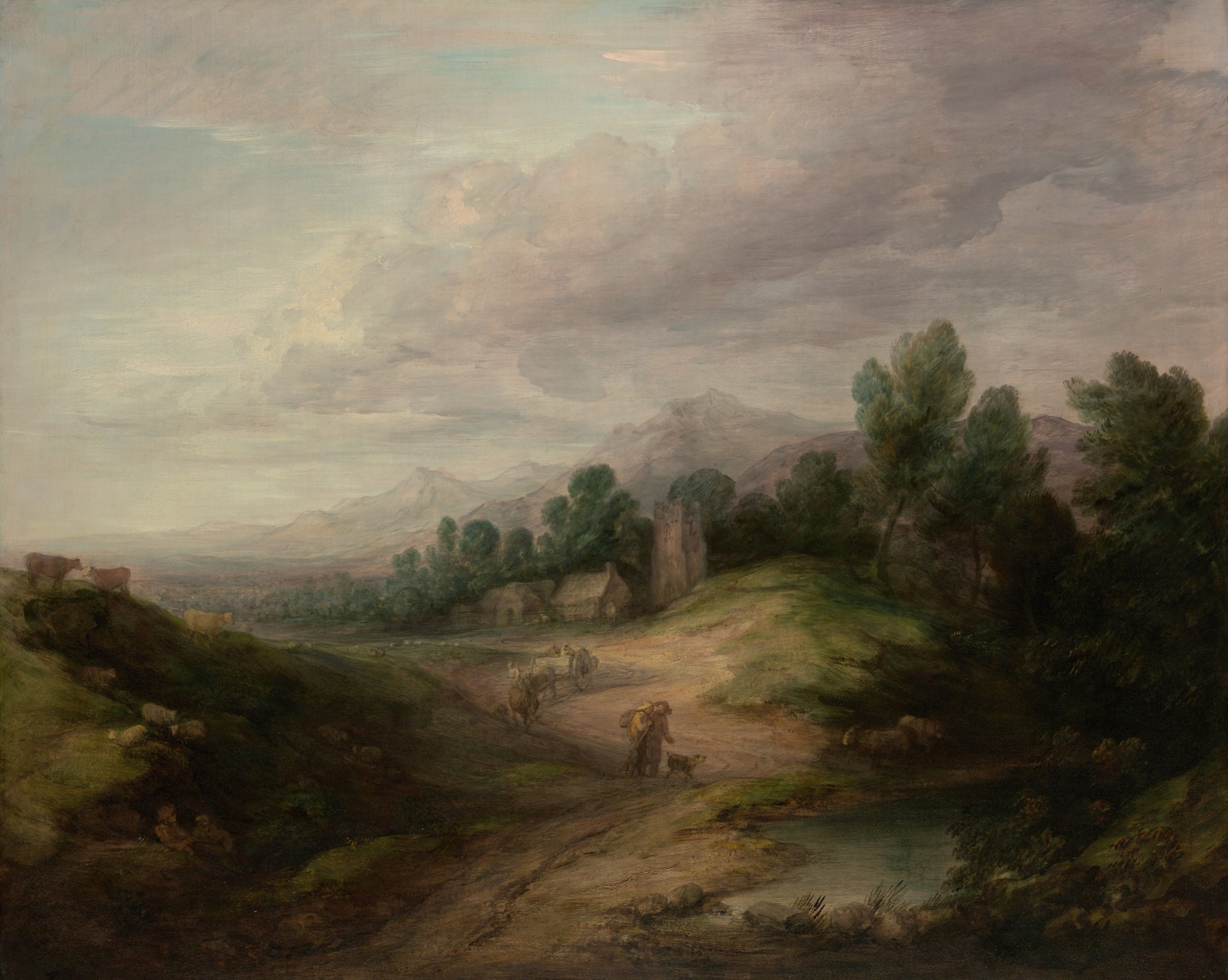
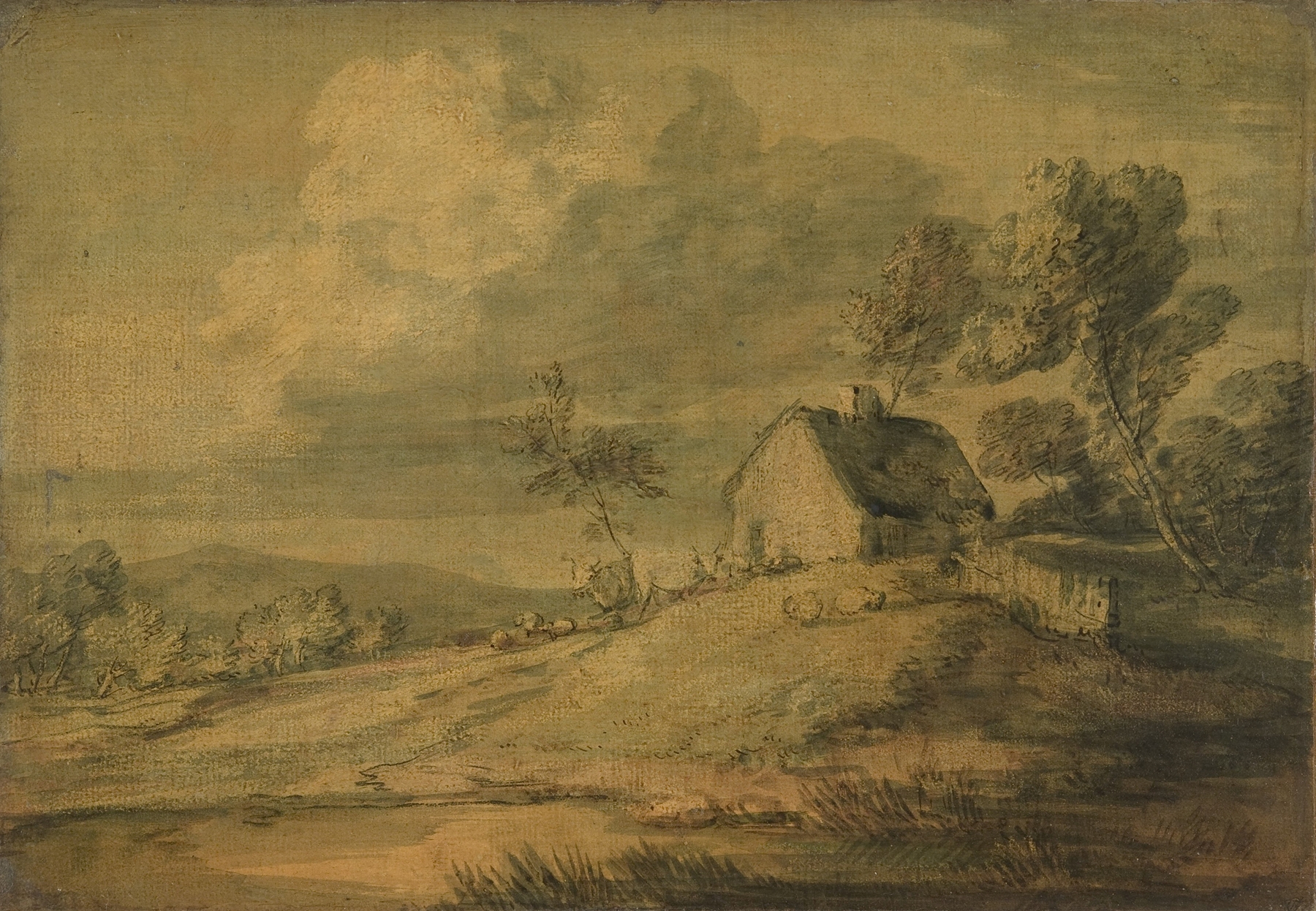
“Sometimes beauty is just pain, disguised in gold.” What happens when nature becomes a sanctuary, a place to escape the burdens of existence? In Wooded Landscape with Cottage, Cows and Sheep, the serene landscape transcends mere scenery, inviting us to explore the heart of tranquility intertwined with the weight of reality. Look to the left, where the gentle curve of the hills beckons your gaze toward the charming cottage nestled amid lush greenery. Notice how light dances through the canopy, casting a dappled glow upon the grazing cows and sheep. The soft, earthy palette evokes warmth, while the delicate brushstrokes breathe life into every blade of grass, inviting you to linger in this pastoral haven.
The composition draws the eye, leading you deeper into the painting’s embrace, where nature and humanity coexist harmoniously. Yet beneath this idyllic surface lies a tension that stirs the soul. The cows, symbols of pastoral abundance, stand in stark contrast to the uncertain future that agricultural dependence brings. The towering trees that frame the cottage can signify safety and shelter, but they also hint at the relentless passage of time and the impending changes it brings.
The painting speaks of both comfort and vulnerability, hinting at the fragility of rural life in an ever-evolving world. In 1770, during a period marked by societal shifts and artistic evolution, Gainsborough painted this work while living in Suffolk, England. At this time, he was gaining recognition as a leading artist in the English landscape genre, navigating the delicate balance between tradition and innovation. The world around him was shifting, yet in this canvas, he captured an eternal moment of peaceful coexistence, prompting viewers to reflect on the transient nature of beauty itself.