Wooded Landscape with Figures — History & Analysis
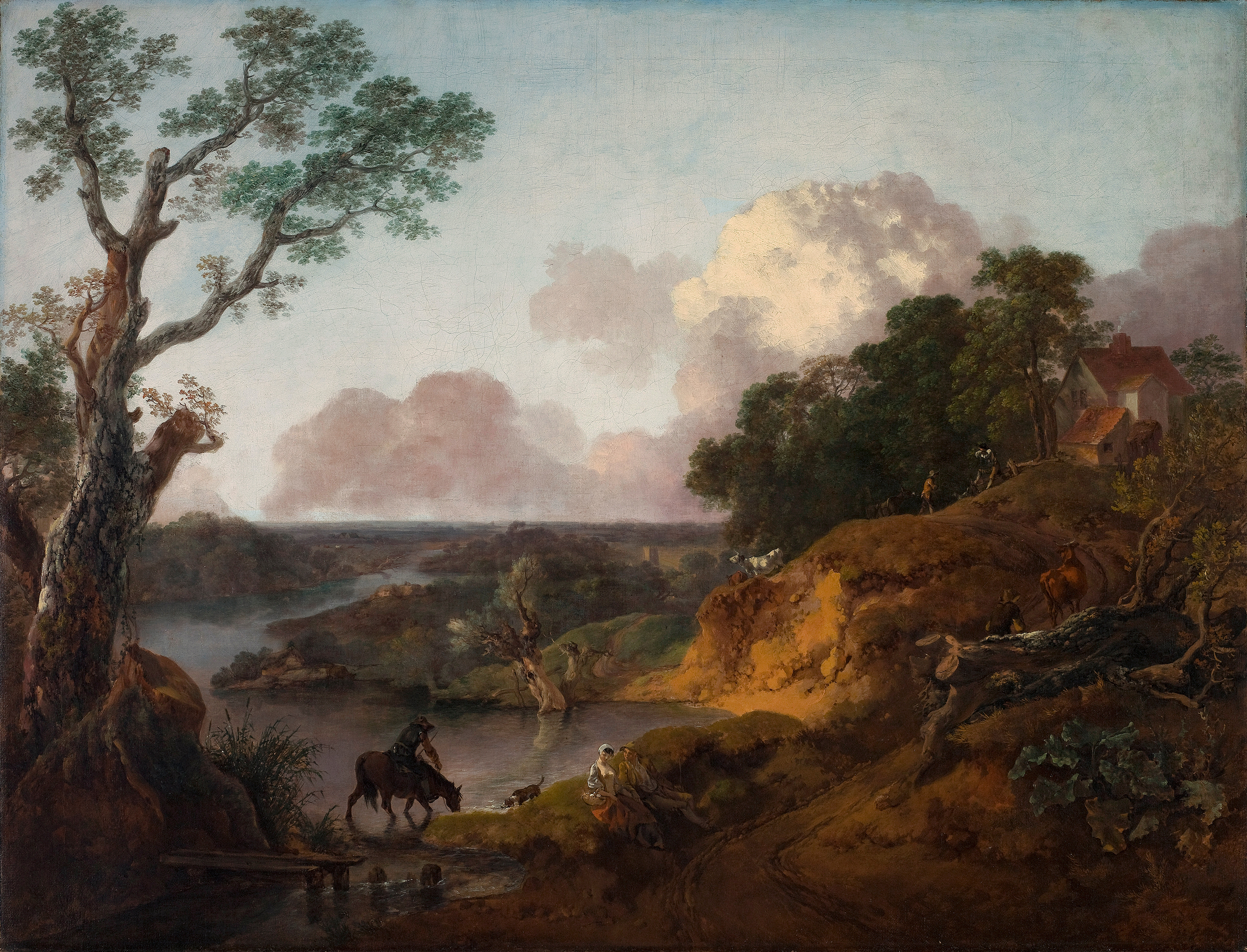
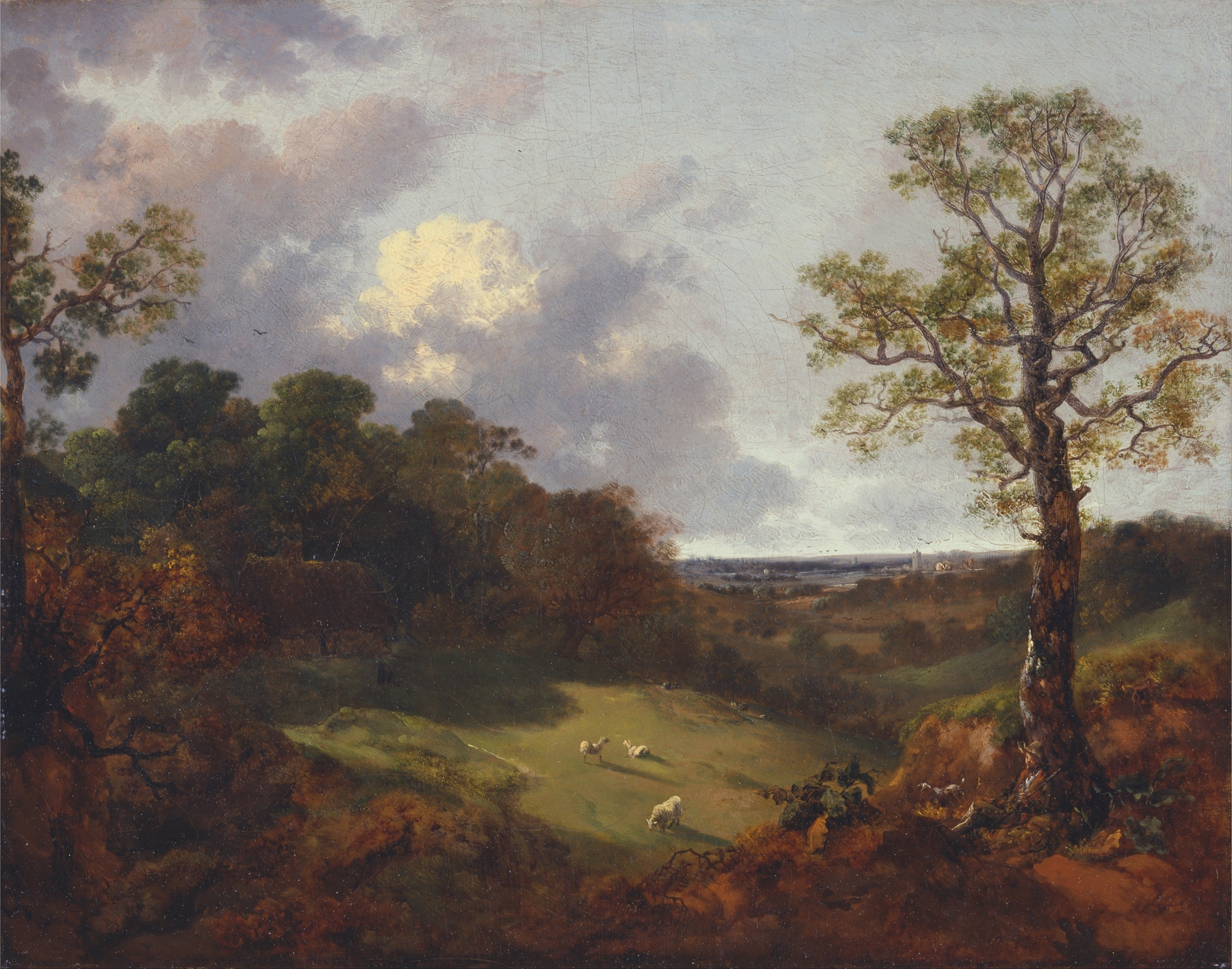
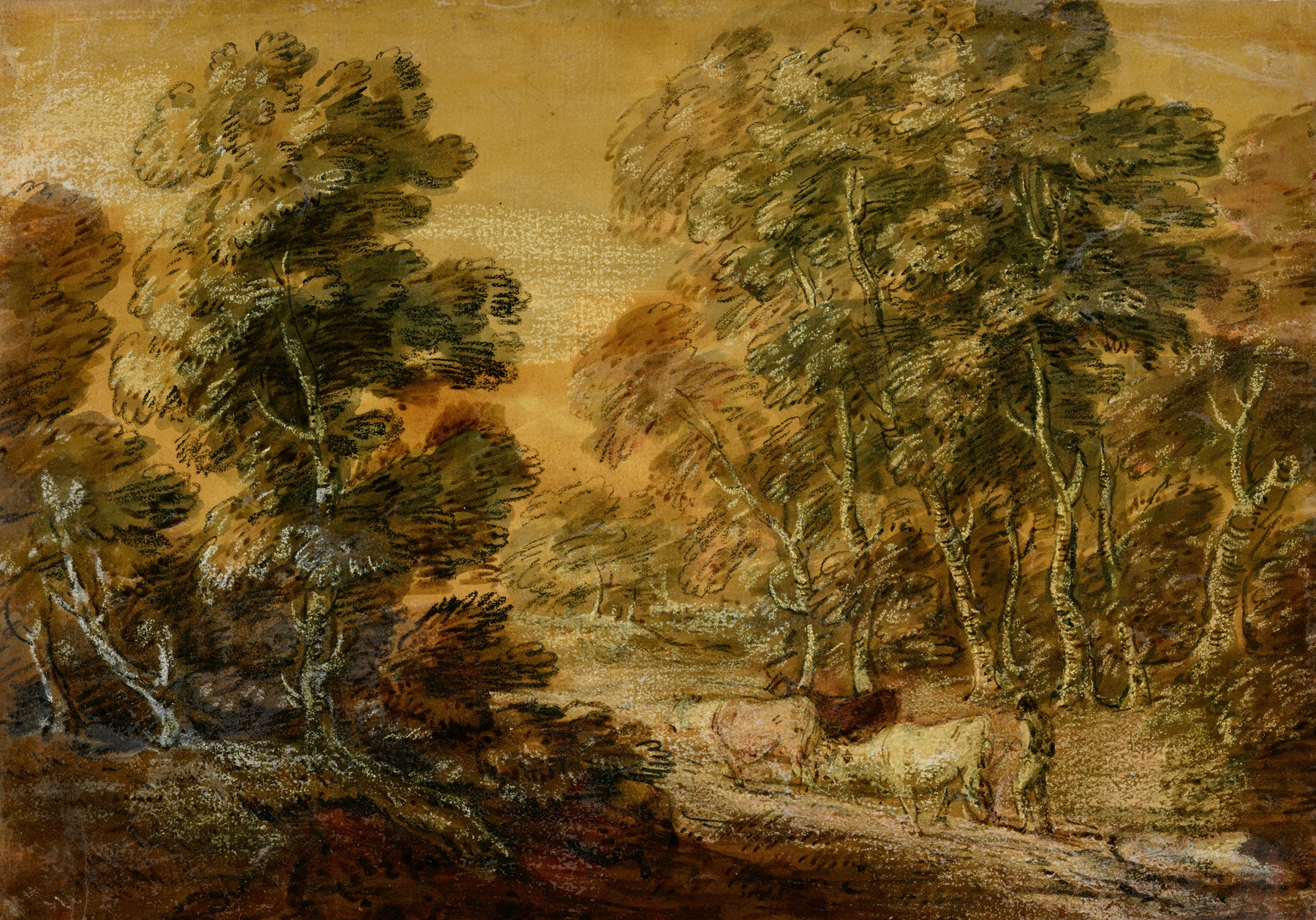
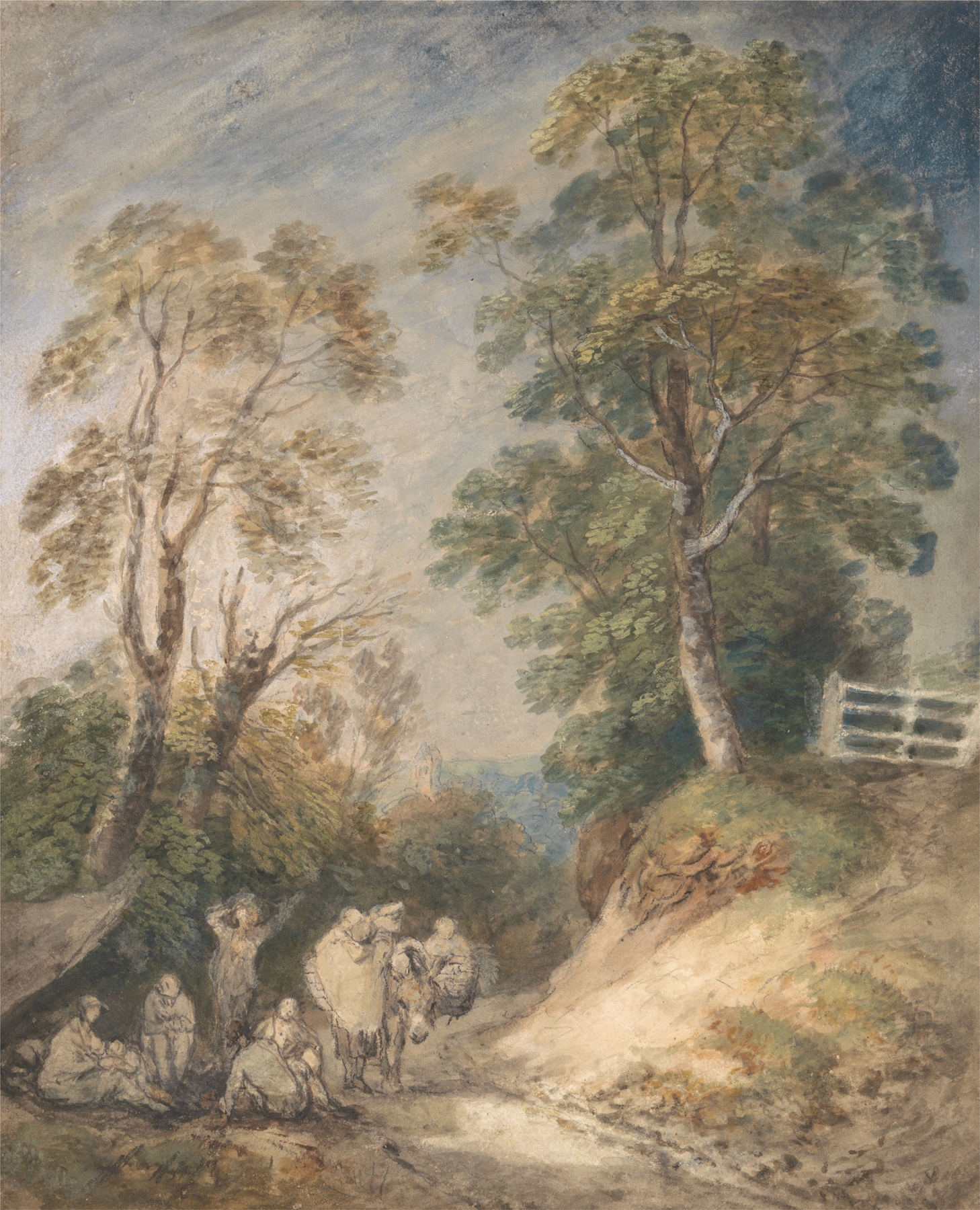
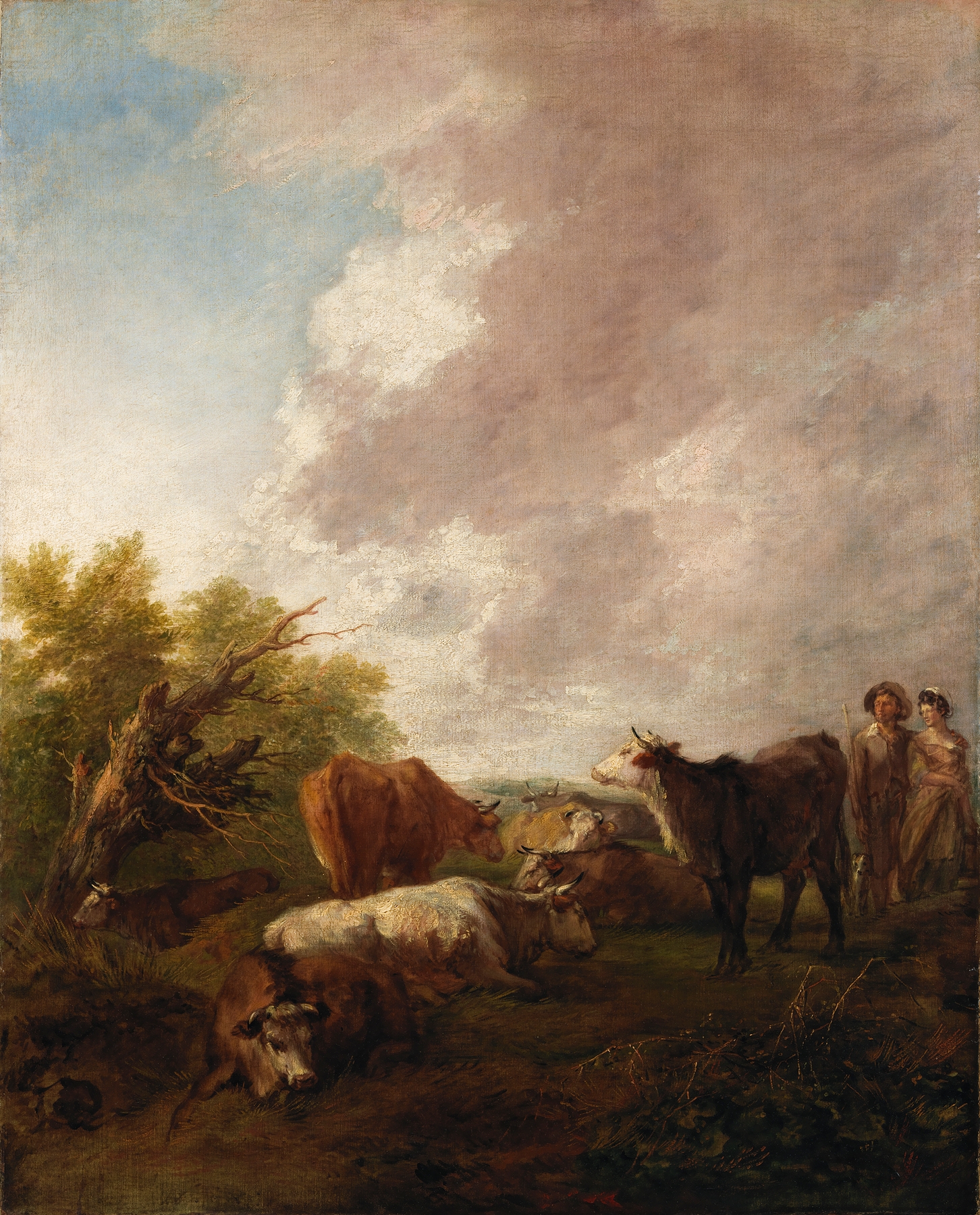
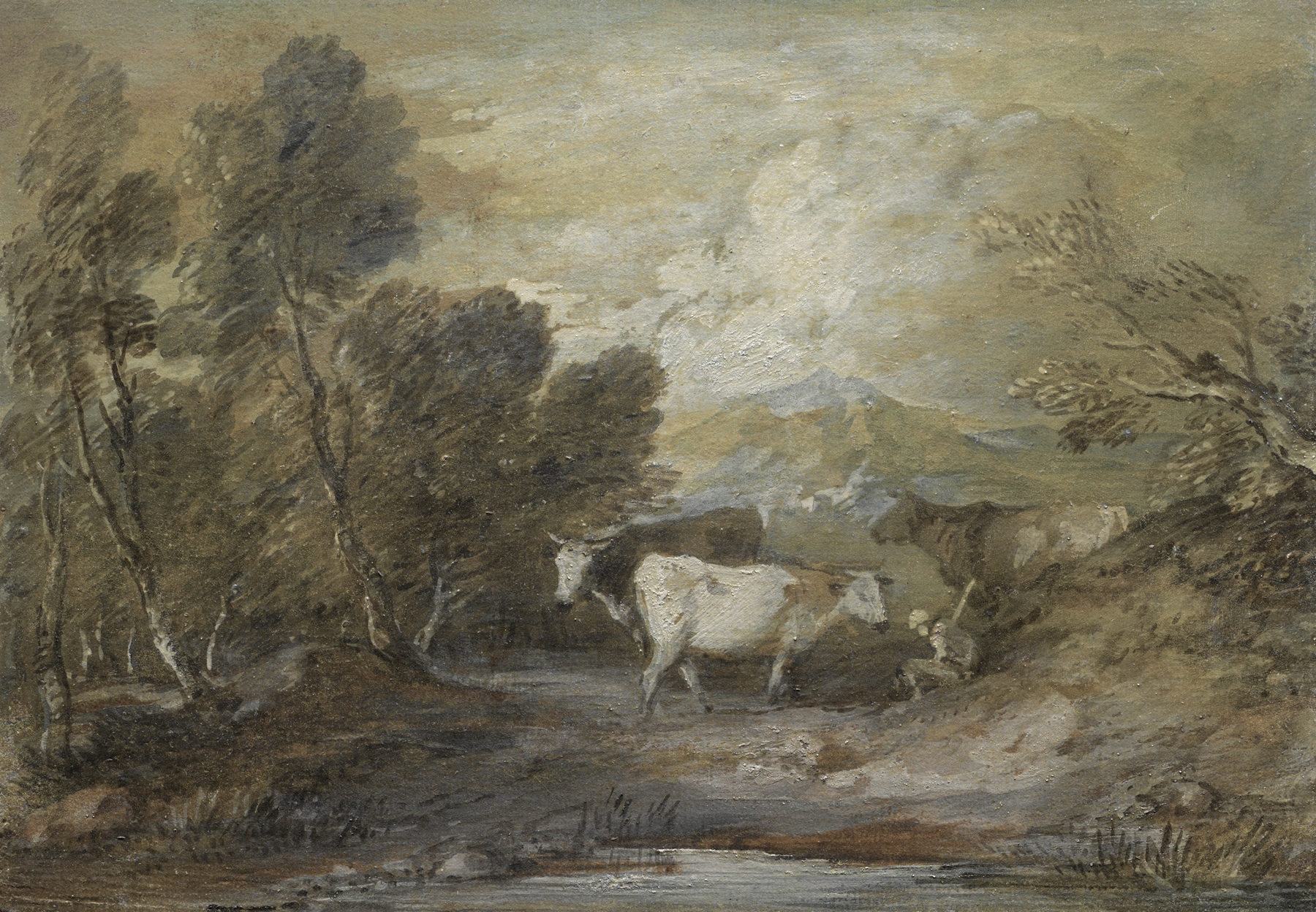
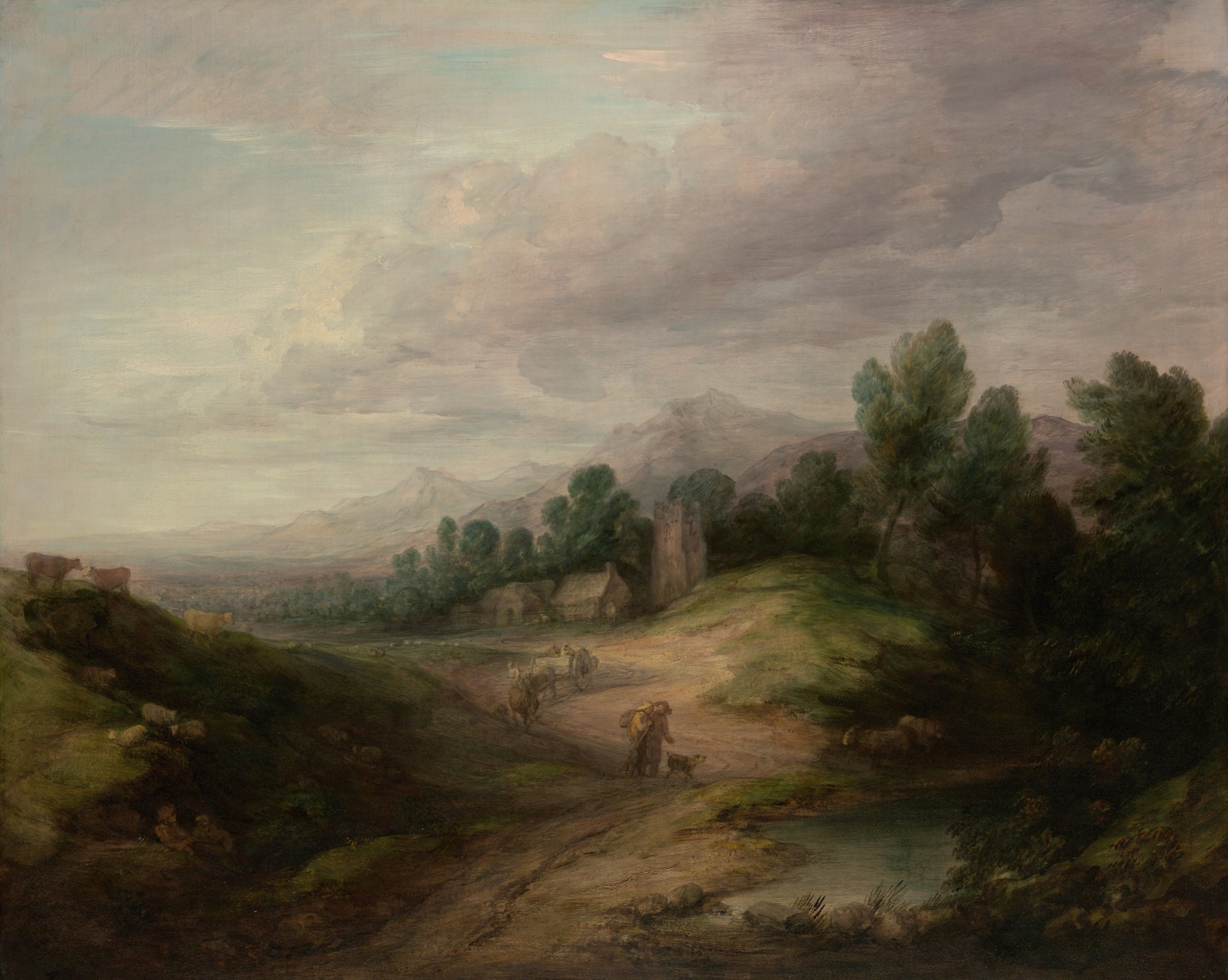
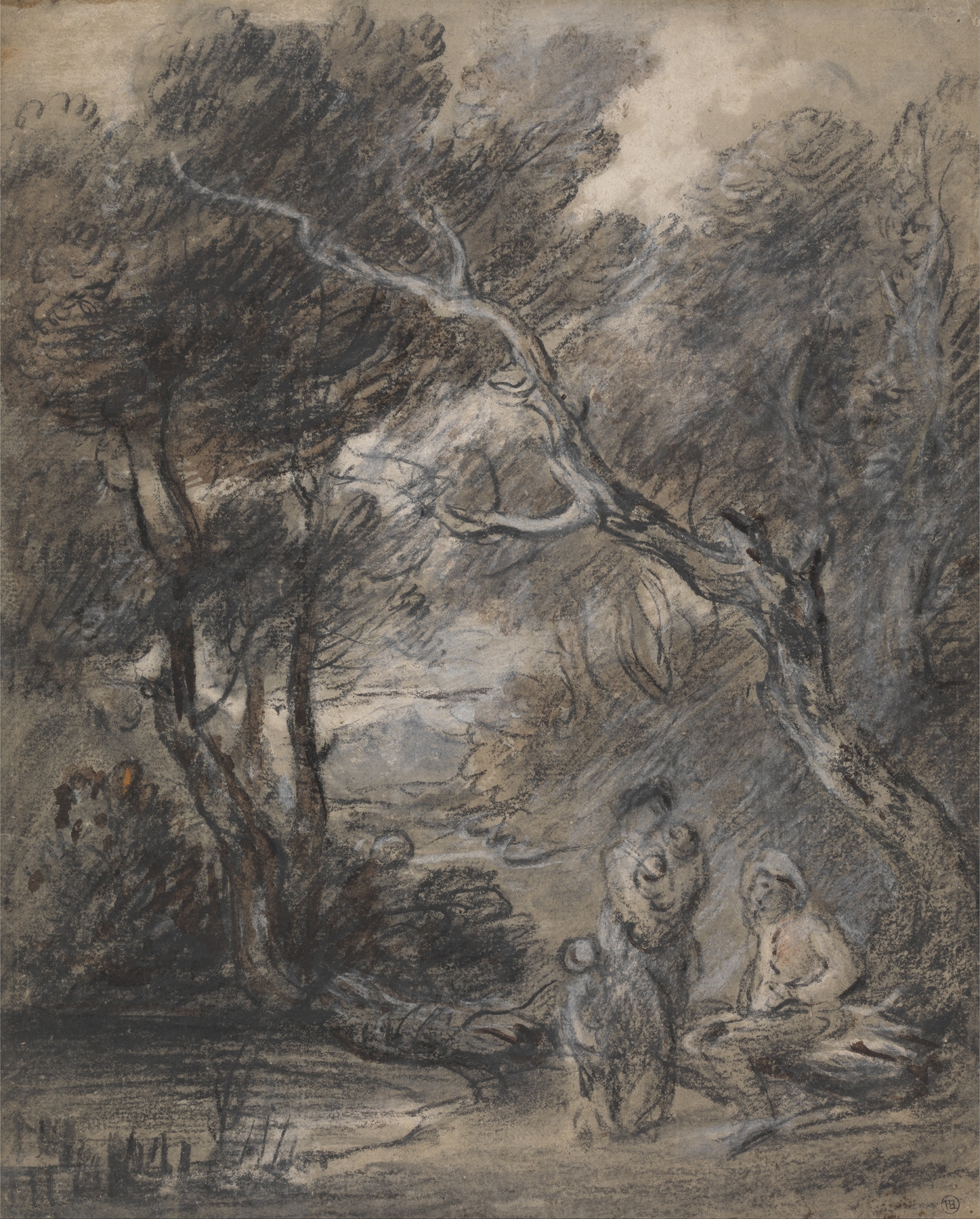
What if beauty was never meant to be finished? In the wooded tranquility painted by Gainsborough, the figures nestled among the trees whisper of fleeting moments, evoking the pain of loss intertwined with the splendor of nature. Look to the left at the delicate interplay of dappled sunlight filtering through the leaves, casting an ethereal glow on the forest floor. Notice the soft greens and browns that envelop the figures—two figures walking, almost lost in reverie amid the wild beauty surrounding them.
The brushwork is fluid, creating a sense of movement that invites the viewer into this serene yet elusive scene, hinting at an untouched, ephemeral world. Within the layers of paint lie deeper meanings of solitude and connection. The figures stand at the cusp of an expansive landscape, suggesting an impending departure or separation from a moment that cannot last. The gentle curve of the path draws the eye towards an unknown destination, echoing the uncertainty of human experience.
Each brushstroke captures not just the beauty of the setting but the weight of its transience, where nature mirrors our own journeys through life’s impermanence. Gainsborough, known for his portraits and landscapes, painted this work during a time of significant personal and professional transition in the late 18th century. Creating in England, he was navigating the shifting tides of artistic norms, as Romanticism began to take shape. This period of introspection and exploration is reflected in the emotional depth of this piece, where he masterfully blends human presence with the sublime, a testament to both the beauty and fragility of existence.