View in Suffolk — History & Analysis
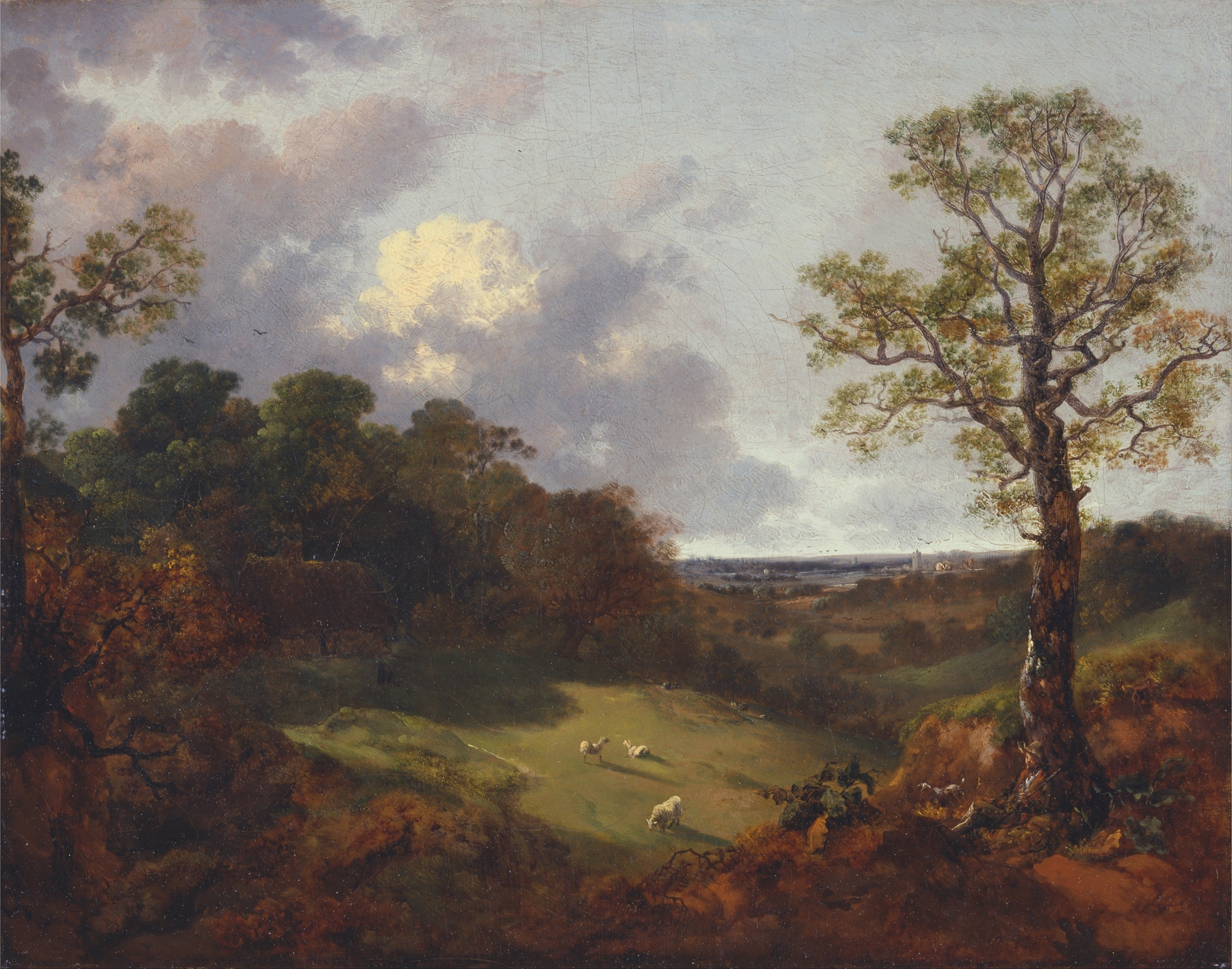
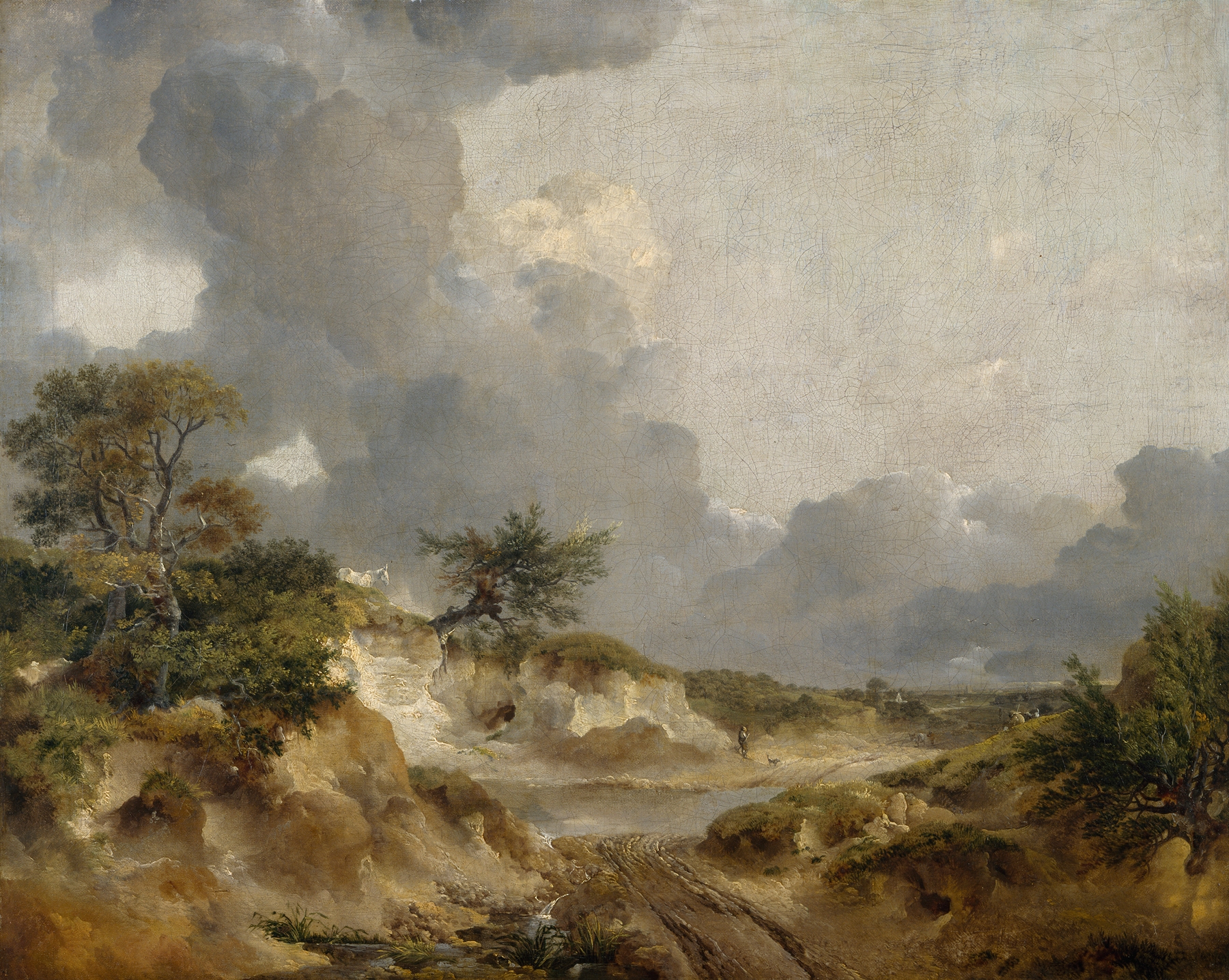
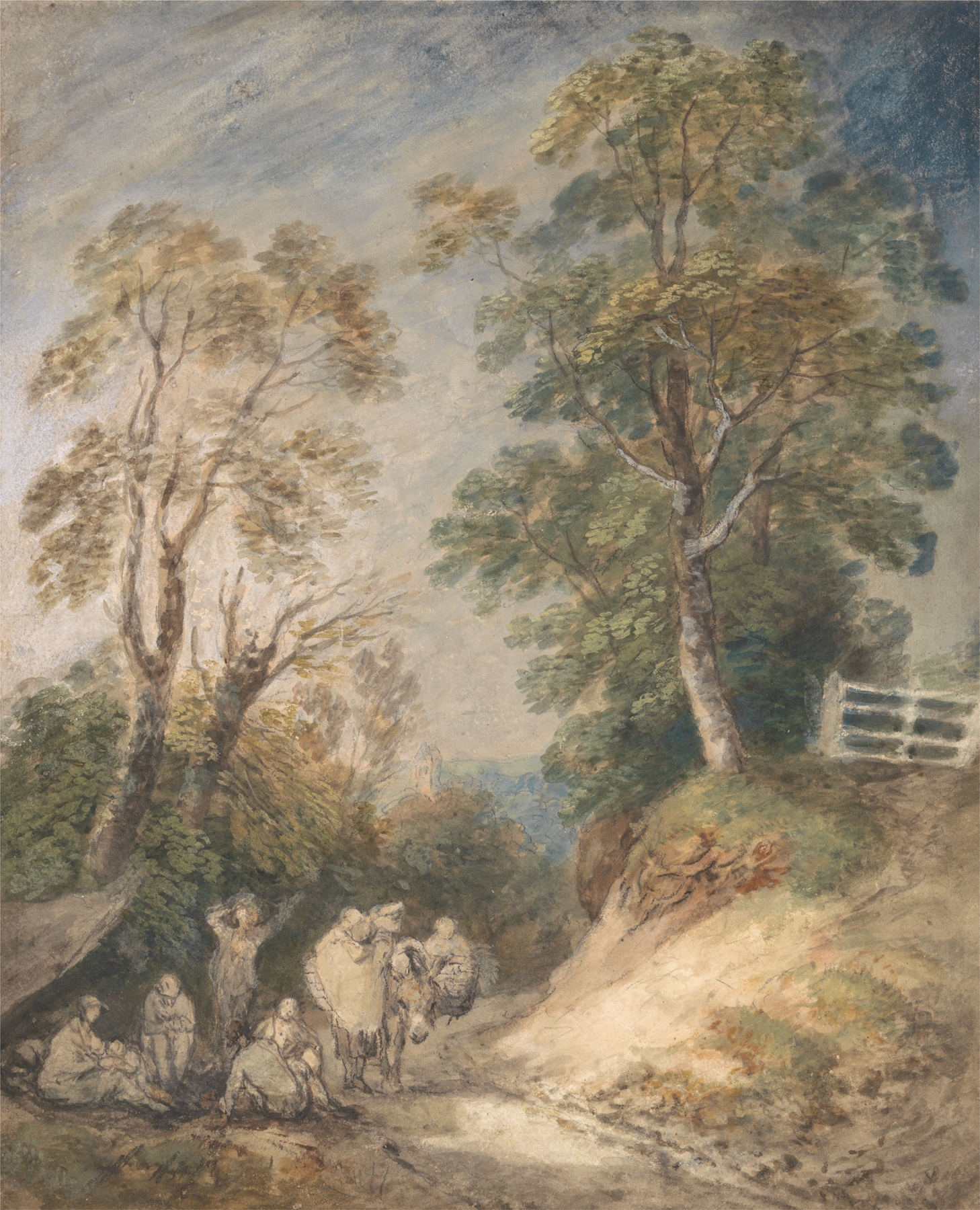
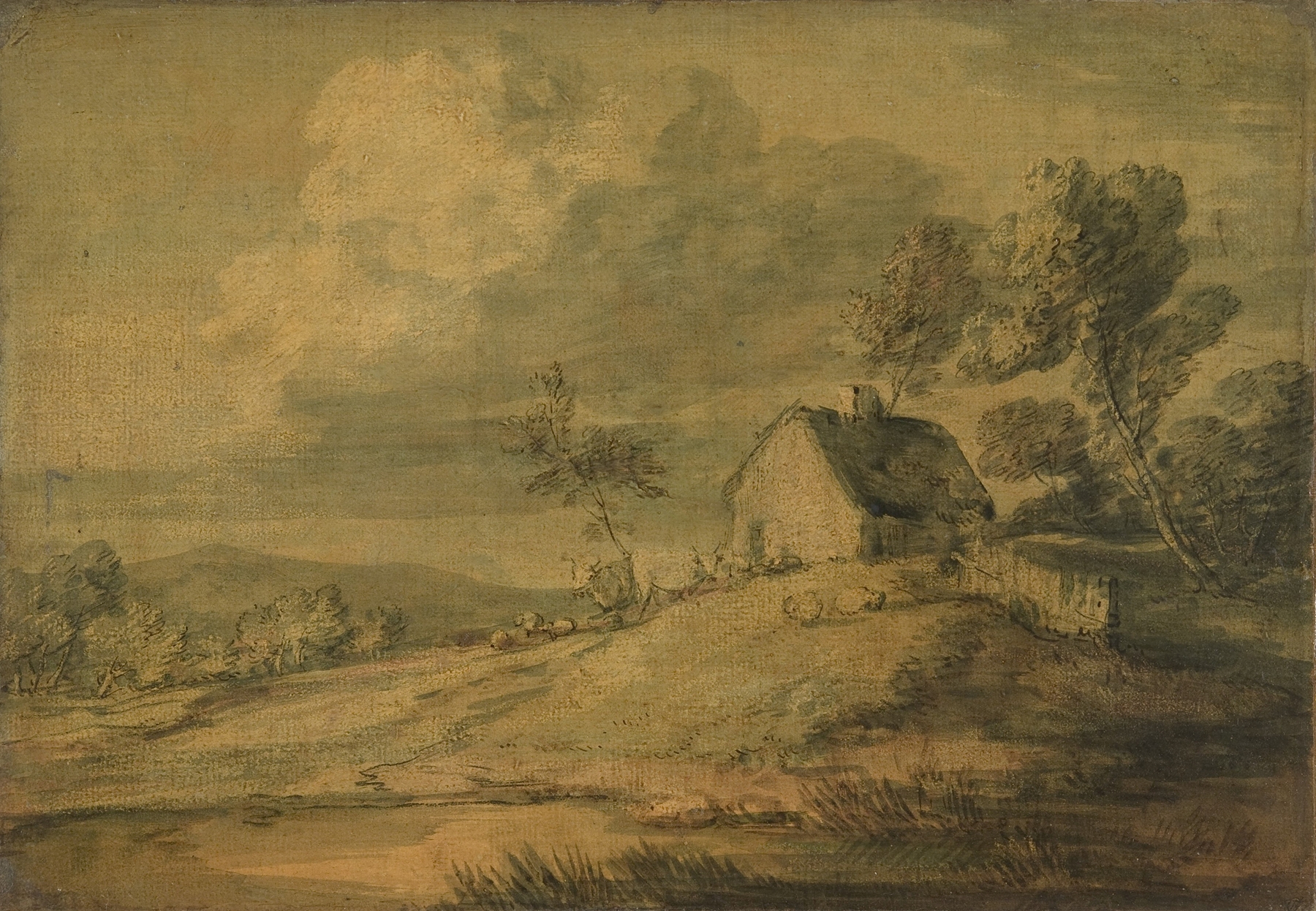
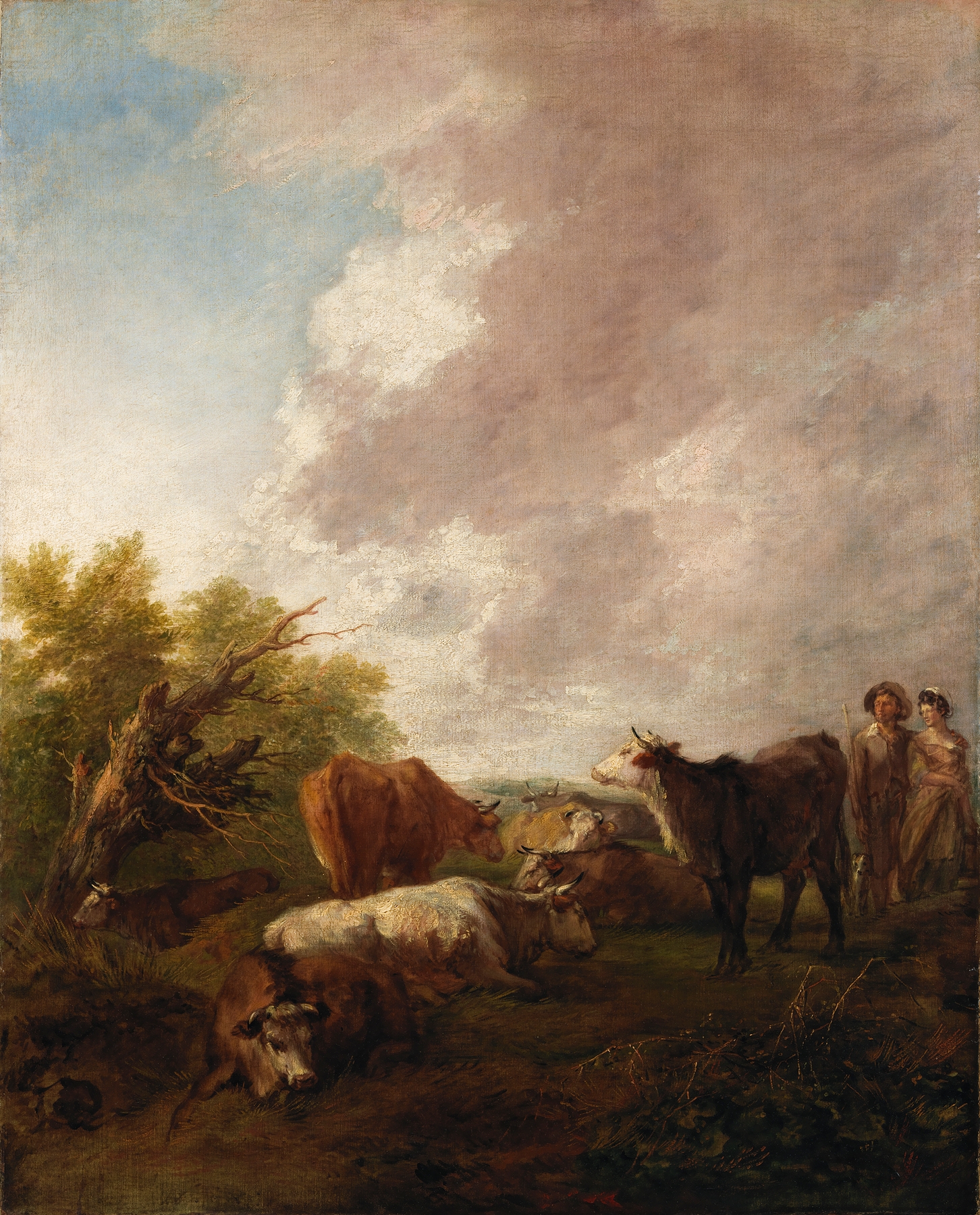
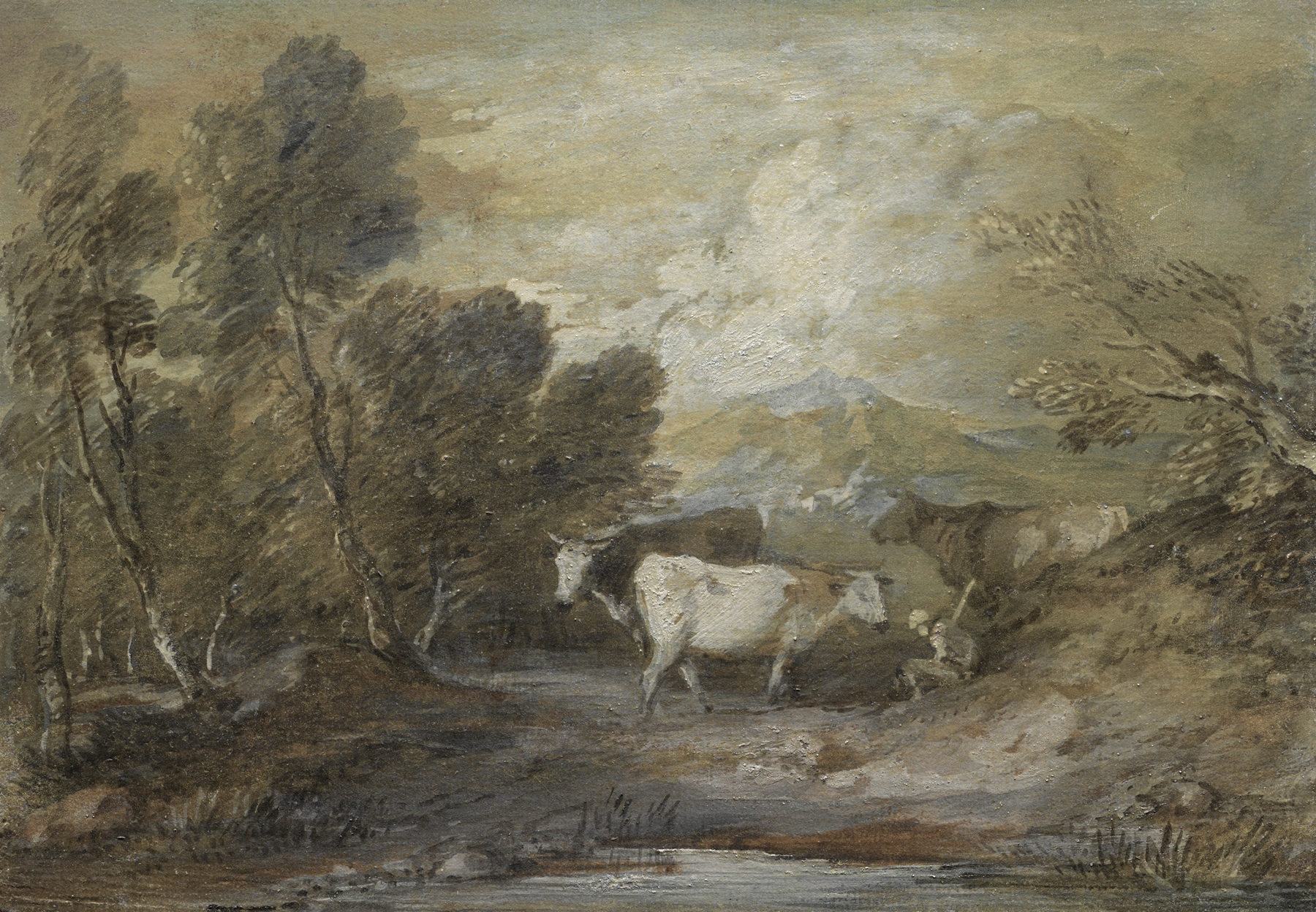
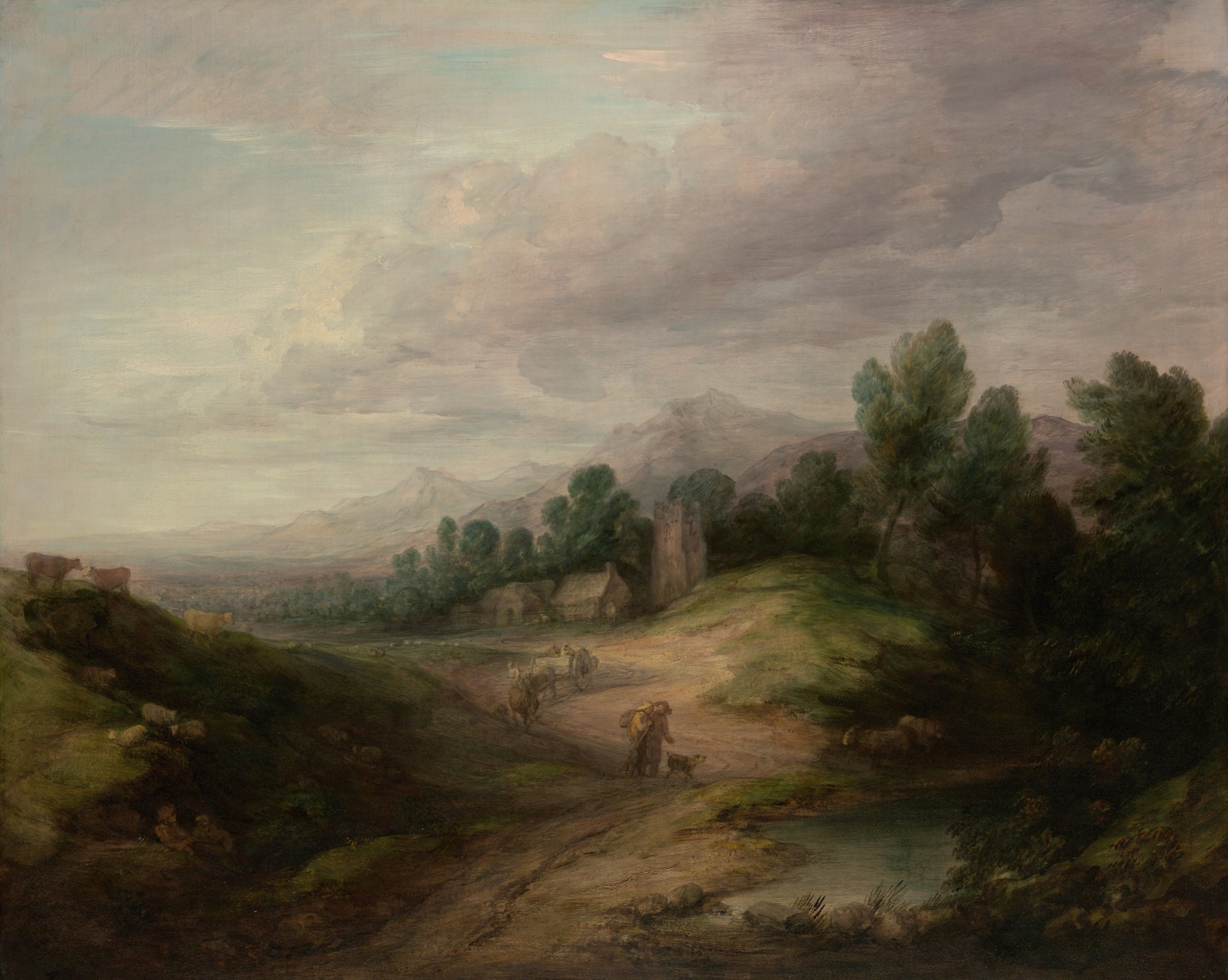
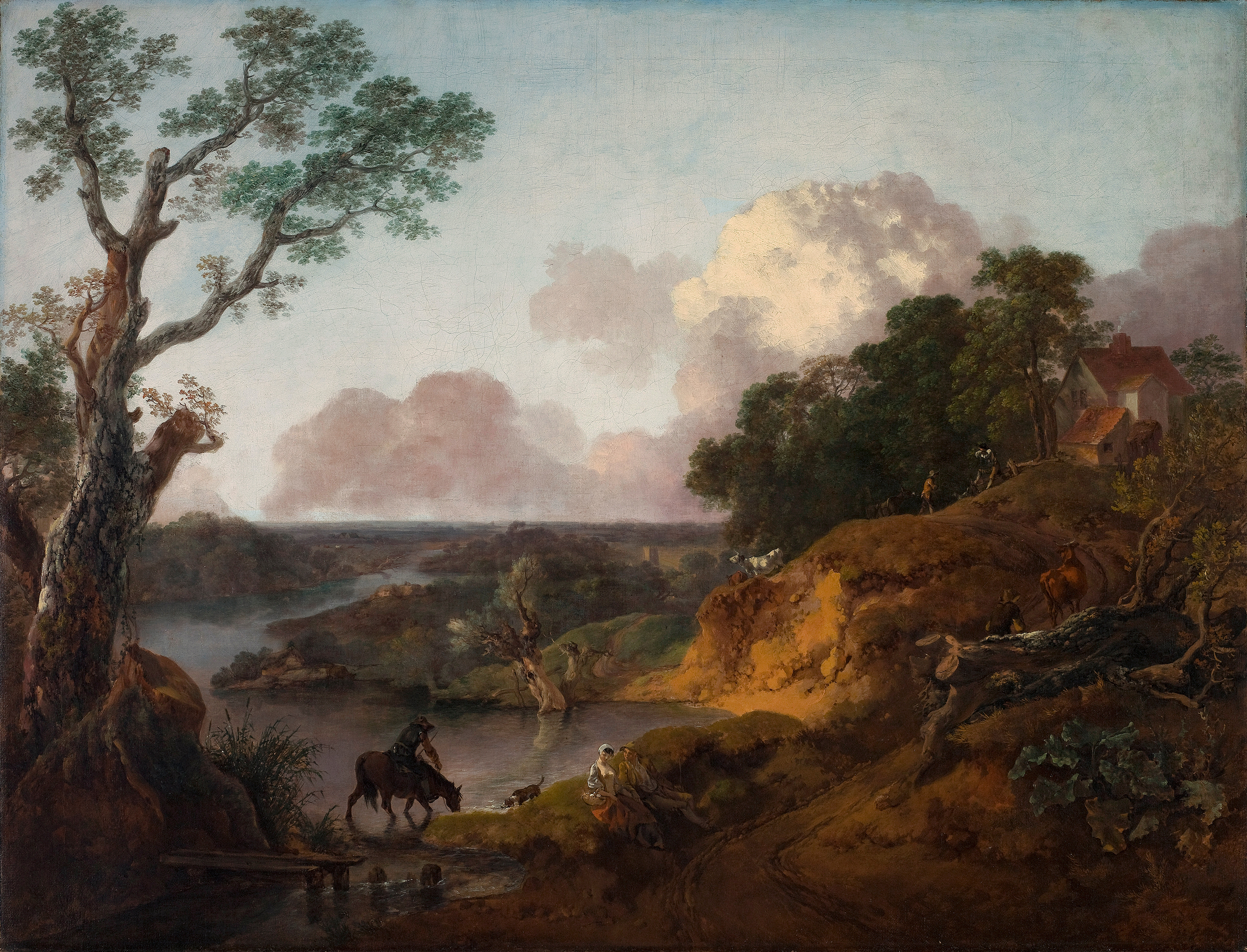
“Under the brush, chaos becomes grace.” In View in Suffolk, Thomas Gainsborough captures the delicate ballet of nature and human presence, where every stroke reveals a world in transformation. Look to the foreground, where a winding path beckons the viewer into a lush landscape alive with color. Notice how the vibrant greens of the grass contrast with the soft, muted browns of the earth, creating a sense of depth and harmony. The figures, small and unassuming, are almost cradled by the vastness of the scene, drawing attention to the interplay between humanity and the pastoral backdrop.
The sunlight filters through the trees, casting dappled shadows that dance upon the ground, inviting a quiet contemplation of the moment. Beneath the serene surface, tension simmers. The juxtaposition of the idyllic setting with the fragility of human life evokes profound reflections on mortality and the passage of time. The two figures, absorbed in their meandering journey, symbolize both the intimate connection to the landscape and the transient nature of existence.
The painting serves as a reminder of the beauty that can be found in impermanence, inviting the viewer to consider how each moment, much like the strokes of a brush, combines to create a greater whole. Created around 1755, this piece emerged during Gainsborough's early career, a time when he was establishing his reputation as a leading landscape artist in England. Working primarily in Suffolk, he was influenced by the natural beauty of the English countryside and the growing Romantic movement that sought to celebrate nature's raw splendor. This work reflects not only his technical evolution but also the broader cultural shift towards valuing the sublime and the emotive qualities of landscape painting.