A View in Suffolk — History & Analysis
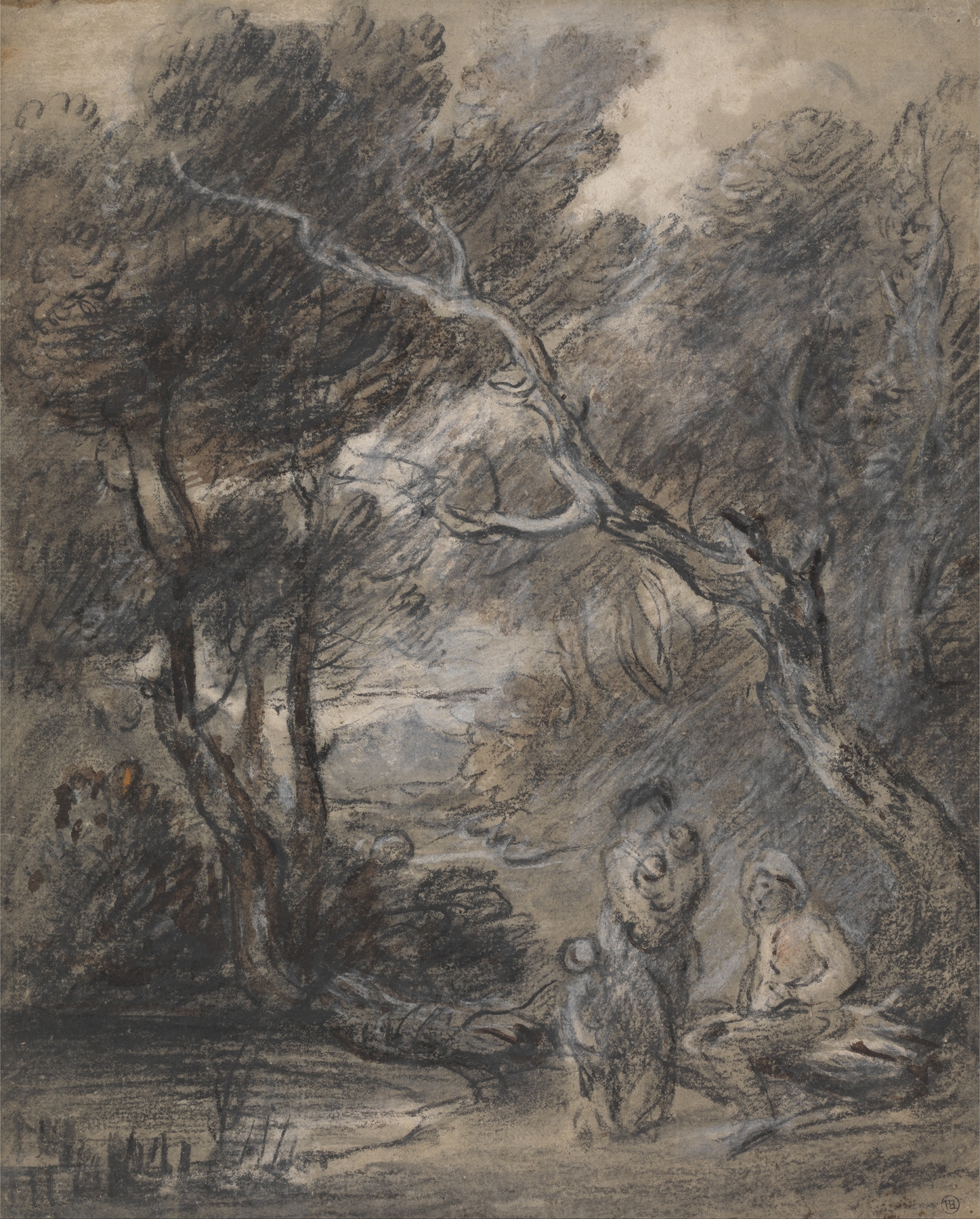
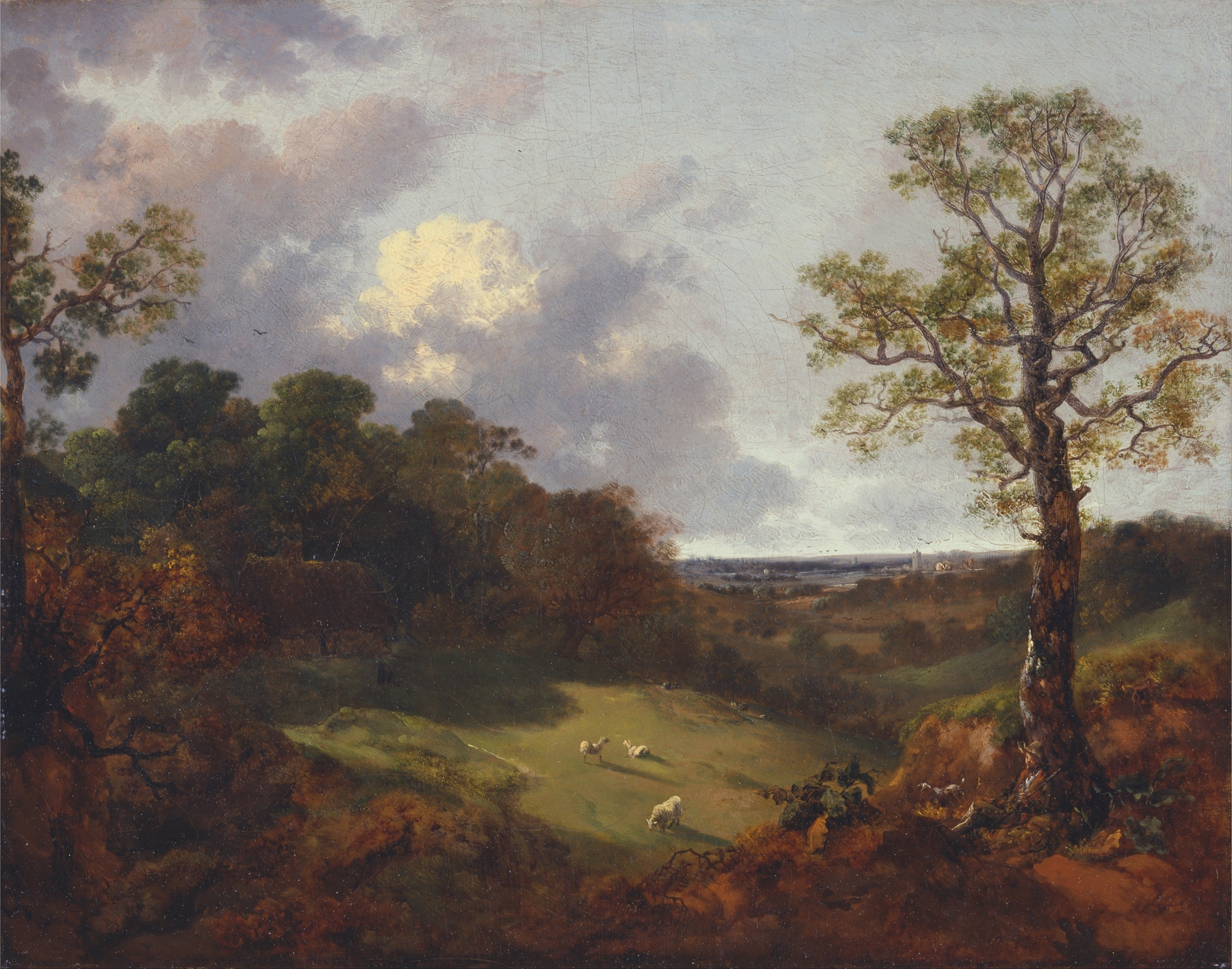
Can beauty exist without sorrow? In A View in Suffolk, the landscape whispers answers yet to be revealed, beckoning us to reflect on the duality of existence. Look closely at the horizon where the gentle undulations of the hills meet the serene sky. The soft strokes of greens and blues create a harmonious backdrop, punctuated by the vibrant blooms of wildflowers in the foreground. Notice how the light dances across the canvas, illuminating the delicate details of nature while casting subtle shadows that hint at deeper, invisible narratives.
Each brushstroke suggests a fleeting moment captured in time, inviting contemplation on both the beauty and the ephemeral nature of the scene. The juxtaposition of light and shadow serves as a metaphor for human experience—joy intertwined with melancholy. The idyllic setting, though picturesque, carries an undercurrent of solitude as the viewer senses the vastness of the landscape. The solitary figure in the distance adds to this feeling, suggesting a connection between humanity and nature that is both tender and isolating.
This duality captures the viewer’s heart and mind, inspiring reflections on the transient nature of happiness. Created around 1746 during Gainsborough's time in Suffolk, this painting reflects a period in which he was shifting away from portraiture to immerse himself in landscape art. Following his move from London, Gainsborough found solace in the natural beauty surrounding him. This shift not only marked a personal evolution in his career but also aligned with broader movements in art that began to celebrate the sublime qualities of nature.