A Coastal Scene — History & Analysis
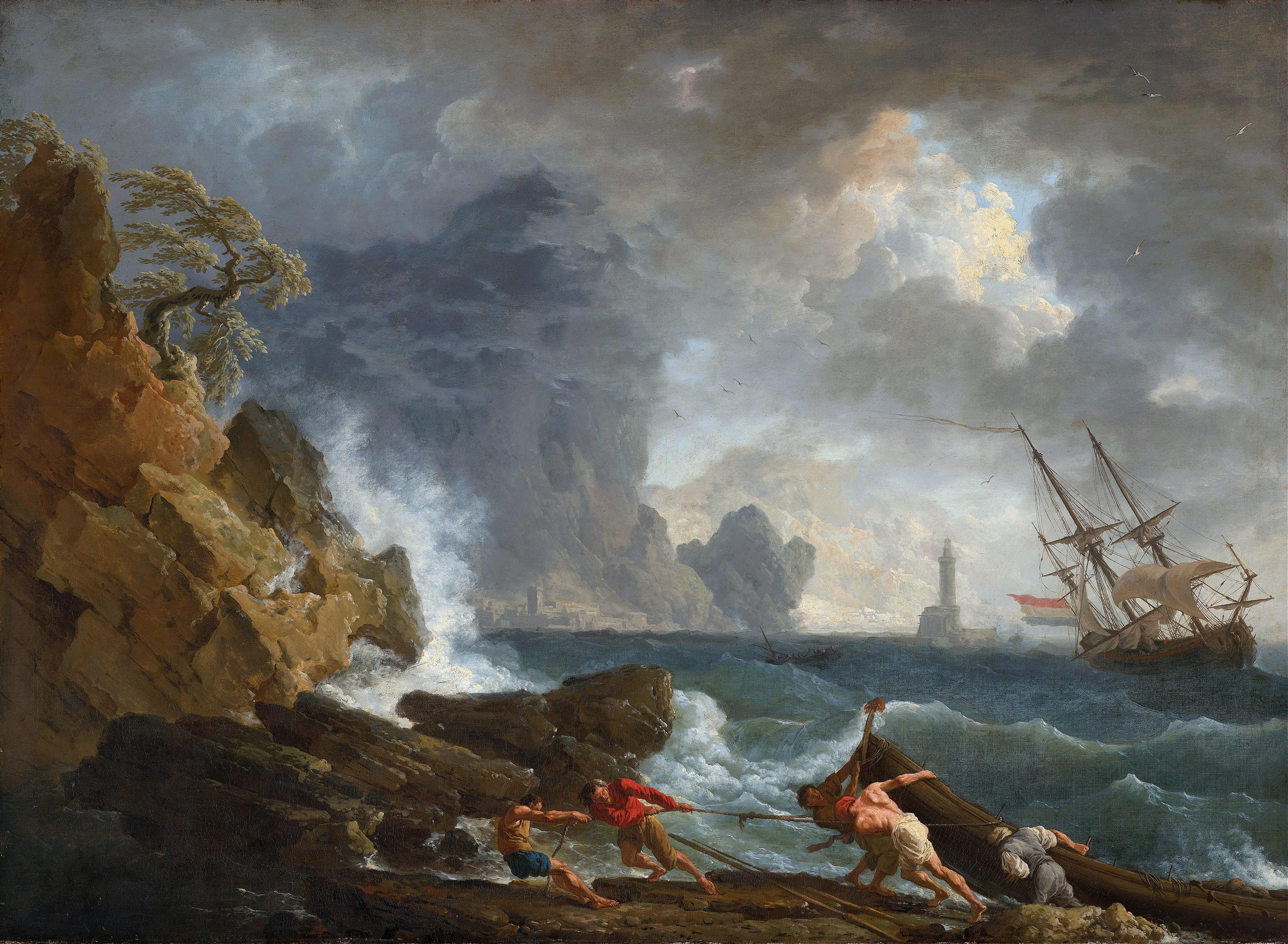
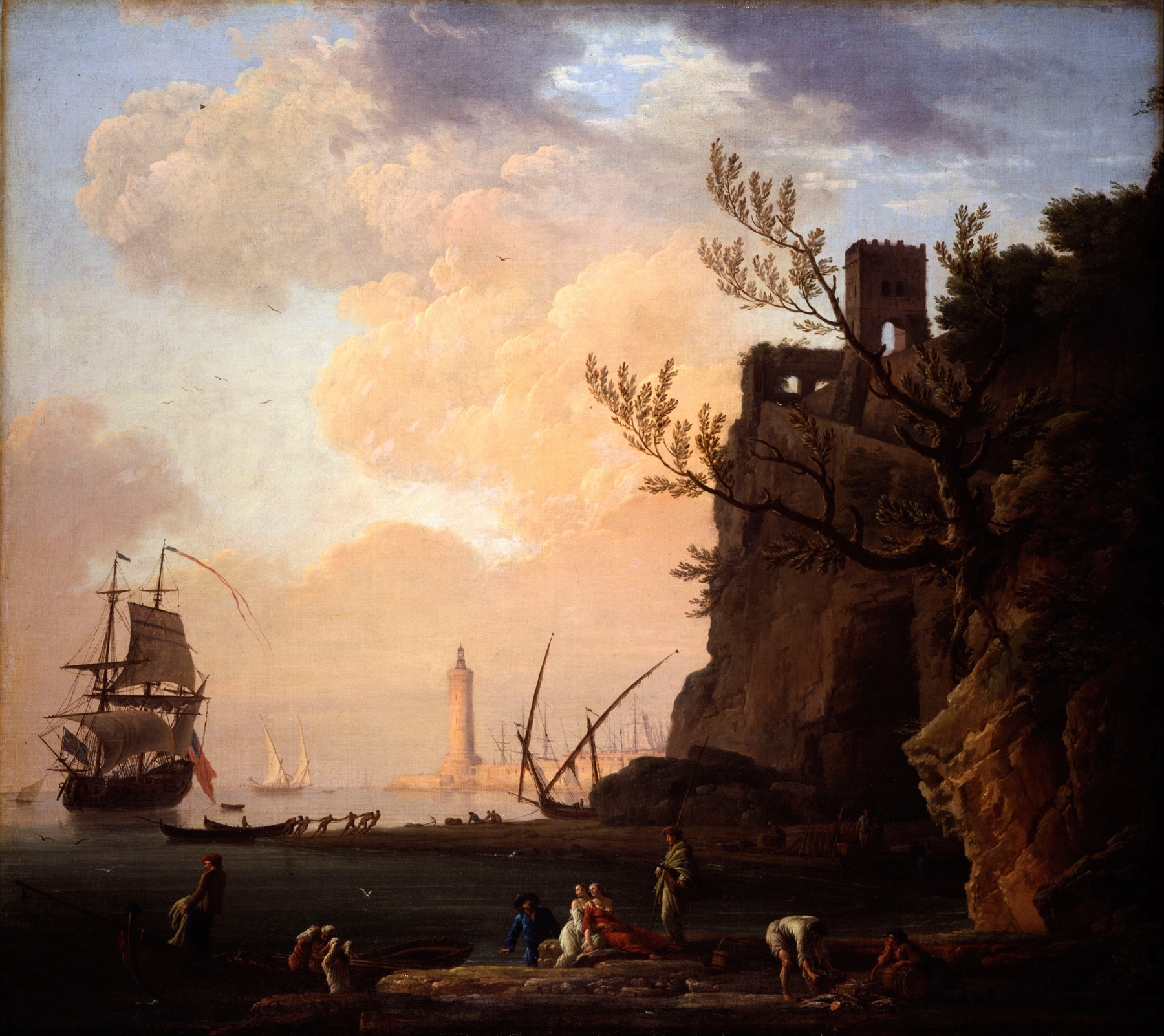
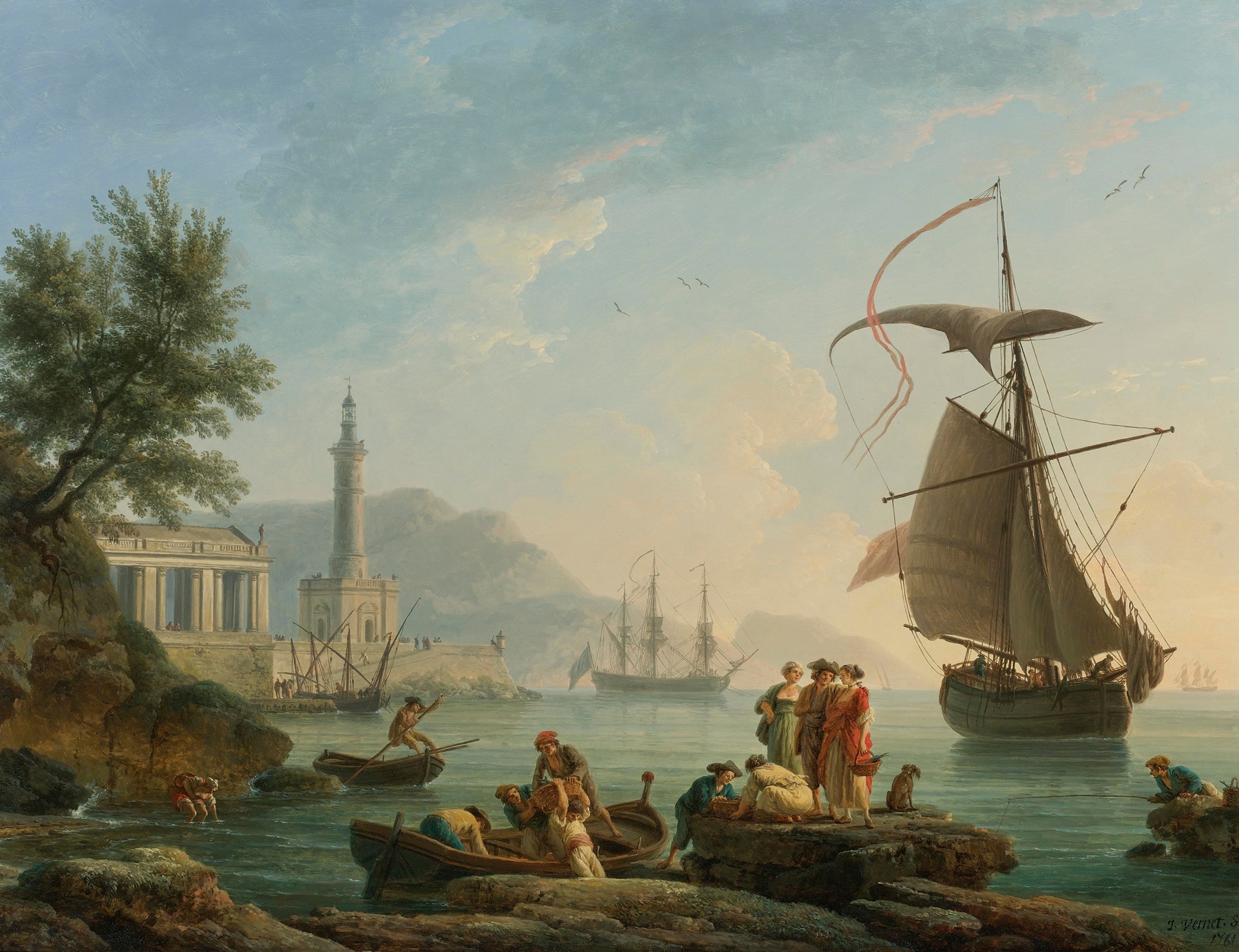
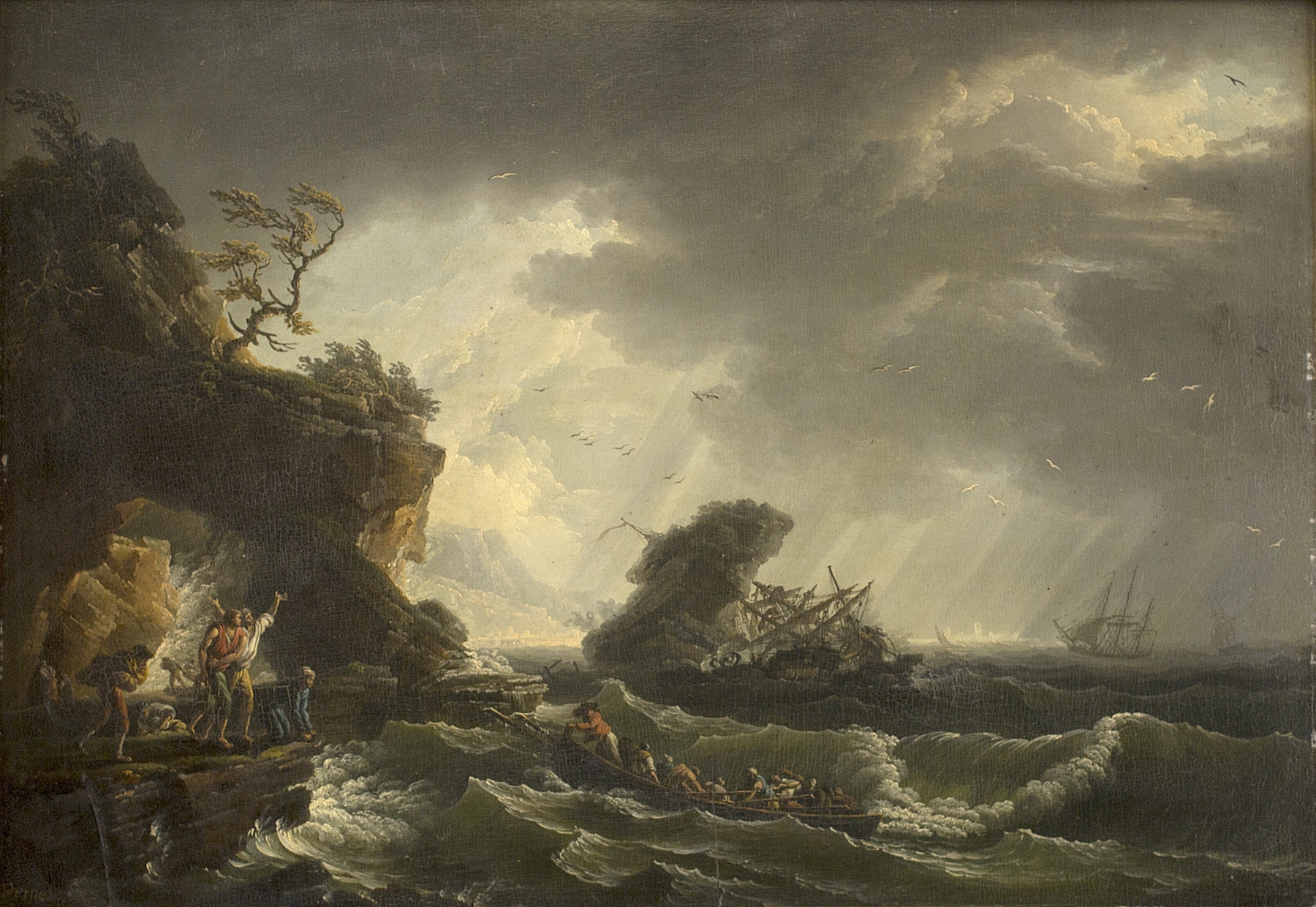
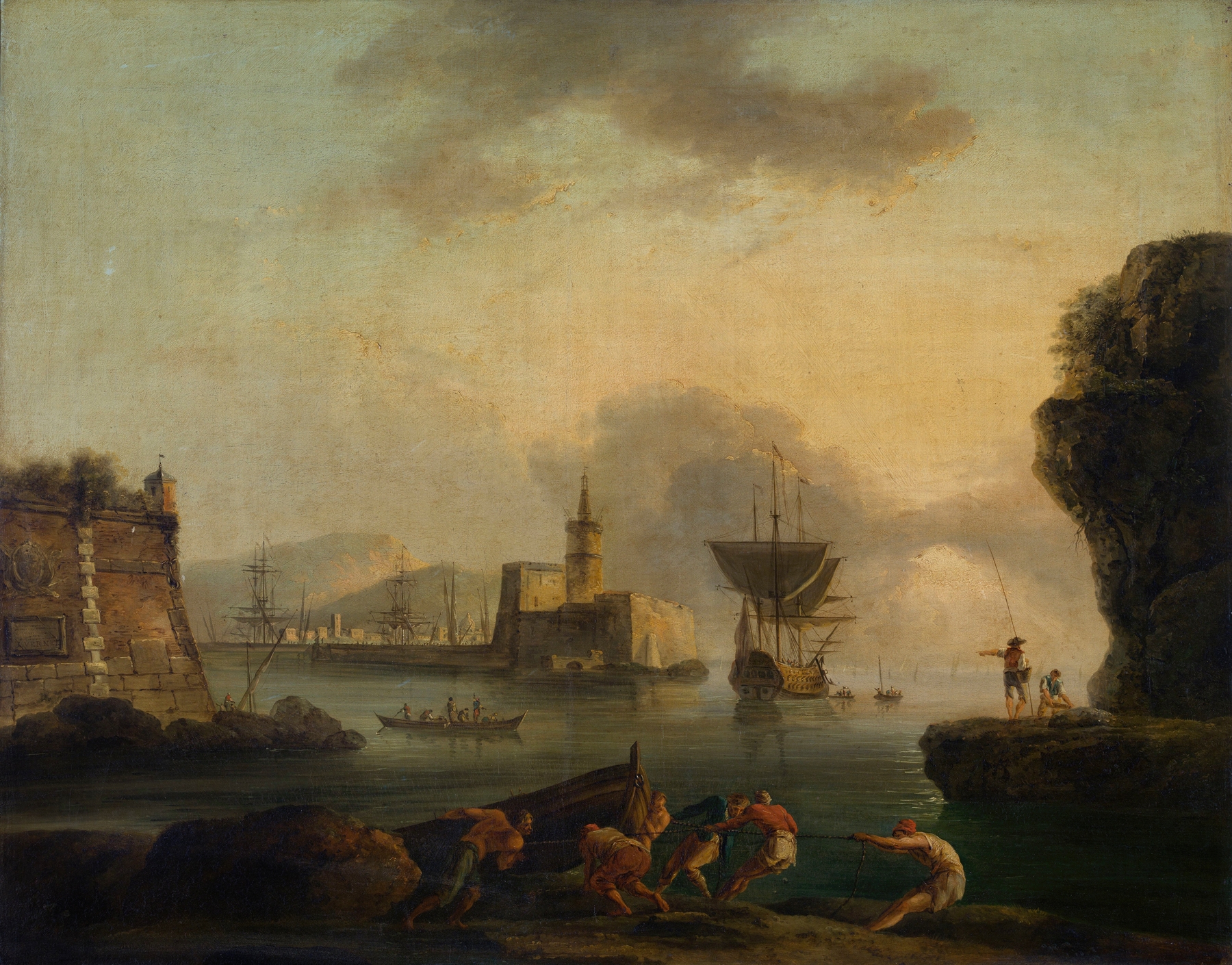
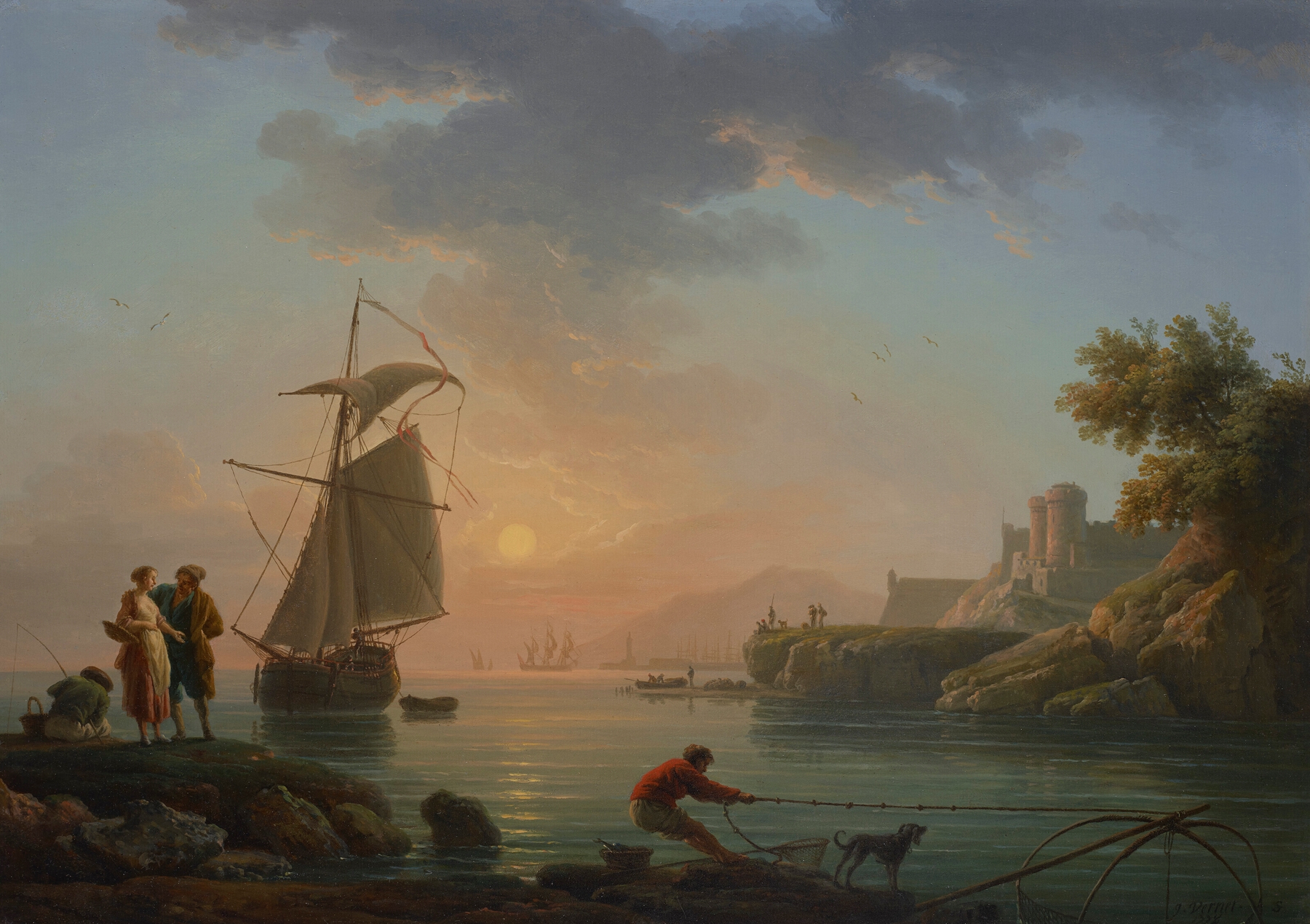
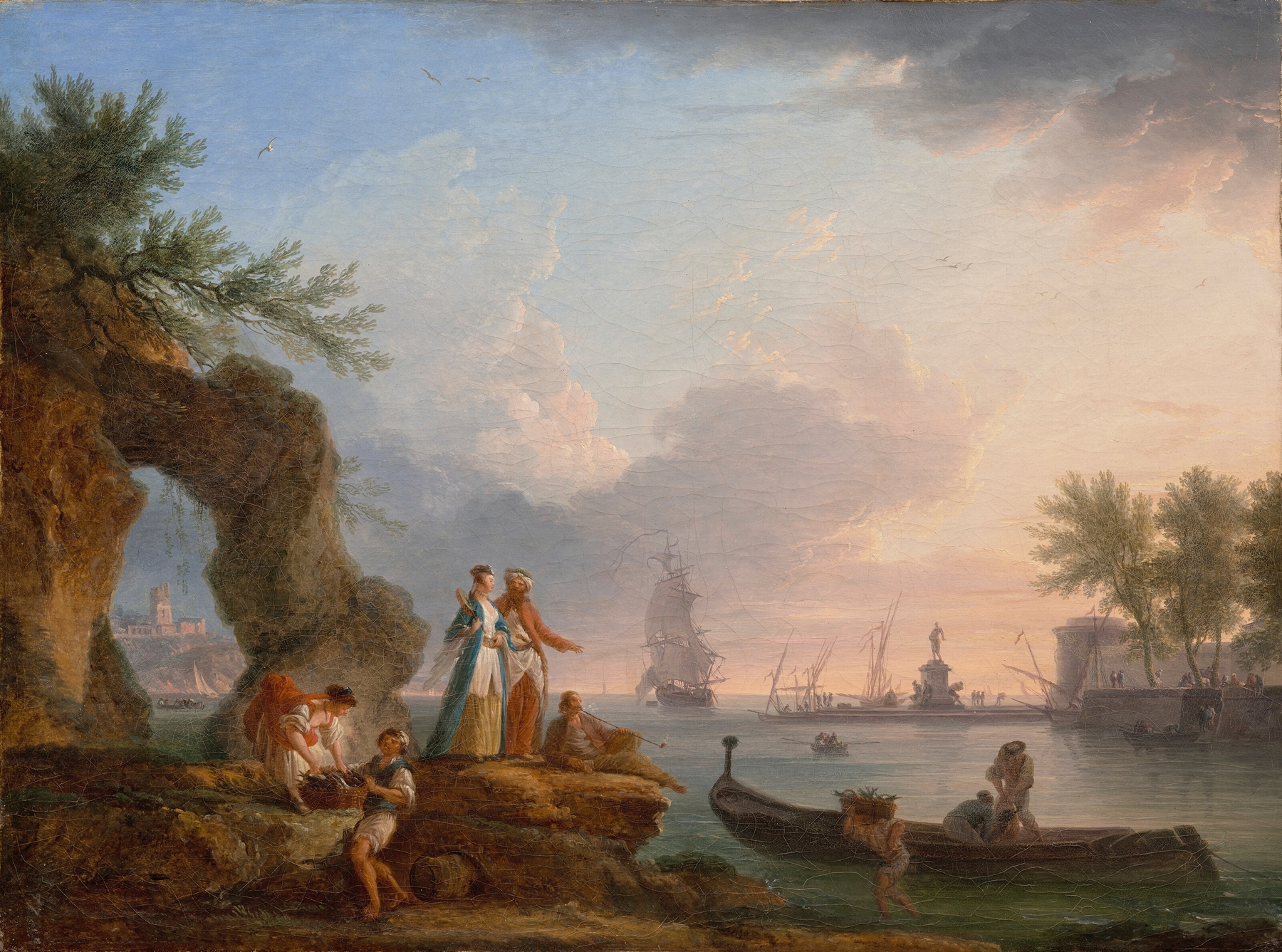
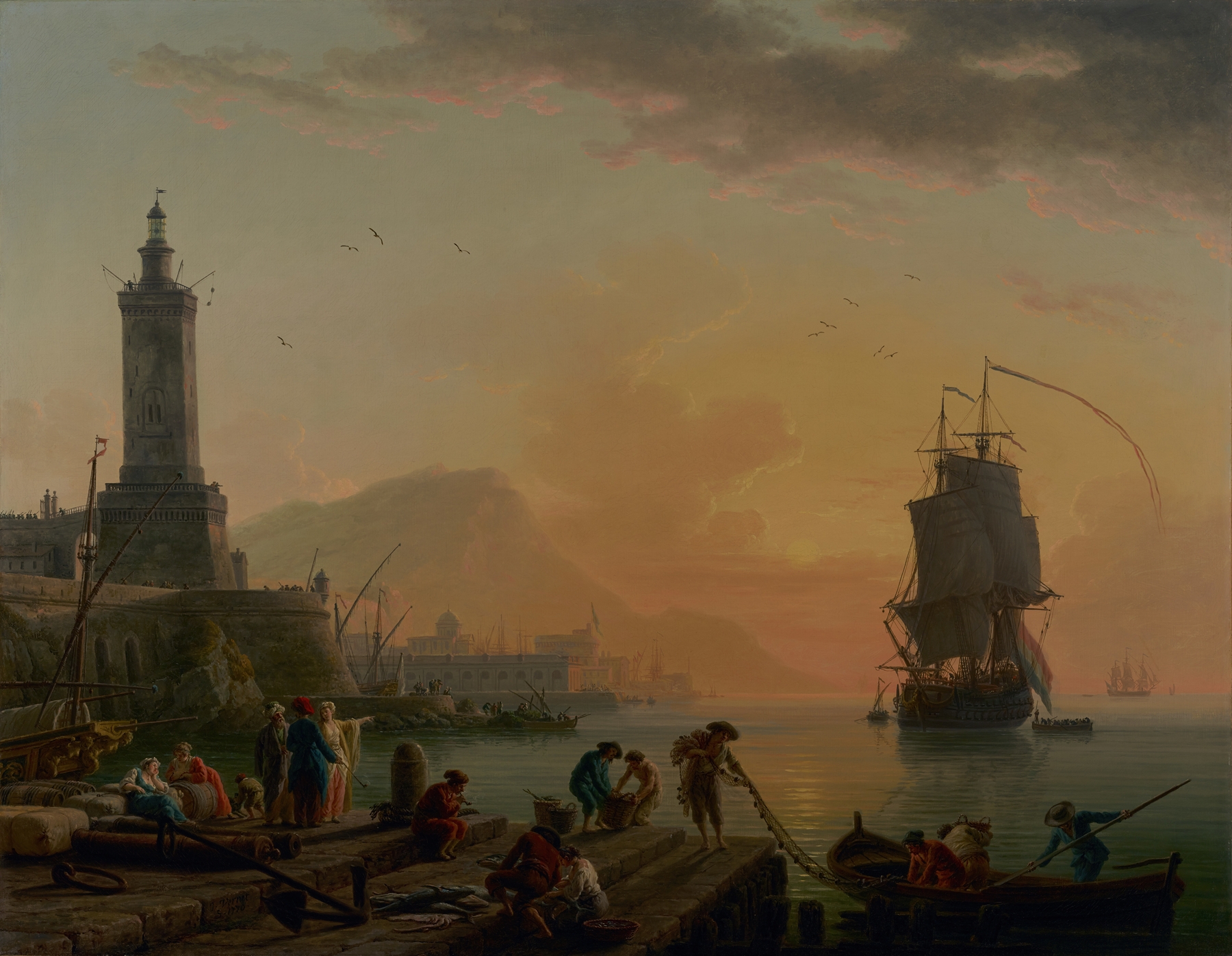
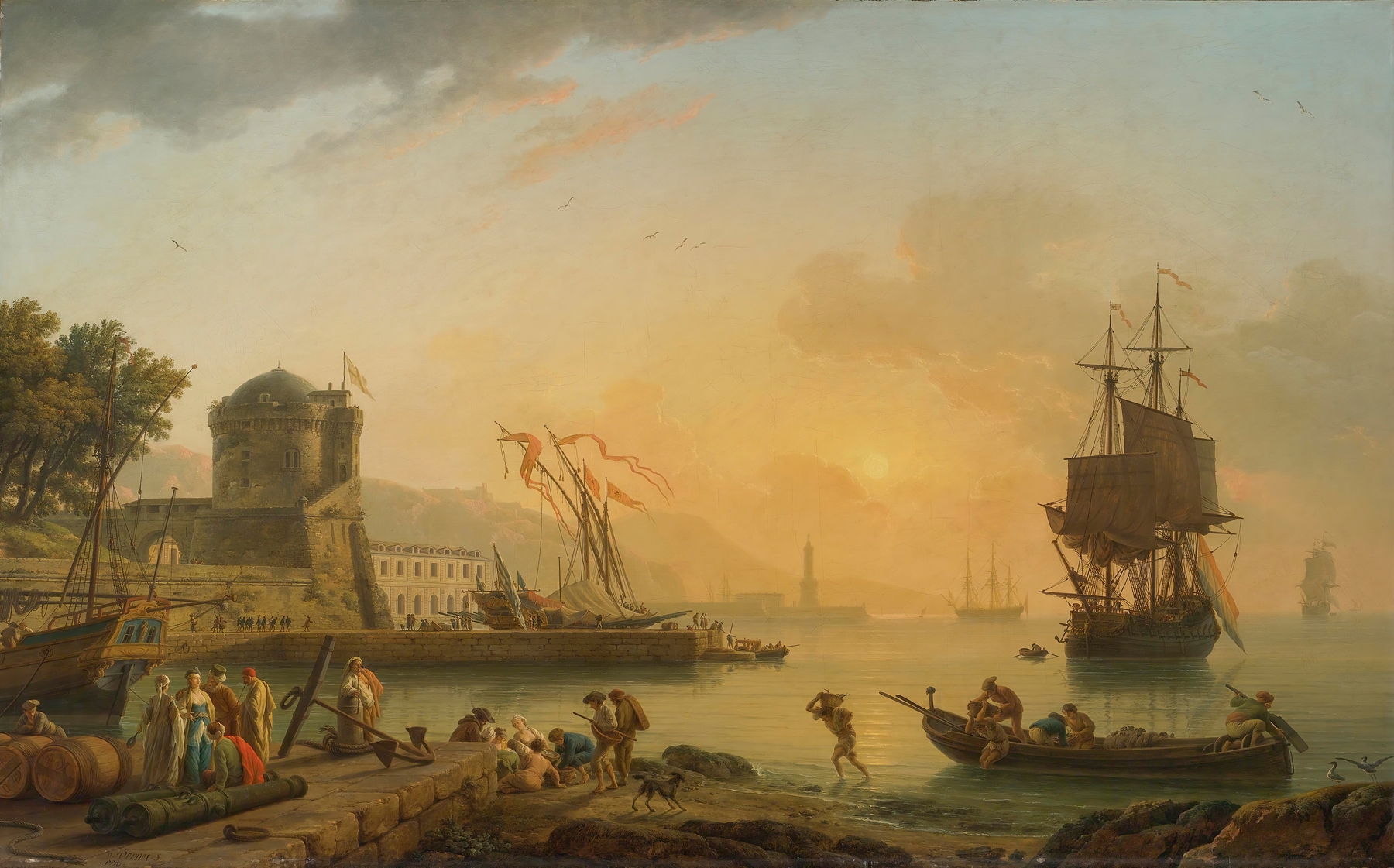
What if silence could speak through light? In the quiet embrace of a coastal dawn, the horizon blurs between the ethereal and the tangible, offering a vision that transcends time. Focus on the gentle waves lapping against the shore, their soft hues of blue and green inviting you closer. Notice the way the early light shimmers on the water's surface, casting a delicate glow that dances like whispers of dreams. The sky, a canvas of pastel shades, suggests that daybreak is both an end and a beginning, a moment suspended in tranquil beauty.
The horizon stretches endlessly, merging sea and sky, creating a serene balance that captivates the viewer. Yet within this calm, there lies an undeniable tension—the juxtaposition of stillness and movement. The figures dotted along the coastline are caught in their own thoughts, each absorbed in the vastness before them, hinting at their unfulfilled longings and aspirations. The gentle caress of the wind is almost palpable, reminding us that even in quietude, the world breathes and pulses with life.
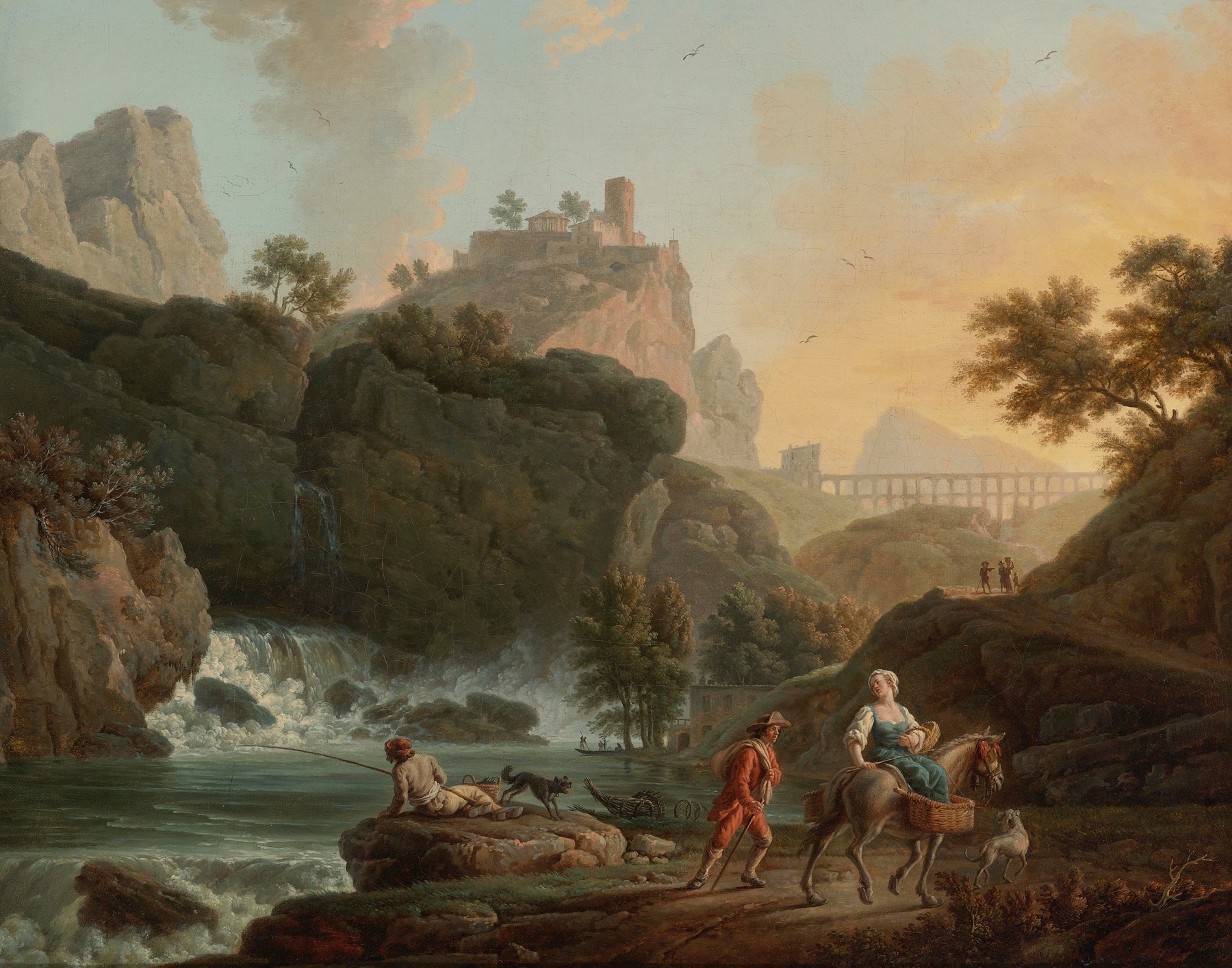
These small details, such as the distant ships silhouetted against the dawn, evoke a sense of journey and exploration, suggesting that every moment is a step toward something greater. Created during a time of artistic evolution in the 18th century, this work reflects the serene yet dynamic nature of Claude-Joseph Vernet's career. Painted in France, when the Rococo style was giving way to a more romantic sensibility, the artist sought to capture the beauty of nature and its emotional power. Amidst the changes in the art world, he found inspiration in coastal landscapes, portraying them with a sensitivity that reveals both tranquility and depth.