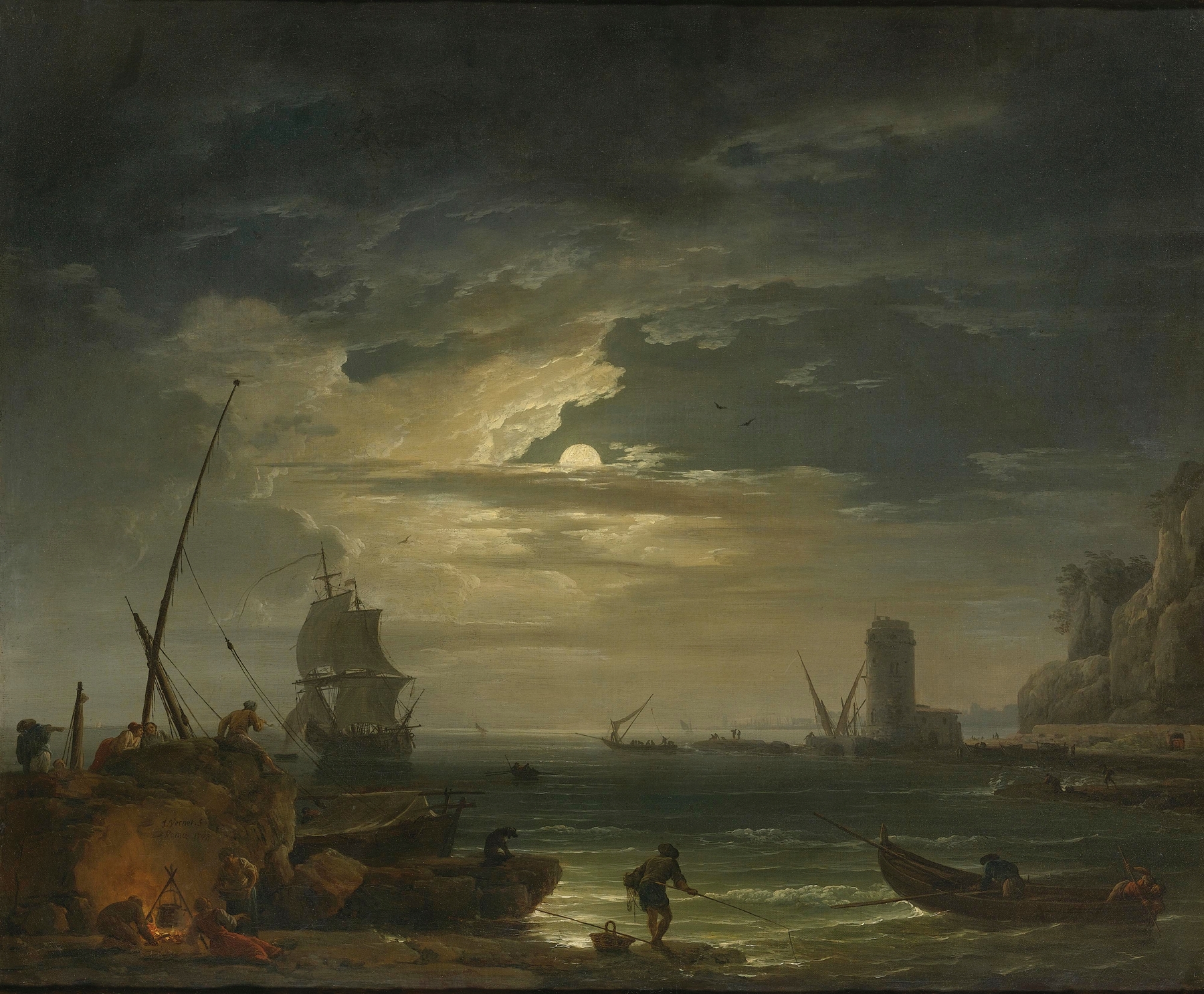
Mediterranean port at sunset, with a fisherman in the foreground — History & Analysis
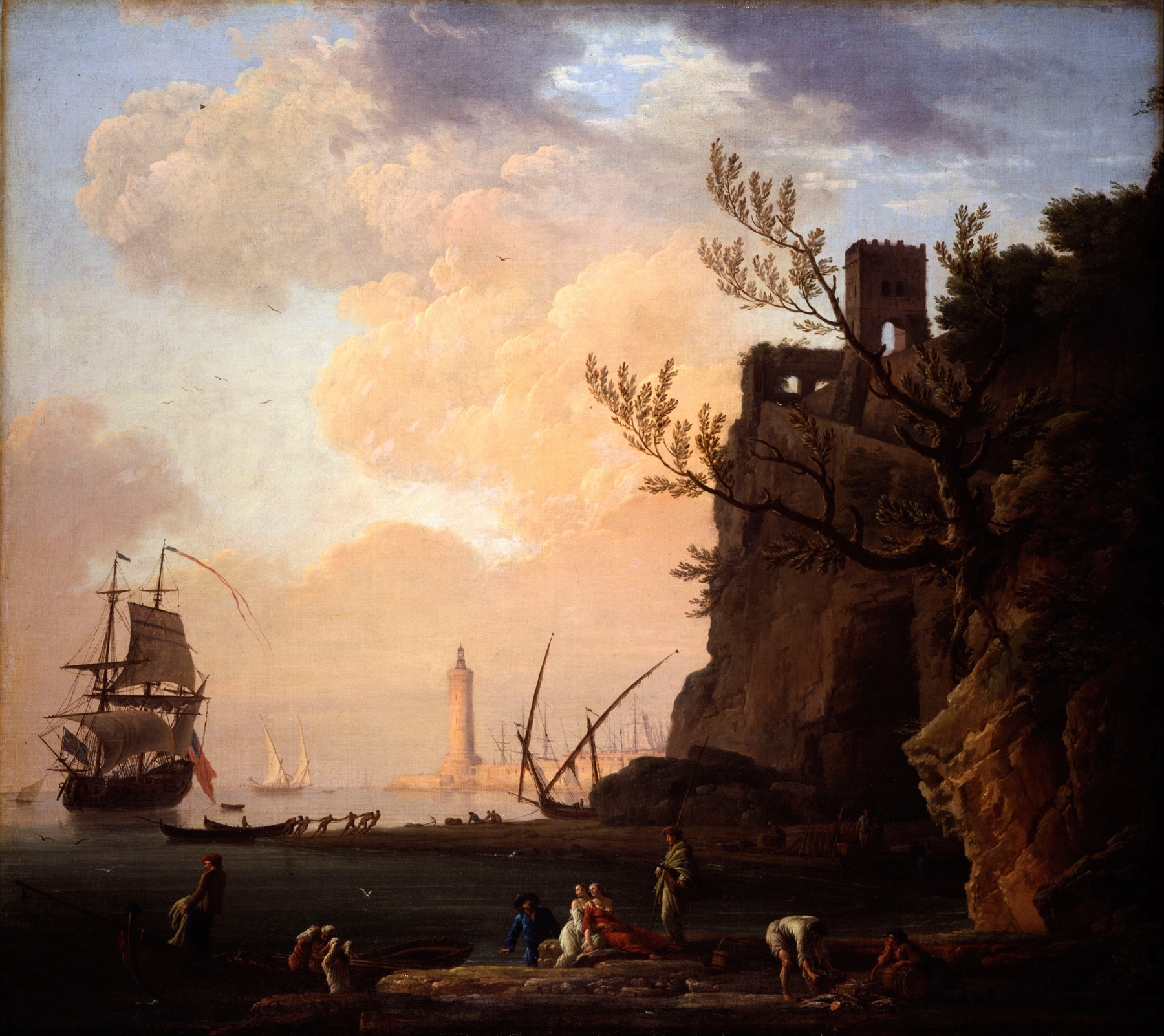
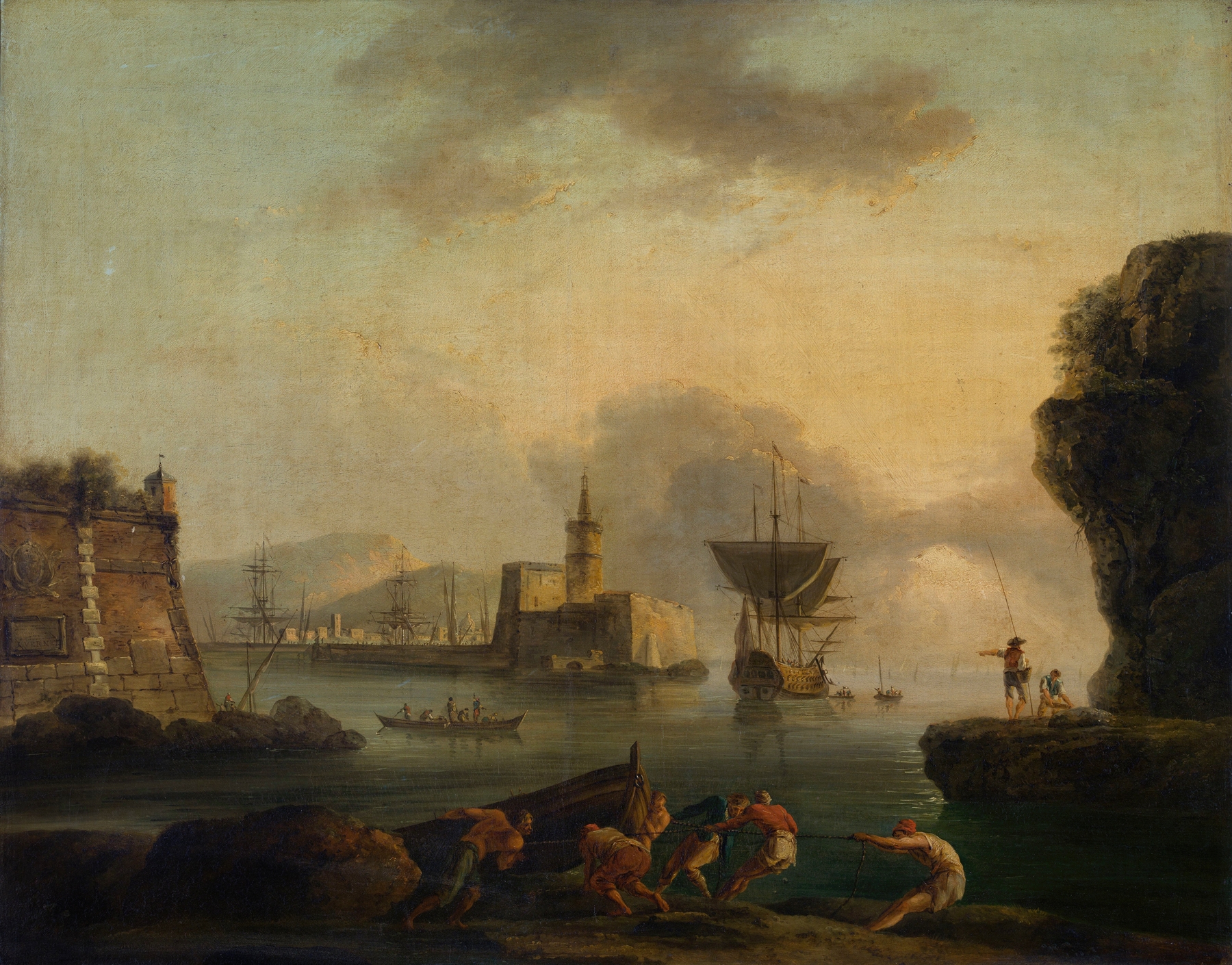
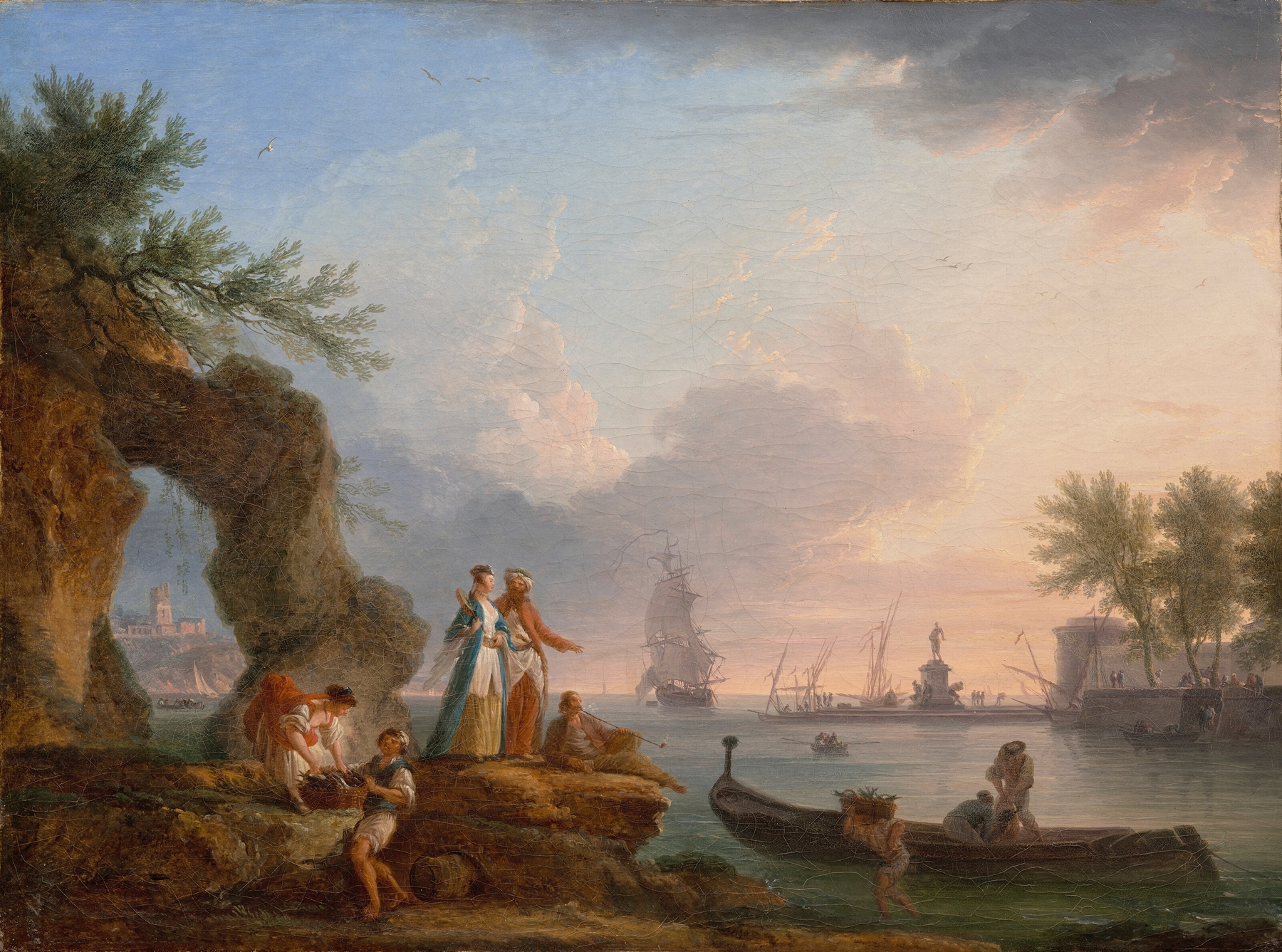
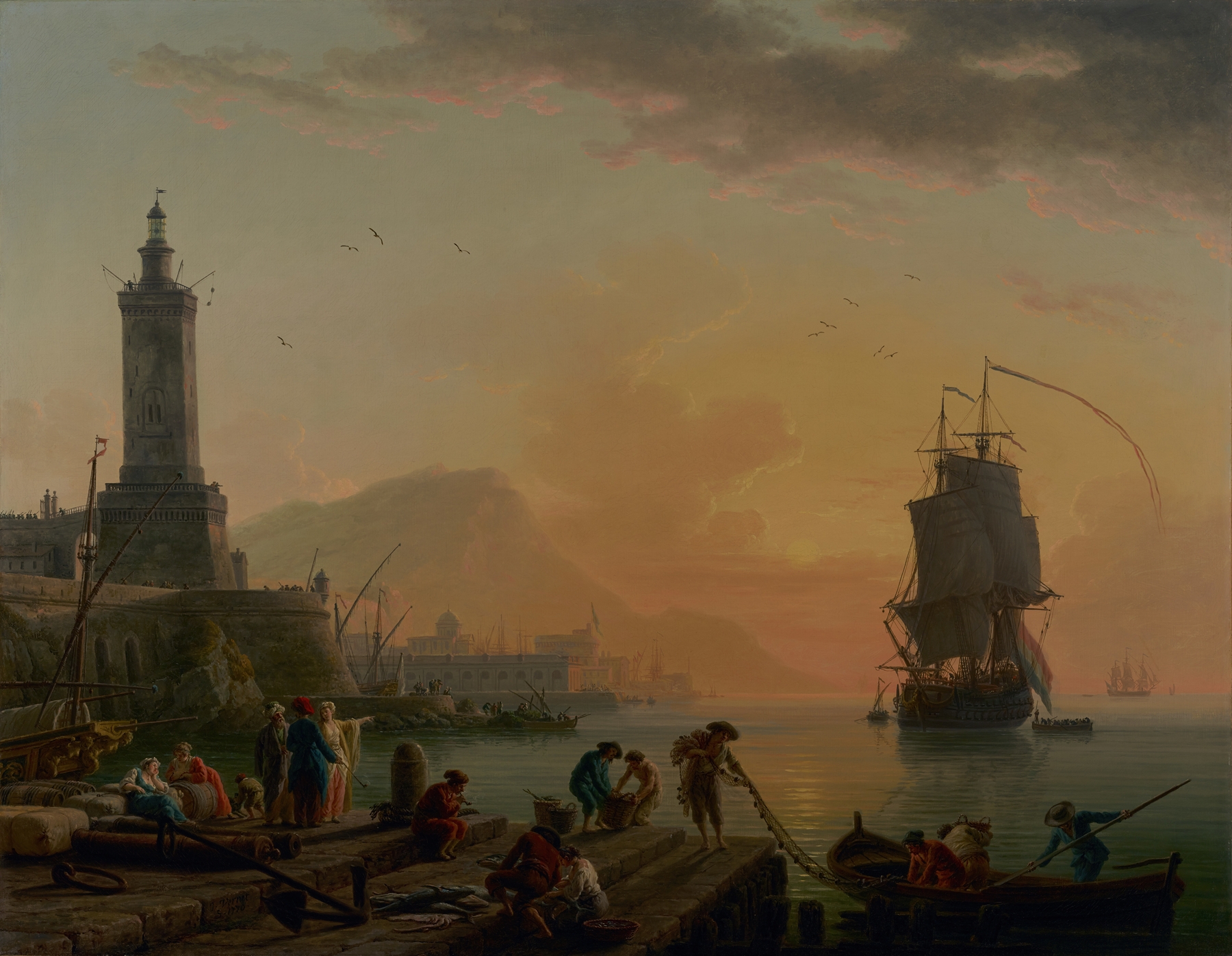
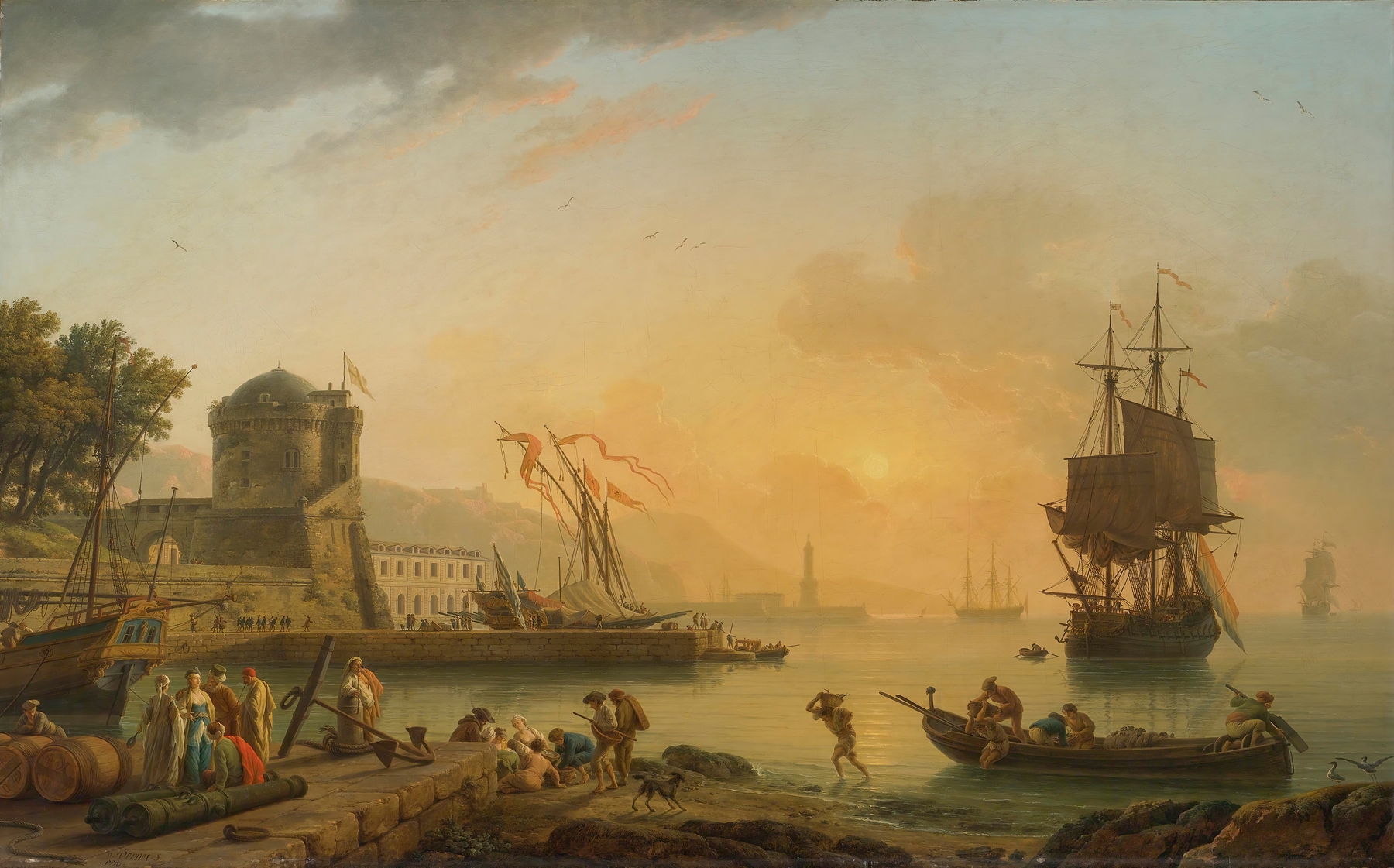
What if silence could speak through light? In Mediterranean port at sunset, the fading day whispers in hues of gold and deep indigo, each brushstroke a soft sigh in the twilight. Look to the left, where the tranquil water mirrors the vibrant sky, capturing the last moments of daylight. Notice how the fisherman in the foreground stands resolute against the fading backdrop, his posture relaxed yet purposeful.
The warm palette of oranges and reds contrasts the cool blues of the approaching night, highlighting the harmony between man and nature. The delicate rendering of boats gently swaying in the water adds a serene rhythm to the scene, inviting the viewer to pause and breathe. Delve deeper into the details: the fisherman’s silhouette is not merely a subject but a vessel for contemplation, embodying solitude and resilience. The soft ripples in the water reflect the juxtaposition of stillness and movement, while the distant shoreline hints at a world bustling with life, now shrouded in dusk.
This interplay of light and shadow evokes the emotional tension between isolation and connection, urging us to consider our relationship with our surroundings. Claude-Joseph Vernet painted this work in 1778 during a period marked by burgeoning romanticism in art. Living in France, he was influenced by the emerging appreciation for nature's beauty and the sublime. This painting reflects both his mastery of landscapes and a personal exploration of the tranquil moments that resonate with the human experience, providing a glimpse into a world at the cusp of change.