Naples — History & Analysis
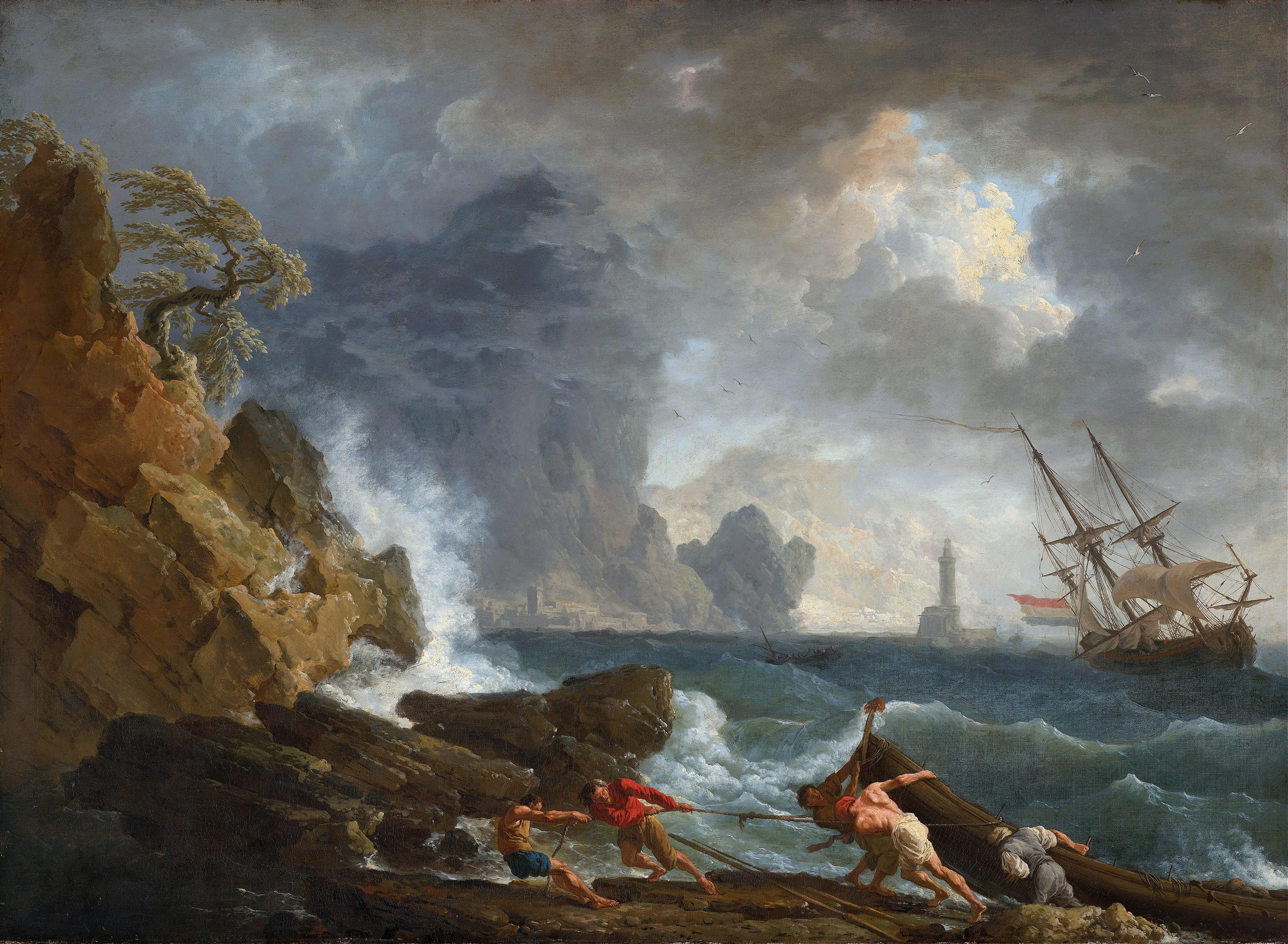
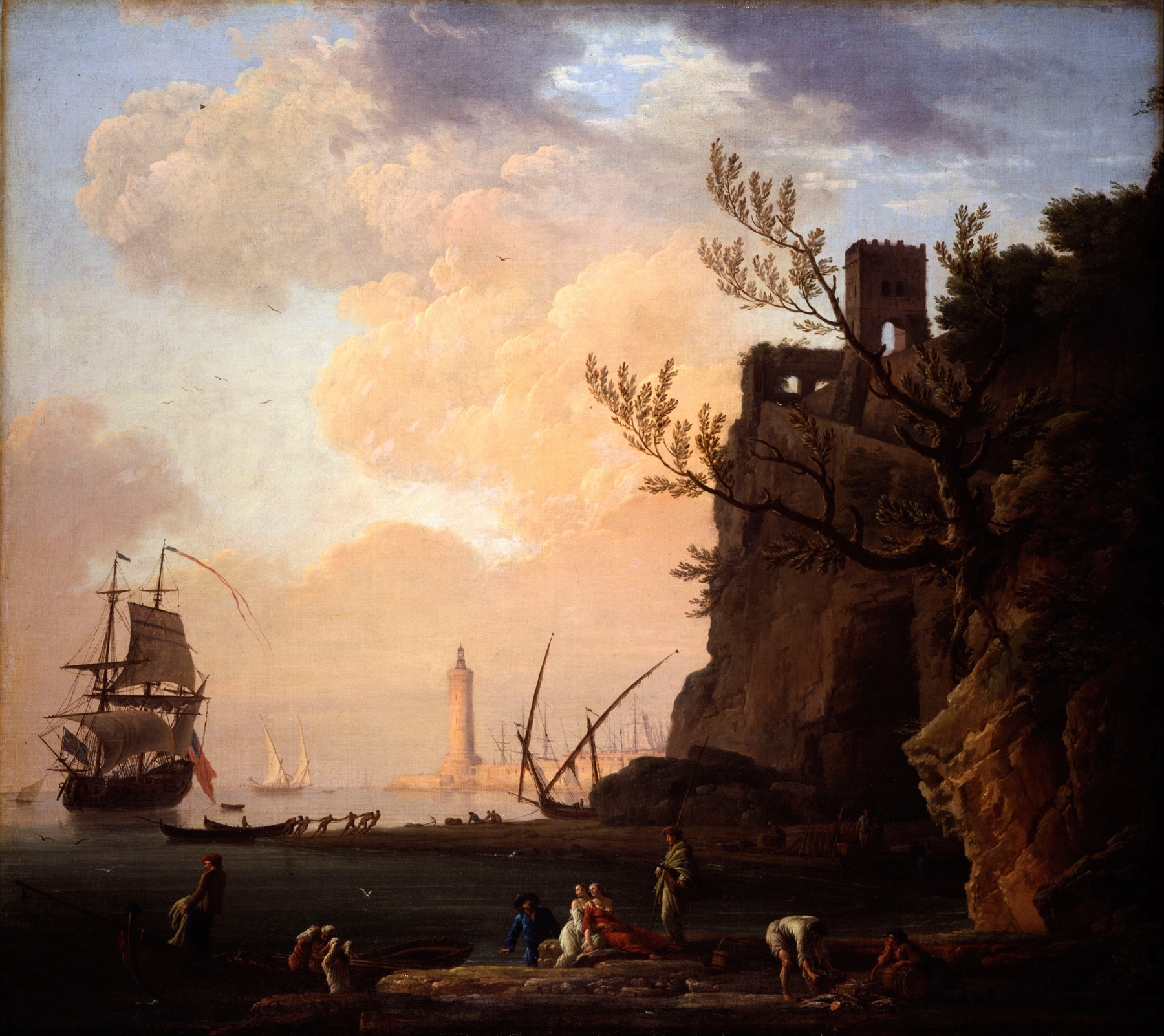
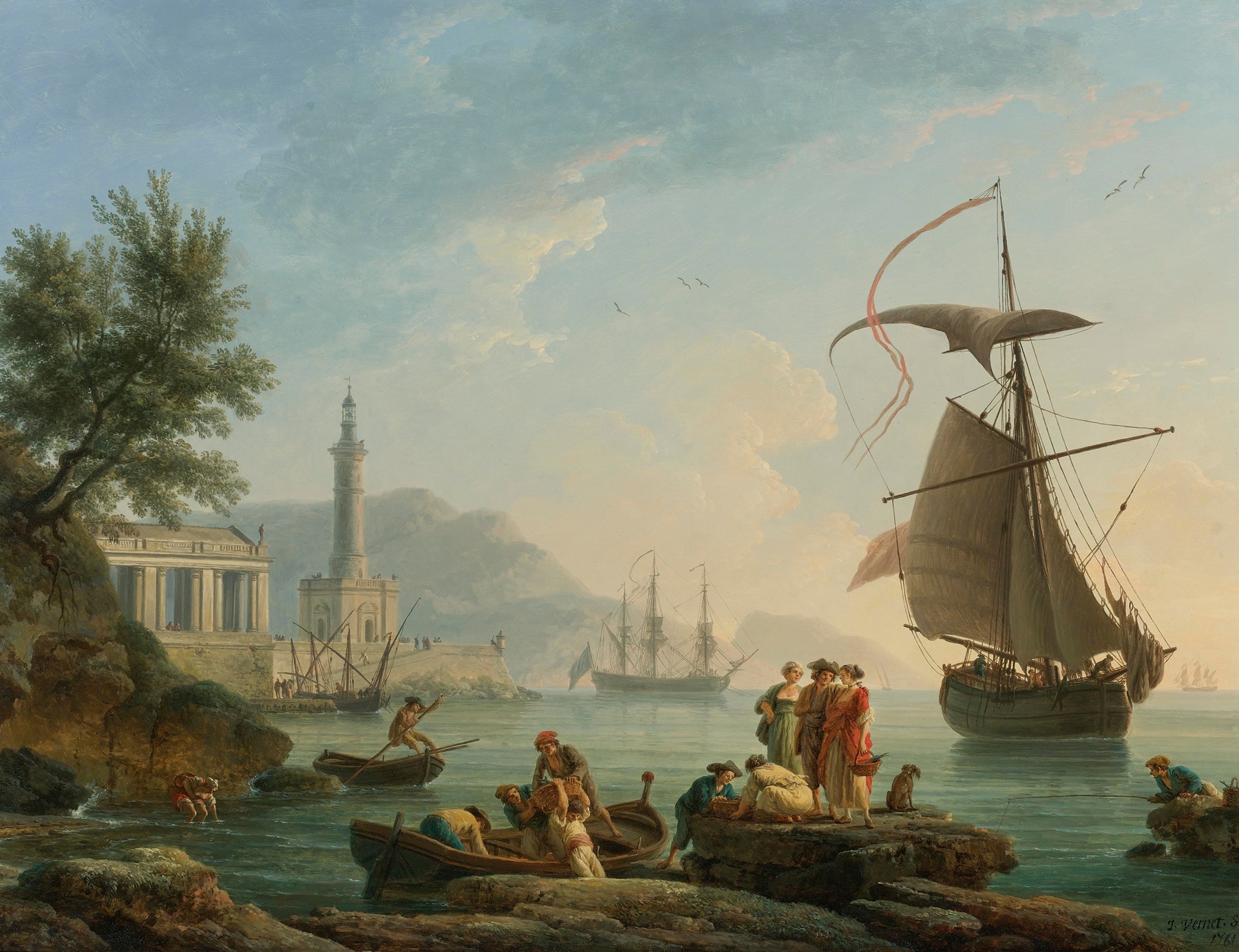
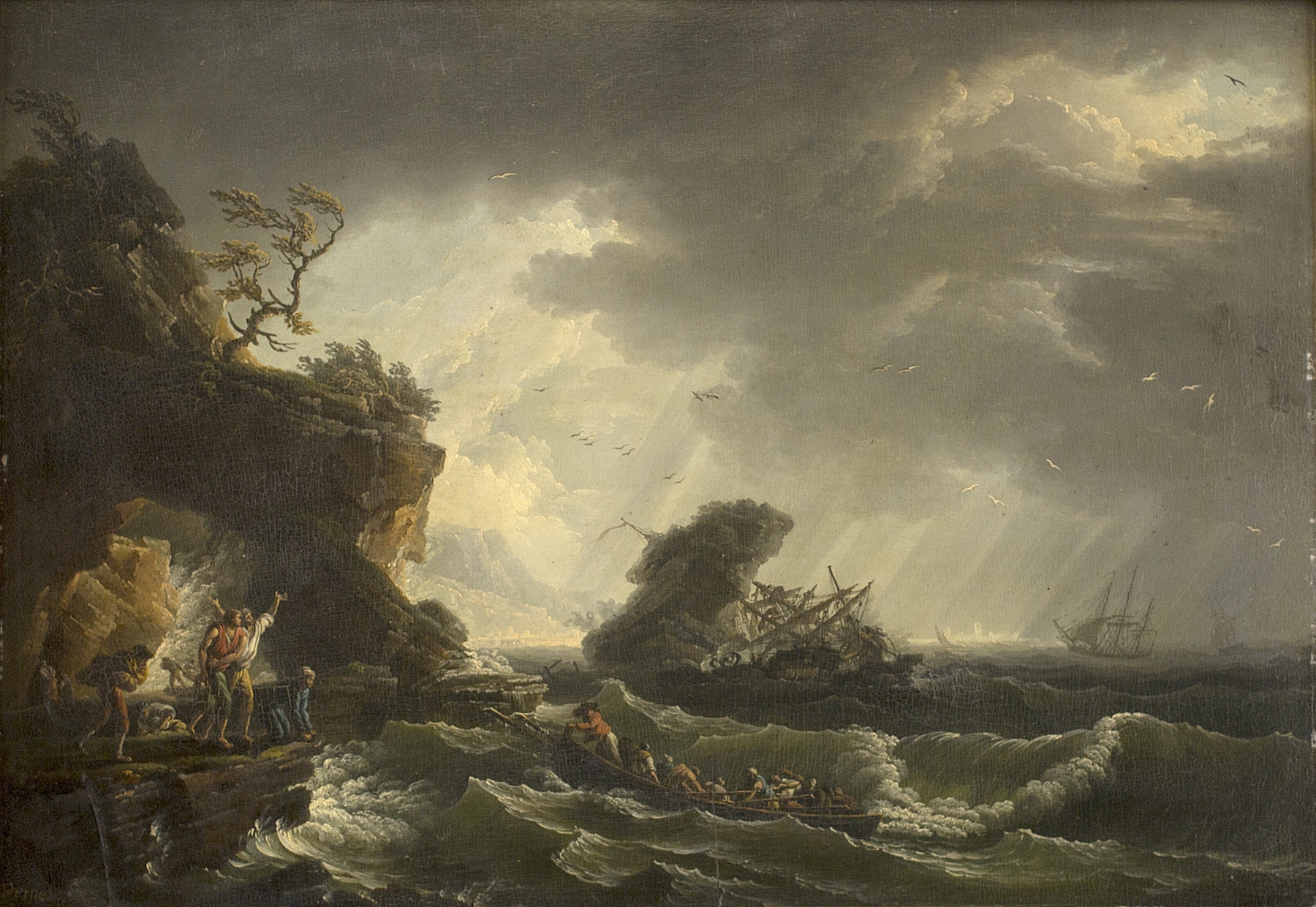
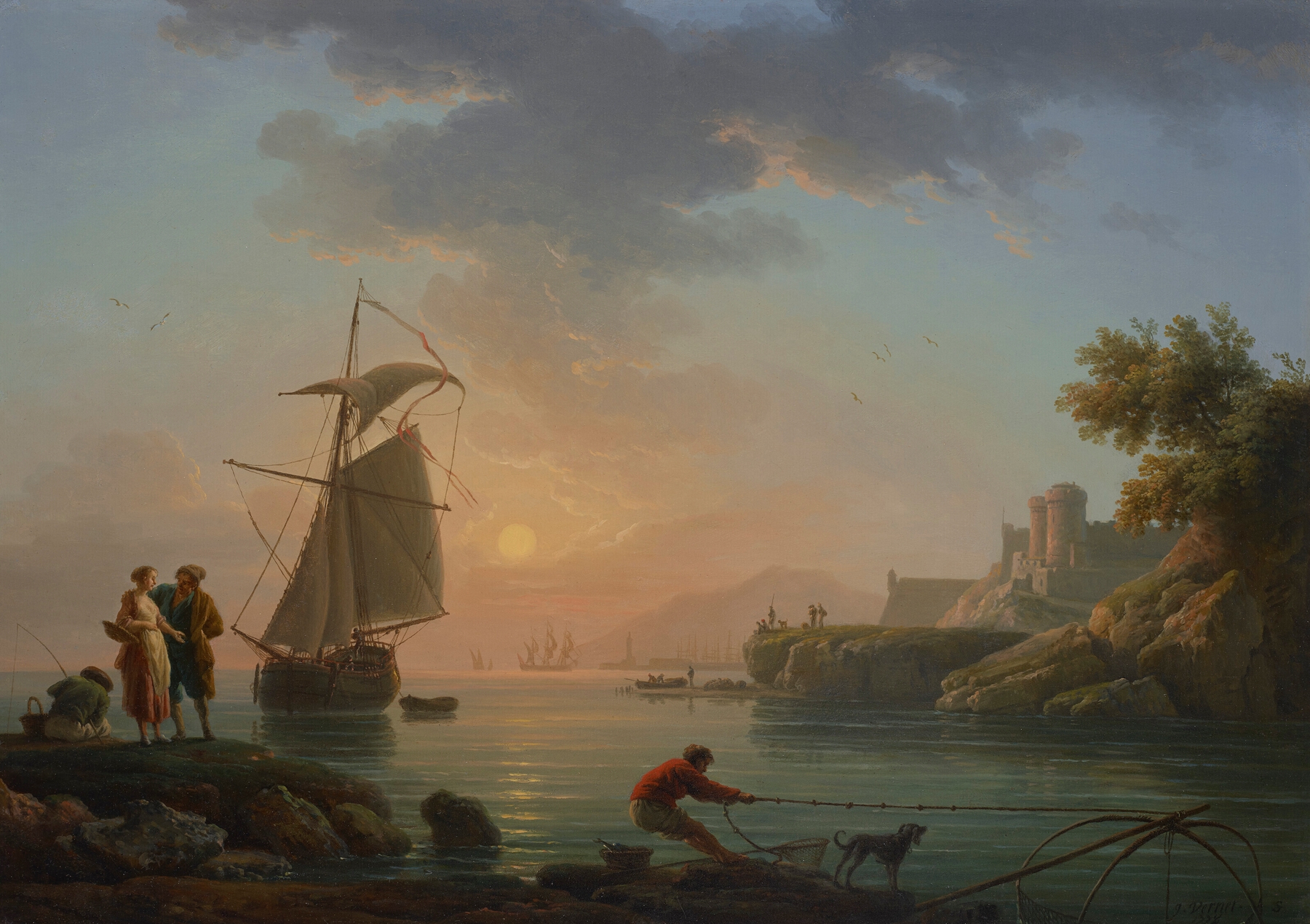
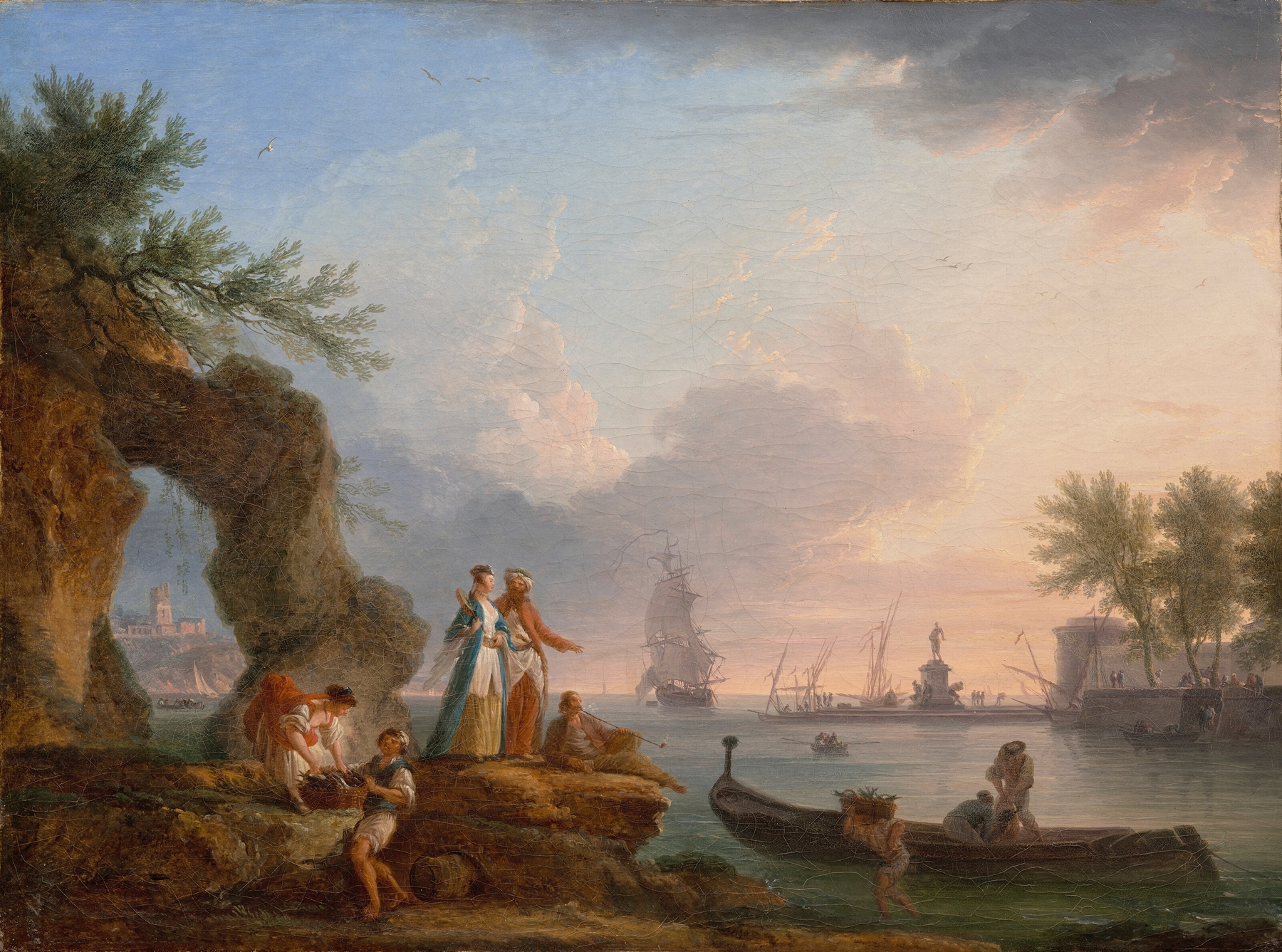
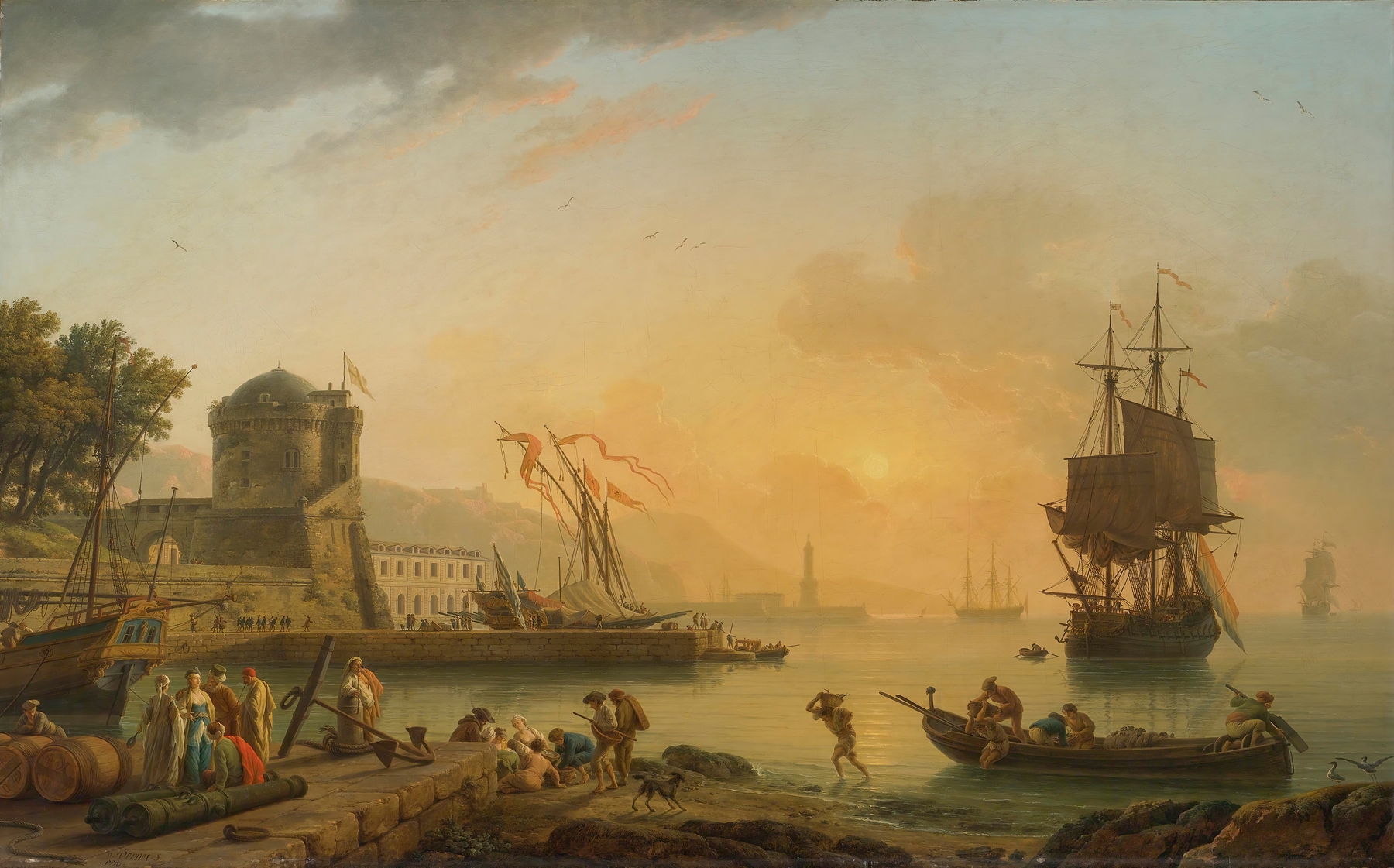
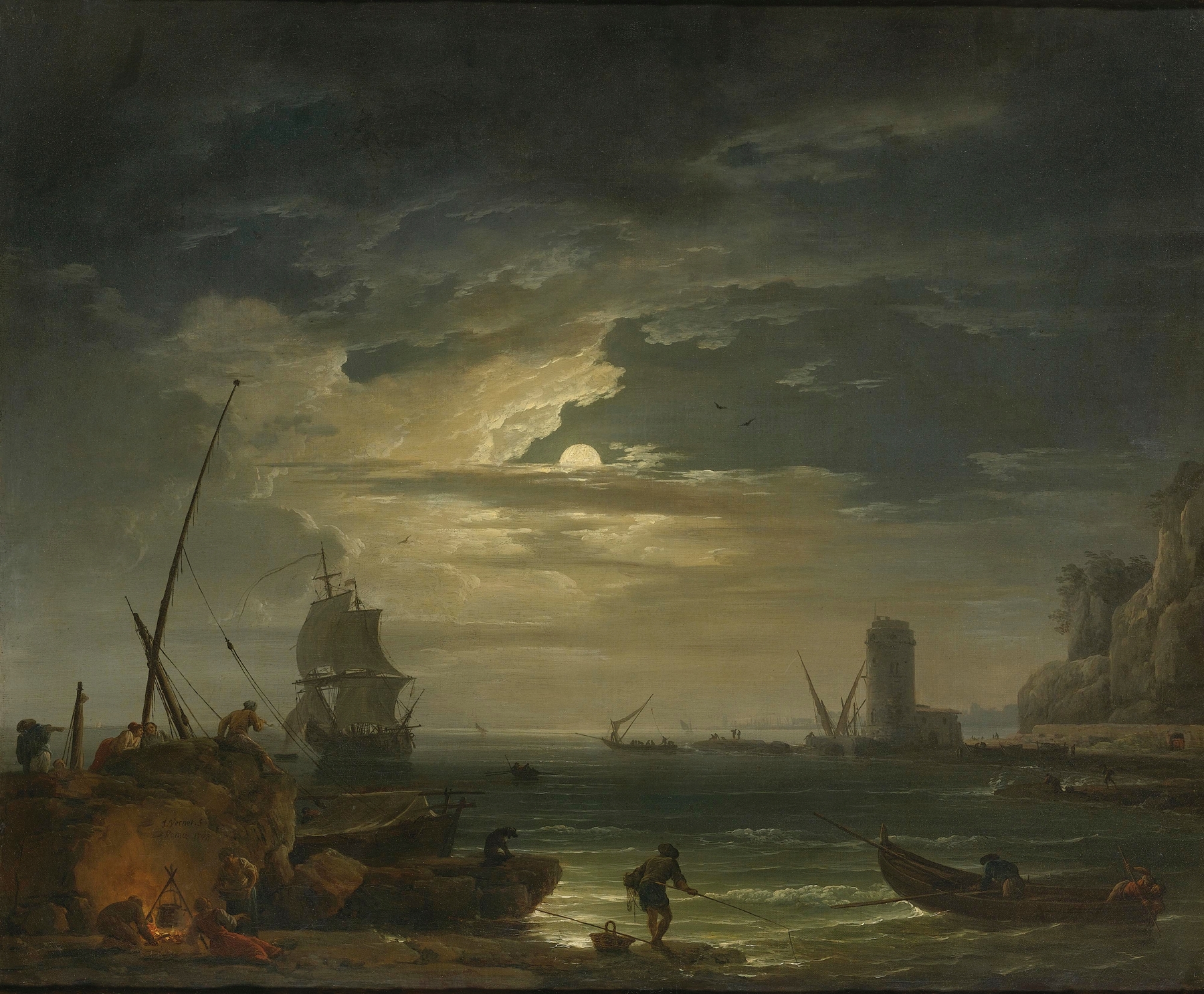
Did the painter know this moment would outlive them? In Naples, the essence of a transcendent scene is captured, inviting us into a world where beauty and stillness reign supreme, echoing through the ages. Look to the left of the canvas, where a gentle sunrise bathes the cliffs of Naples in a soft golden glow. The interplay between light and shadow draws your eye to the shimmering waters below, where the sea mirrors the pastel hues of the sky. Notice how the clouds, delicately painted, seem to drift lazily overhead, evoking a sense of calm and serenity that envelops the entire landscape.
Each brushstroke is intentional, creating a harmonious balance between the vibrant blues of the water and the earthy tones of the land. Beneath the surface of this idyllic scene lies a tension between the fleeting nature of time and the permanence of art. The distant silhouettes of ships hint at the bustling life beyond the frame, suggesting a world in motion while the painting itself stands still. The viewer is drawn into a moment suspended in time, where the tranquil beauty of the landscape transcends the chaos of existence.
The contrast between the solid cliffs and the ephemeral clouds whispers of both endurance and fragility, inviting contemplation of what endures beyond our immediate experience. In the years between 1734 and 1740, Vernet painted Naples during a period of burgeoning enlightenment in Europe. Living in Paris, he was deeply influenced by the Italian landscapes he longed to depict, capturing the essence of a city celebrated for its beauty. This era marked a significant shift in artistic focus towards naturalism and realism, as artists began to turn their attentions toward the sublime qualities of nature, a theme that resonates beautifully in this work.