A Calm at a Mediterranean Port — History & Analysis
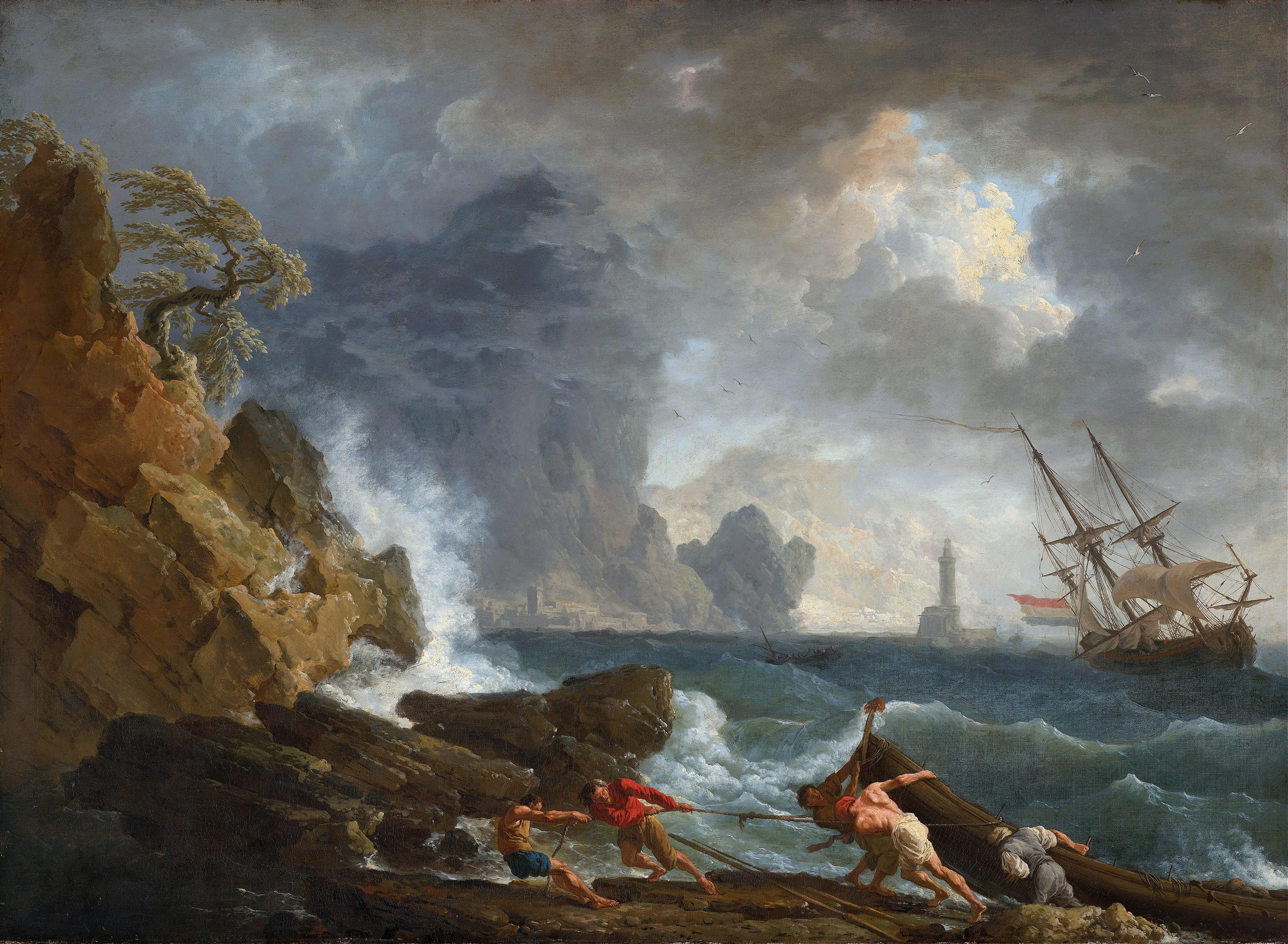
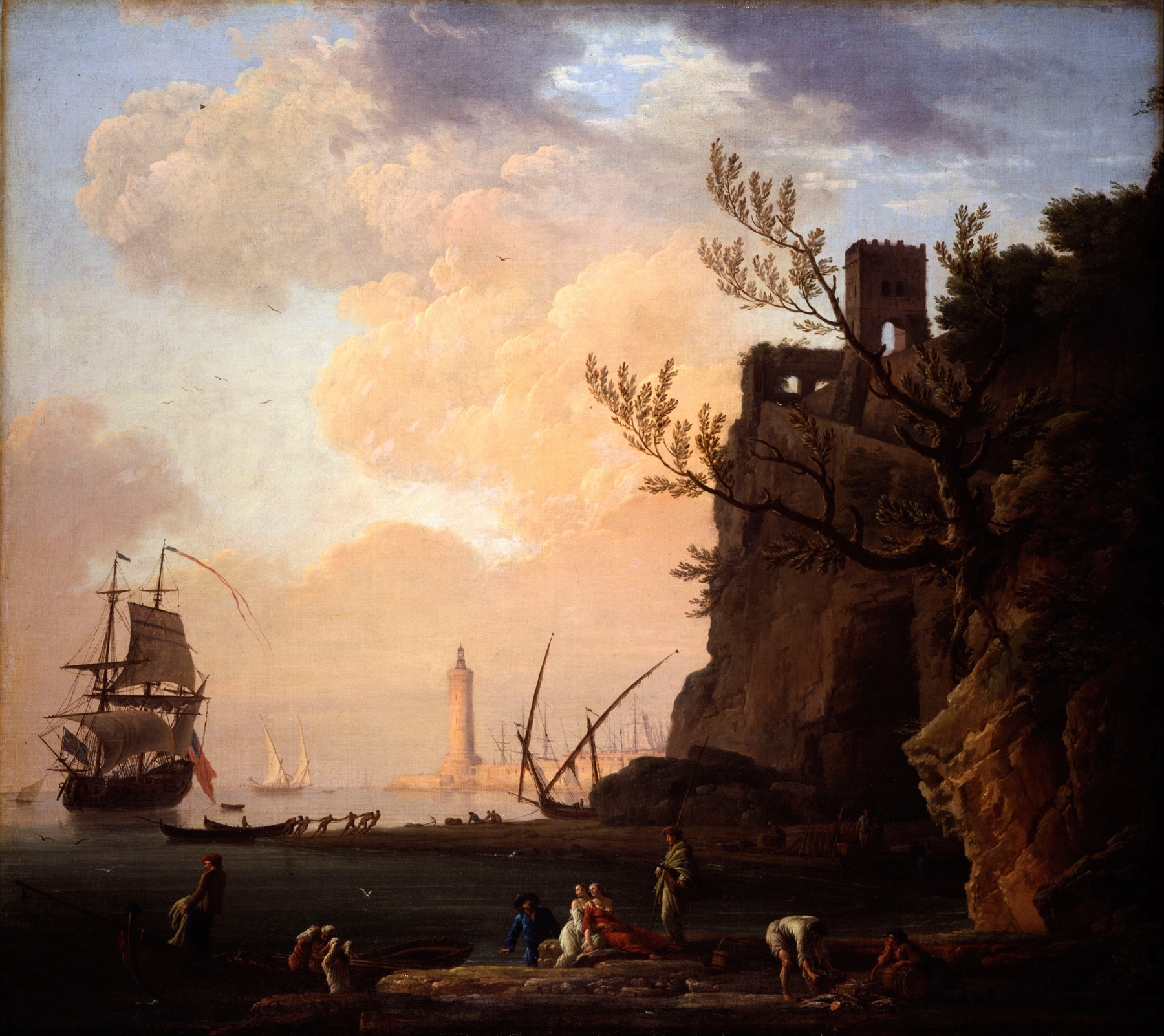
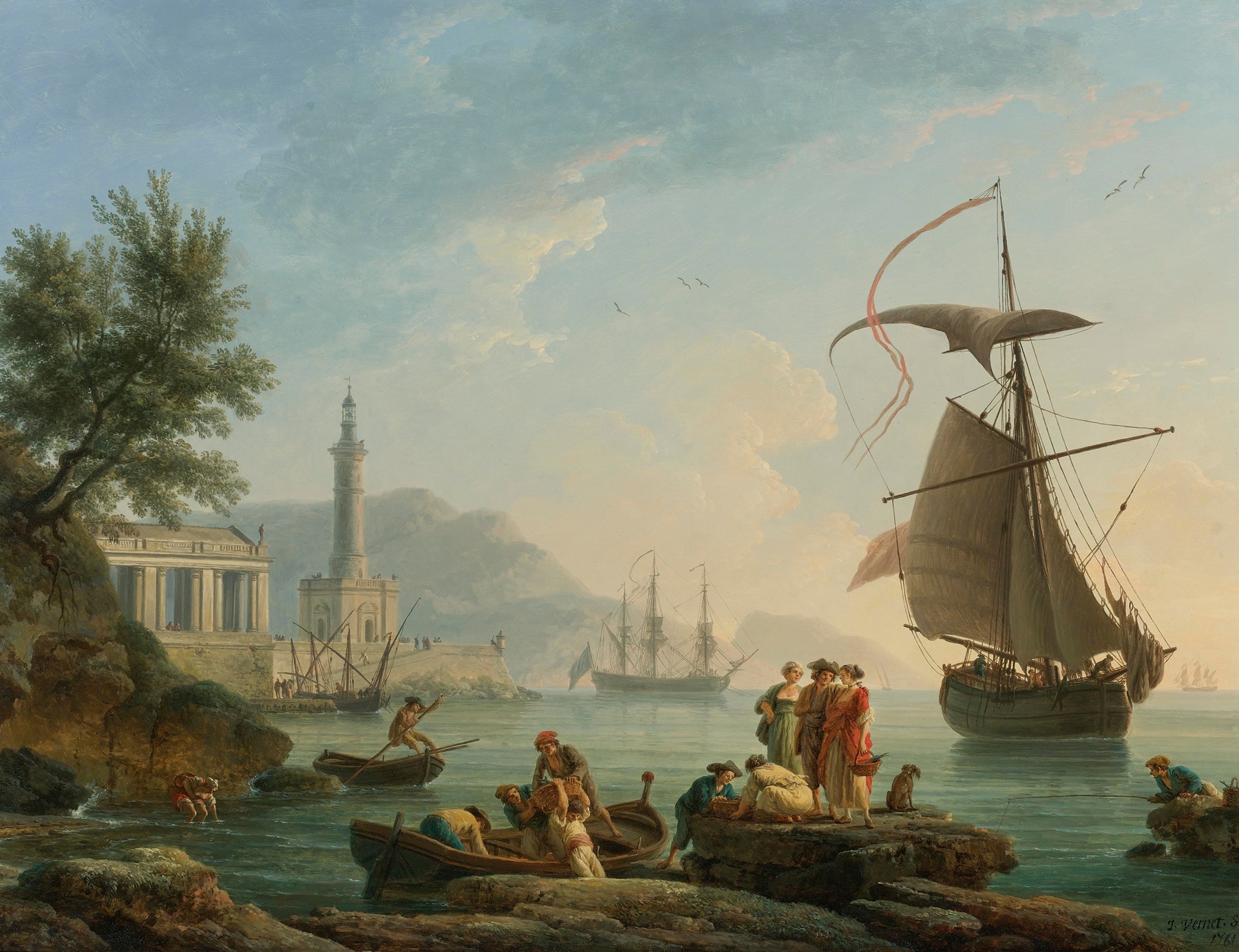
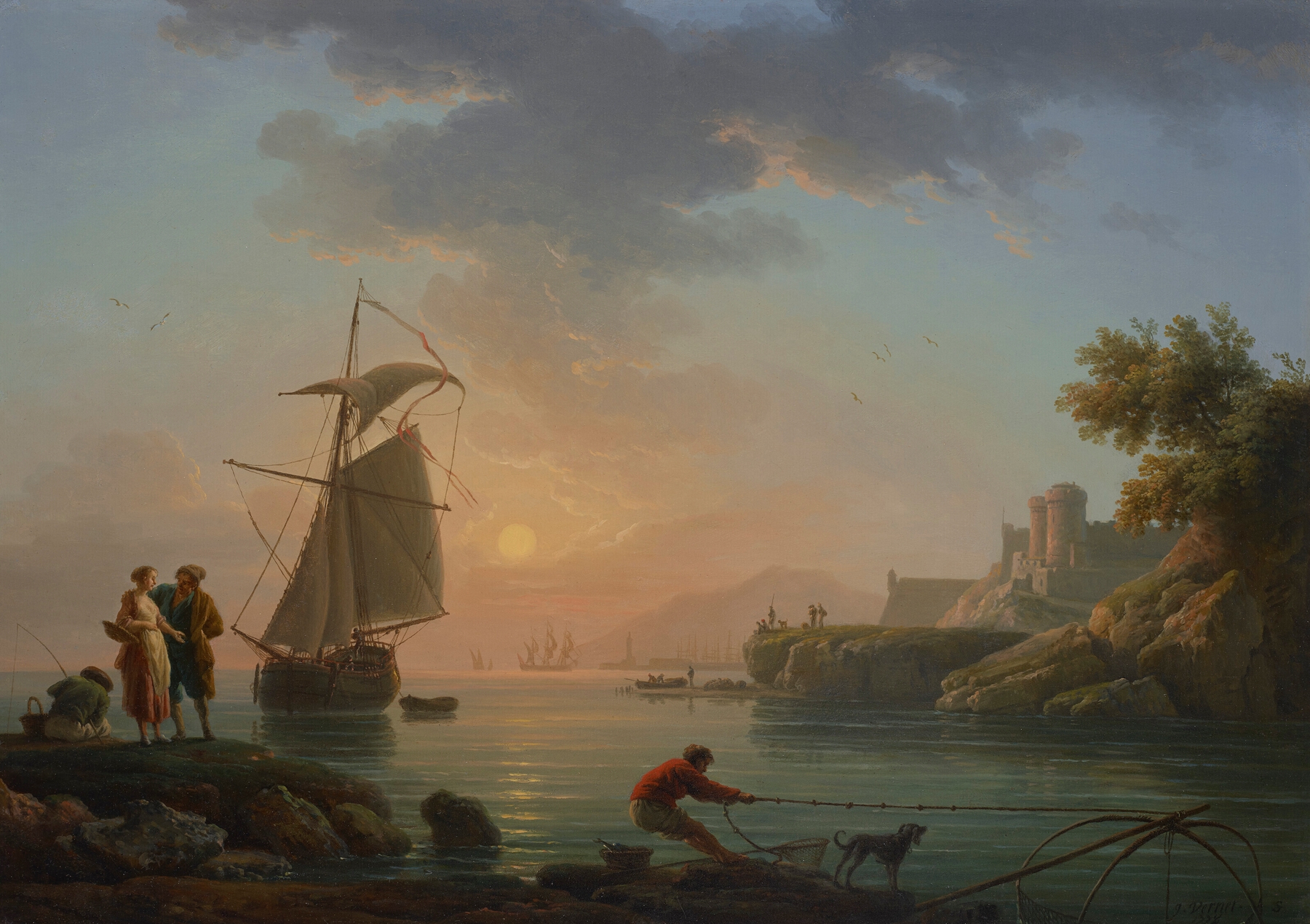
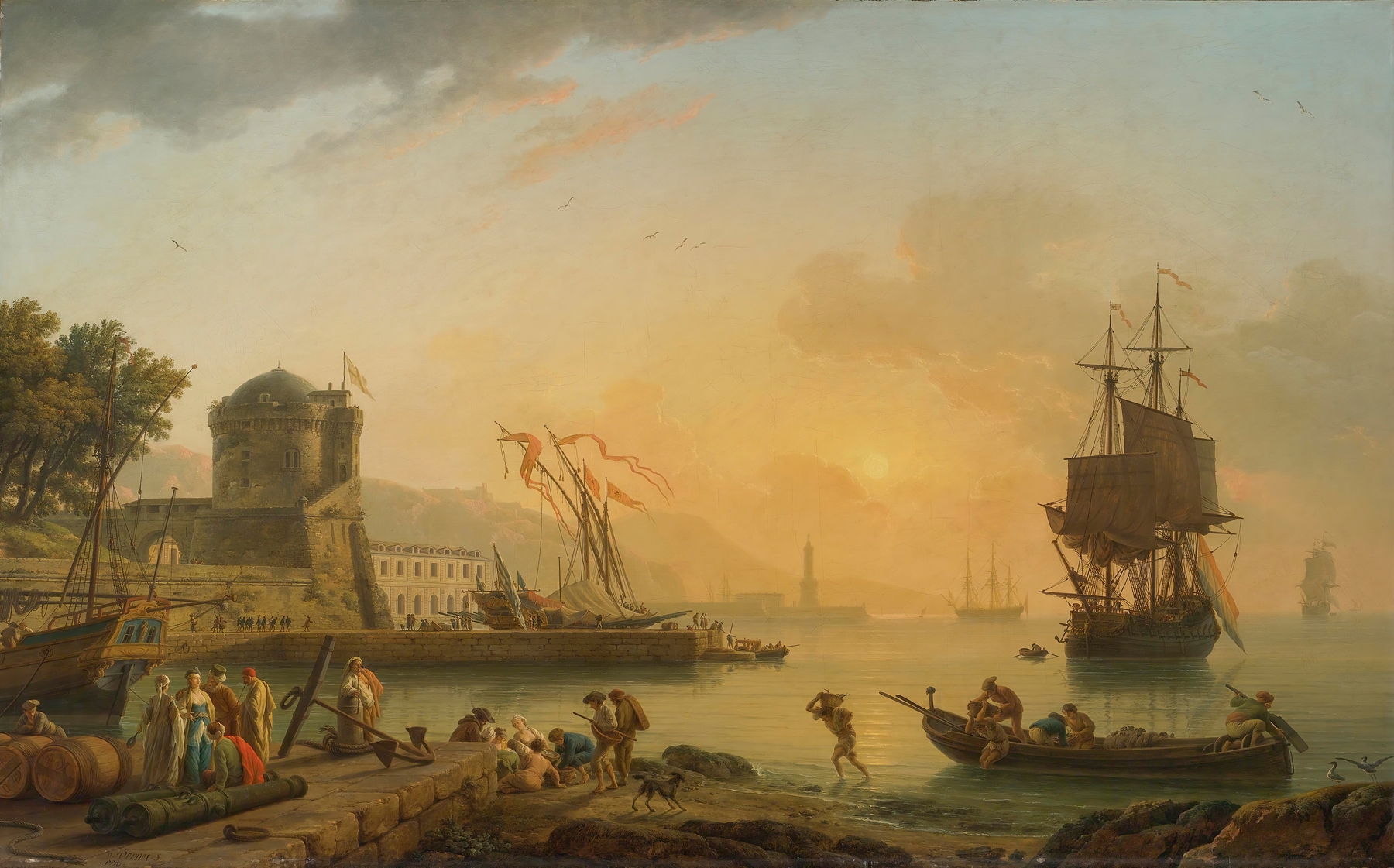
Can beauty exist without sorrow? The delicate interplay of calm and chaos woven into this serene maritime scene invites a contemplation of balance, where tranquility and turmoil coexist. To appreciate the elegance of this artwork, look to the left at the gentle sway of the boats anchored in the harbor, their soft reflections mingling with the pastel hues of the rising sun. Notice how the artist masterfully uses light to illuminate the scene, casting a golden glow over the vessels and the bustling figures on the shore.
The warm earth tones contrast beautifully with the deep blues of the sea, creating a harmonious palette that draws the viewer into a suspended moment of peace amidst the daily ebb and flow of life. Yet, beneath the tranquil surface lies a tension that speaks volumes. The juxtaposition of the idyllic setting with the laborers preparing to set sail hints at the unseen struggles that define existence. The stillness of the water may soothe the eye, but it also serves as a reminder of the storms that await beyond the horizon, echoing the duality of human experience.
These small details—the busy gestures of the figures and the gentle ripples of the water—enrich the narrative, revealing a world steadfast in its balance between hope and uncertainty. Painted in 1770, this piece emerged during a period when Vernet was deeply engaged in maritime scenes, having established his reputation as a leading landscape artist in France. The late 18th century was marked by significant shifts in artistic expression, moving towards a celebration of nature and the sublime. Vernet's work reflects the cultural currents of his time, drawing on the rich maritime tradition while capturing the quiet beauty that can be found in everyday life.