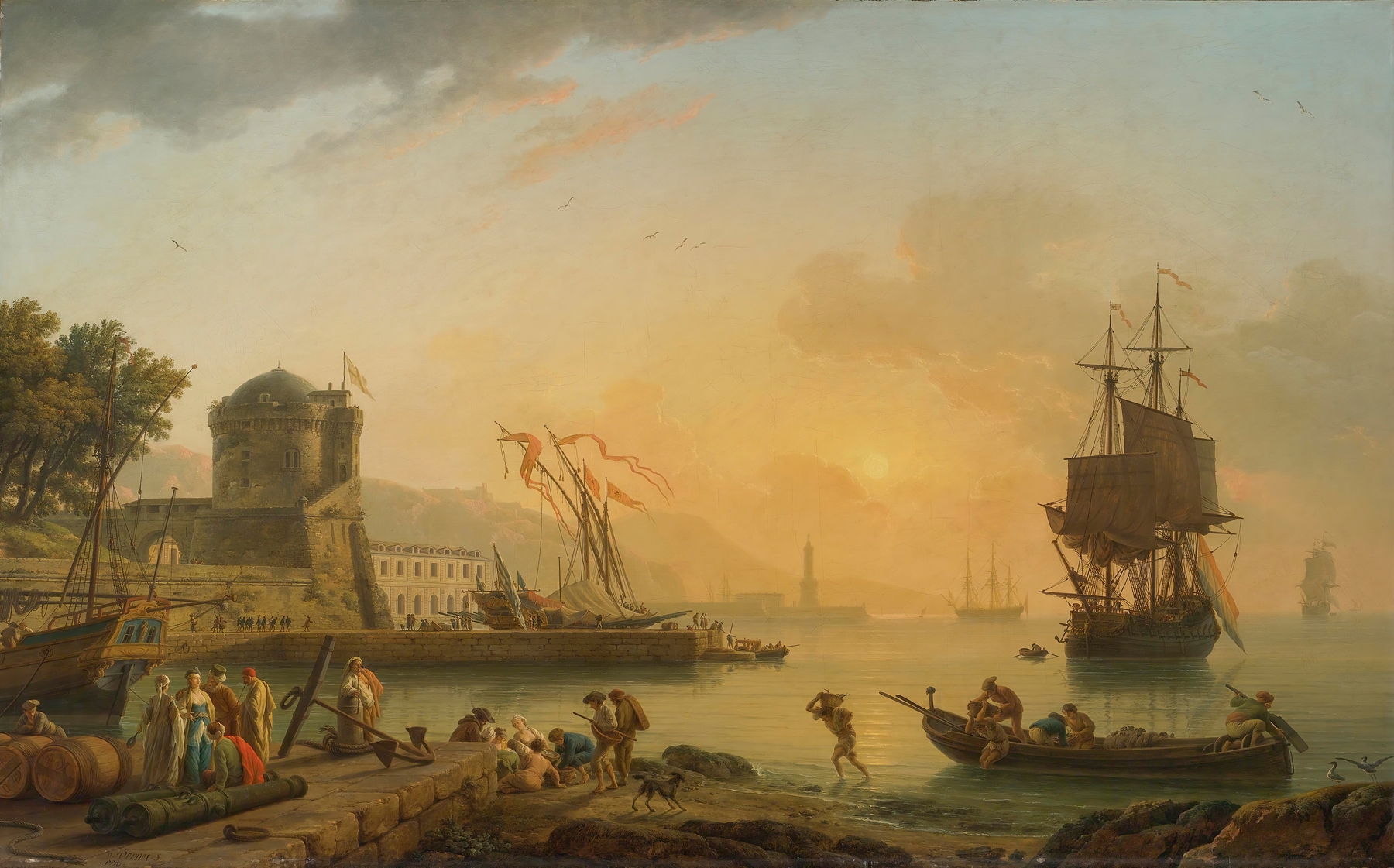
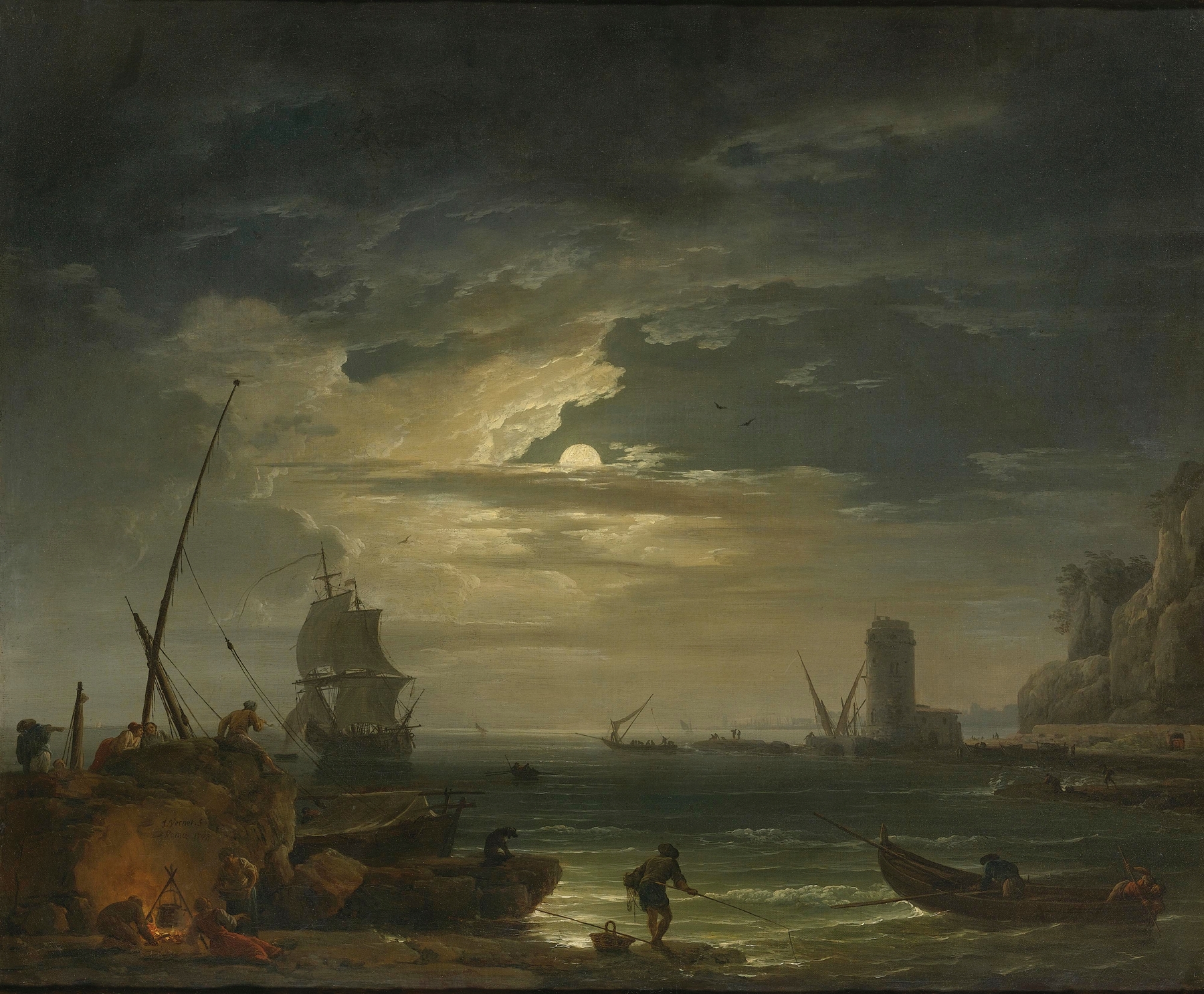
An Italian Harbour in Stormy Weather — History & Analysis
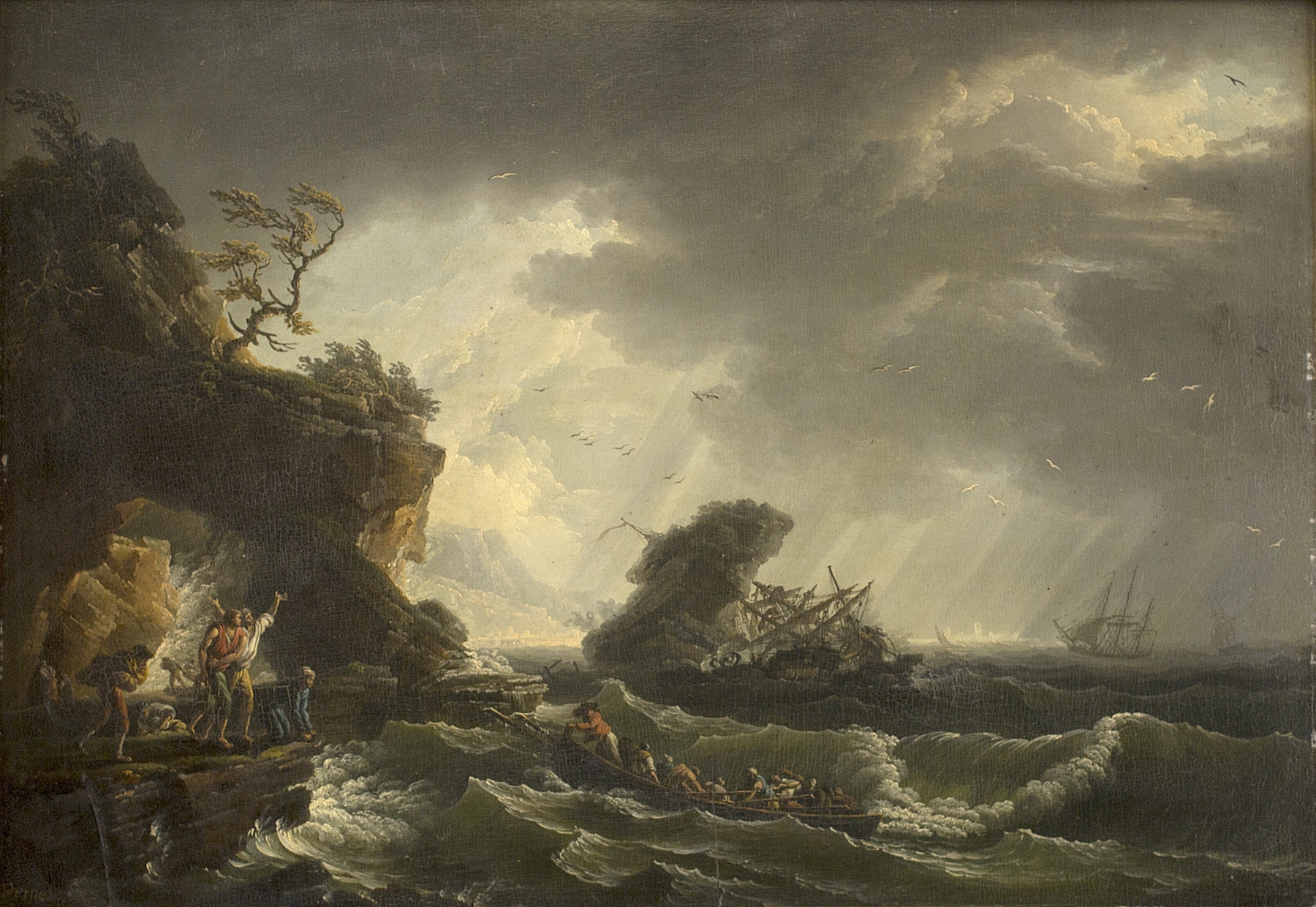
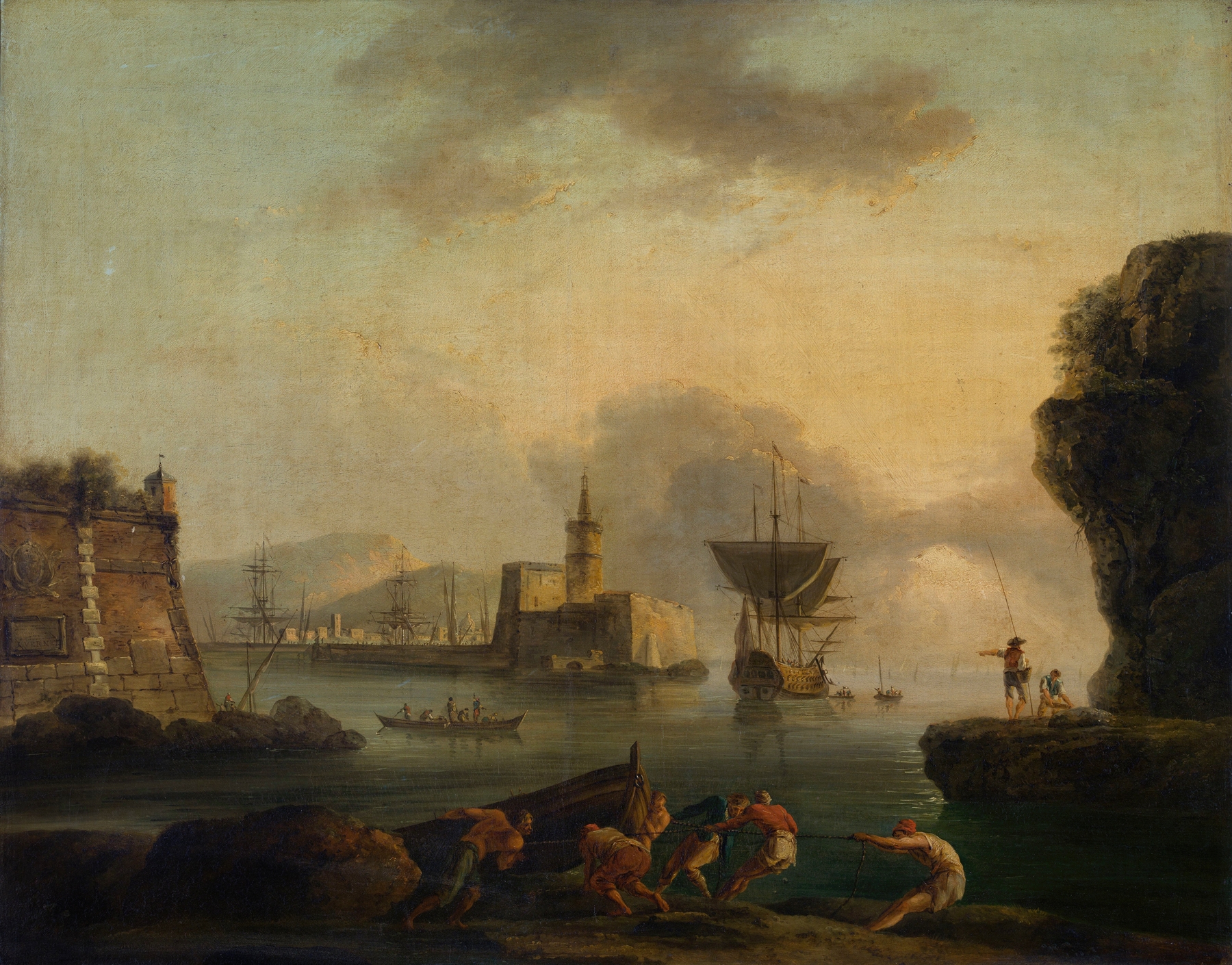
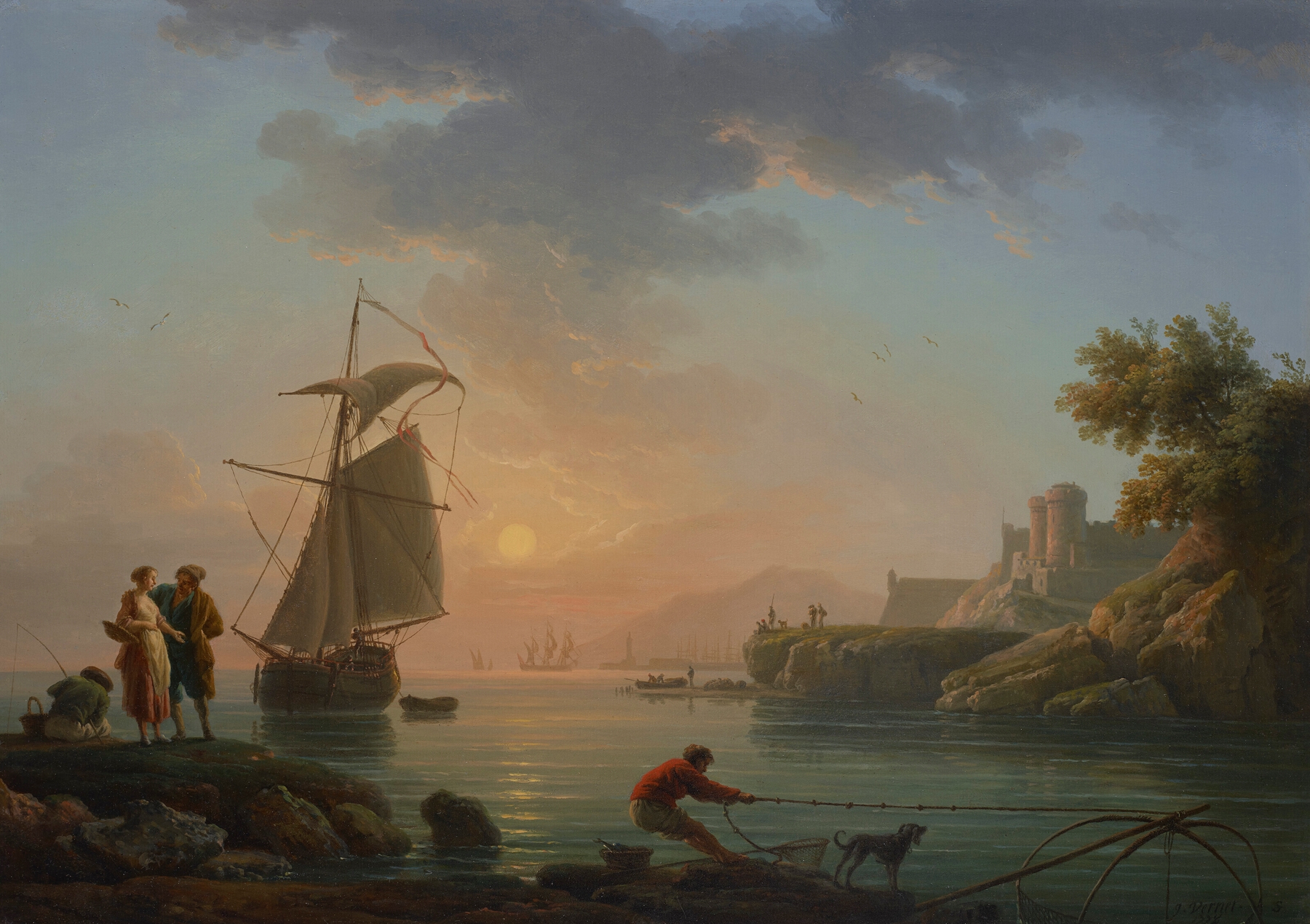
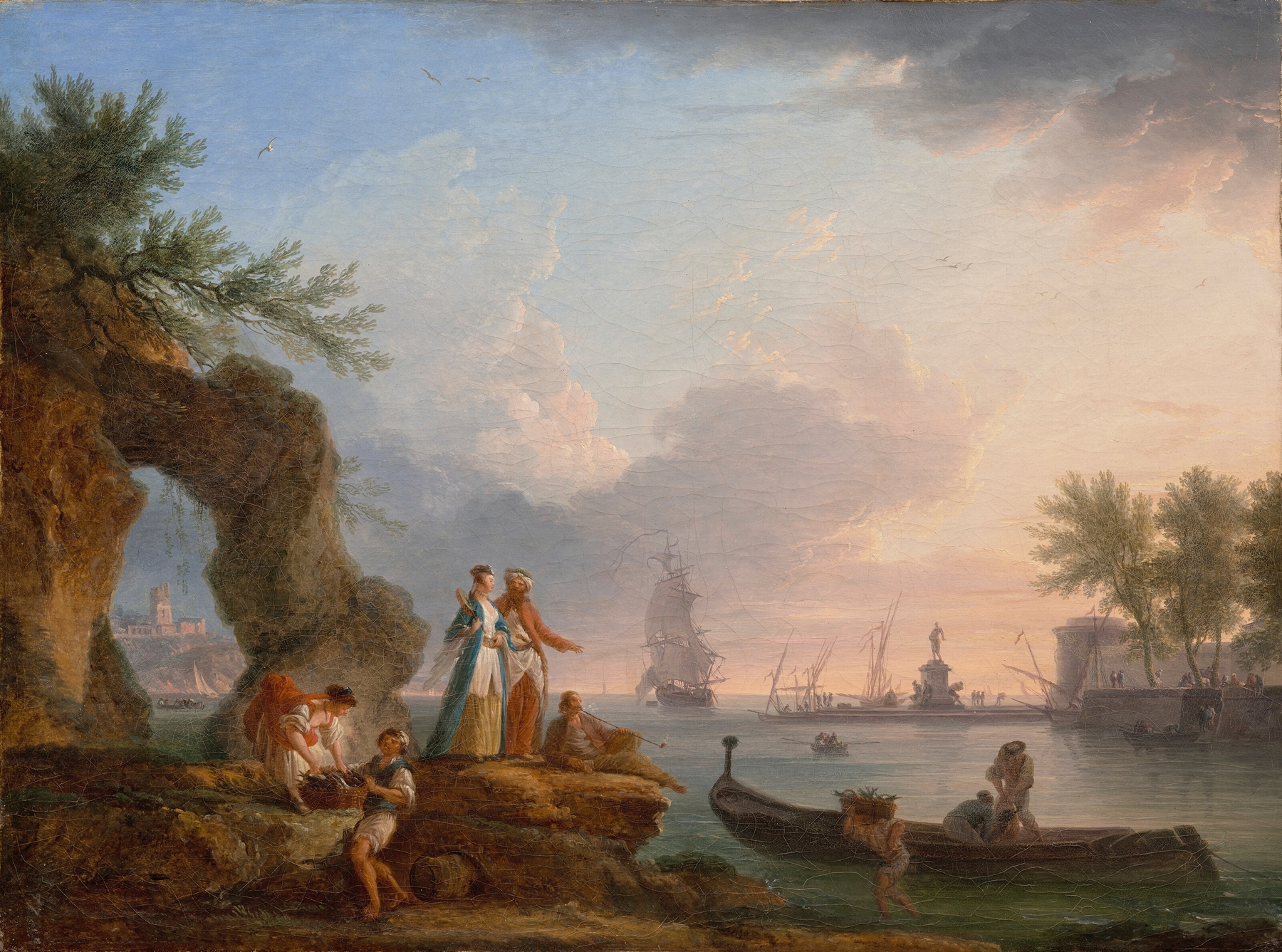
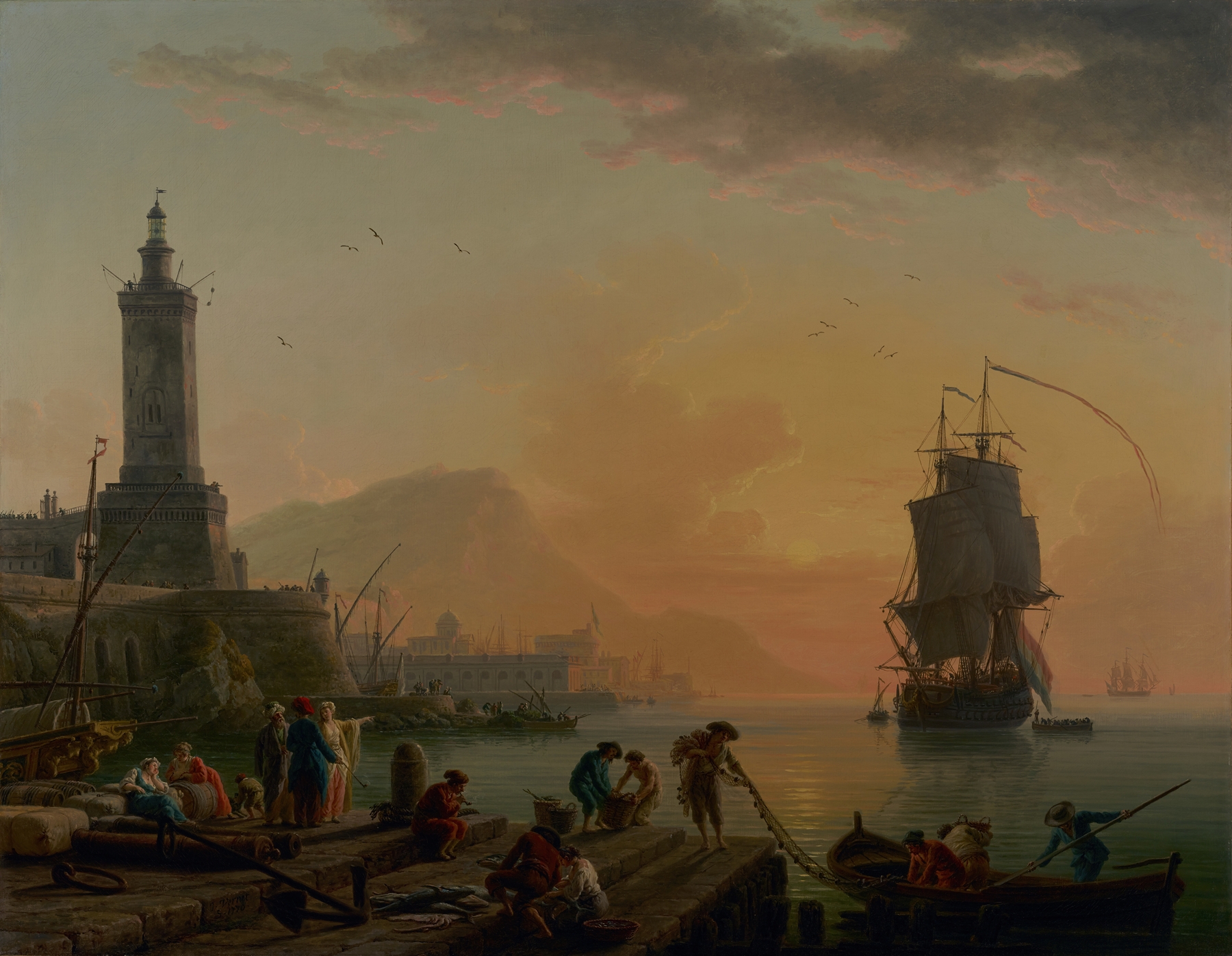
What if beauty was never meant to be finished? In An Italian Harbour in Stormy Weather, the essence of serenity clashes with nature's relentless fury, leaving viewers in a contemplative state. Look to the left, where dark, tumultuous clouds loom over the harbor, their heavy shadows warning of an incoming tempest. The vivid contrast between the deep grays of the sky and the luminous strokes of white in the crashing waves pulls your gaze. Notice how the boats, rendered with delicate details, tilt precariously, their sails taut against the wind, yet a sense of calm prevails in their stillness.
The artist's deft use of light creates a haunting beauty that captures both the ferocity of the storm and the ephemeral moments of tranquility. Within the chaos lies a tension between human vulnerability and the vastness of nature. The mariners, though depicted in the midst of turmoil, exhibit a quiet acceptance, suggesting resilience in the face of overwhelming odds. The distant hills under the brooding sky evoke a sense of longing, hinting at hope just beyond the storm.
This duality of turmoil and peace encourages reflection on the transient nature of beauty and existence. Claude-Joseph Vernet painted this work in the mid-18th century, during a time when Europe was captivated by the sublime and the picturesque. Residing in Paris, he was influenced by the shifting tides of art towards realism and dramatic landscapes. This piece reflects not only his mastery of atmospheric effects but also the broader artistic exploration of nature's power, embodying the tension between human life and the elemental forces surrounding it.