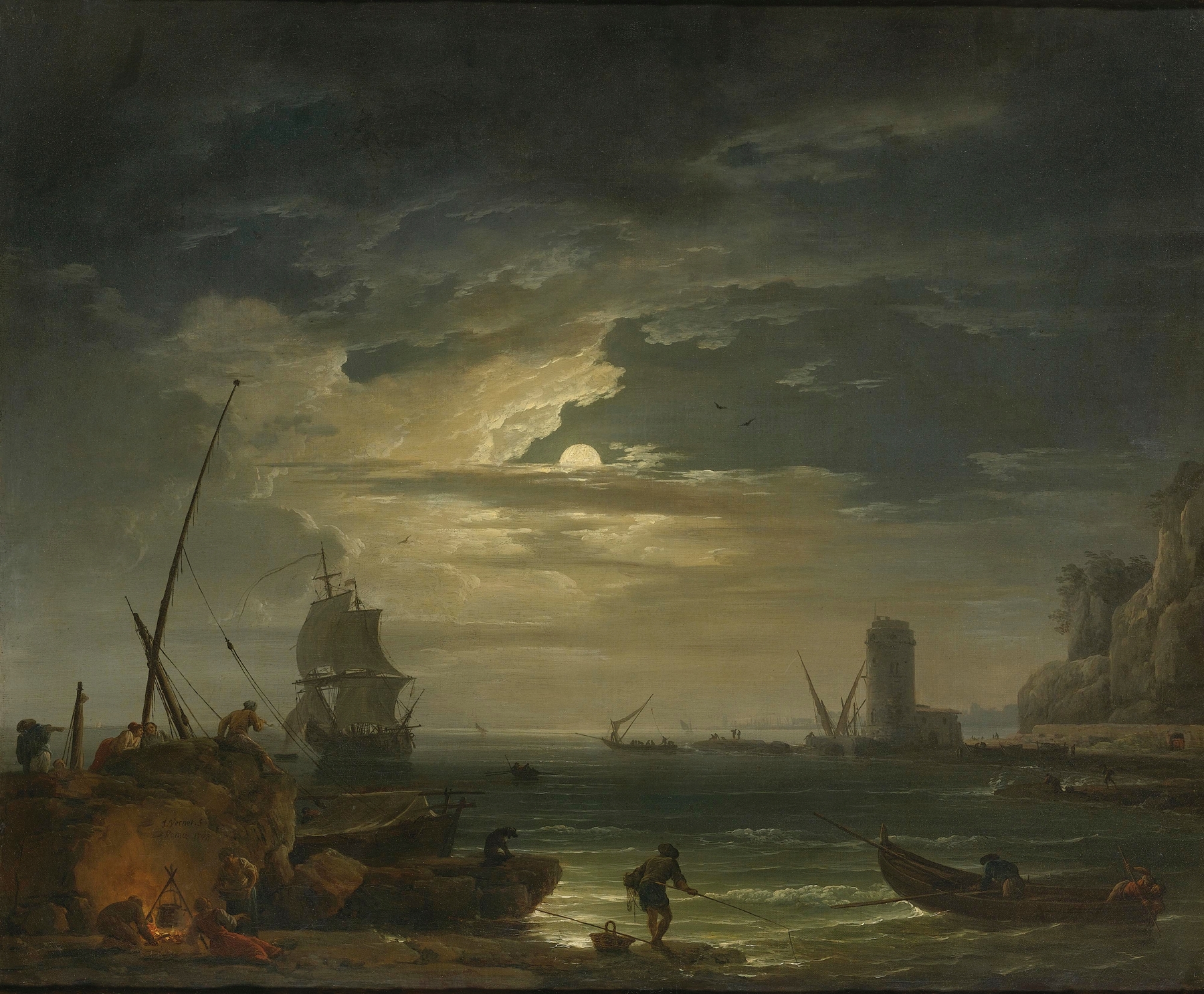
A Shipwreck — History & Analysis
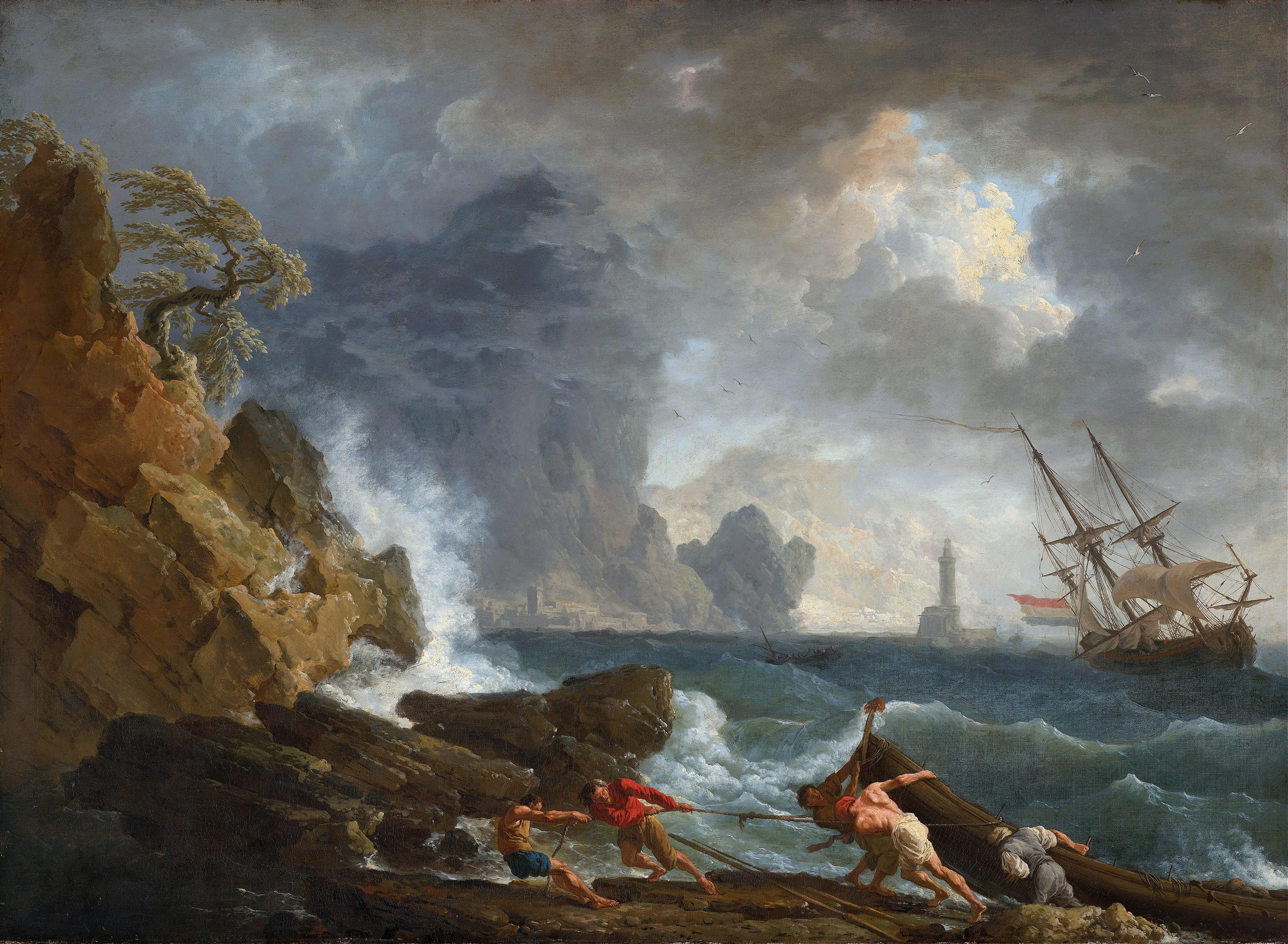
“To paint is to remember what time wants us to forget.” In A Shipwreck, the artist captures not only the chaos of destruction but also the glimmers of rebirth that follow. The painting serves as a poignant reminder that amidst turmoil, new beginnings await. Look to the left where a group of desperate figures grapples with the remnants of a shattered vessel, their bodies contorted against a backdrop of tumultuous waves. The dark, stormy skies loom over them, painted in swirling shades of gray and blue that evoke a sense of urgency and despair.
Notice how the pale light catches the breaking waves, creating a stark contrast with the shadows that envelop the drowned ship, symbolizing both loss and the promise of survival amid adversity. The painting unfolds a narrative rich with emotional tension. The figures, caught in various poses of struggle, convey a sense of urgency and desperation, while the distant shoreline hints at hope. The shipwreck speaks to the fragility of human endeavor against nature's overwhelming power, yet the light illuminating the waves suggests that from destruction can emerge a new dawn.
Each brushstroke resonates with the spirit of resilience, whispering that every end carries the seed of a new beginning. Created between 1728 and 1789, during a time when Vernet was immersed in portraying maritime scenes, A Shipwreck reflects his mastery over composition and atmosphere. He painted this piece against a backdrop of growing interest in the sublime and the dramatic aspects of nature in art. This period also saw a flourishing of artistic exploration in the portrayal of the sea, positioning Vernet as a significant contributor to this evolution.