A Corner of the Hague — History & Analysis
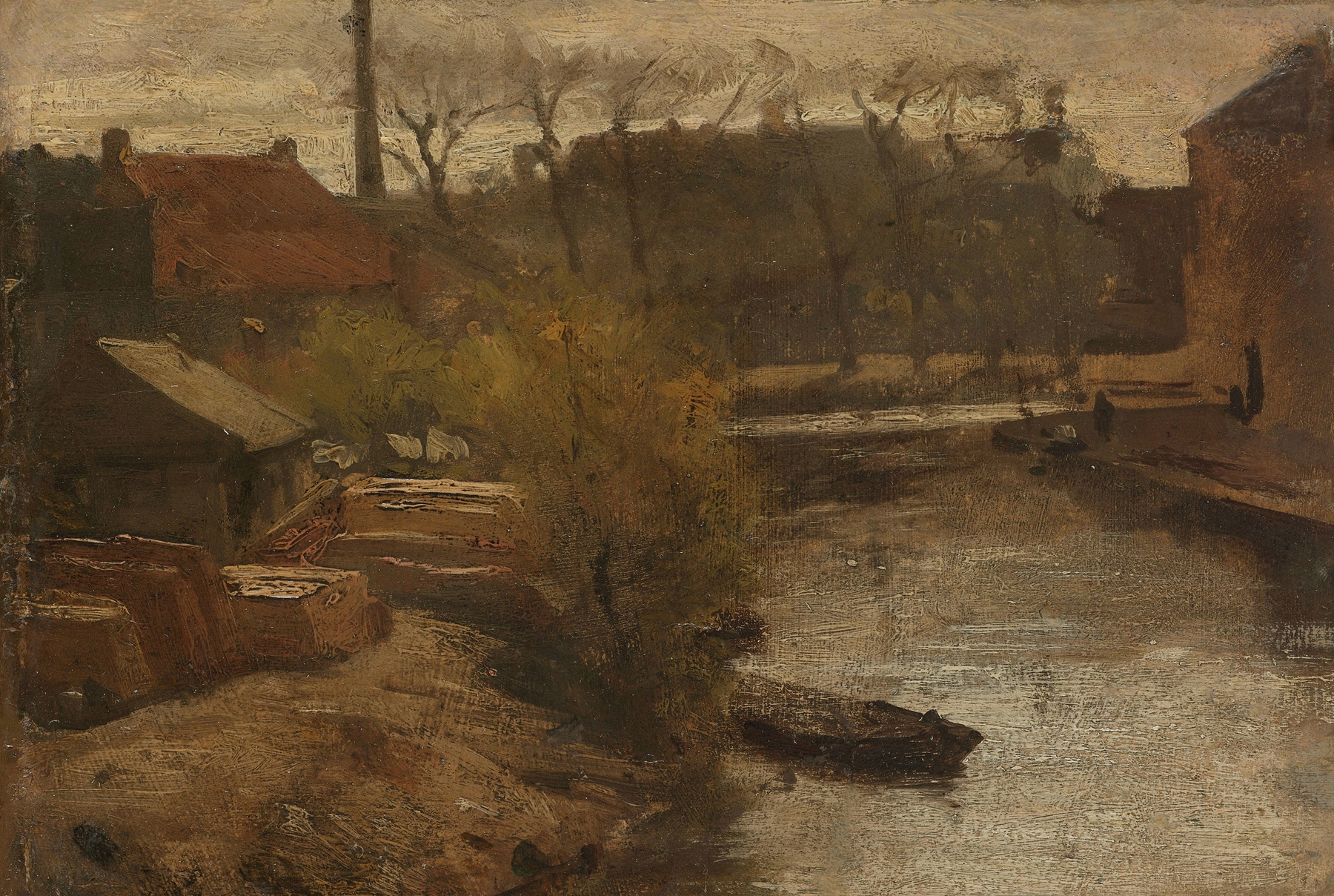
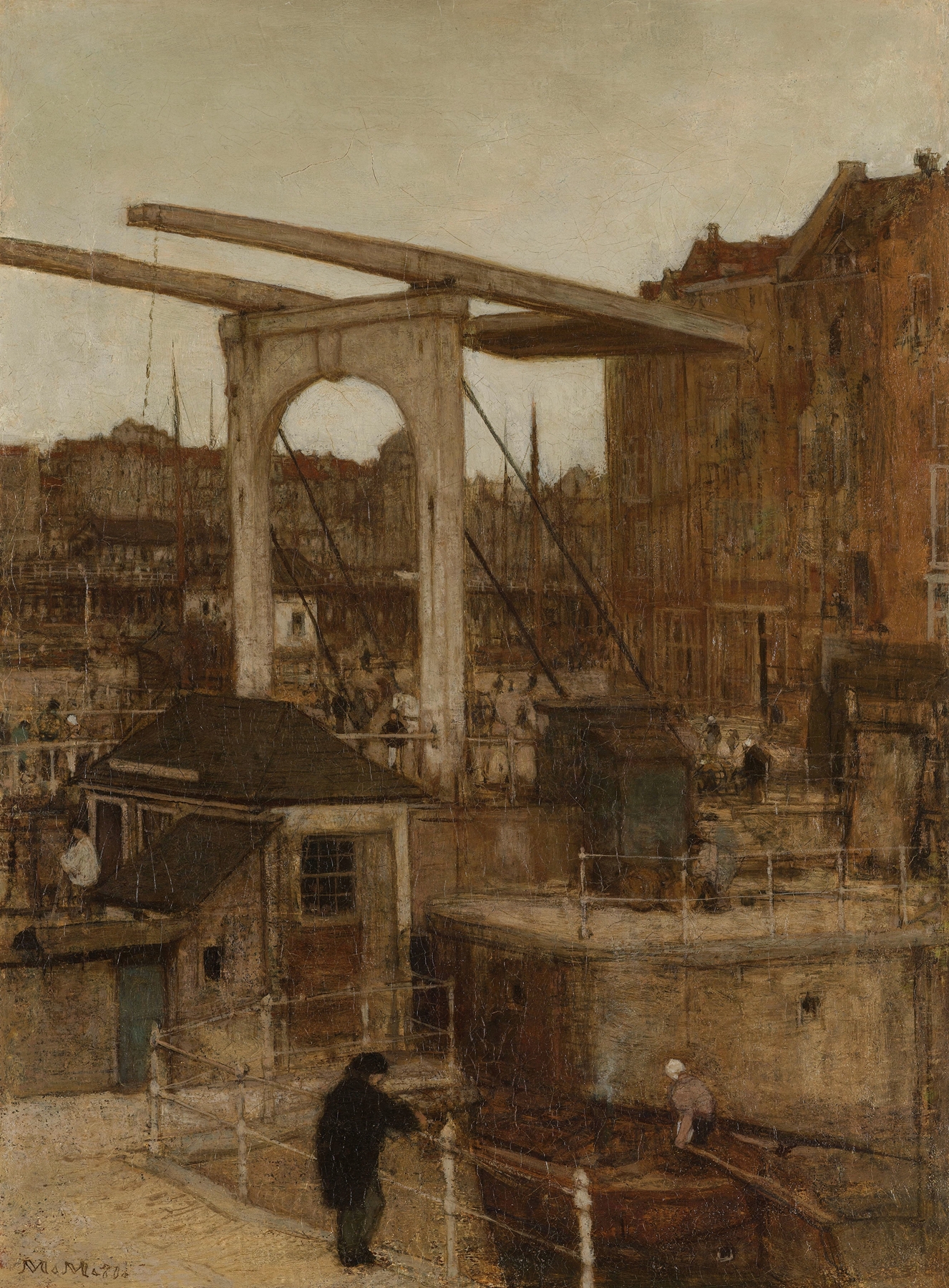
What if silence could speak through light? In Matthijs Maris’s A Corner of the Hague, an atmosphere of reverent stillness invites contemplation, revealing a world where the profound weight of existence rests gently on the shoulders of the viewer. Look to the left at the delicate interplay of light and shadow; it cascades through the window, creating soft highlights on the textured walls and casting intricate patterns on the floor. The palette, predominantly warm tones of amber and muted gold, evokes a sense of nostalgia, while the sparse furnishings suggest a life of simplicity and introspection.
Notice how the brushwork varies, with smooth strokes capturing the light and more frenetic marks revealing the underlying emotion of the scene. The quiet arrangement of objects beckons the eye to linger, urging one to explore the unseen narratives within this corner of the room. In this work, the artist deftly contrasts presence and absence, imbuing the space with an almost spiritual quality. The empty chair, poised for an unseen occupant, hints at solitude and reflection, while the light filtering through suggests hope or the possibility of connection.
Layers of meaning emerge as the viewer contemplates the balance between the mundane and the transcendent—a reminder of how the ordinary moments of life can be imbued with extraordinary significance. Matthijs Maris painted A Corner of the Hague during a period when he was deeply engaged with themes of solitude and introspection. Born in the Netherlands, he created this piece in the late 19th century, amidst an art world captivated by the burgeoning Symbolism movement. This shift in artistic focus reflected both personal challenges and broader societal changes, as artists sought to express the complexities of the human experience beyond mere representation.