Portrait Study — History & Analysis
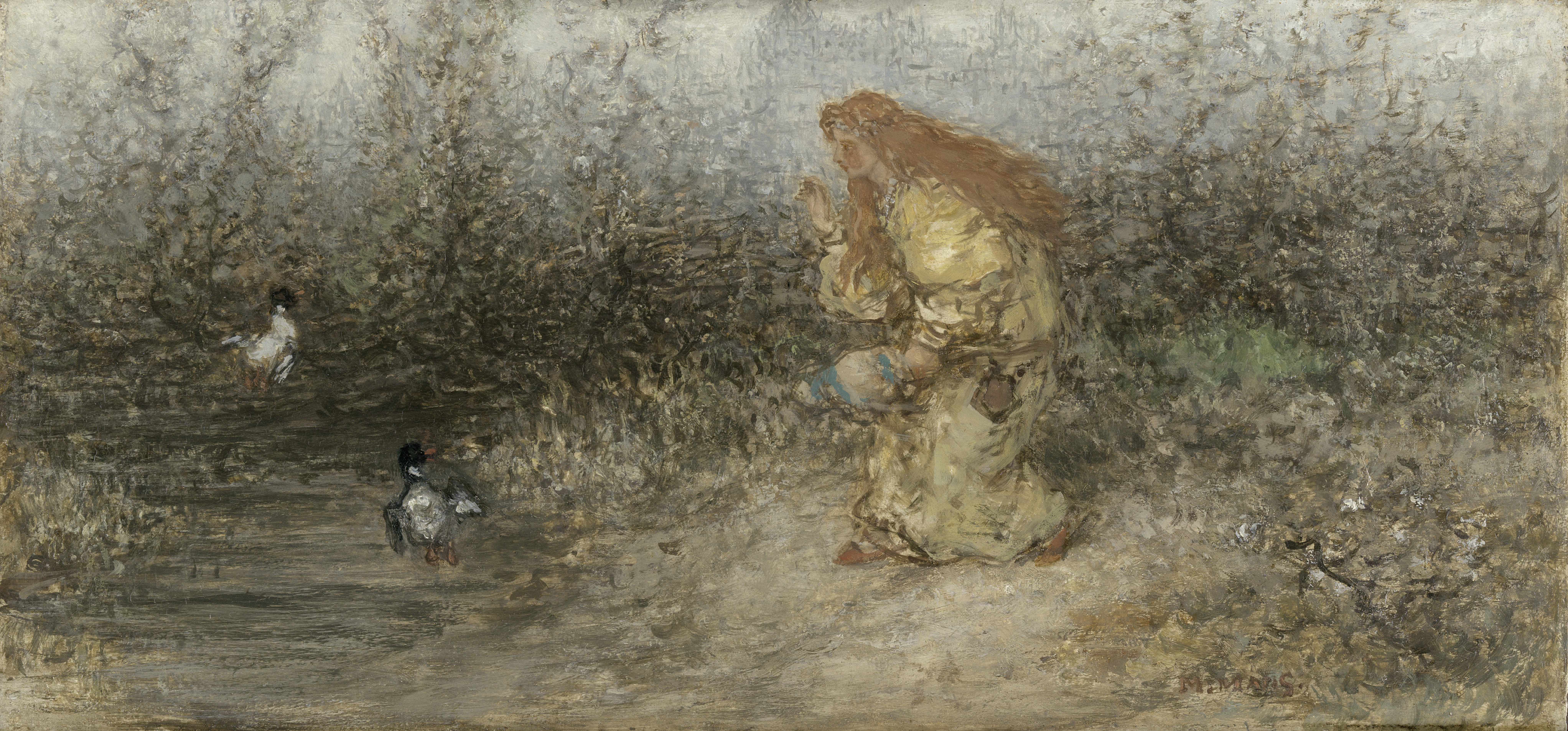
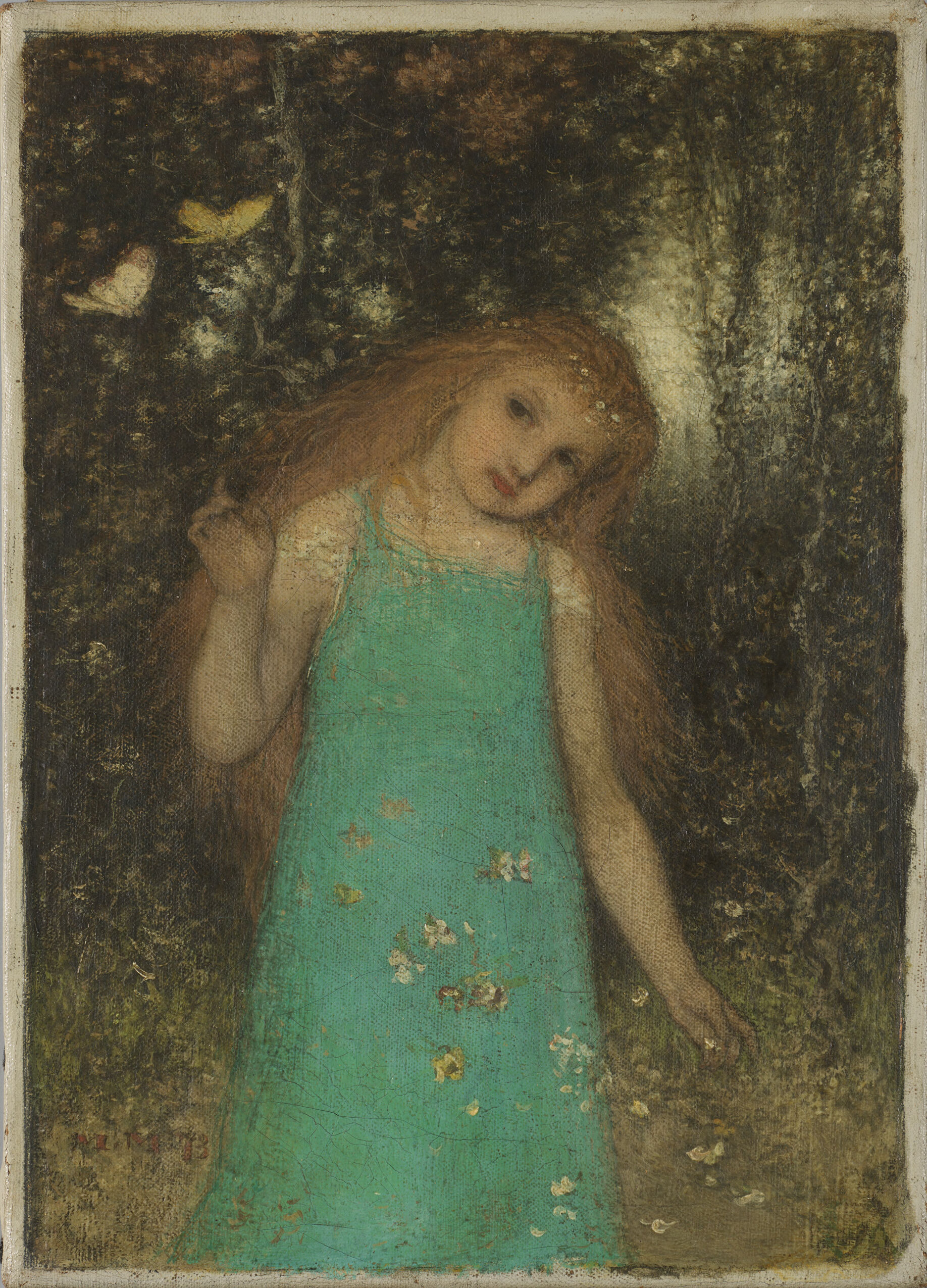
“Under the brush, chaos becomes grace.” In Portrait Study, the artist captures a moment that transcends mere representation, transforming the sitter into an ethereal presence that invites contemplation. This is not merely a likeness; it is an exploration of the soul, a dance between form and formlessness. Look closely at the central figure, where soft brushstrokes suggest more than define. The muted palette of blues and grays envelops the subject in a misty aura, drawing the eye to the delicate contours of the face. Notice how the light diffuses around the edges, blurring the line between reality and the dreamlike state of the portrait.
Each stroke seems intentional yet spontaneous, creating a juxtaposition that evokes both intimacy and distance. Within the layers of paint lie tensions that resonate deeply. The subject’s gaze, both reflective and enigmatic, hints at a world beyond what is visible. There’s an inherent vulnerability in the figure, contrasted sharply by the commanding presence of the brushwork, a reminder of the struggle between individuality and the artist's interpretation.
These elements coalesce into a narrative that speaks to the human experience—our search for identity amidst the chaos of existence. In 1856, amidst the shifting tides of Romanticism and Realism, Matthijs Maris painted this work while living in the Netherlands. Maris was deeply influenced by the emotional intensity of his contemporaries while also seeking to carve out a personal aesthetic that blurred boundaries. The era was one of experimentation and reflection, both in his life and in the broader art world, which resonated in the transcendental essence of this intimate portrayal.