The Noord-West-Buitensingel in The Hague — History & Analysis
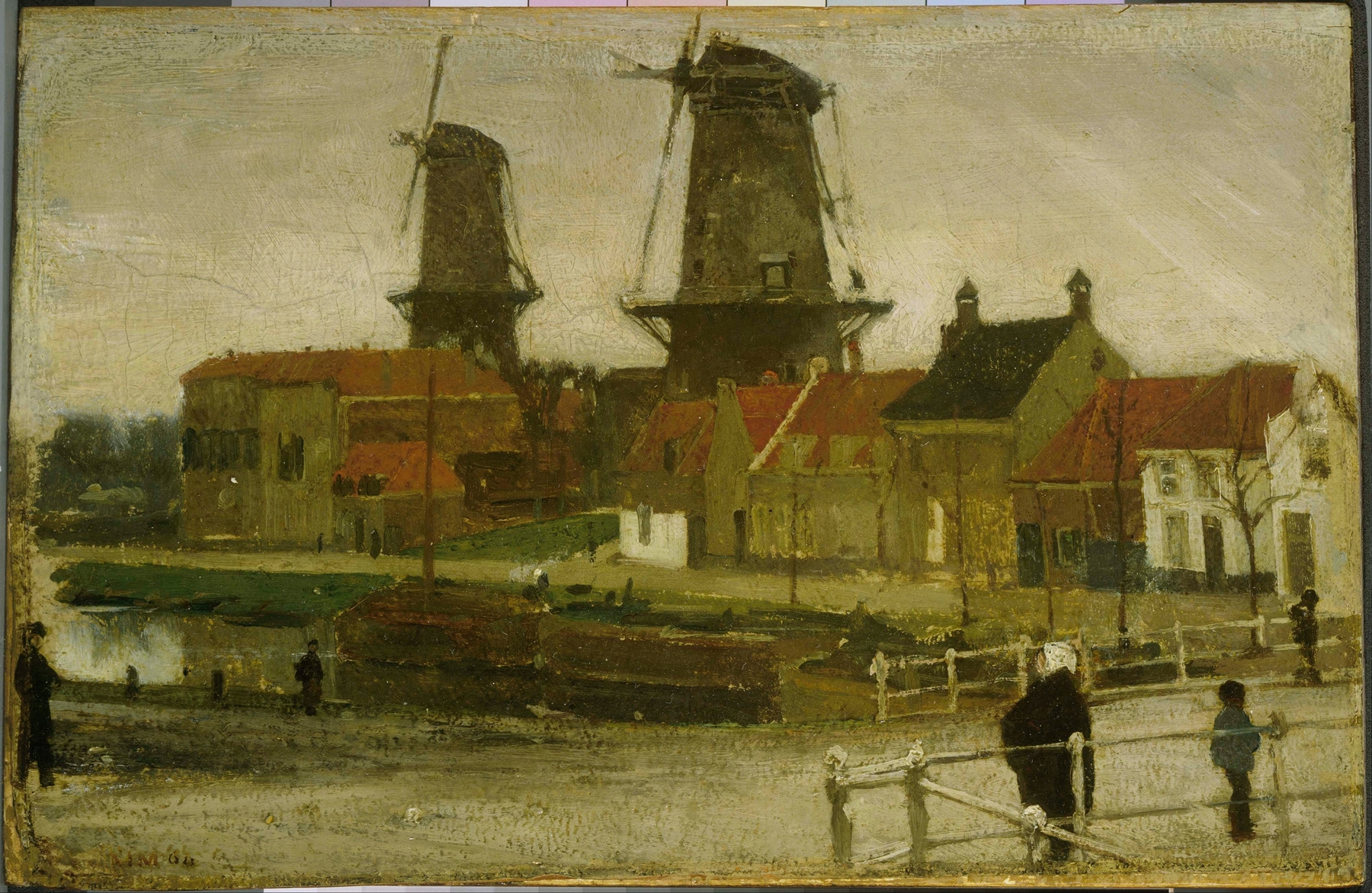
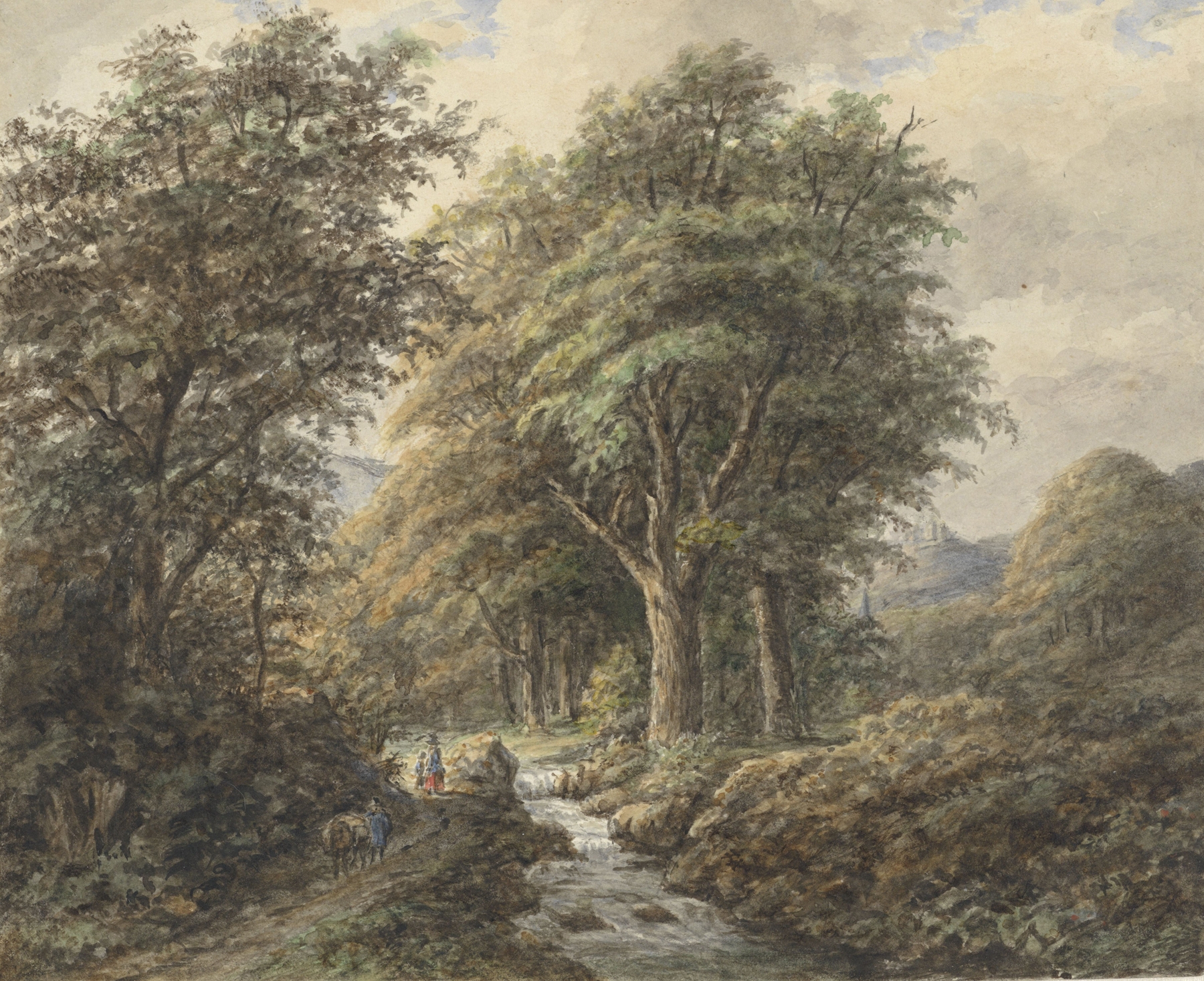
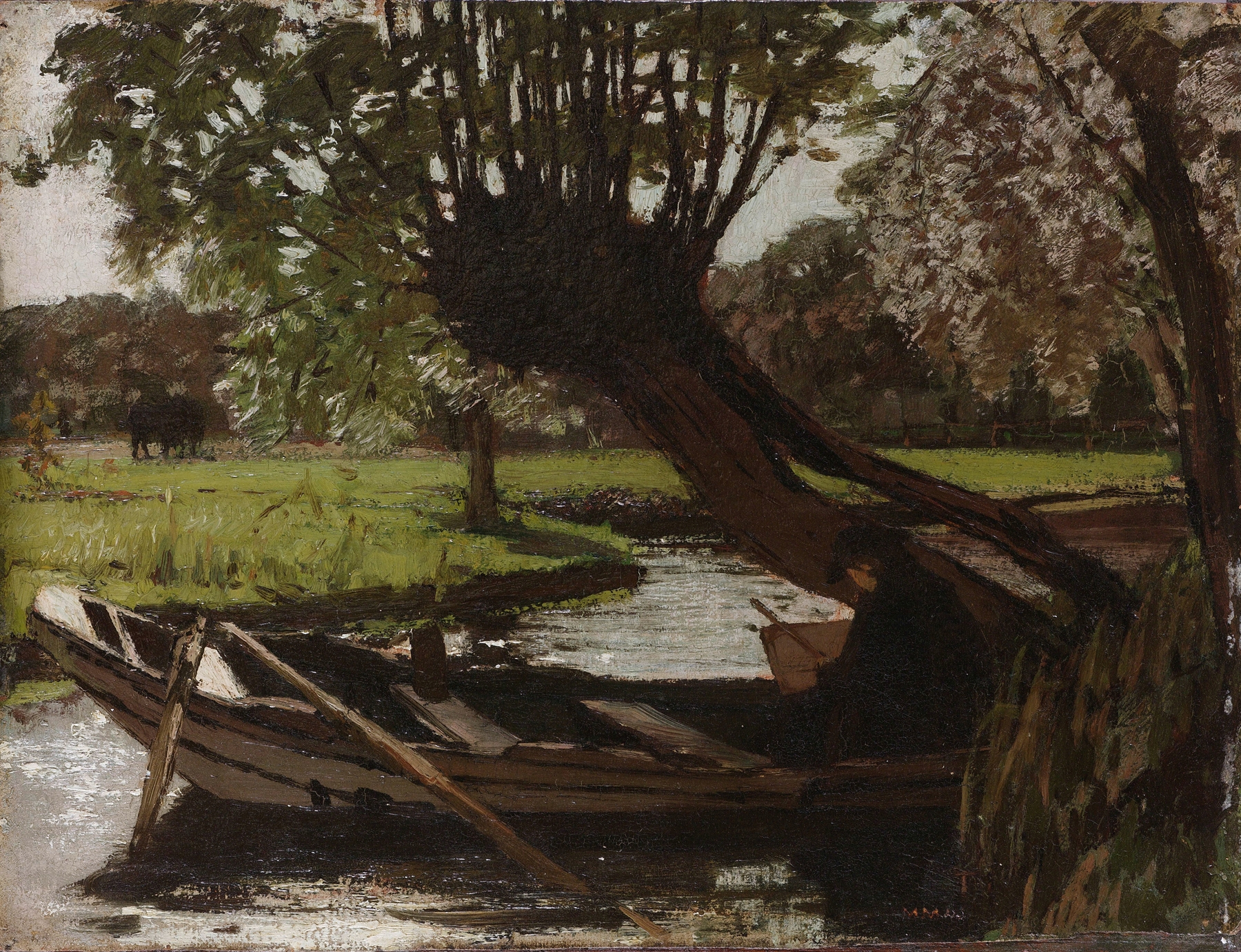
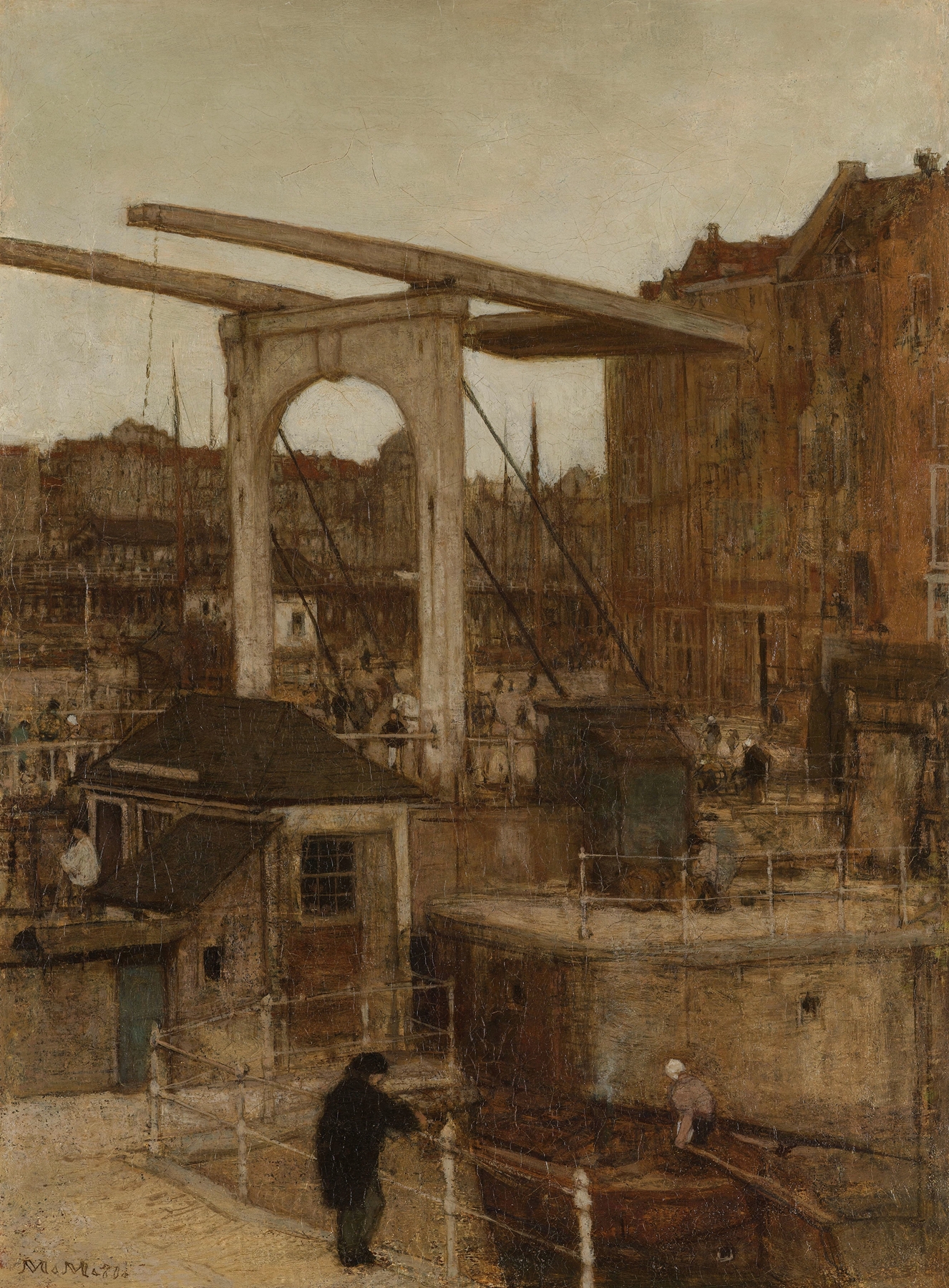
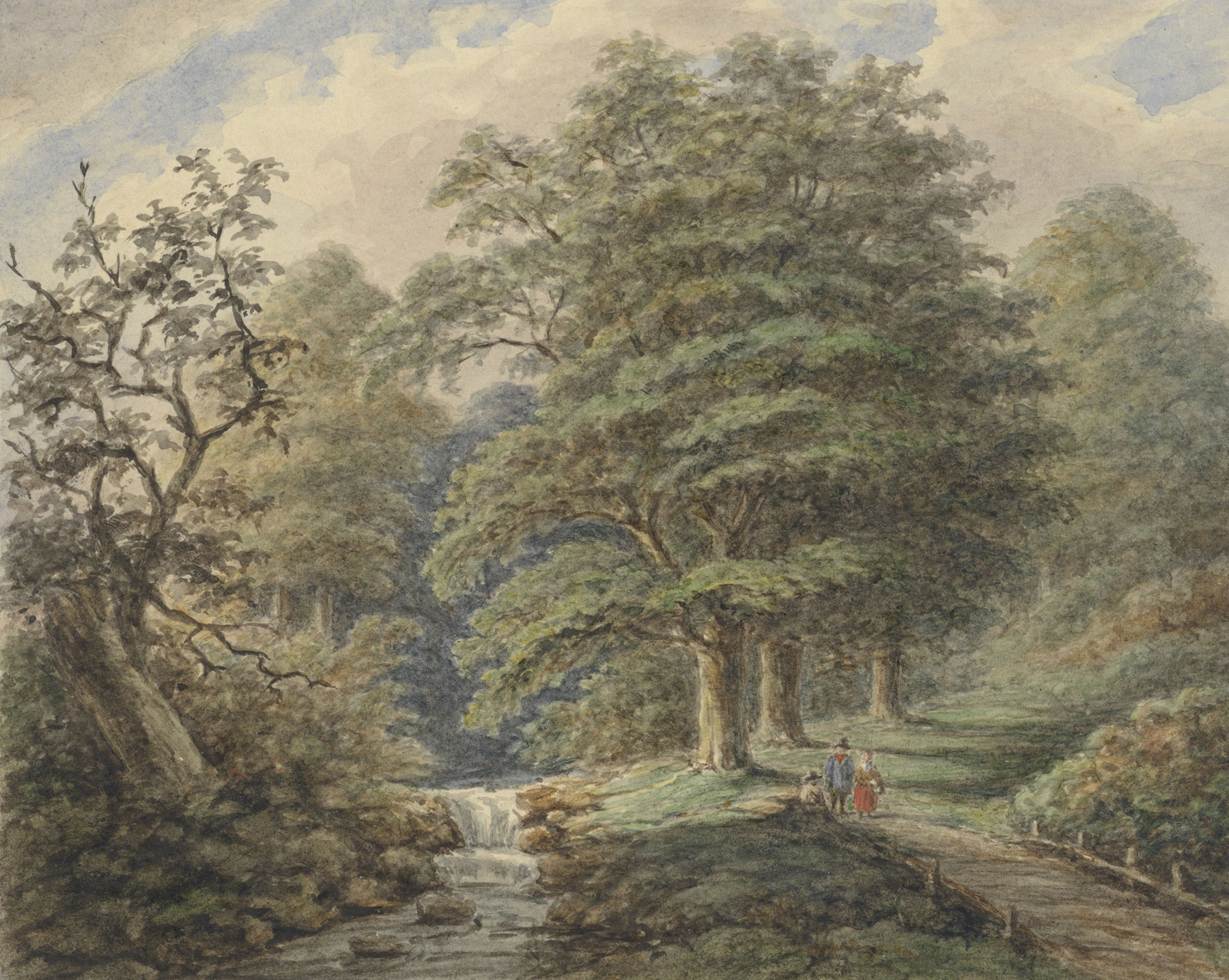
What if beauty was never meant to be finished? In a world where color ebbs and flows like memories, we find ourselves drawn into the vibrancy of a moment captured forever. Look to the left at the vivid splashes of green where the trees stretch their arms, their lushness almost spilling off the canvas. This composition is anchored by an inviting path, winding through the foliage, inviting viewers to step into the serene embrace of nature.
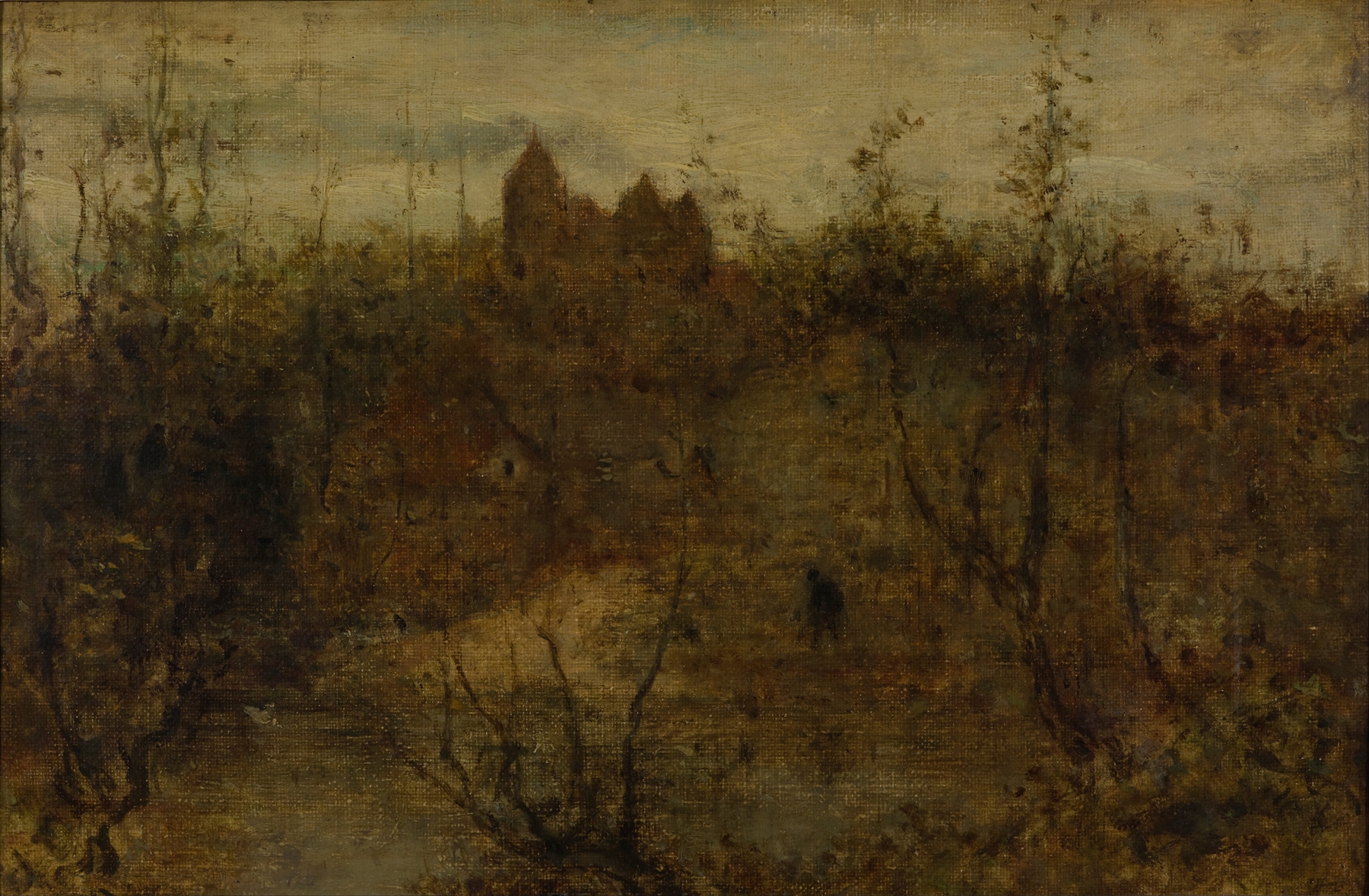
The soft, diffused light bathes the scene, enhancing the delicate hues and creating an ethereal quality that dances between reality and imagination. Each brushstroke seems alive, blending seamlessly into the next, whispering secrets of the earth beneath. As you explore further, notice the contrasts between the bold colors of the foliage and the muted tones of the distant buildings, evoking a sense of tension between the vibrancy of life and the quietude of urban existence. The soft interplay of light and shadow not only marks the passage of time but also suggests the impermanence of beauty itself.
The artist’s choice of palette invites contemplation, hinting at deeper emotional landscapes where joy and melancholy coexist in harmonious balance. Matthijs Maris created this work around 1863 while living in The Hague, a period when the Dutch art scene was evolving, influenced by Romanticism. During this time, Maris was exploring themes of nature and tranquility, drawing inspiration from everyday landscapes. His unique approach to color and light marked a significant departure from more traditional renderings, allowing him to express the subtleties of emotion captured in fleeting moments.