Boat with a Pollard Willow — History & Analysis
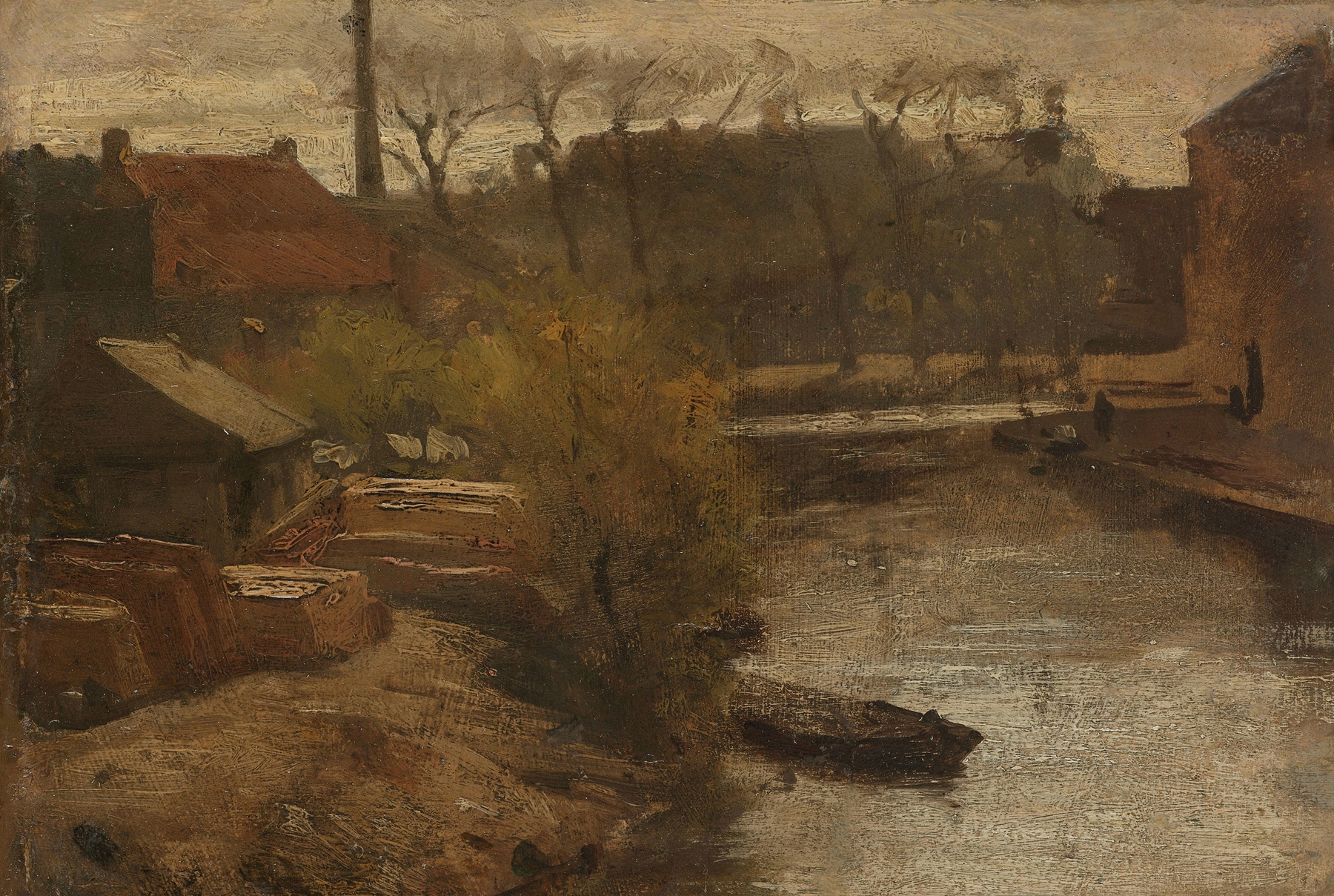
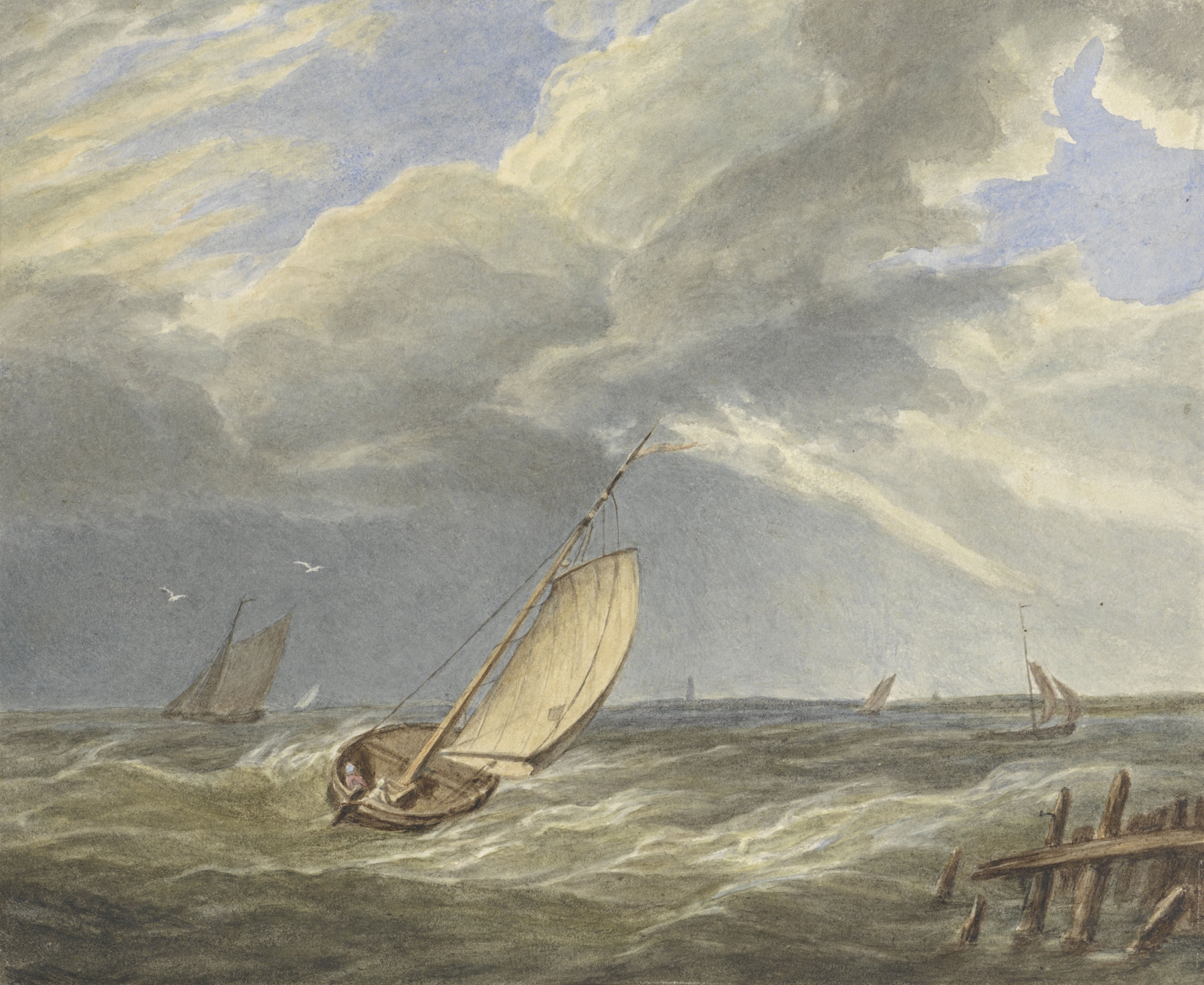
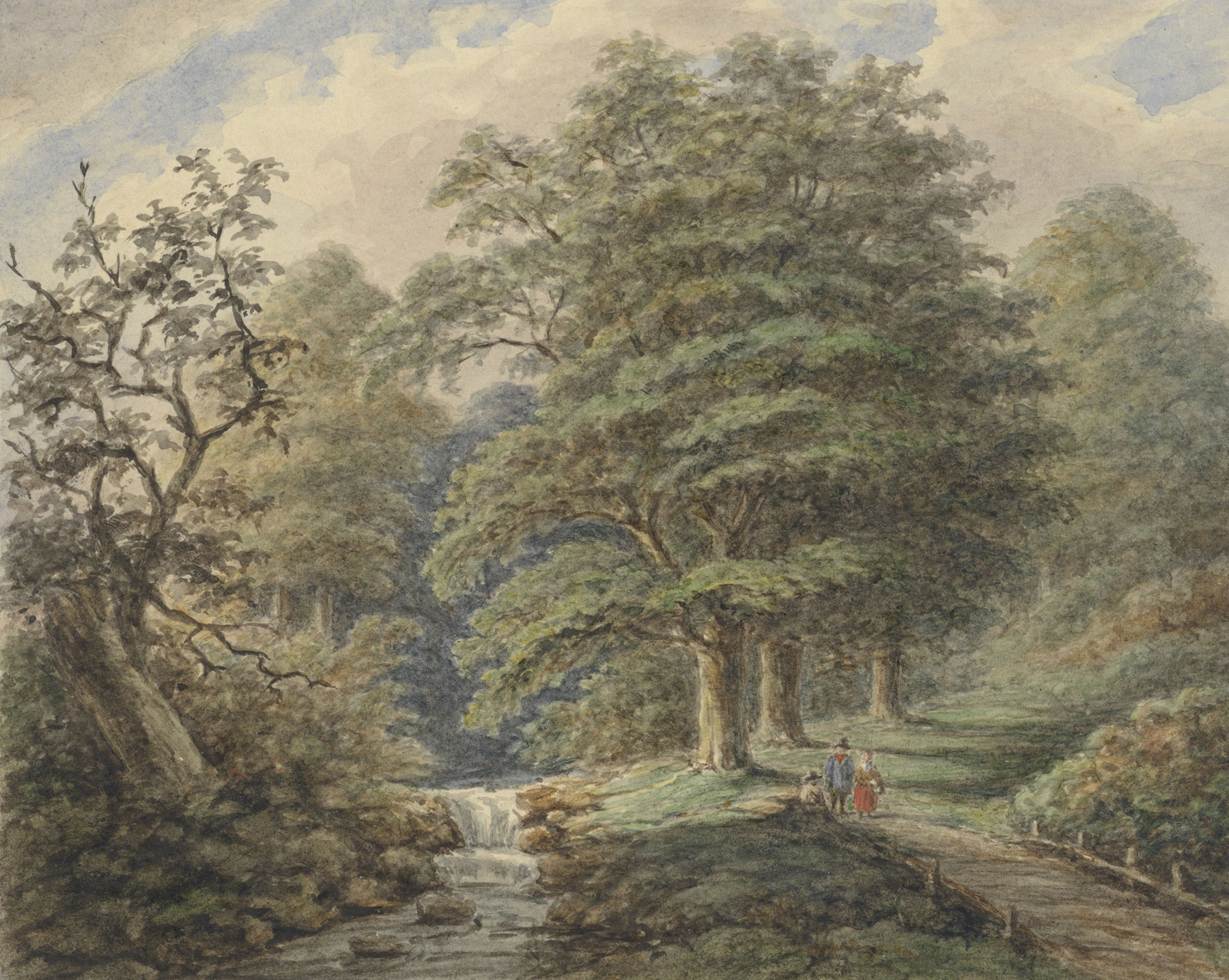
“Art reveals the soul when the world turns away.” In the stillness of this piece, one feels the delicate balance between existence and ephemera, much like the fleeting nature of life itself. Look closely at the foreground, where the elegant boat gently nestles against the water's edge. Notice how the pale brushstrokes blend into soft greens and blues, evoking a sense of tranquility that contrasts with the weight of the willow’s gnarled branches framing the scene. The subtle play of light across the water's surface reflects not only the physical world but also an emotional landscape, inviting contemplation and introspection.
Each stroke conveys a masterful technique that transcends mere representation, embodying a world that teeters on the edge of reality. Delve deeper into this canvas, and you'll discover a rich tapestry of contrasts. The sturdy pollard willow stands as a monument of resilience amid the ephemeral quality of the water; its shadow casts a somber tone against the light-dappled surface. Yet, the boat—fragile and transient—suggests a journey that may never reach its destination.
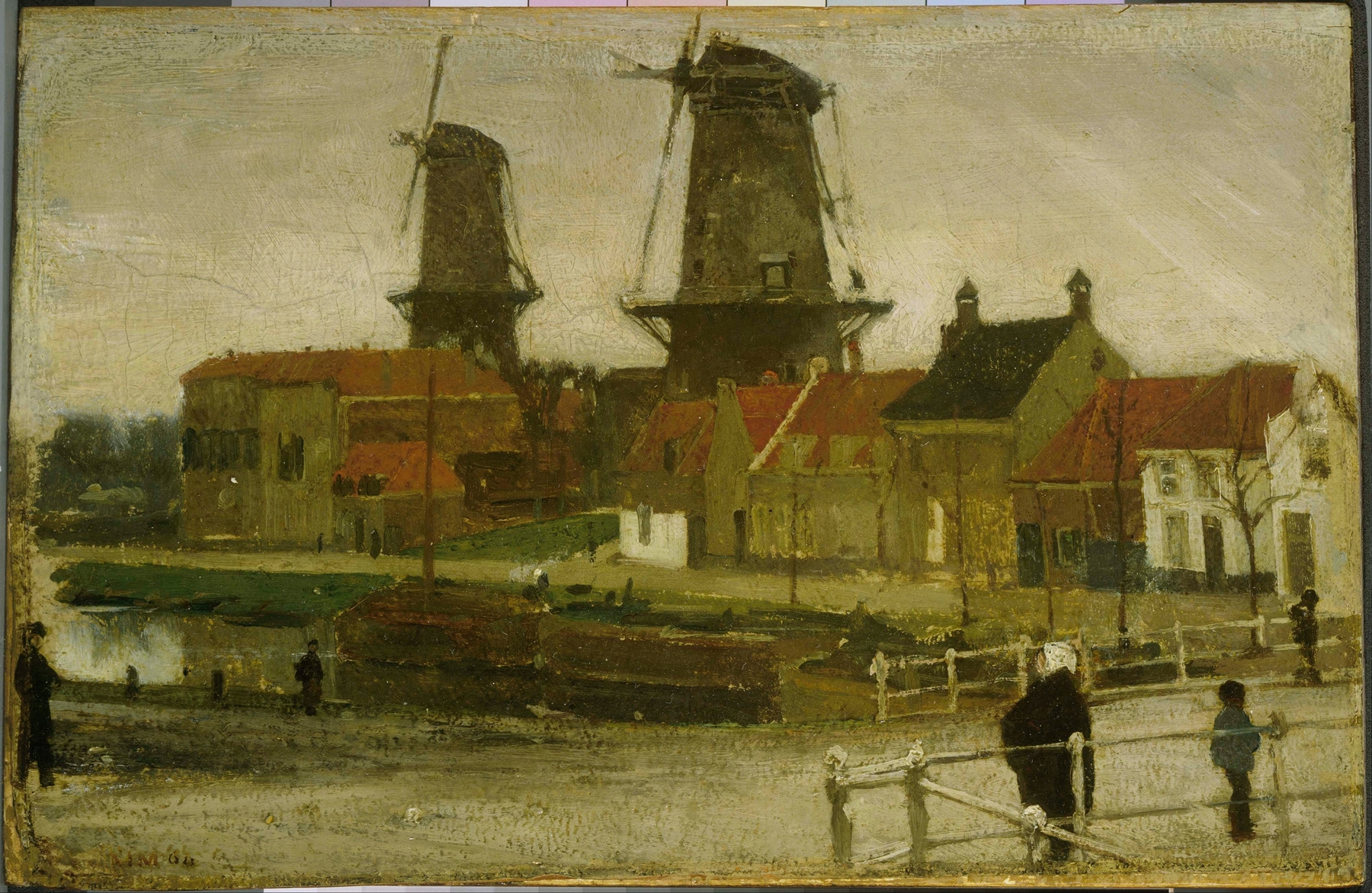
This juxtaposition of strength and delicacy creates a haunting reminder of life’s impermanence, urging the viewer to find beauty in the fleeting moments. Matthijs Maris painted this work in 1863, a time when he was deeply immersed in the exploration of light and nature. Living in the Netherlands, Maris was influenced by the Romantic movement, which sought to capture profound emotions through landscape and still life. During this period, he was also experiencing personal shifts, pushing him towards a style that emphasized fragility and introspection, setting the stage for a future that would redefine his artistic vision.