Young Girl with Butterflies — History & Analysis
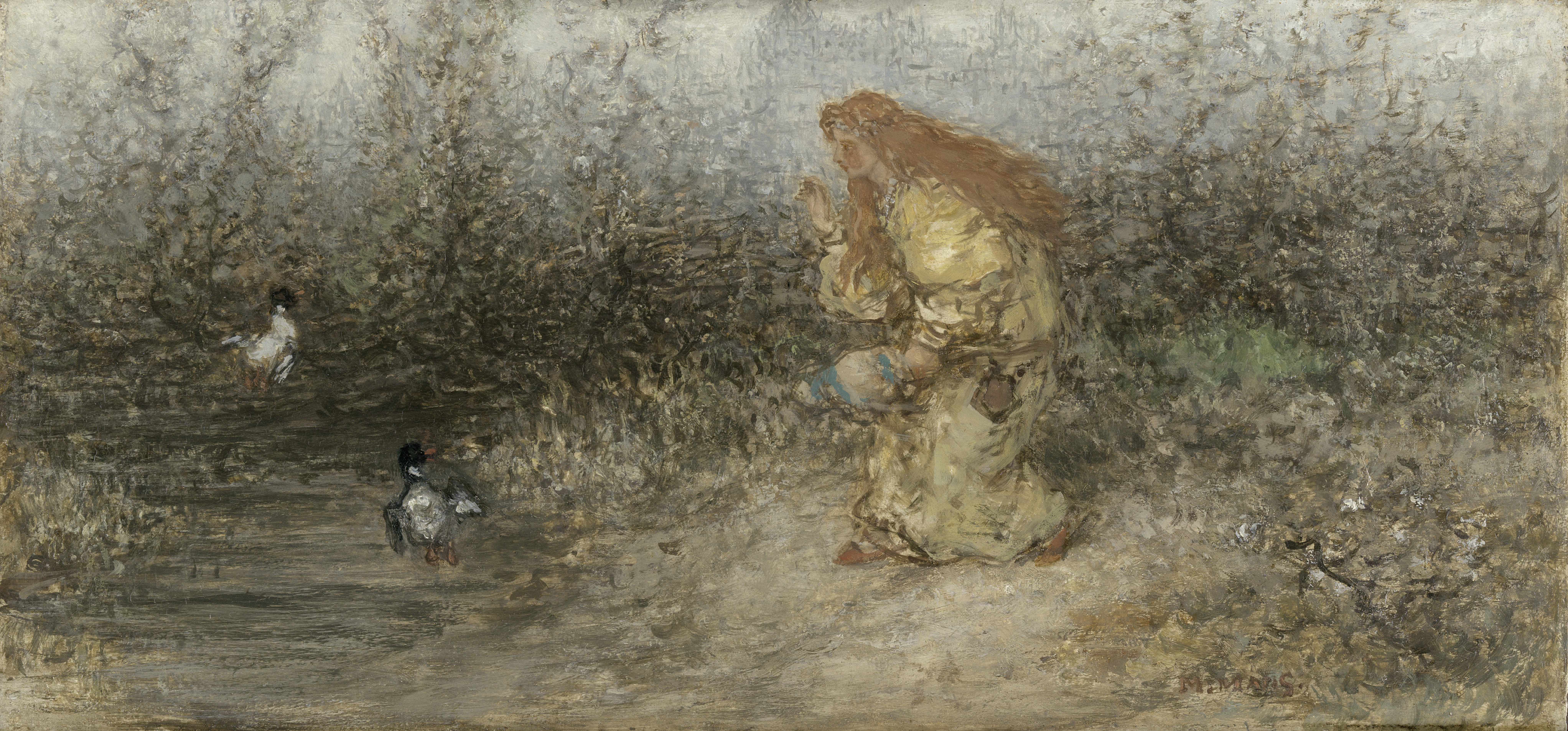
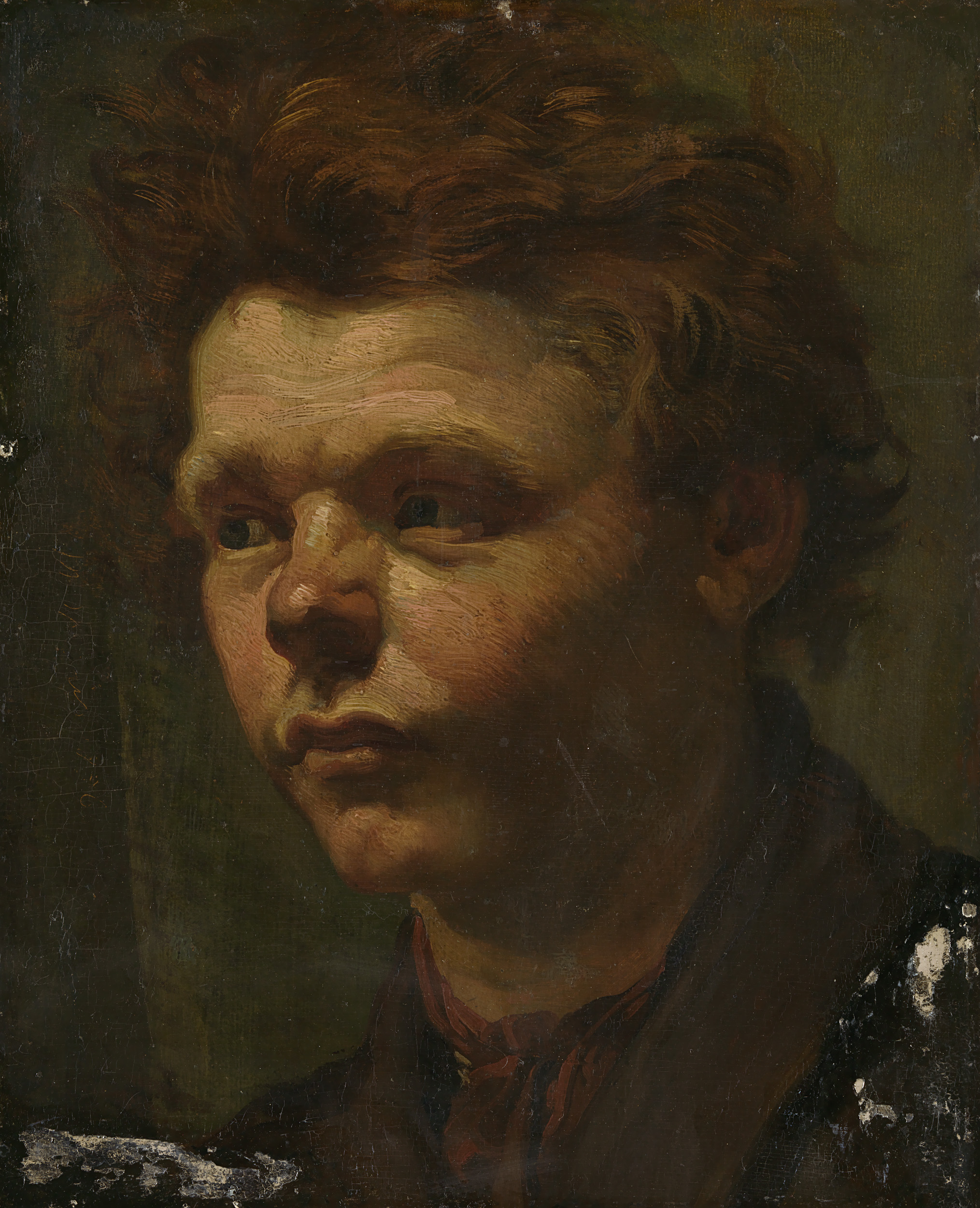
“Between color and silence, truth hides.” The ephemeral beauty of youth often conceals the inevitable decay that shadows life. This tension lingers in the delicate brushstrokes of a portrait that transcends mere representation. Look closely at the girl’s face, where innocence radiates through soft, muted tones. Notice how the artist captures the gentle curve of her lips, hinting at unspoken dreams.
The butterflies, delicately perched on her outstretched hand, serve as a vibrant contrast to the earthiness of her attire, their colors alive against a backdrop of muted browns and grays. The light, filtered and diffused, caresses her form, striking a balance between the vibrancy of youth and the somber weight of time. In this piece, the interplay between the girl’s serene expression and the fluttering creatures speaks to the fragility of existence. The butterflies, often symbols of transformation, contrast starkly with the underlying theme of decay, reminding us that beauty is often fleeting.
The simplicity of her pose invites contemplation; one can almost feel the weight of anticipation and the bittersweet recognition of impermanence woven into the fabric of the scene. In 1873, Matthijs Maris painted this work while residing in the Netherlands, where he was deeply influenced by the Symbolist movement. The art world was shifting, embracing more introspective themes and moody palettes. Personal loss and the passage of time permeated his experiences, shaping his artistic vision in evocative ways, as seen in this poignant portrayal.