Boslandschap met watervalletje, after Johann Bernard Klombeek — History & Analysis
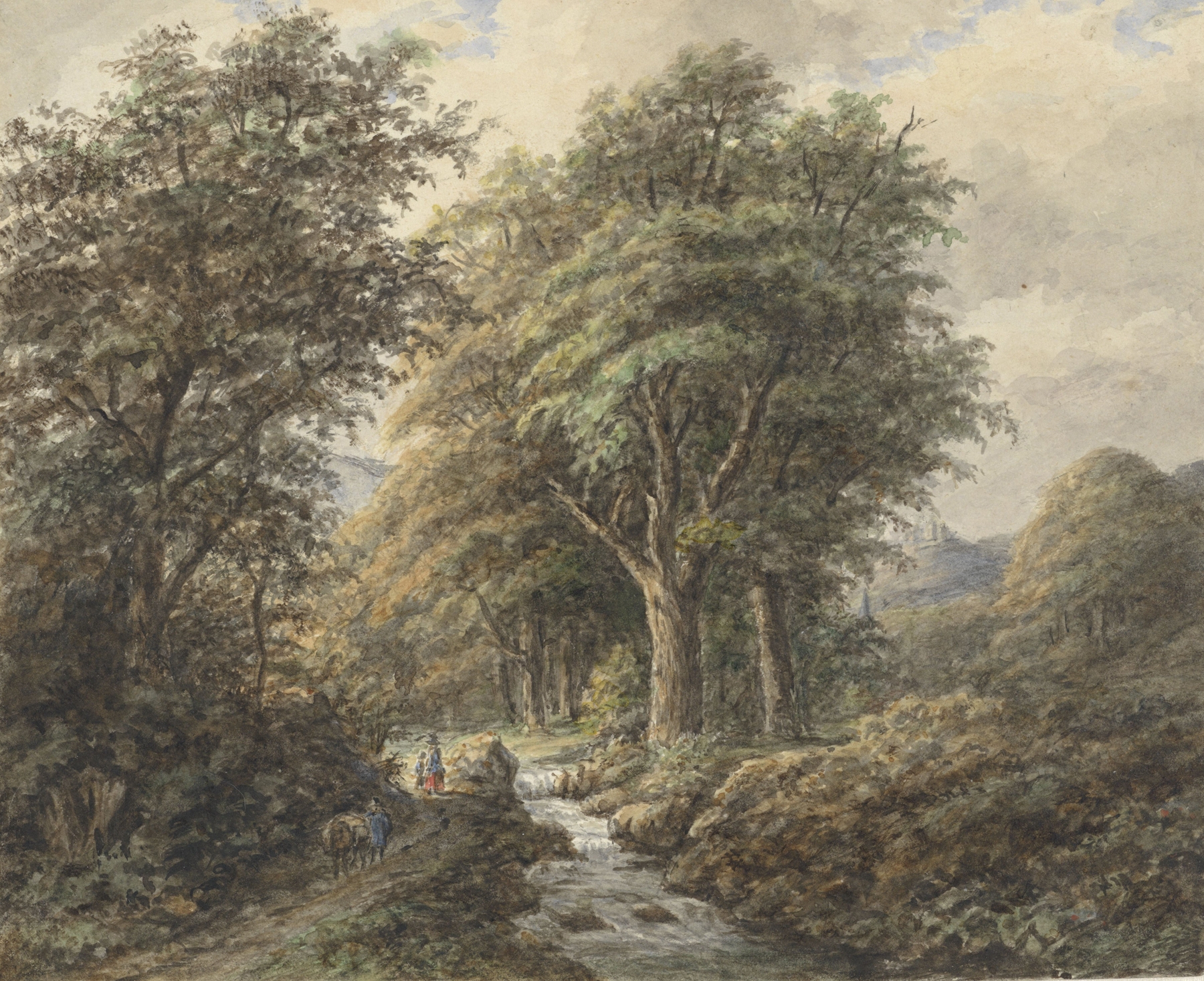
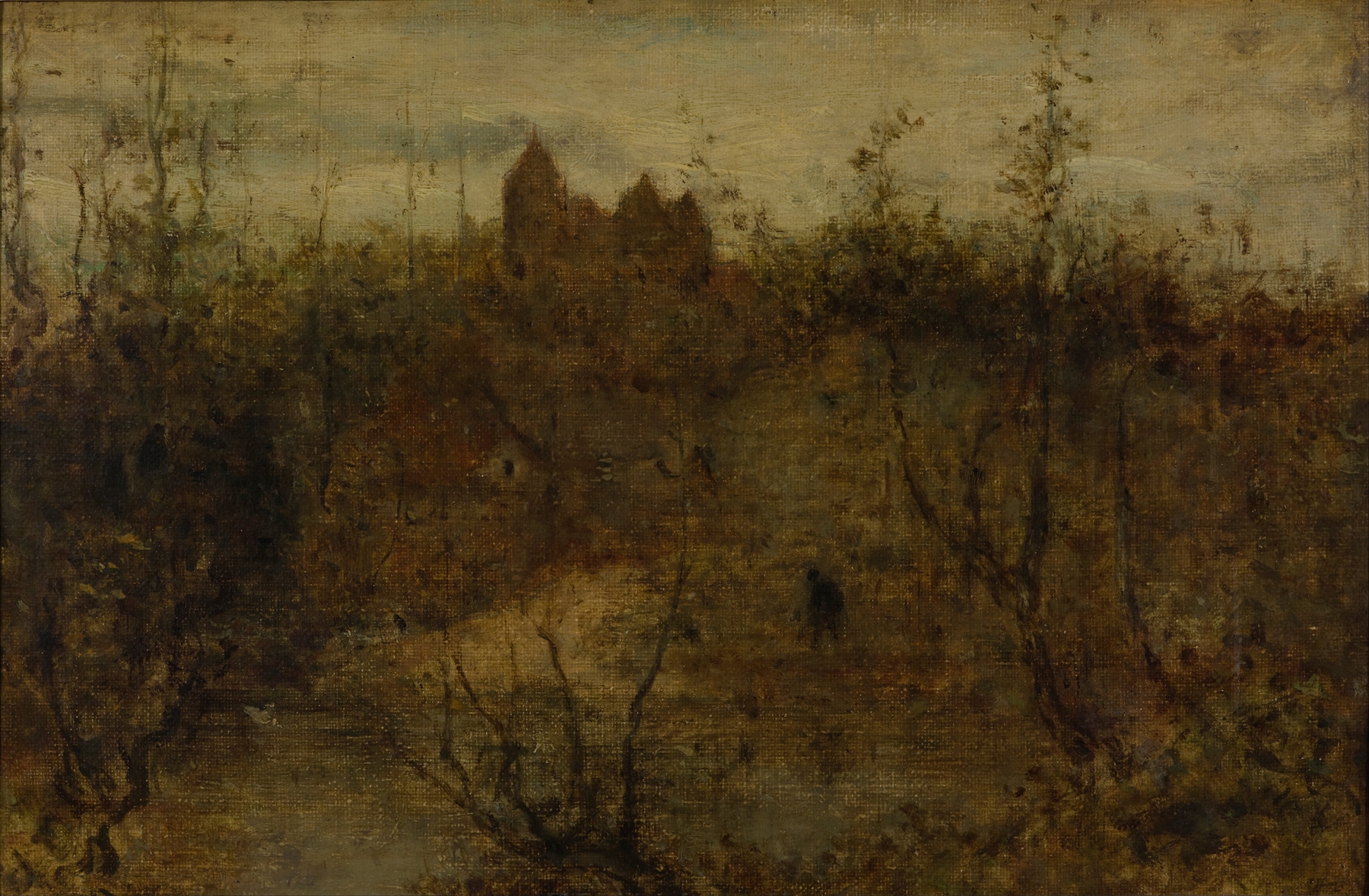
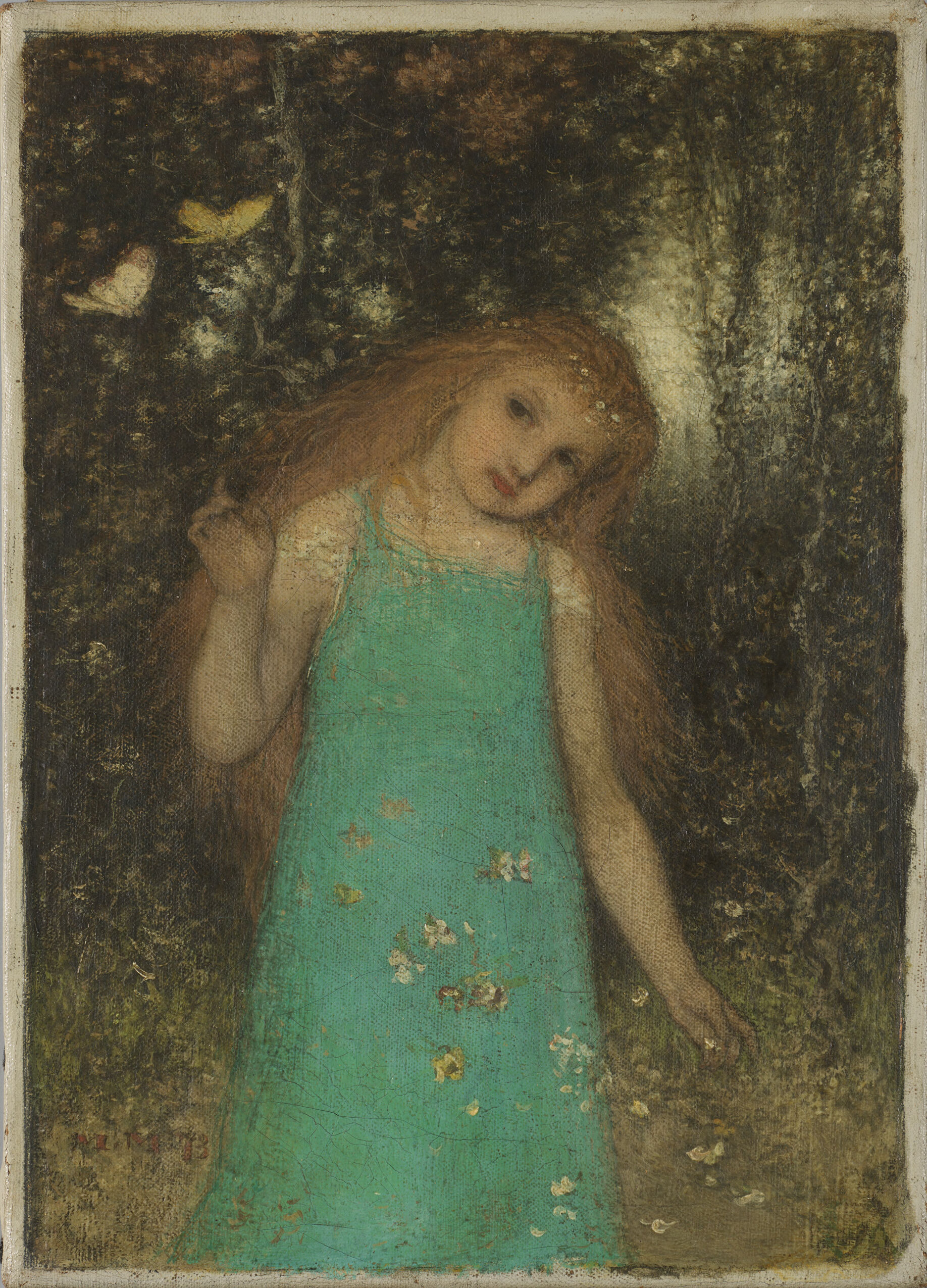
Can paint confess what words never could? In Boslandschap met watervalletje, the canvas breathes a haunting melody of solitude and madness, whispering secrets that linger just beyond comprehension. Look to the lower left, where a delicate waterfall cascades down moss-covered stones, its silken flow contrasting sharply with the jagged edges of the surrounding foliage. Notice how the muted greens of the forest deepen toward the edges of the canvas, drawing your eye inward to the luminescent center where light dances upon the water's surface.
The delicate brushwork evokes both tranquility and restlessness, while ghostly figures of trees loom like sentinels around the vibrant heart of the scene. In this enigmatic landscape, one can sense the tension between nature's serene beauty and an underlying disquiet. The shimmering water reflects not only light but also the fragility of sanity, reminding us of the fine line between serenity and chaos. Each leaf and branch seems to pulse with the weight of hidden stories, suggesting that madness, too, has its place in the delicate order of existence.
The interplay between shadow and illumination invites contemplation on the nature of reality itself, hinting at the darker corners of the human experience. Matthijs Maris painted this evocative piece during the late 19th century, a time when he was deeply immersed in the Symbolist movement, which sought to express the ineffable through emotion and allegory. Living in the Netherlands, he was influenced by the works of his contemporaries, seeking to capture the essence of the surreal and the subconscious in his landscapes. This period was marked by personal struggles and artistic exploration, encapsulating the conflict between external beauty and internal turmoil that defines much of his oeuvre.