A Distant View of the Hudson River in the Fall — History & Analysis
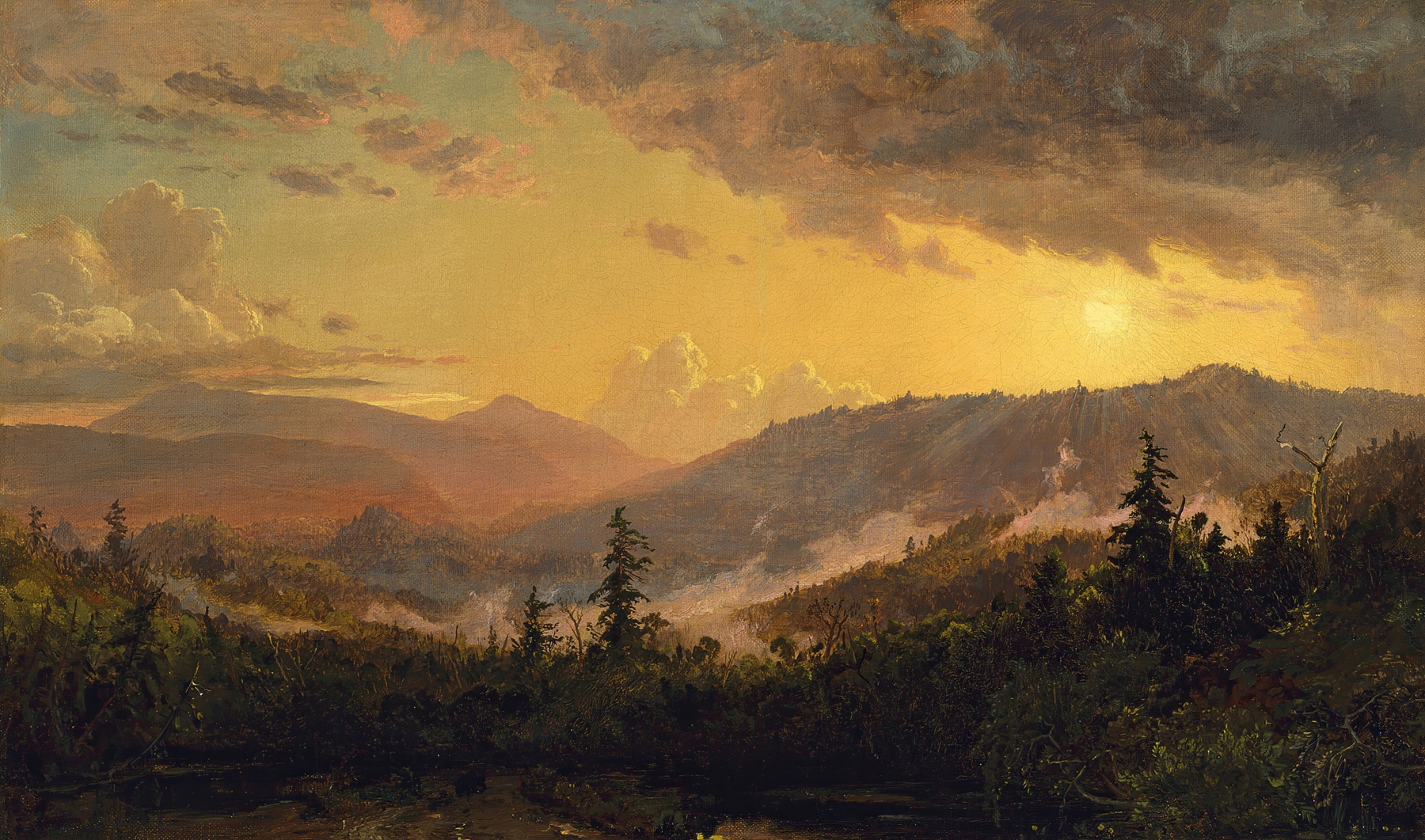
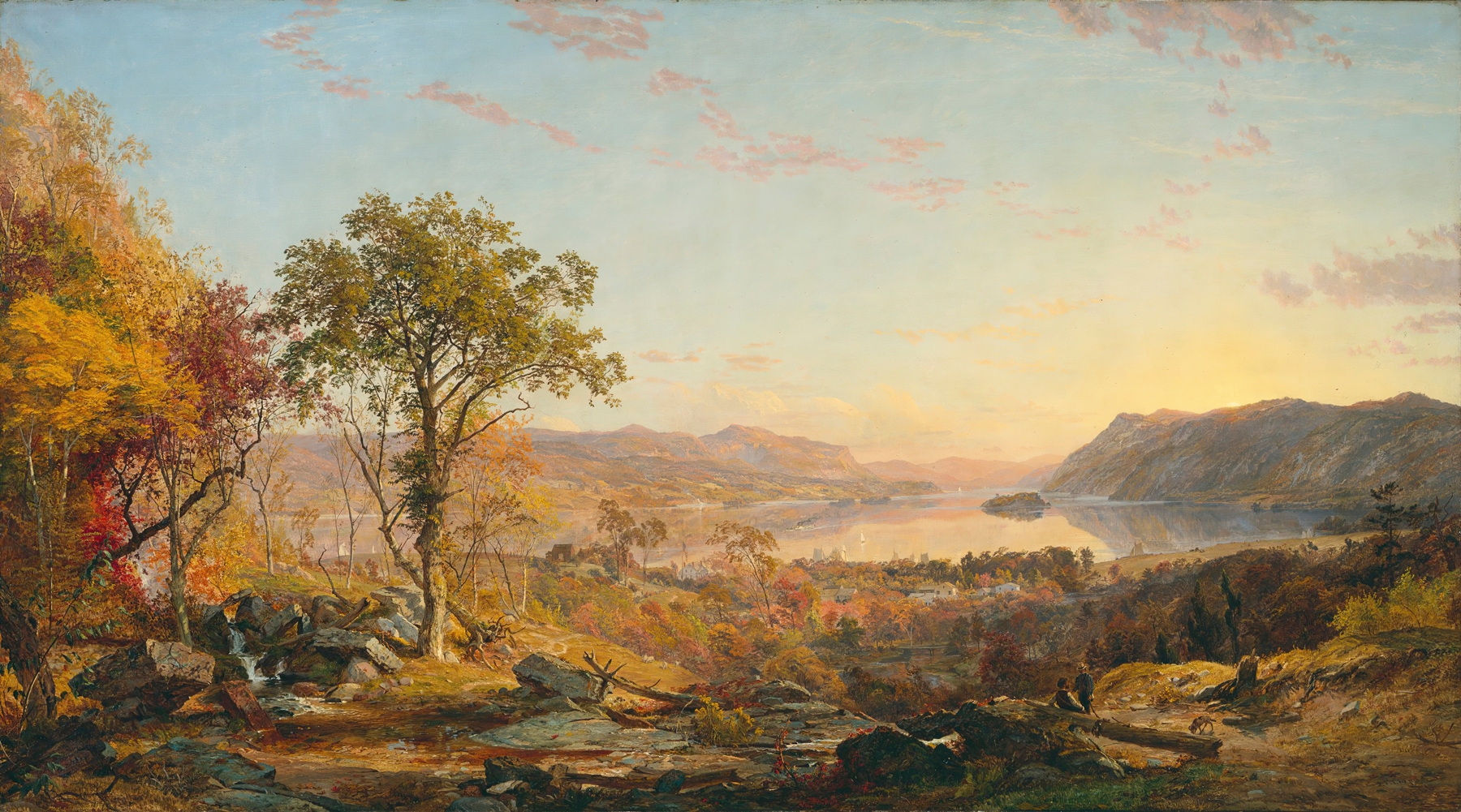
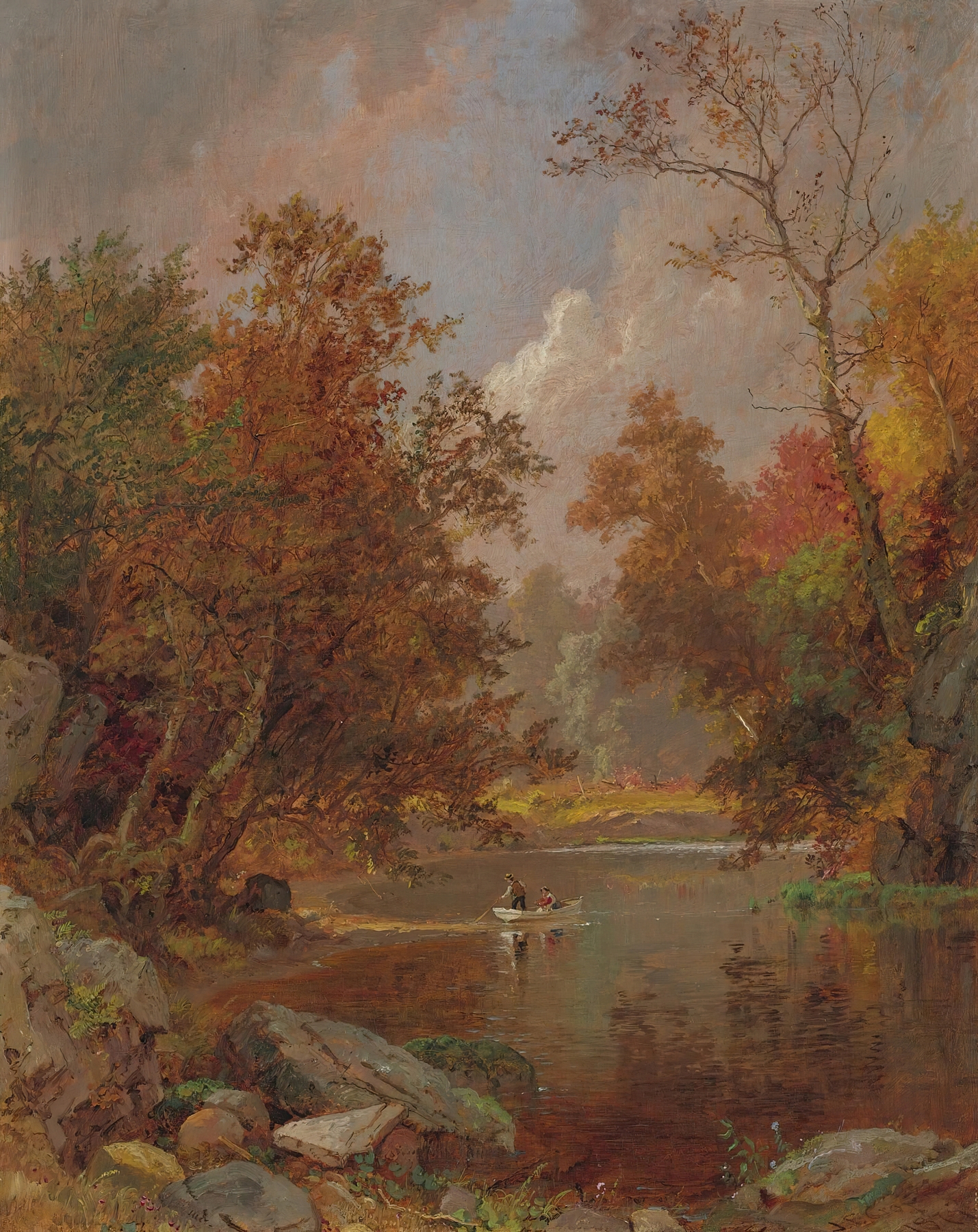
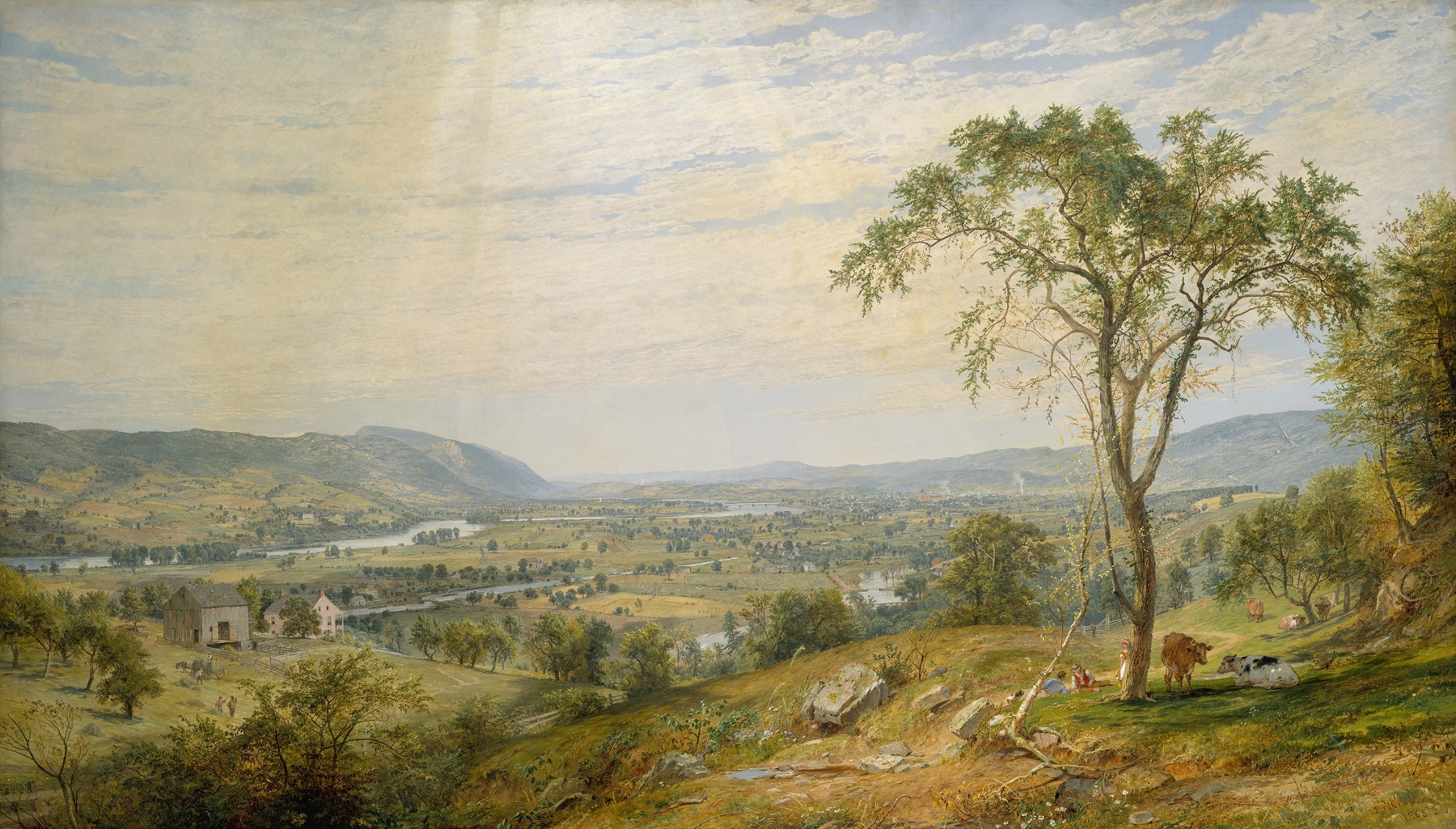
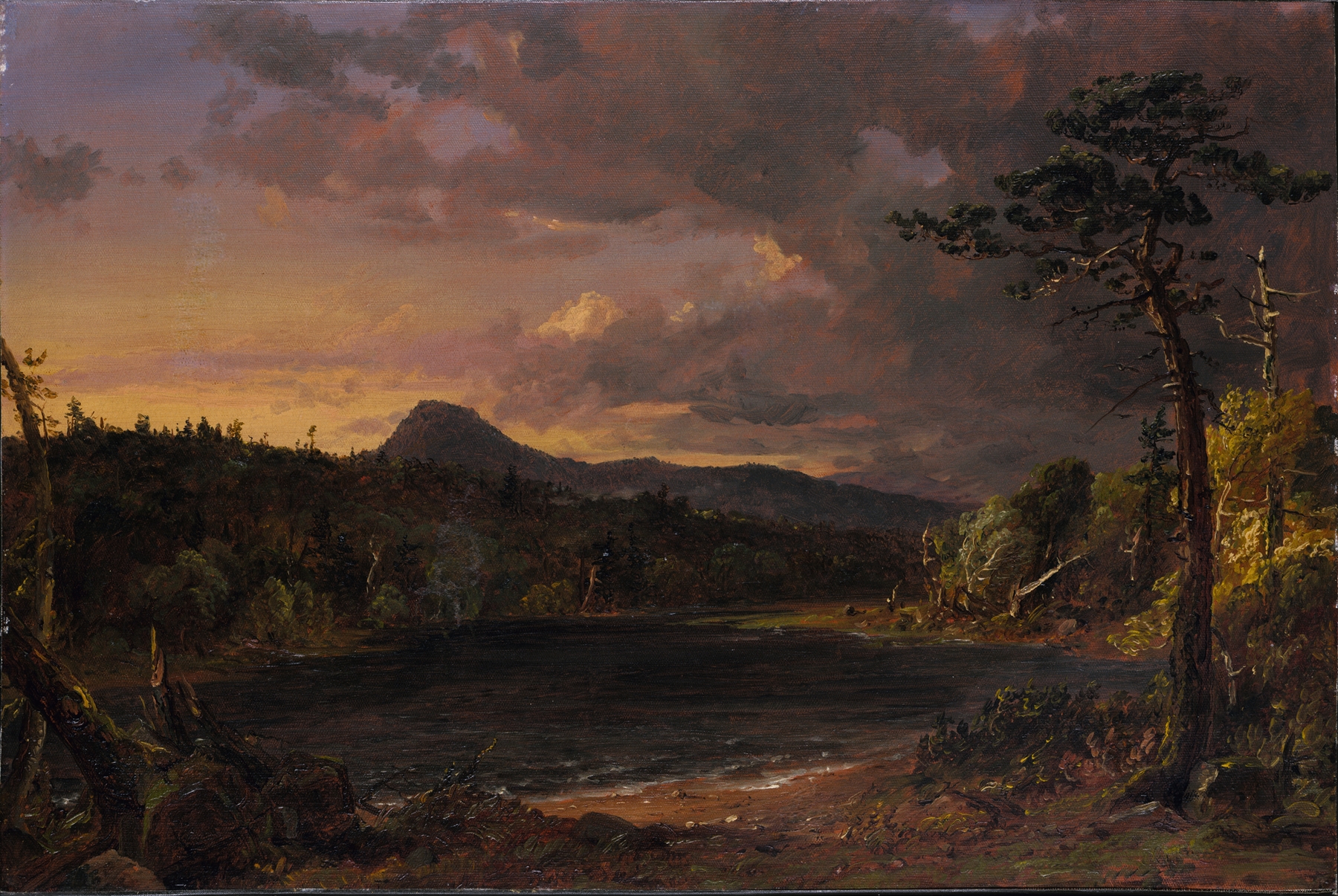
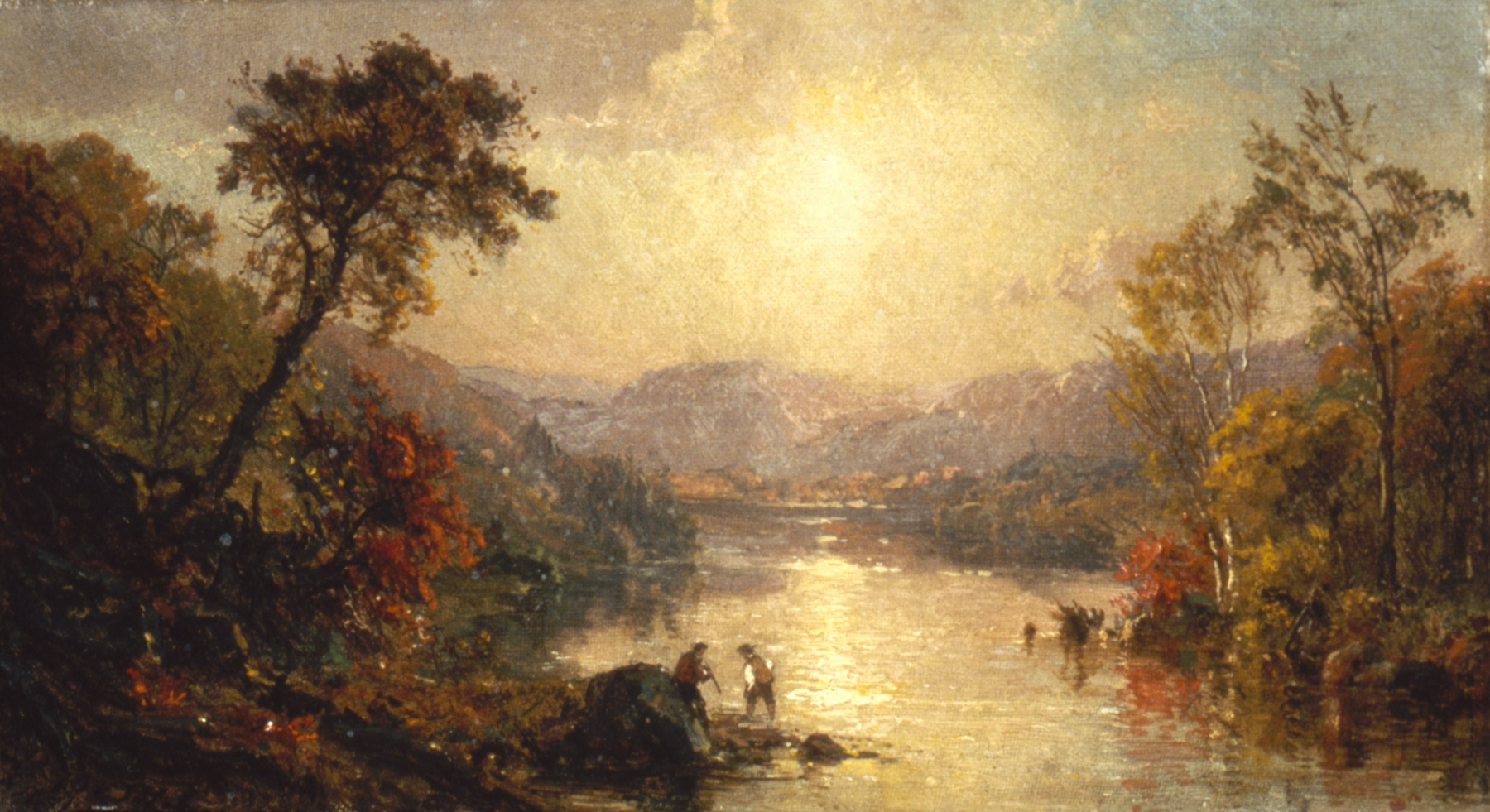
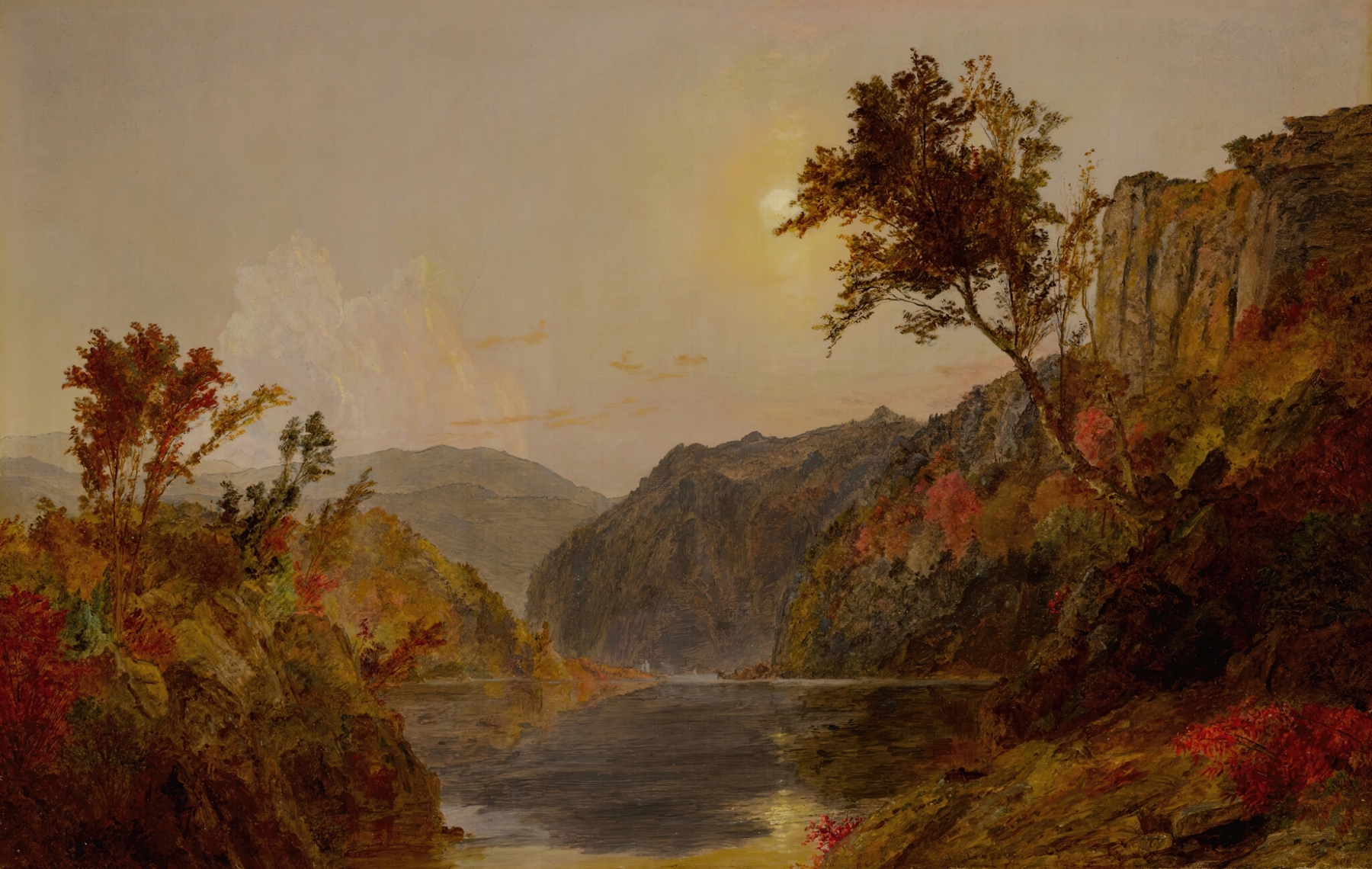
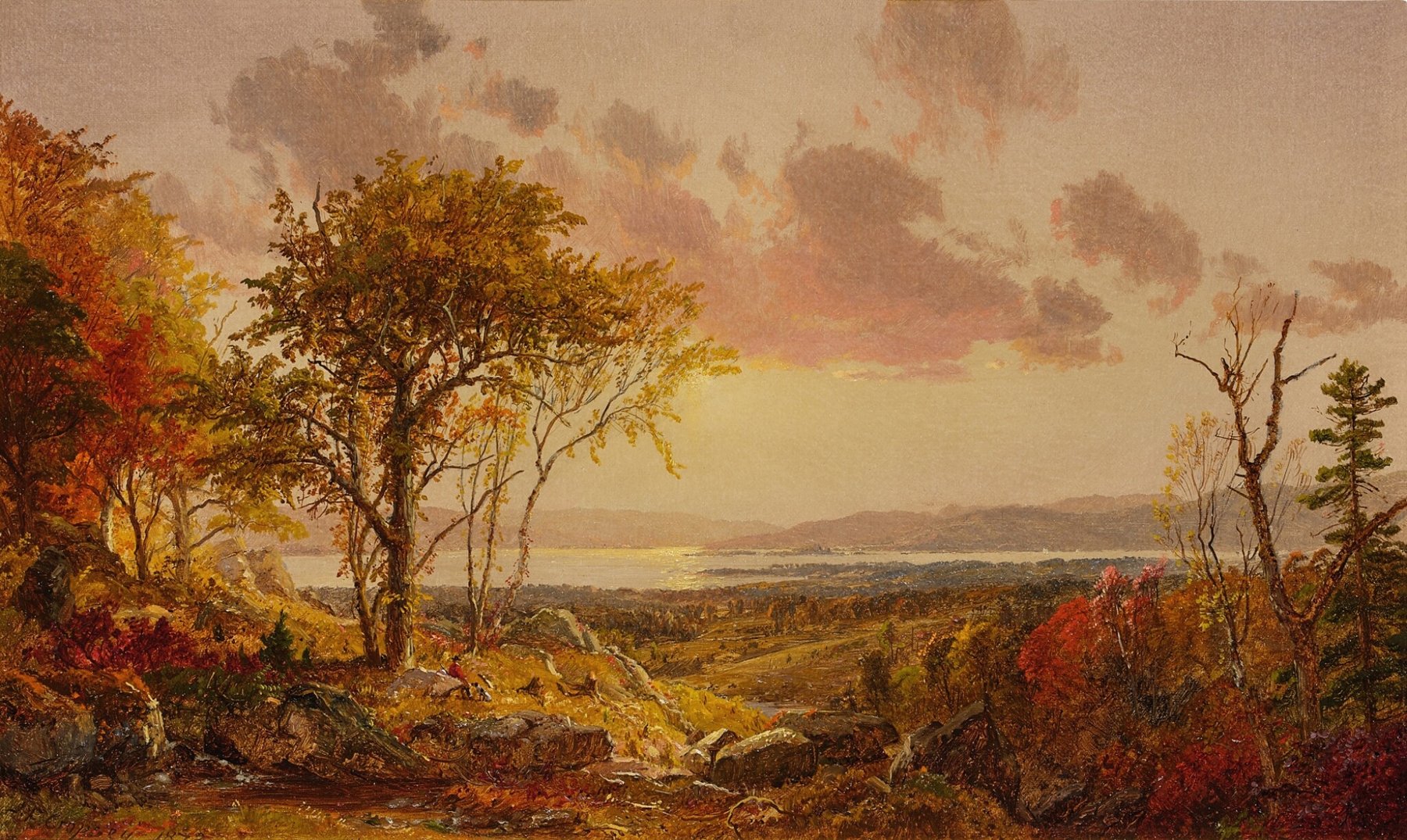
“Art reveals the soul when the world turns away.” In the embrace of color, emotions pulse and breathe through the canvas, offering moments of reflection and revelation that often elude us in daily life. Look to the right at the vibrant bursts of oranges and reds, dancing in the foliage as autumn blankets the landscape. The river, stretching languidly across the middle, mirrors the rich palette of the trees while cradling the soft blues of the sky above. Notice how the brushwork captures the transient light filtering through the branches, casting dappled shadows that evoke a sense of stillness and contemplation.
Within this serene composition lies a profound tension between the vibrancy of nature and the inevitability of change. The rippling water suggests a passage of time, while the glowing colors symbolize the fleeting beauty of the season. Here, Cropsey intertwines life and decay, hinting at deeper reflections on mortality and the cycles of existence, urging us to embrace the moment before it fades.
In 1873, the artist worked in his studio near Hastings-on-Hudson, New York, a period marked by a growing appreciation for American landscapes as a subject of fine art. Cropsey was a prominent figure in the Hudson River School, a movement characterized by its romantic portrayal of nature’s beauty, striving to communicate the American spirit through the lens of the natural world. This work embodies the culmination of his fascination with the interplay of light and color, a testament to both his technical skill and his emotional resonance with the landscapes that surrounded him.