Catskill Mountain House — History & Analysis
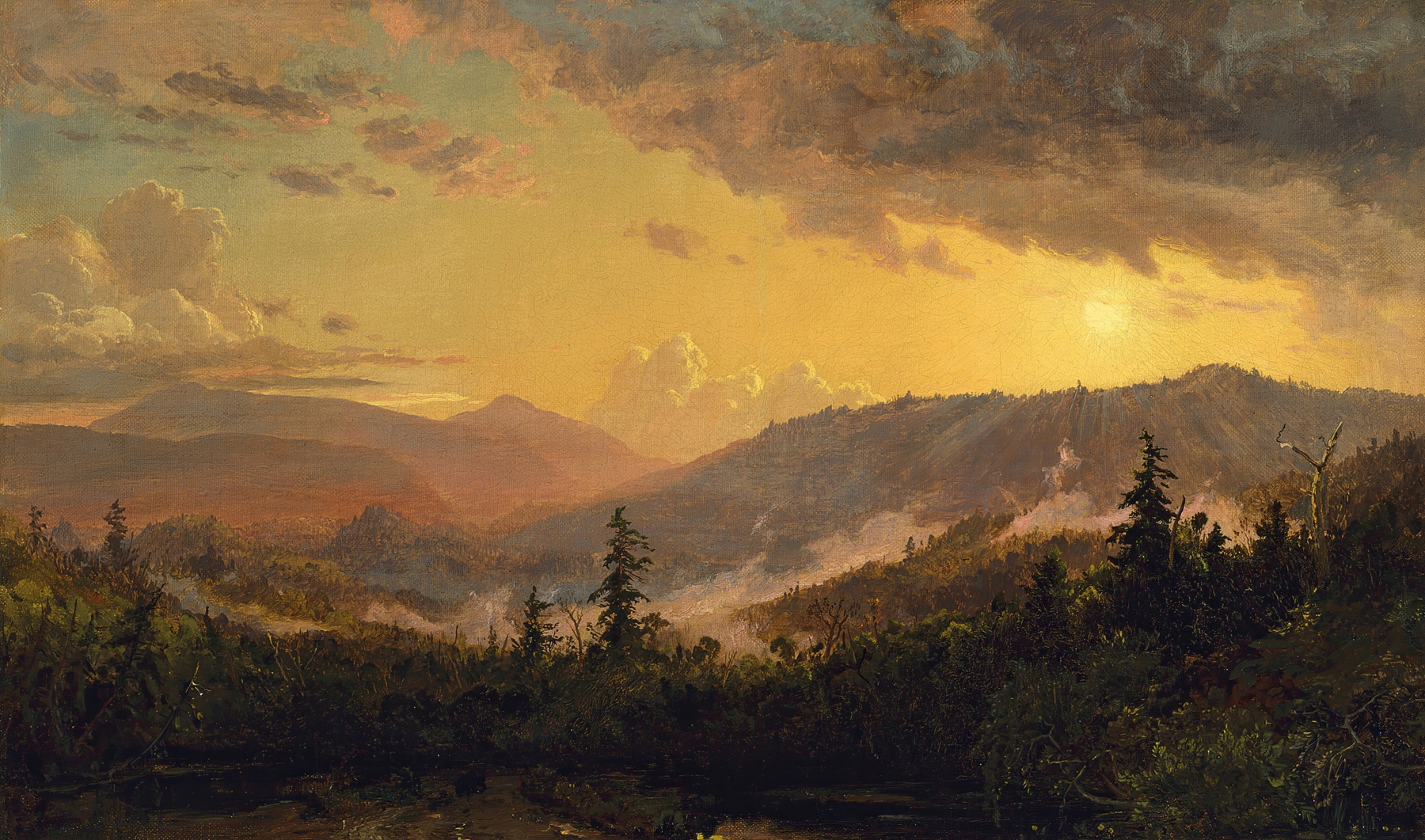
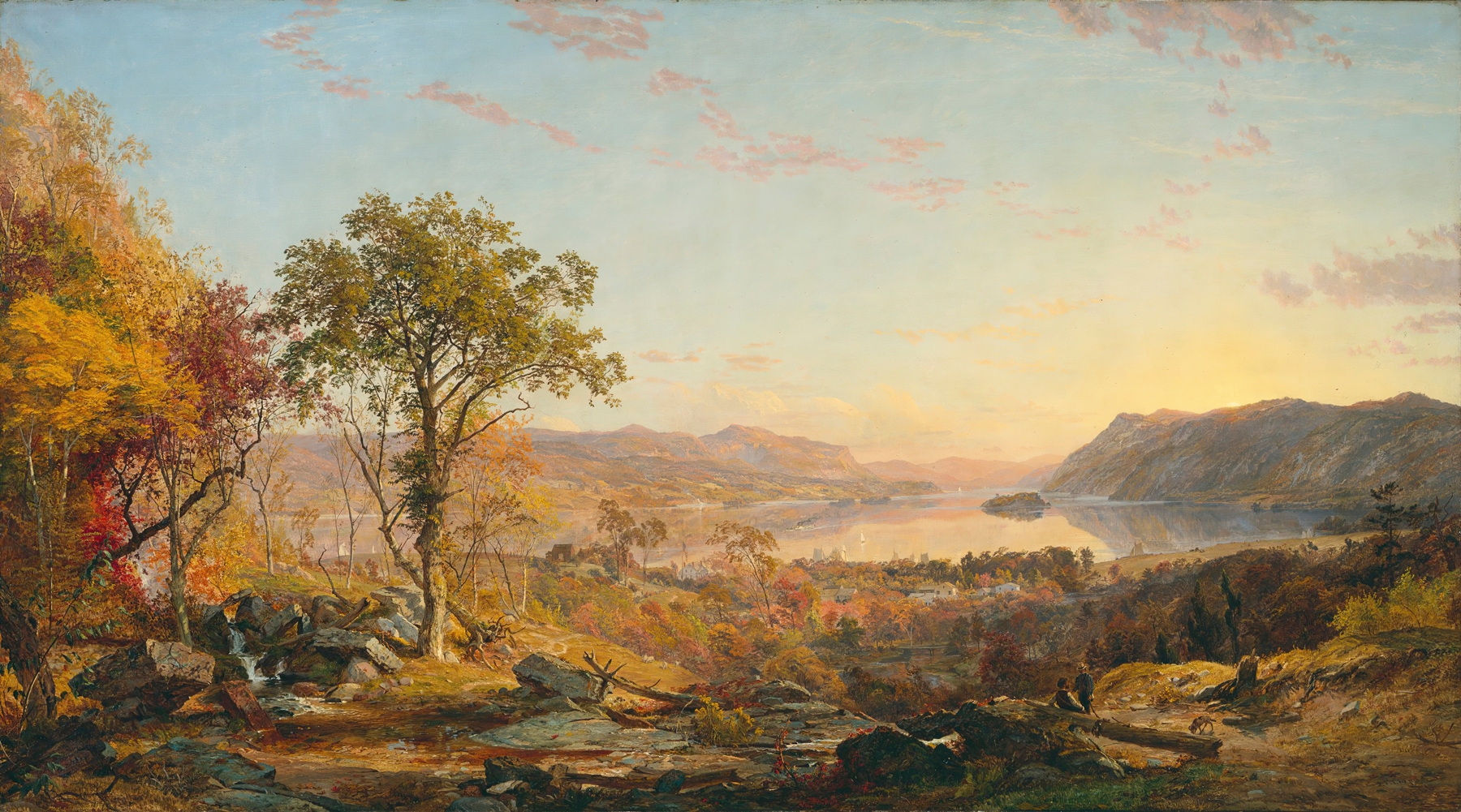
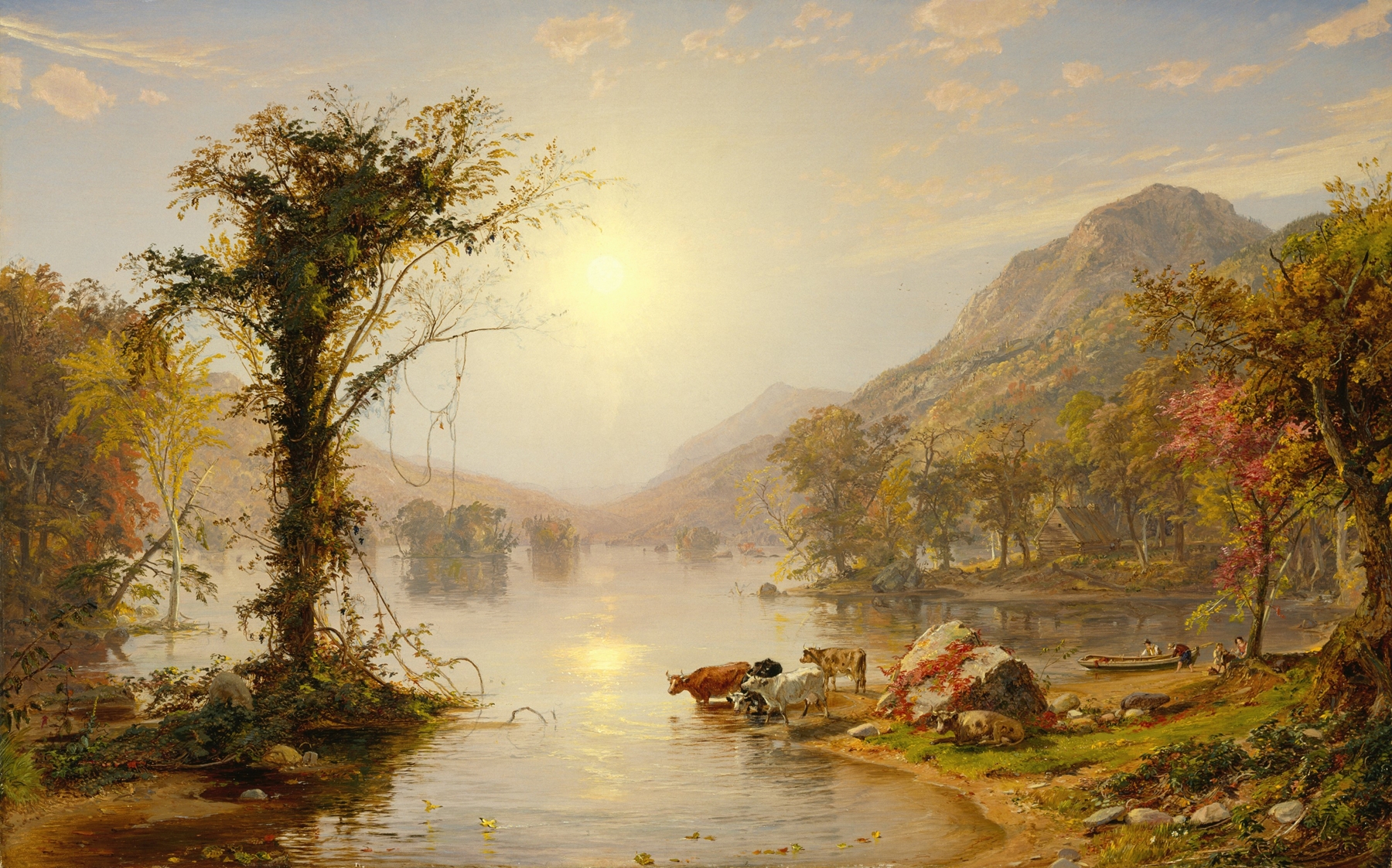
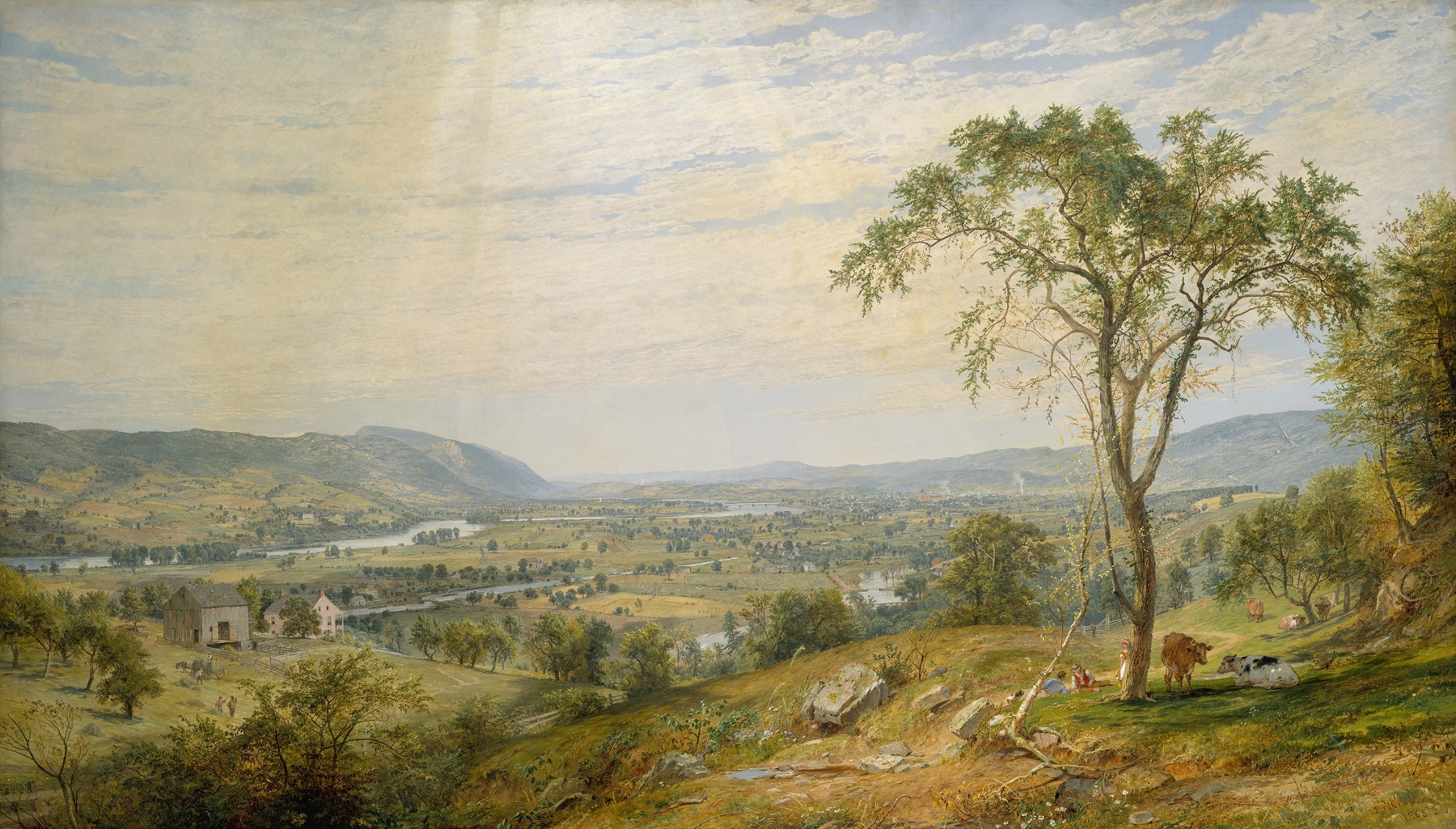
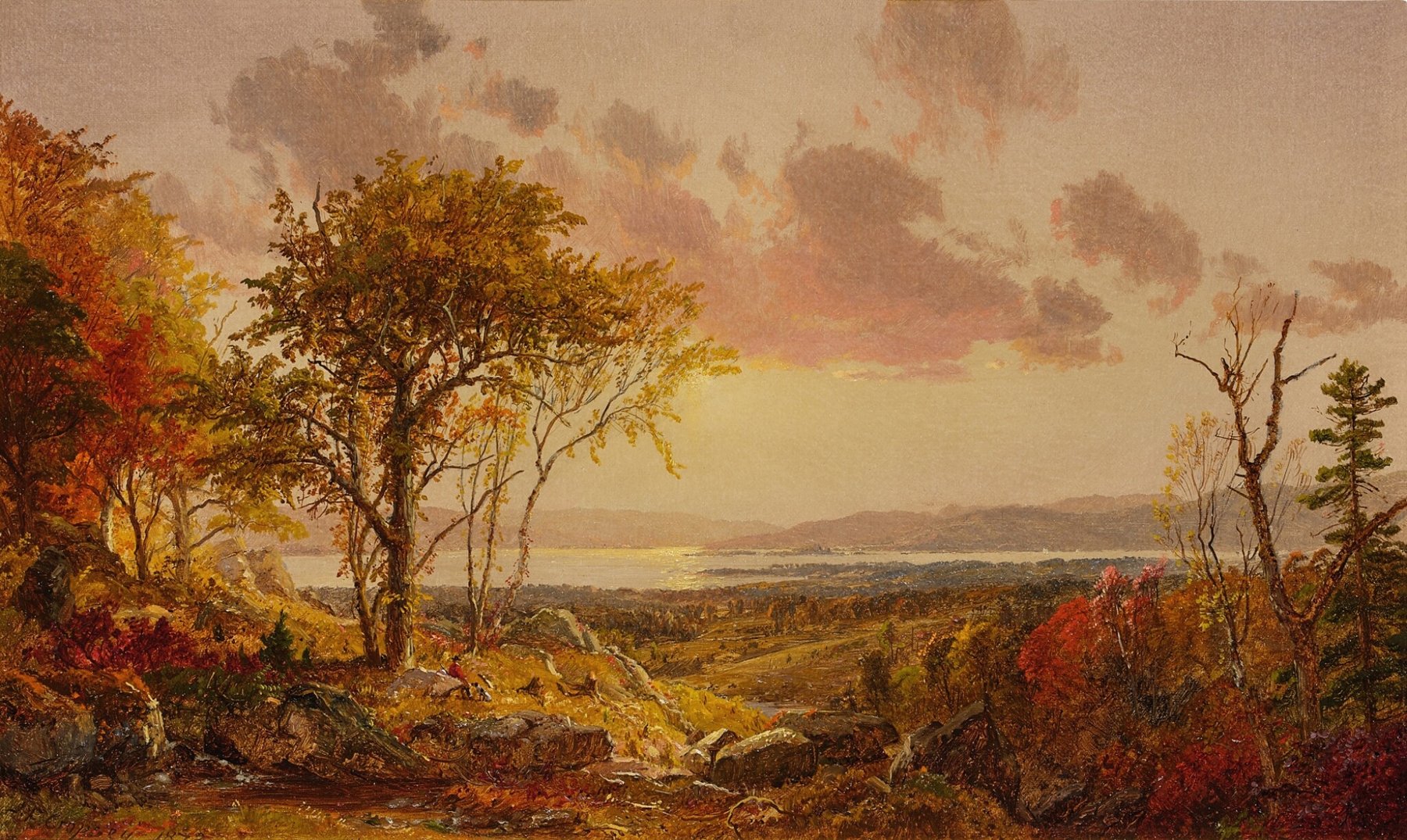
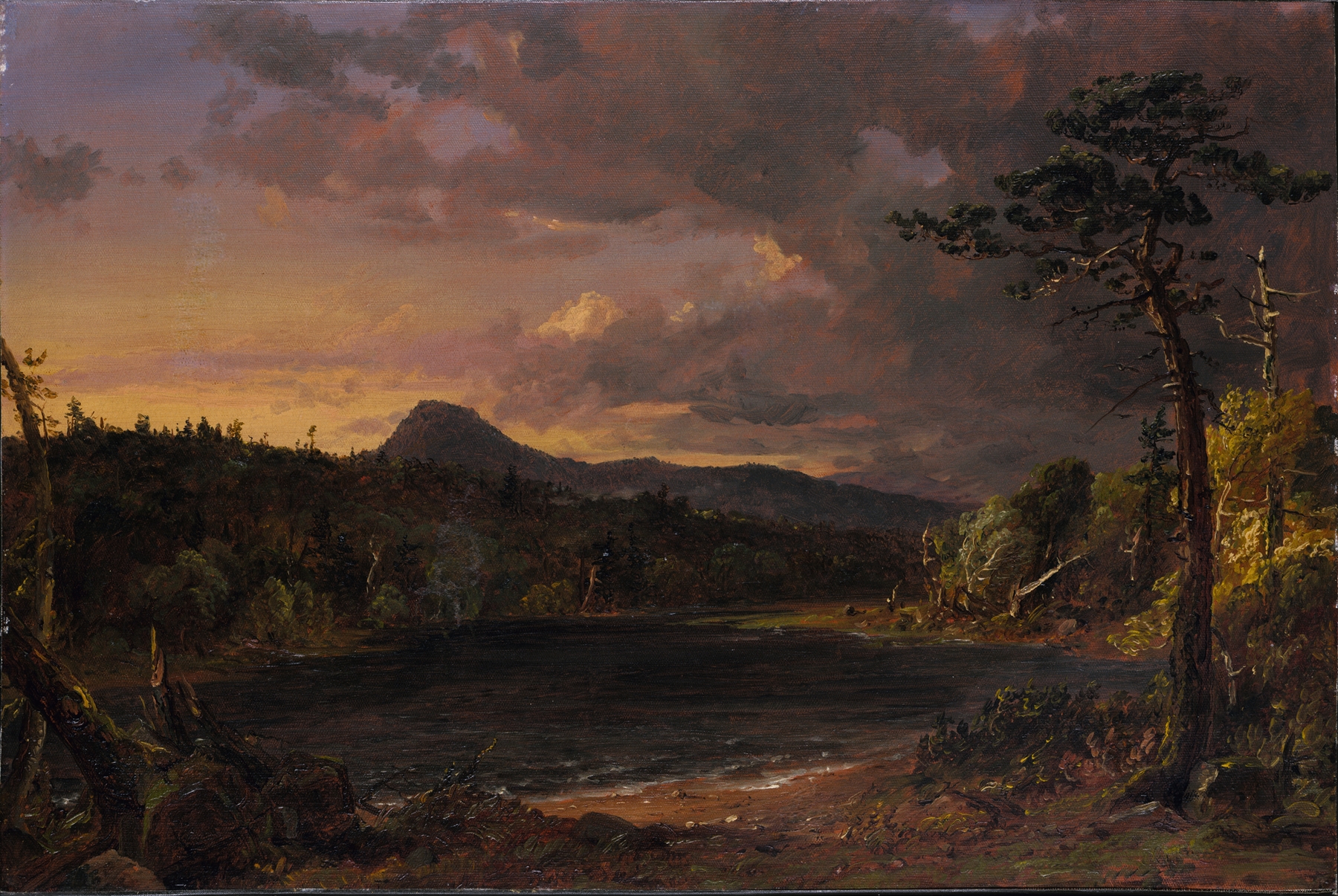
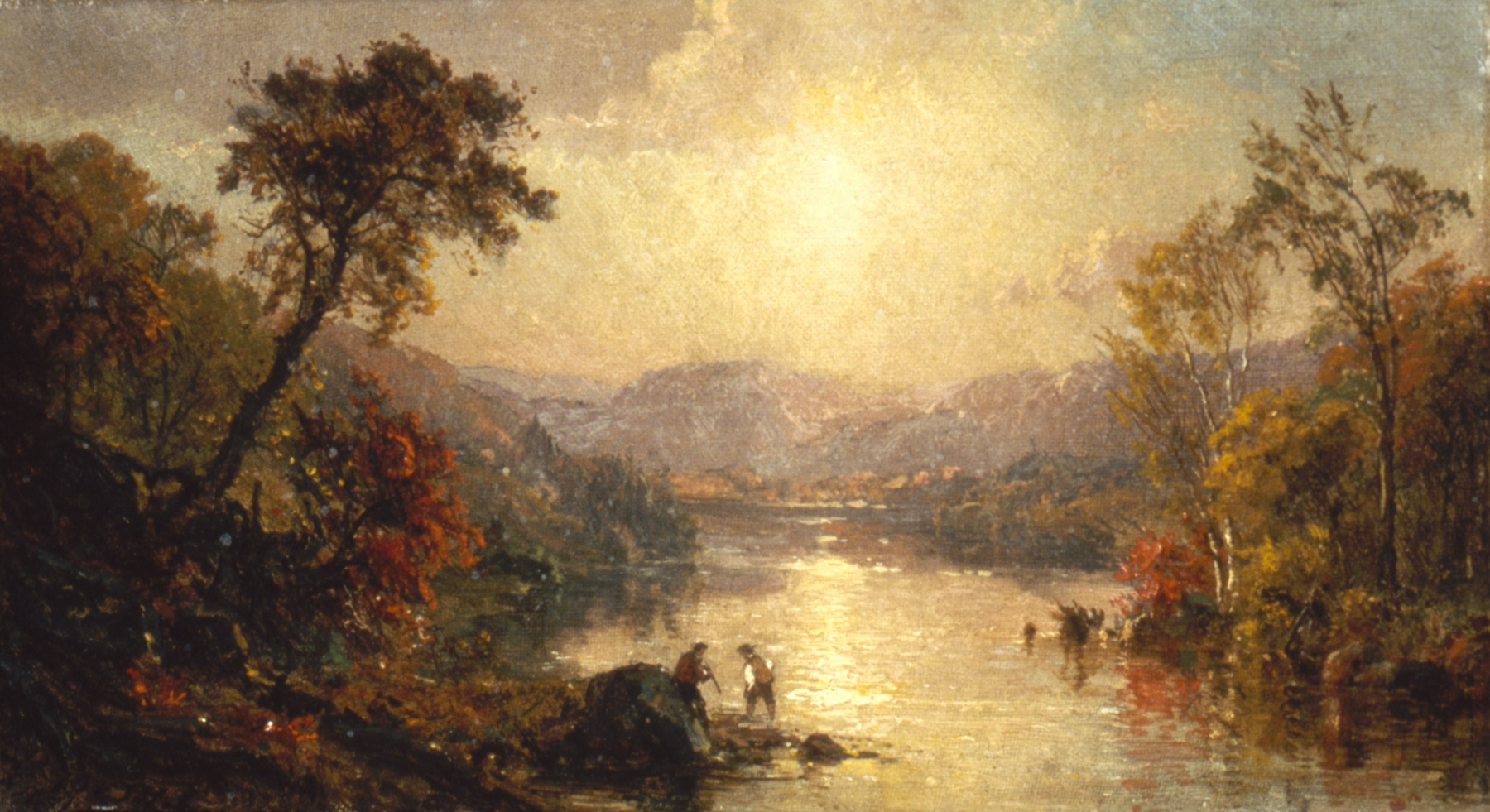
Can paint confess what words never could? In Catskill Mountain House, serenity spills across the canvas, inviting us into a world where nature's beauty speaks volumes. Look to the left, where the majestic Catskill Mountains rise, their peaks softly brushed with delicate strokes, capturing the essence of an early autumn’s embrace. Notice how the warm, golden sunlight cascades down, illuminating the vibrant foliage, each leaf a flicker of fire in a sea of greens and browns.
The careful arrangement of the trees framing the house draws your gaze inward, creating a harmonious focal point that speaks to the balance between human presence and the wild expanse around it. Yet beneath the tranquil surface lies a poignant contrast—the grandeur of nature juxtaposed with the modesty of the house. The serene landscape reflects a deep yearning for connection, a reminder of nature's enduring spirit against the fleeting nature of human life. The soft clouds drifting lazily across the sky evoke a sense of time's passage, while the still water below acts as a mirror, inviting introspection and contemplation; it is this duality that makes the painting not just a landscape, but a meditation on existence itself.
In 1855, Jasper Francis Cropsey painted Catskill Mountain House during a transformative period for American art, where the Hudson River School was flourishing, championing the beauty of the American landscape. Cropsey, having recently returned from Europe, sought to convey the spiritual connection between humanity and nature, reflecting a growing appreciation for the American wilderness amid industrialization's encroachment. This work stands as a testament to that moment, encapsulating both the awe and the tranquility of the untamed land that shaped American identity.