Indian Summer — History & Analysis
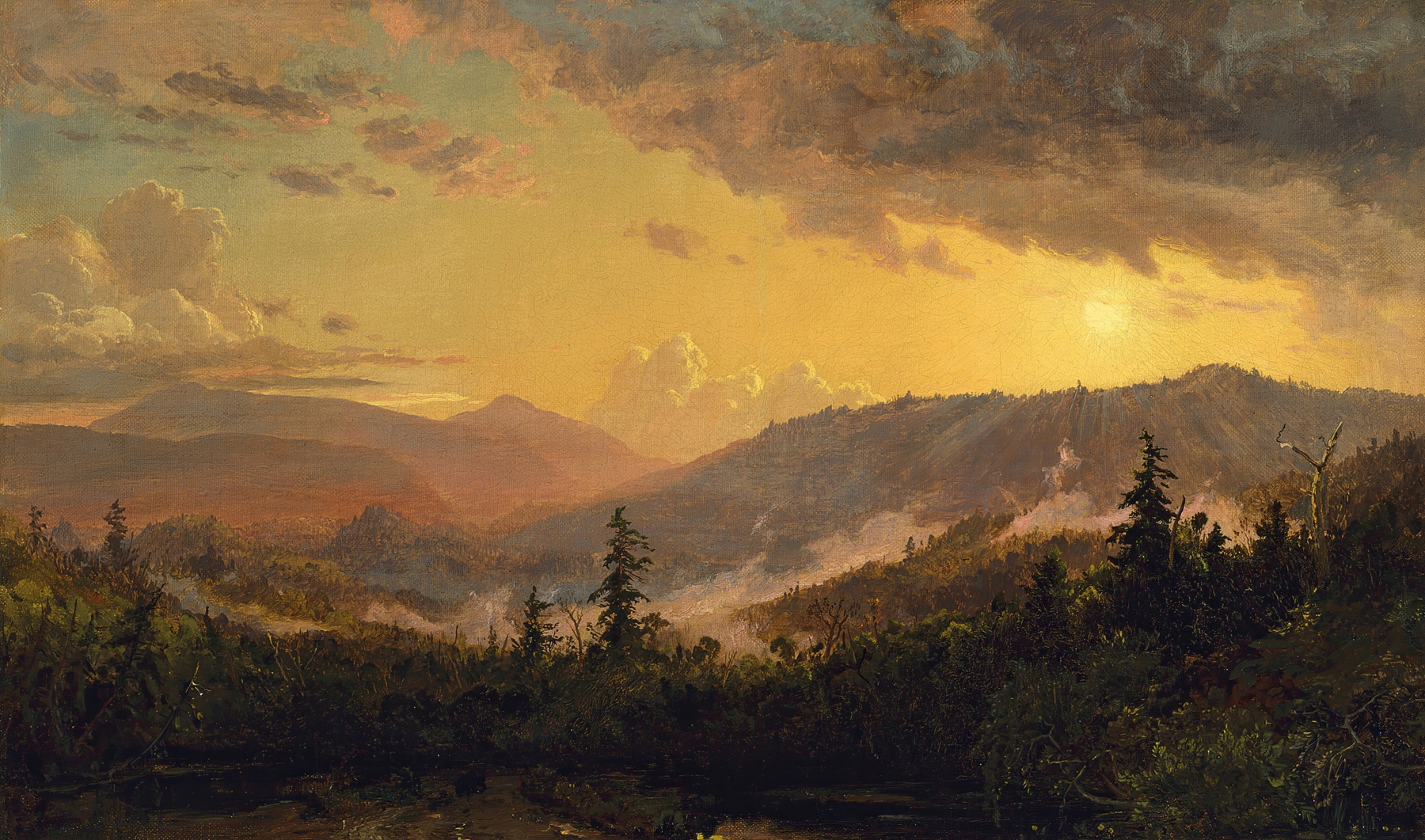
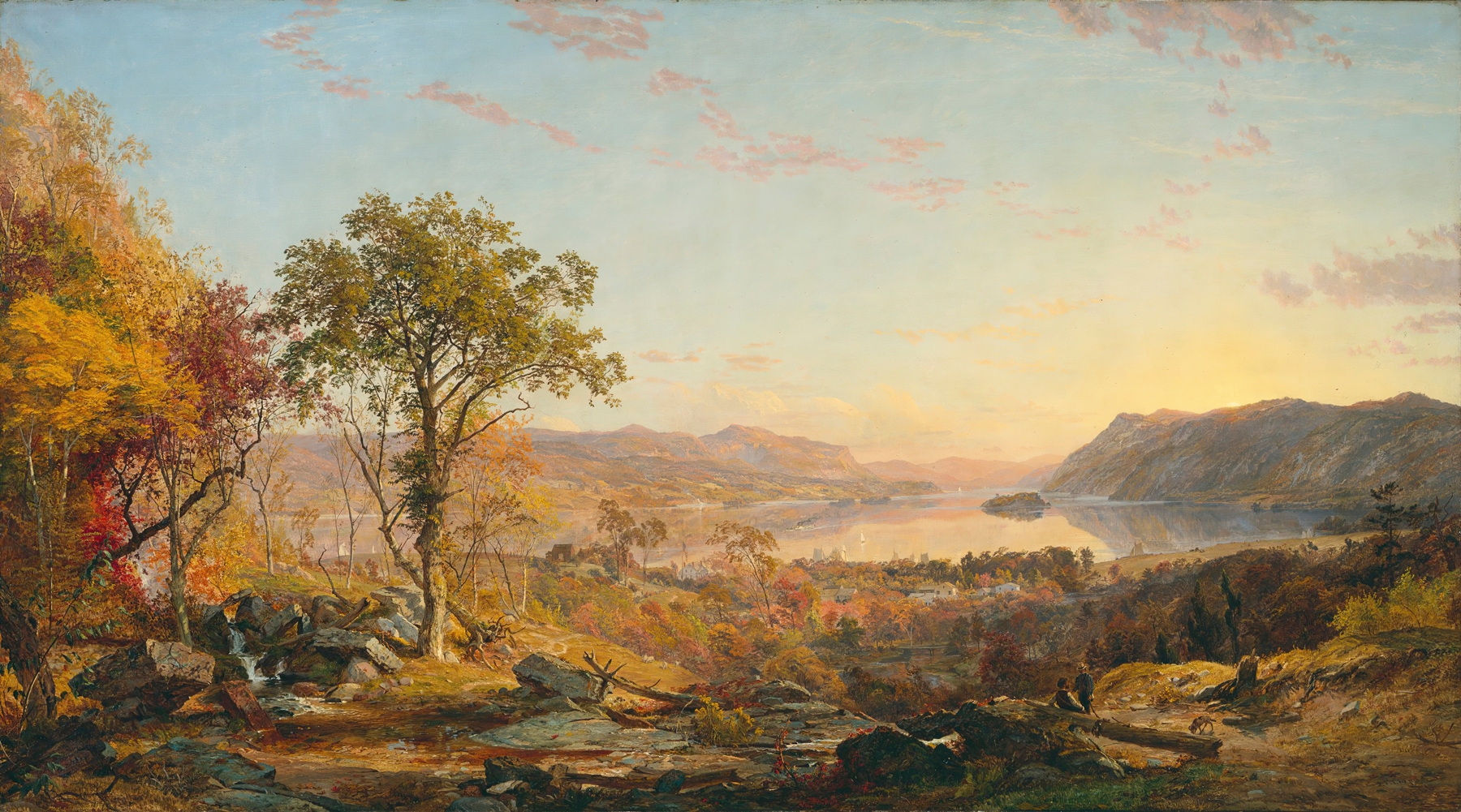
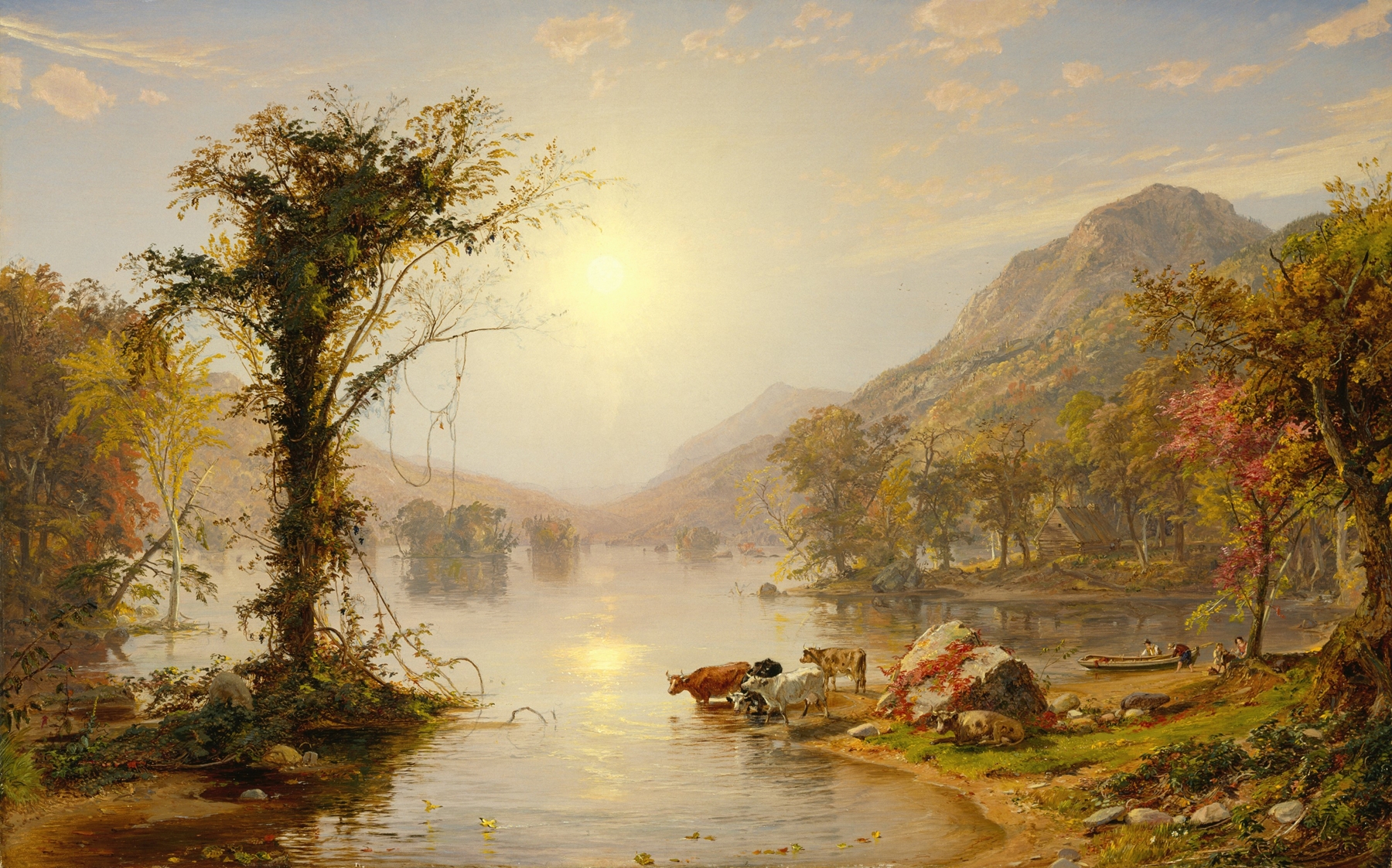
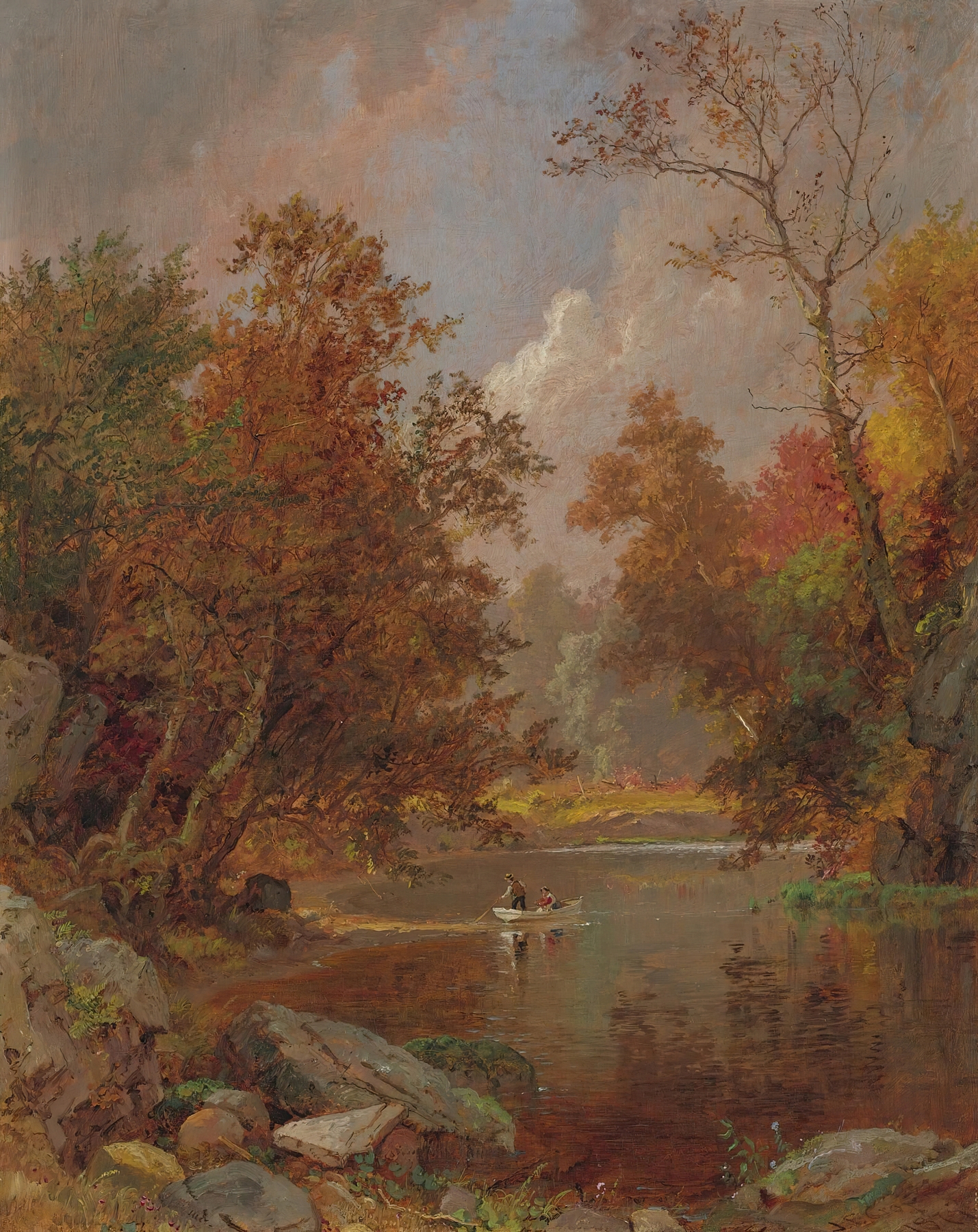
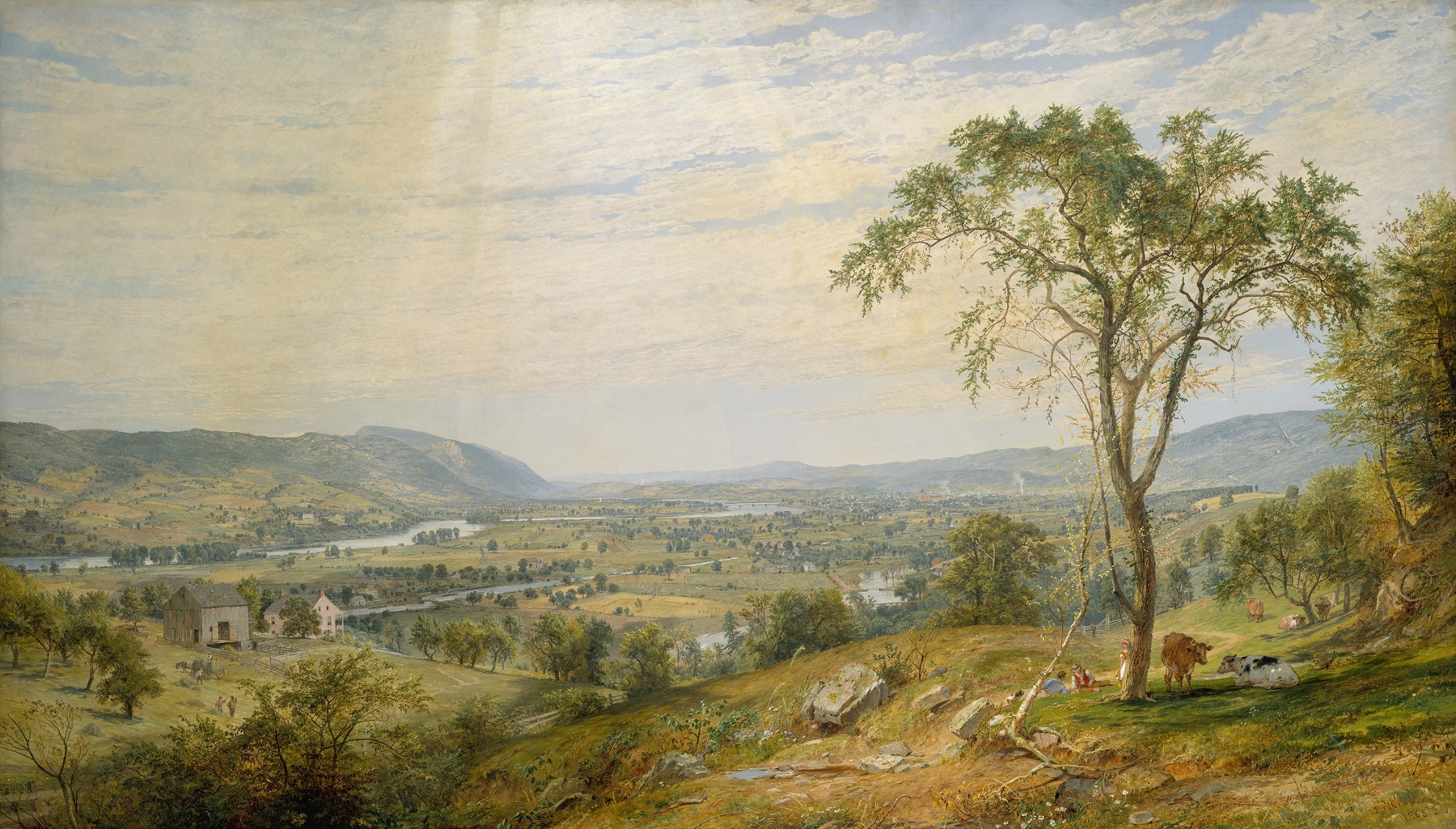
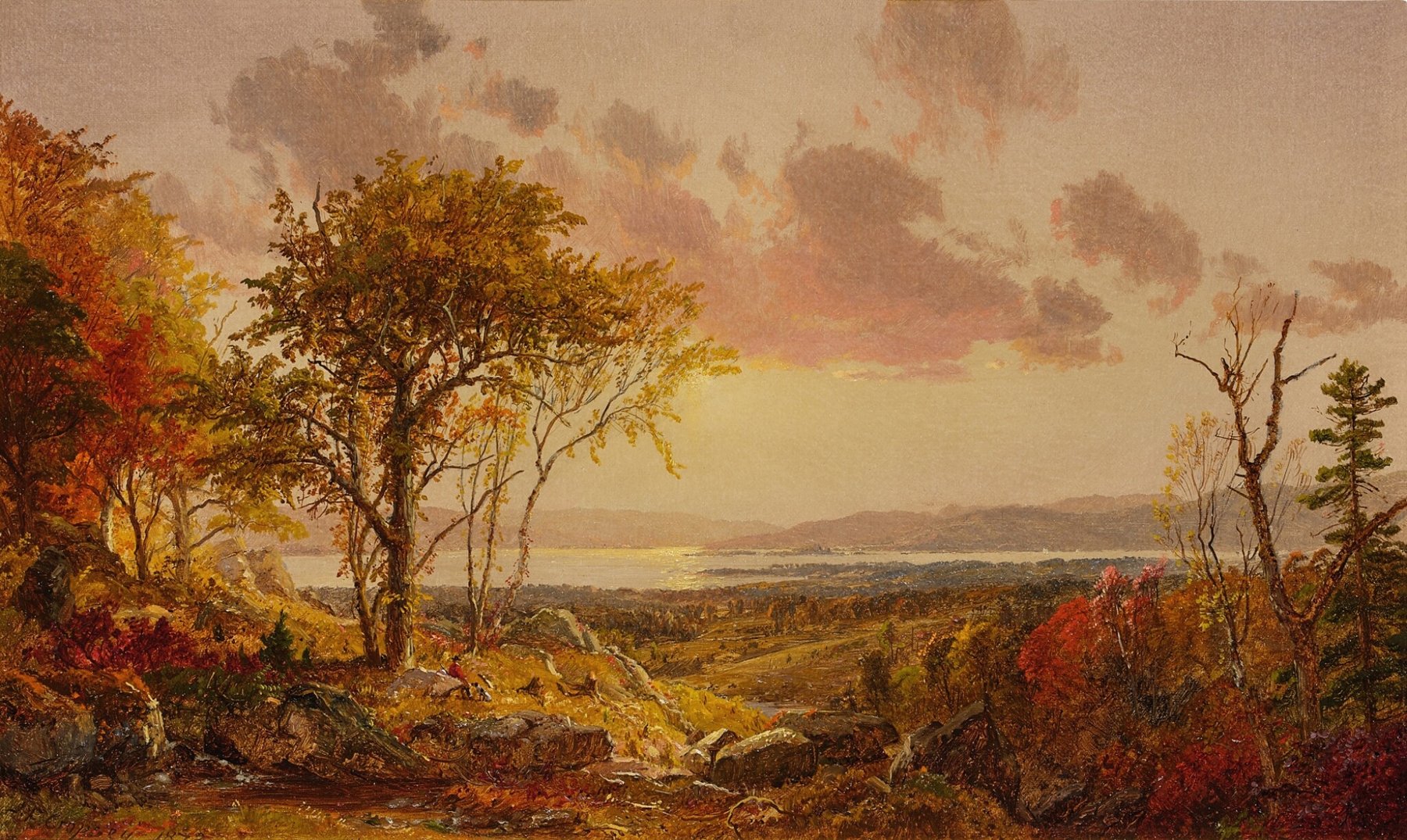
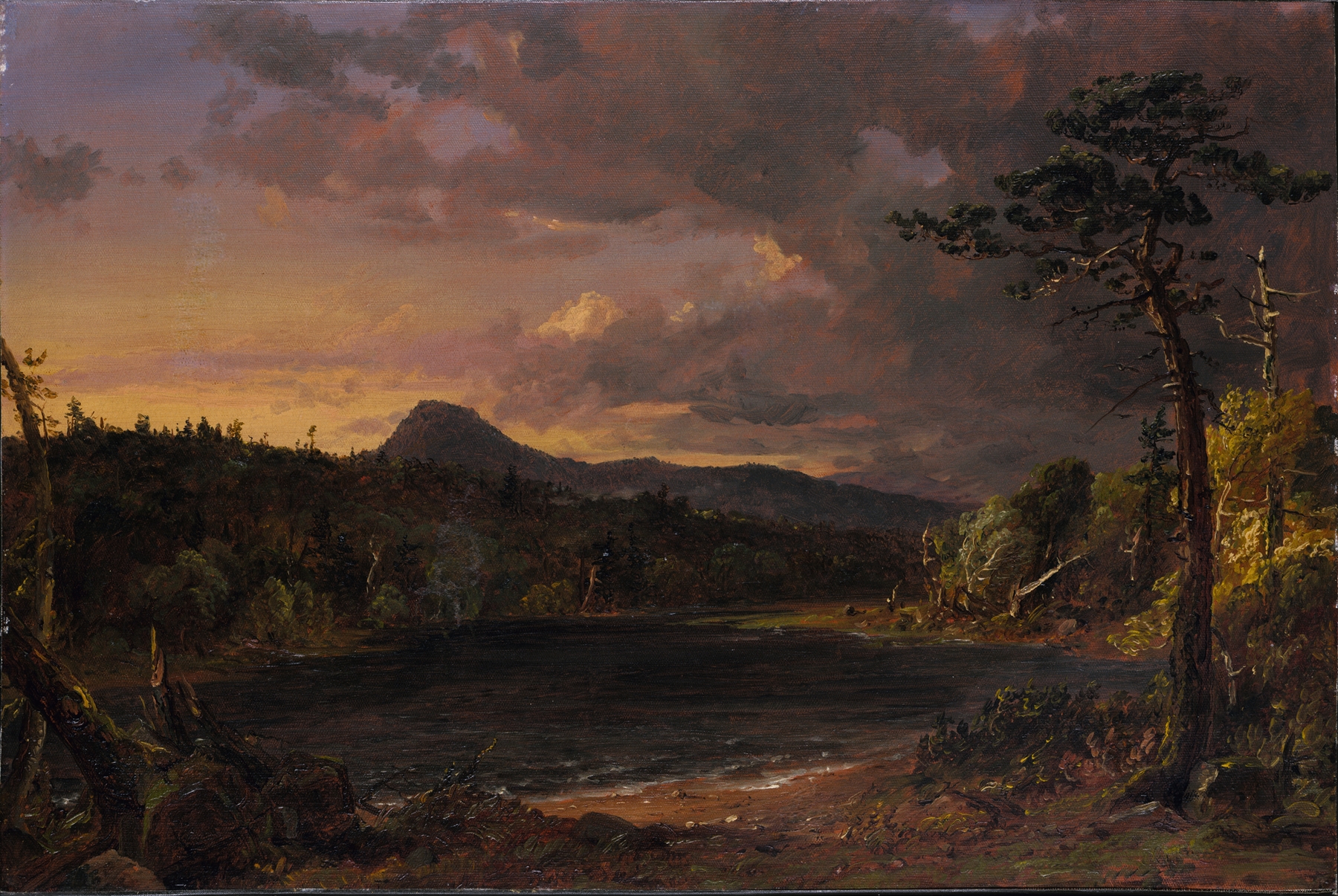
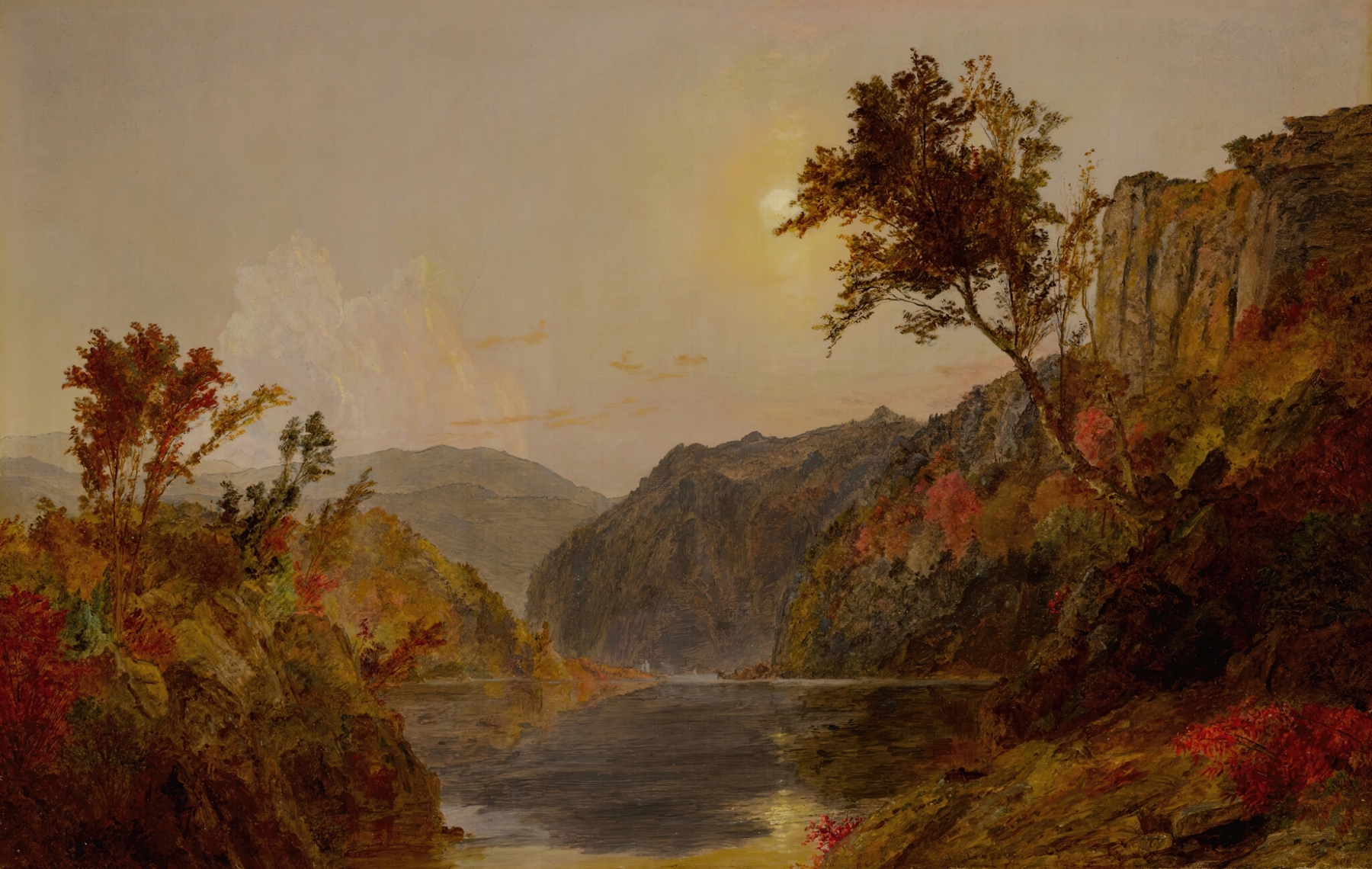
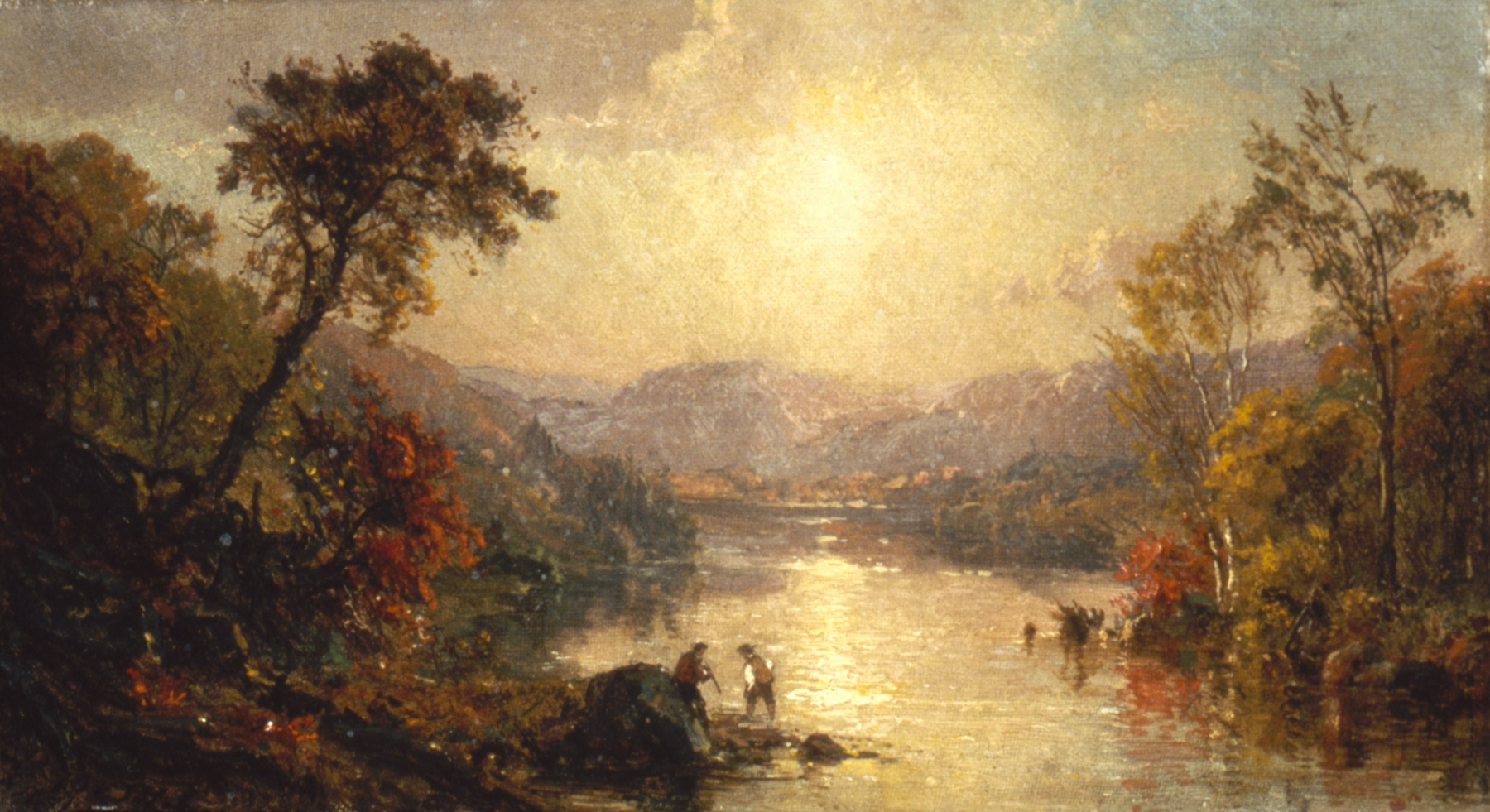
What if silence could speak through light? In Indian Summer, a radiant tranquility envelops the landscape, inviting the viewer into a moment suspended in time, where desire and peace intertwine. Look to the foreground, where warm golds and fiery reds of autumn foliage beckon your gaze. The interplay between the vibrant leaves and the soft azure sky creates a harmonious balance, evoking an intoxicating yearning for nature’s beauty.
Notice how the sunlight filters through the branches, casting gentle shadows that dance upon the ground, suggesting a fleeting, ineffable essence of the season. There’s a profound contrast between the stillness of the water and the vibrant life of the trees, suggesting an unspoken longing for connection with the world. The shadows playfully conceal and reveal the depths of the landscape, hinting at the hidden emotions of desire and nostalgia tied to the passage of time. This moment captures not just the splendor of autumn, but also the yearning for the warmth and richness of fleeting experiences.
Jasper Francis Cropsey painted Indian Summer in 1886, during a period of personal and professional transition. He was deeply immersed in the Hudson River School movement, which celebrated American landscapes, yet he faced challenges in an evolving art world that increasingly favored Impressionism. This work reflects his dedication to capturing the exquisite beauty of nature, even amid the changing tides of artistic expression.