Indian Summer — History & Analysis
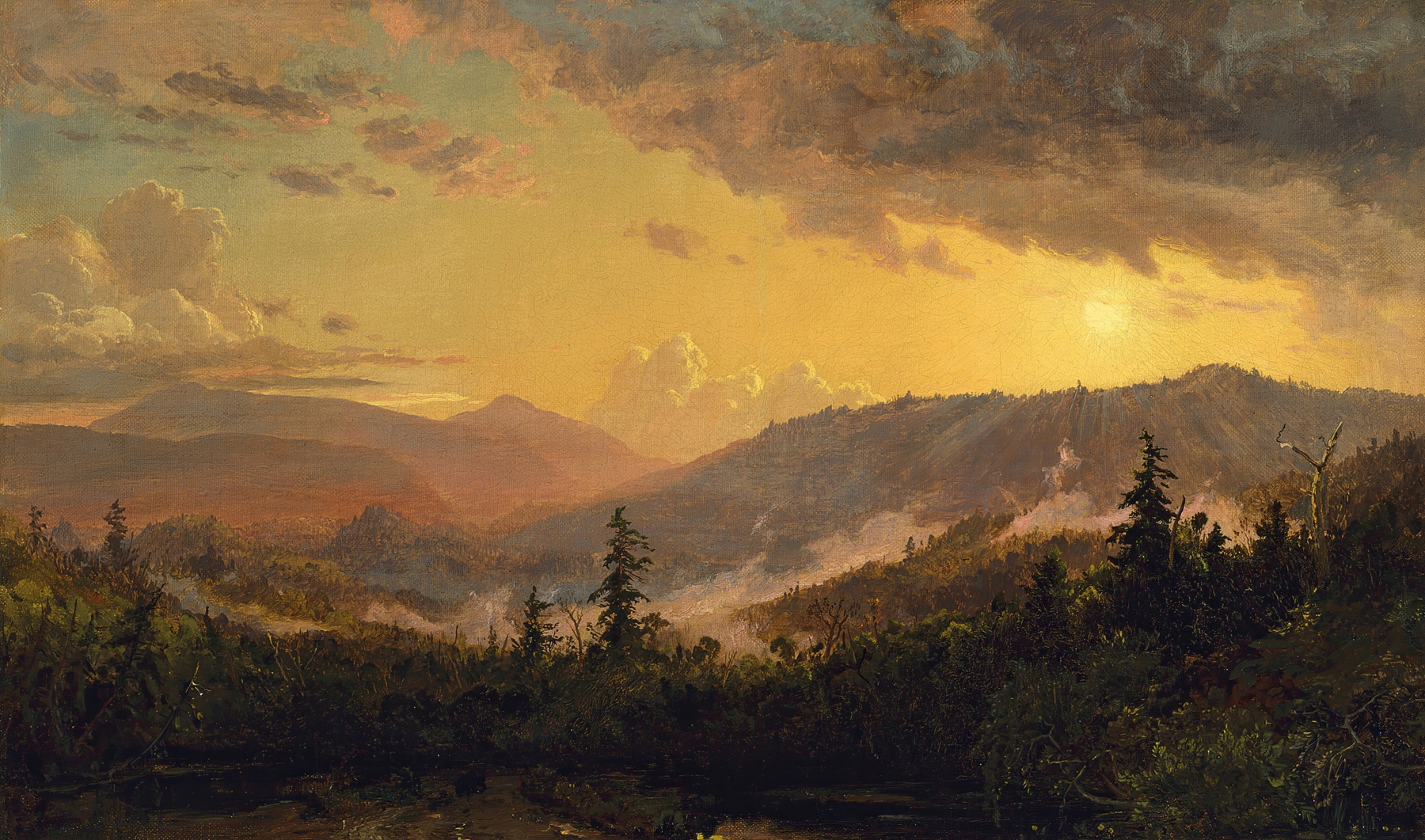
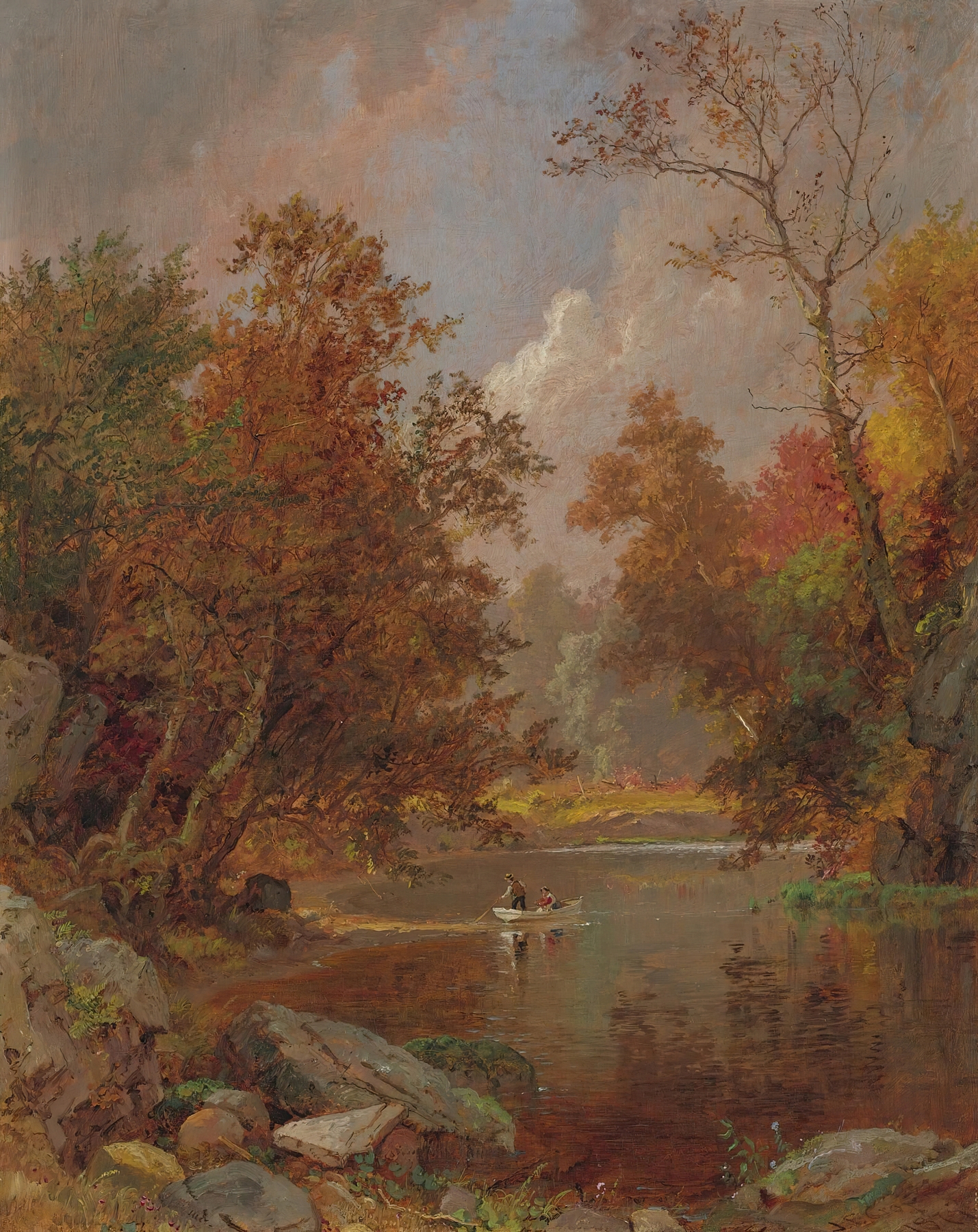
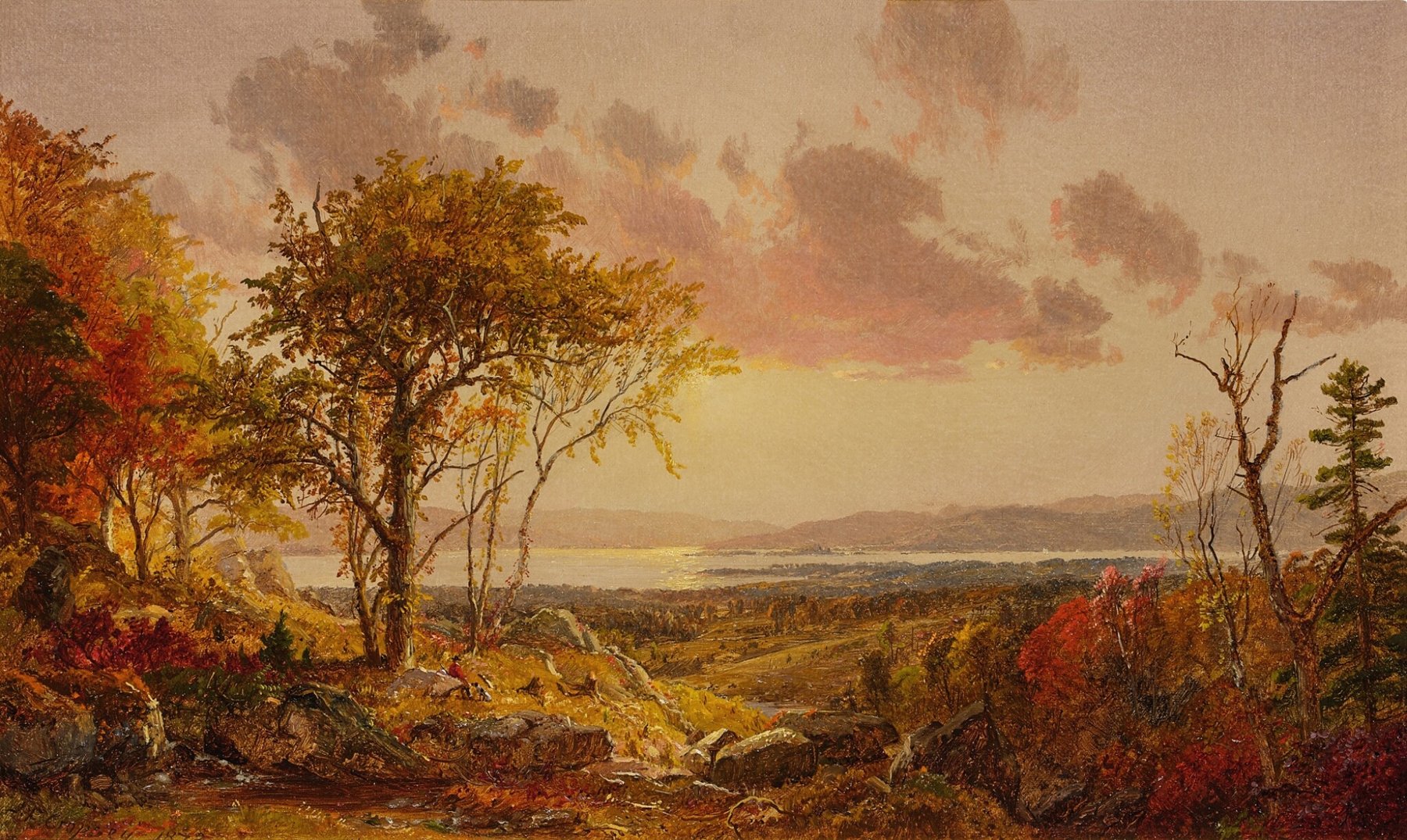
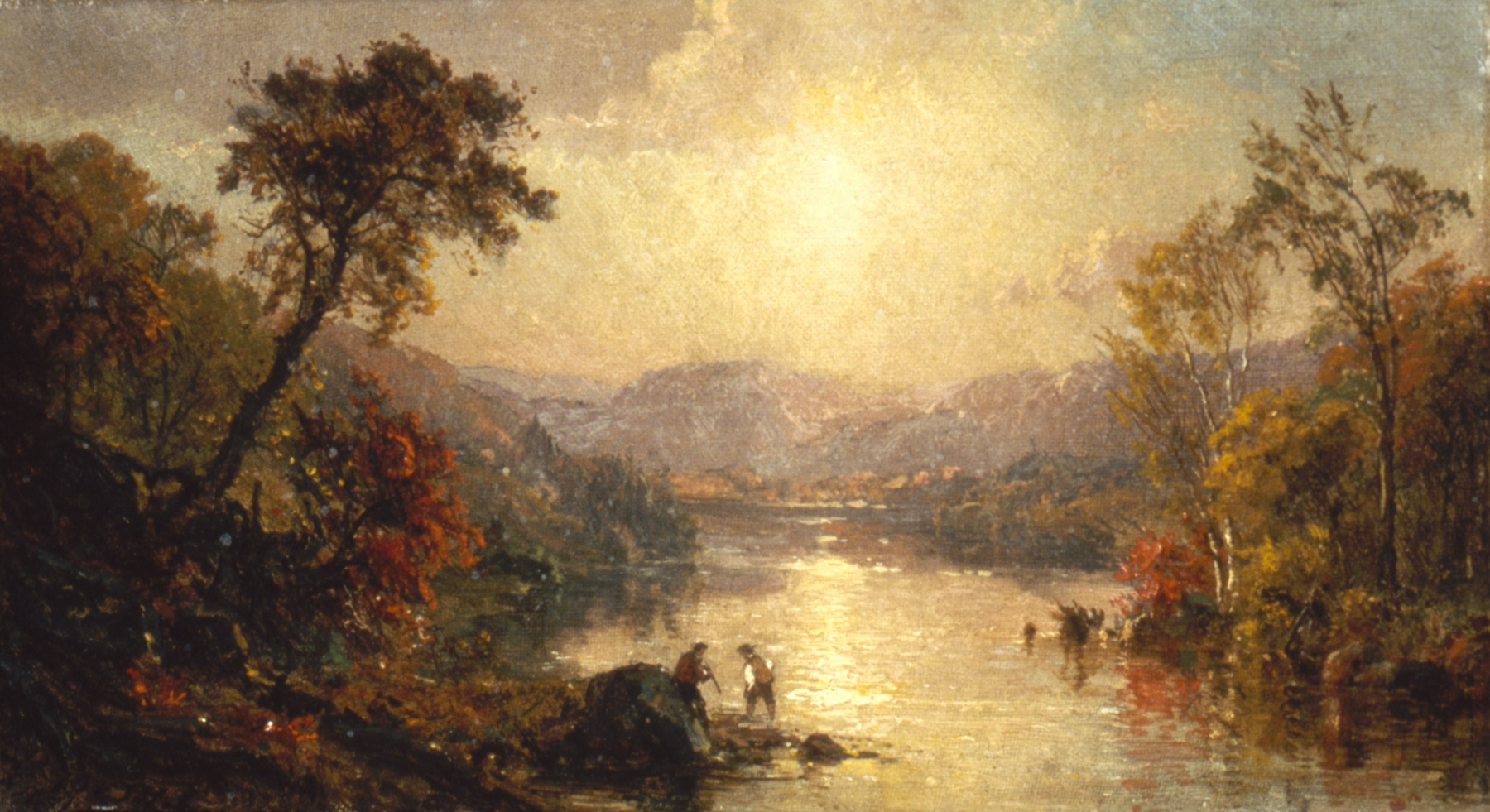
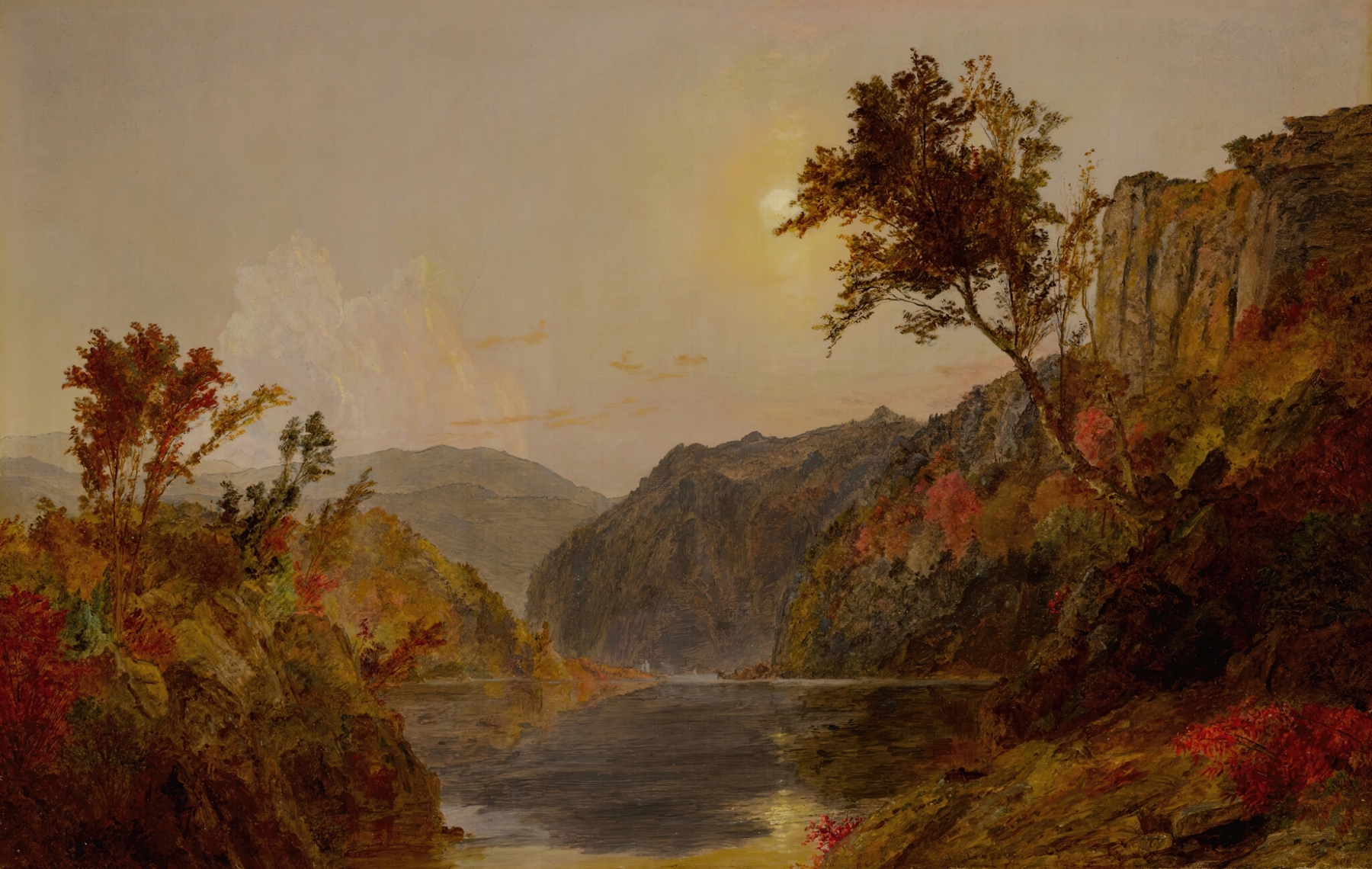
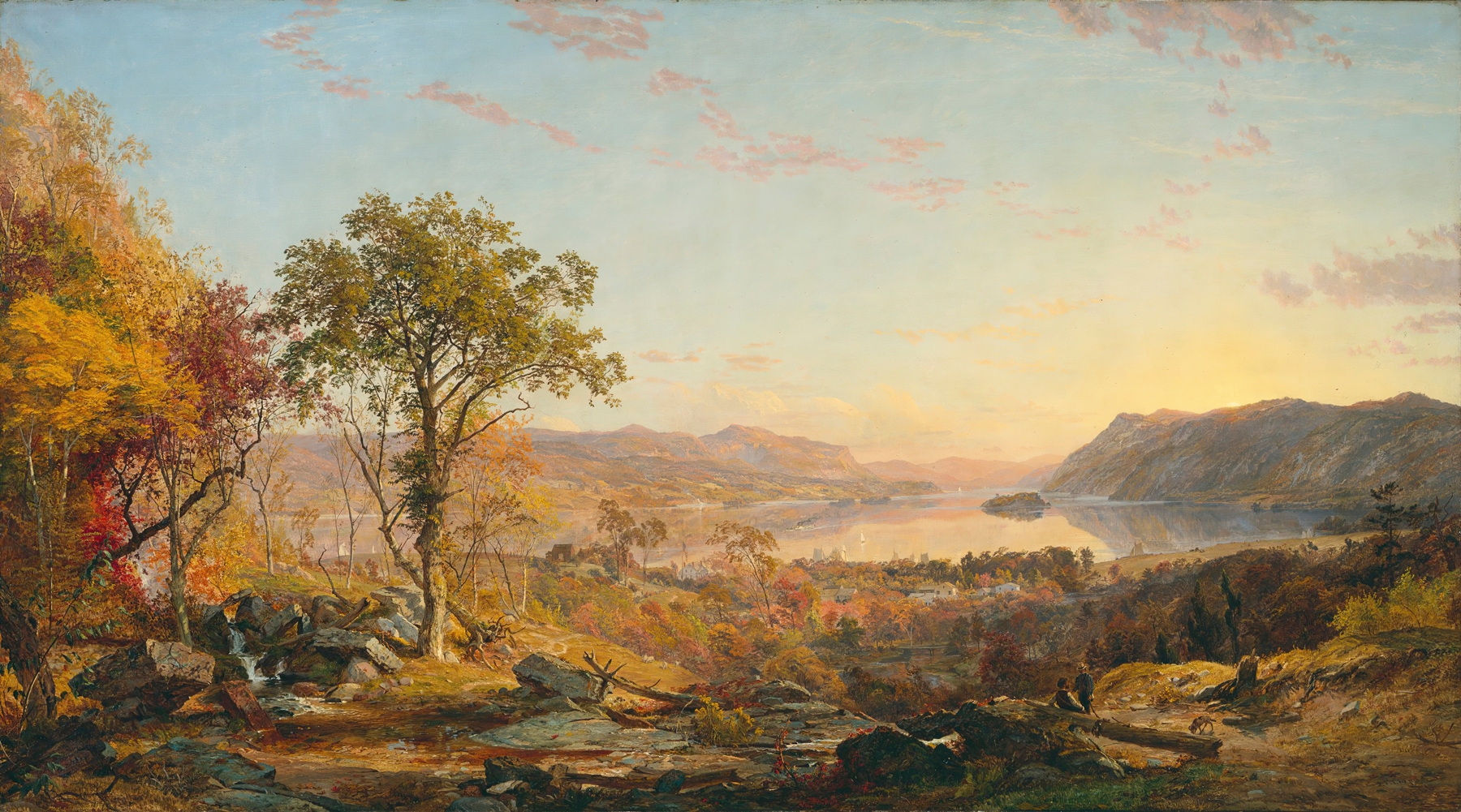
When did color learn to lie? In Indian Summer, hues of amber and ochre unveil a melancholic emptiness, suggesting a world that vibrates with unspoken stories. Look to the left at the vibrant autumn foliage, where leaves blaze like a final salute to the warmth of the season. The brilliant palette contrasts dramatically with the subtle, cool blues of the sky, drawing your gaze deeper into the serene yet haunting landscape. The painter’s brushstrokes are fluid and deliberate, creating a soft, atmospheric depth that gives life to the horizon while hinting at the encroaching chill of winter.
It is a balance of beauty and transience that lingers in the air. Yet, beyond the lush colors lies a tension between life and decay. The craggy trees stand as solemn sentinels, while the river flows, reflecting an eerie stillness that belies its movement. This juxtaposition captures the fleeting nature of summer's end — a moment suspended in time, echoing an emptiness that invites both reflection and longing.
Each element, from the fading sunlight to the distant hills, speaks of the inevitable passage of time, embodying the bittersweet essence of change. In 1866, Cropsey painted this work during a period when the Hudson River School movement was in full bloom, celebrating the American landscape’s grandeur and spirituality. Living in New York, he was deeply influenced by the natural beauty surrounding him and the artistic dialogues of his contemporaries. At that time, the country was grappling with its identity post-Civil War, and his paintings served as both a look back at a lush past and a contemplation of what lay ahead.