Autumn on Greenwood Lake — History & Analysis
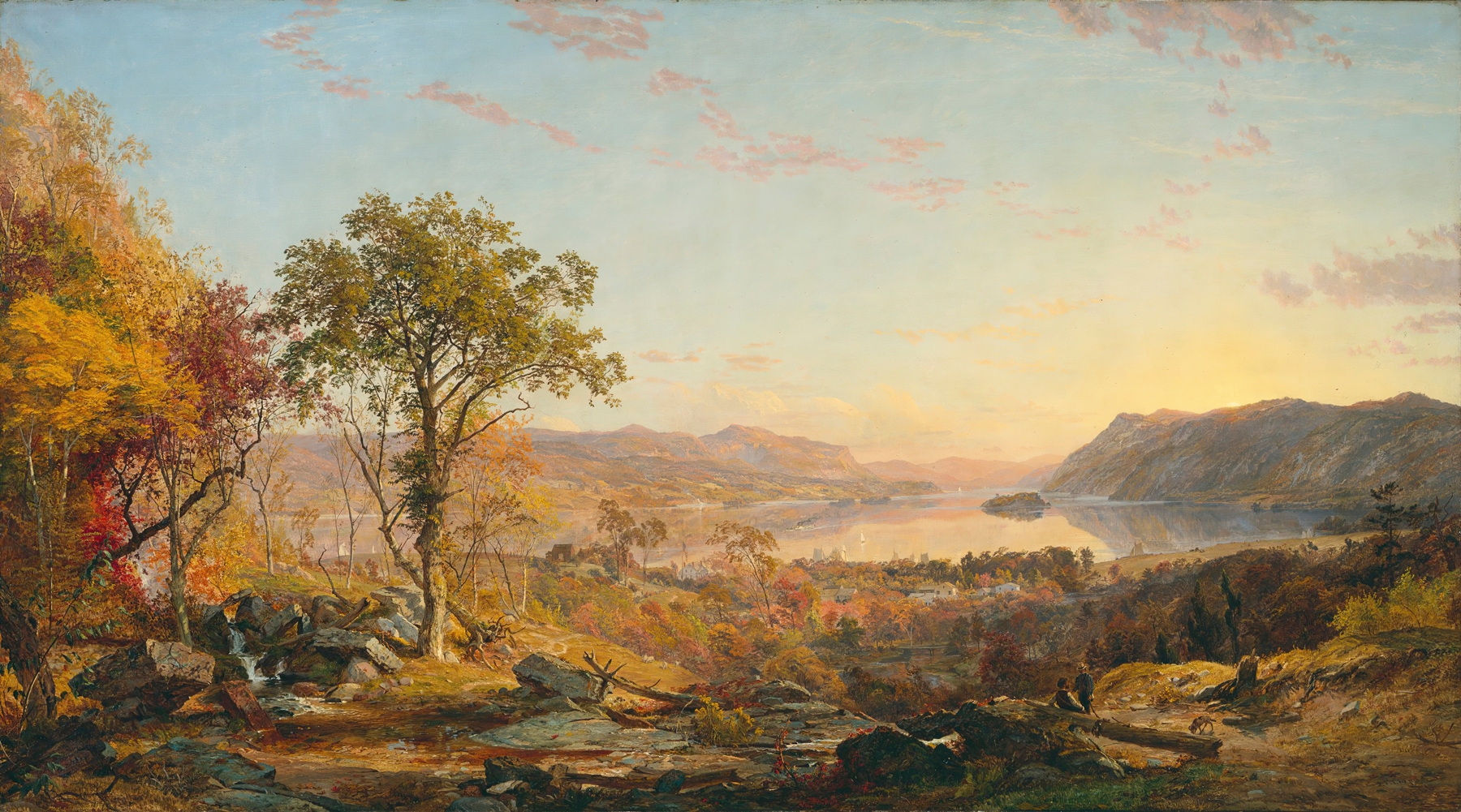
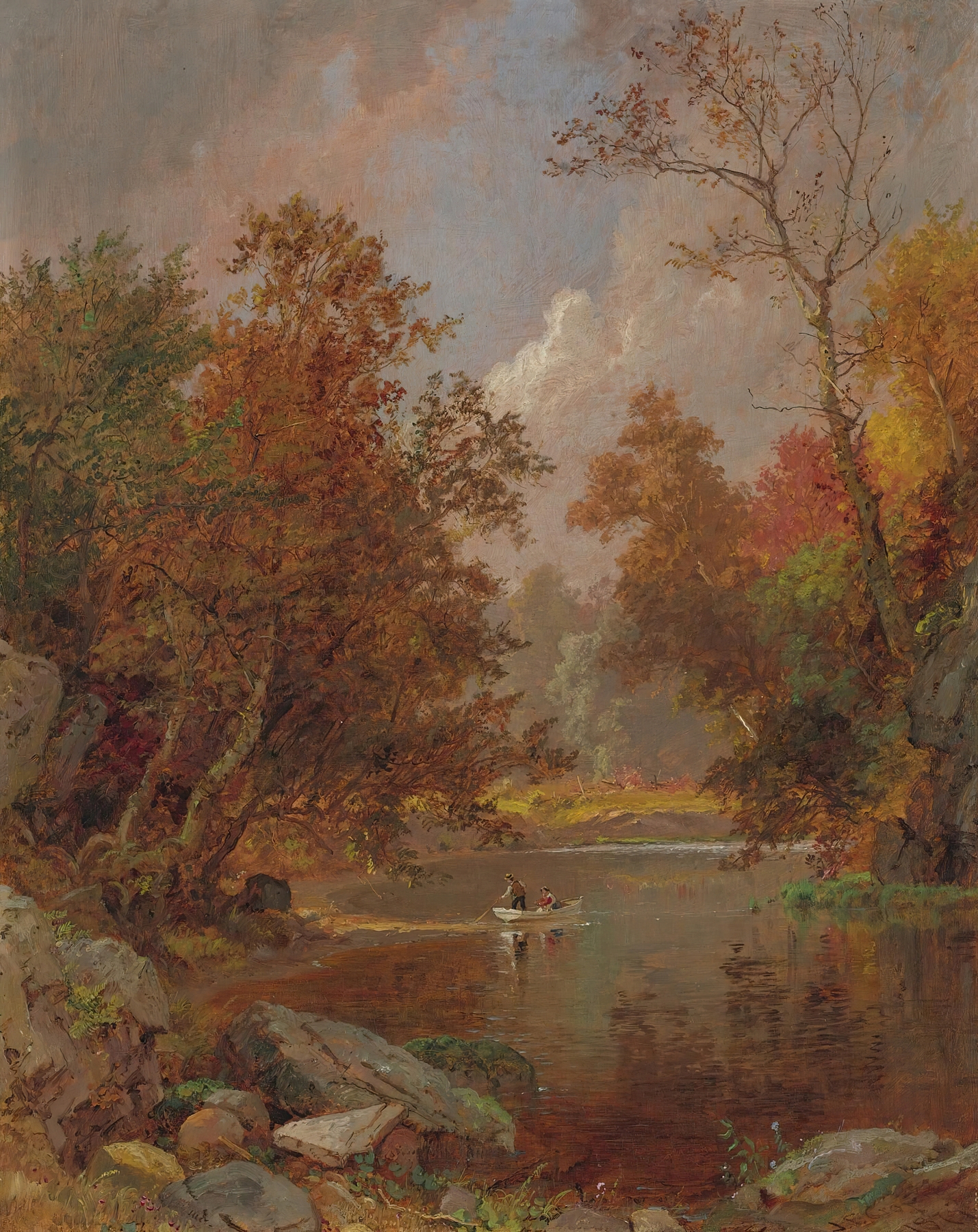
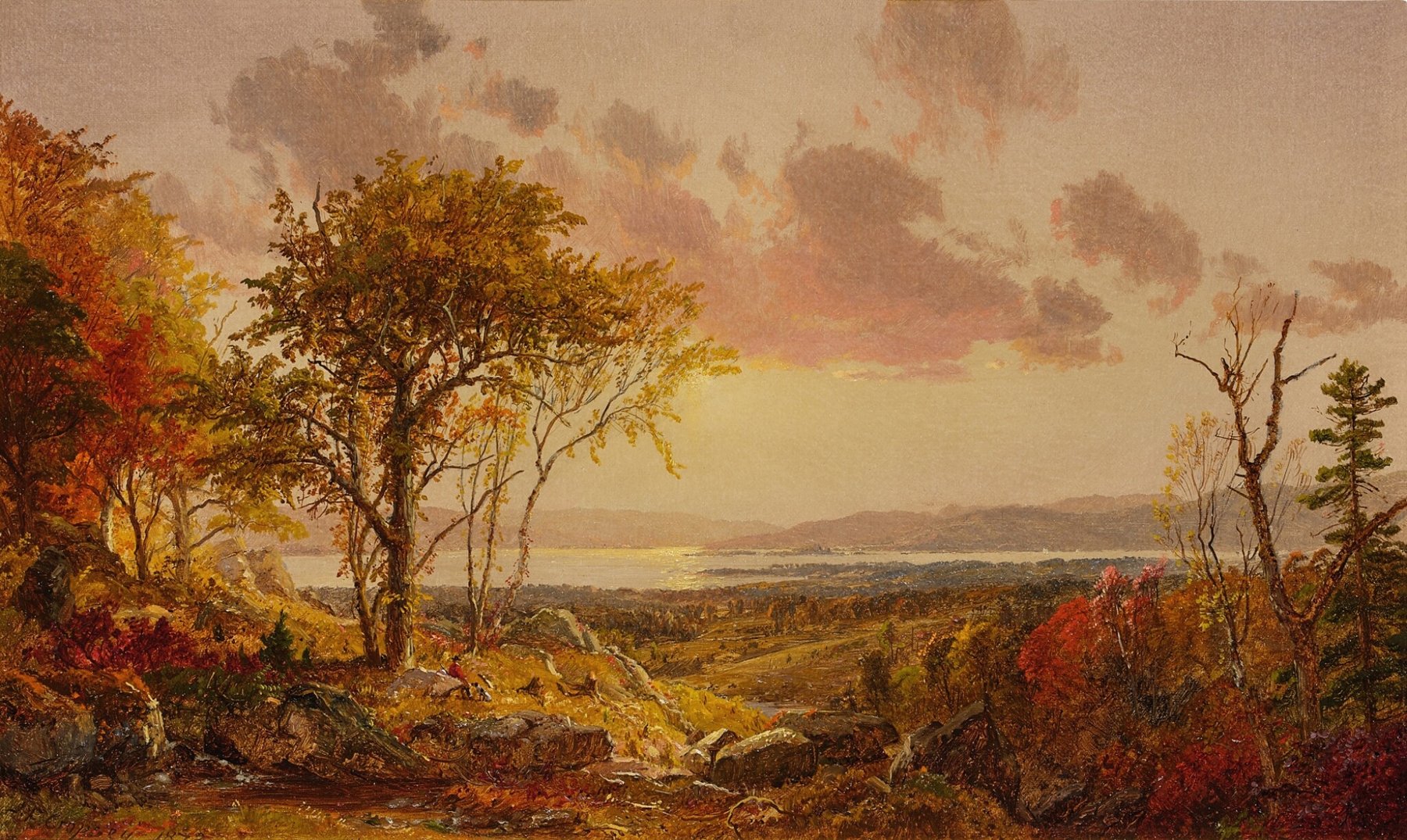
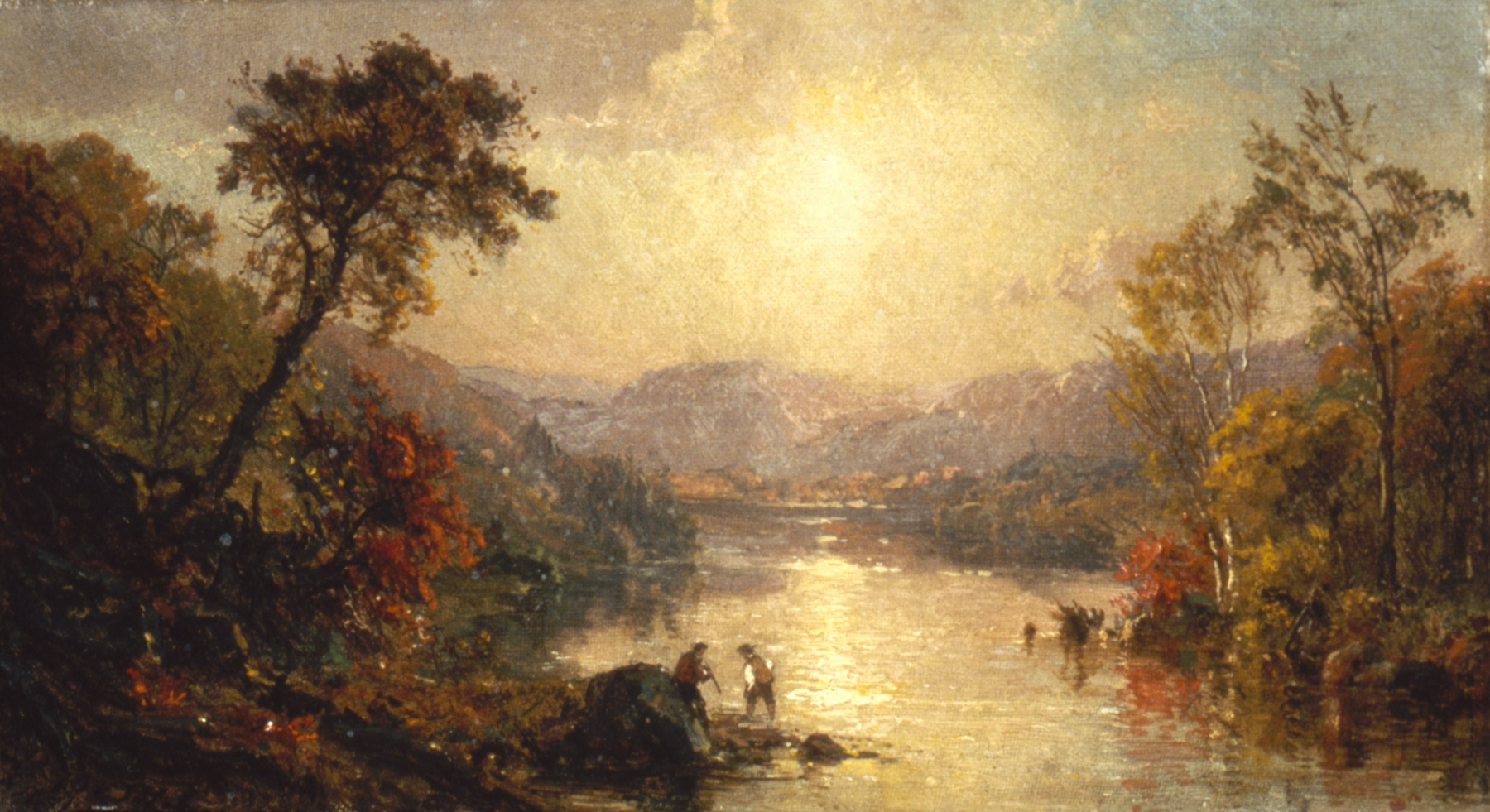
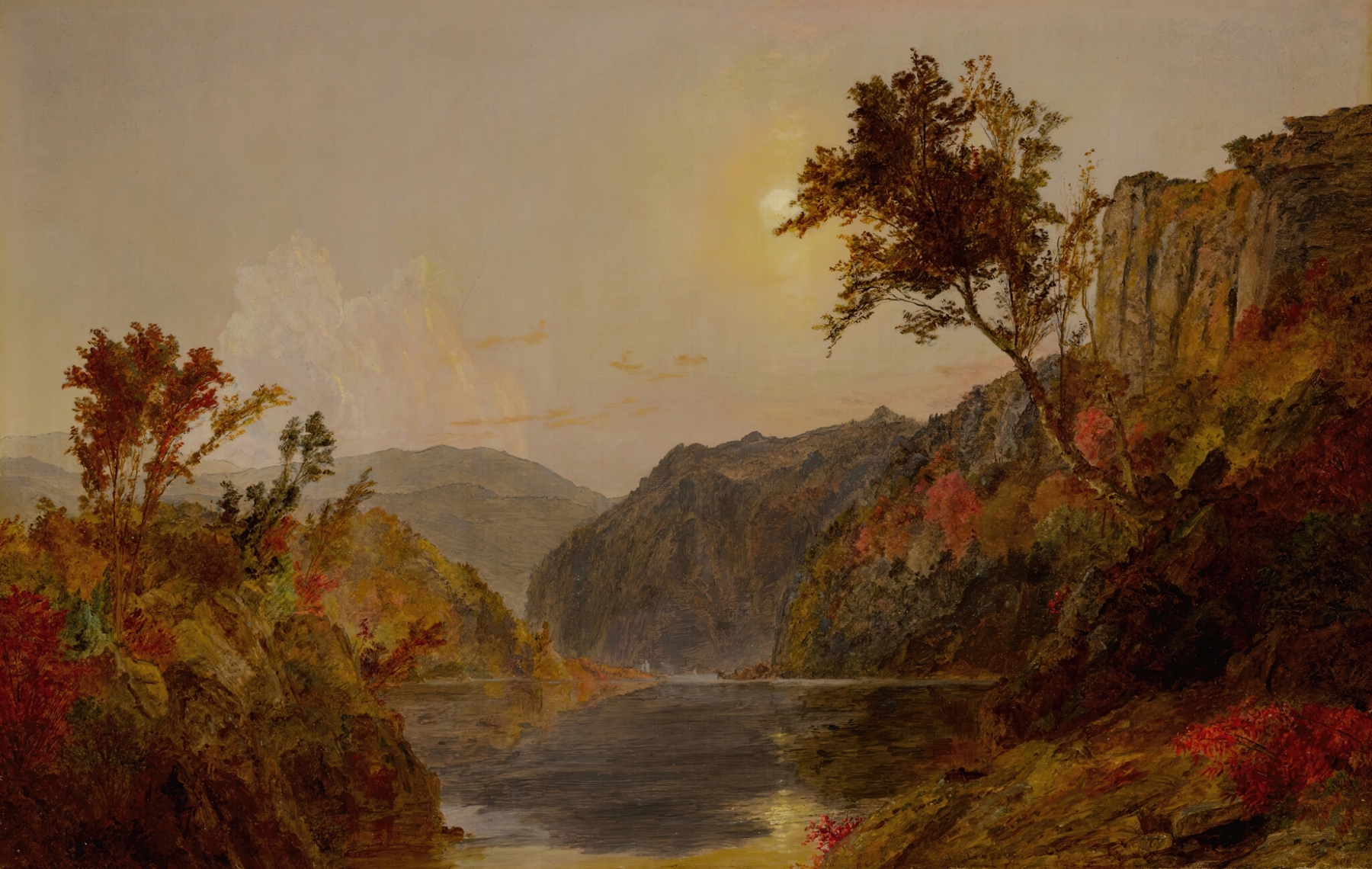
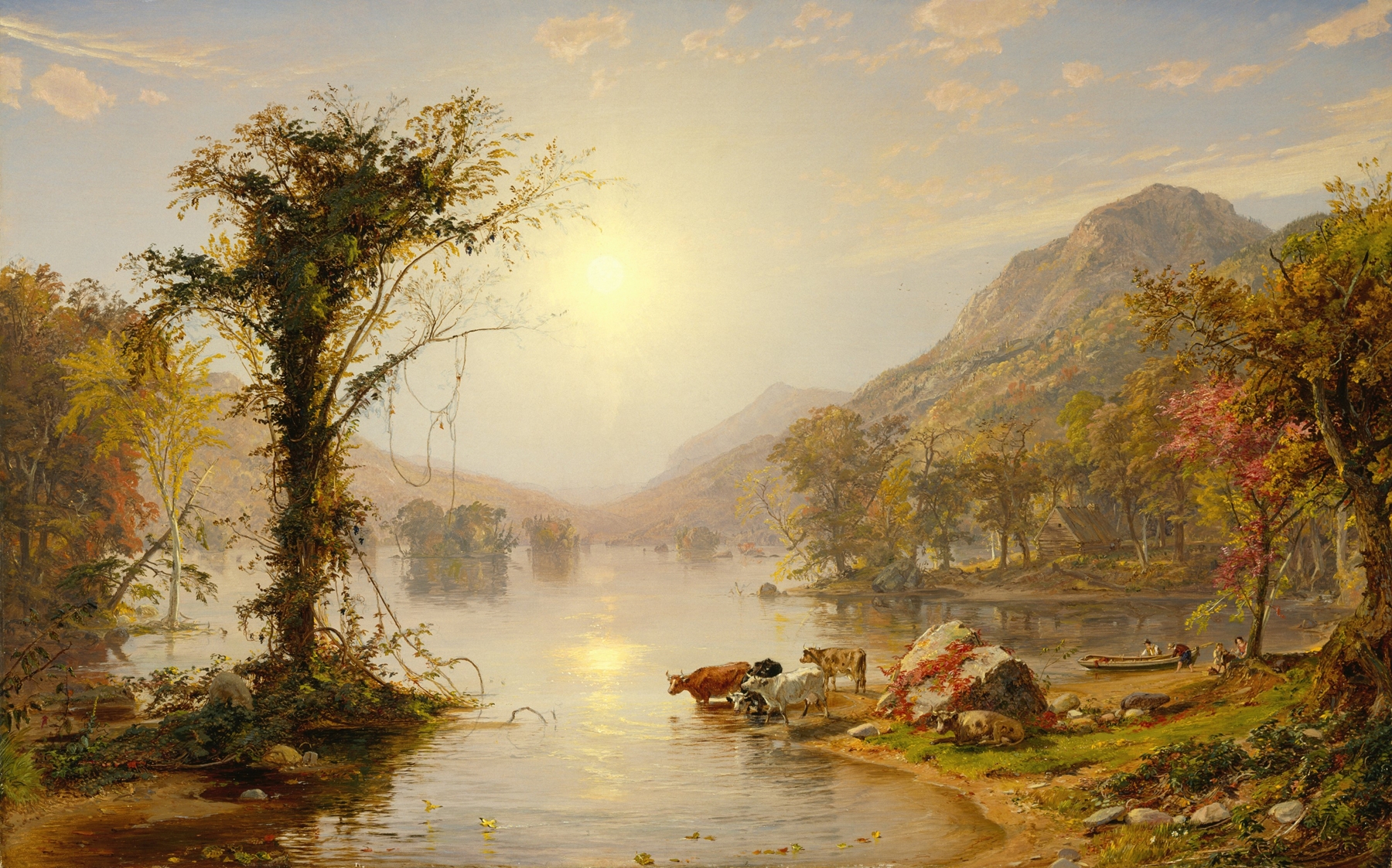
“Under the brush, chaos becomes grace.” In the heart of every autumn, nature whispers tales of transformation and the promise of renewal. Look to the right at the vibrant golden leaves that cascade from the trees, each brushstroke trembling with life. Notice how the light dances across the surface of Greenwood Lake, illuminating reflections that blur the lines between reality and dream. The palette consists of warm ochres and deep reds, capturing the fleeting beauty of the season as it envelops the landscape, evoking a sense of nostalgia for what is both lost and cherished.
In the foreground, the blending of colors suggests a world in transition—life and decay intertwined. The stillness of the lake contrasts with the vivid energy of the foliage, encapsulating the bittersweet essence of autumn. The delicate interplay of shadow and light serves as a reminder that even in endings, there is a whisper of hope, resonating through the soft ripples on the water.
In 1861, while creating this piece, the artist was immersed in the burgeoning Hudson River School movement, which emphasized the beauty of the American landscape. Cropsey, residing in New York, was influenced by the Romantic ideals of the time, as well as the shifting cultural landscape of a nation on the brink of civil strife. His work reflects not only a personal vision but also a collective yearning to capture the sublime beauty of the natural world.