The Clove – A Storm Scene in the Catskill Mountains — History & Analysis
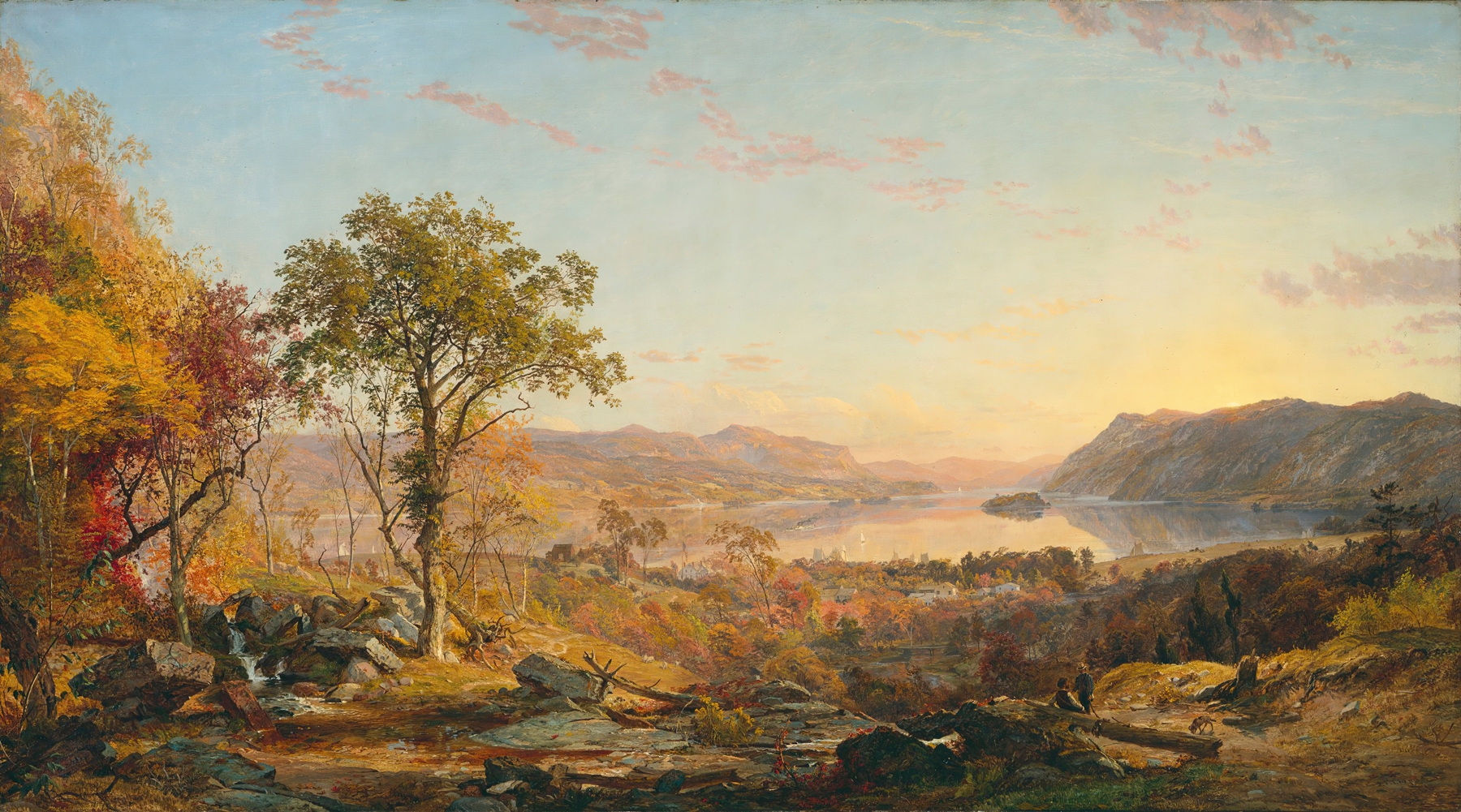
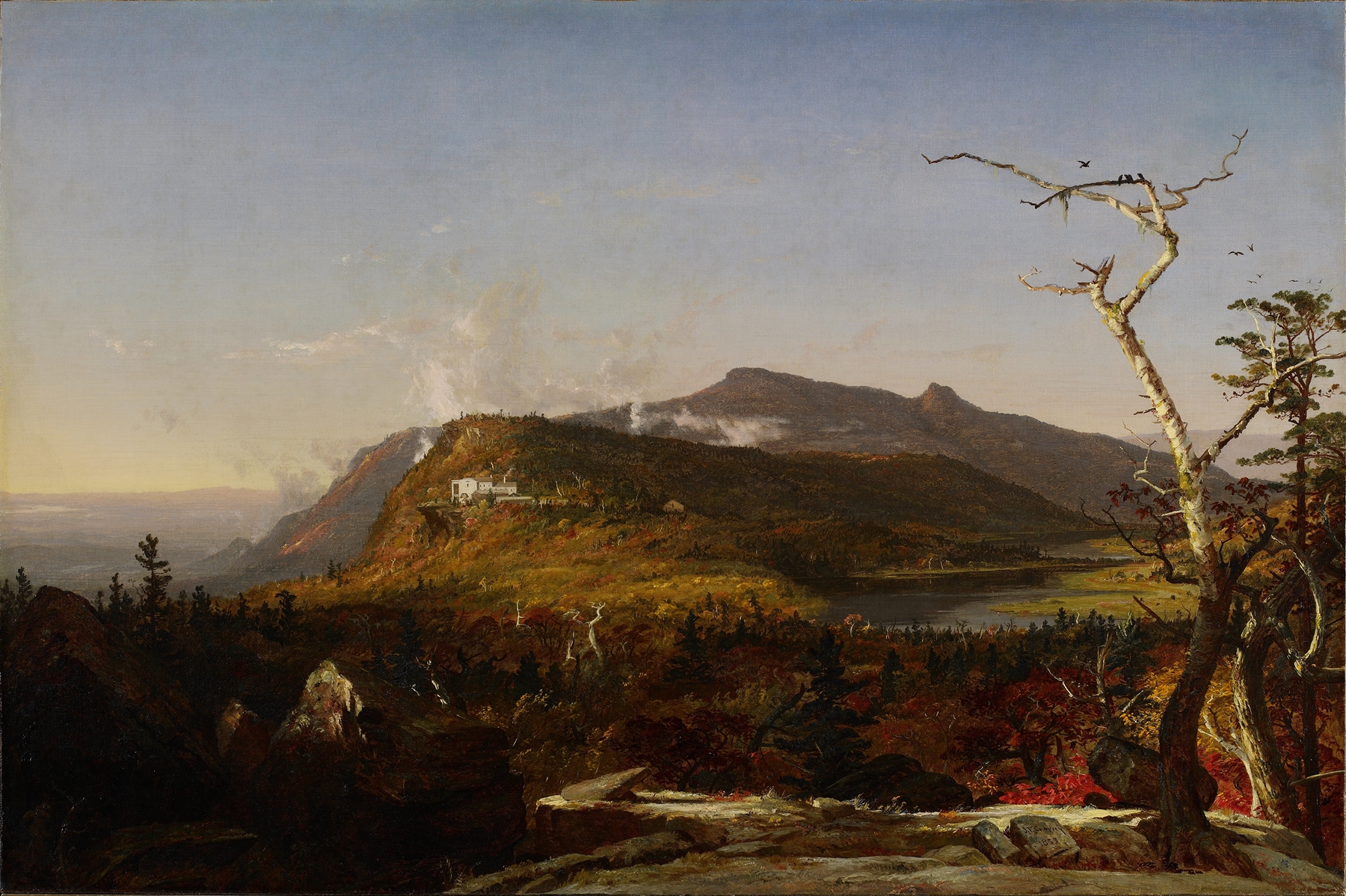
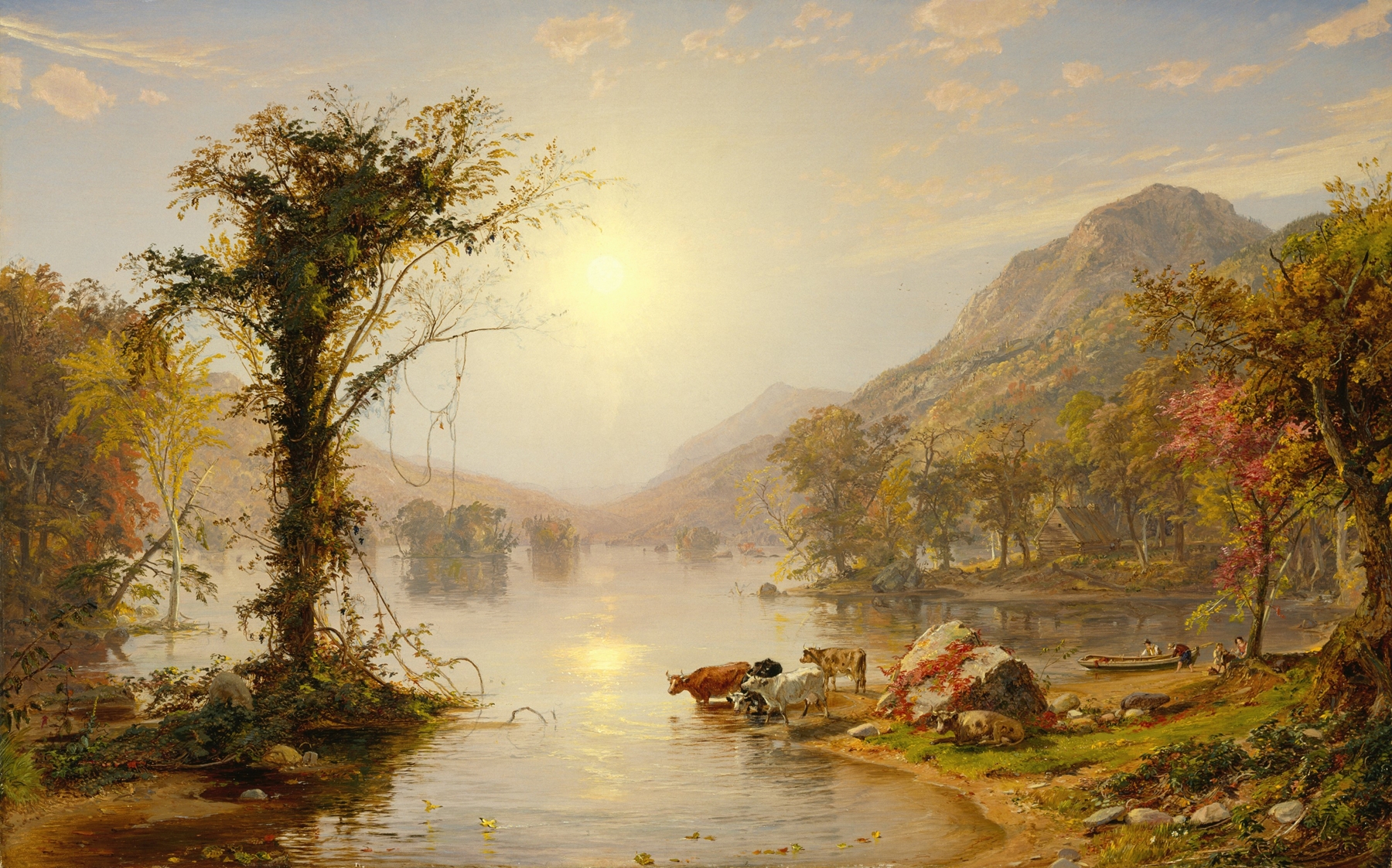
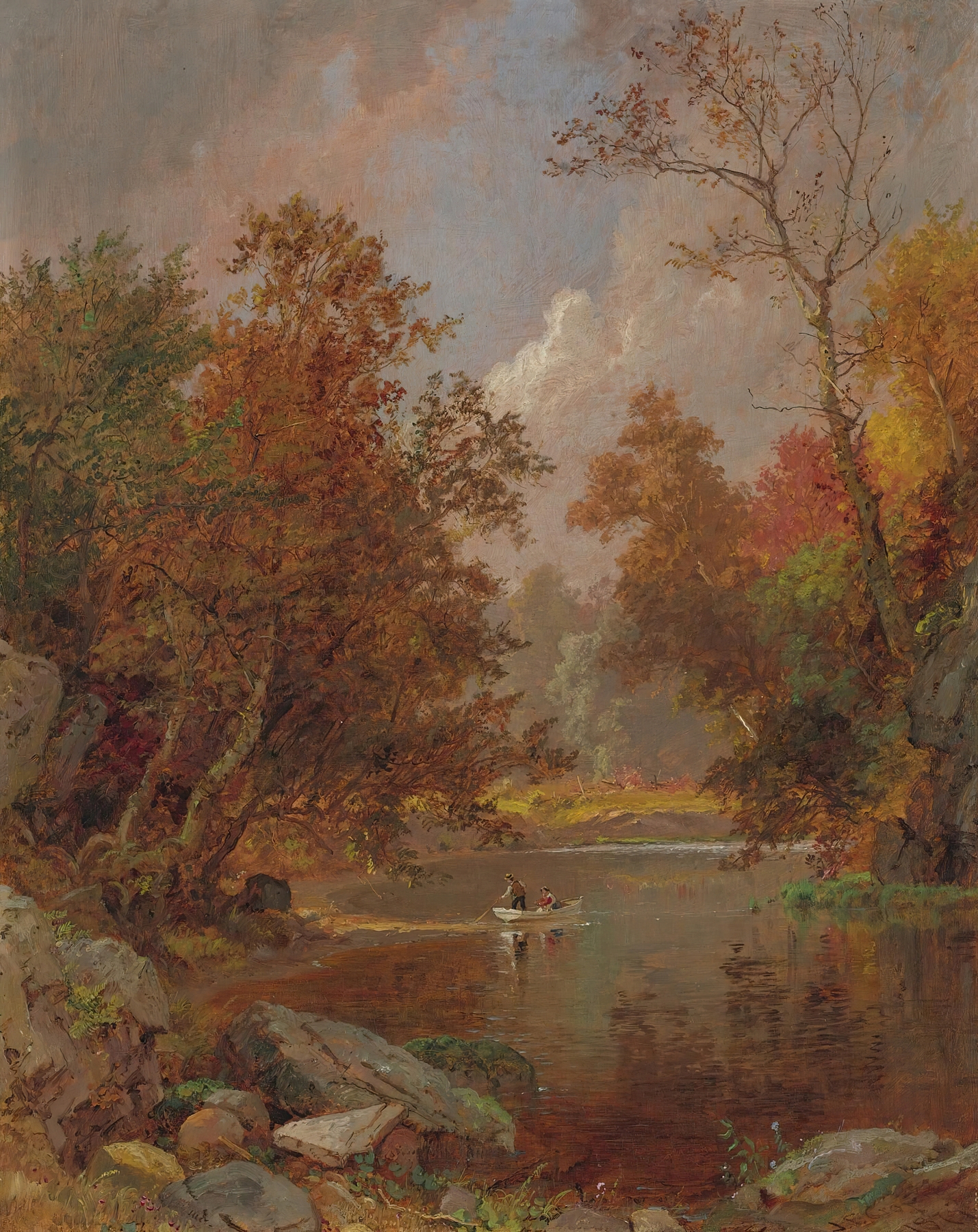
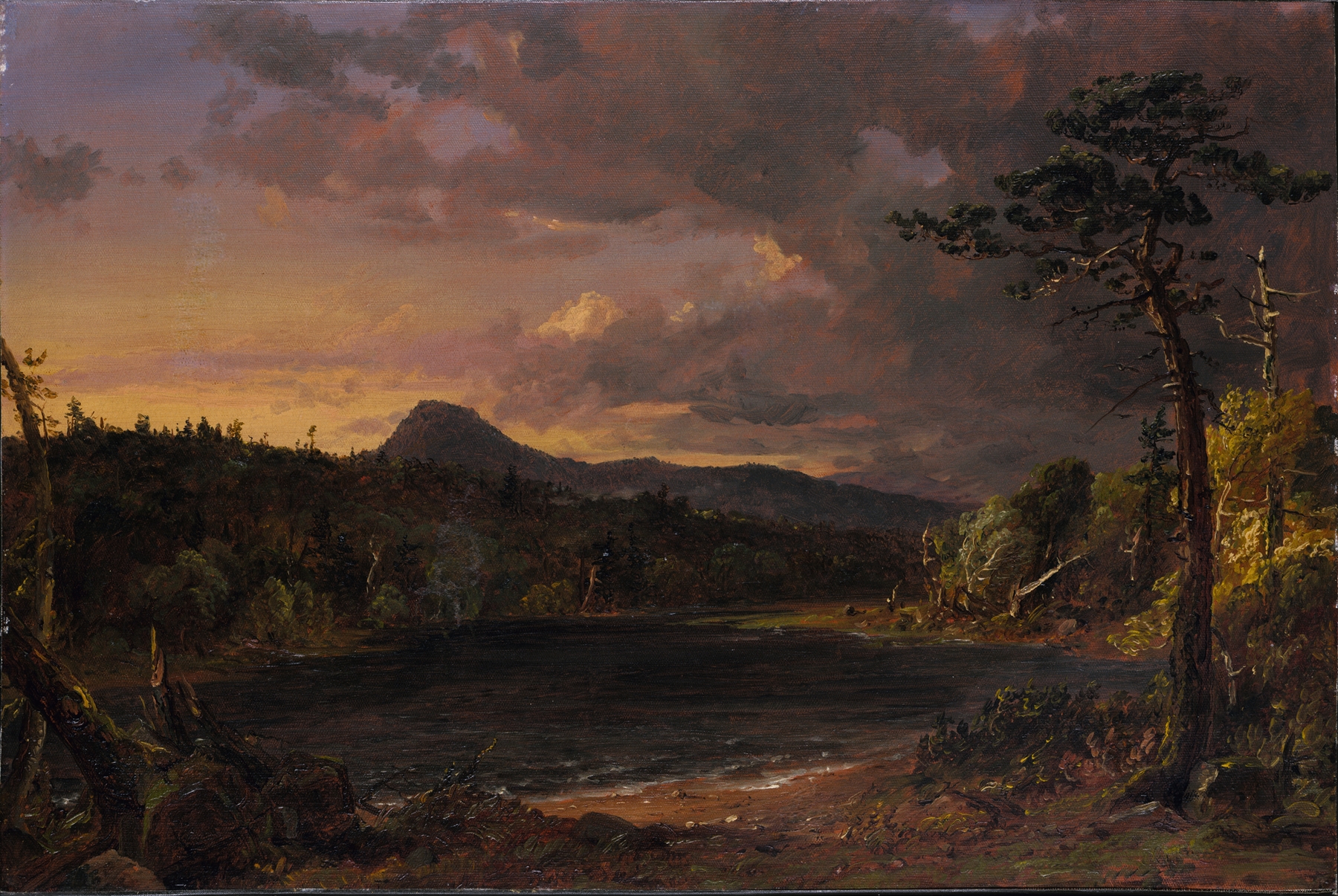
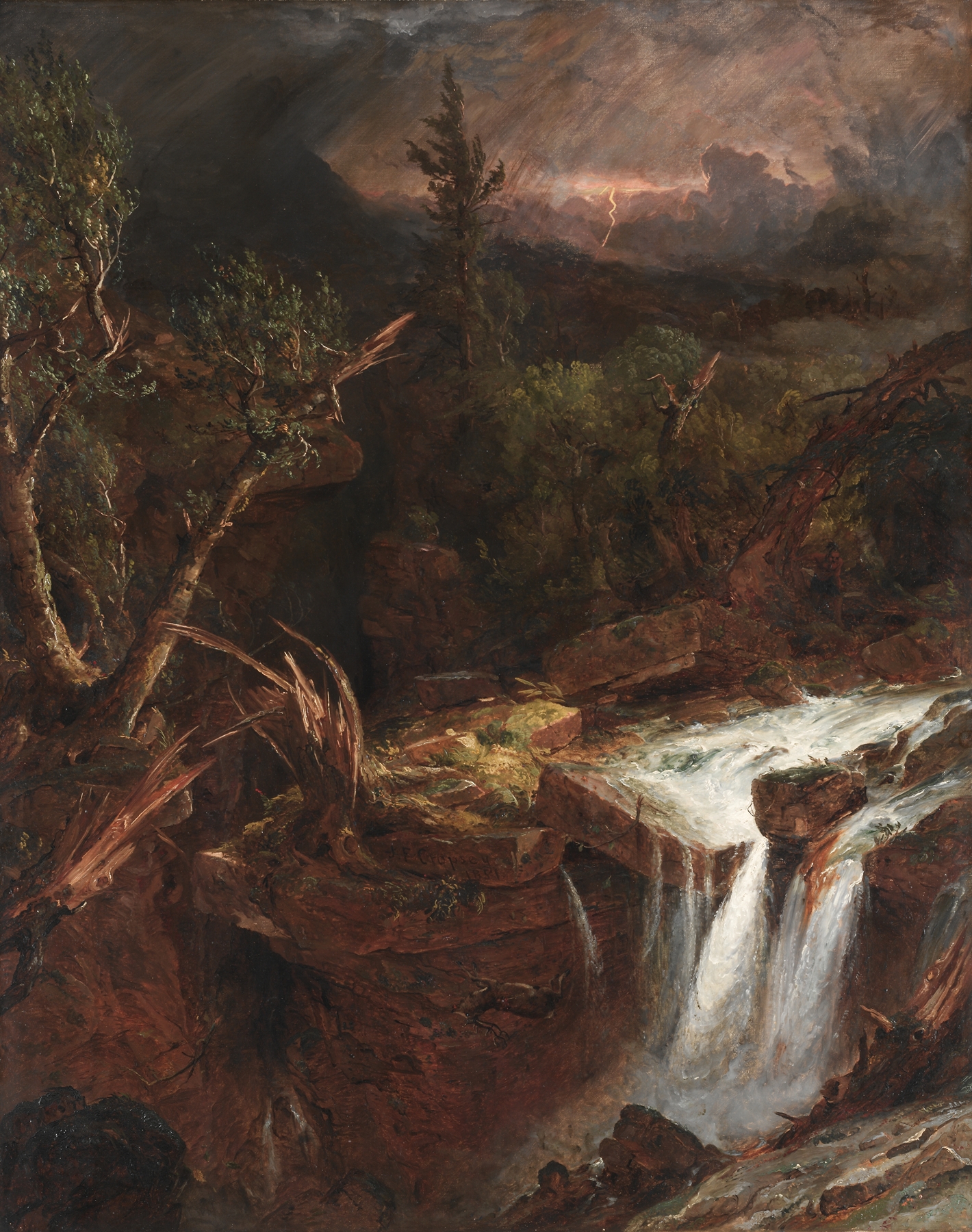
“The canvas doesn’t lie — it simply waits.” In the stillness between brushstrokes lies an invitation to explore the depths of beauty and tension that nature offers. Look to the center of the composition, where towering clouds swirl ominously, their dark hues contrasting sharply with the fiery autumnal foliage that flanks the scene. The warm oranges and yellows of the trees breathe life into the painting, while the impending storm casts a shadow of foreboding. Notice how the artist cleverly utilizes light, allowing it to break through the tumultuous sky, creating a dynamic interplay that draws the eye around the canvas and invites contemplation of both chaos and serenity.
Within this tension lies a deeper dialogue. The rugged peaks of the Catskills stand as ancient sentinels, enduring the tempests of both nature and time, symbolizing resilience amid turbulence. Each stroke captures fleeting moments of beauty, suggesting that even in the face of a storm, life continues, vibrant and defiant. It is a reminder that beauty often emerges from the struggle, inviting viewers to reflect on their own encounters with adversity and the splendor that can arise from it.
In 1851, while creating The Clove – A Storm Scene in the Catskill Mountains, Cropsey was influenced by the burgeoning Hudson River School, which glorified American landscapes. He painted during a period of significant change in the United States, as industrial progress began to transform the natural world. Cropsey, drawn to the beauty of the wilderness, sought to convey the sublime power of nature while capturing the spirit of an era caught between pastoral beauty and encroaching modernity.