A Dune Landscape with Figures in a Storm — History & Analysis
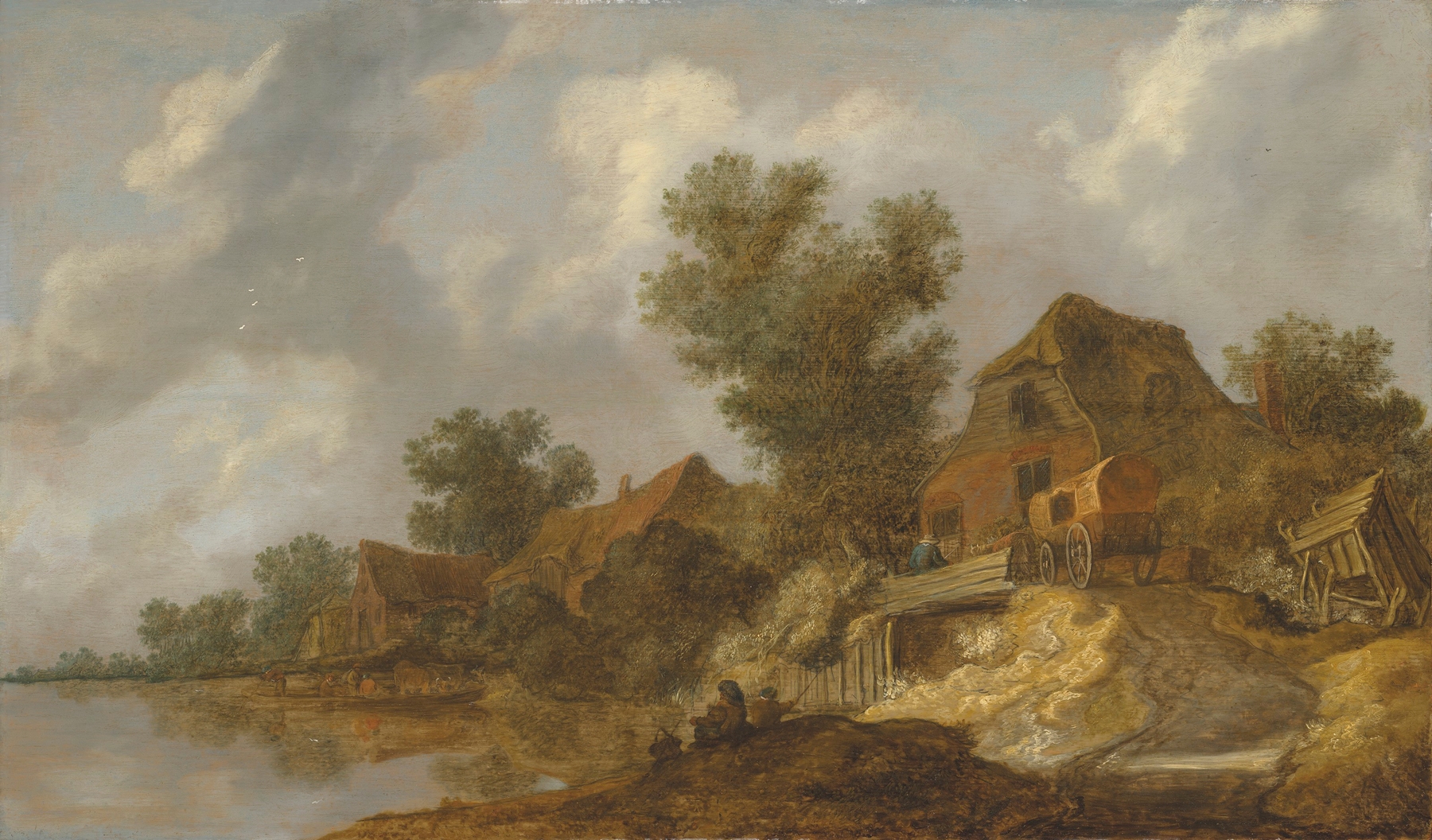
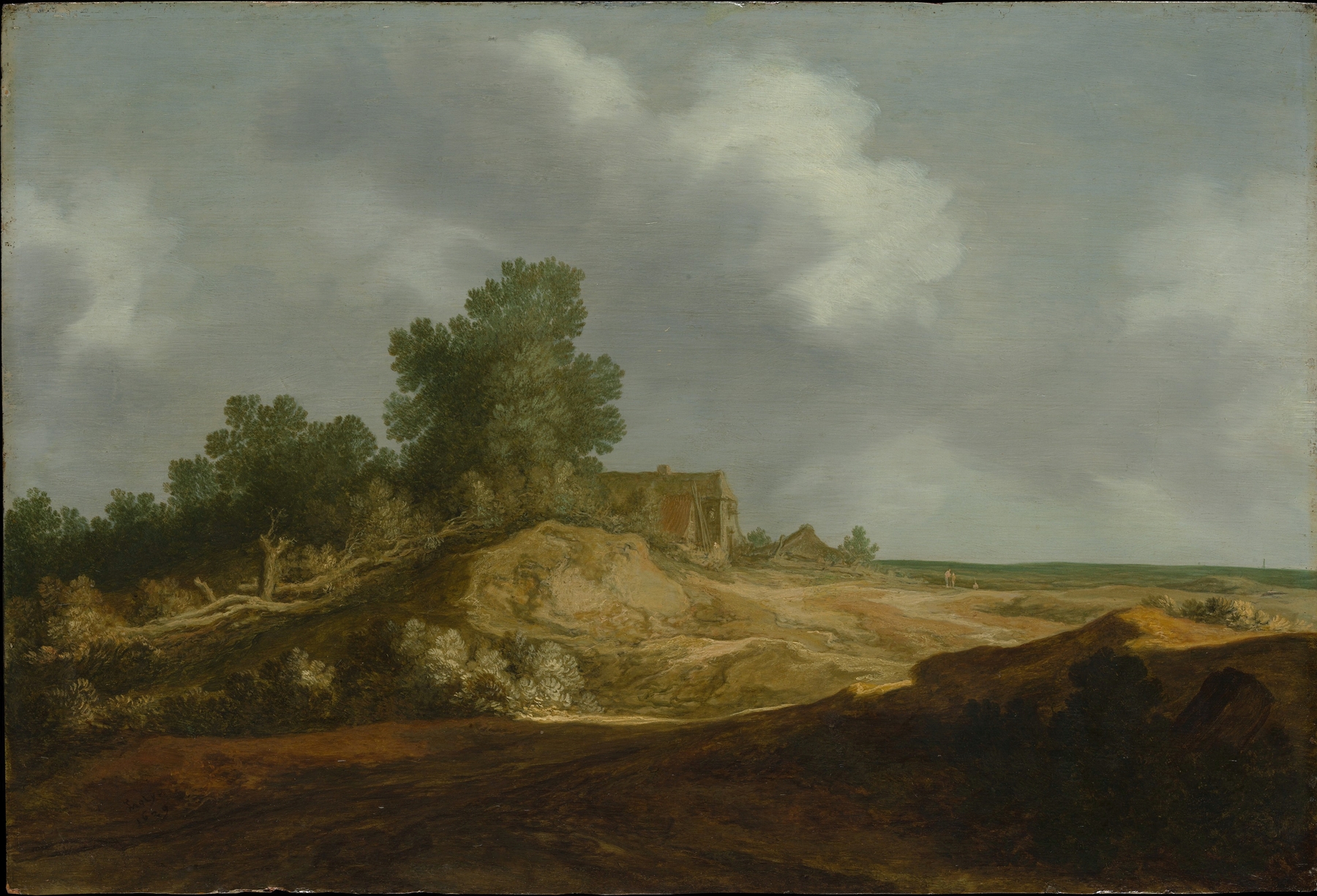
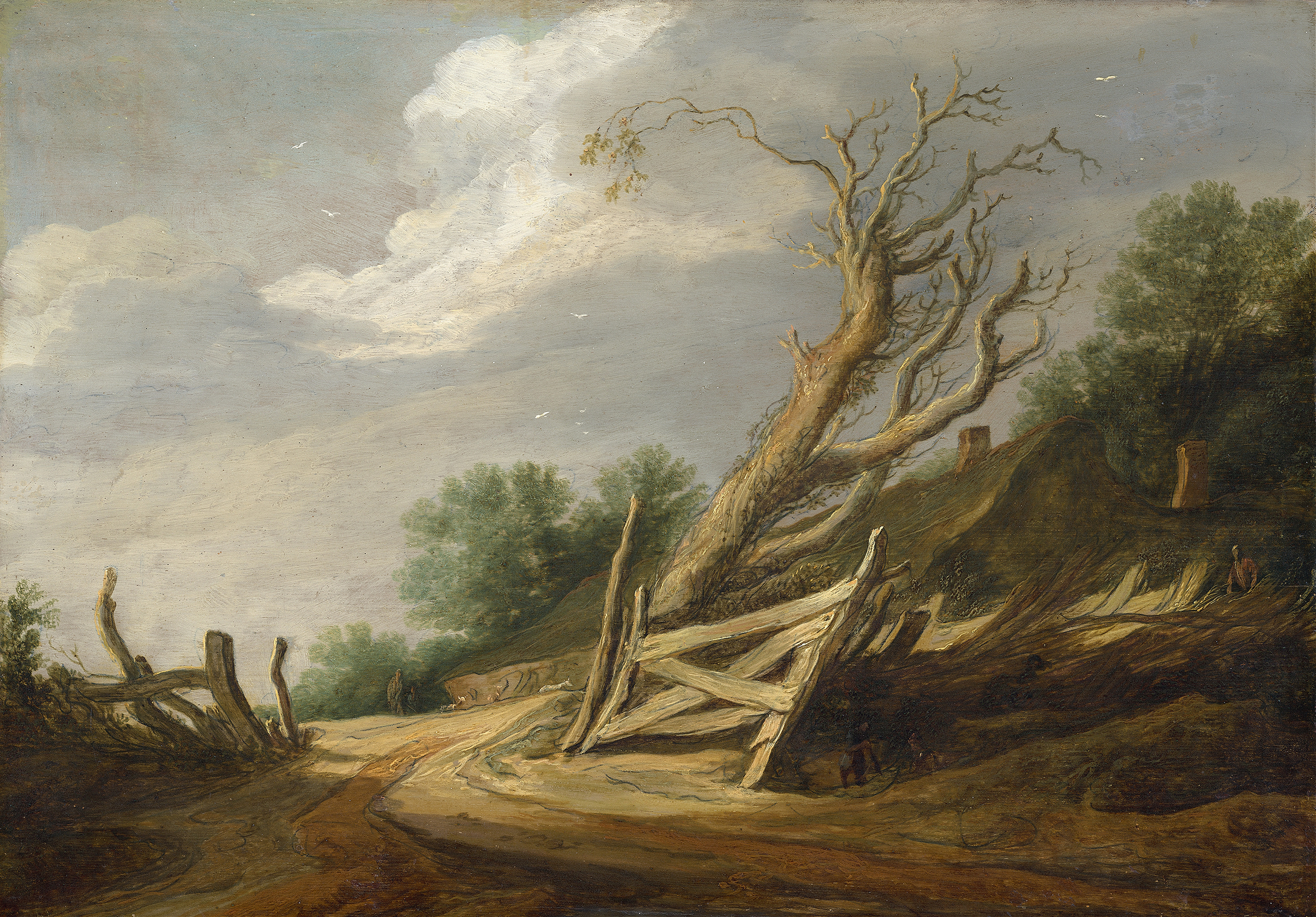
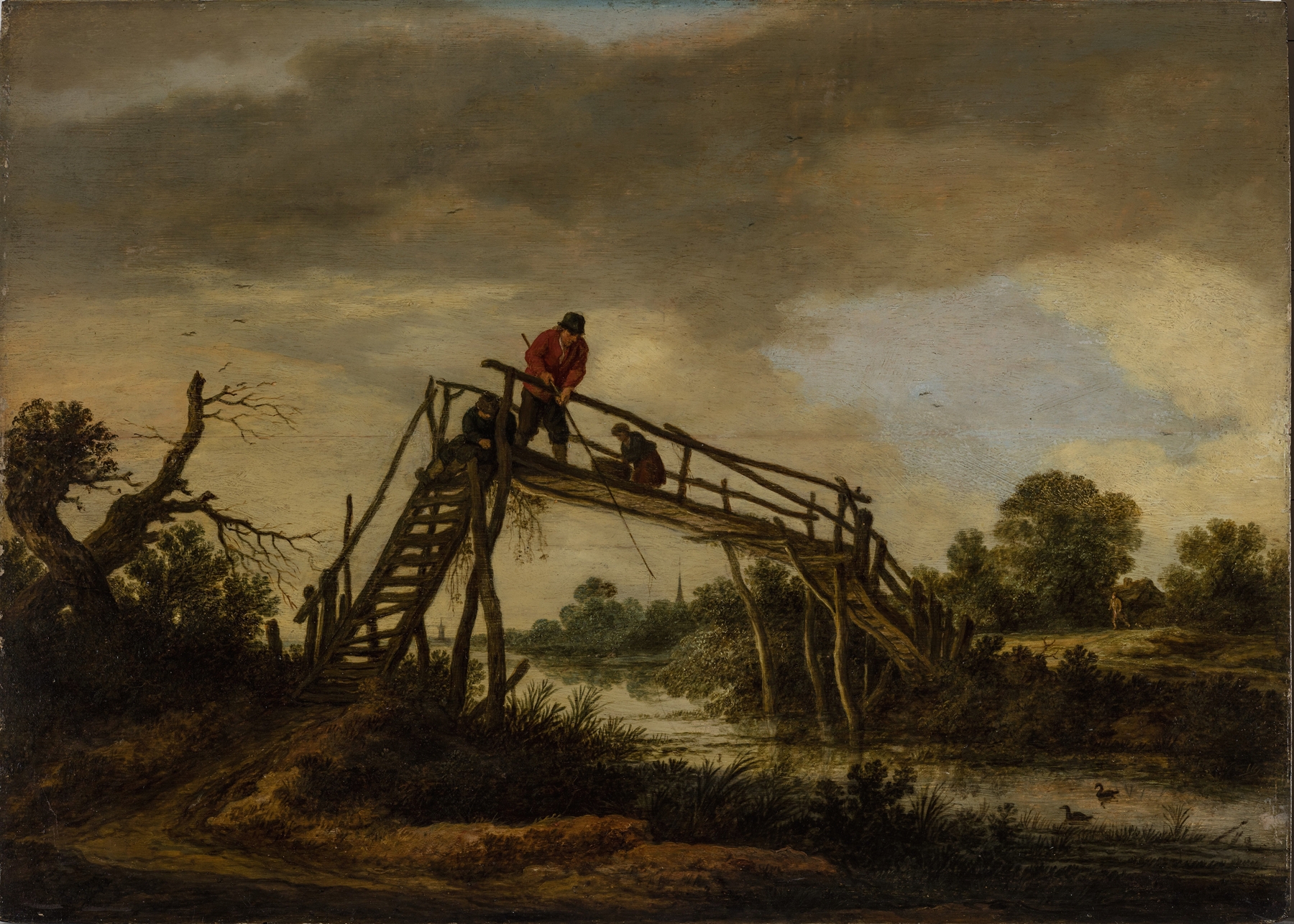
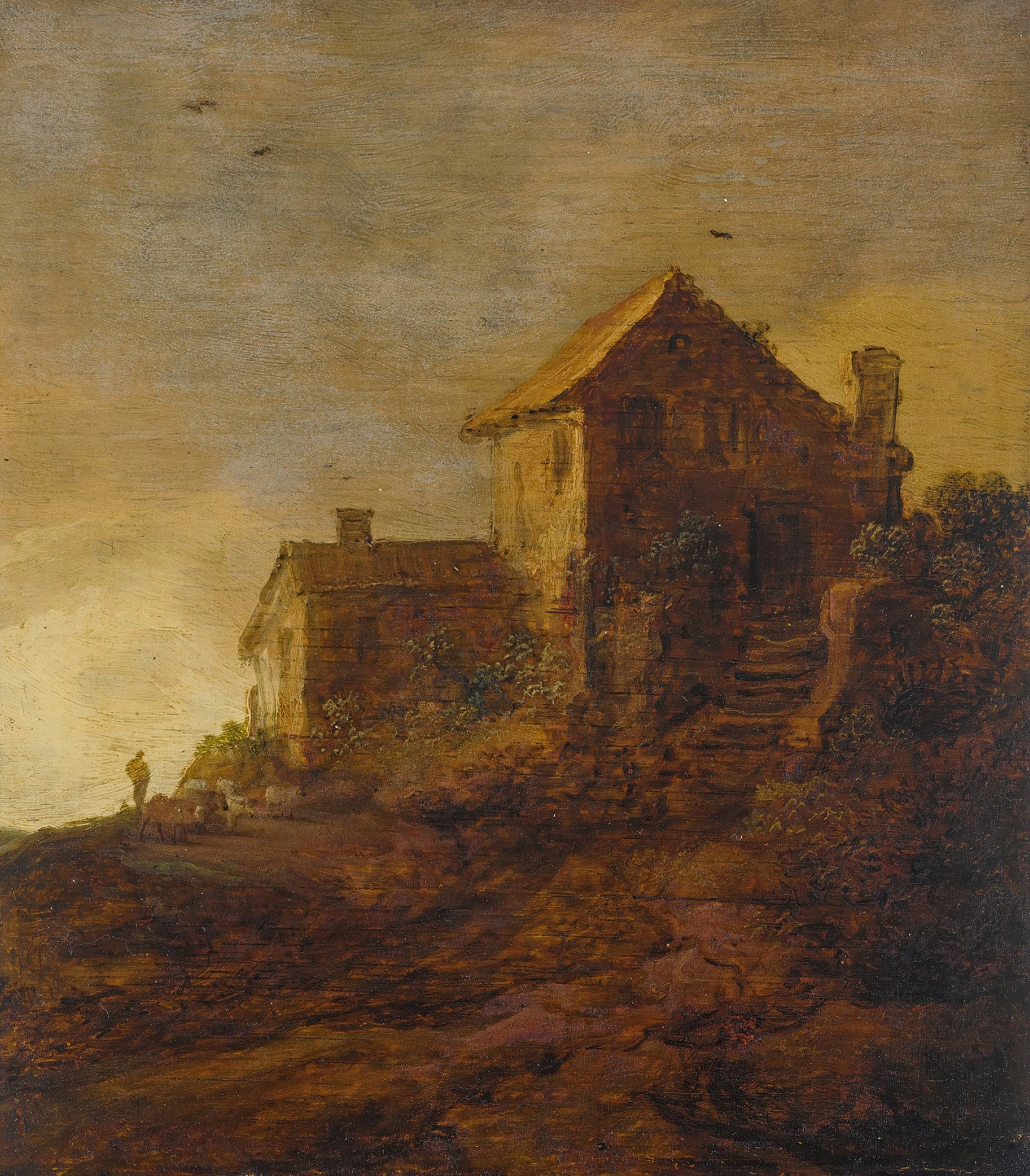
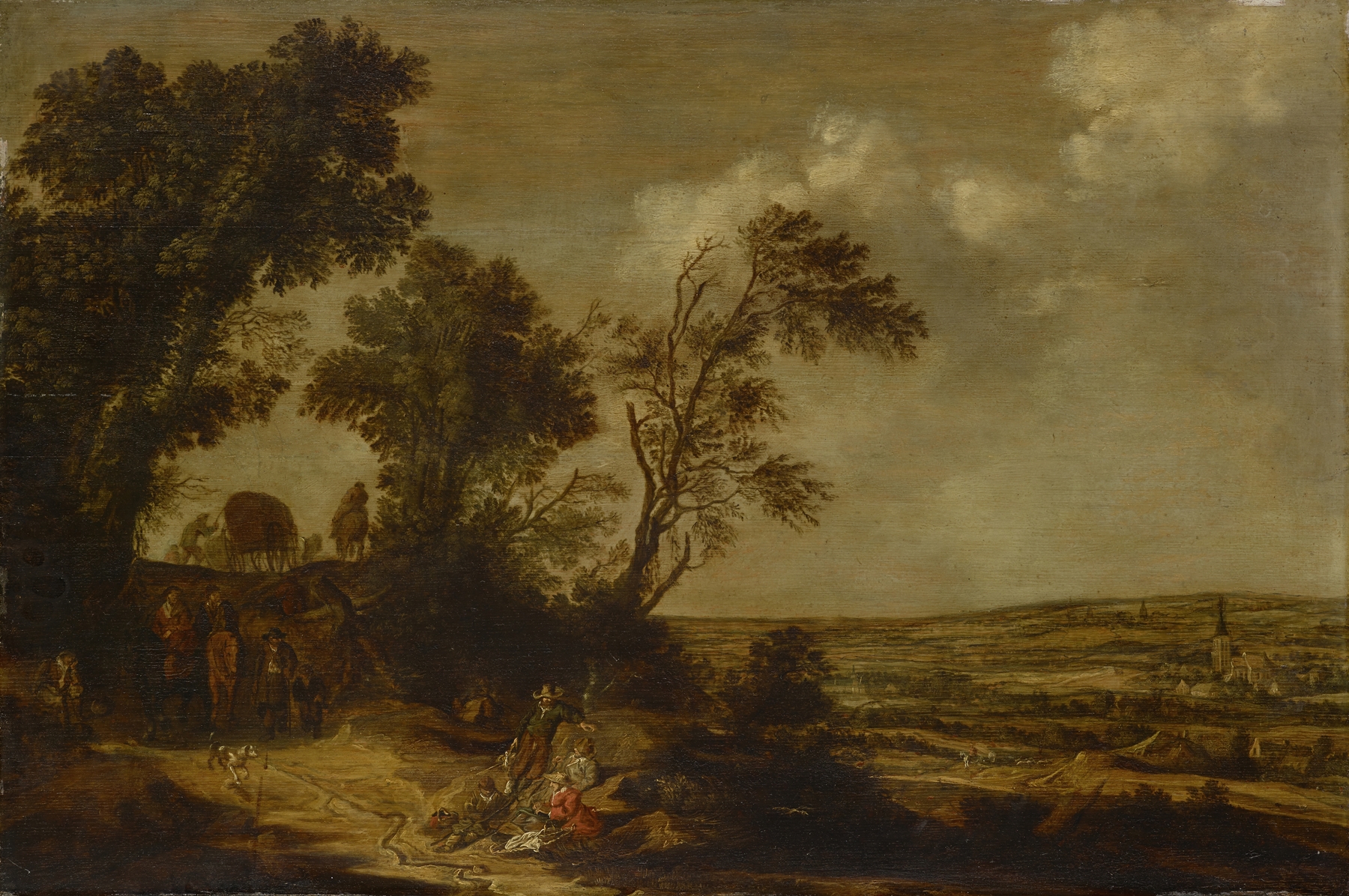
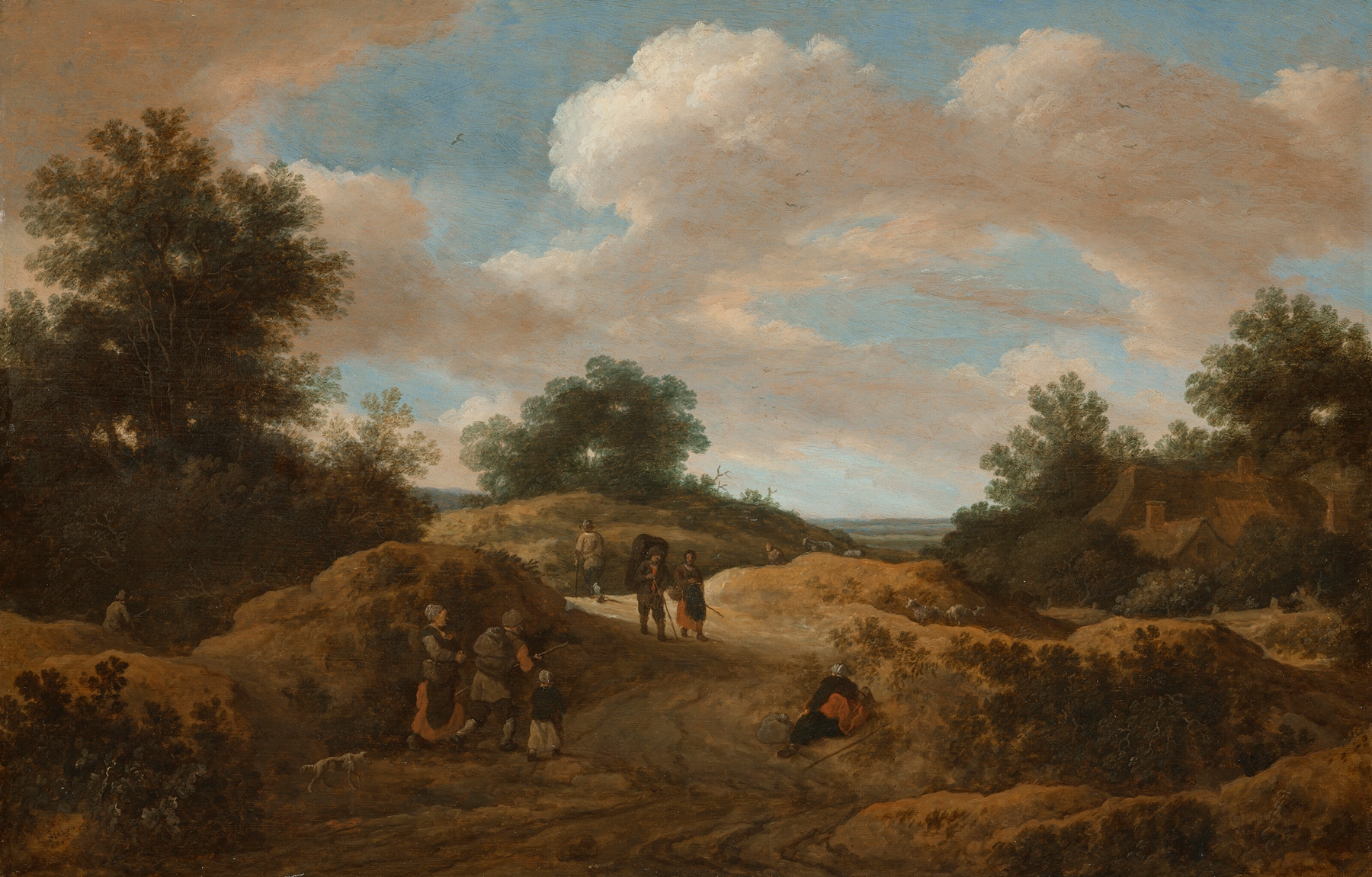
Could beauty survive in a century of chaos? A Dune Landscape with Figures in a Storm encapsulates this question, where nature's fury intertwines with the delicate human spirit. In the stark contrast of tumultuous skies and a barren landscape, an unsettling beauty emerges, inviting contemplation amid turmoil. Focus first on the horizon where ominous clouds swirl, darkening the sky and threatening the scene below. To the left, figures are silhouetted against the swirling winds, their postures hinting at struggle yet determination.
Notice how the artist employs a muted palette of greys and browns, juxtaposed with fleeting hints of light that pierce through the storm — a reflection of hope amid despair. The dynamic brushstrokes capture the energy of the wind, each stroke pulsating with urgency as if the canvas breathes the chaos of nature itself. Delve deeper, and you will find the figures, though small, embody a significant tension — they navigate between vulnerability and resilience. Their presence in this desolate landscape evokes a universal struggle against forces beyond control, while the looming storm symbolizes the uncertainties of existence.
The interplay of light and shadow further emphasizes the duality of hope and despair, hinting at the possibility of survival and beauty even in the darkest of moments. Painted between 1635 and 1645, the work emerges from a time of great change in the Netherlands, where artists began to reflect on the complexities of the human experience amid societal upheaval. De Molijn, a follower of the Dutch landscape tradition, sought to capture not just the physical world but also the emotional landscapes that resonate with the viewer’s own trials. This piece, a product of its time, speaks to the enduring quest for beauty amidst chaos.