Landscape with bridge — History & Analysis
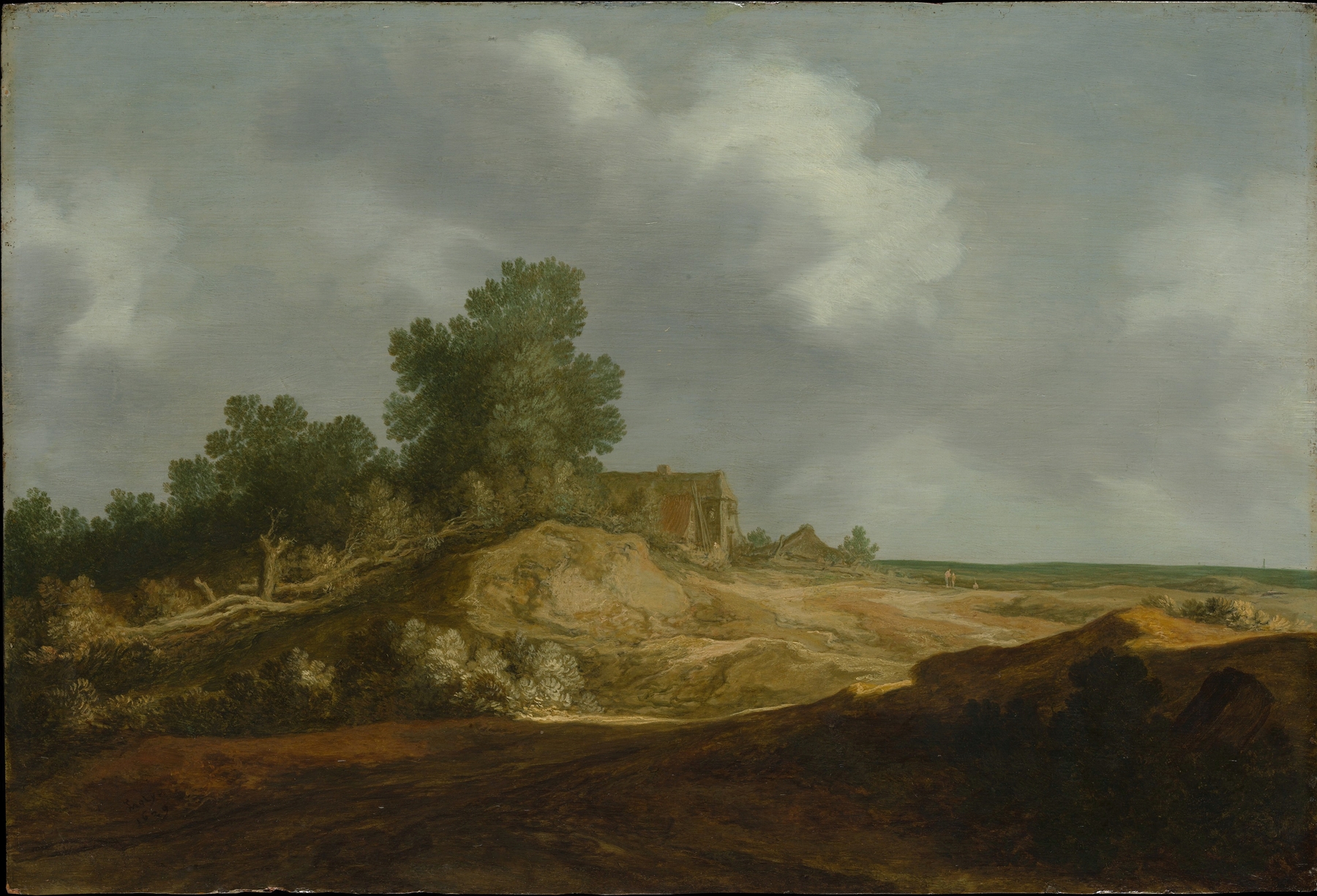
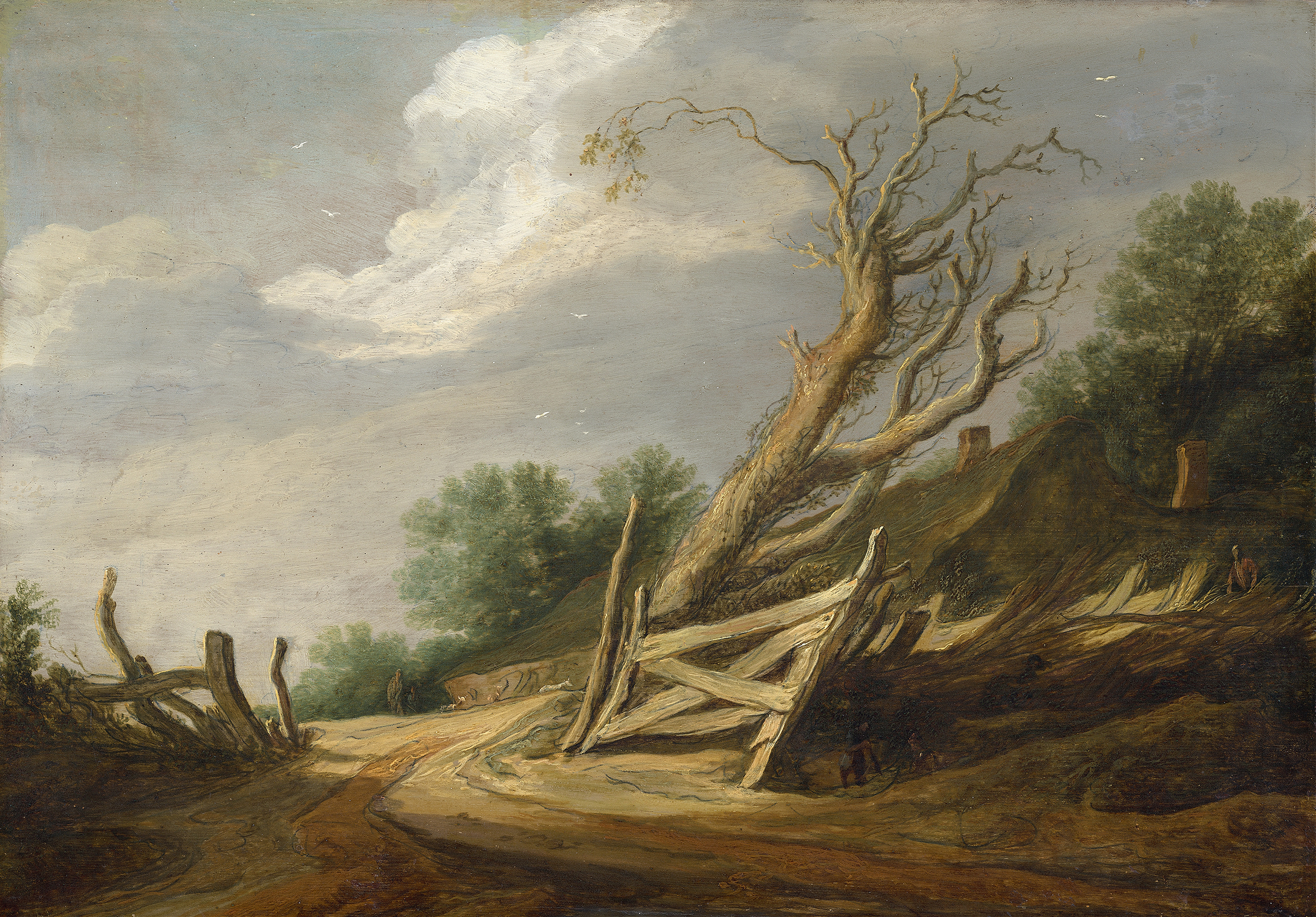
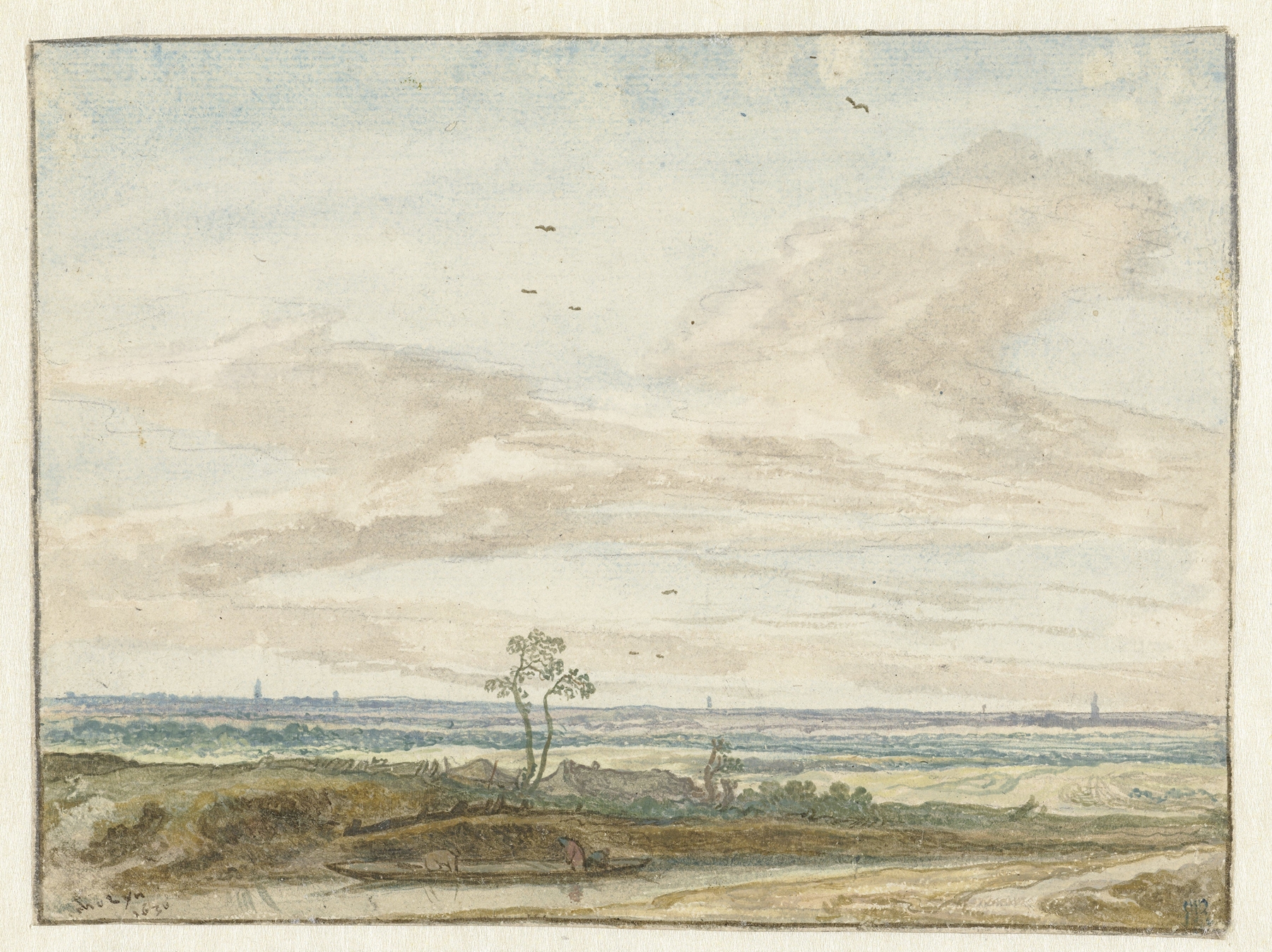
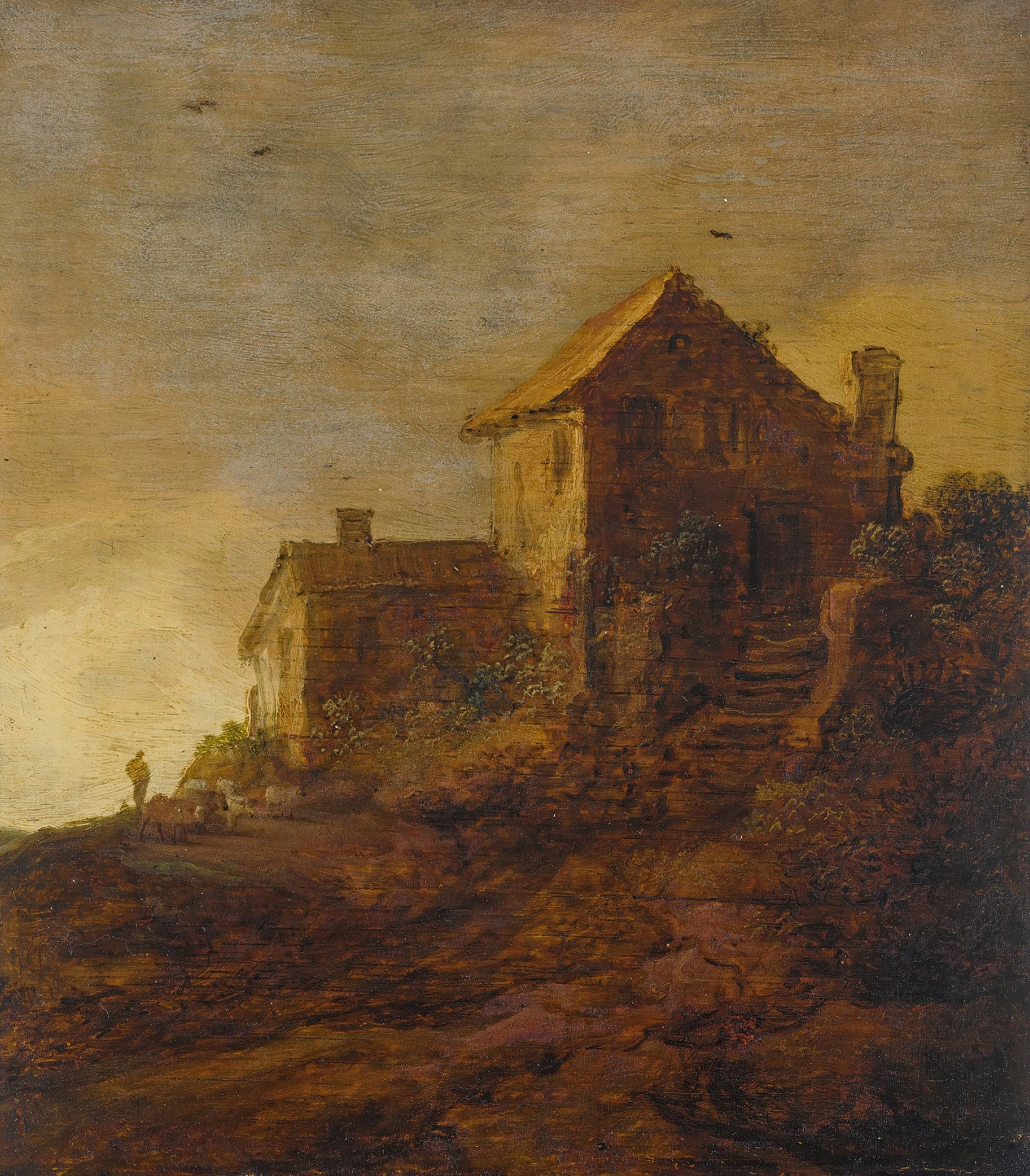
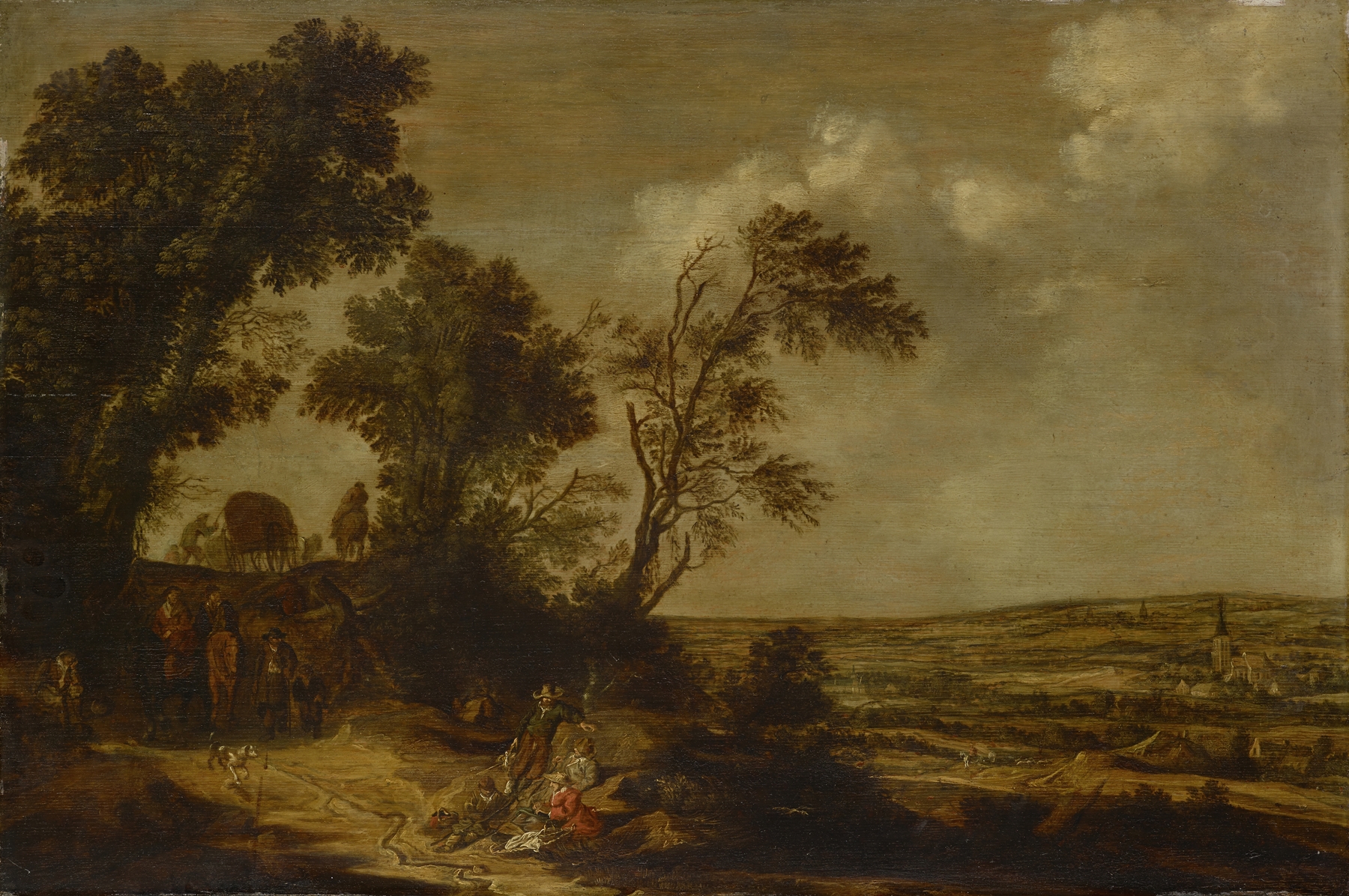
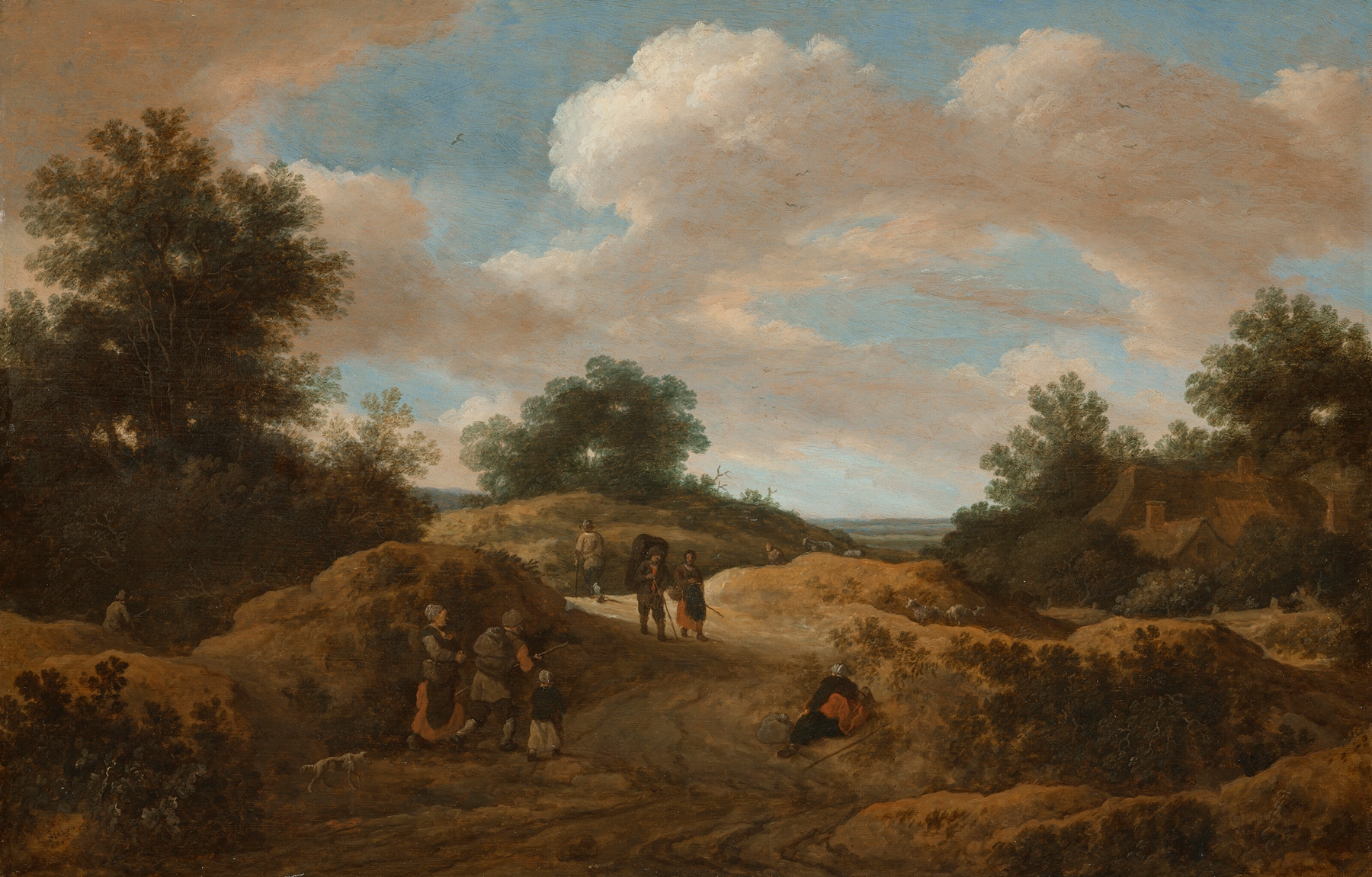
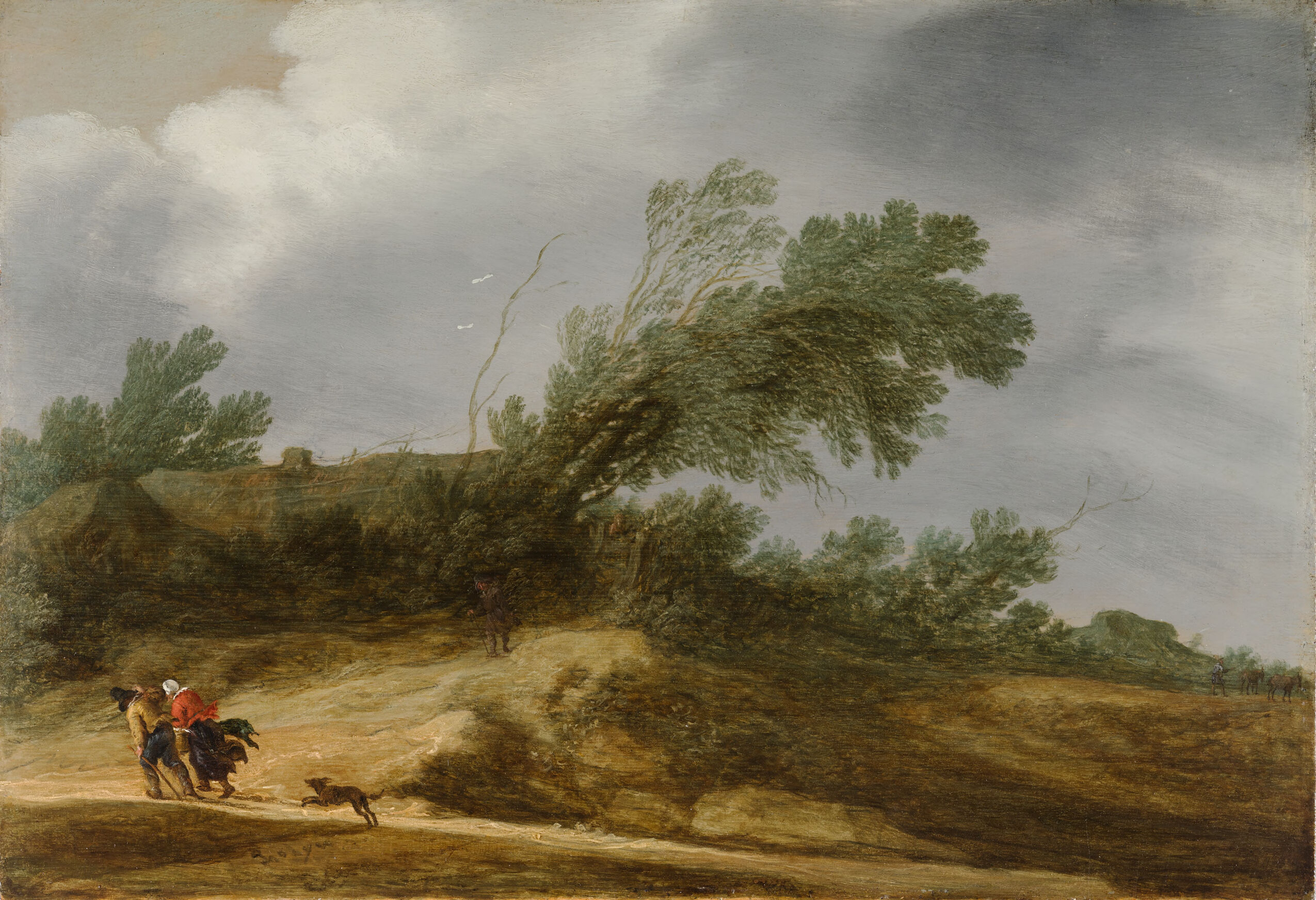
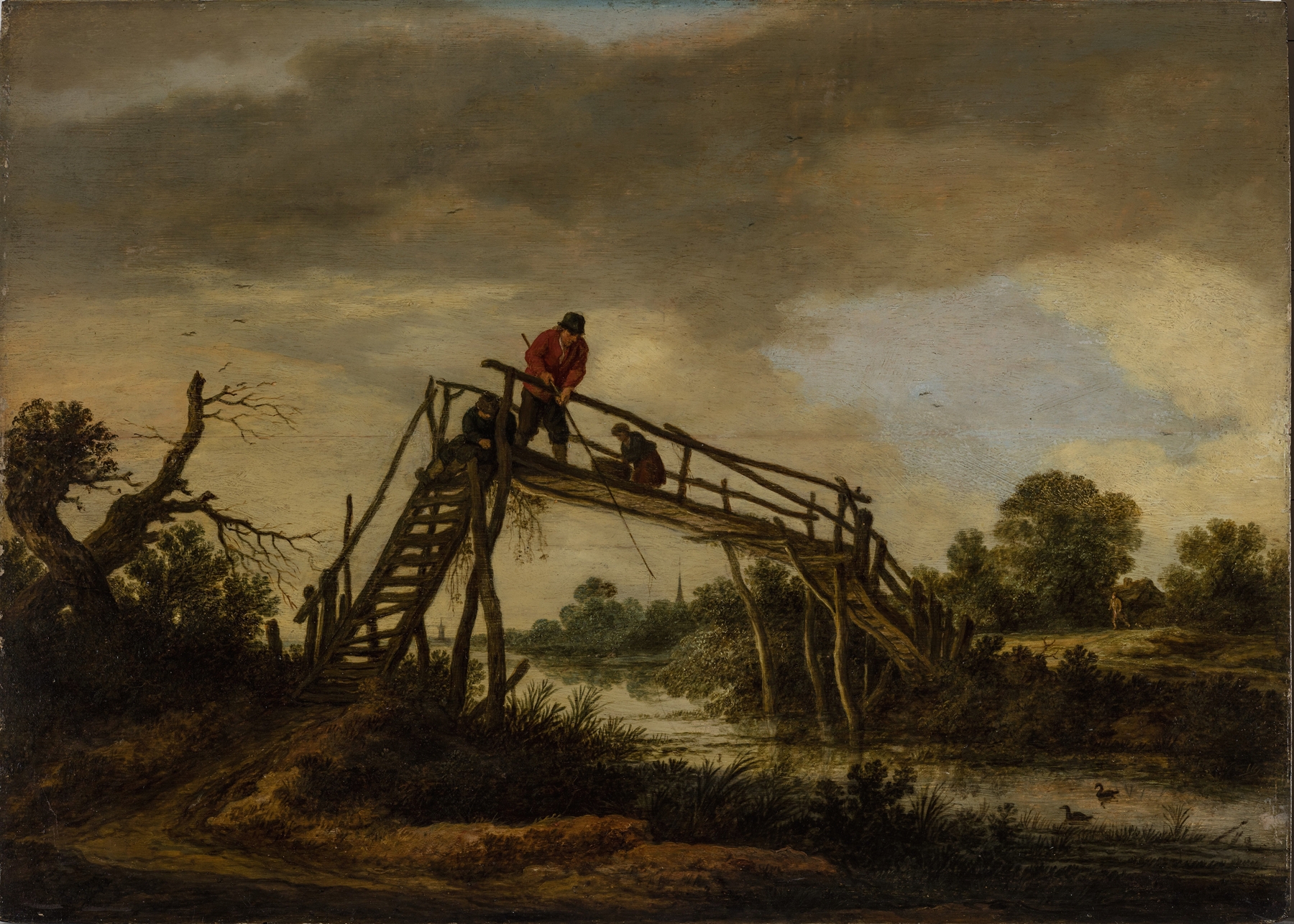
Could beauty survive in a century of chaos? Look to the left at the delicate arch of the bridge, where figures traverse, their silhouettes softened by the morning mist. The muted greens and browns of the landscape cradle this scene, drawing the eye across the gentle undulations of nature, while dappled sunlight filters through the clouds, illuminating the serene water below. Here, the artist employs a soft palette that evokes a sense of nostalgia, inviting viewers to linger in contemplation.
As you move deeper into the painting, note the juxtaposition of the tranquil scene with the solitary figure perched on the riverbank. This lone presence speaks volumes about the human experience—an embodiment of introspection amidst the idyllic setting. The expansive sky, though beautiful, feels heavy, suggesting an emotional weight that contrasts the vibrant tranquility of the landscape. The tension between solitude and beauty is palpable, revealing a complex narrative layered within the simplicity of the scene.
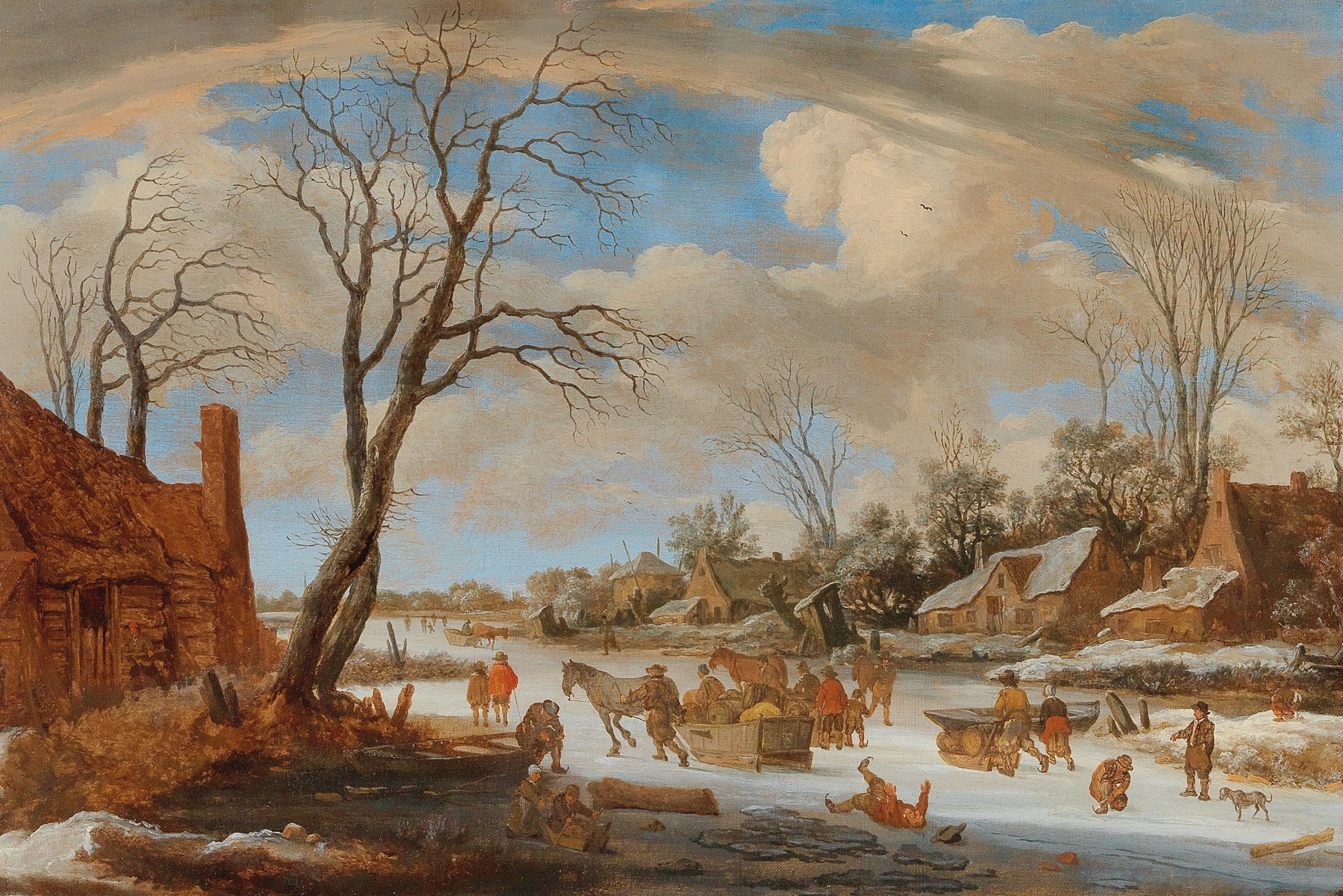
Created in 1652, this piece emerged during a time of artistic flourishing in the Netherlands, when landscapes became a prominent genre. Pieter de Molijn, painting amidst a shifting cultural landscape, found himself influenced by the burgeoning interest in nature’s beauty, yet the melancholic undercurrents of his work reflect a world marked by strife and uncertainty. His brush captures not only the picturesque but also the nuanced emotions of loneliness that resonate through centuries.