A Game of Horse and Rider — History & Analysis
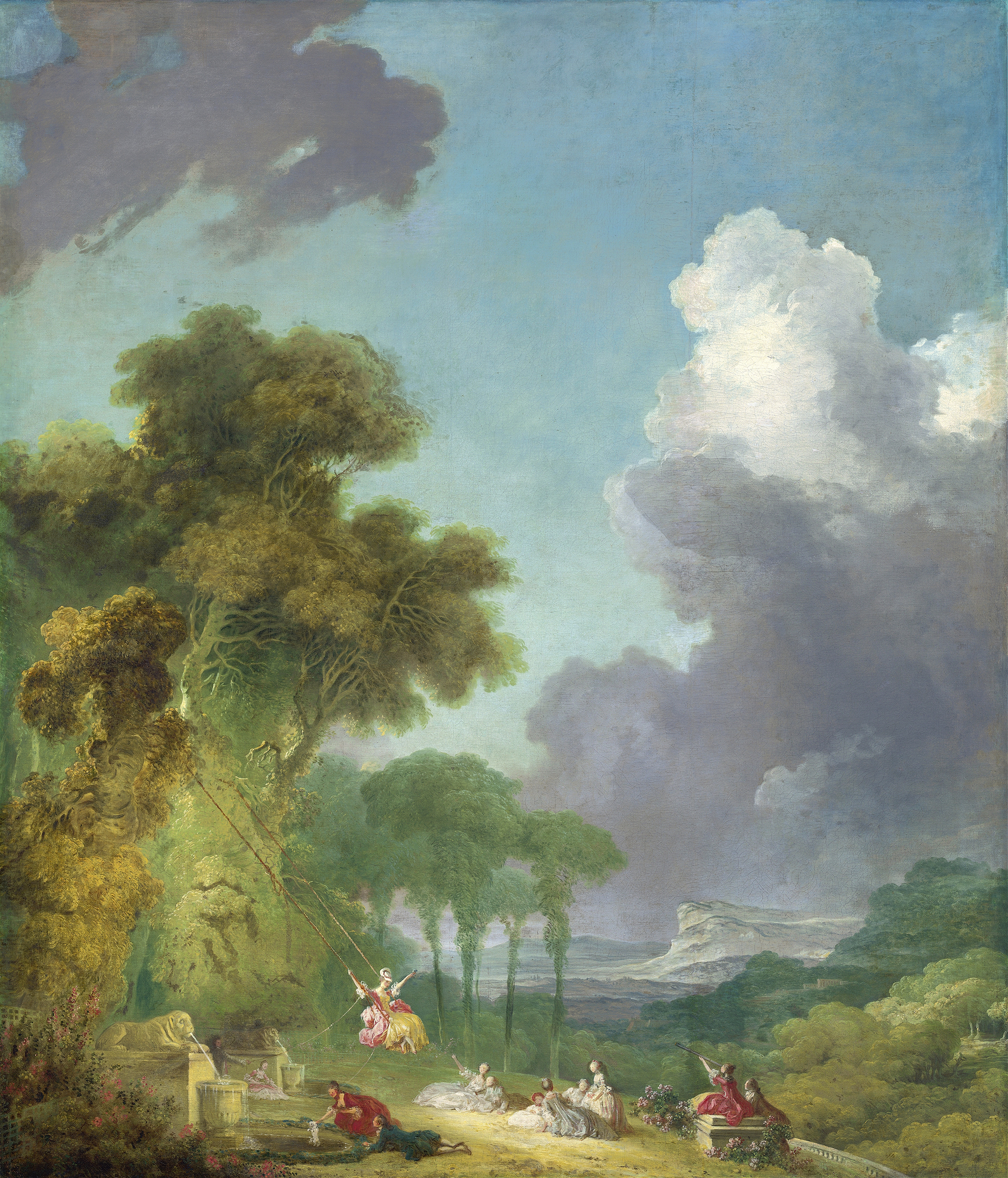
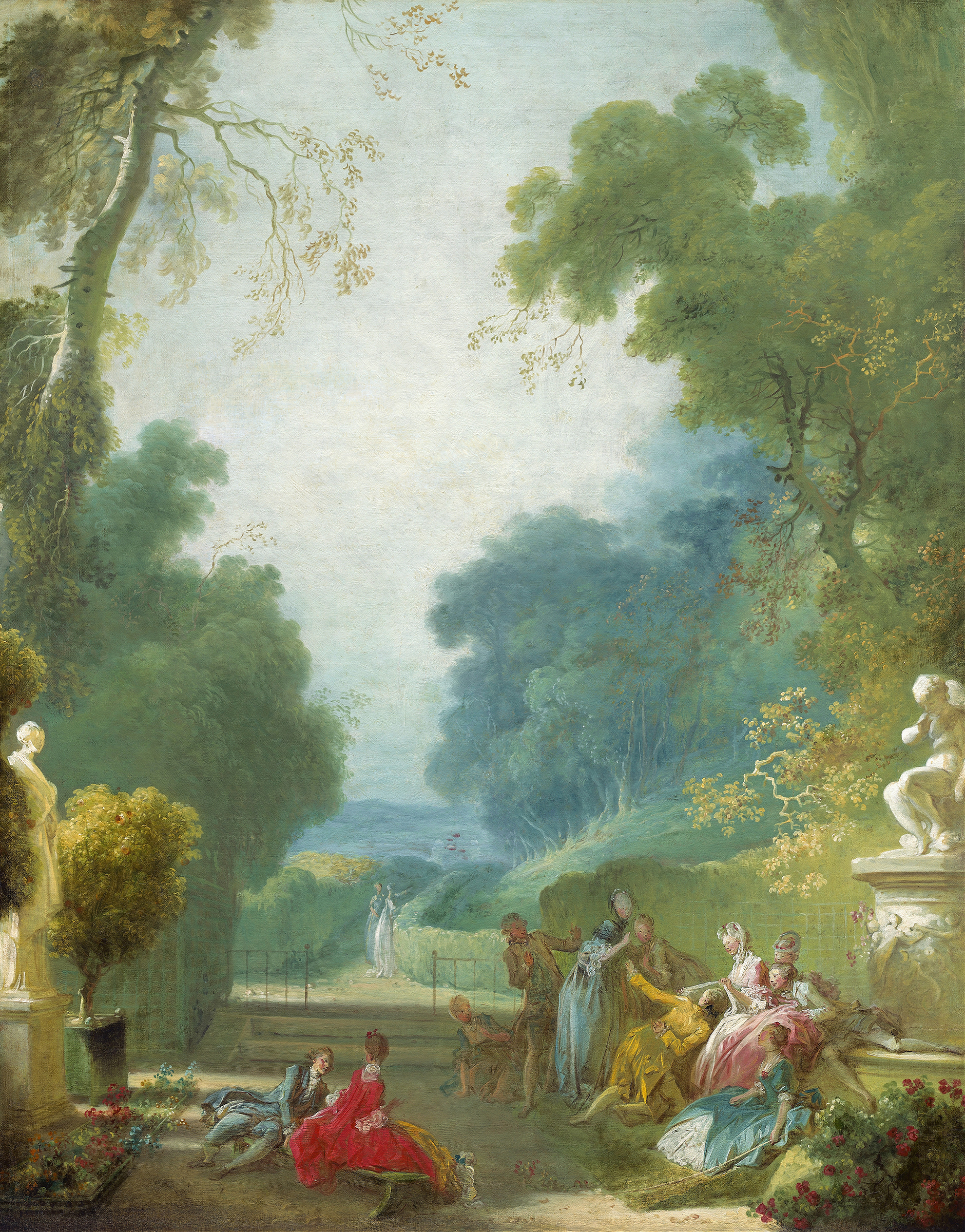
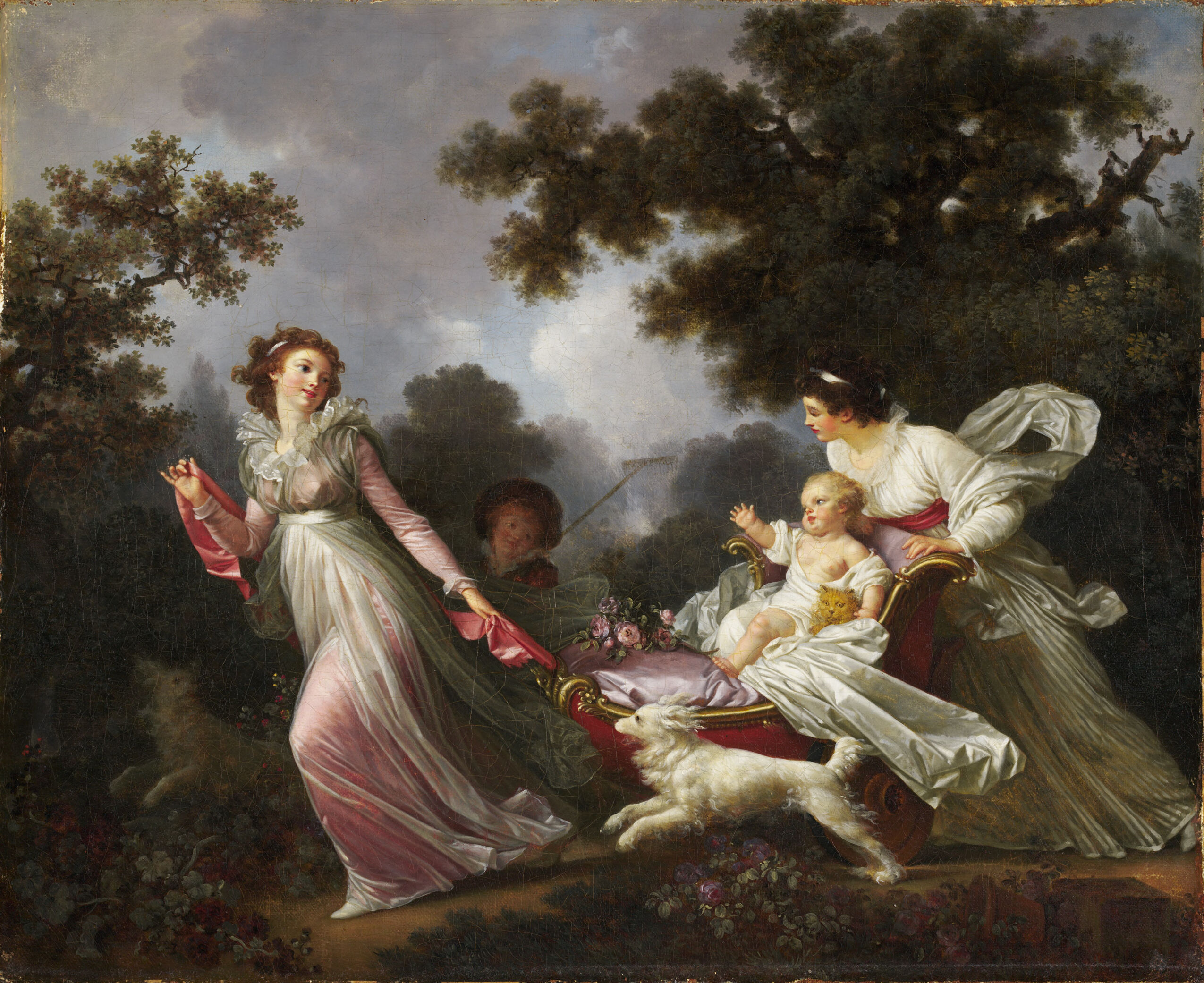
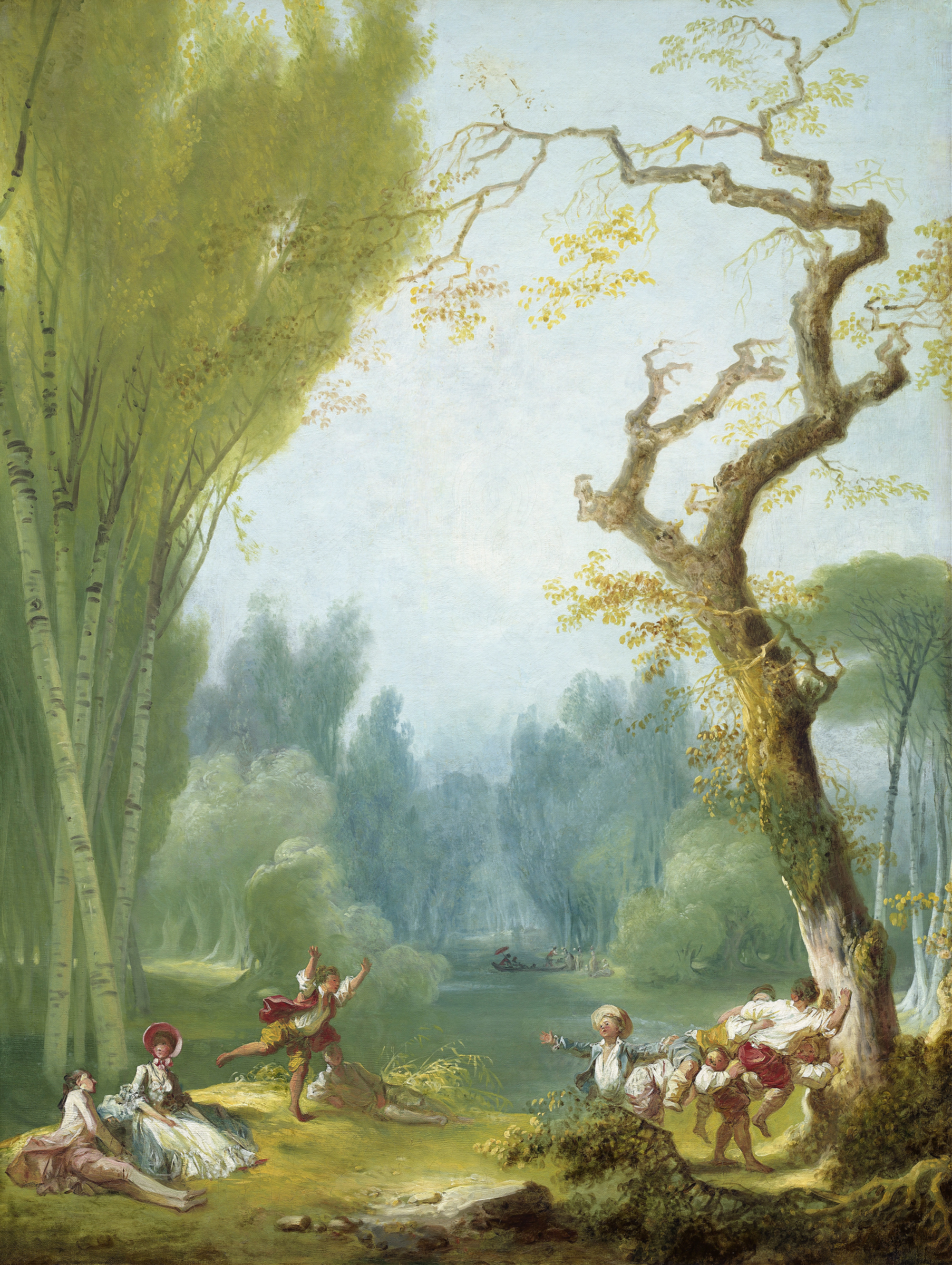
When did color learn to lie? In a world glimmering with illusion, the vibrant hues brush against reality, inviting us to discern the truth within the layers of paint. Look to the center, where the horse and rider converge, entwined in an agile dance of motion and grace. The dynamic composition draws the eye along the curves of the horse’s powerful muscles and the elegant posture of the rider, their figures adorned in rich, shimmering fabrics that catch the light.
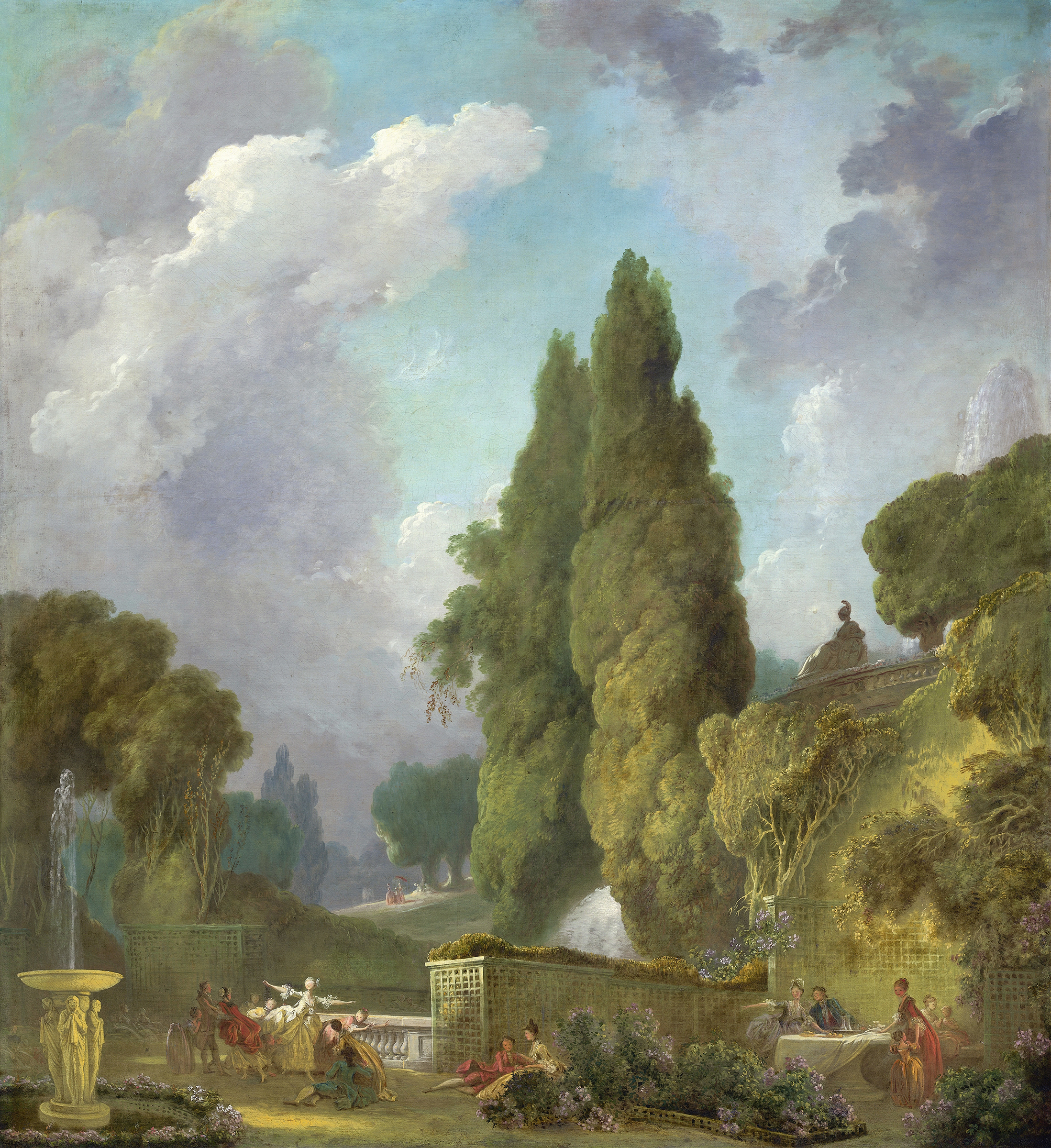
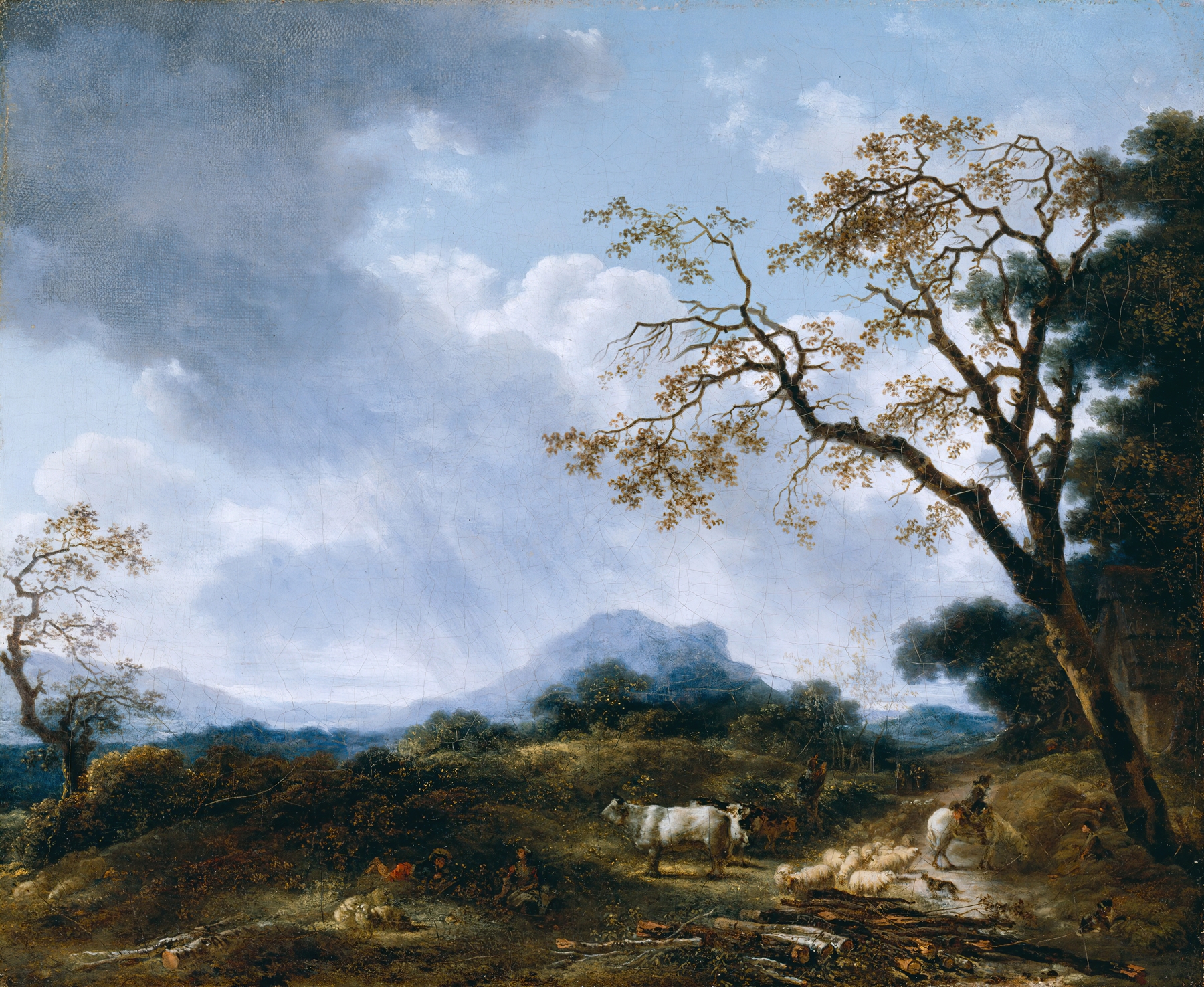
Notice how the soft greens and golds ripple through the background, creating a lush, almost deceptive landscape that enhances the vividness of the figures in the foreground. Fragonard’s brushwork, fluid yet precise, renders both the subjects and their surroundings in a dreamlike quality, blurring the lines between reality and fantasy. The painting pulsates with a playful tension, revealing contrasts between strength and delicacy, freedom and control. The relationship between the rider and horse can be interpreted as a metaphor for the intricate dance of human ambition against the untamed spirit of nature.
Additionally, the brushstrokes that seem to shimmer and flicker evoke the fleeting moments of joy and triumph, while also suggesting a deeper, more elusive truth hidden beneath the surface of their exuberant display. Created in France during the late 18th century, this work arrived at a time when Fragonard was wrestling with the changing tides of art and society. As Rococo ideals began to fade, shifting towards Neoclassicism, he explored themes of passion and intimacy within a world filled with visual opulence. This piece stands as a testament to his unique ability to infuse life with whimsy, all while navigating the complexities of an evolving artistic landscape.