The First Steps — History & Analysis

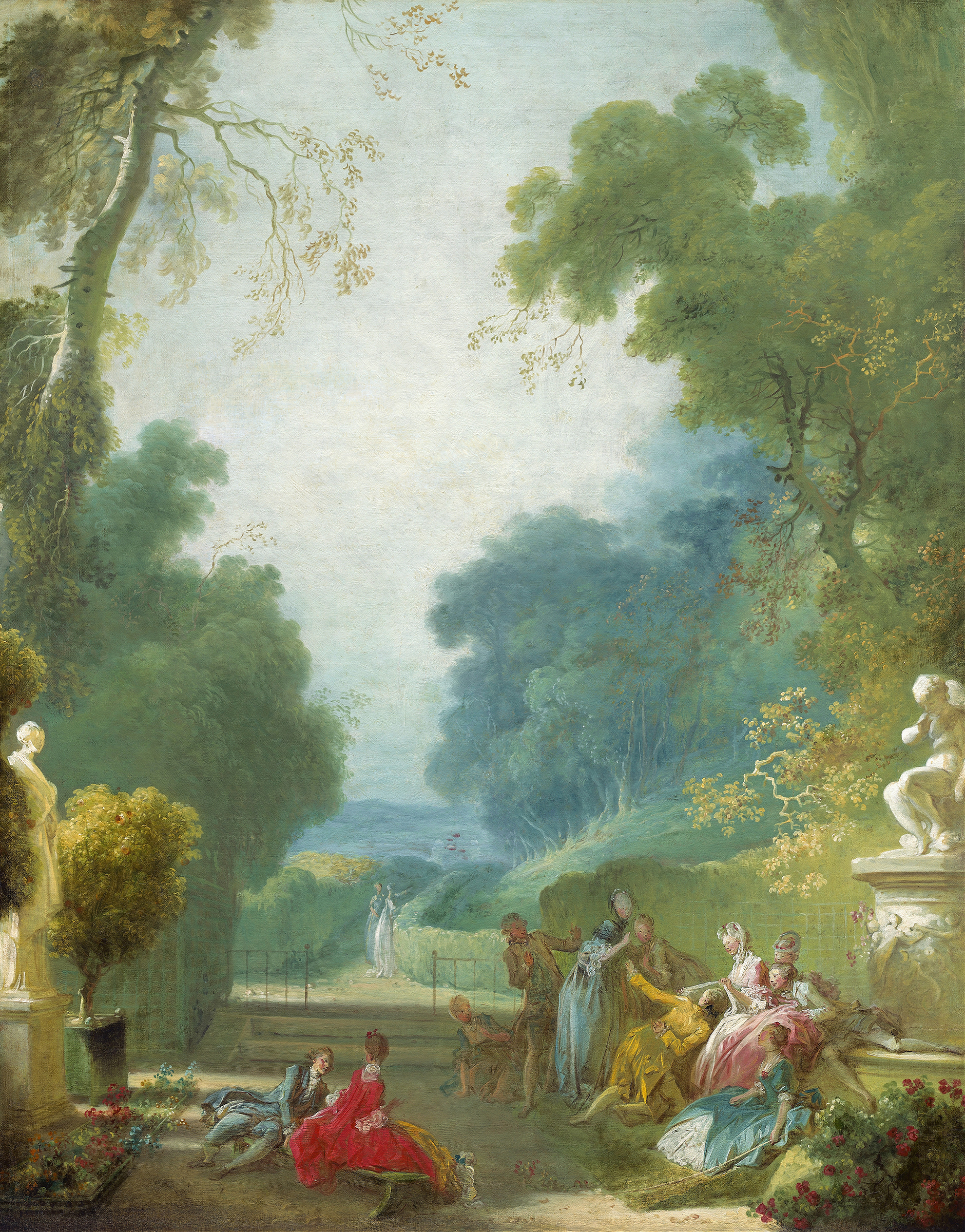
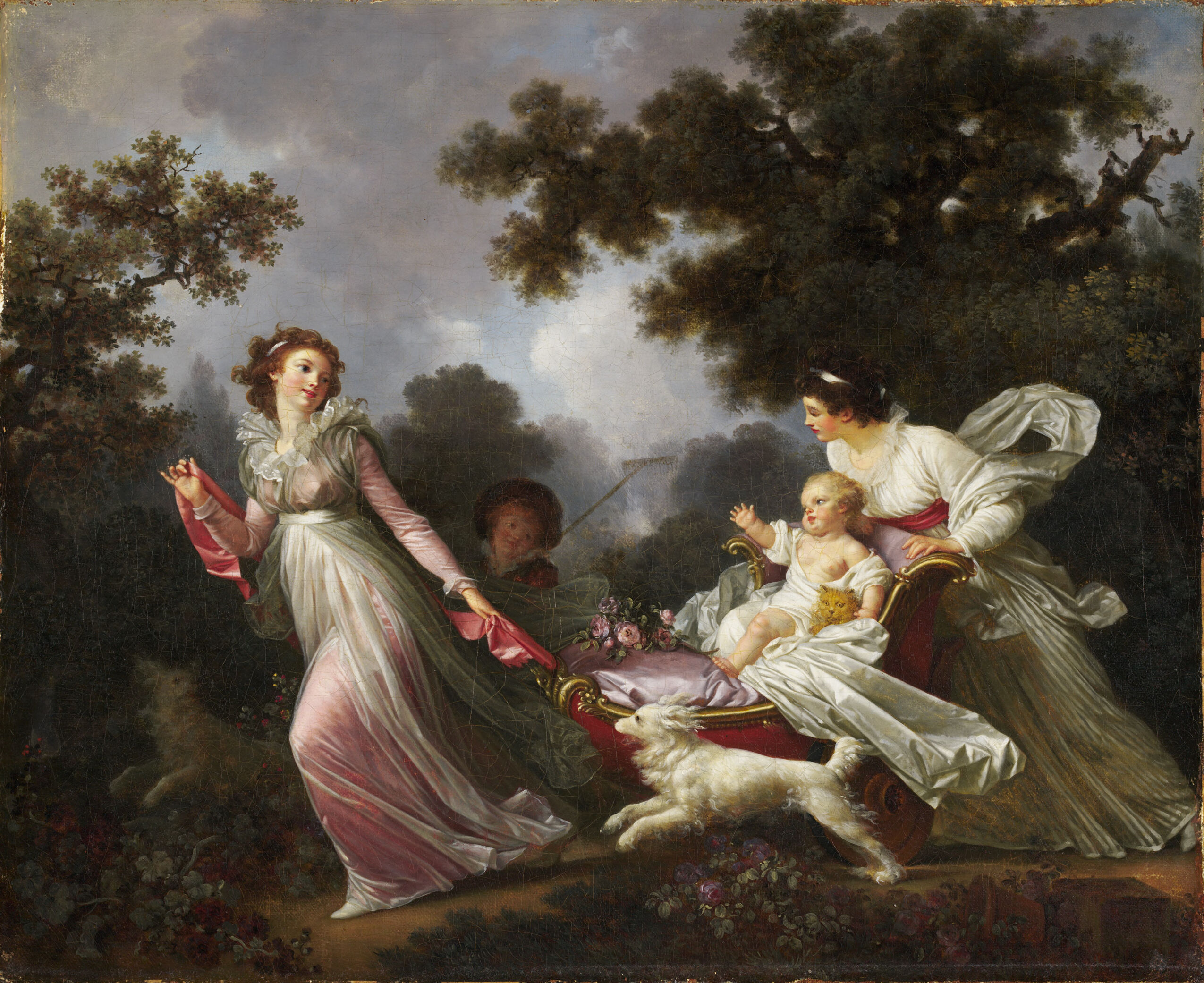
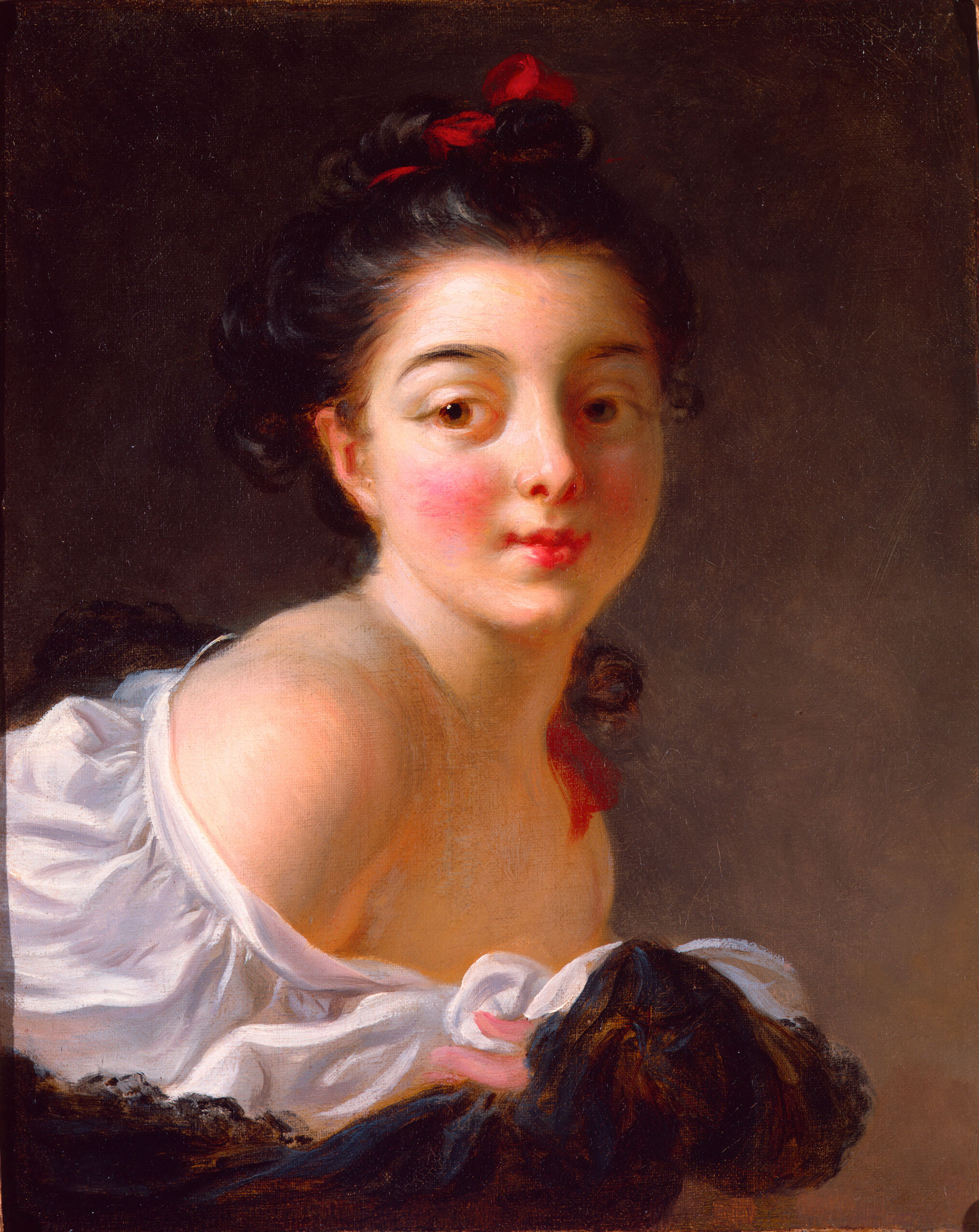
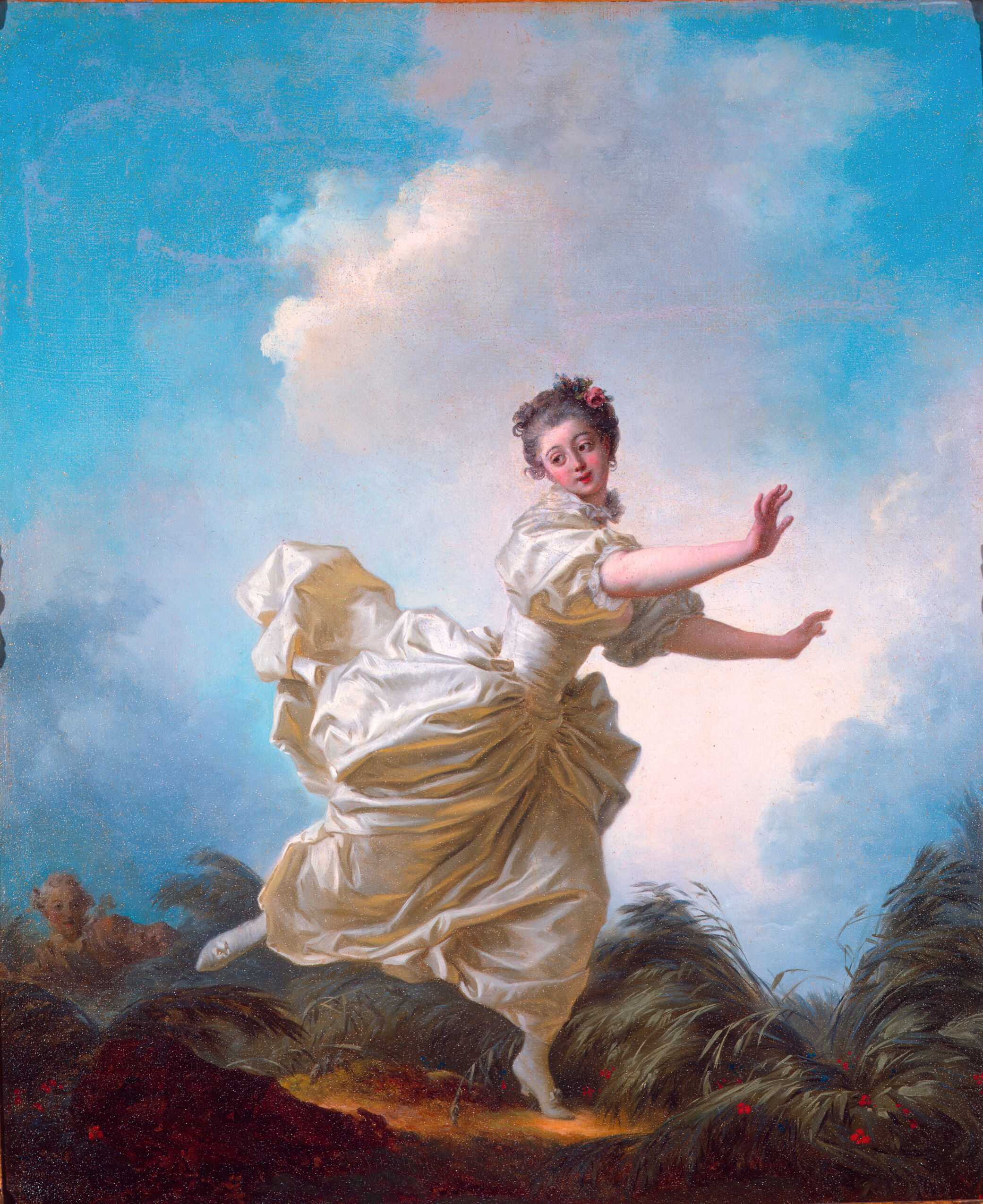
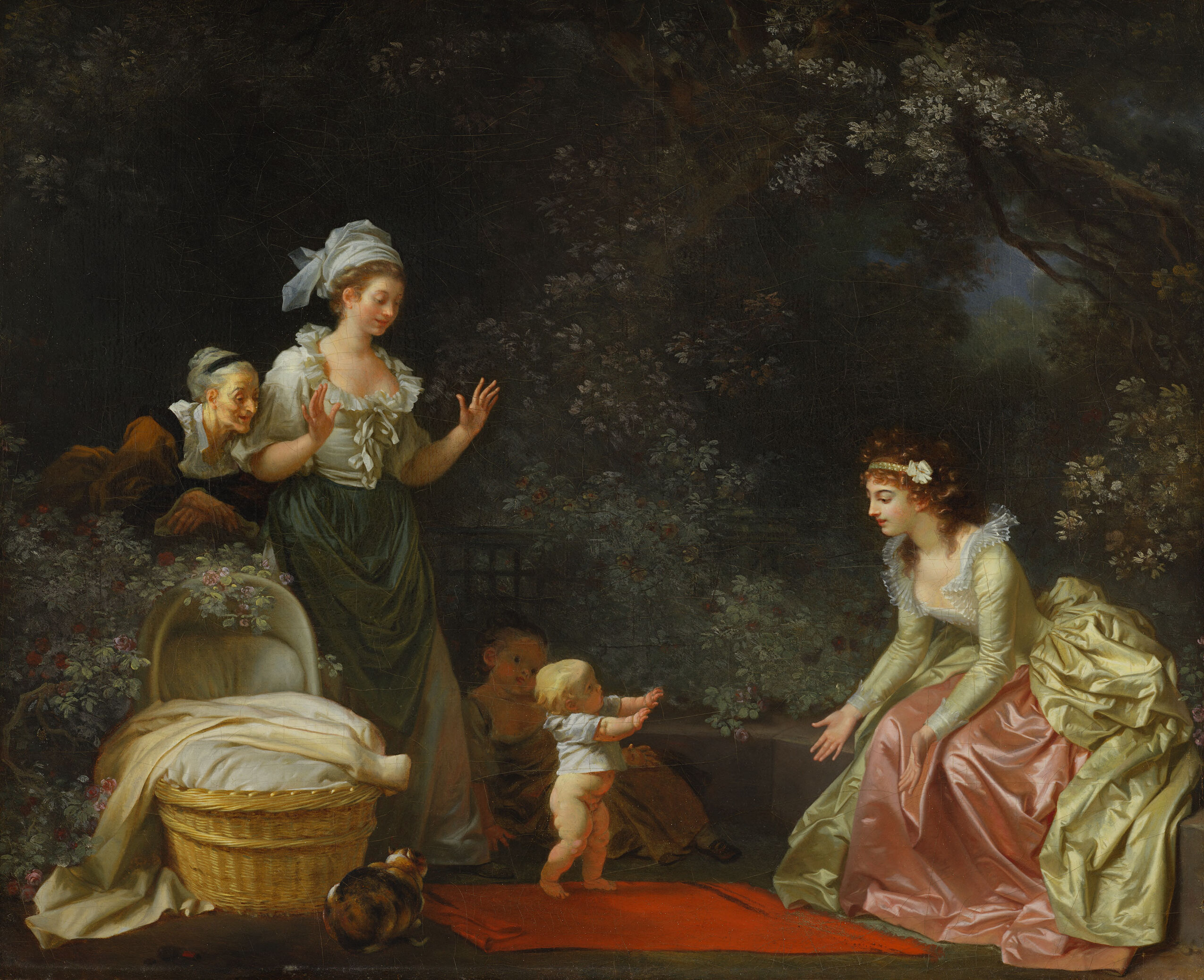
What secret hides in the quiet of the canvas? In The First Steps, a delicate dance between light and shadow reveals an intimate moment of discovery and vulnerability. Look to the center of the piece, where a small child teeters on the brink of independence, their fragile form illuminated by a soft, golden glow. The surrounding figures, cloaked in muted tones, lean in with expressions that blend encouragement and apprehension. Notice how the warm highlights contrast with the darkening shadows that curl around the edges, embodying the duality of growth—excitement tinged with fear.
Fragonard’s brushwork creates a fluidity, inviting the viewer to feel the energy of this pivotal moment. Within the interplay of light and shadow lies a profound commentary on the passage of time and the journey of life. The hesitant steps of the child signify not just physical growth but the emotional complexities of stepping into the unknown. The attentive adults symbolize protective love, yet their darker silhouettes seem to hint at the burdens that accompany every leap into adulthood.
The contrast of bright and dark not only enhances the visual depth but also speaks to an inner tension between safety and risk. Fragonard painted this piece in France between 1780 and 1785, during a dynamic period leading to the French Revolution. At this time, he was grappling with the shifting tides of artistic expression, moving from the playful Rococo style towards a more nuanced and emotional realism. This transition reflects not only his personal artistic evolution but also the broader cultural transformations occurring in society, revealing layers of meaning within this seemingly simple scene.