The Swing — History & Analysis
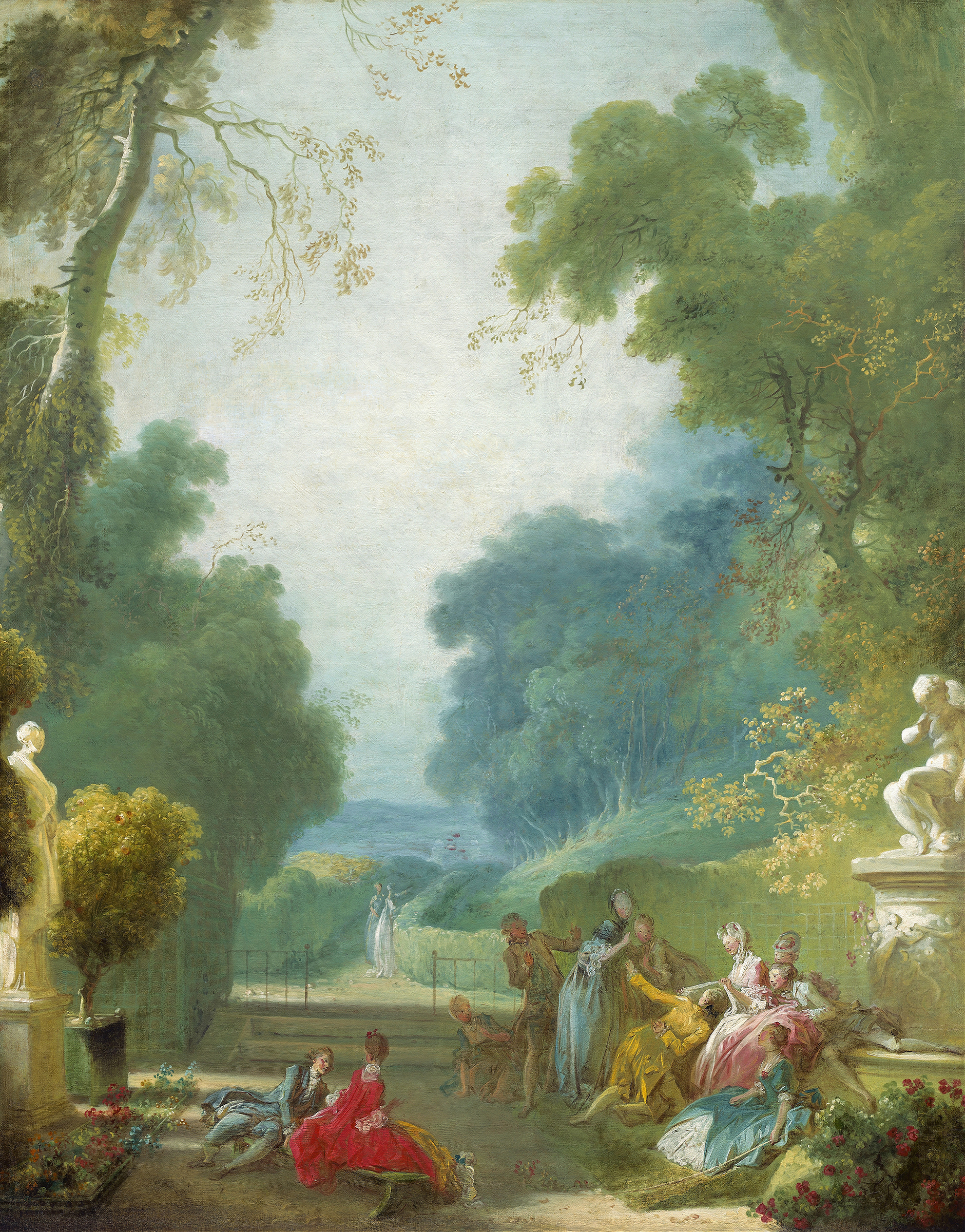
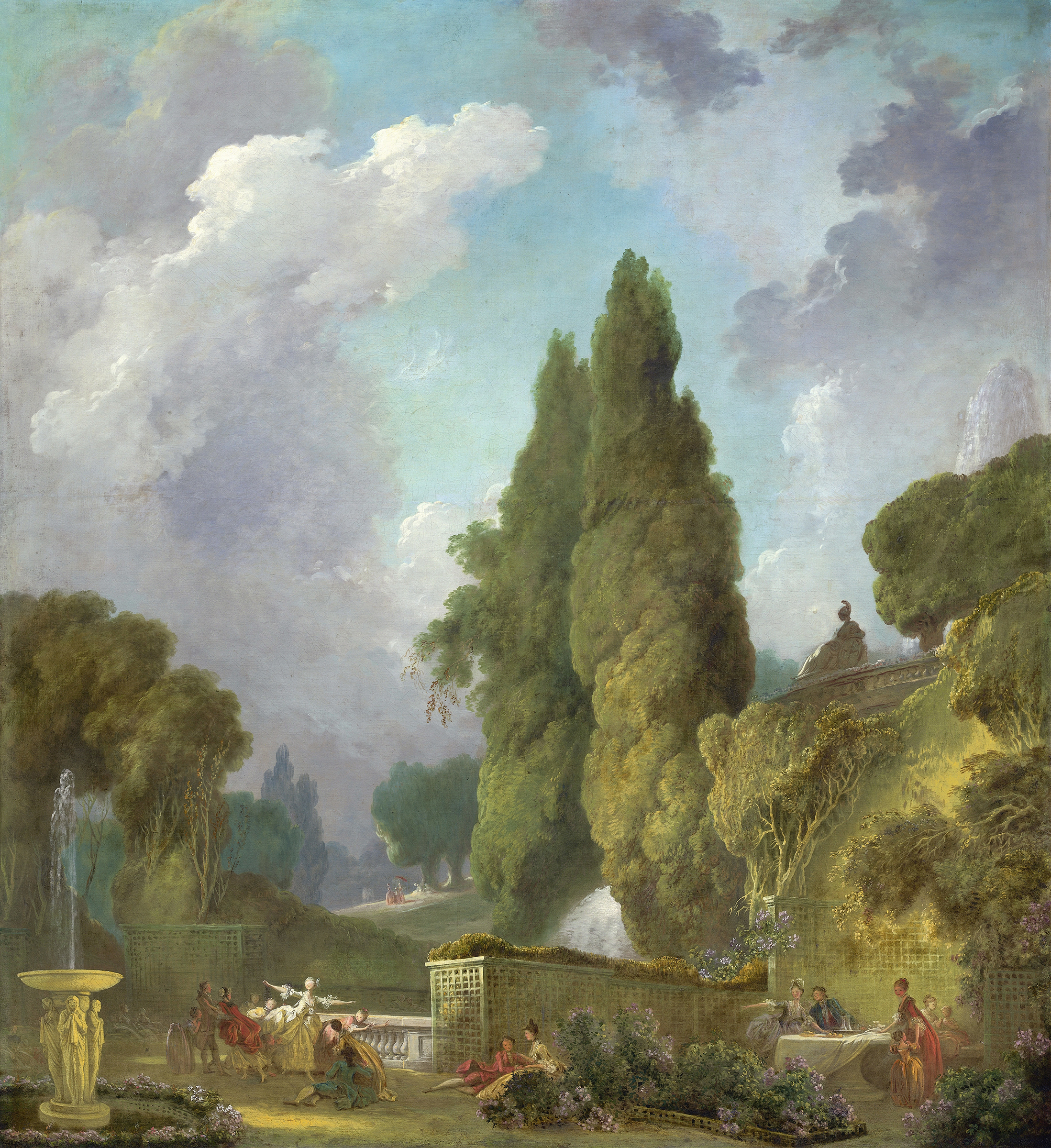
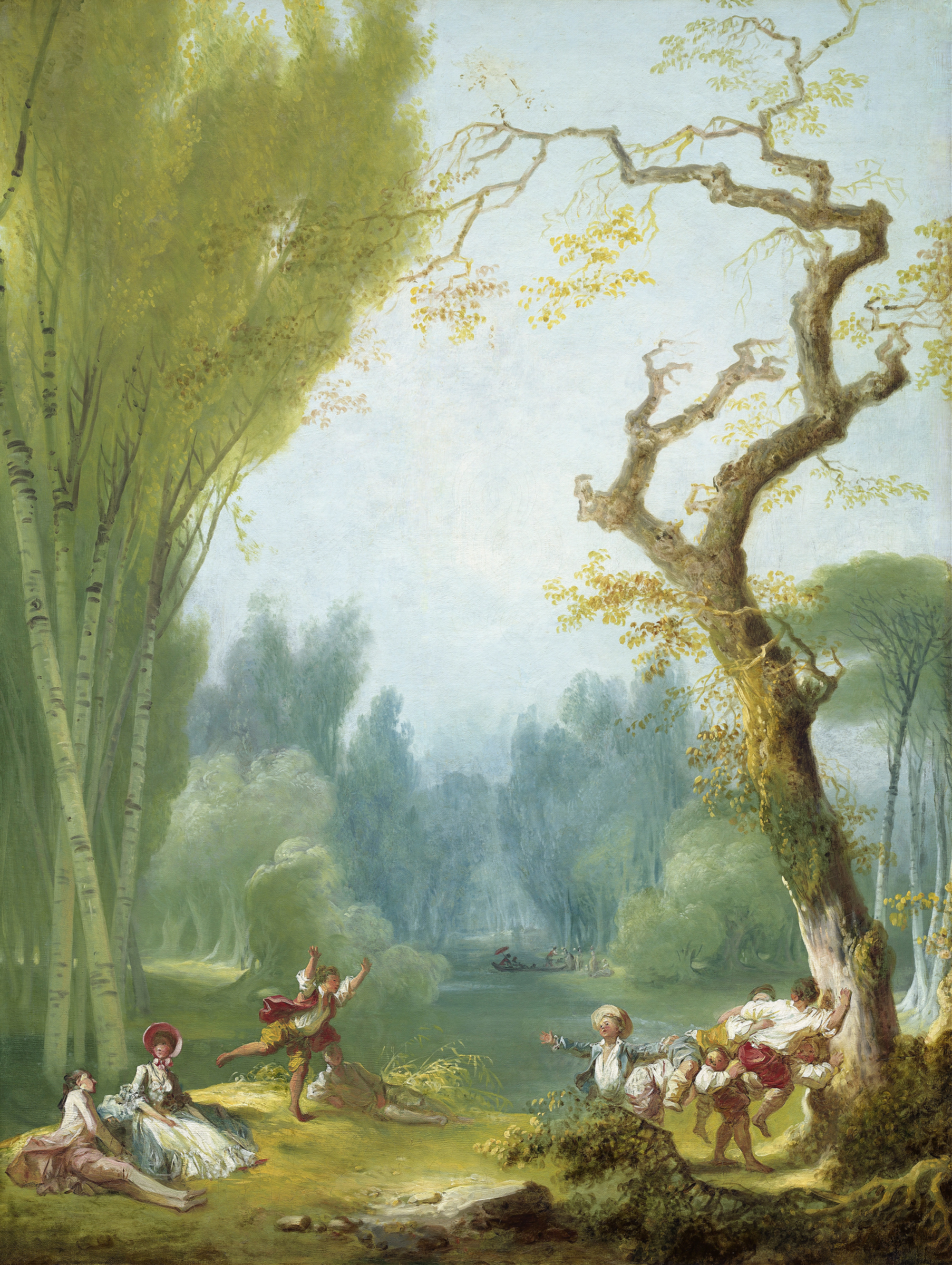
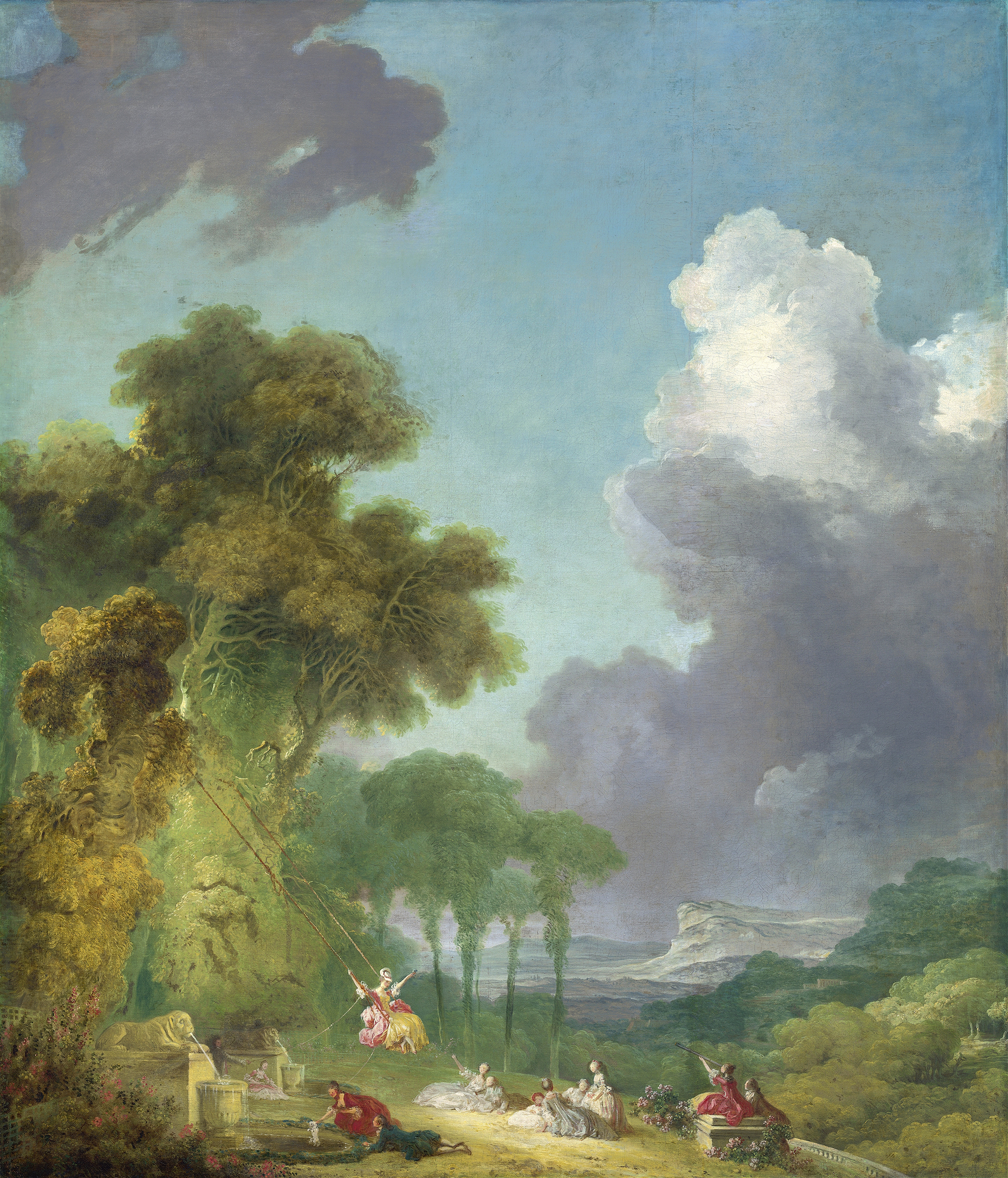
“Every brushstroke is a heartbeat remembered.” In the delicate dance of deception, how often do we misinterpret the gestures of those we trust? Focus on the vibrant colors cascading throughout the canvas, where lush greens and soft pastels envelop the scene. The swing is centrally positioned, a whirlwind of skirts and limbs, inviting the viewer to engage with its playful motion. Notice how the light filters through the foliage, creating a dappled effect that highlights the carefree joy of youth while casting shadows of uncertainty.
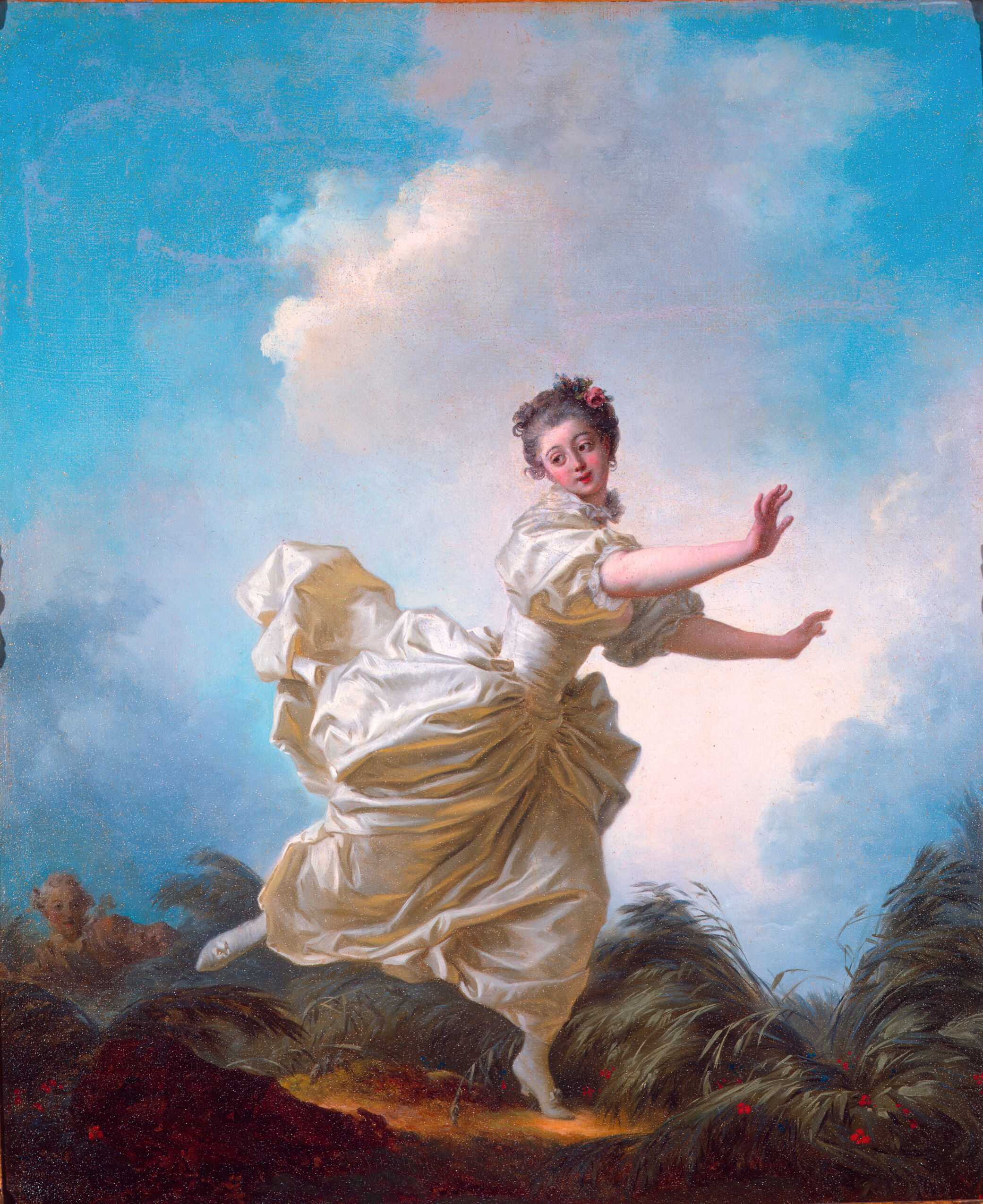
The poised figure in the foreground, poised to launch herself through the air, embodies both exhilaration and the hint of something amiss. As you delve deeper, contemplate the complex interplay between innocence and betrayal. The hidden admirer lurks in the shadows, his gaze fixated on the girl as she swings, suggesting an illicit desire that intertwines with the joy of the moment. The ambiguity of relationships is palpable; the motion of the swing symbolizes freedom, yet it also hints at vulnerability and the fine line between pleasure and peril.
Each element in this charming tableau is a reminder of how easily trust can be undermined. Created around 1775-1780 during a pivotal time in French Rococo art, The Swing showcases Fragonard’s command over color and composition. He was entrenched in a world of opulence and sensuality, embracing the playful spirit of the era while subtly commenting on its moral ambiguities. This period marked a shift in the art world, as the frivolous themes of Rococo began to wane, paving the way for the neoclassical movement that would follow.