The Grand Staircase of the Villa d’Este at Tivoli — History & Analysis
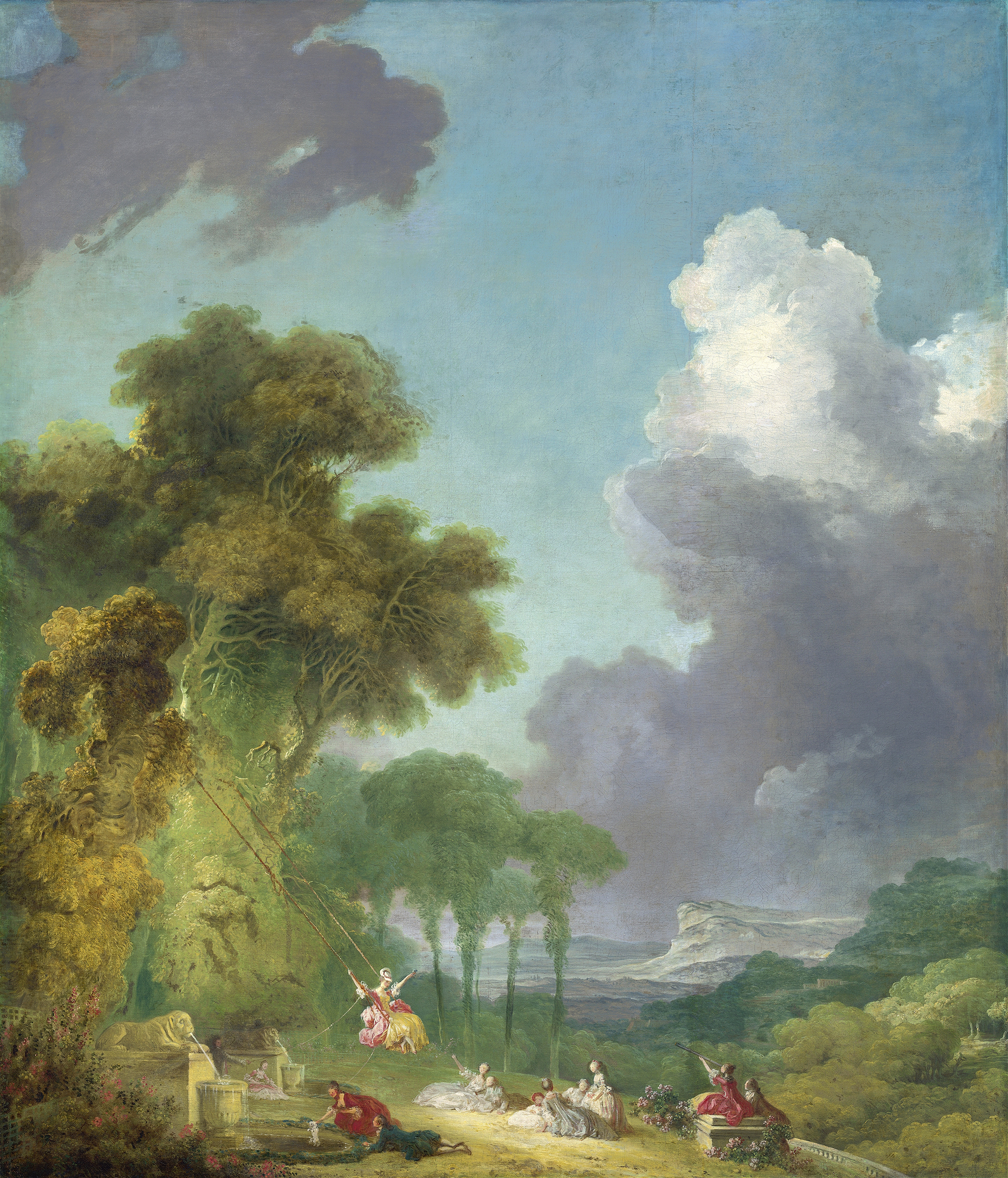
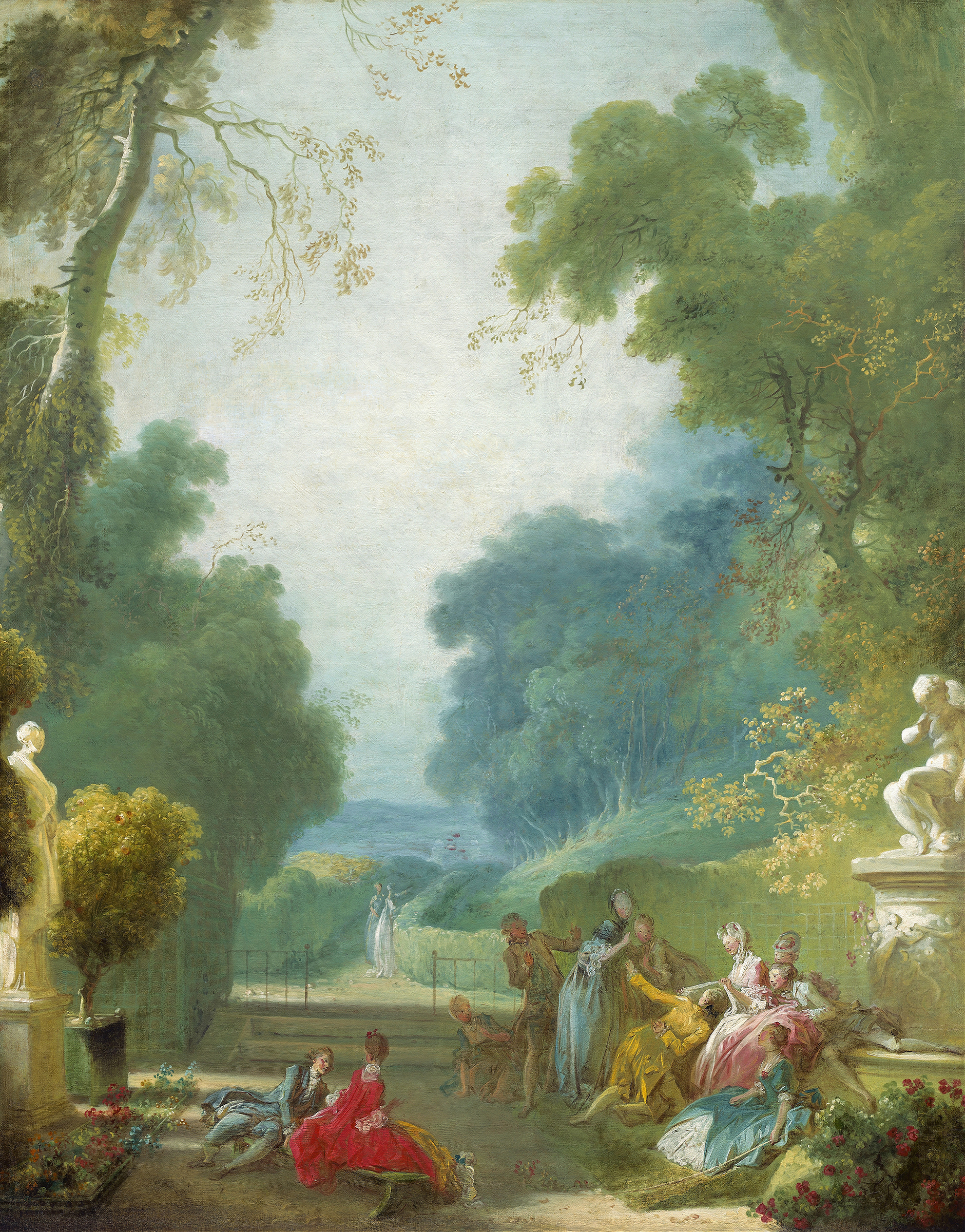
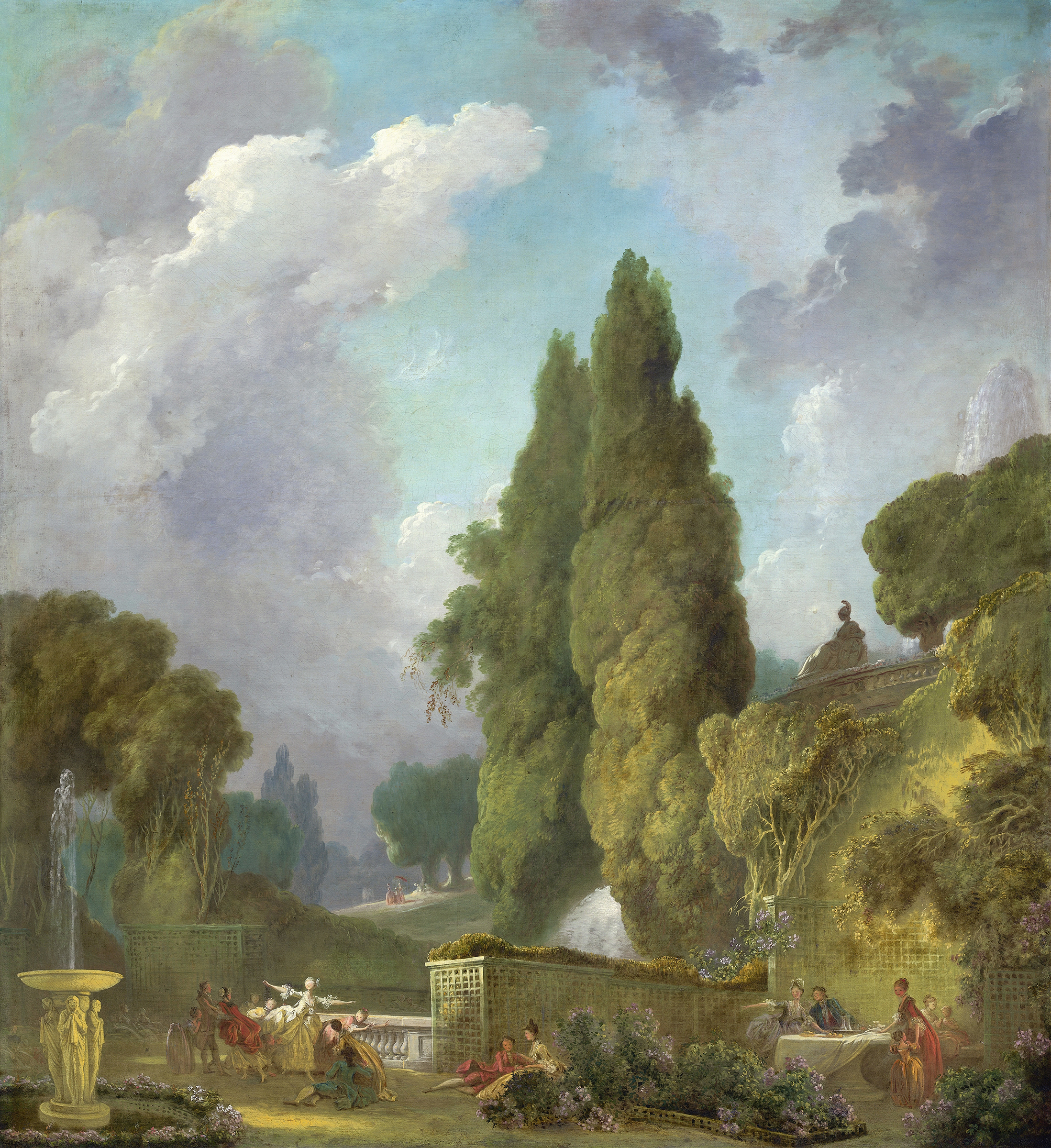
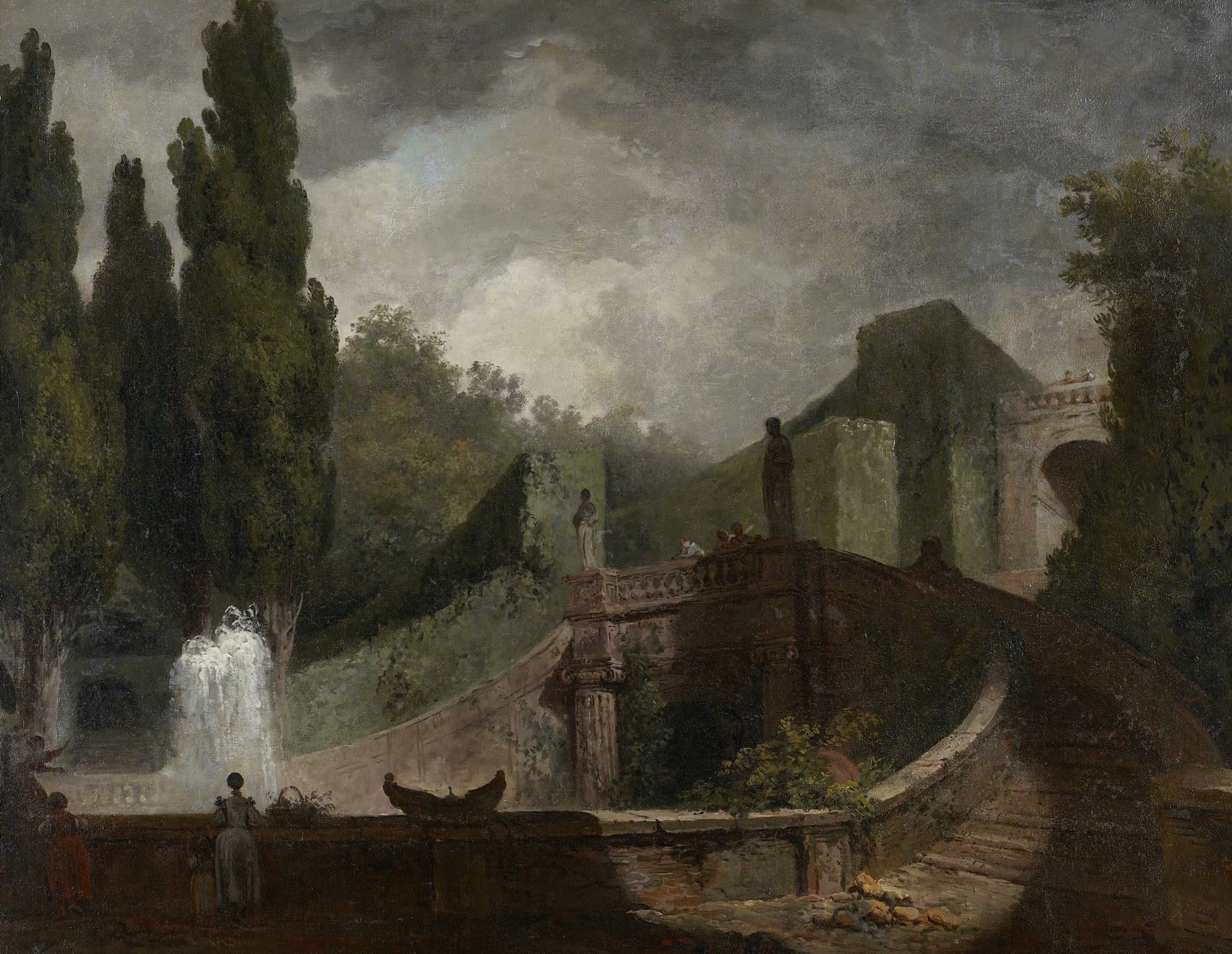
Could beauty survive in a century of chaos? In The Grand Staircase of the Villa d’Este at Tivoli, Fragonard invites us to explore the harmony of color and form as a refuge from the tumult of the 18th century. Look to the vibrant greens and cerulean blues that dominate the scene, drawing your gaze first to the cascading staircase, elegantly framed by lush foliage. Notice how the light dances upon the steps, creating a play of shadow and illumination that guides your eye upward, where the grandeur of the villa awaits.
The artist's deft brushwork captures the essence of the Italian landscape, with each stroke breathing life into the meticulously manicured gardens and opulent architecture surrounding the staircase. Delve deeper, and you’ll find layers of meaning hidden in the interplay of color and structure. The staircase symbolizes a journey, perhaps reflecting the ascent toward enlightenment during an age of shifting philosophies. The vibrant hues evoke a sense of joy and tranquility, in stark contrast to the societal turmoil of the time.
Each detail — from the subtle blush of the flowers to the carefully rendered stonework — speaks to a pursuit of beauty, suggesting a fleeting escape from chaos. Fragonard painted this work in 1760, during a period when France was on the brink of revolutionary change. The Rococo style was flourishing, characterized by its exuberance and ornate details, while the artist himself was navigating the complexities of fame and patronage. Amidst this backdrop, he concentrated on capturing the essence of beauty, making The Grand Staircase a testament to the enduring allure of nature and art amid uncertainty.