The Beloved Child — History & Analysis
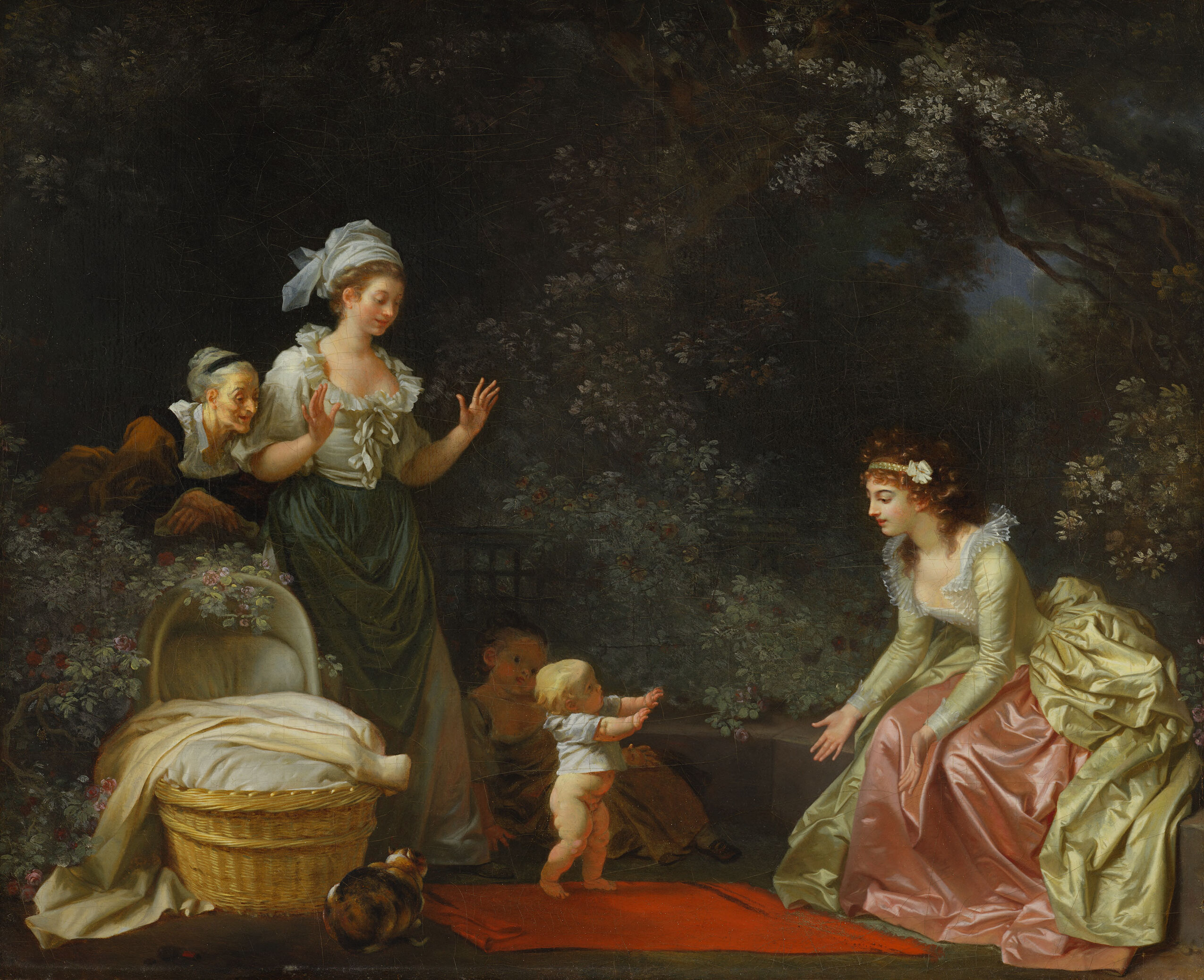
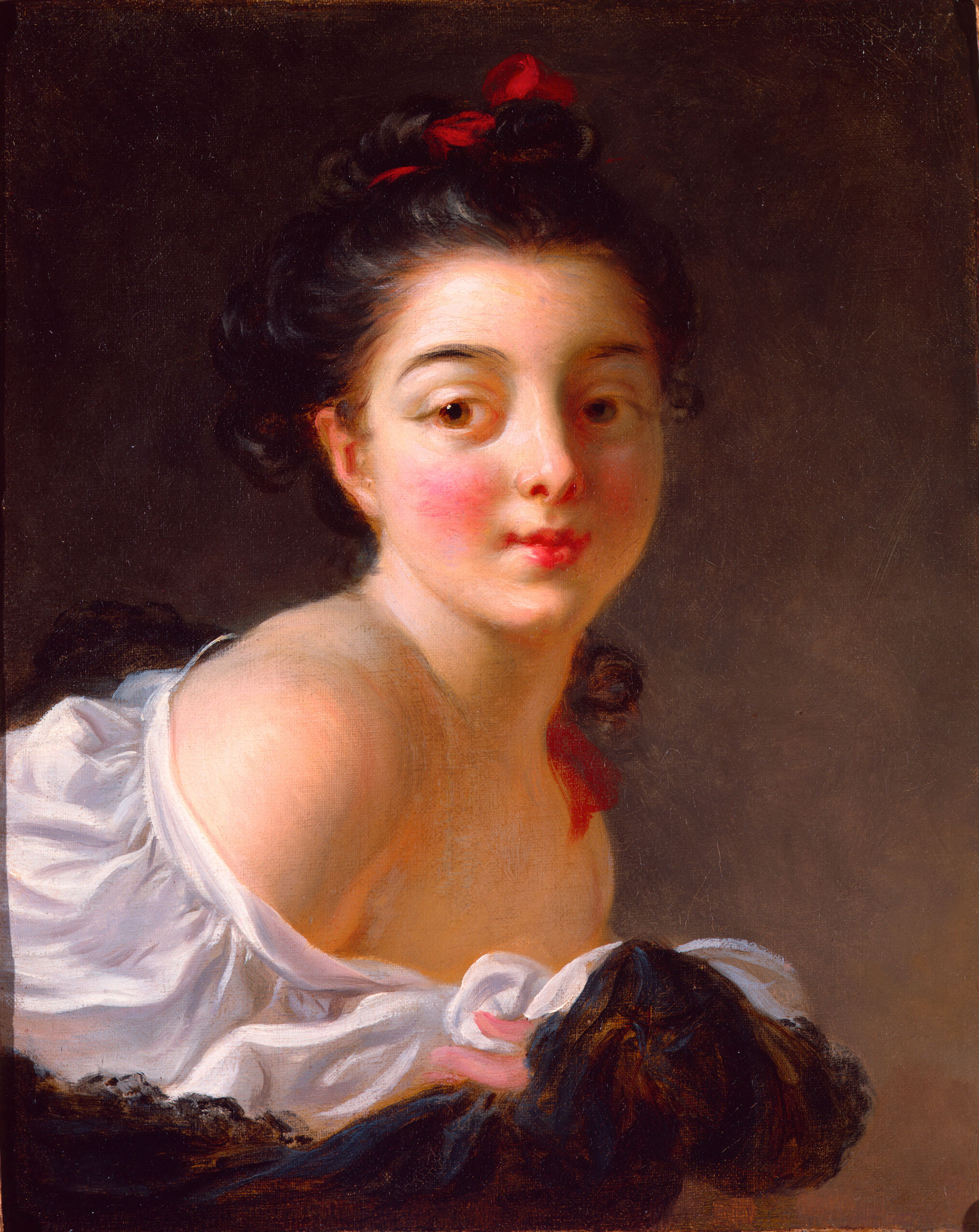
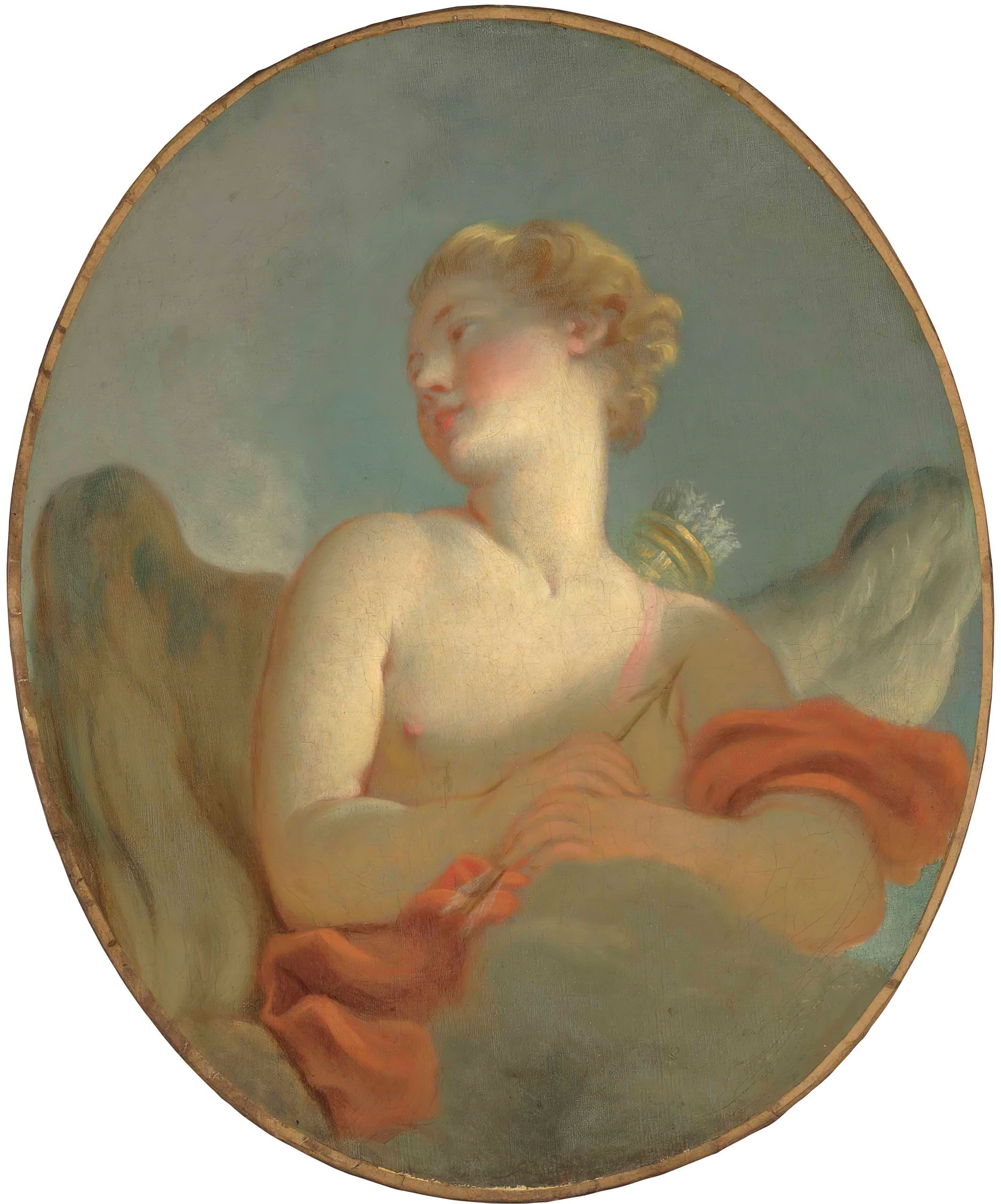
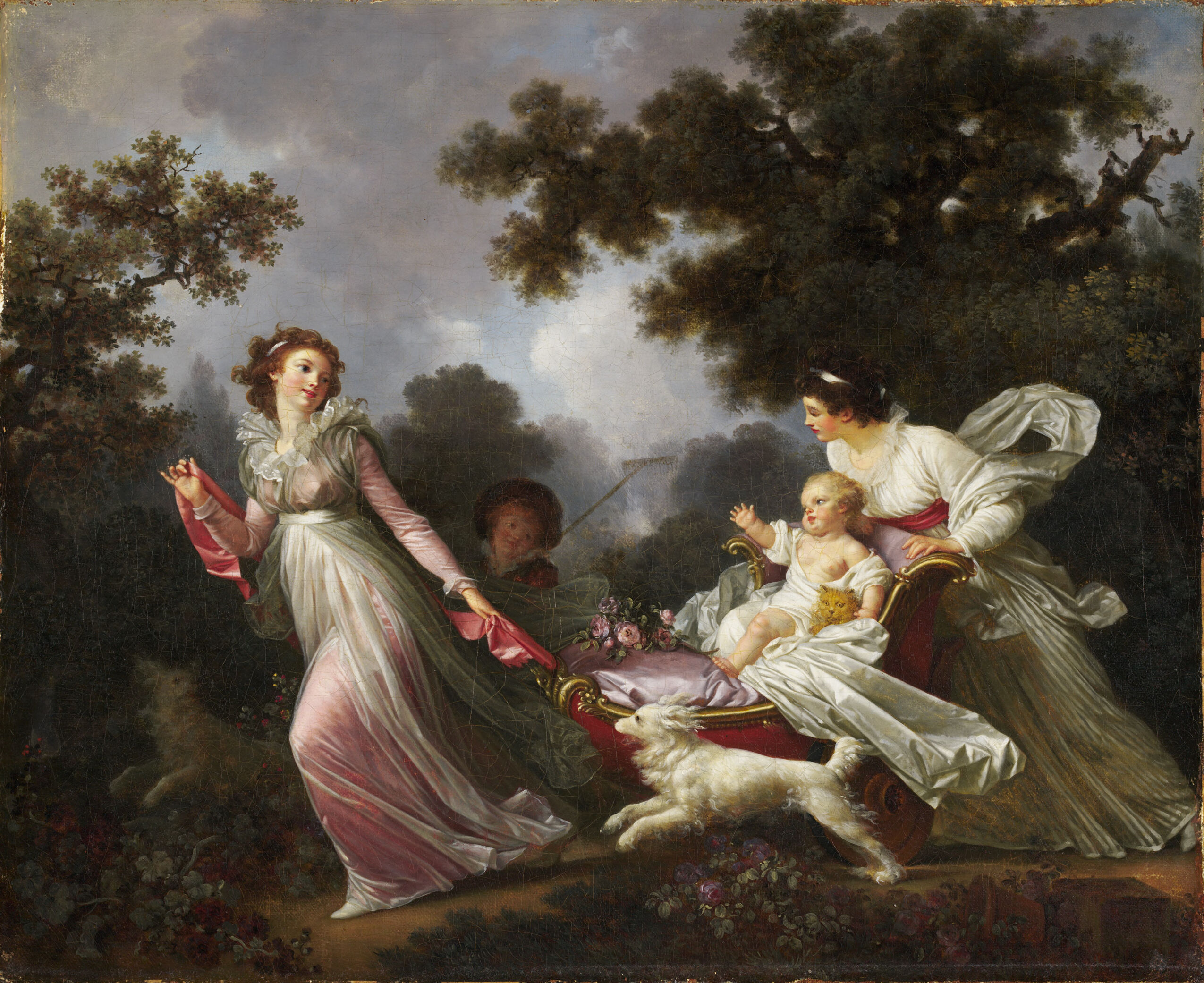
“The canvas doesn’t lie — it simply waits.” In the delicate stillness of The Beloved Child, chaos weaves itself into the fabric of innocence, beckoning the viewer to explore the layers of emotion beneath its tranquil surface. Focus on the central figure of the child, cradled lovingly within the embrace of vibrant textiles. The soft hues of pinks and creams emanate warmth, while the verdant greens framing the scene create a sense of nature’s vitality. Notice how the gentle folds of the drapery cascade around the child, guiding your gaze with an almost magnetic pull.
The artist’s deft brushstrokes give life to the child’s cherubic features, contrasting sharply with the tumult of the world outside the frame. Hidden within this serene portrayal are whispers of chaos. The child’s tender expression, seemingly untouched by the world, stands in stark juxtaposition to the lavish surroundings, hinting at the fragility of innocence in a society rife with upheaval. The meticulous detail in the background foliage suggests a wildness that looms just beyond the sanctuary of love, embodying the tension between safety and the unpredictable nature of life itself.
Created in the early 1780s, during a period of significant social and political strife in France, this work reflects Jean-Honoré Fragonard’s exploration of intimacy amid a turbulent era. Fragonard, known for his playful and romantic themes, was navigating the decline of the Rococo style while responding to the changes in artistic ideals around him. In this painting, he captured a fleeting moment of affection, balancing beauty and chaos in a rapidly shifting world.