Blindman’s Buff — History & Analysis
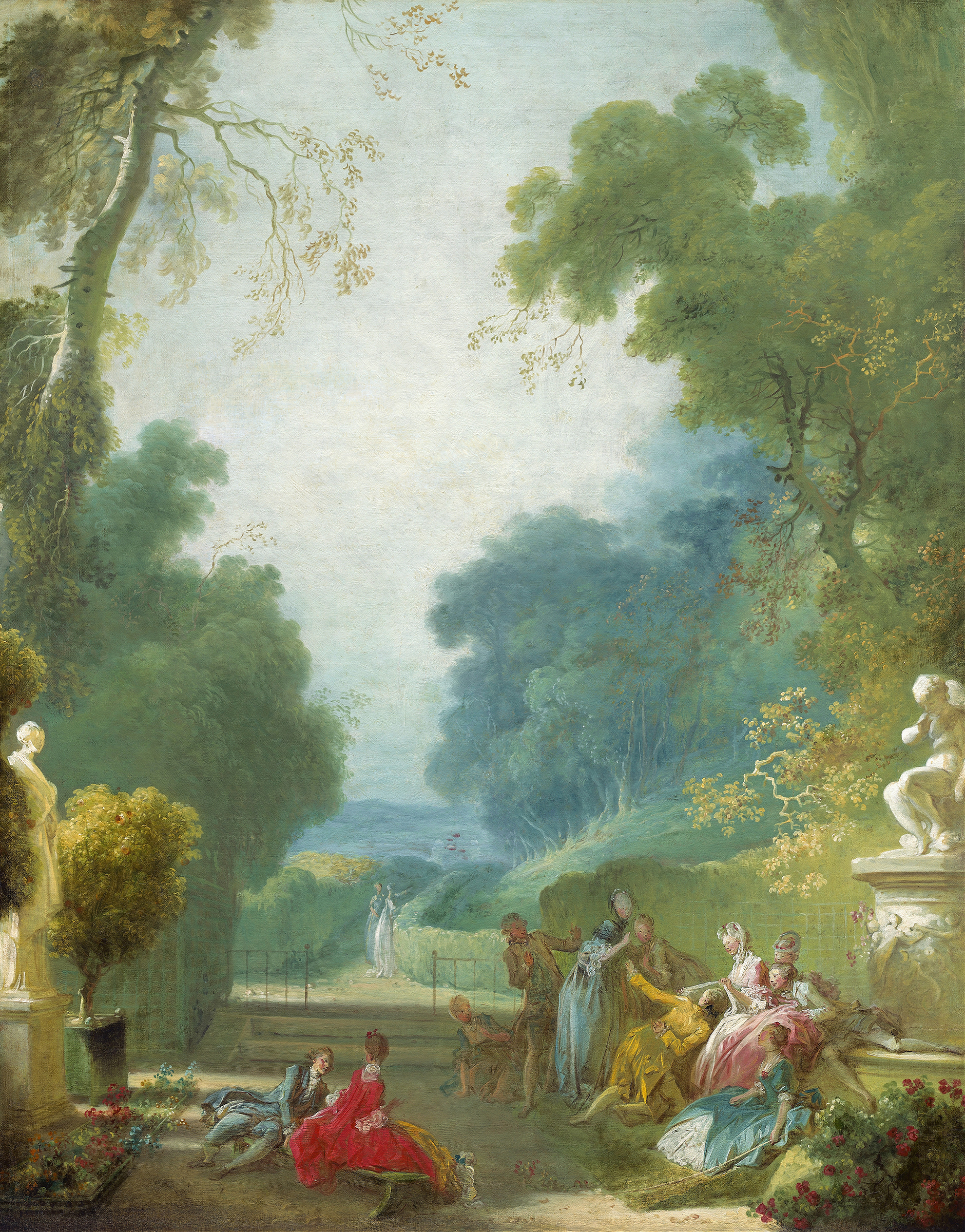
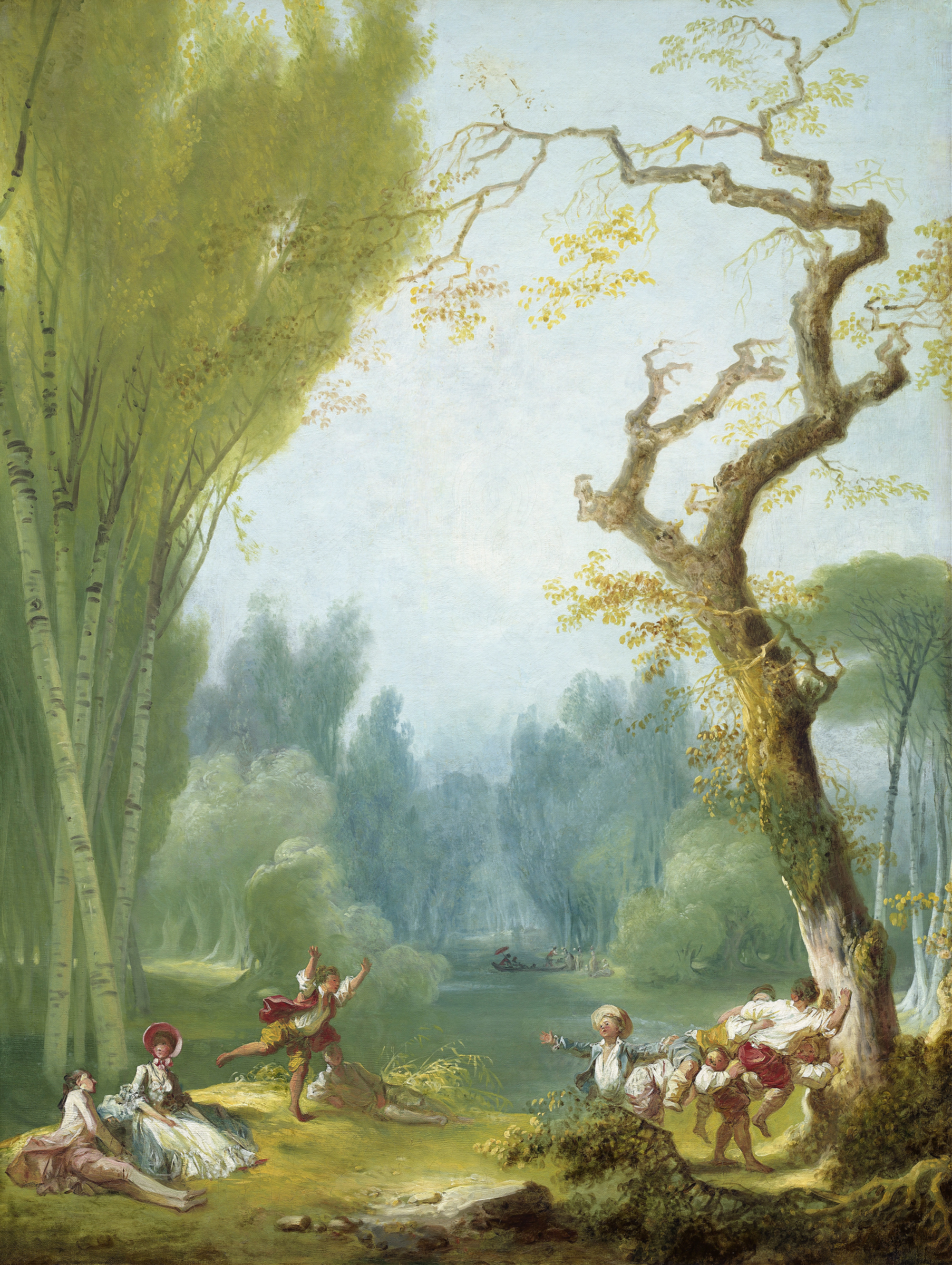
Is this a mirror — or a memory? In Blindman’s Buff, a playful yet poignant moment unfolds, where the innocence of youth dances upon the precipice of change. The lush greenery, alive with vibrancy, offers a stage for games, laughter, and unspoken tensions—an ode to a world teetering on the brink of revolution. Look to the center, where two figures engage in the age-old game, their bodies entwined in a moment of carefree abandon. Notice how the soft, golden light bathes their skin, illuminating the delicate fabric of their garments, each brushstroke a whisper of intimacy.
The surrounding foliage wraps them in a cocoon of verdant hues, contrasting the youthful exuberance with an undercurrent of vulnerability. The artist's deft use of soft pastels and fluid lines invites a sense of motion, almost suggesting that the air itself is charged with anticipation. Yet this scene is not merely about merriment. The blindfolded male figure, oblivious to the gaze of his playful companions, symbolizes a loss of sight—not just in the literal sense but also in the wider context of societal awareness. The laughter of the participants masks the shadows of approaching upheaval in France, hinting at an innocence that will soon be shattered.
The tension between joy and impending chaos lies in the small details, the fleeting smiles, and the delicate grasp of hands—each element a reminder of the fragile balance between happiness and the looming darkness. During the late 1770s, Jean-Honoré Fragonard painted Blindman’s Buff amidst a society on the verge of transformation. The French court was rife with decadence, mirroring the exuberant spirit captured on canvas, yet the winds of revolution were beginning to rustle through the upper echelons of society. As he painted in the salons of Paris, Fragonard was not just chronicling a moment of joy; he was encapsulating the last breaths of a carefree existence before the tumult of change reshaped the landscape of France forever.