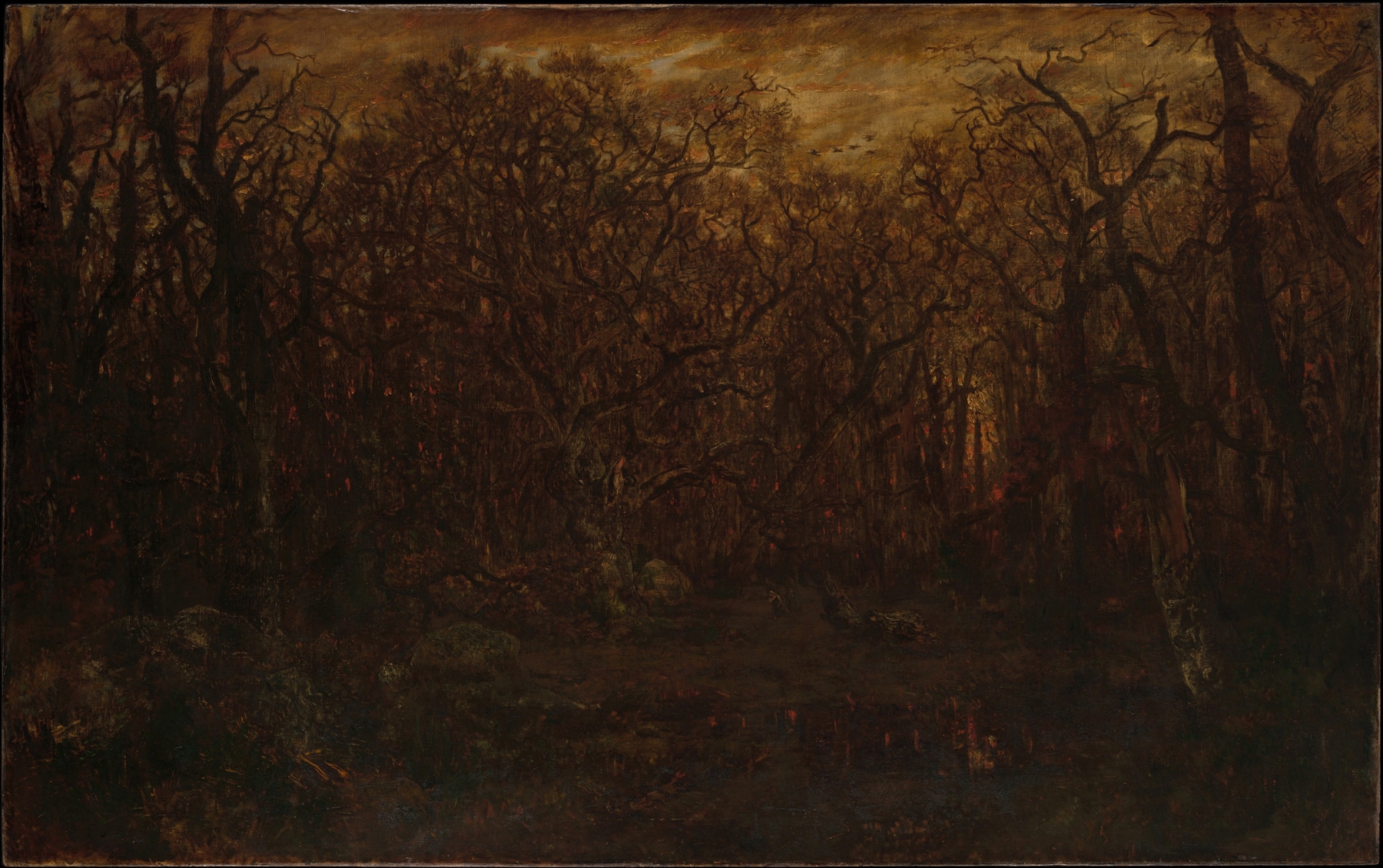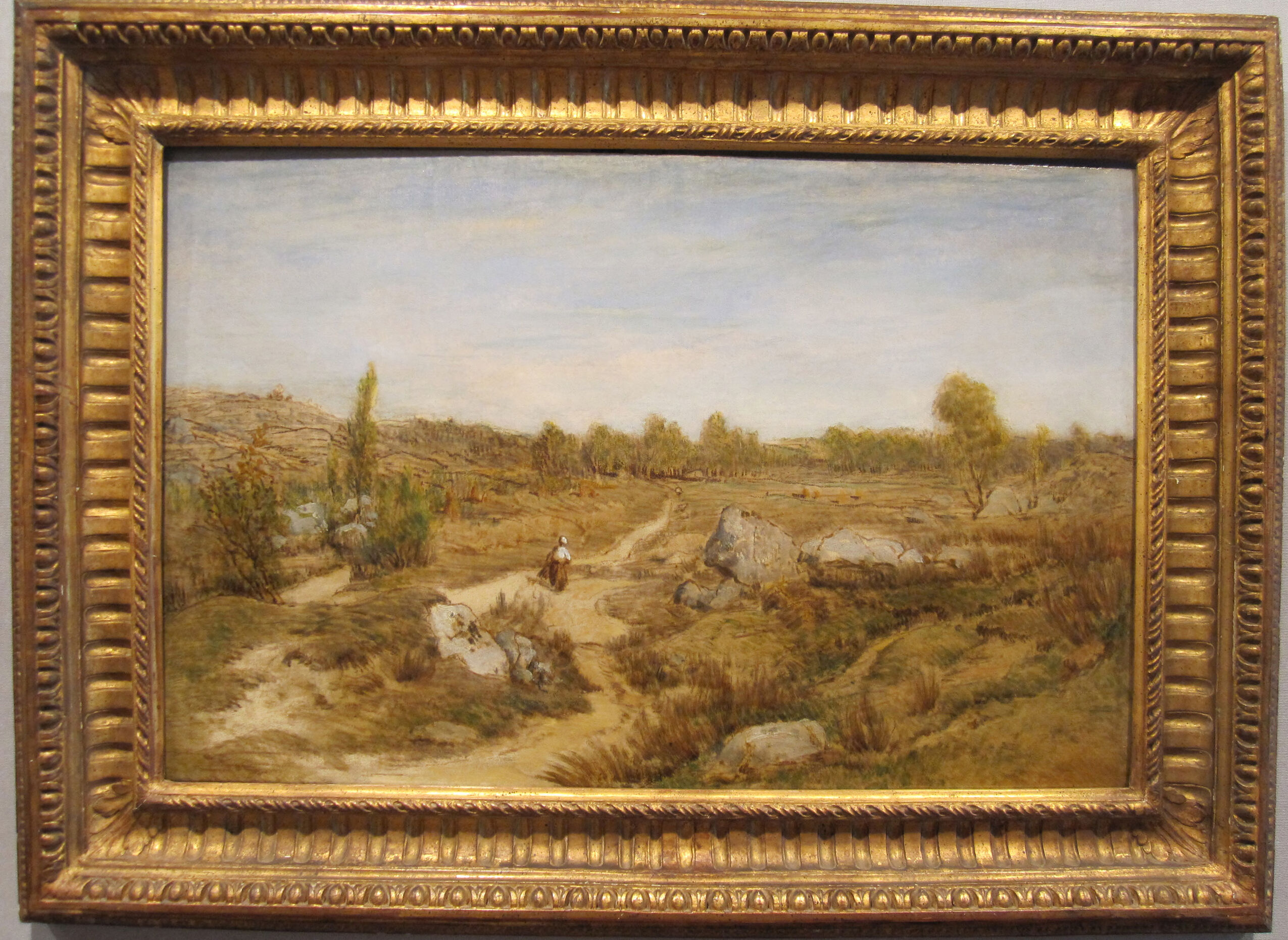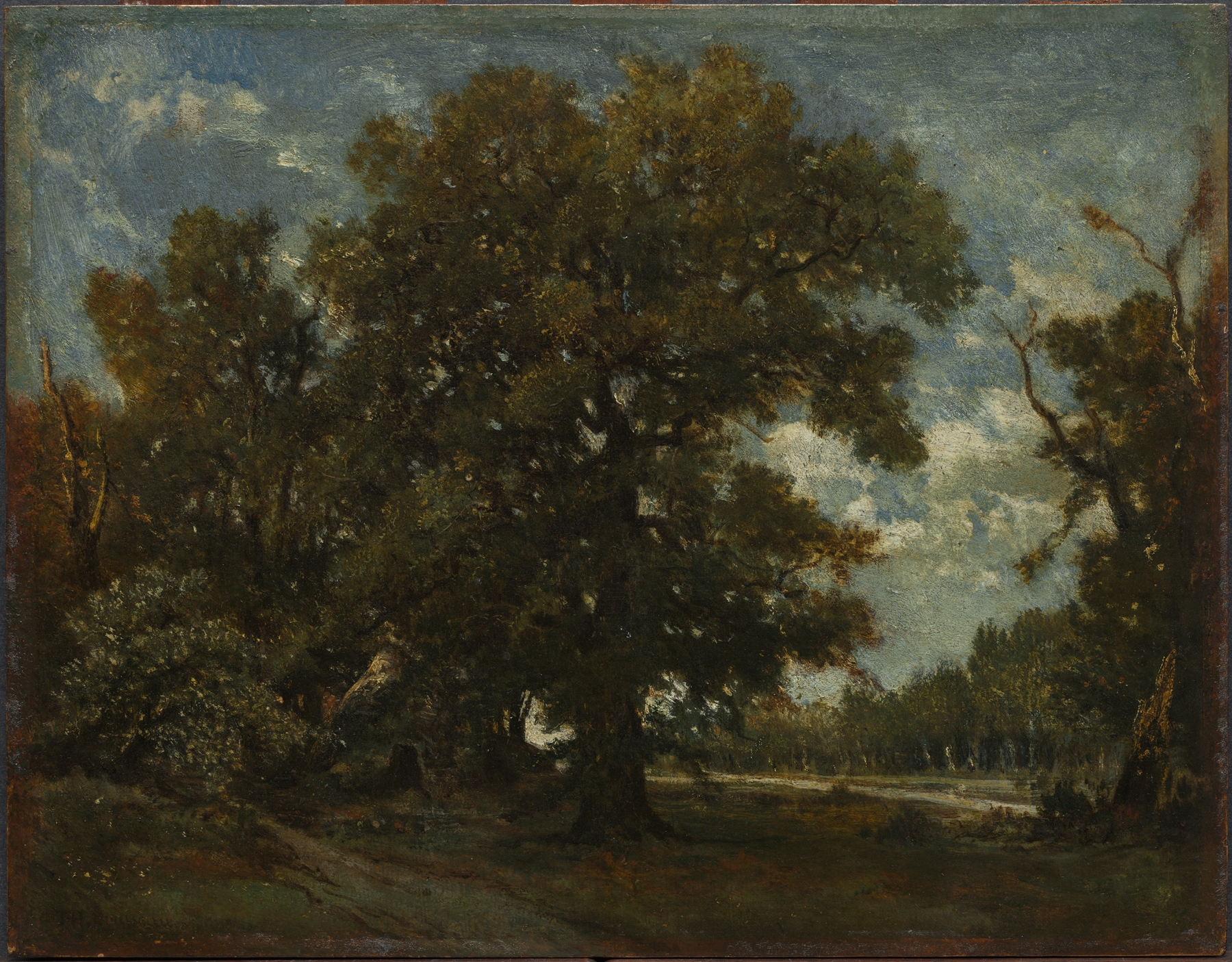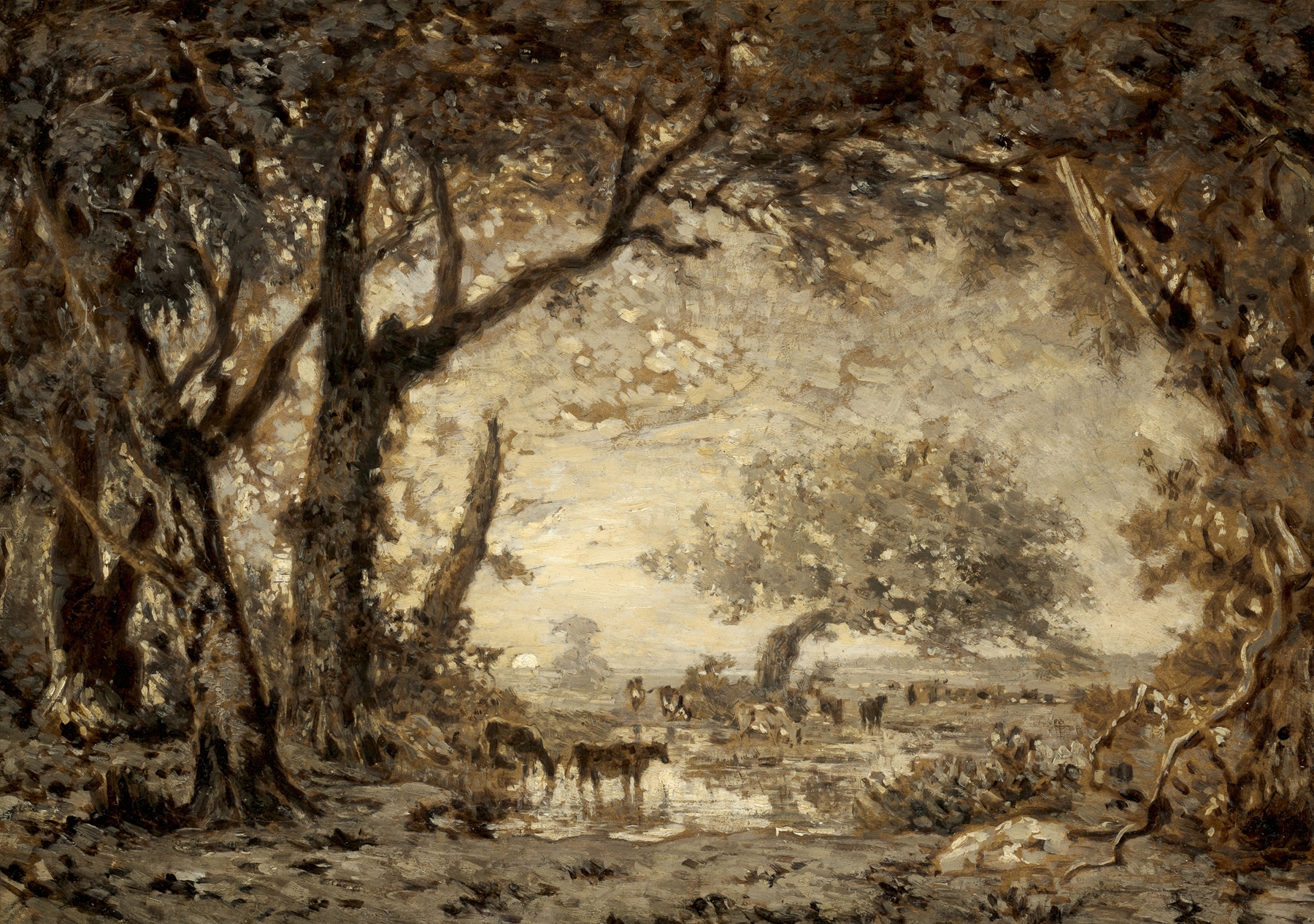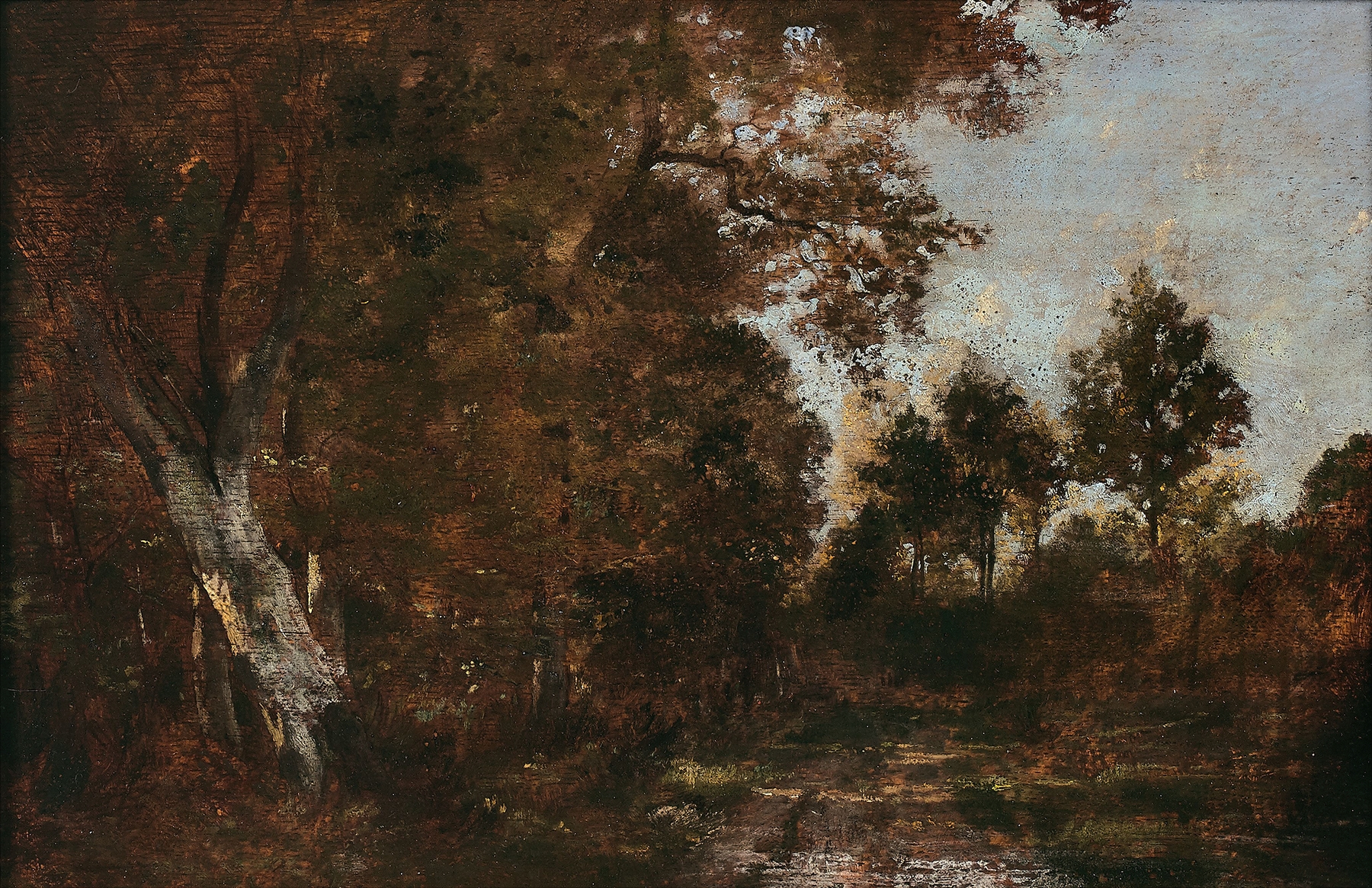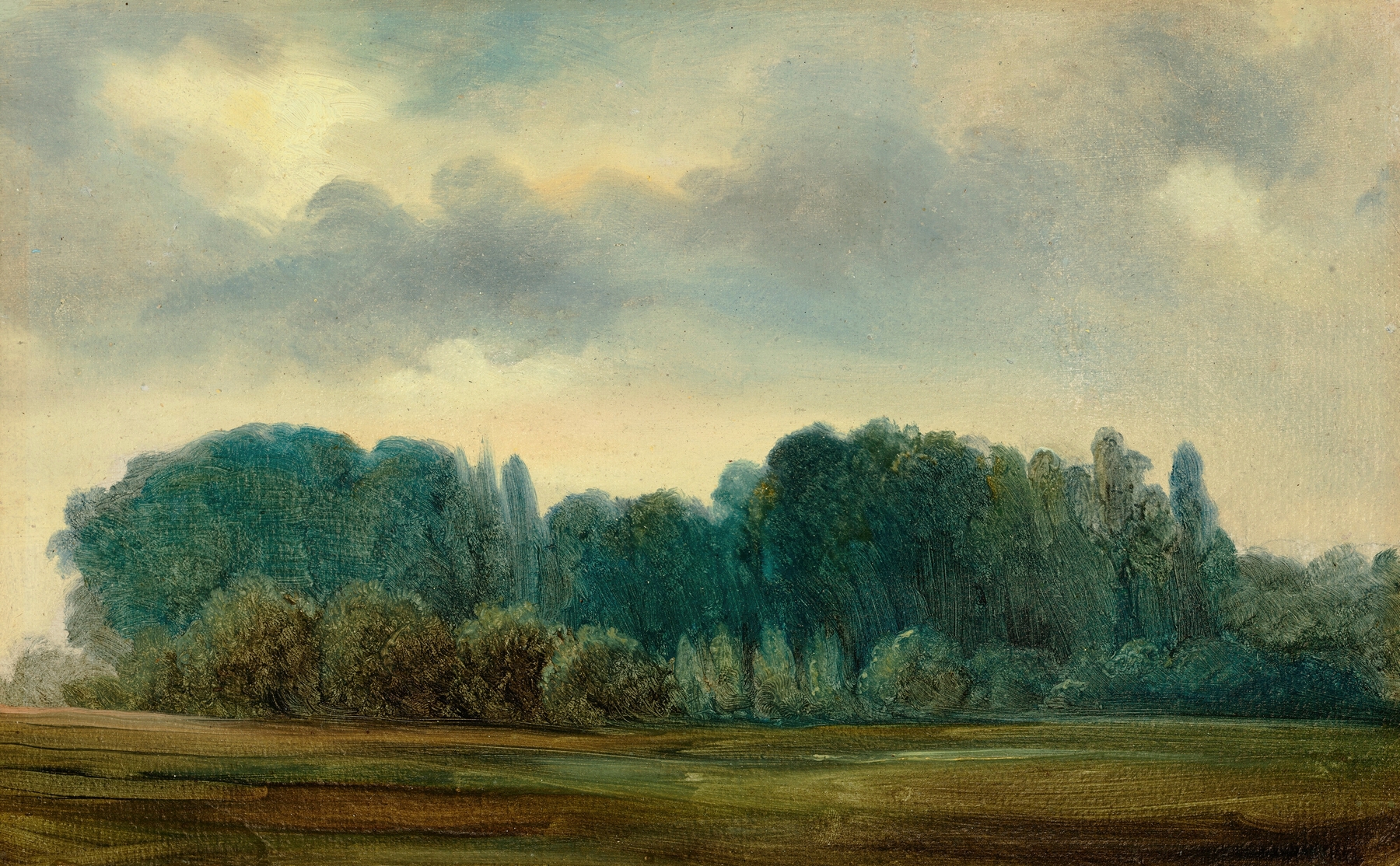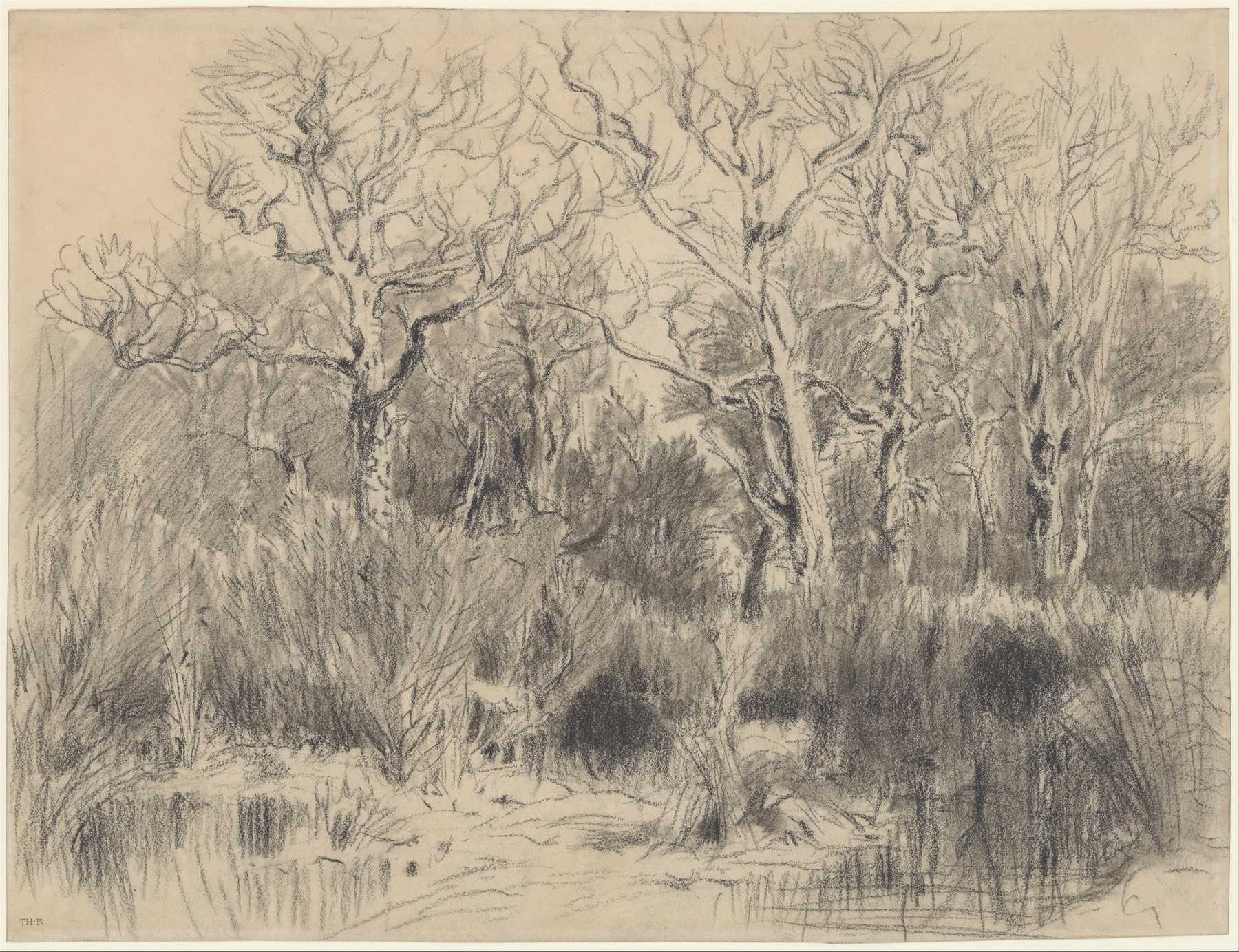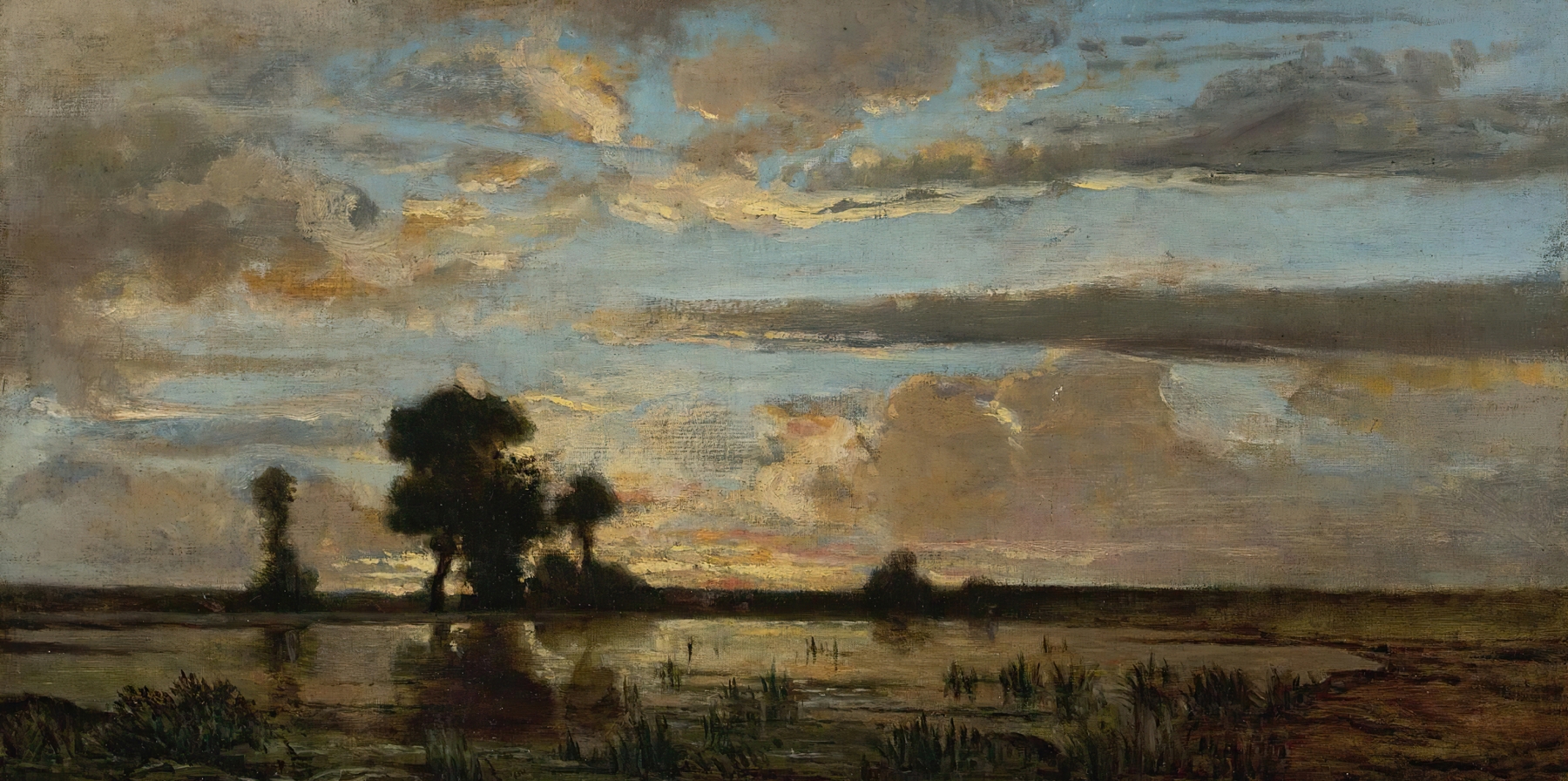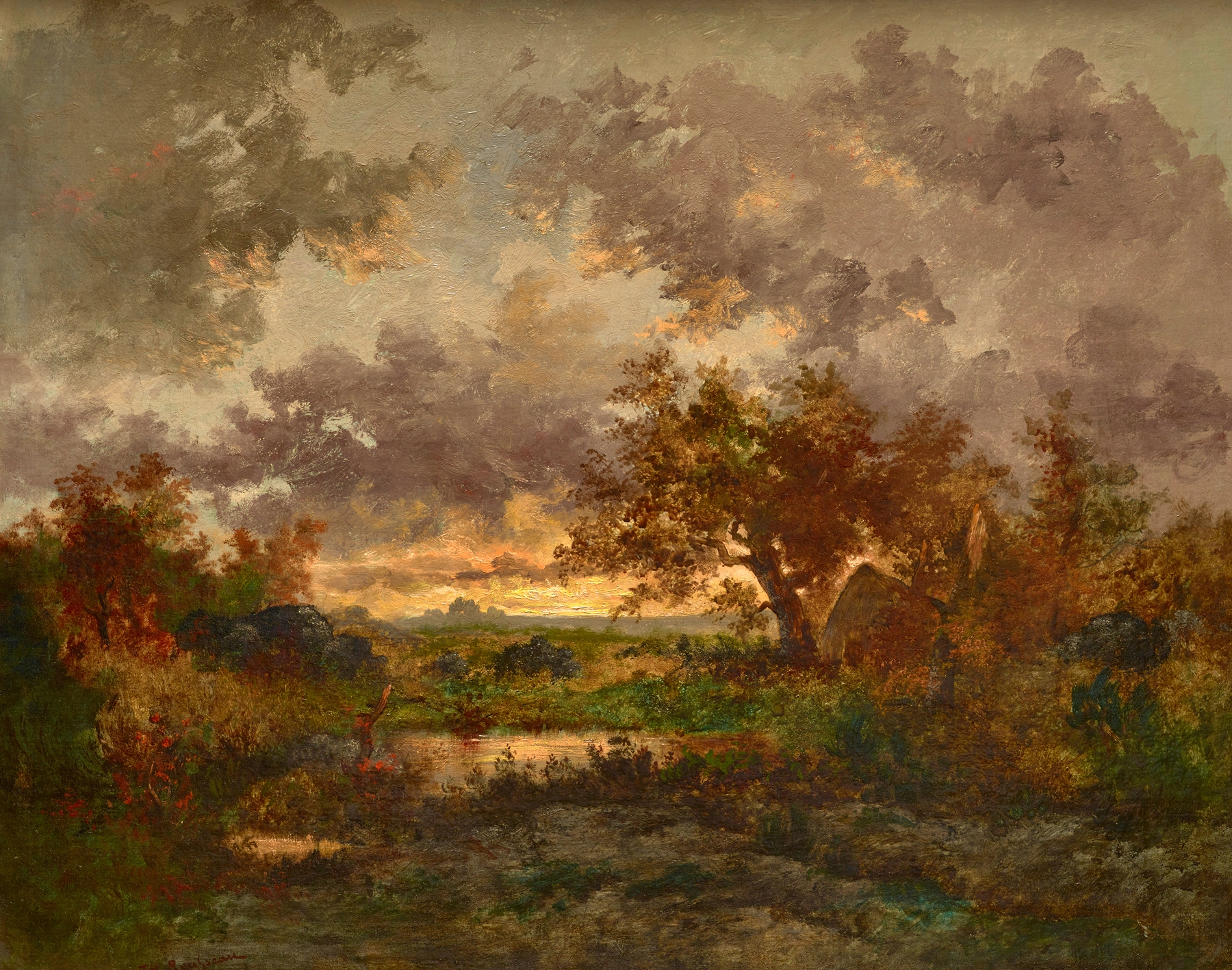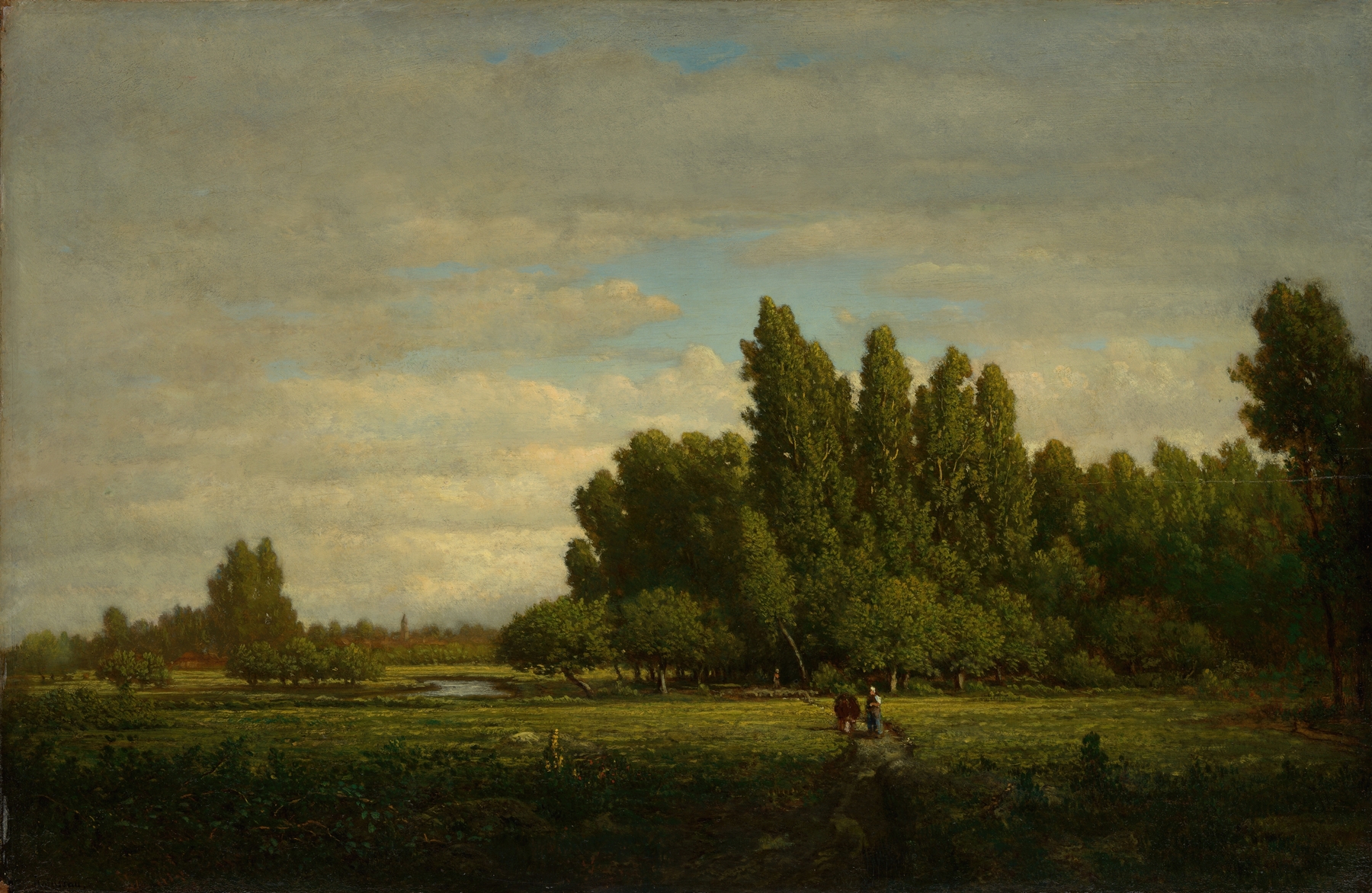
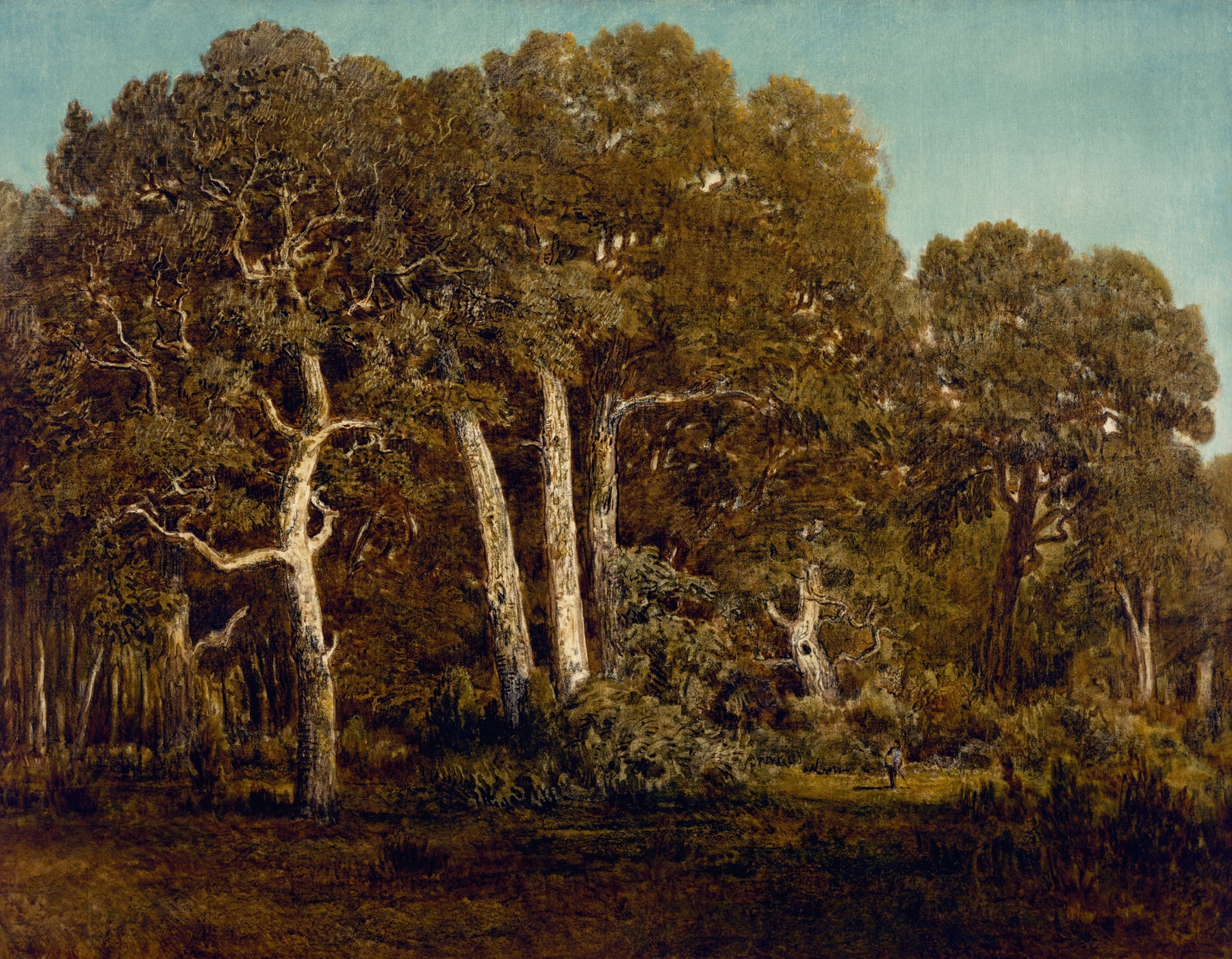
“The canvas doesn’t lie — it simply waits.” In a world where clarity is often clouded, how does one find solace in the untamed beauty of nature? Look to the left at the gentle interplay of light and shadow as it filters through the lush foliage. The trees create a natural frame, guiding the eye toward the expansive meadow, rich with green and gold hues. Notice how the brushwork varies from the meticulous detail of the bark to the soft, almost impressionistic strokes of the grass, suggesting a breeze that caresses the landscape. The delicate transition of colors invites a sense of peace and contemplation. Beyond the serene beauty lies an undercurrent of faith in the cycle of life. The trees, steadfast and unwavering, symbolize endurance amidst change, while the open meadow represents possibility and growth. There’s an emotional tension between the solidity of the trees and the ephemeral quality of the light, prompting a reflection on permanence versus transience. Each blade of grass sways softly, reminding us that beauty exists in the moment, yet is rooted in a deeper truth. Created in 1845, this work emerged during a pivotal time for the artist, who was deeply engaged in the Barbizon School movement. Working in rural France, Rousseau sought to capture the raw essence of nature, advocating for a connection to the land that contrasted with the industrial changes sweeping across Europe. His dedication to painting en plein air was revolutionary, reflecting his commitment to authenticity and the belief that nature itself is a faithful muse.