The Great Oaks of Old Bas-Bréau — History & Analysis
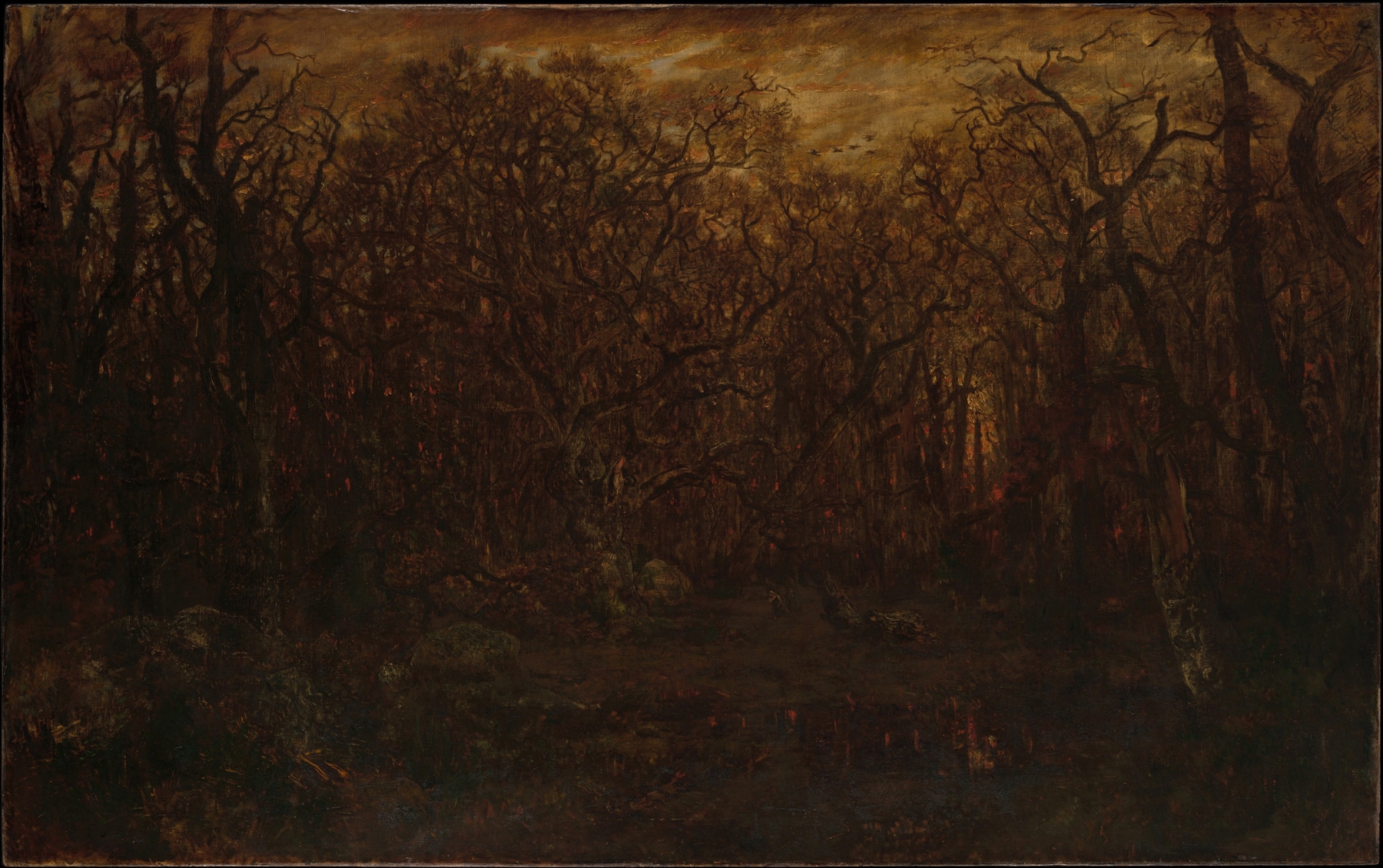
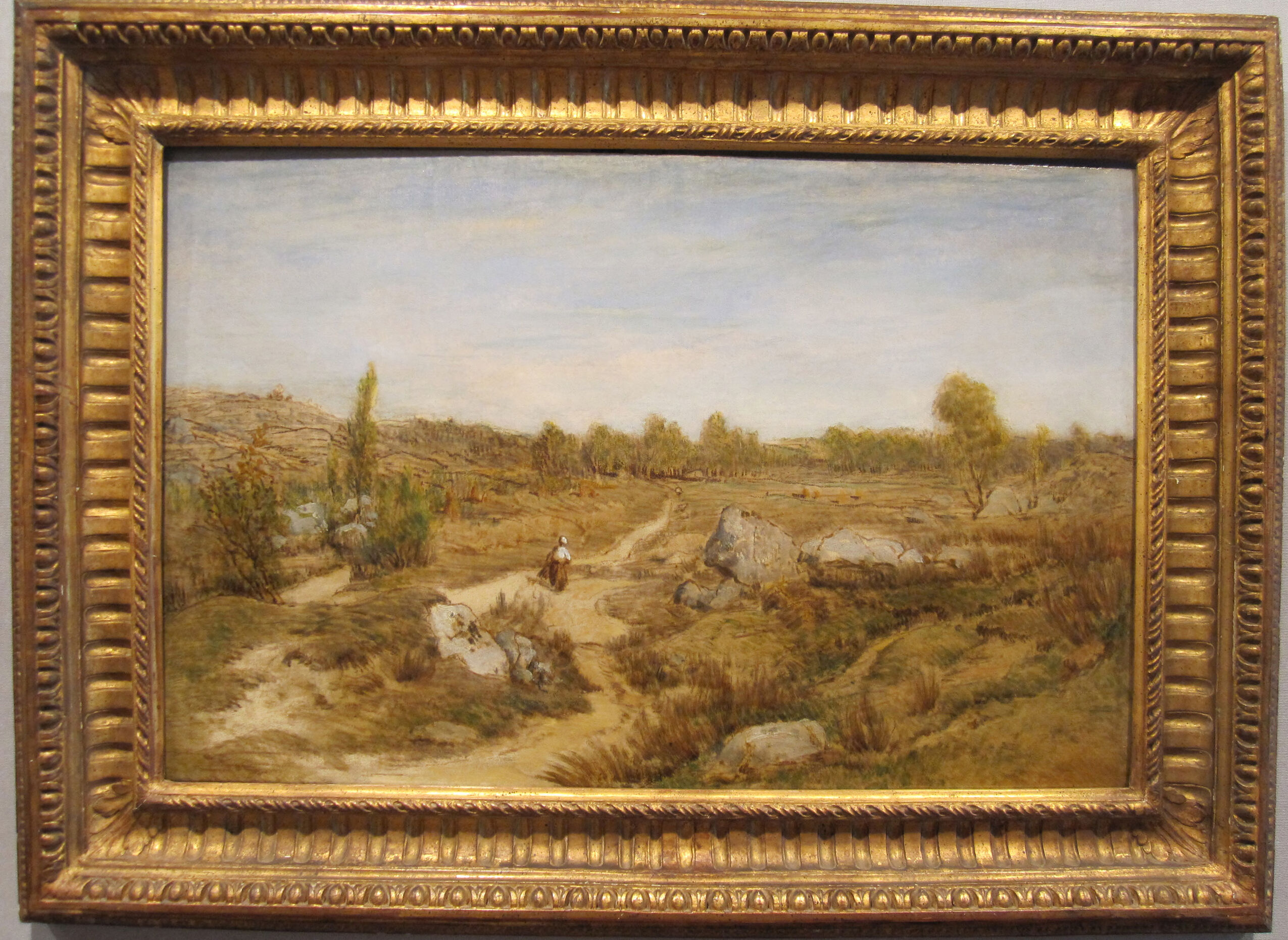
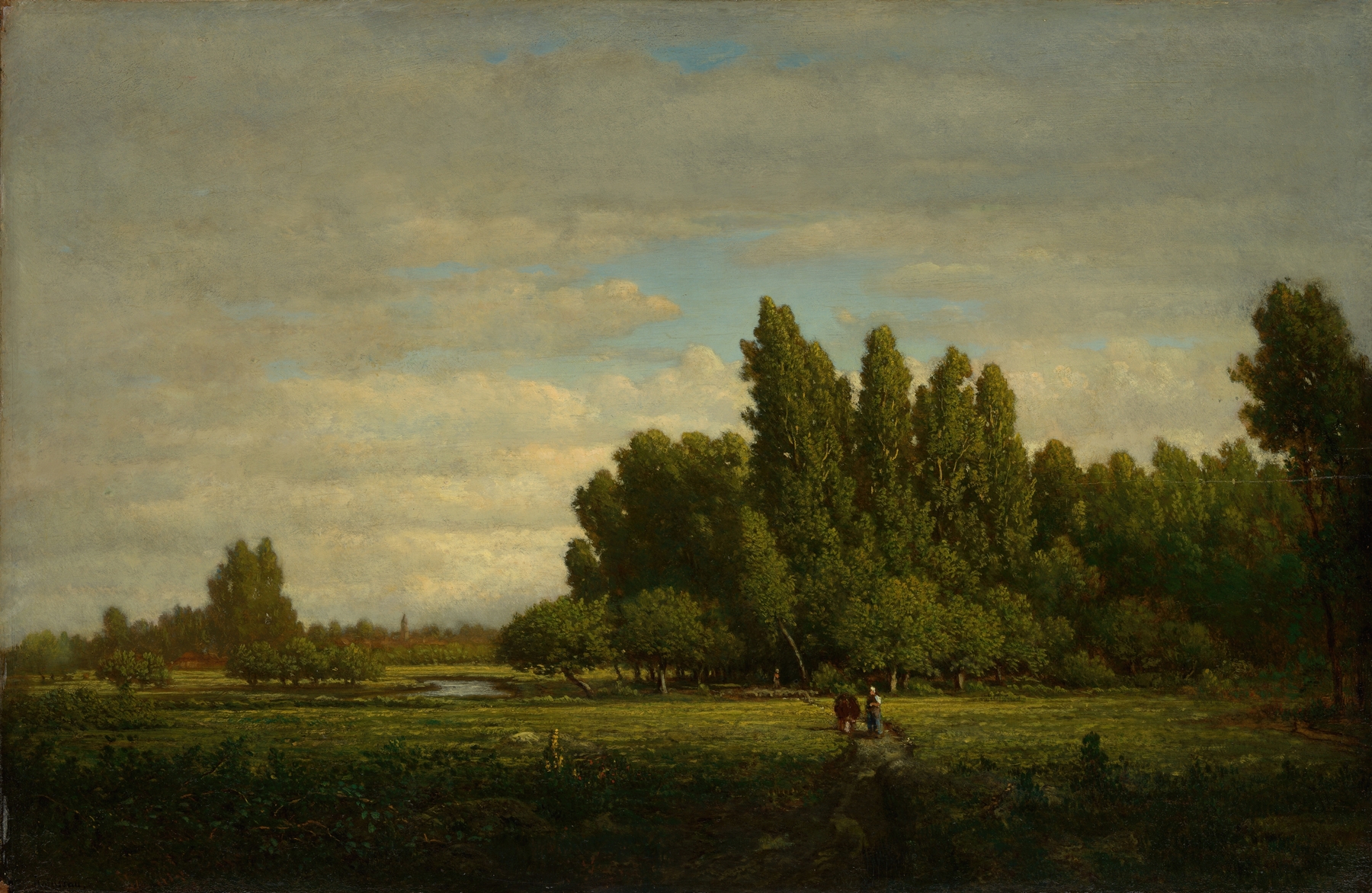
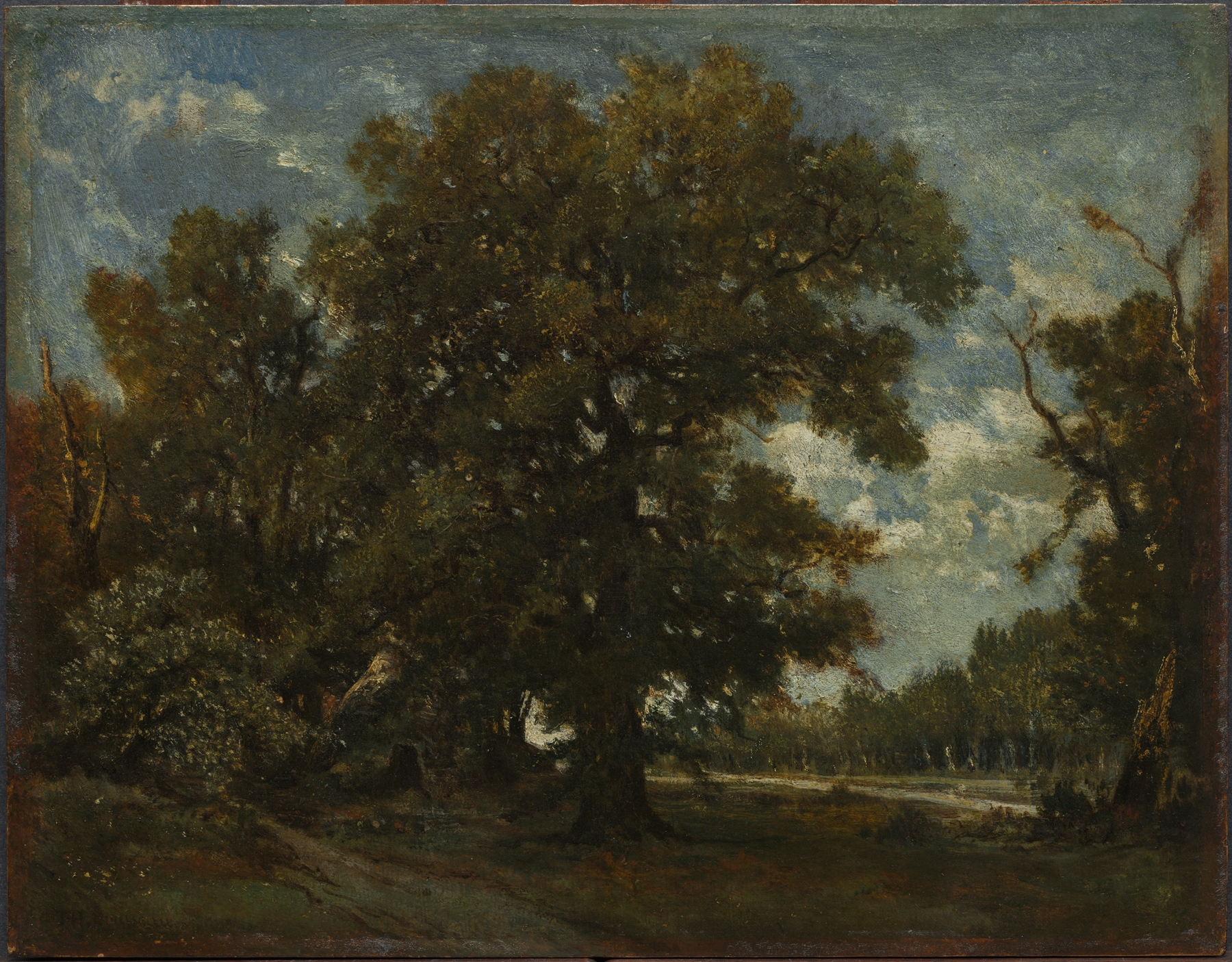
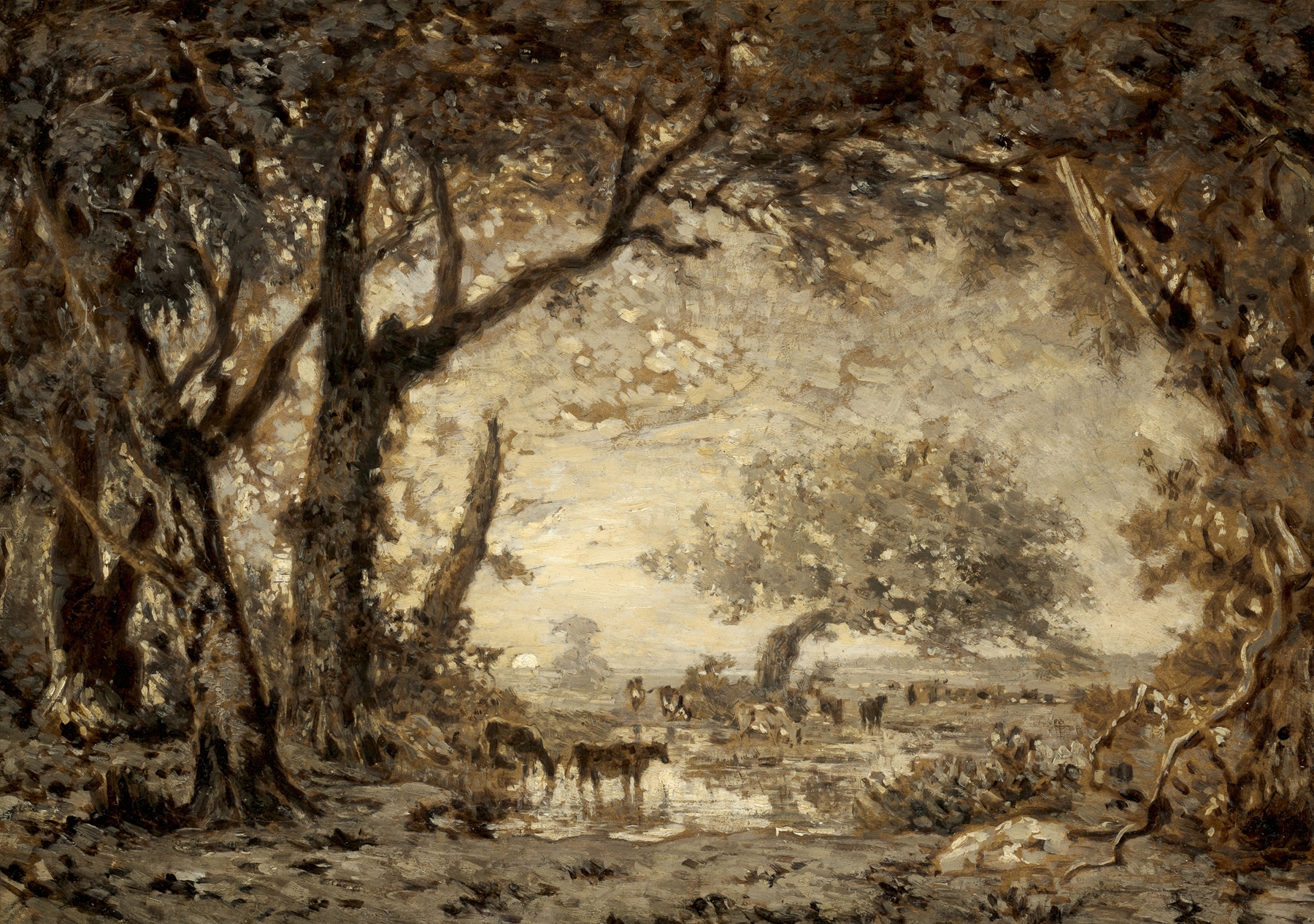
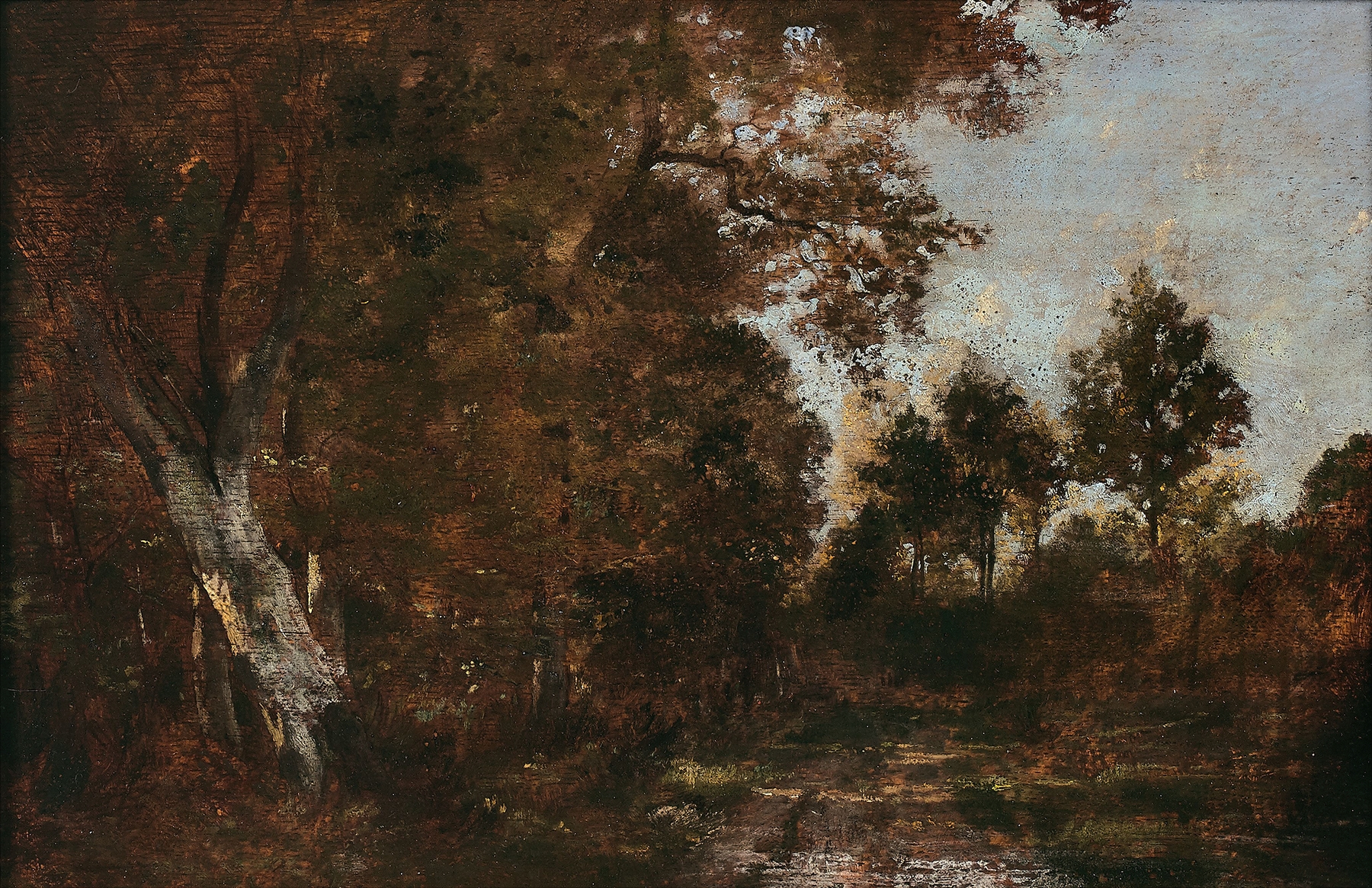
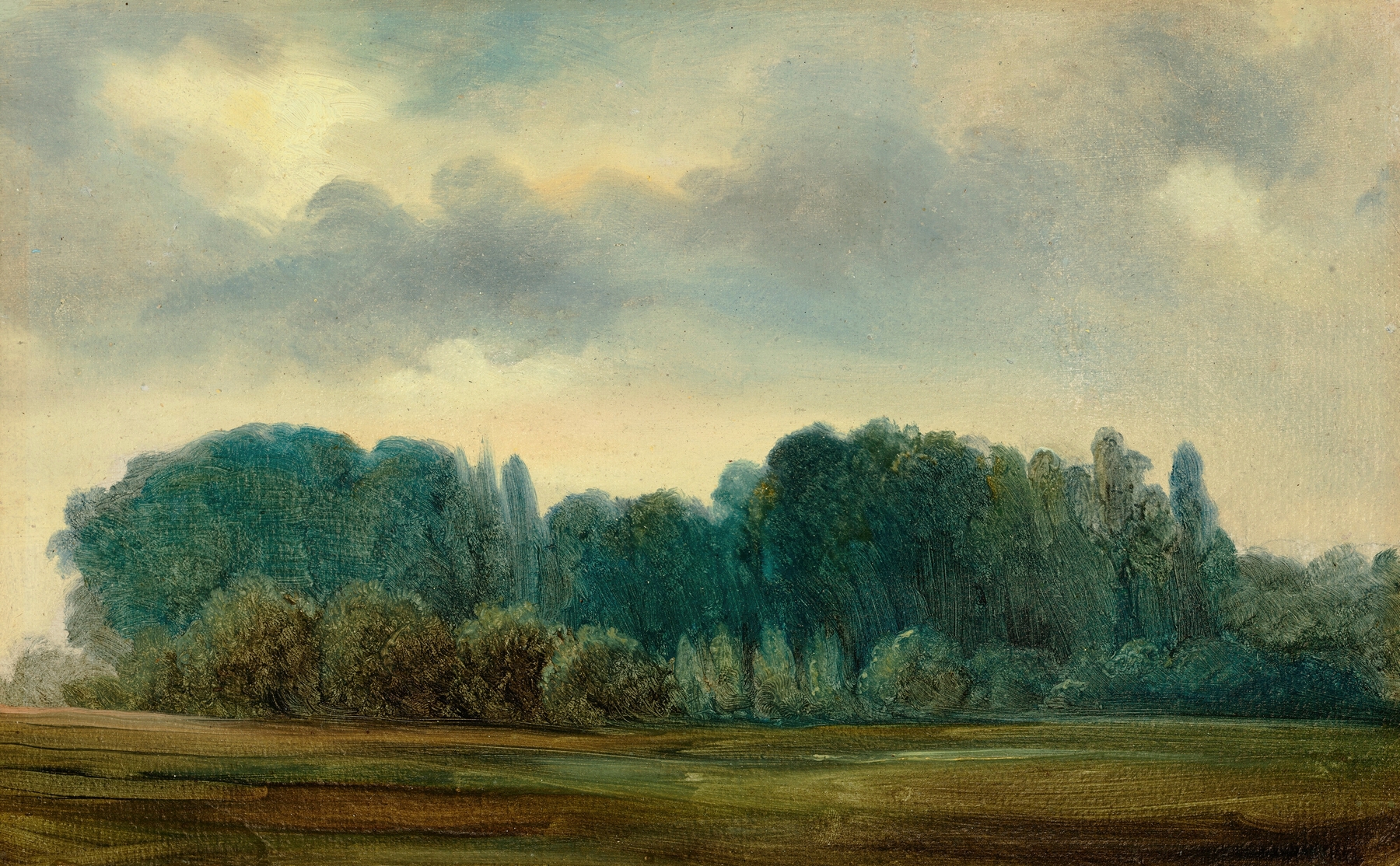
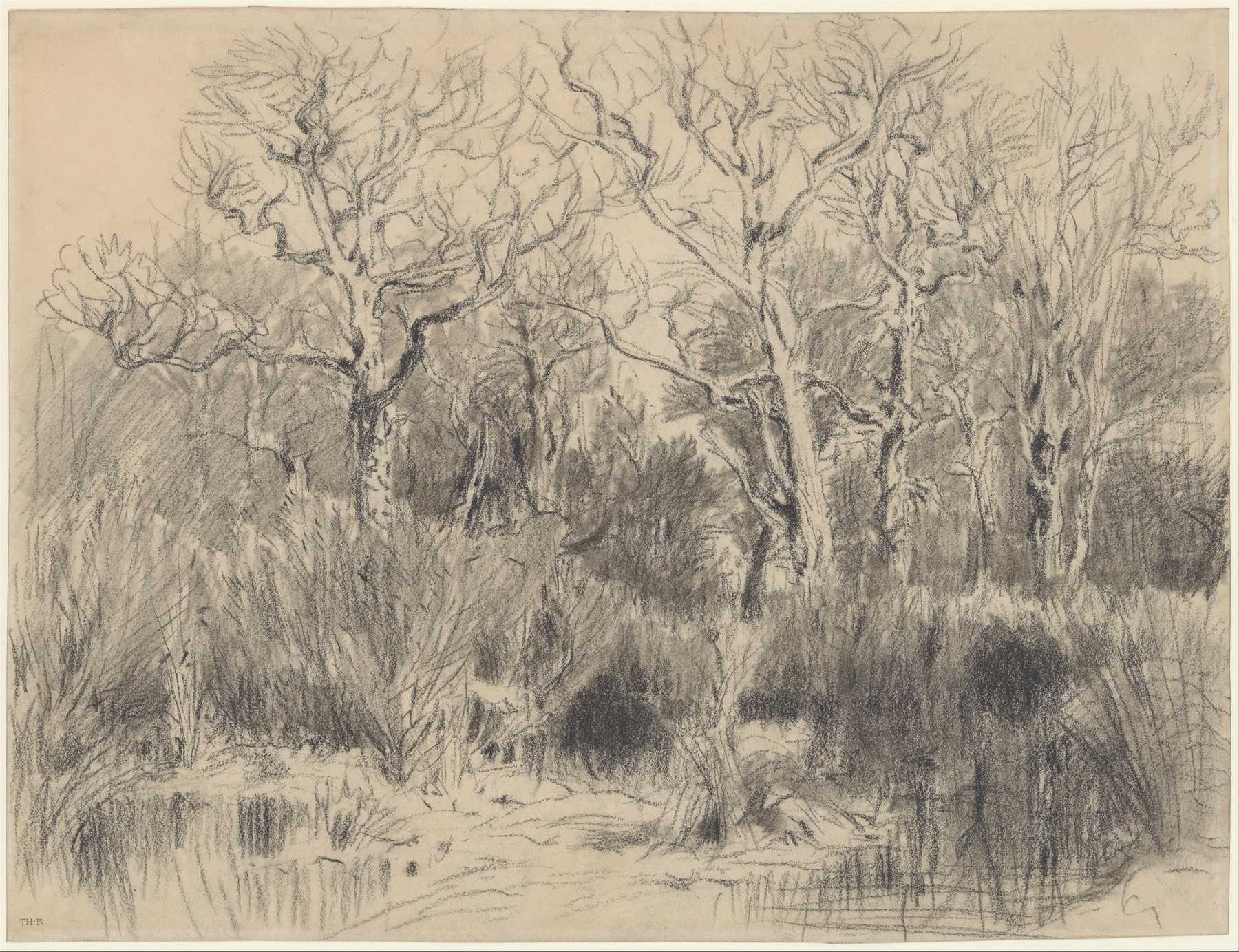
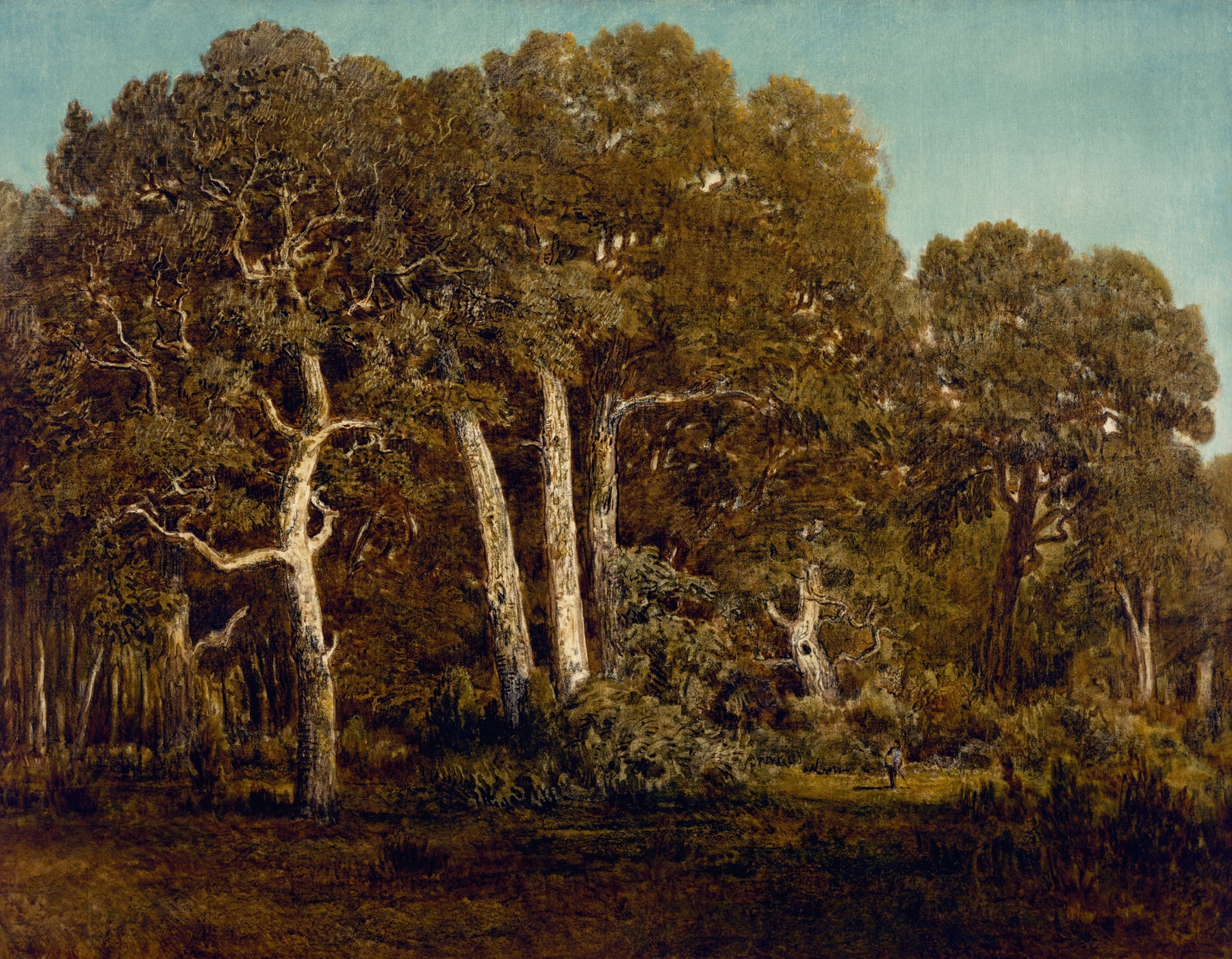
Can paint confess what words never could? In *The Great Oaks of Old Bas-Bréau*, nature stands as a solemn testament to the passage of time and the unwavering faith in its resilience. A sanctuary of towering oaks, their gnarled branches reaching out like arms offering shelter, speaks to an ancient wisdom that words struggle to capture. Look to the center of the canvas where the oaks reign, their deep greens and rich browns contrasting beautifully against the soft, dappled sunlight filtering through the foliage. Notice how the play of light creates a patchwork of shadows on the forest floor, inviting the viewer to step closer into its embrace. The careful brushwork brings texture to the bark and foliage, revealing Rousseau’s masterful technique and his profound connection to the landscape. The scene resonates with contrasts: the solidity of the oaks against the ephemeral dance of light, the stillness of the moment contrasting with the vibrancy of life that surrounds it. Each tree is a silent guardian, embodying the faith in enduring beauty and the cycles of life. This sanctuary evokes not only a sense of refuge but also a deeper meditation on humanity’s relationship with nature, underscoring themes of permanence in an impermanent world. In 1864, at a time when Rousseau was grappling with his artistic identity, he painted this piece in the Fontainebleau forest, a place that greatly influenced the Barbizon school. The mid-nineteenth century was marked by a growing appreciation for naturalism and a shift away from traditional academic painting. Rousseau’s exploration of the forest reflected both his personal struggles and the evolving artistic landscape, positioning him as a key figure in the movement that championed nature as a subject worthy of reverence.