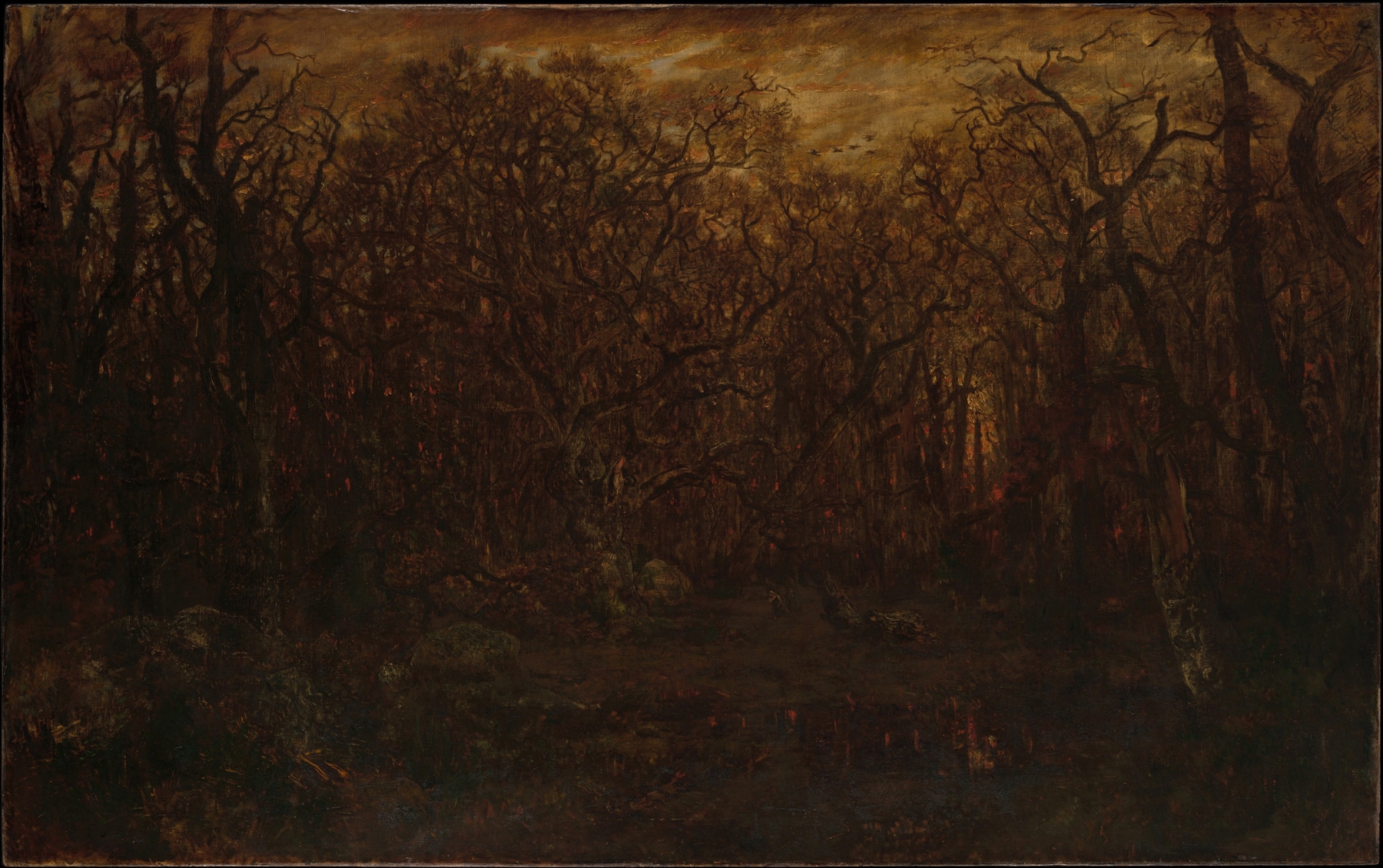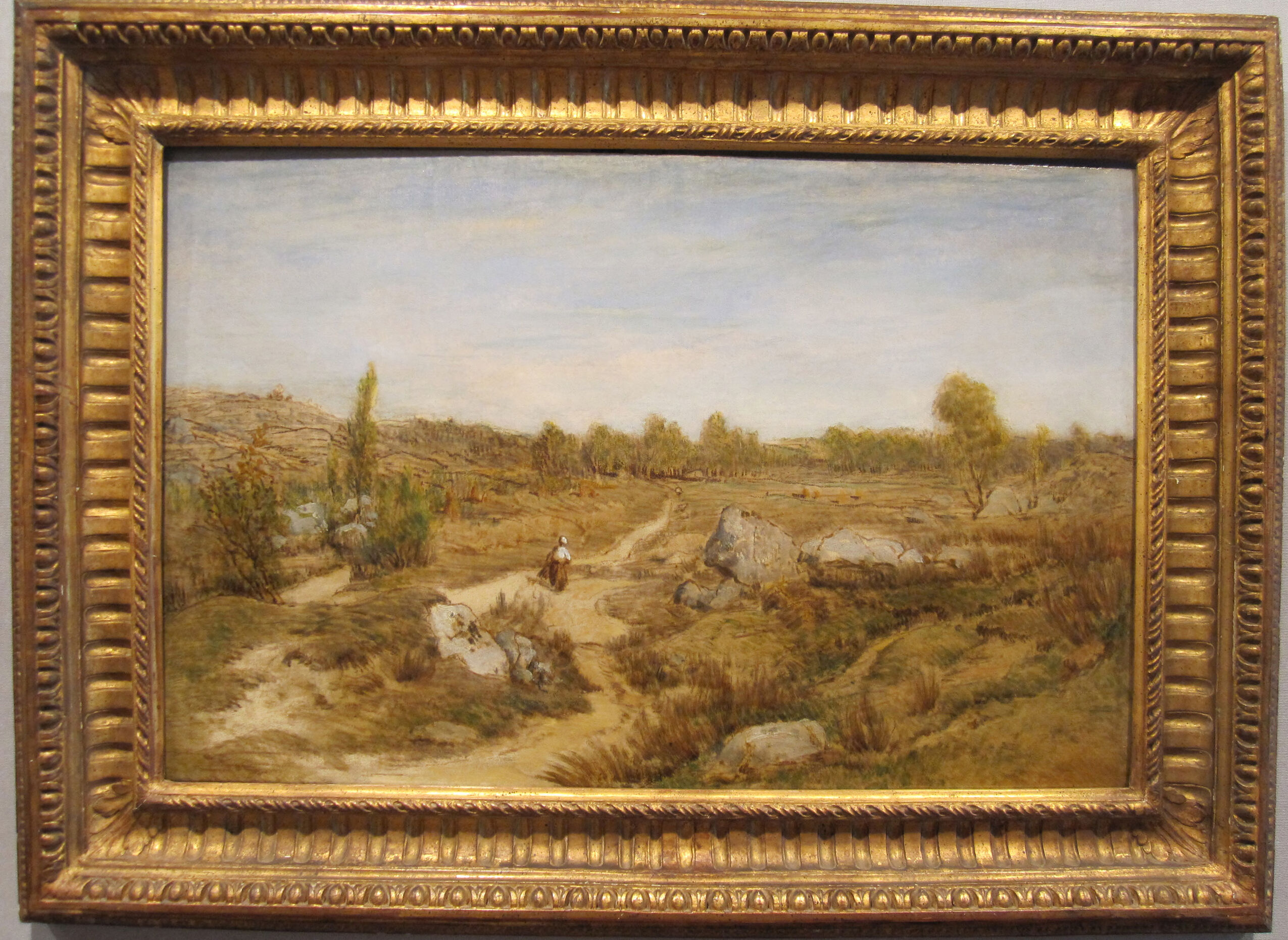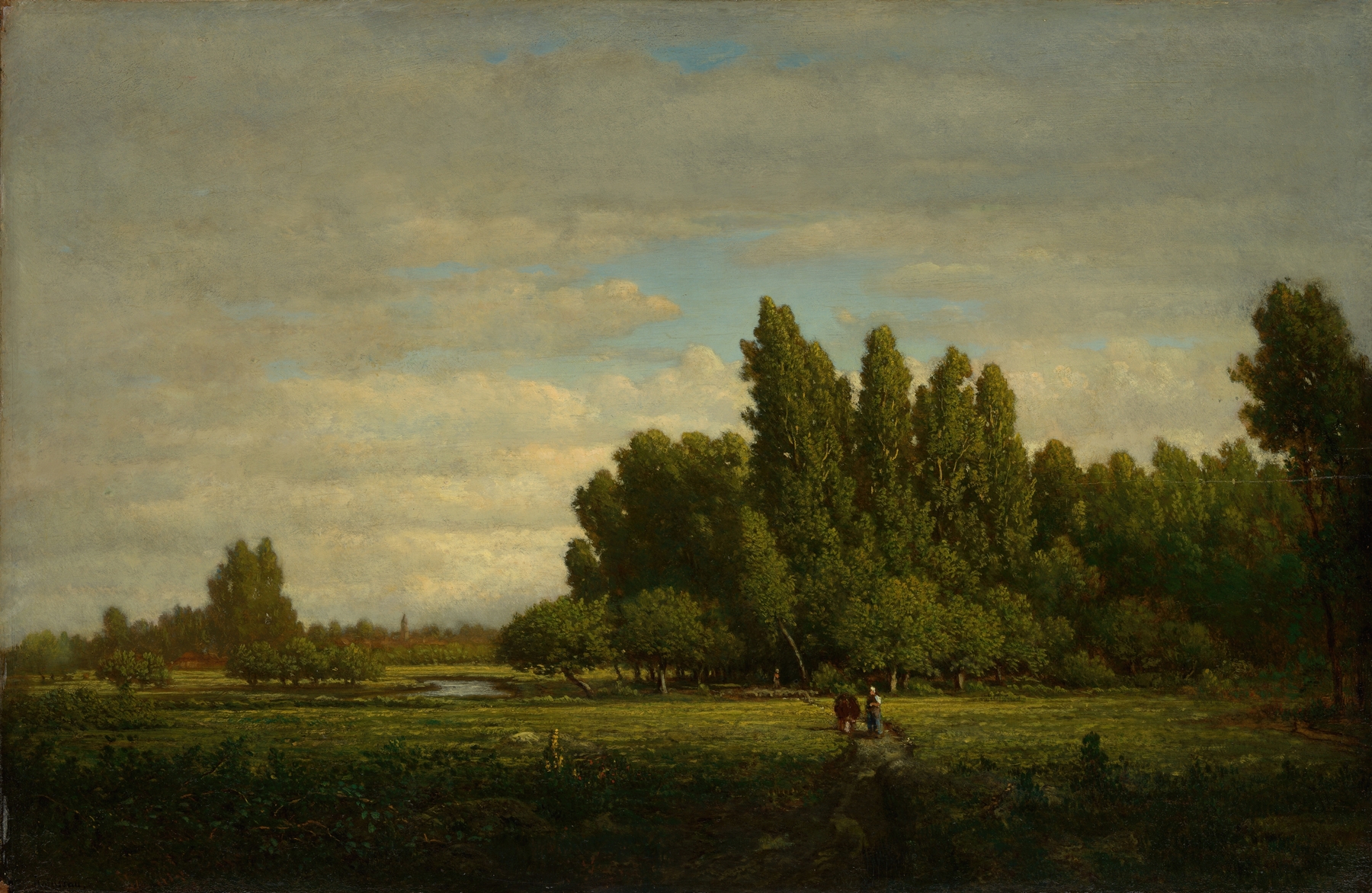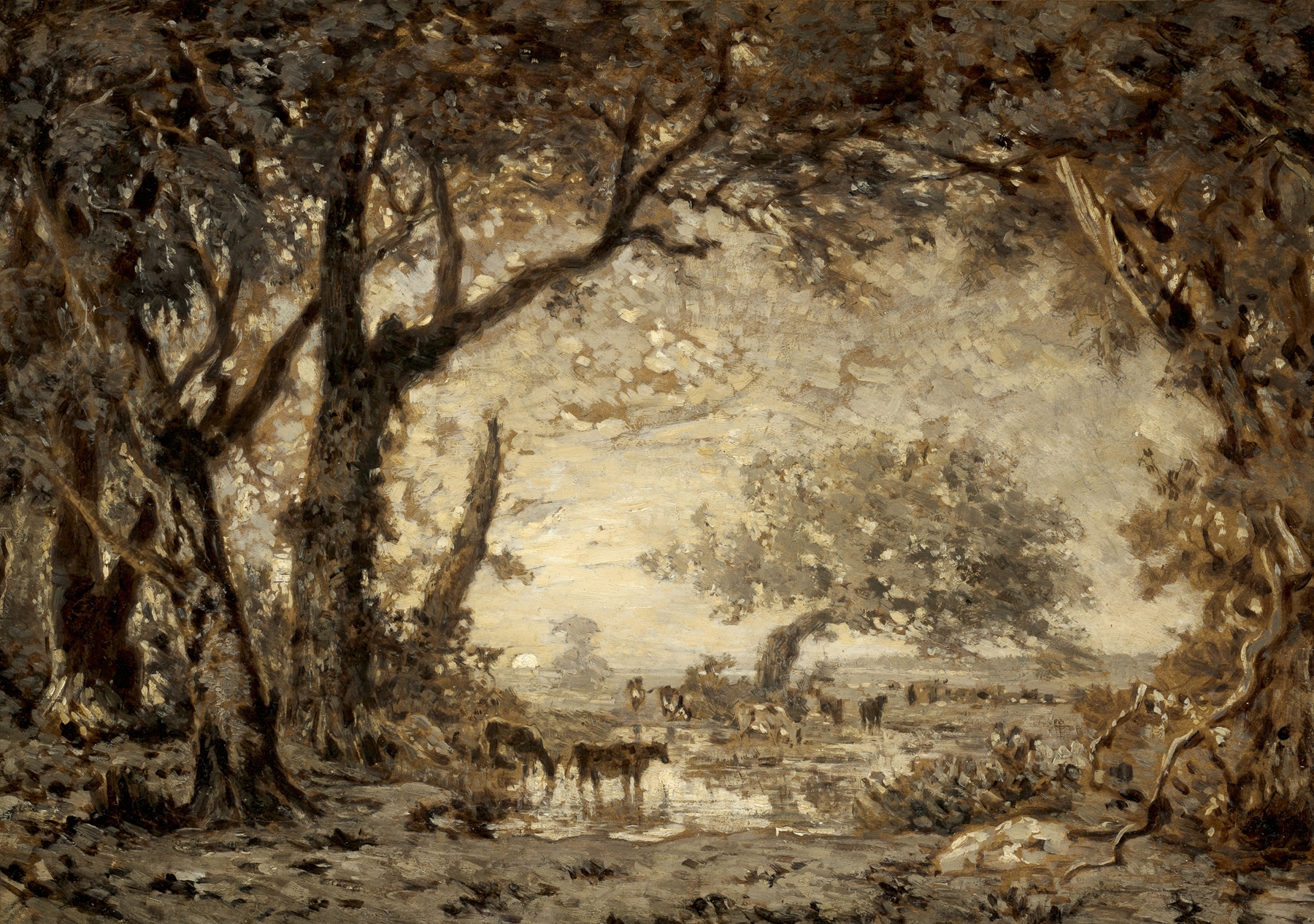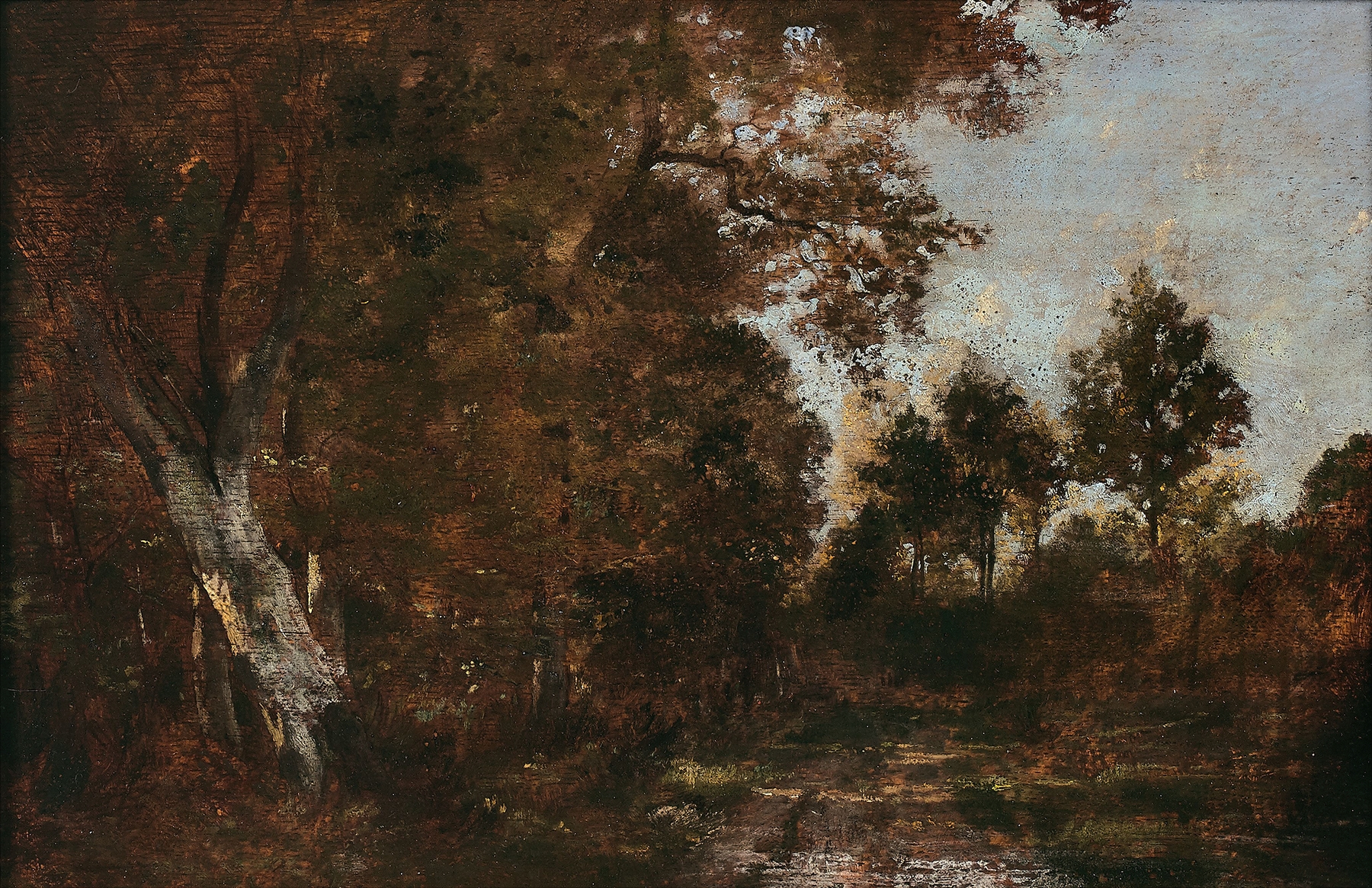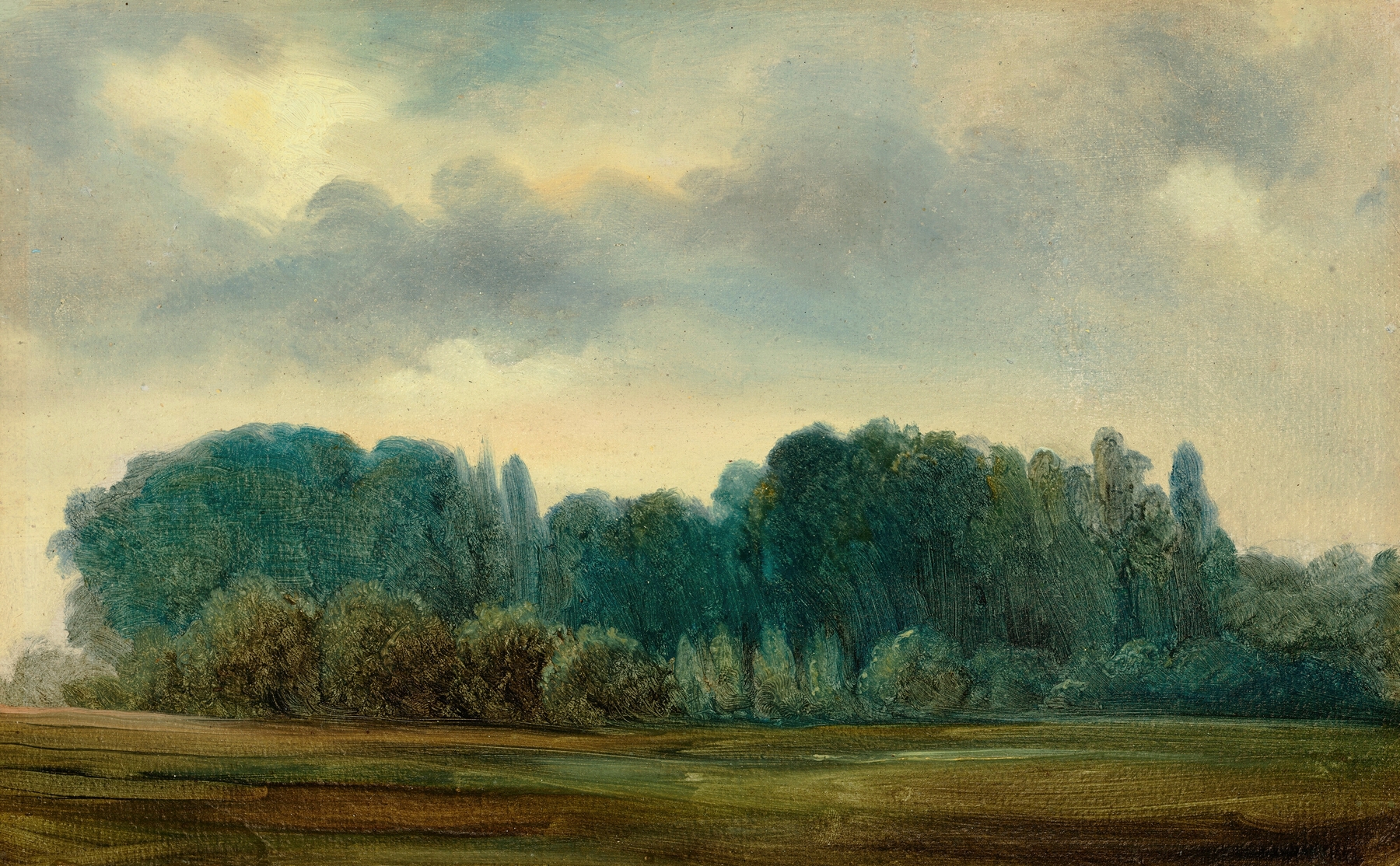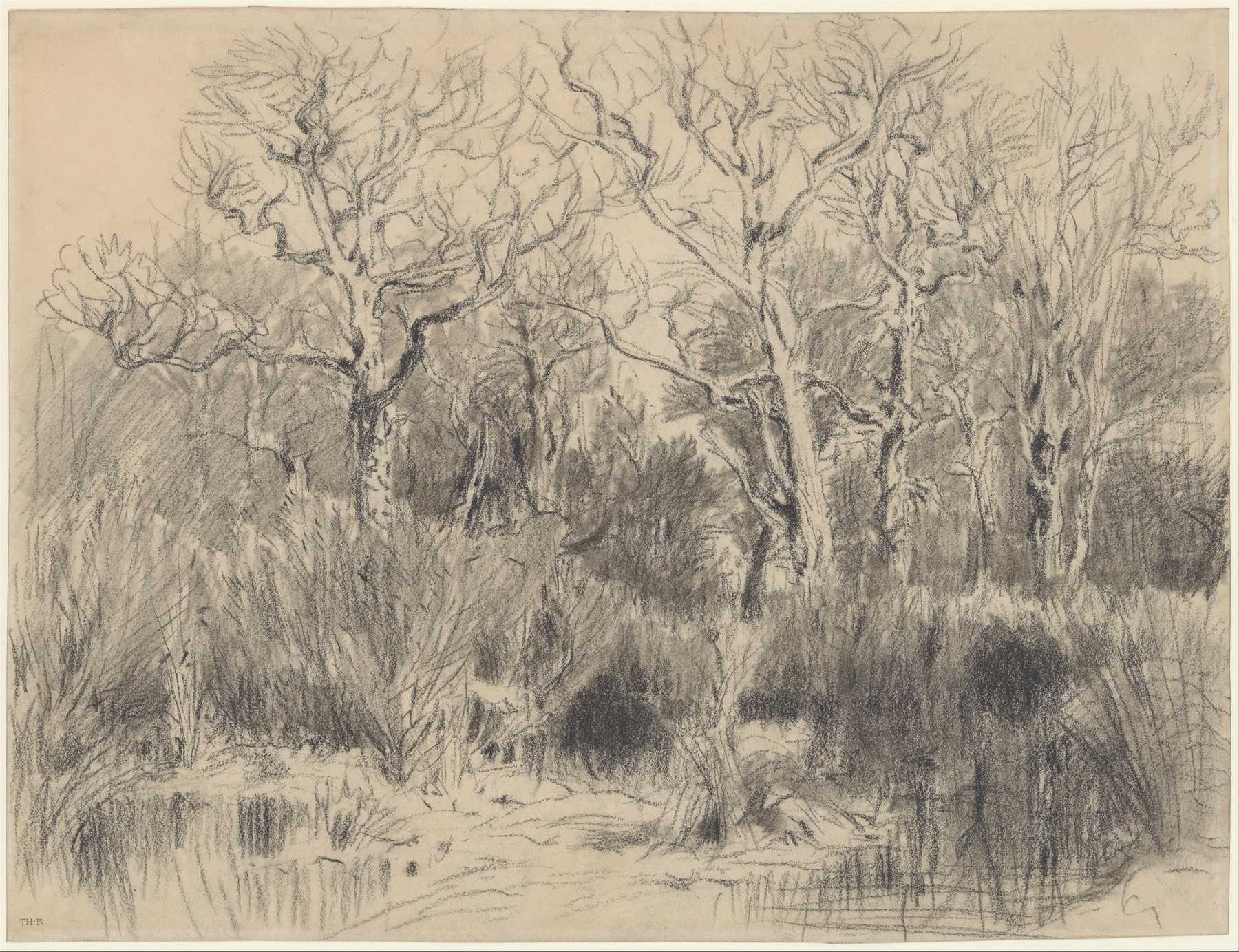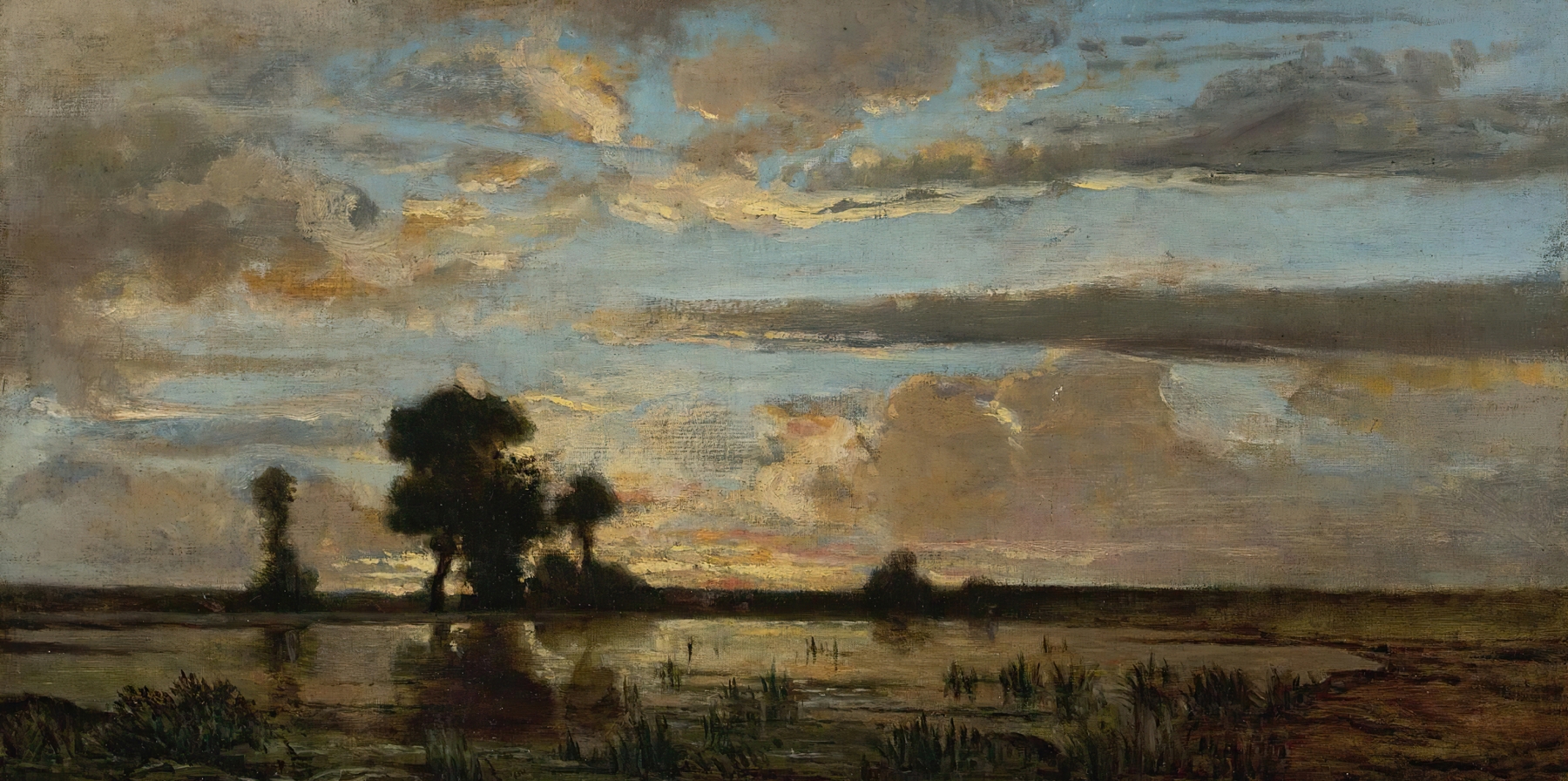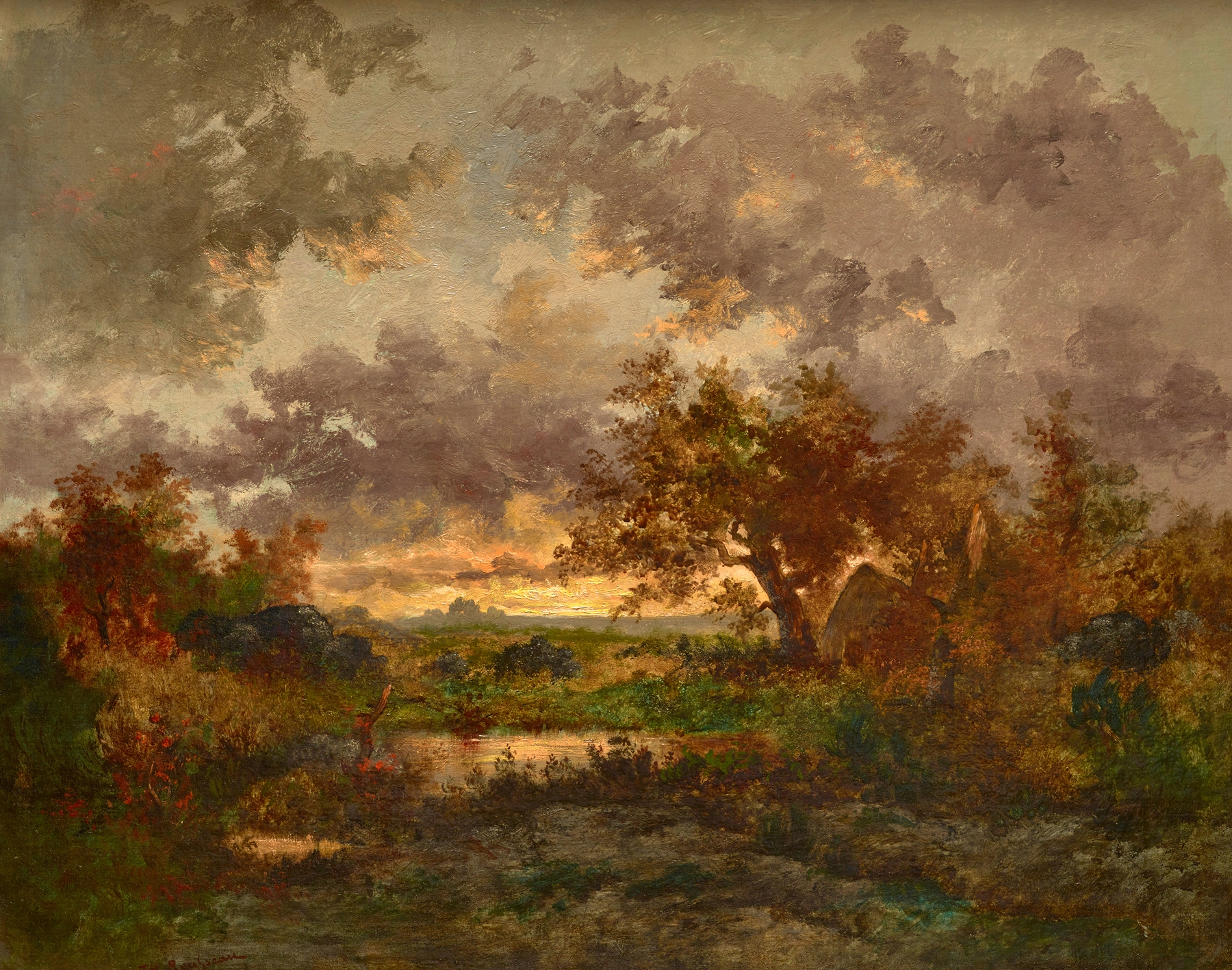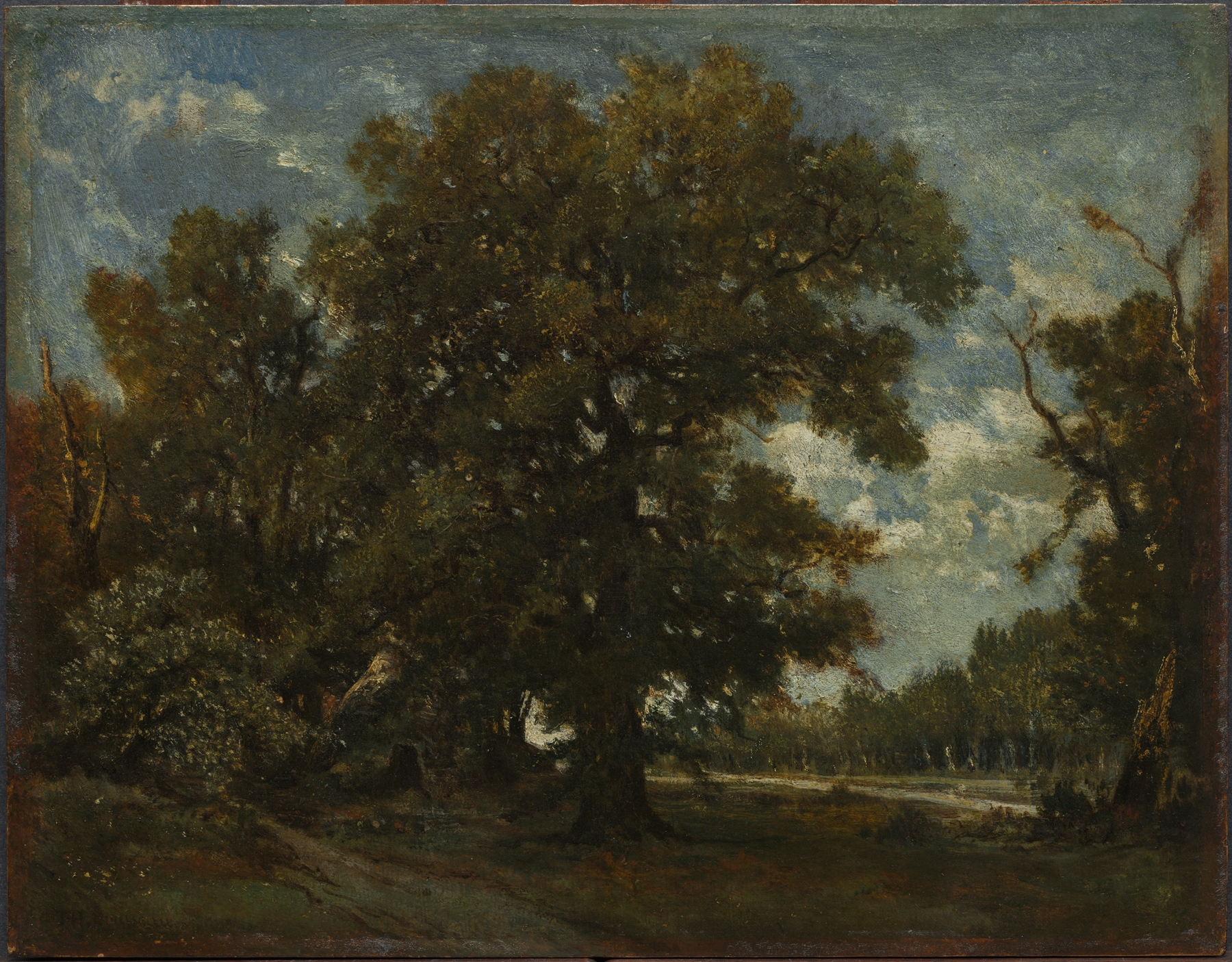
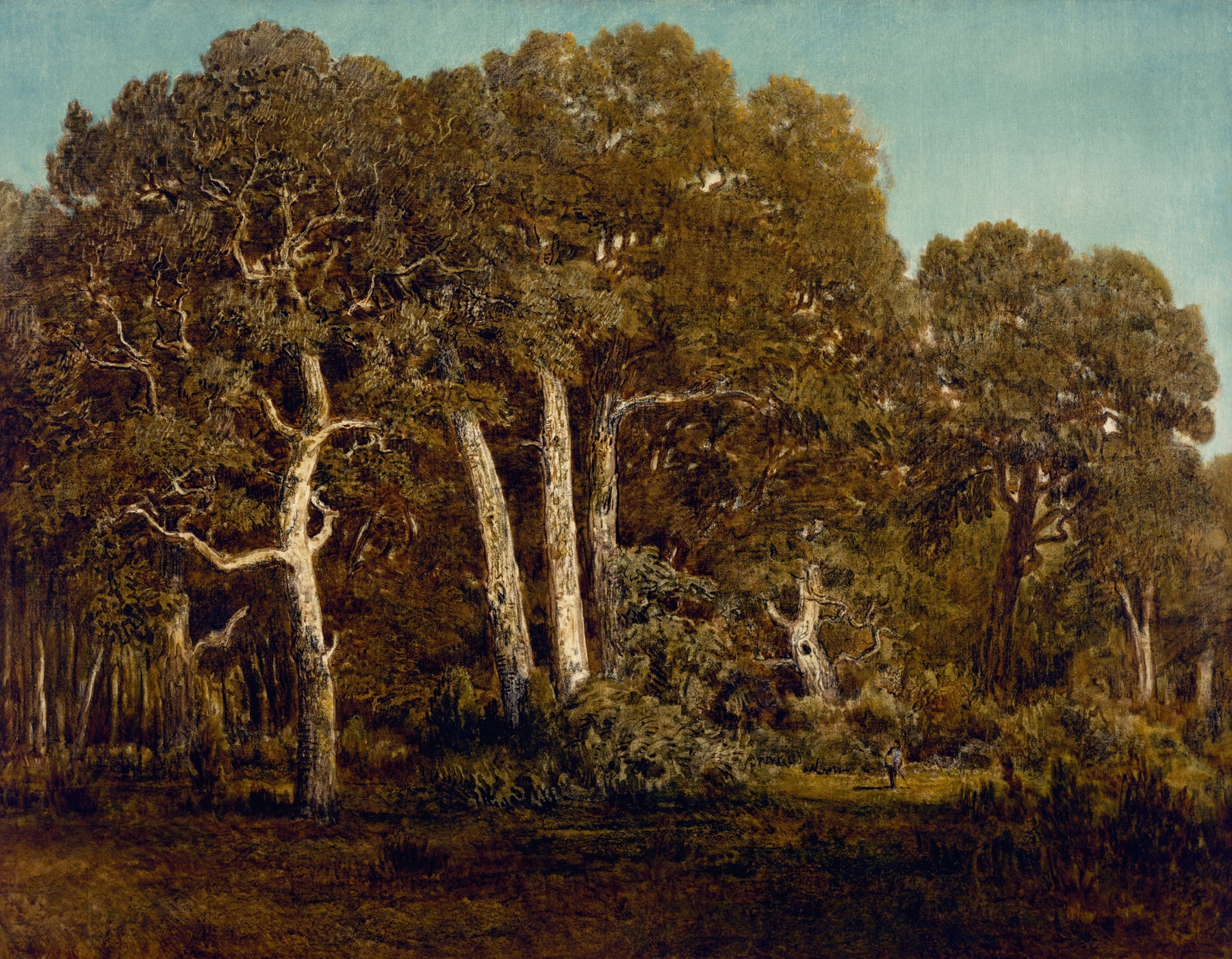
“To paint is to remember what time wants us to forget.” In the quiet embrace of nature, serenity reigns like a gentle whisper, inviting the viewer to pause and reflect. The image captures not just a tree, but a moment suspended in time, where the essence of tranquility seeps into every brushstroke. Look closely at the oak tree, its gnarled branches stretching outward like welcoming arms. Notice how the deep greens of the leaves contrast with the earthy browns of the trunk, a testament to resilience and life. The interplay of light filtering through the foliage casts a dreamlike glow on the ground below, highlighting the intricate textures of the bark against a backdrop of soft, dappled shadows. This interplay serves to evoke a sense of harmony, urging one to lose themselves in the delicate balance of nature. Hidden within this serene scene are themes of endurance and the passage of time. The oak, with its sturdy form, symbolizes strength, while its leafy canopy provides refuge, suggesting a sanctuary from the world's chaos. One might also perceive a subtle tension between permanence and transience—a reminder that even the mightiest trees stand vulnerable to nature's whims. The nuanced details of the painting encourage viewers to contemplate their own connection to the world around them and the fleeting moments that shape their lives. During the 19th century, the artist created this work amid the burgeoning Romantic movement in France, which emphasized emotion and individual experience. Rousseau found himself deeply influenced by the beauty of the French countryside, where he settled in Barbizon. This was a period of artistic exploration, as painters sought to capture the raw essence of nature in response to the industrial revolution encroaching upon their serene landscapes.