Soleil Couchant — History & Analysis
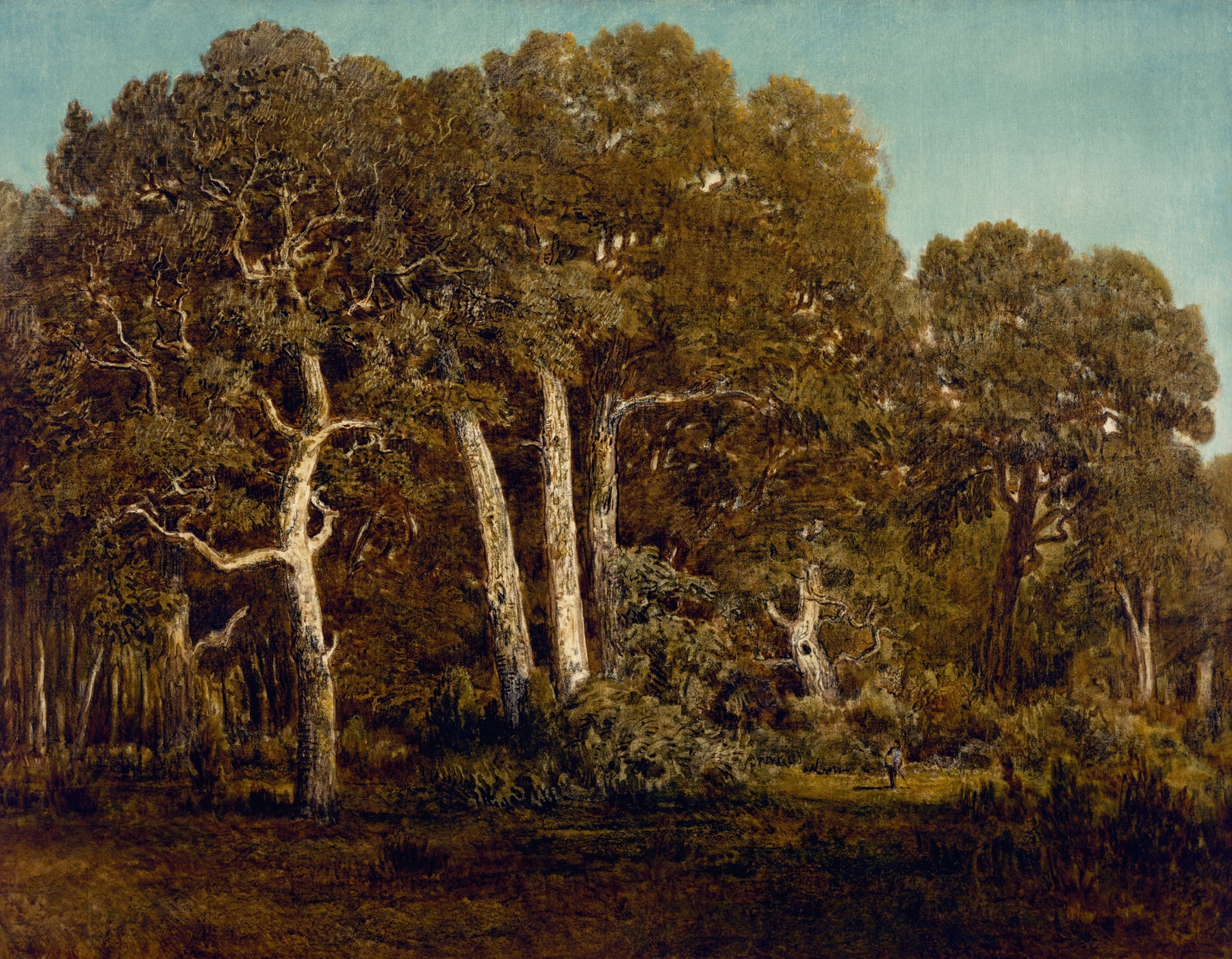
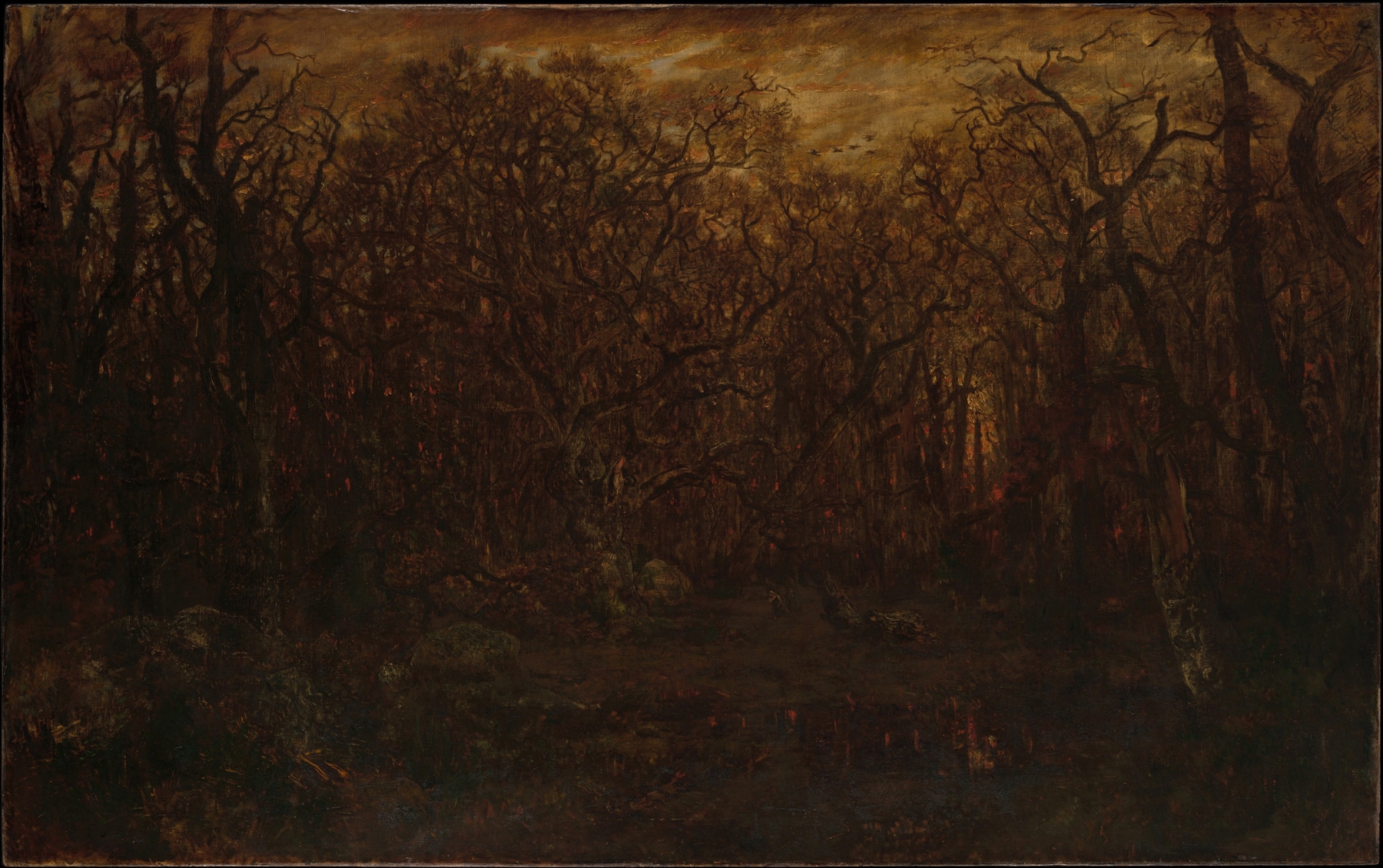
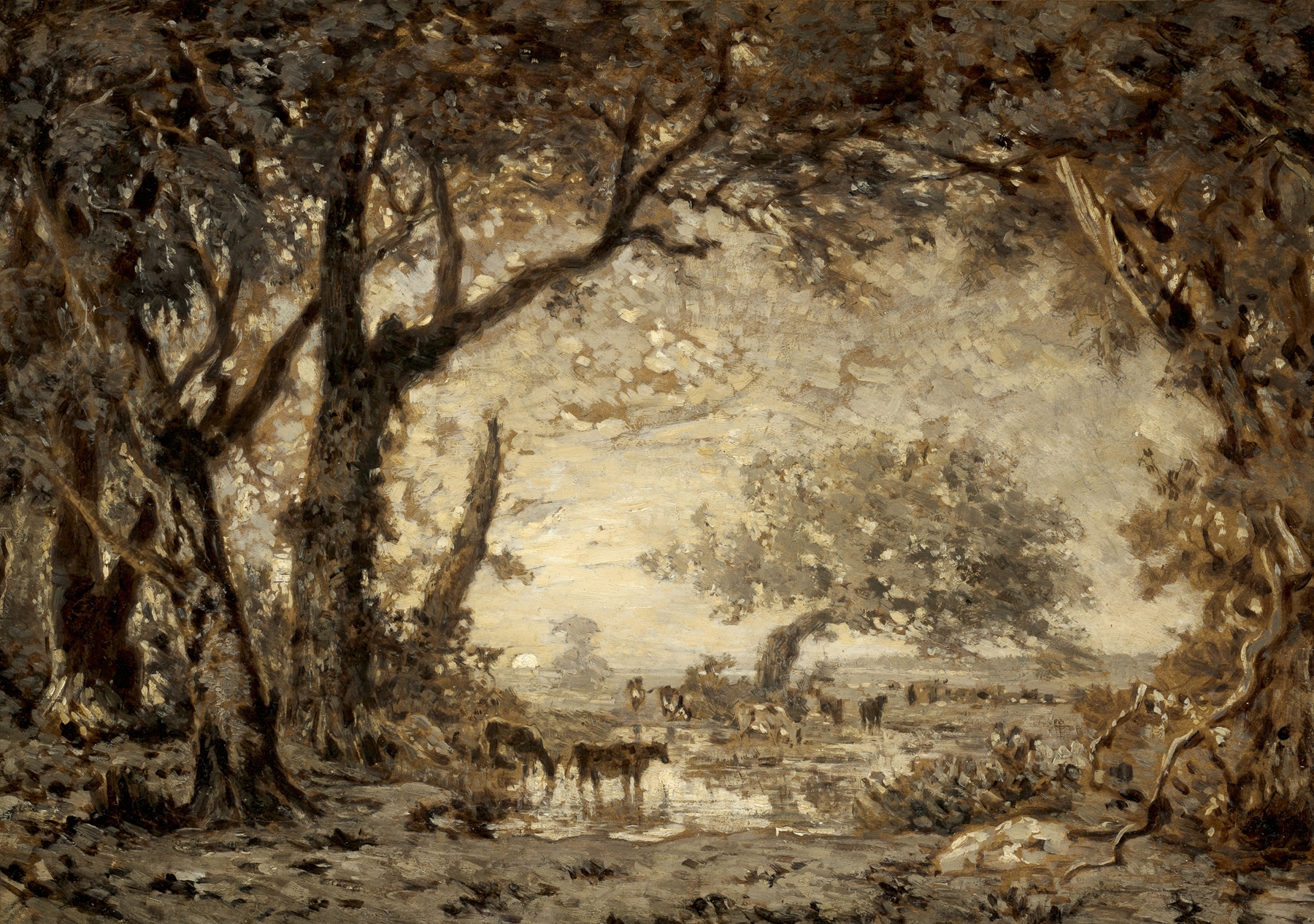
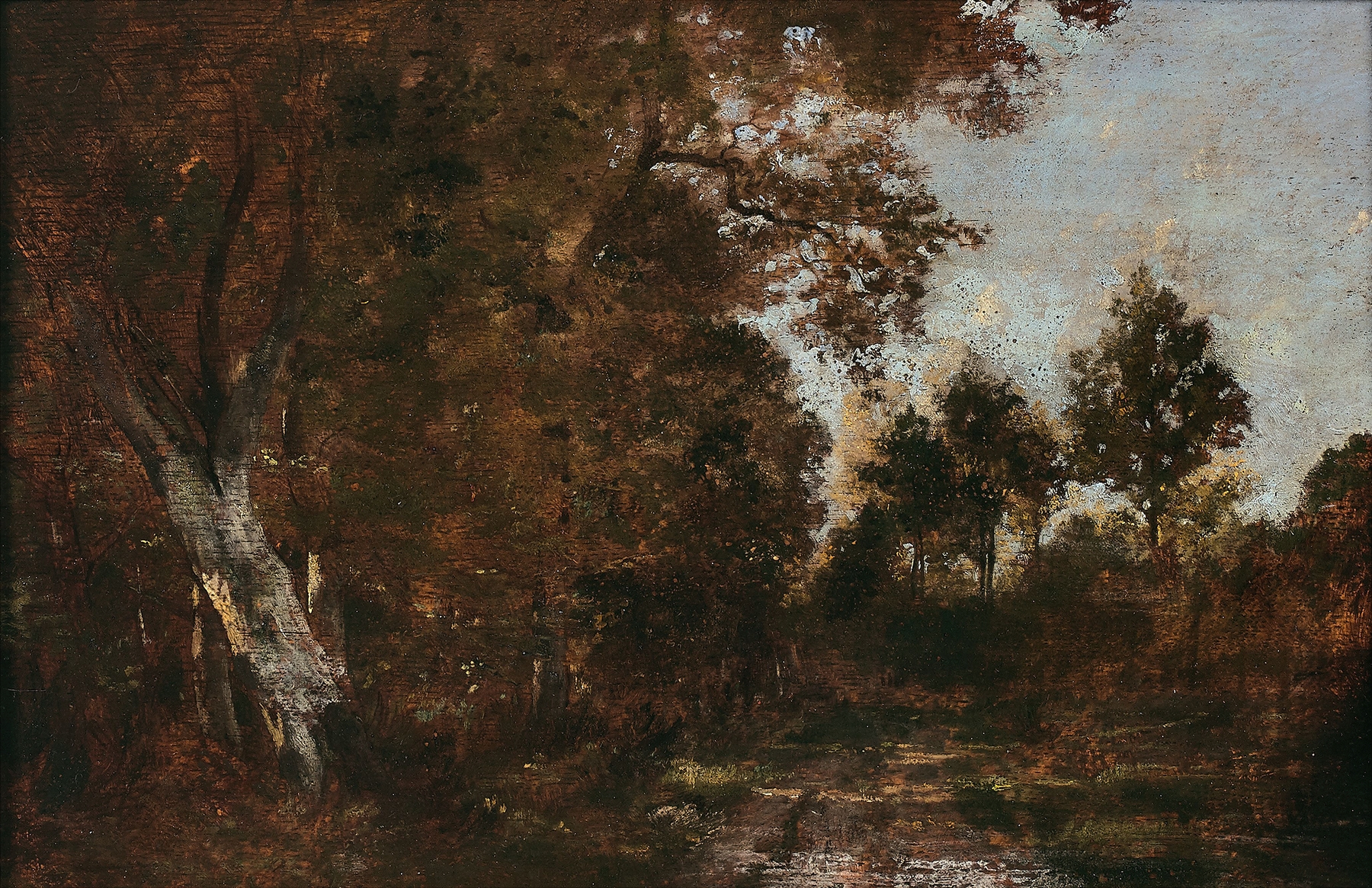
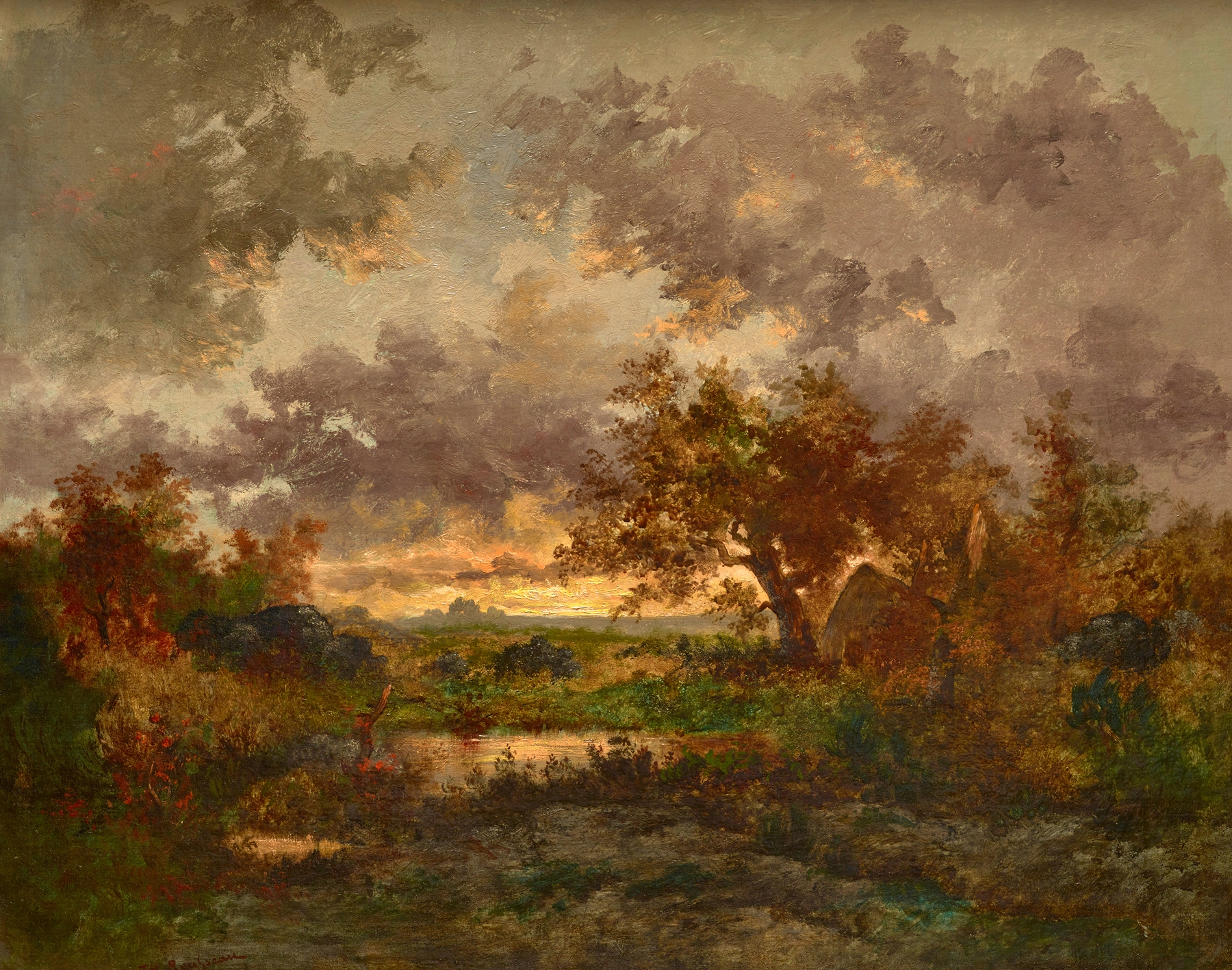
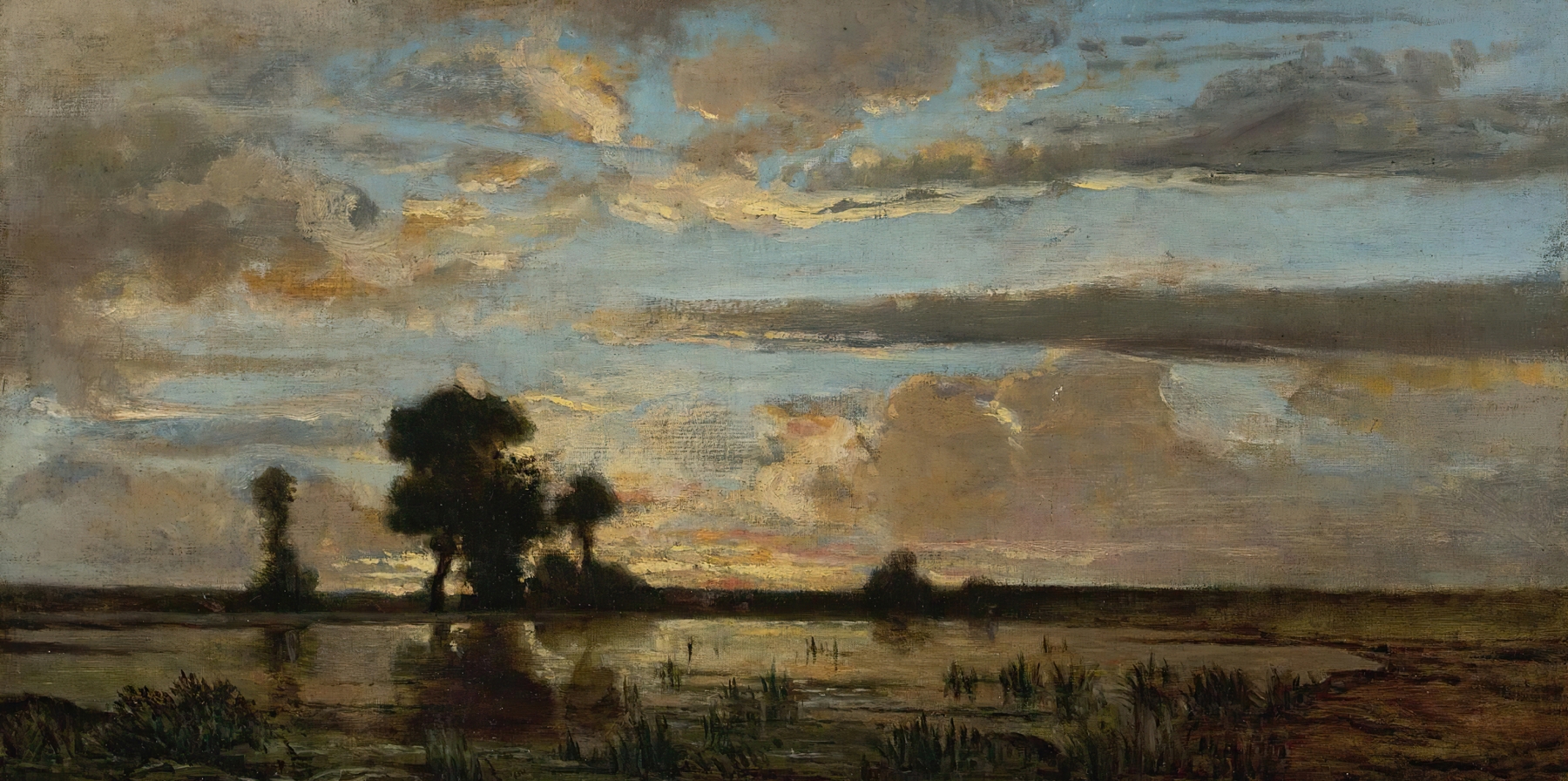
“The canvas doesn’t lie — it simply waits.” In the moments of twilight, when day slips quietly into night, a palpable sense of loss lingers, as if the sun itself mourns its departure. The fading light beckons us to reflect on the beauty that was and the darkness that encroaches, each brushstroke a whisper of memory. Focus on the horizon where the last rays of sunlight dissolve into an expanse of deep blues and grays. Notice how the trees, silhouetted against the glow, stand sentinel-like, their forms twisted and gnarled, speaking to the passage of time. The muted palette enhances the somber mood, while the soft texture of the paint invites touch, urging us to linger in this moment of transition before the inevitable night. This painting captures not just a natural phenomenon, but the emotional weight of change and loss. The interplay between light and shadow evokes a sense of nostalgia, reminding us of fleeting moments we cannot reclaim. The trees, firm yet fragile, symbolize resilience in the face of inevitable circumstances, their detailed leaves hinting at both vitality and decay, a dichotomy reflective of life's transience. Created during a period of artistic exploration in the mid-19th century, the work reflects Rousseau's deep connection to nature and the landscape's emotional resonance. This was a time when Romanticism thrived, as artists sought to evoke feelings and capture the sublime. Rousseau, working en plein air, often painted scenes that represented both personal and collective histories, navigating his own experiences in a changing world.