Valley of the Rouars in the Gorges d’Apremont — History & Analysis
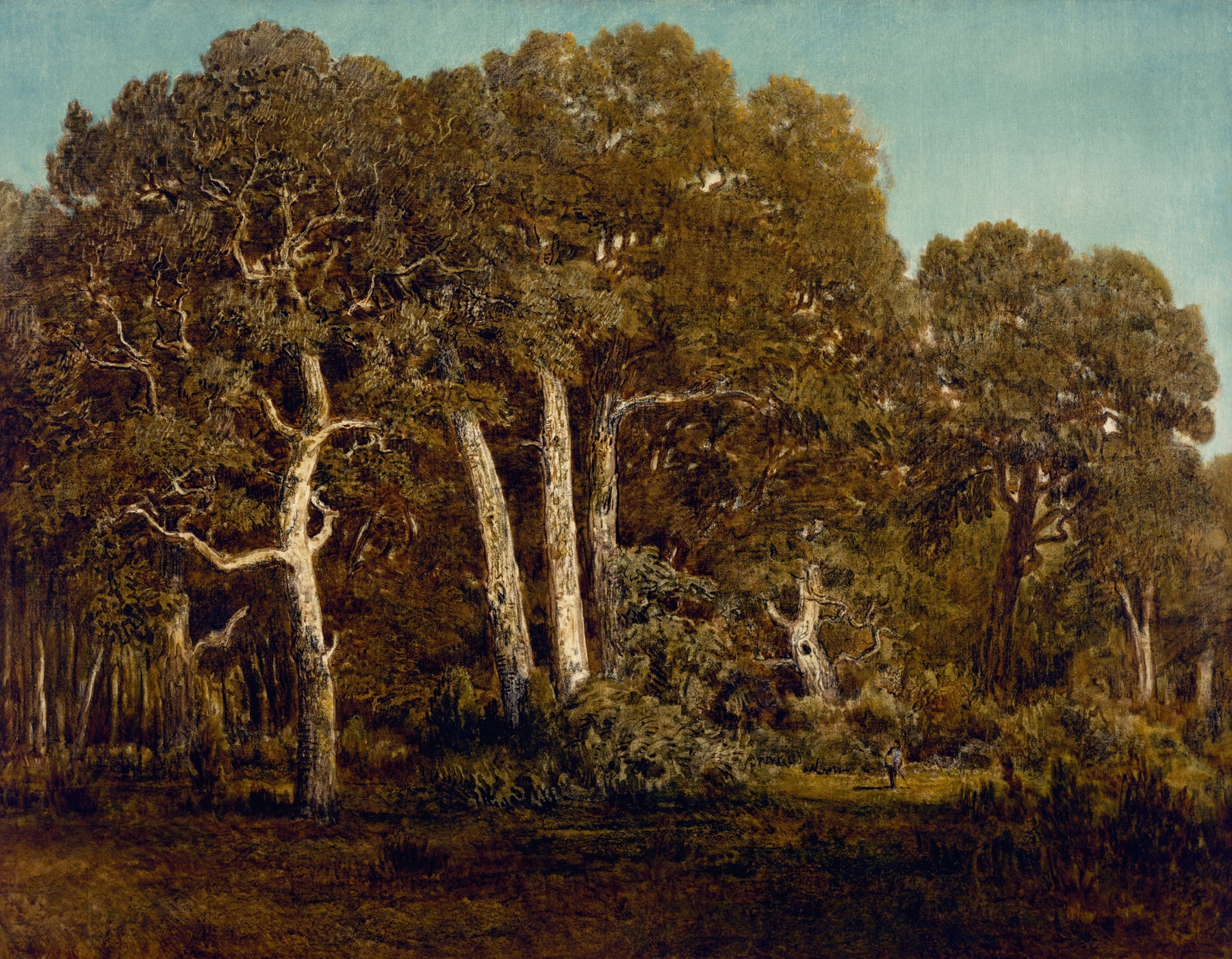
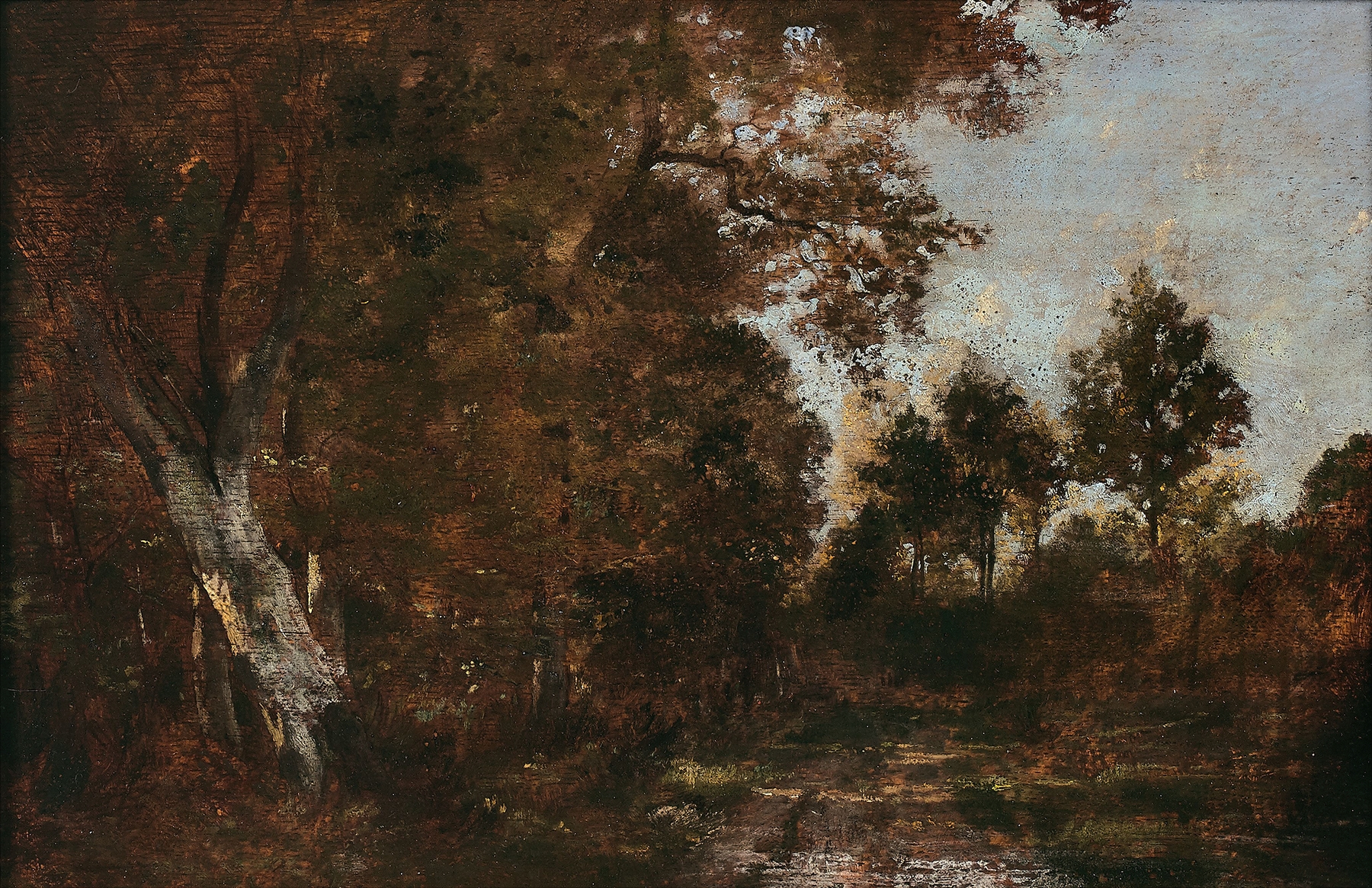
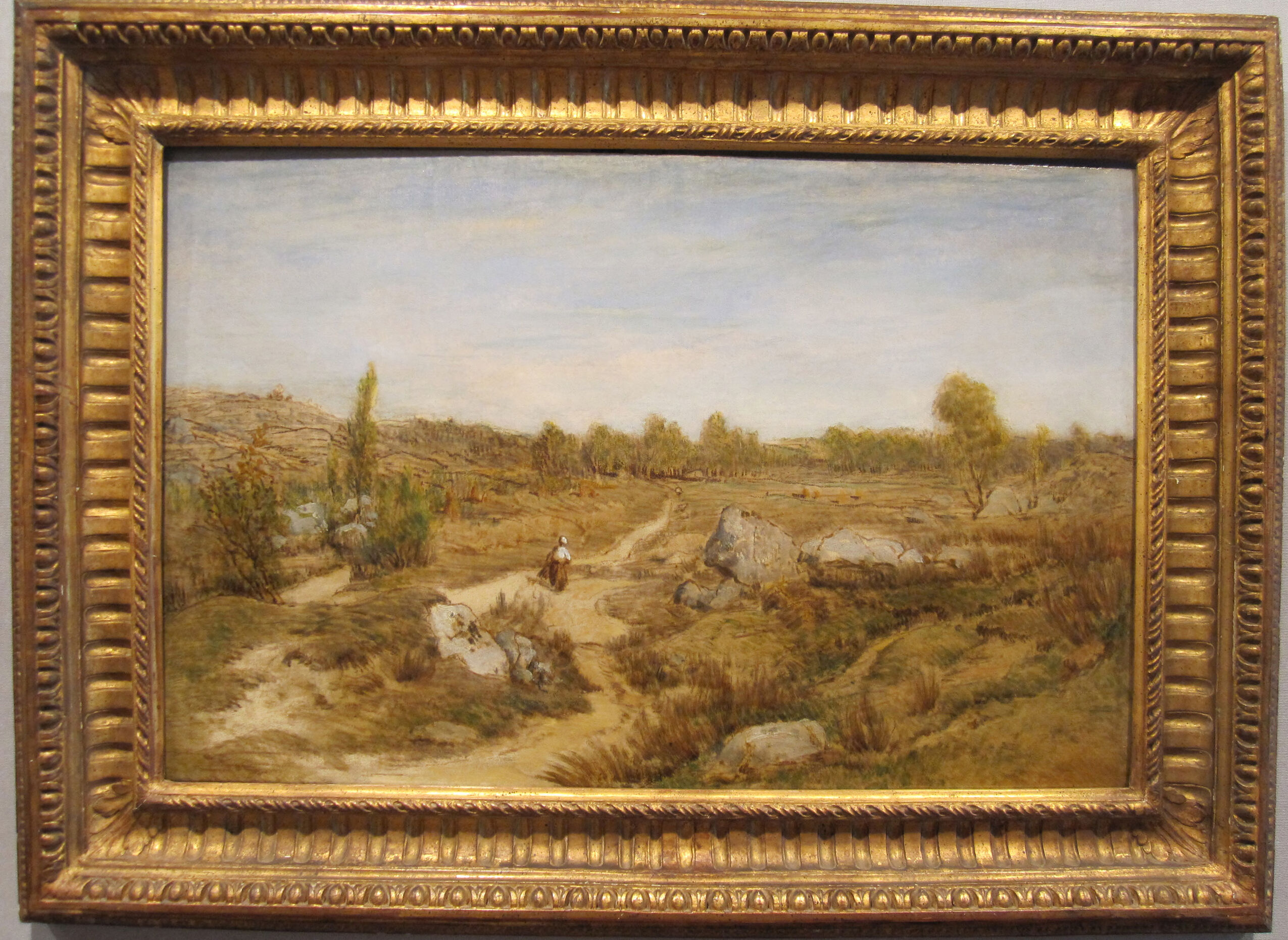
“Between color and silence, truth hides.” In the stillness of nature, light speaks a language of its own, revealing the secrets of the world. Here, amidst the lush greens and earthy browns, lies a hidden valley, a sanctuary where light dances delicately across the landscape. Look to the left, where the sun filters through the canopy, illuminating patches of vibrant foliage with bright yellows and soft greens. Notice how the trees stand in silent witness, their trunks sturdy yet graceful, guiding your gaze into the depths of the valley. The winding path draws you in, inviting a sense of wanderlust while the painter’s loose brushstrokes breathe life into each element — from the rocks glistening with moisture to the gentle ripple of the stream that winds through. Amidst this serene beauty, contrasts emerge: the solidity of the rocky formations juxtaposed against the ephemeral quality of light. The interplay of shadow and brightness serves as a metaphor for fleeting moments, suggesting the transient nature of peace and tranquility. Each stroke captures a deeper emotional resonance, as if the valley itself holds stories untold, lingered over by the quiet of nature. Created around 1855, this work reflects Rousseau’s commitment to en plein air painting, a method that sought to capture the essence of landscapes directly from nature. At that time, he was immersed in the Barbizon school, a movement that emphasized realism and the beauty of the French countryside. This period was pivotal for Rousseau, as he grappled with his own artistic identity, striving to convey a profound connection between humanity and the wilderness.