A Mediterranean Inlet By Moonlight — History & Analysis
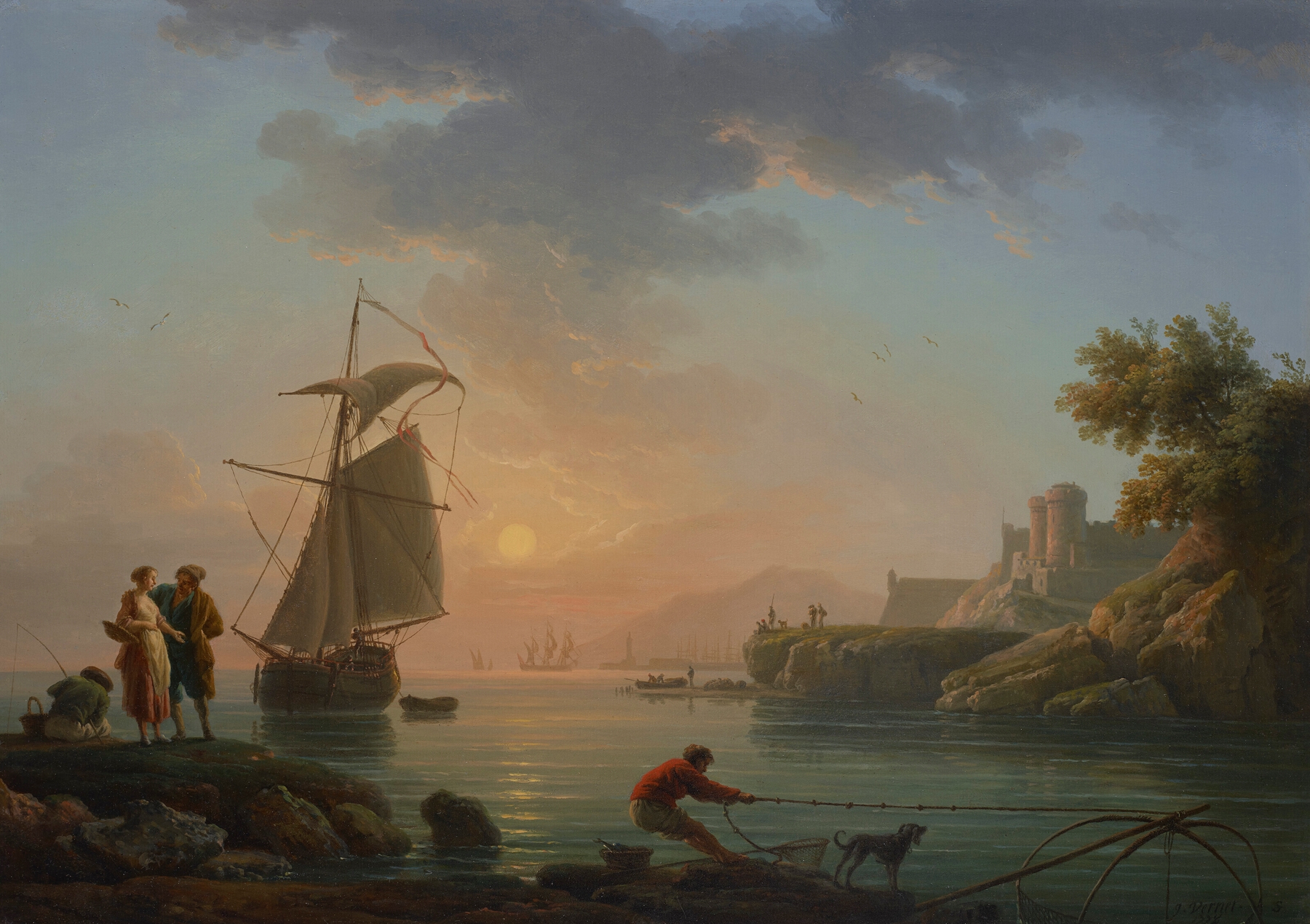
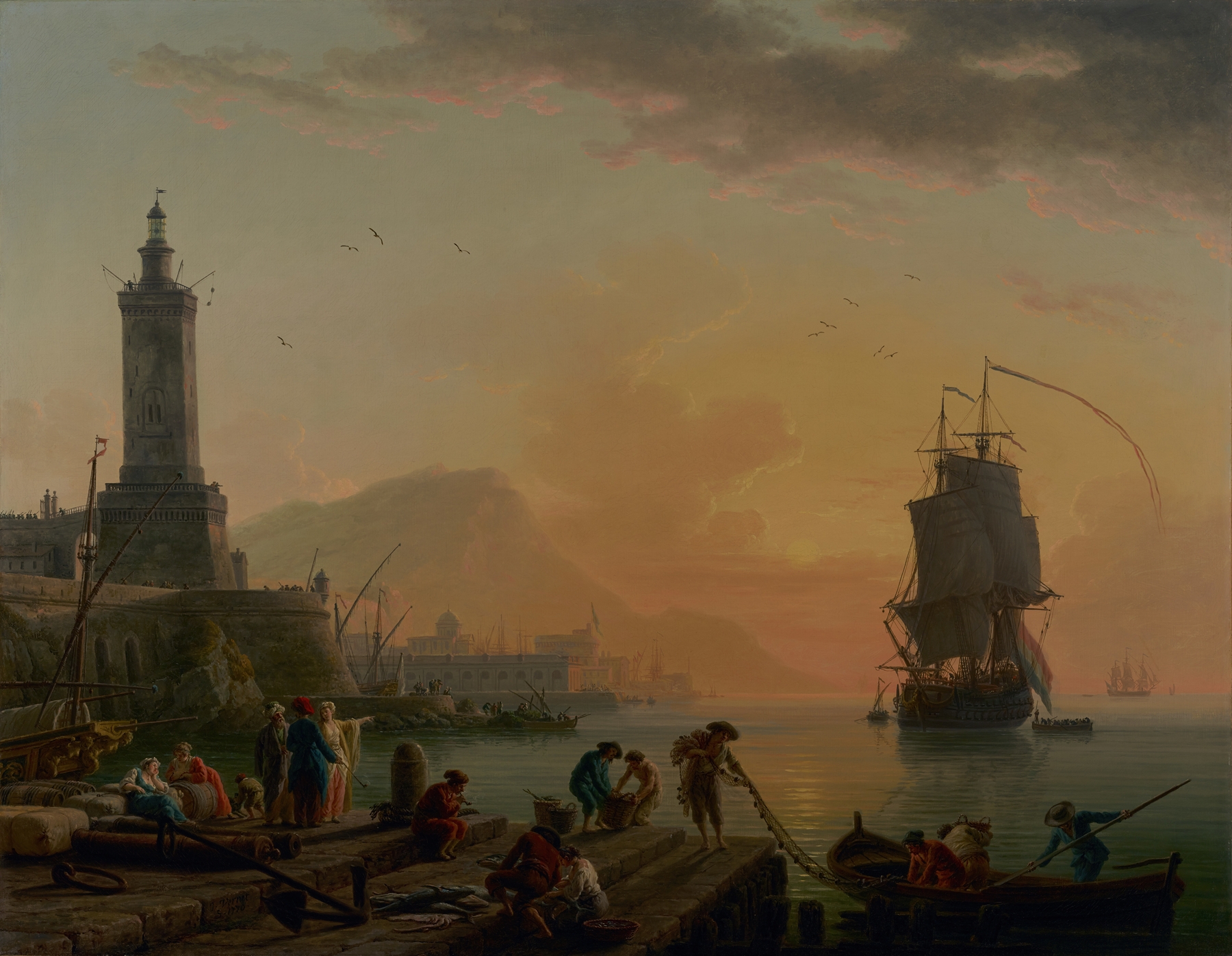
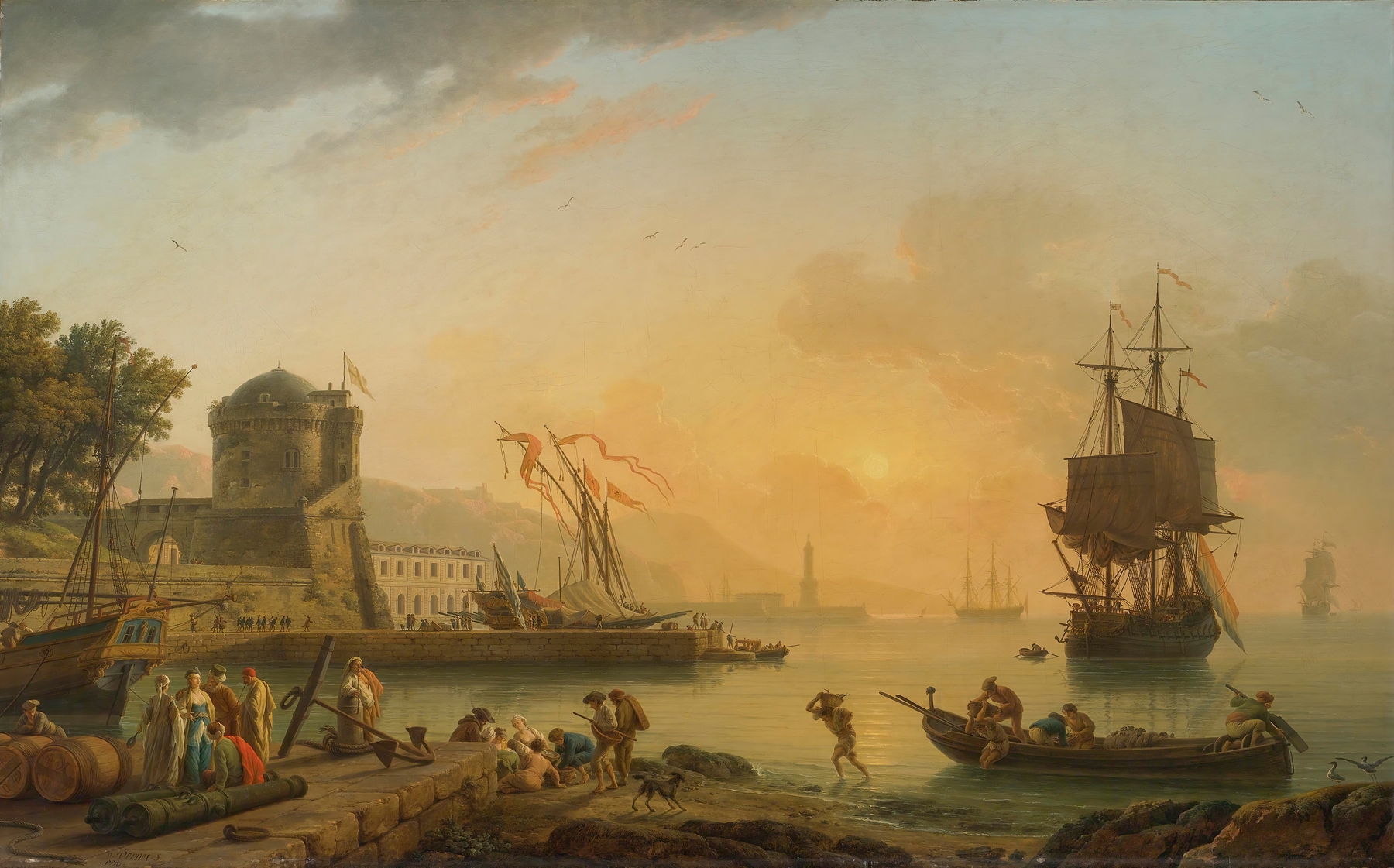
What secret hides in the quiet of the canvas? Beneath the soft glow of moonlight, tranquility mingles with a poignant sense of longing, echoing the melancholy of the human condition. Notice how the viewer is drawn to the delicate interplay of light and shadow. Focus first on the shimmering reflections on the water’s surface, where the moon casts a silvery path that seems to lead into the depths of the night.
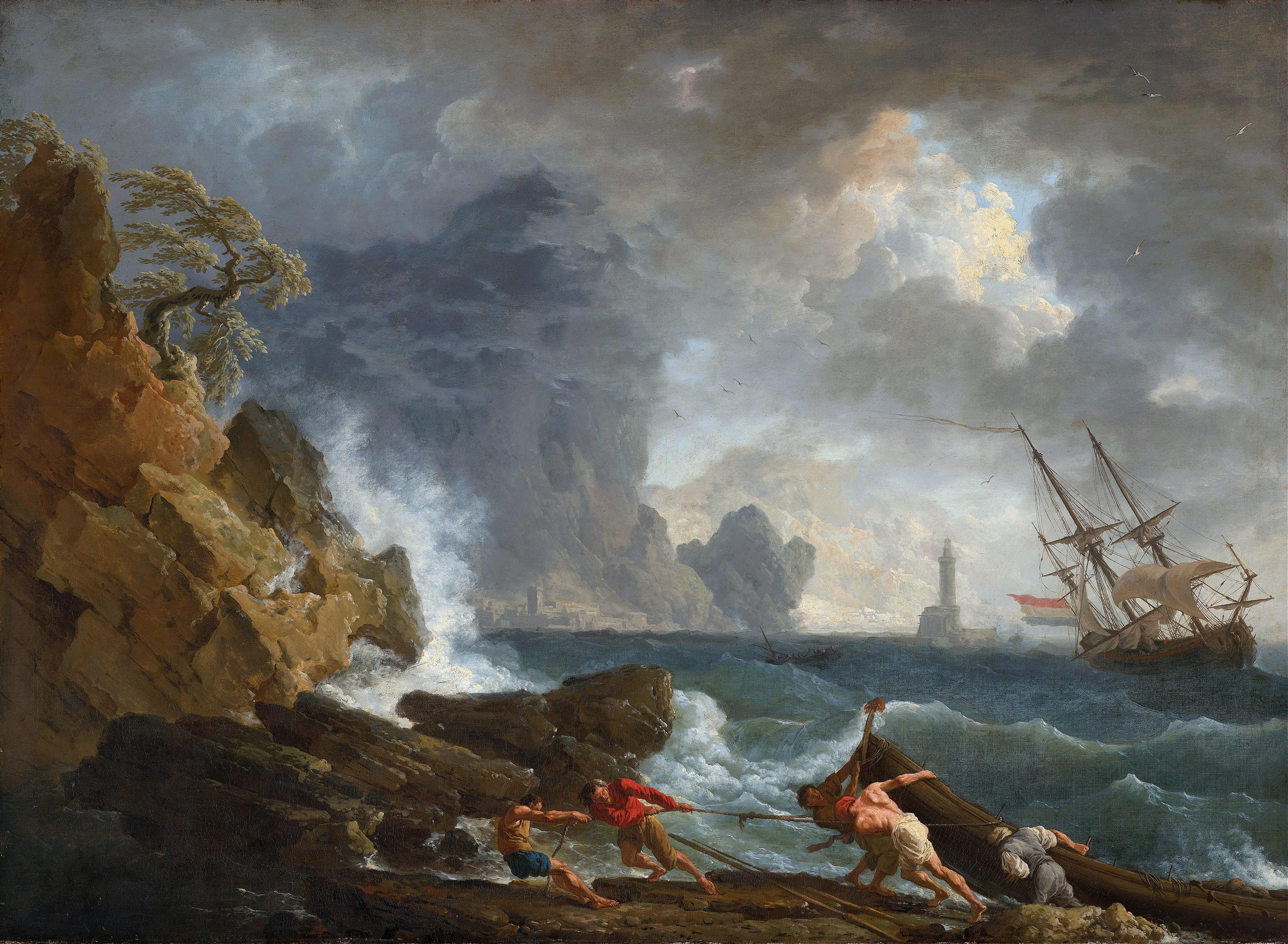
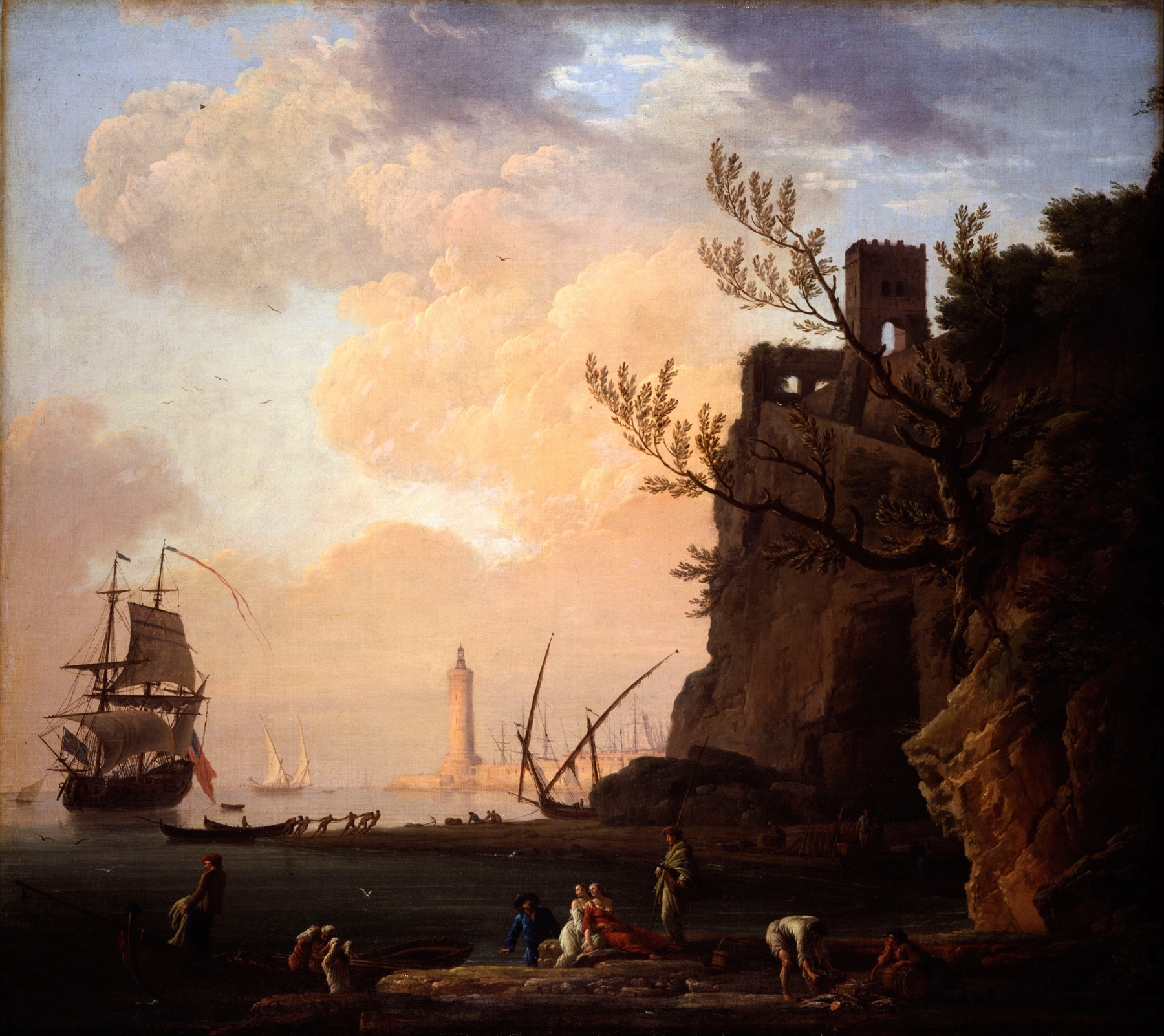
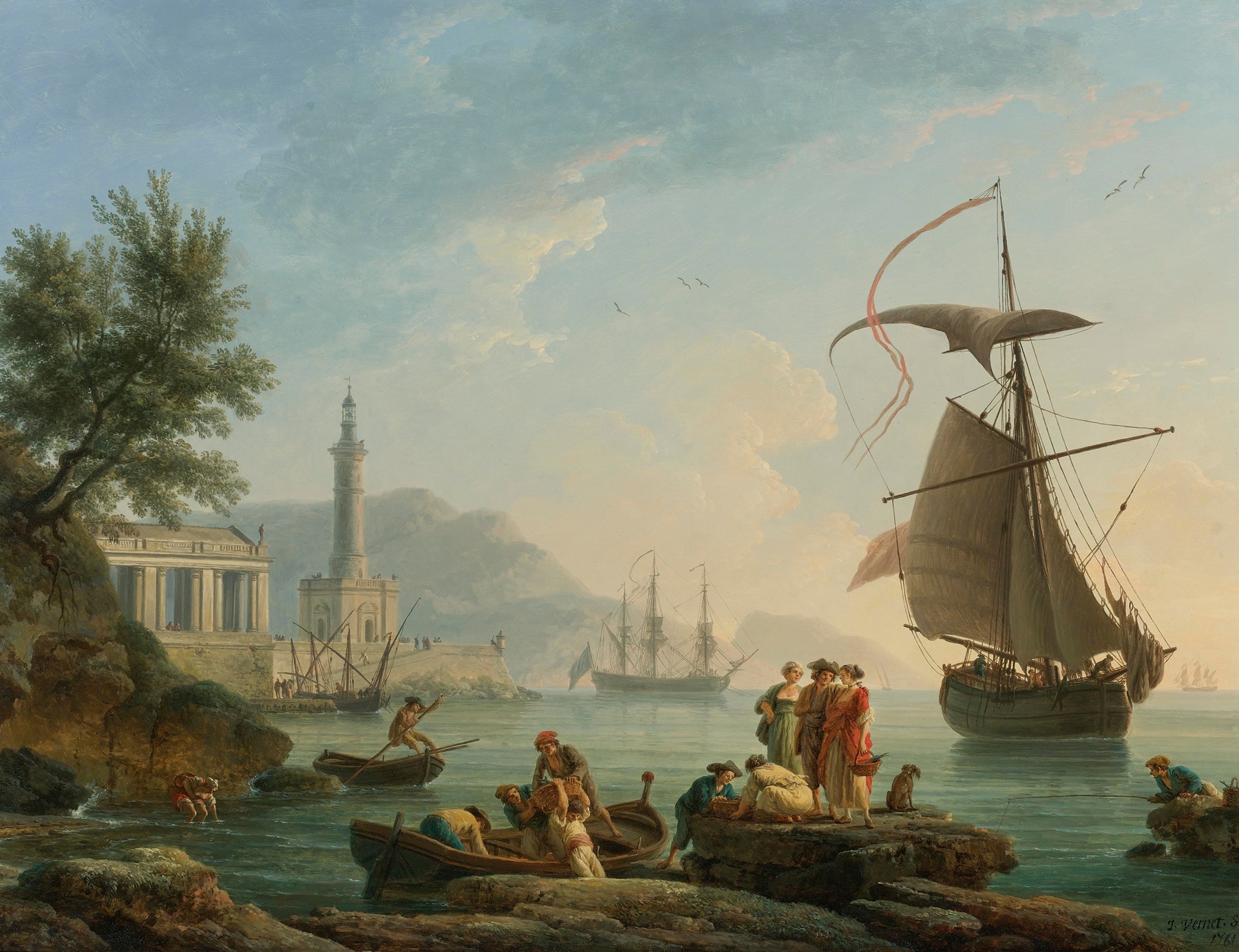
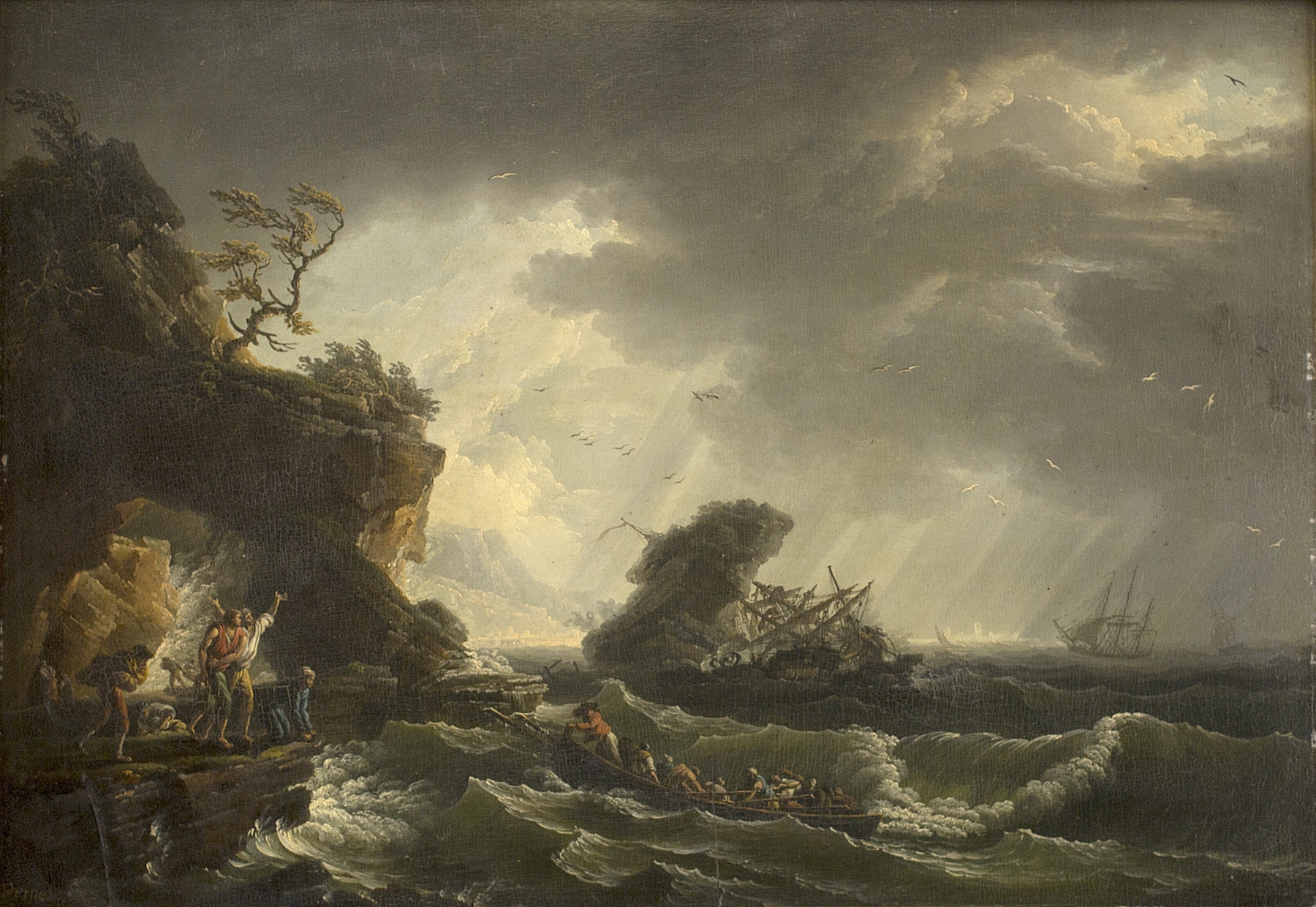
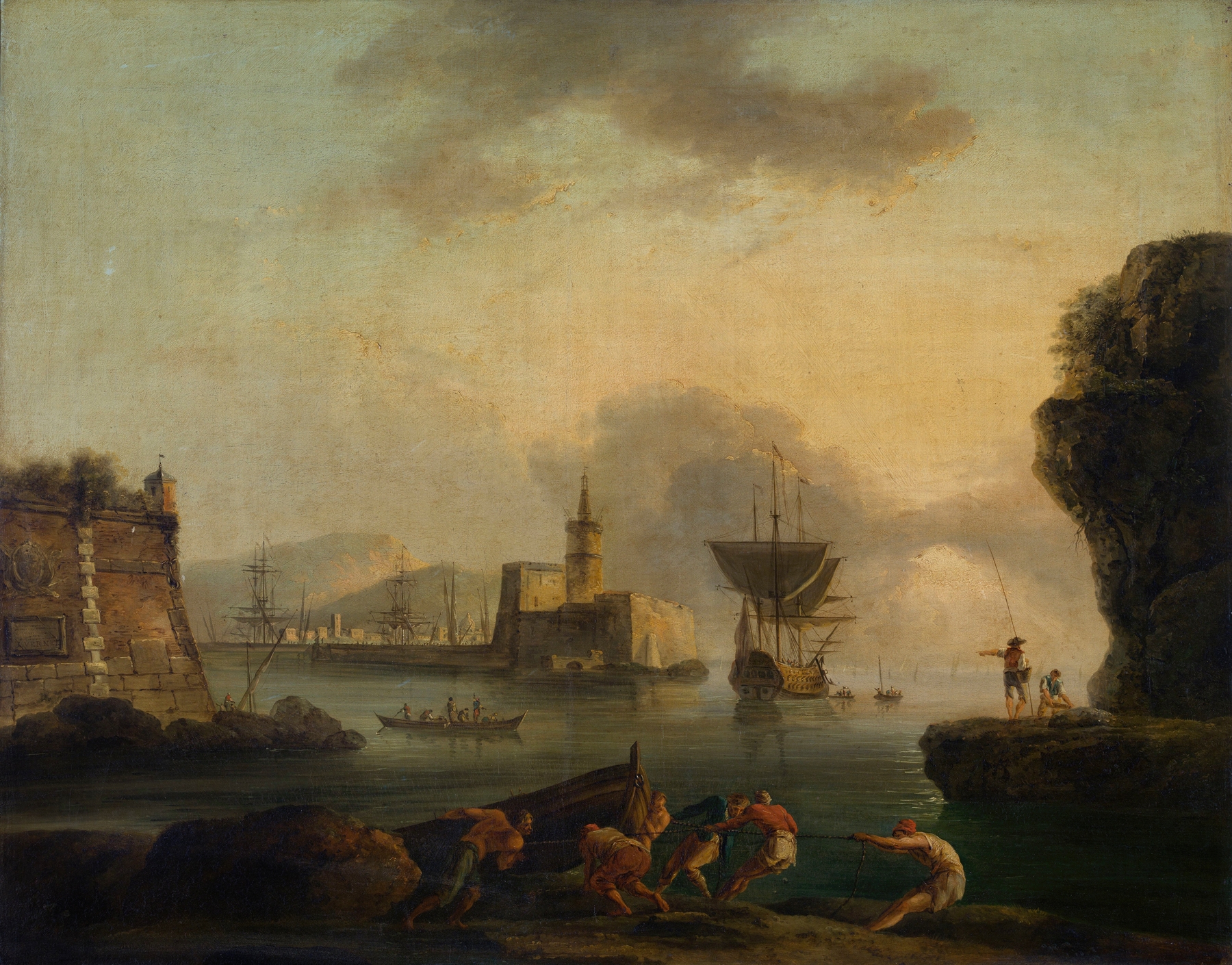
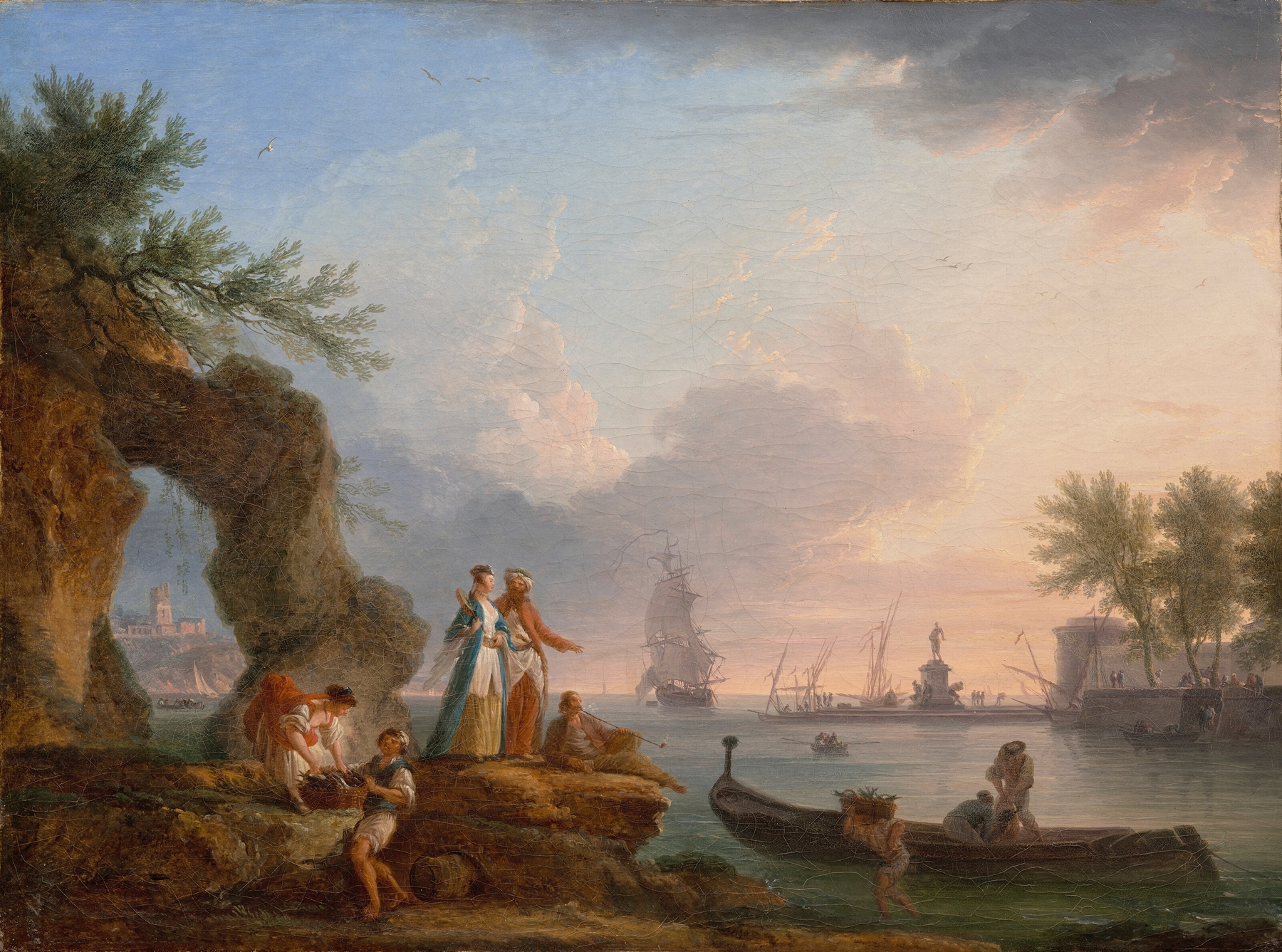
The gentle waves caress the rocky shore, a subtle reminder of nature's enduring rhythm, while the dimly lit boats bob softly, hinting at the lives they carry. The palette, dominated by deep blues and muted grays, imbues the scene with a sense of introspection, as if time itself pauses to breathe. As you explore the details further, consider the shadows of the cliffs framing the inlet, standing silent and watchful, contrasting the soft glow of the moon. Each element holds an emotional weight—the boats, perhaps abandoned, evoke thoughts of solitude and the fleeting nature of existence.
The stillness of the night is pierced only by whispers of the past, suggesting stories untold and memories lost to time, deepening the inherent sadness of this serene moment. In 1748, Claude-Joseph Vernet created this evocative piece in France, a period marked by a flourishing interest in landscapes and maritime scenes. The artist was exploring his signature style, blending natural beauty with an underlying narrative depth, reflecting the romanticism that was beginning to influence European art. Vernet's connection to the sea and its moods resonates throughout his work, capturing not just the physical landscape but the emotional landscapes of humanity intertwined with it.