A moonlit landscape — History & Analysis
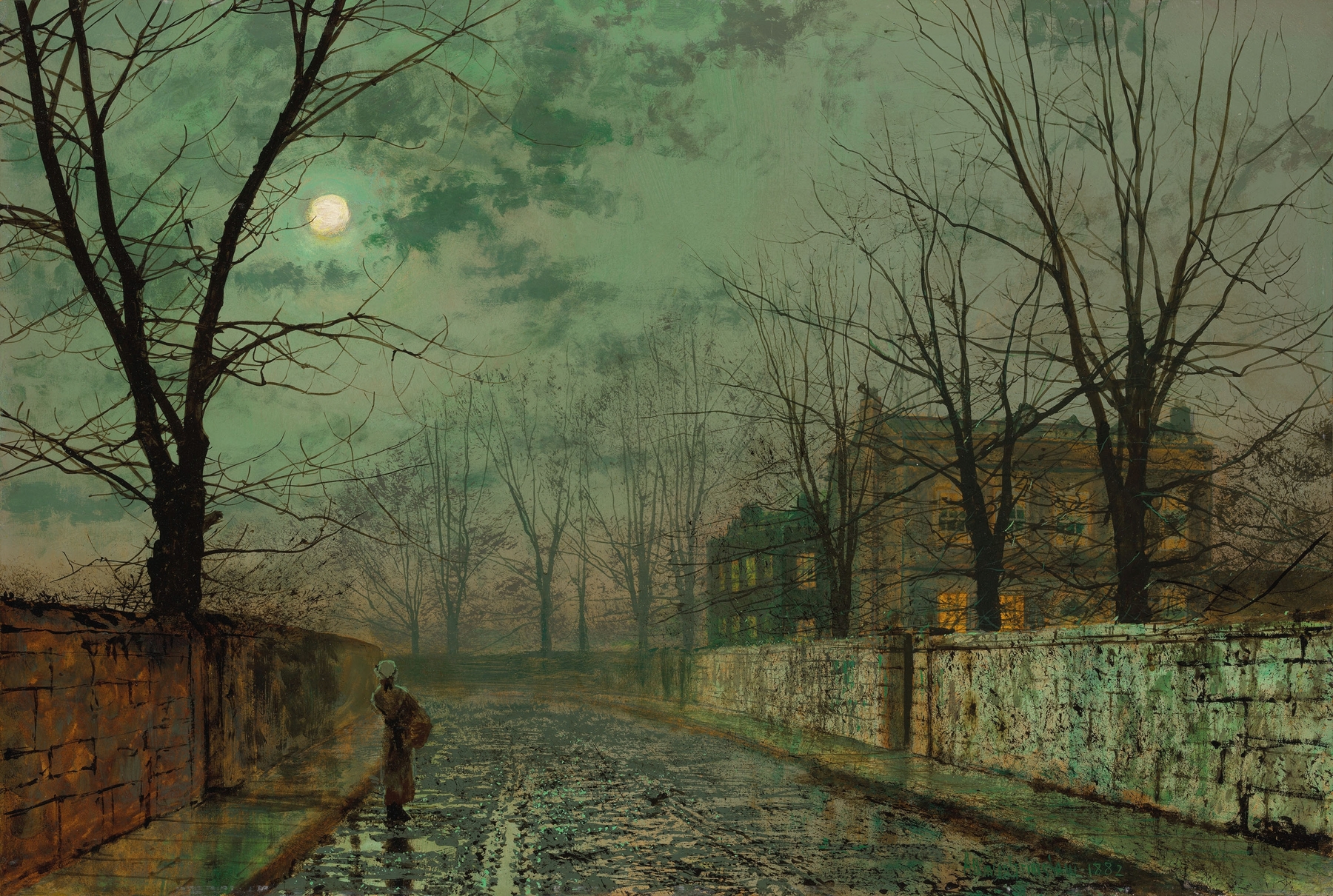
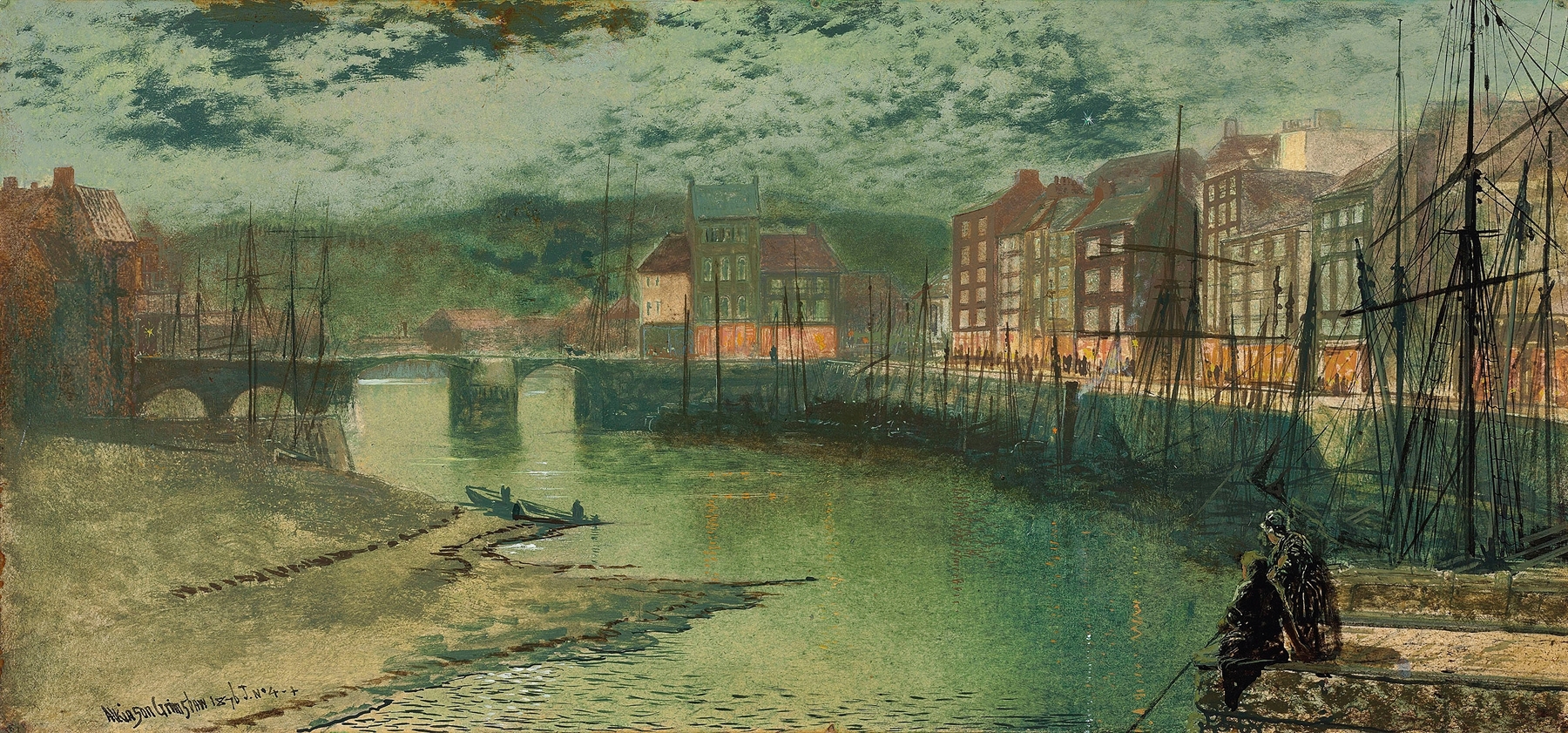
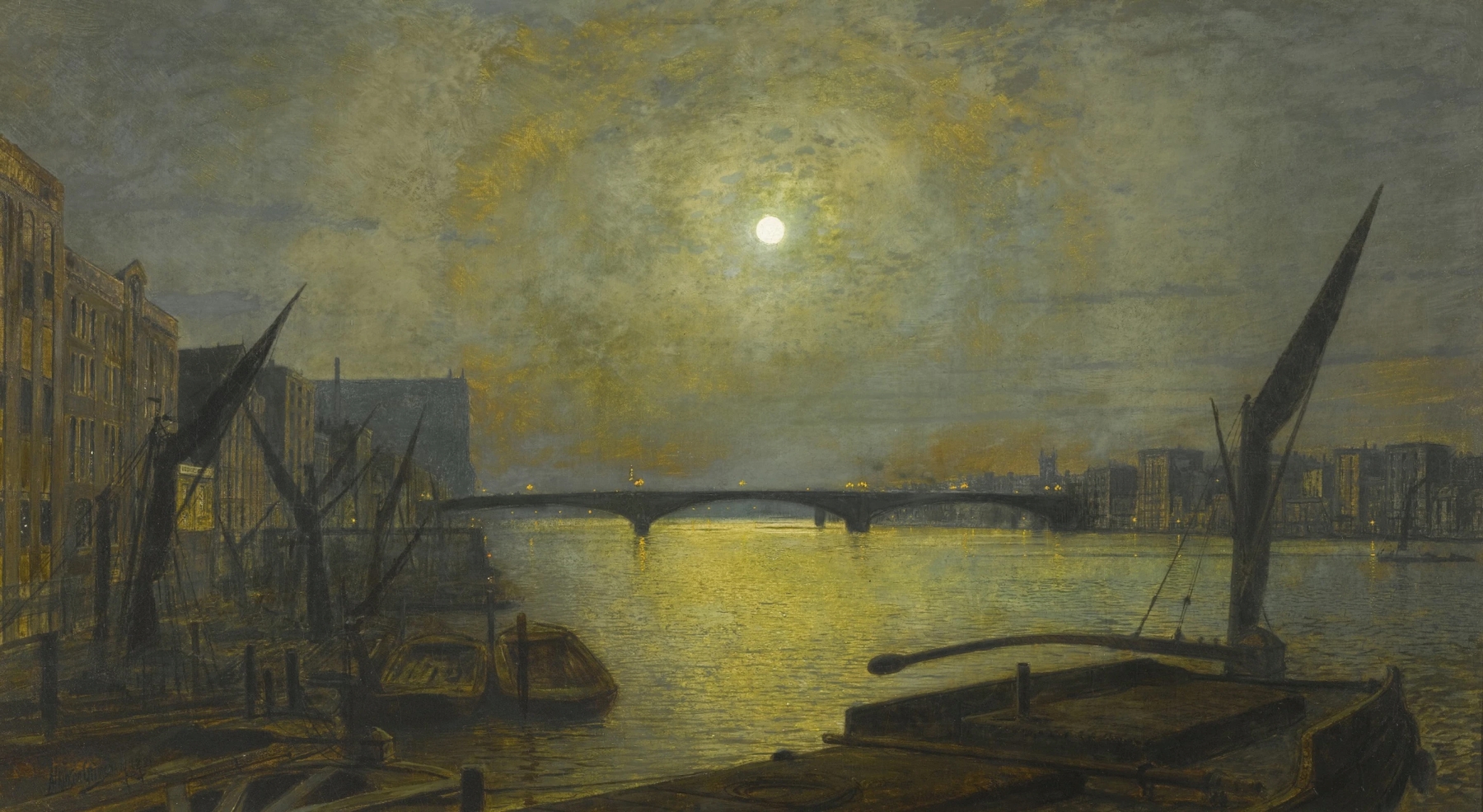
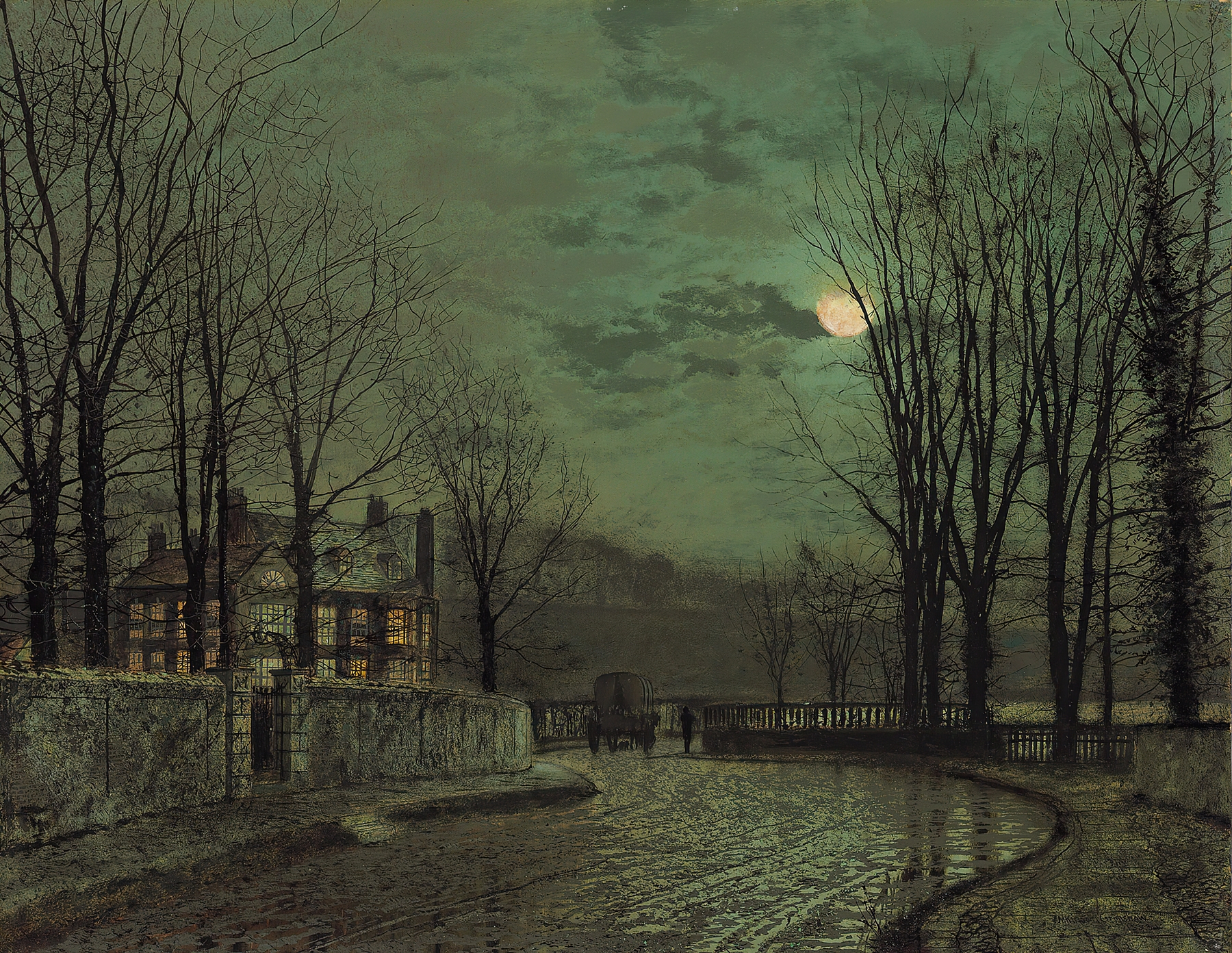
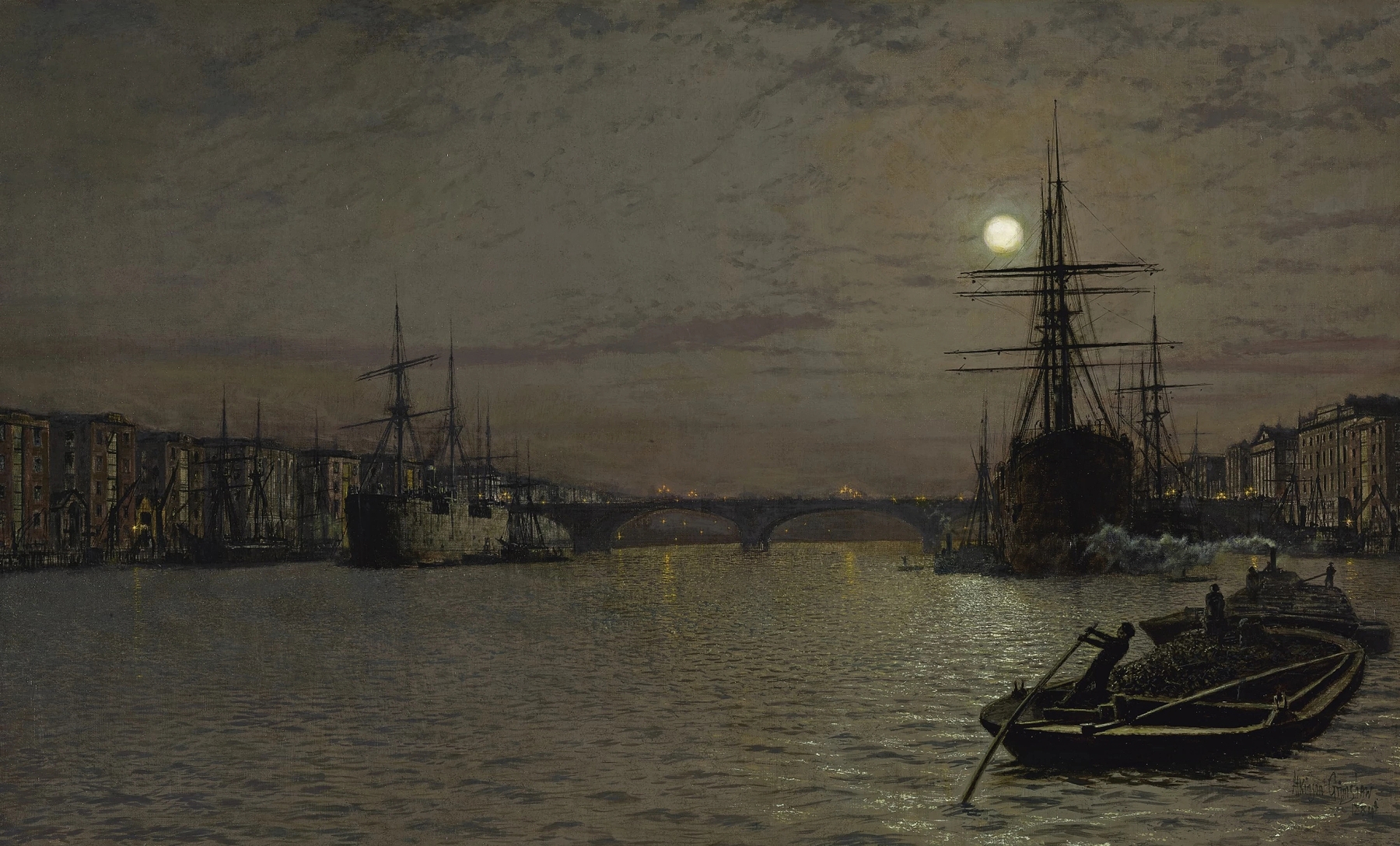
Could beauty survive in a century of chaos? In a world often overshadowed by uncertainty, the tranquil allure of a moonlit landscape beckons us to contemplate our destiny. Look to the right at the silvery glow of the moon, casting its ethereal light across the serene waters. The delicate brushwork captures the shimmering reflections dancing on the surface, while shadowy trees frame the scene, their dark silhouettes contrasting with the luminous sky.
The artist’s masterful use of color creates a harmonious balance, inviting viewers to lose themselves in the soft blues and grays, which evoke a sense of peace amid an otherwise tumultuous existence. Within this luminous setting lies a deep emotional tension. The stillness of the water suggests both tranquility and a hint of solitude, a reminder of the isolation we often feel in life’s journey. The distant horizon, shrouded in mystery, symbolizes the unknown paths we traverse, urging us to confront our fears and embrace the beauty that destiny offers.
Each element in the landscape contributes to a narrative of hope, whispering that serenity can persist even when surrounded by darkness. Created during a time when the world was rife with change, the artist crafted this piece in the late 19th century, a period marked by industrial transformation and social upheaval. As an influential figure in the Pre-Raphaelite movement, he sought to capture atmospheric effects and the interplay of light and shadow, reflecting both the beauty and fragility of life while finding solace in nature's embrace.