Boar Lane, Leeds by lamplight — History & Analysis
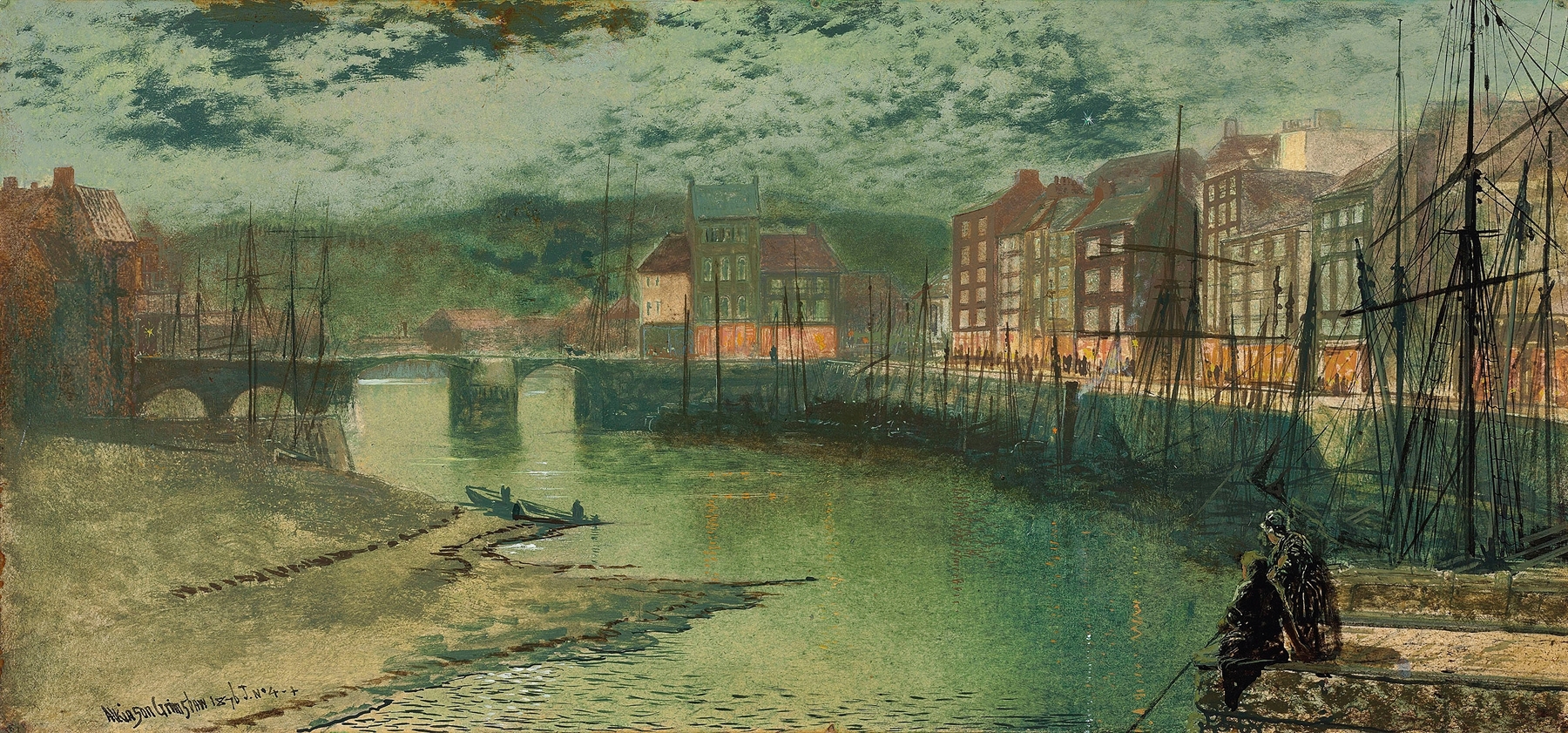
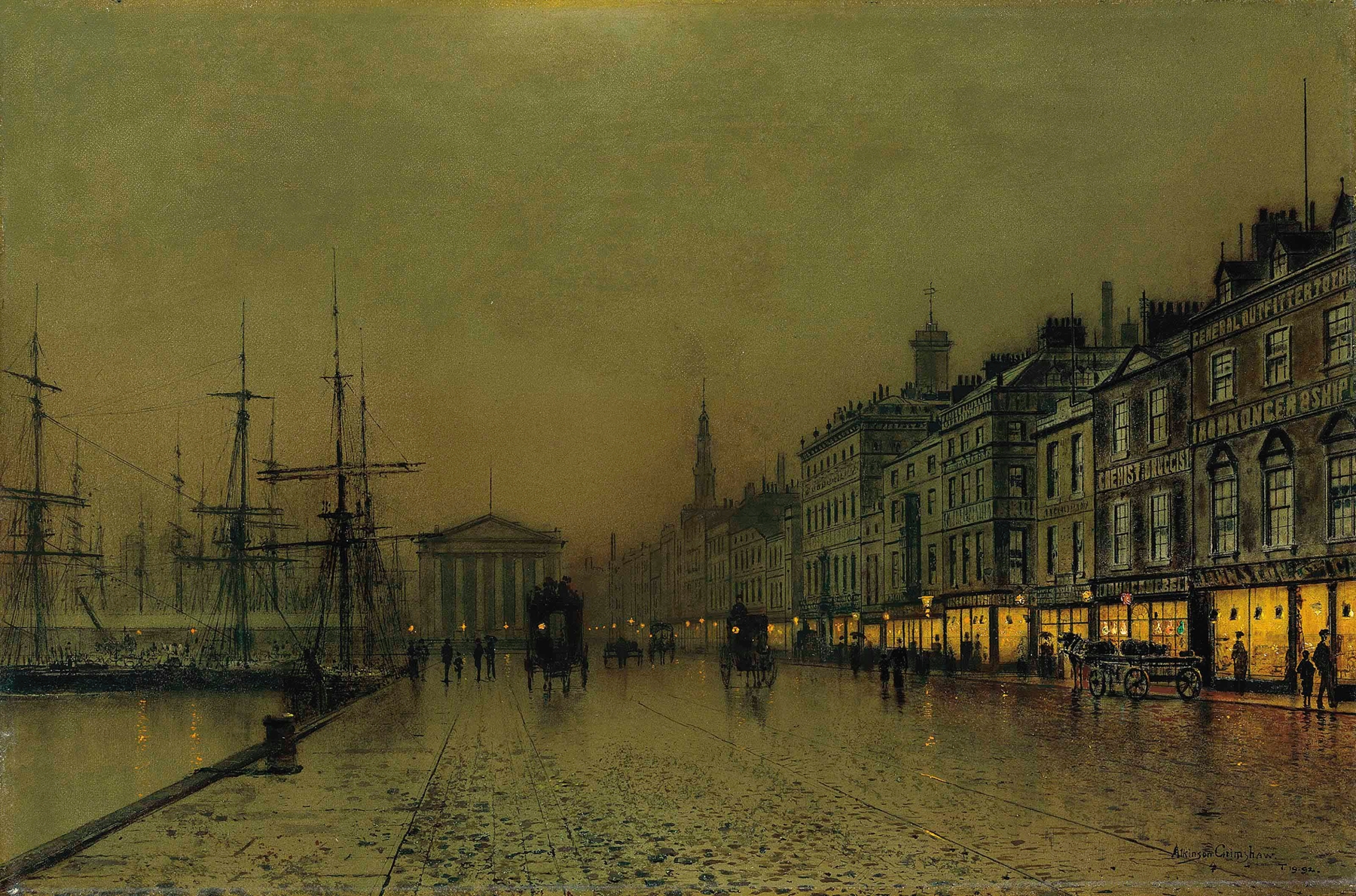
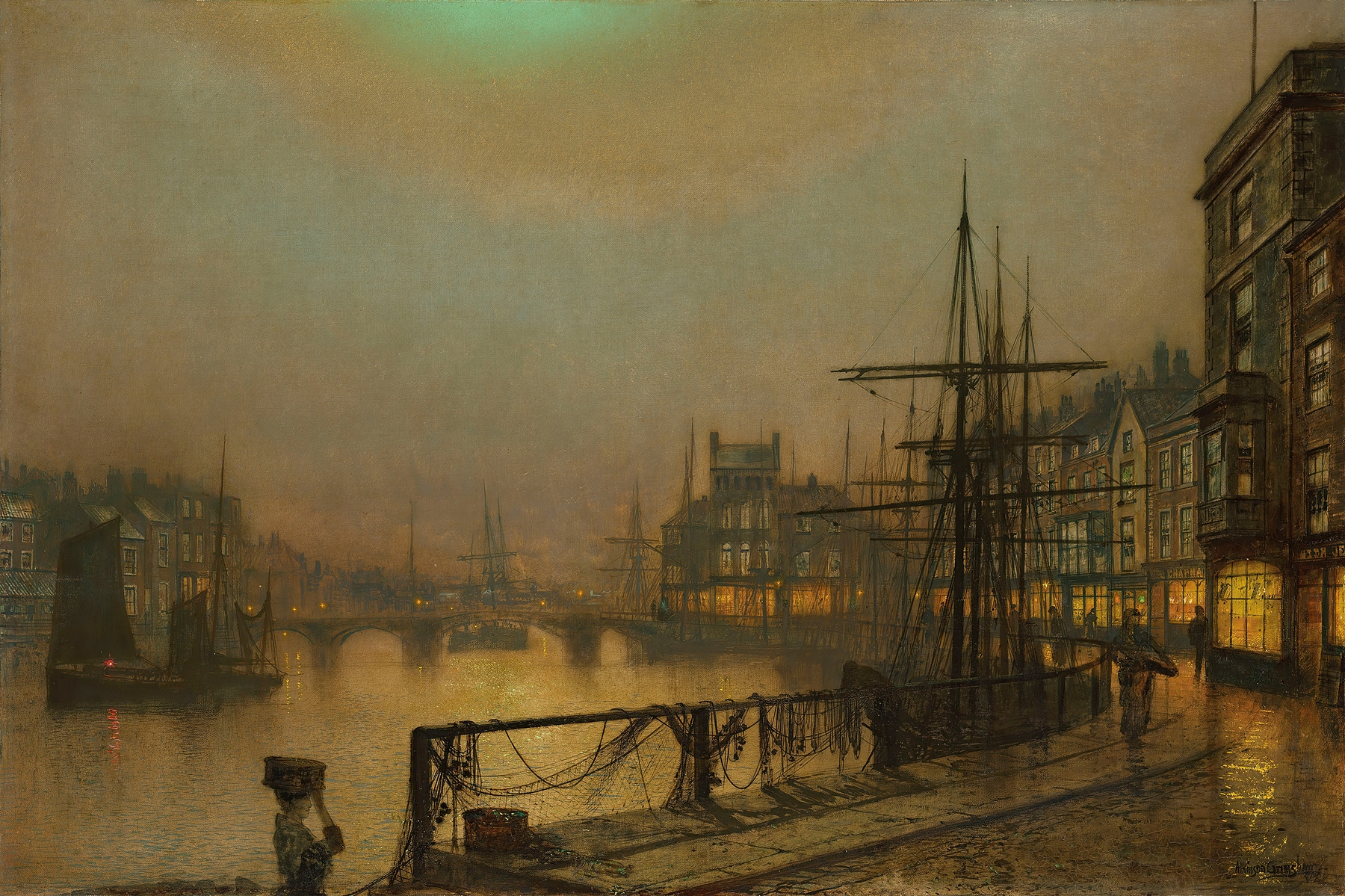
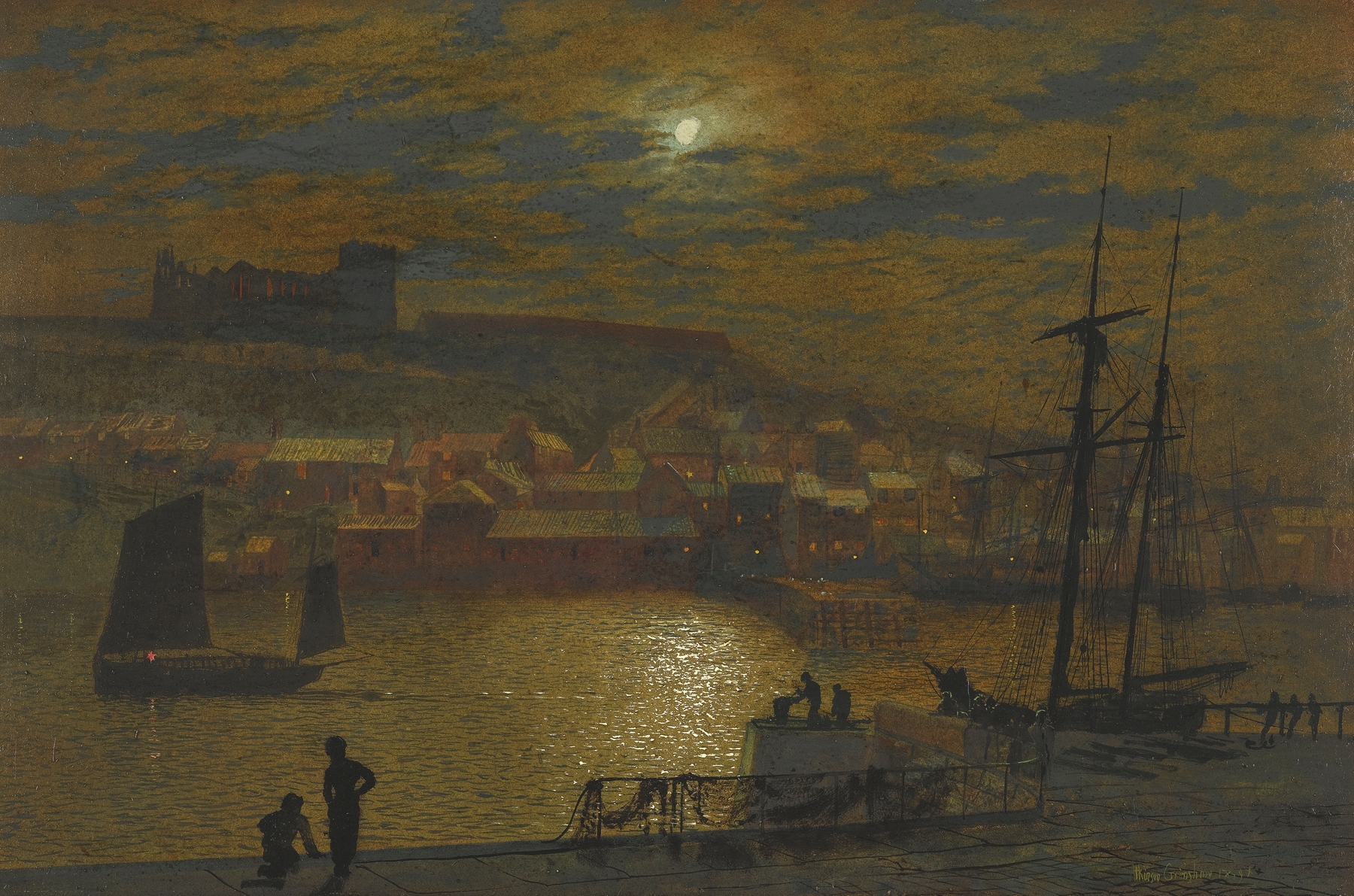
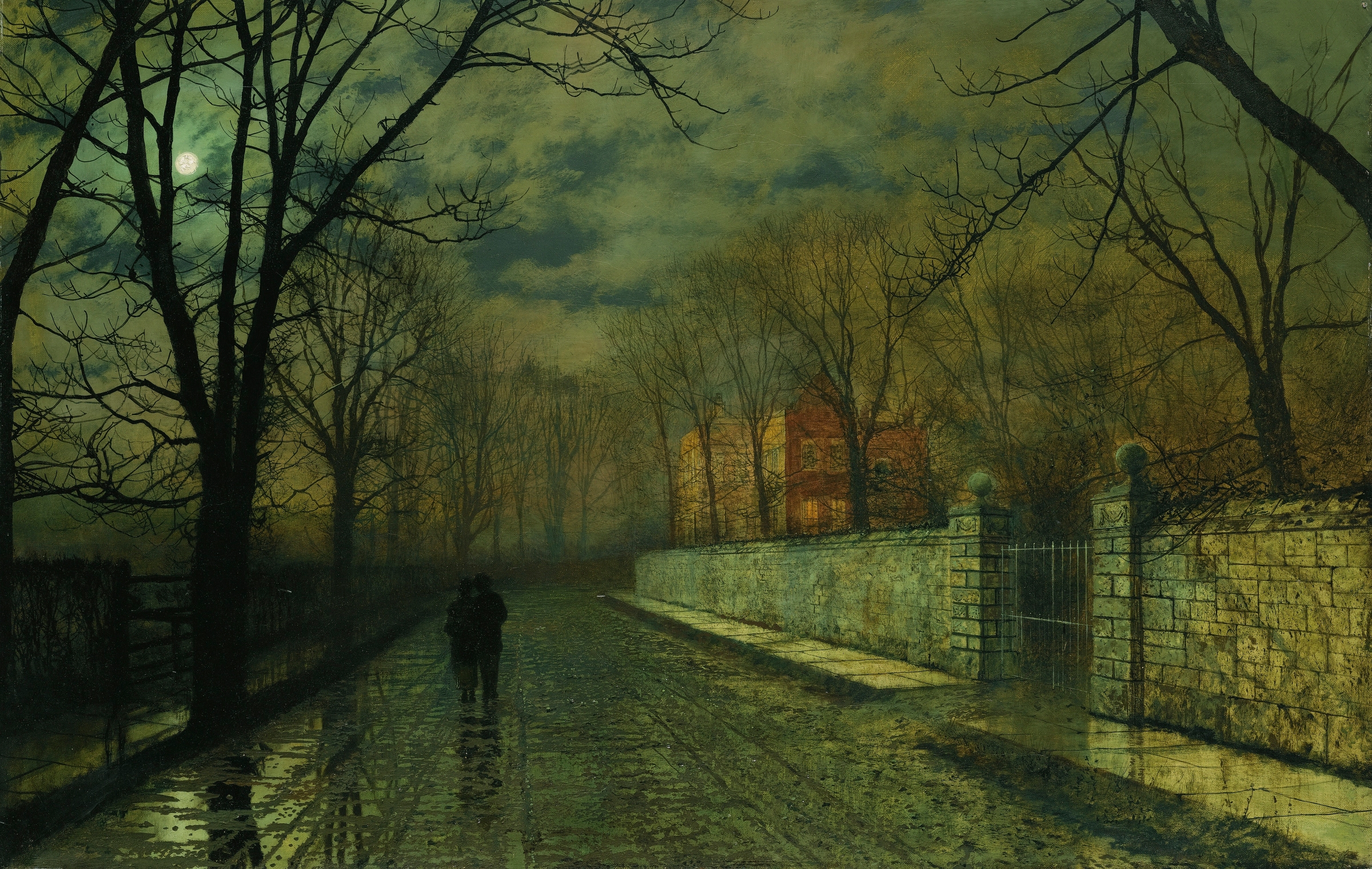
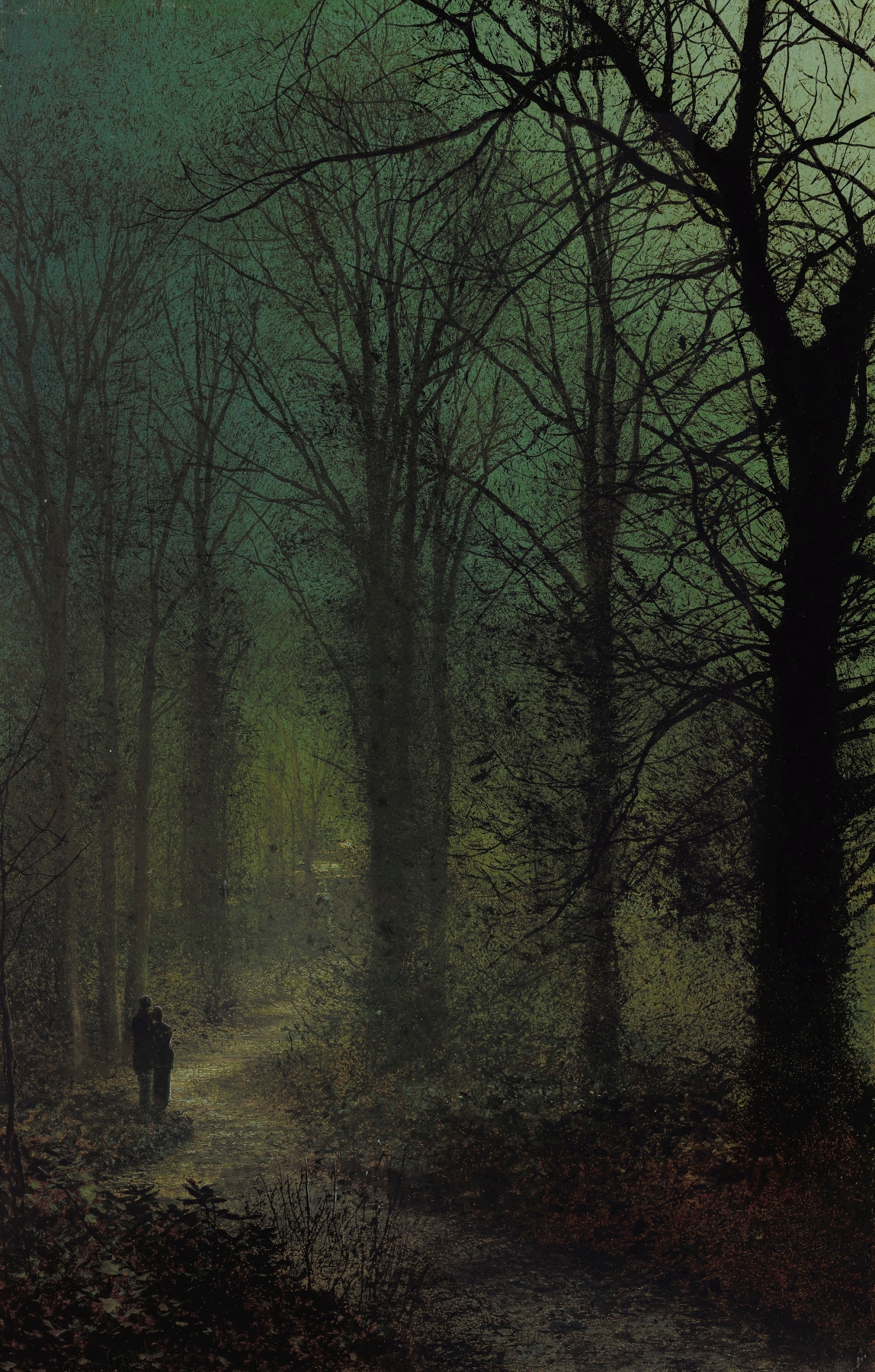
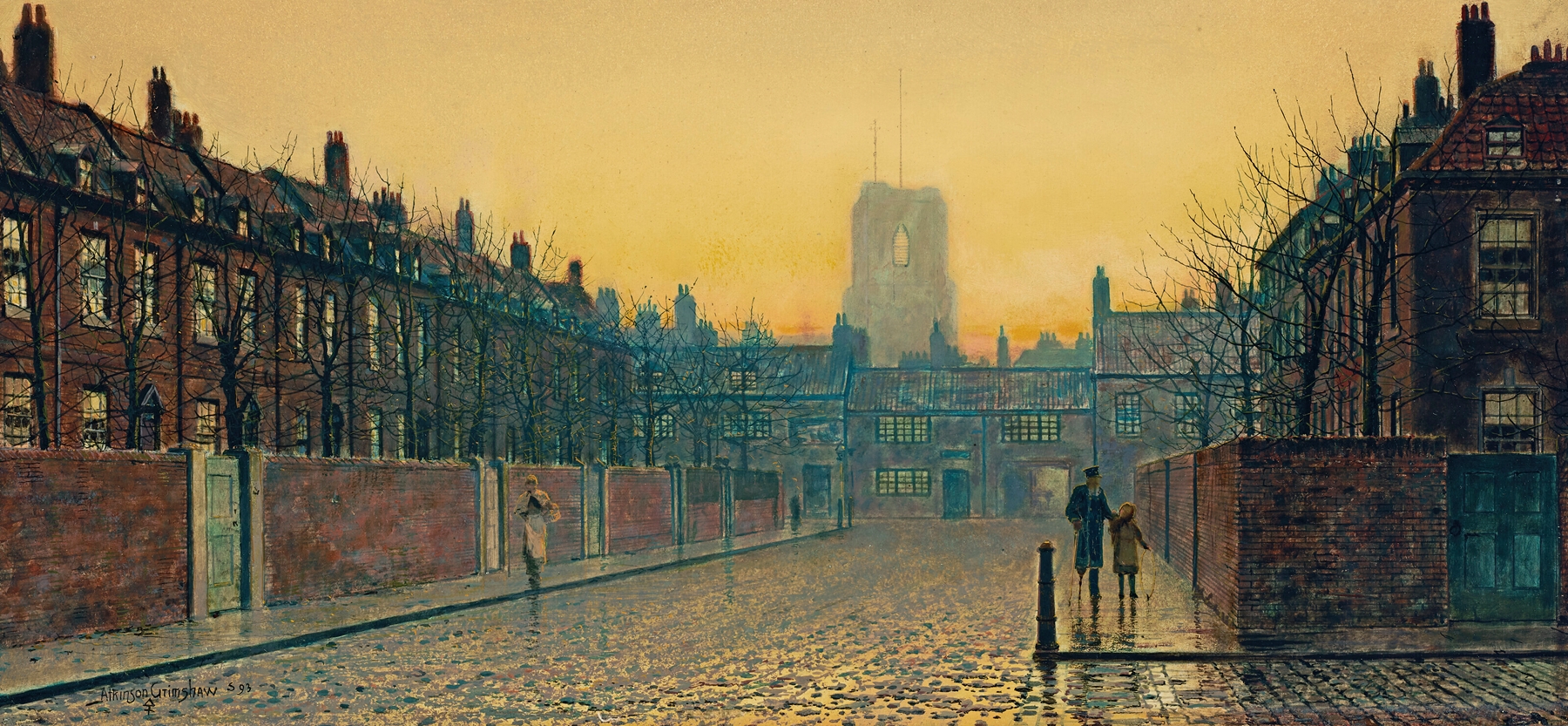
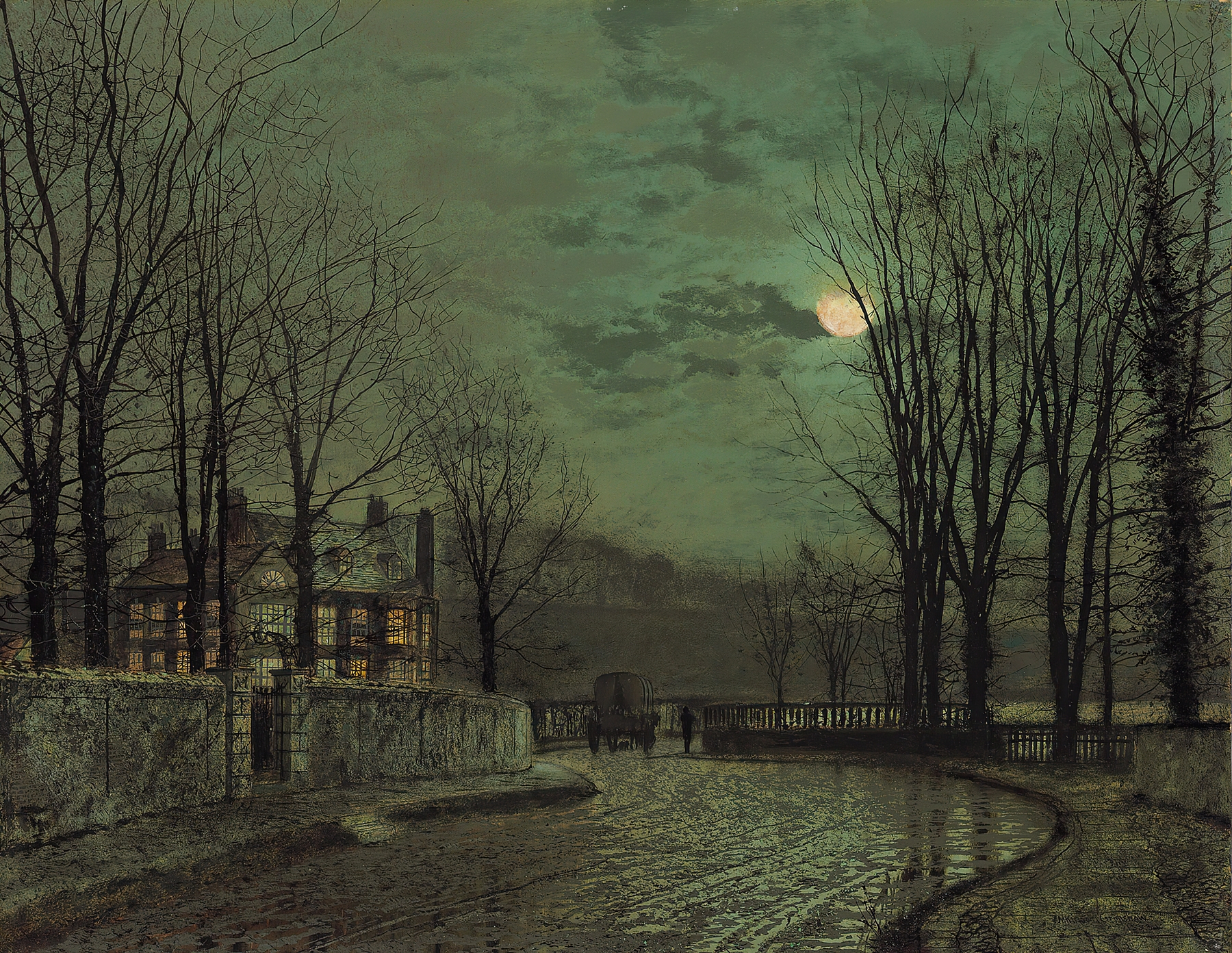
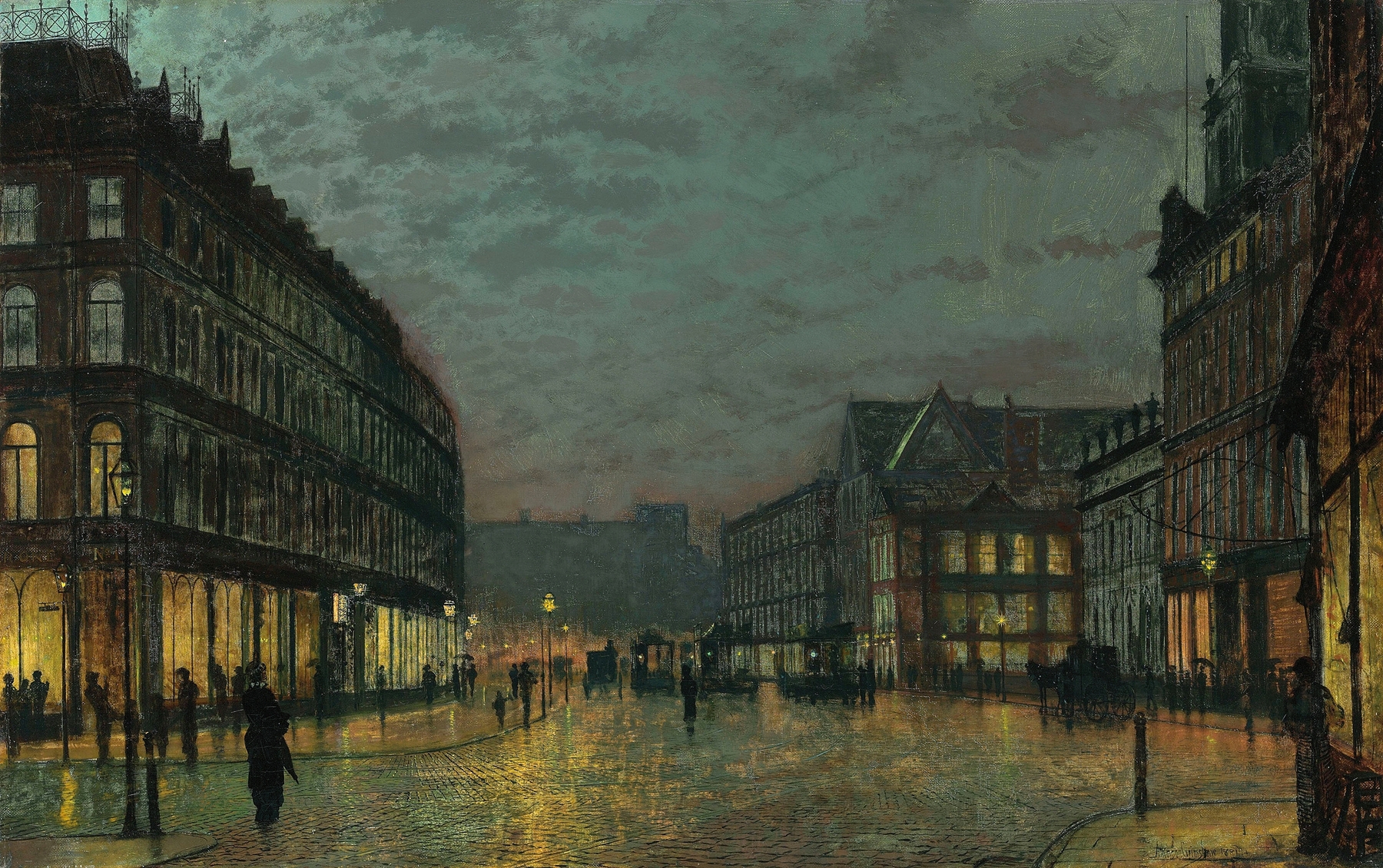
“Every silence here is a confession.” In the stillness of night, shadows dance, weaving truths hidden beneath the lamplight’s glow, where the familiar becomes mysterious and the ordinary transforms into a contemplative realm. Focus first on the lanterns that punctuate the cobblestone path, illuminating the damp air with a warm, inviting glow. The soft golden light contrasts sharply with the deep blues and blacks of the night sky, creating a sense of depth and mystery. Notice how the buildings loom, their dark facades suggestive of untold stories, as the slick pavement reflects the light—an echo of the world above that seems to whisper secrets to those who dare to listen. Yet, there is a tension in this quiet moment; the absence of people creates a visceral sense of isolation. The viewer feels a pull towards the invisible lives that once inhabited this space, remnants of laughter now swallowed by darkness. The interplay between light and shadow signifies a deeper truth about solitude—a bittersweet reminder of connection lost in the late hours, each lamplight a beacon of hope amidst the encroaching night. In 1881, the artist captured this scene while working in Leeds, a bustling city undergoing industrial transformation. As urban life evolved, Grimshaw embraced the nocturnal beauty of his surroundings, using it to reflect both the tranquility and the loneliness of modern existence. His unique approach to light and atmosphere marked a significant moment in his career, allowing him to express the complexities of truth found in silence.