A Page from the Book of Towns — History & Analysis
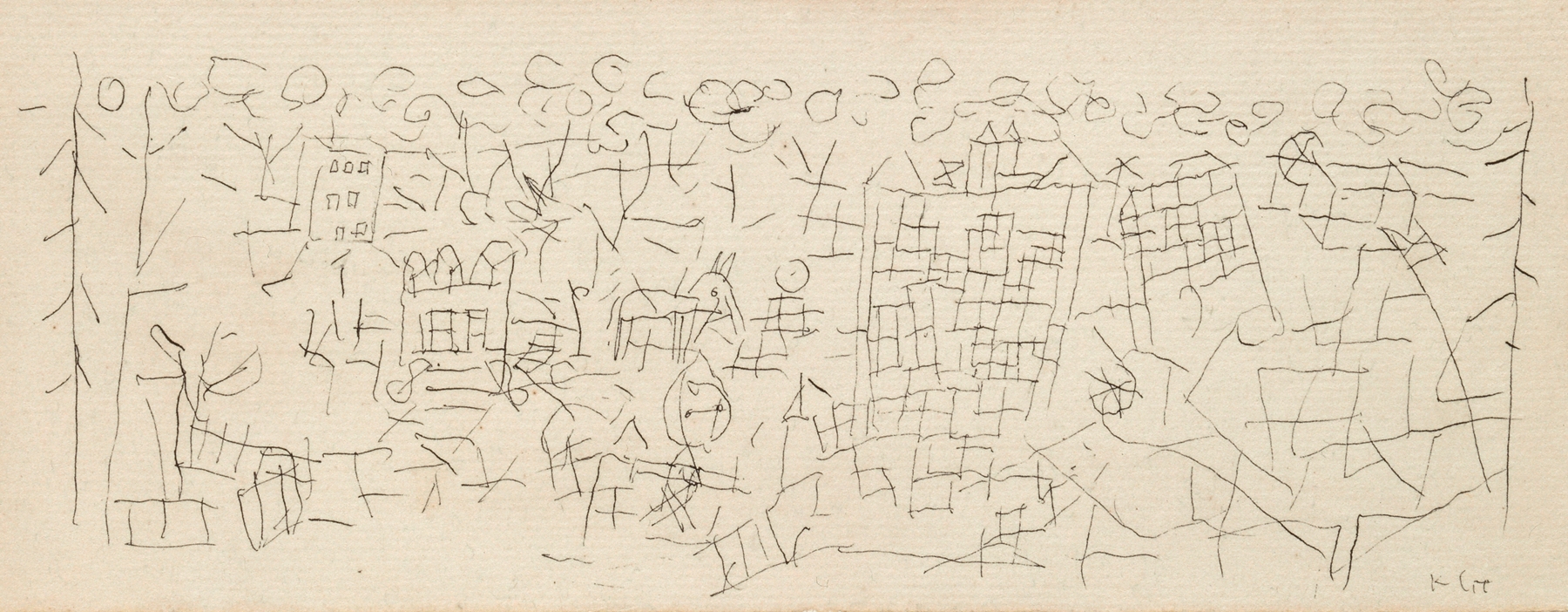
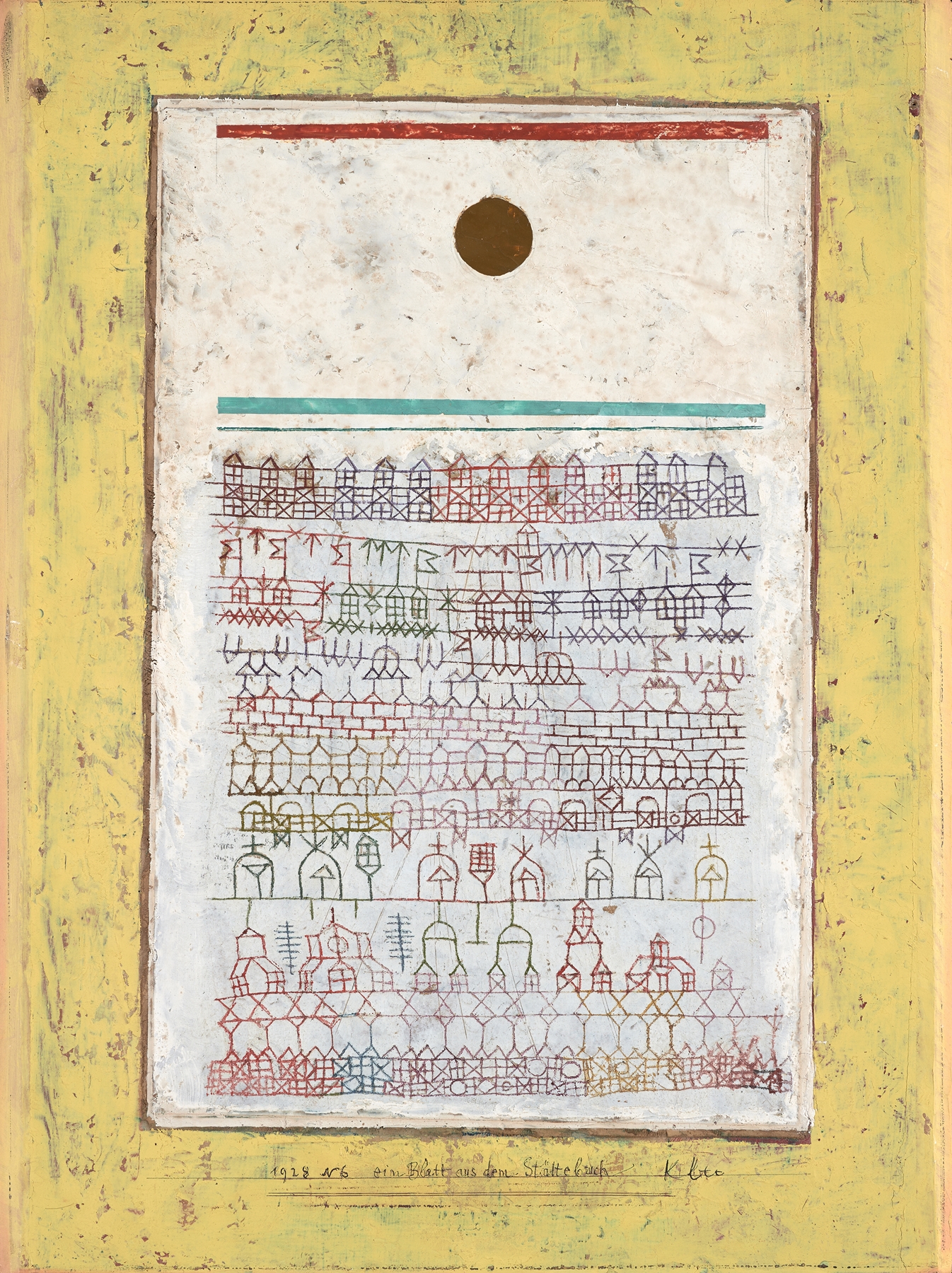
What secret hides in the quiet of the canvas? In a world filled with noise and chaos, the silence of this artwork speaks volumes, inviting us to explore the depths of loss and longing. Look to the center of the composition, where a delicate web of geometric shapes intertwines with soft, muted colors. The warm tones of ochre and rose blend seamlessly with cooler blues, creating a delicate harmony that invites the viewer’s gaze.
Notice the way the lines dance across the surface, guiding the eye through an intricate tapestry of form and space, where every element feels intentional, yet effortlessly free. In the swirling patterns, one can sense the tension between nostalgia and absence. Each shape may evoke a memory, a fragment of a town long forgotten, while the muted palette suggests a landscape stripped of its vibrancy. The juxtaposition of light and shadow hints at hidden stories and unspoken emotions — what remains unsaid often carries a weight far heavier than the visible.
The absence of figures creates a poignant solitude; the viewer is left to ponder what has been lost and what echoes through the silence of this painted town. Created in 1928, this work emerged during a significant period in Paul Klee's life, when he was teaching at the Bauhaus school in Germany. The interwar years were marked by a blend of innovation and trauma in the art world, as artists like Klee grappled with the aftermath of World War I and the shifting tides of modernity. At this time, Klee’s experimentation with color and form reflected not only personal introspection but also a broader cultural exploration of identity and memory, giving rise to this poignant reflection on loss.