Landscape — History & Analysis
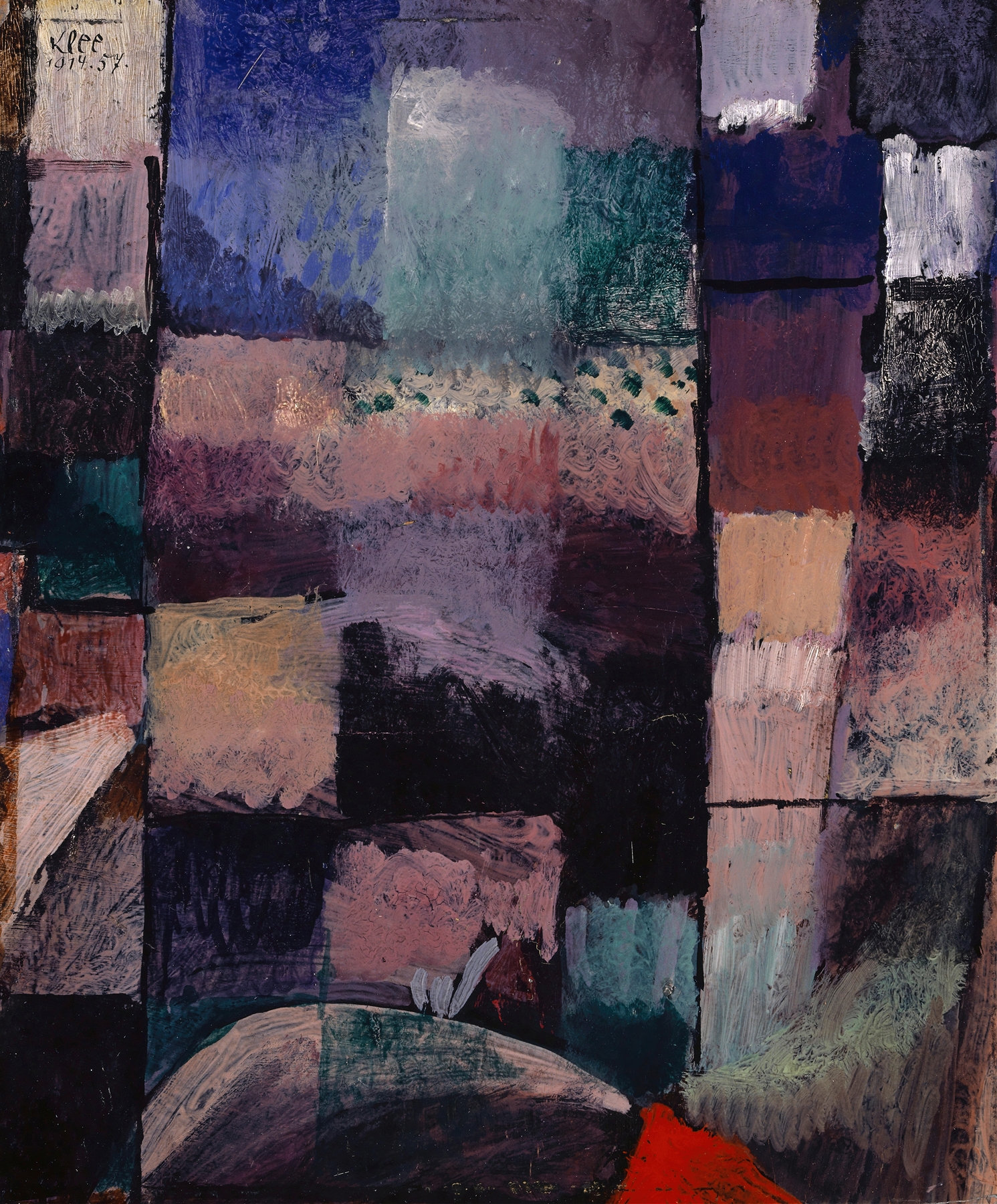
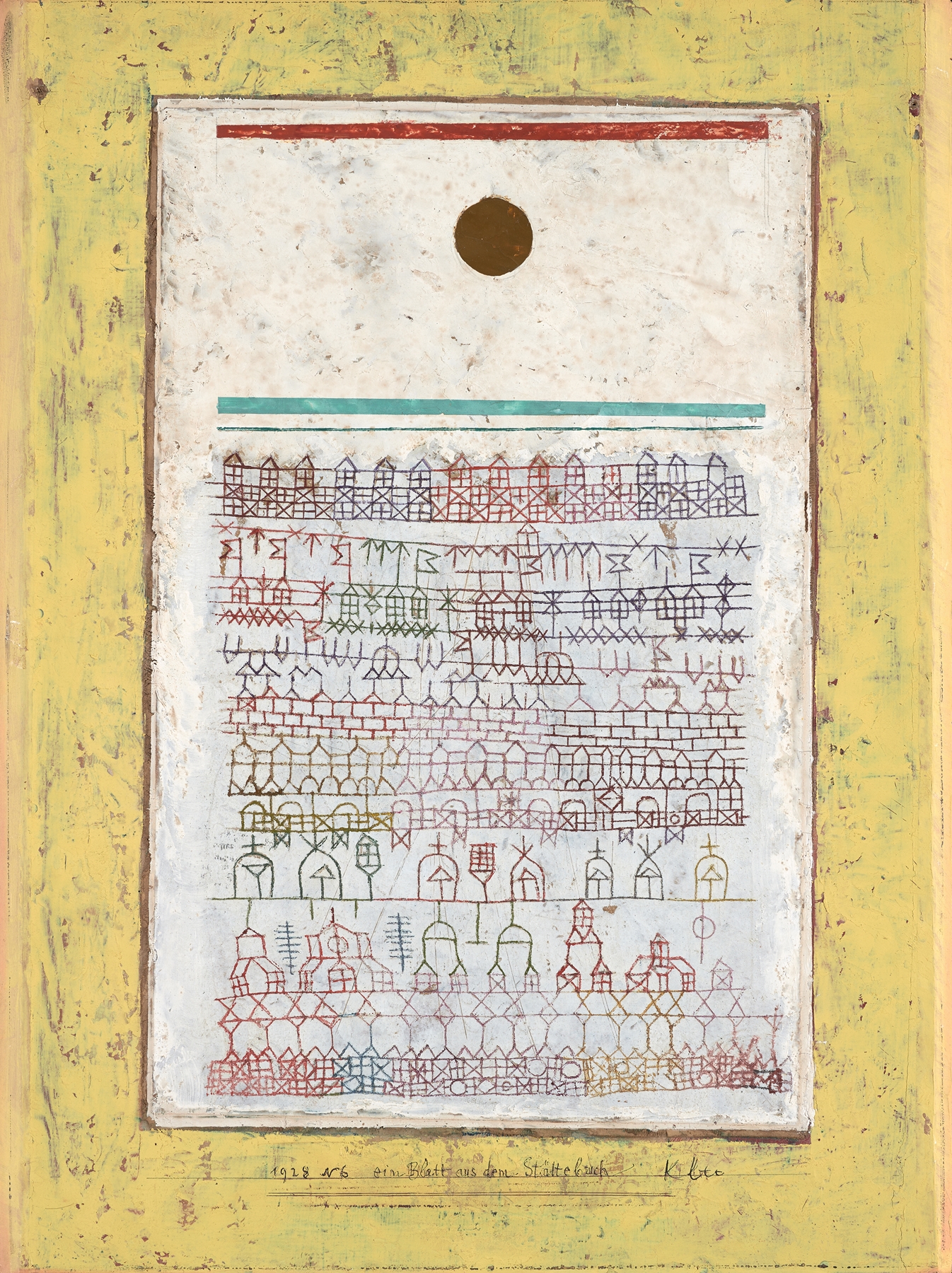
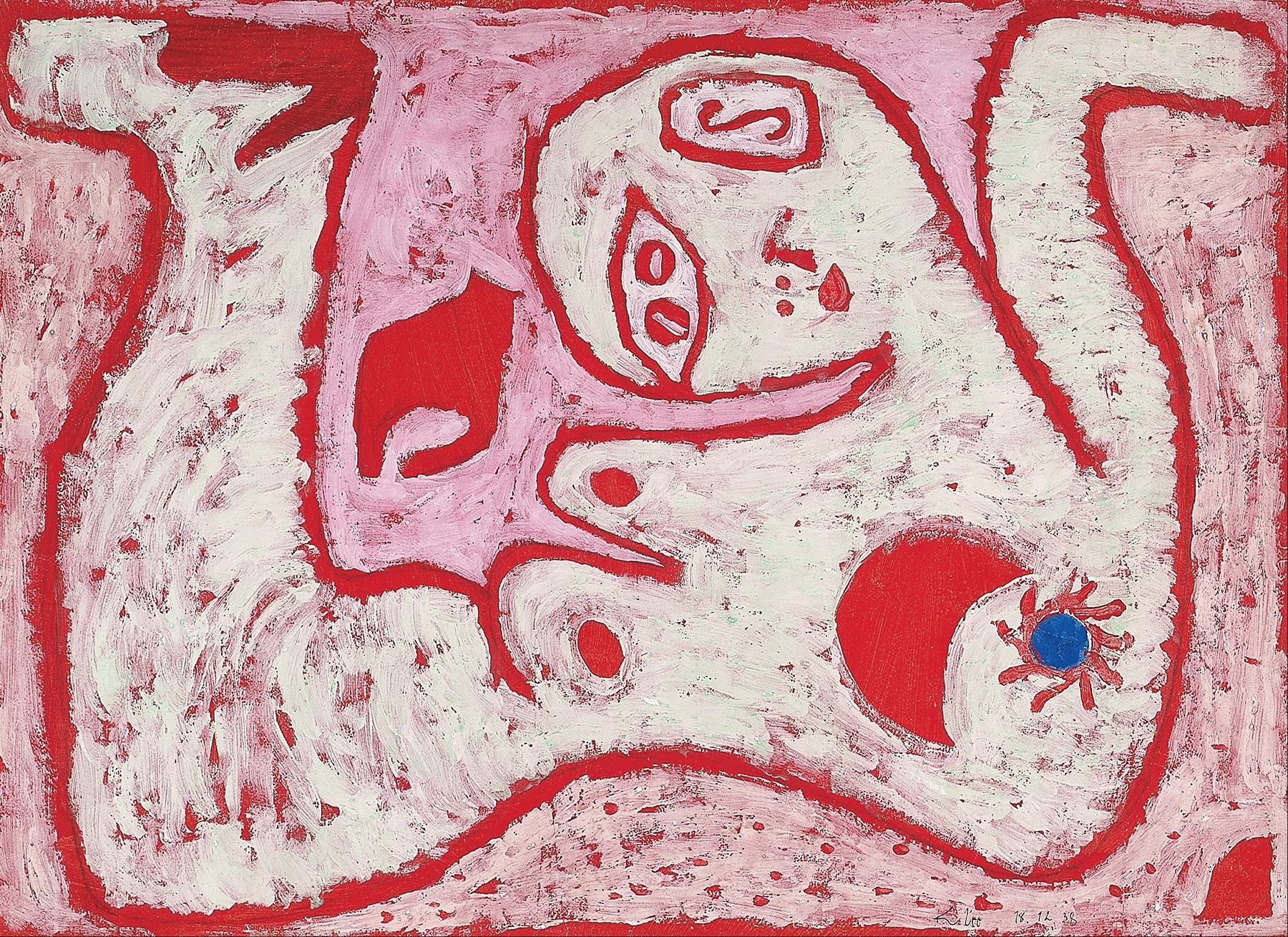
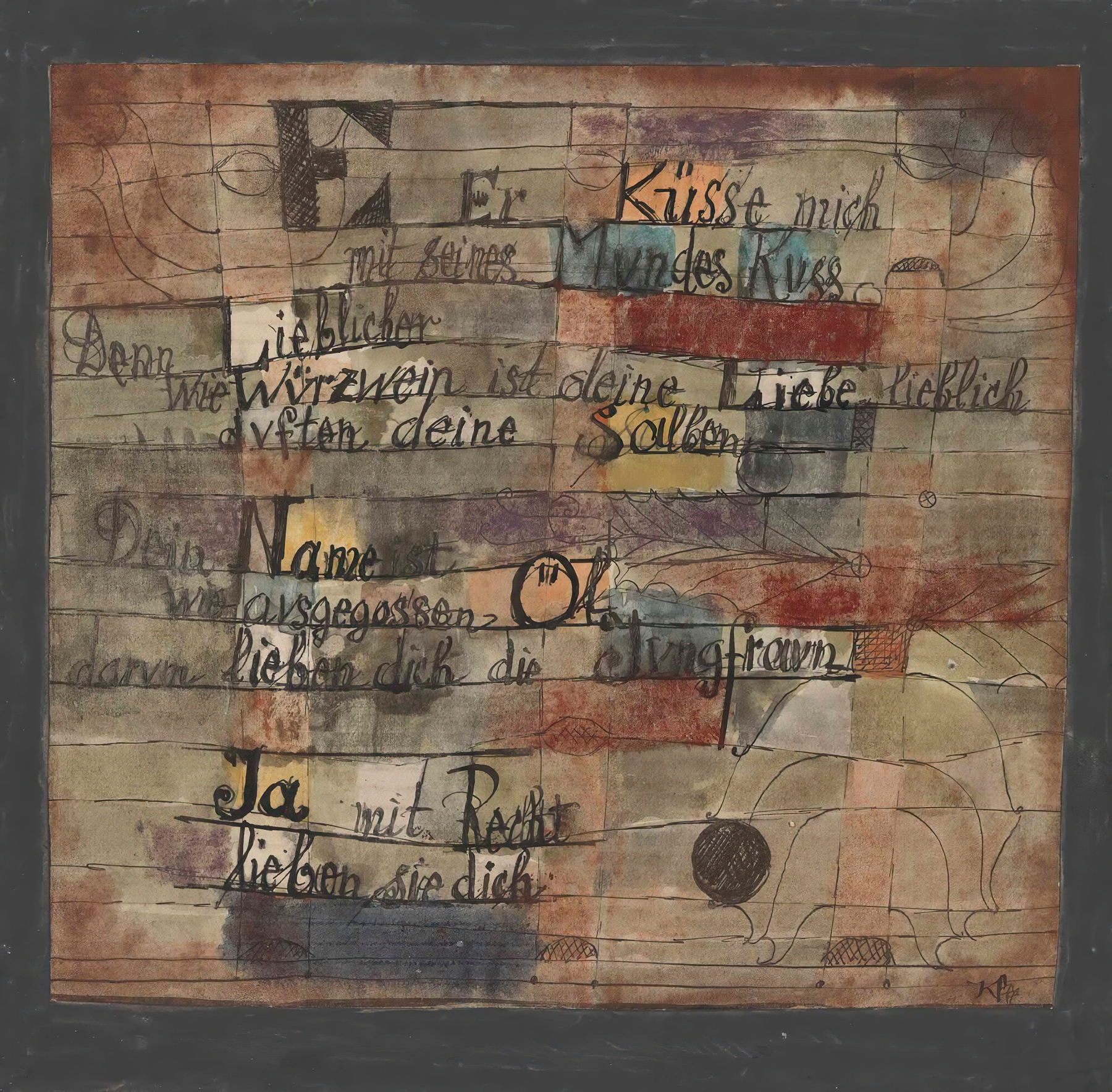
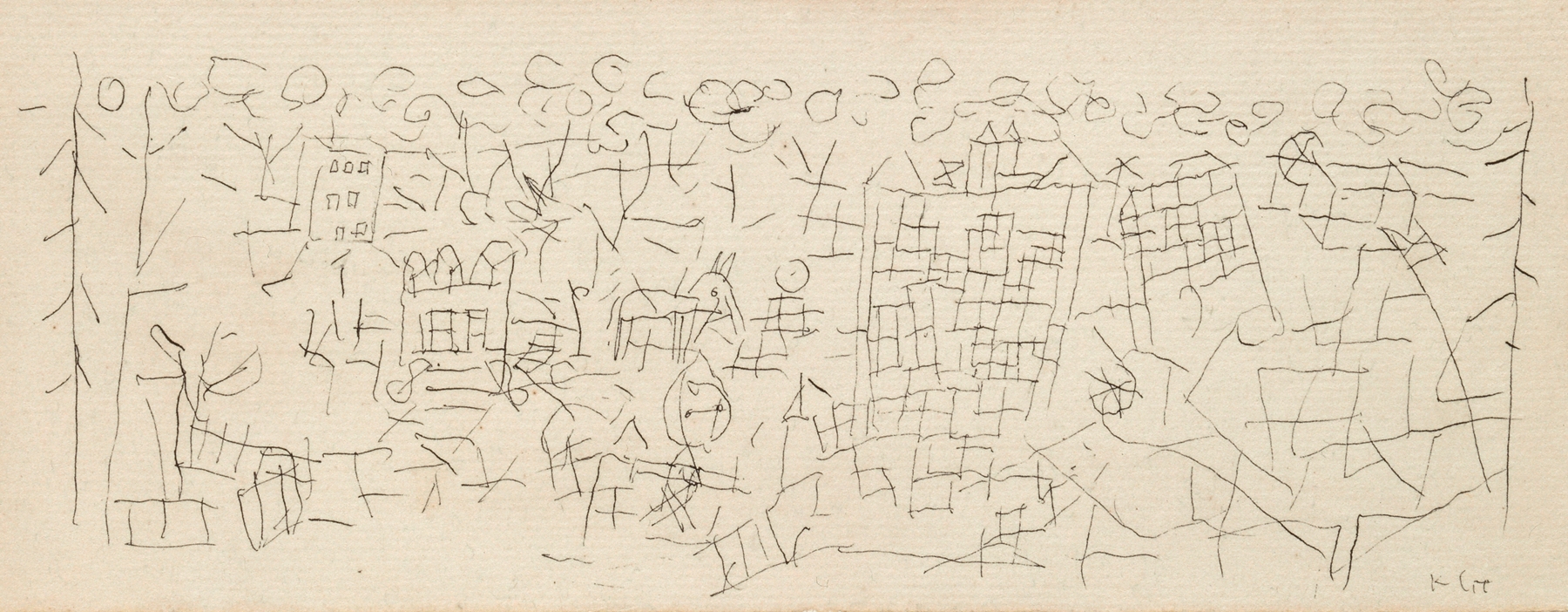
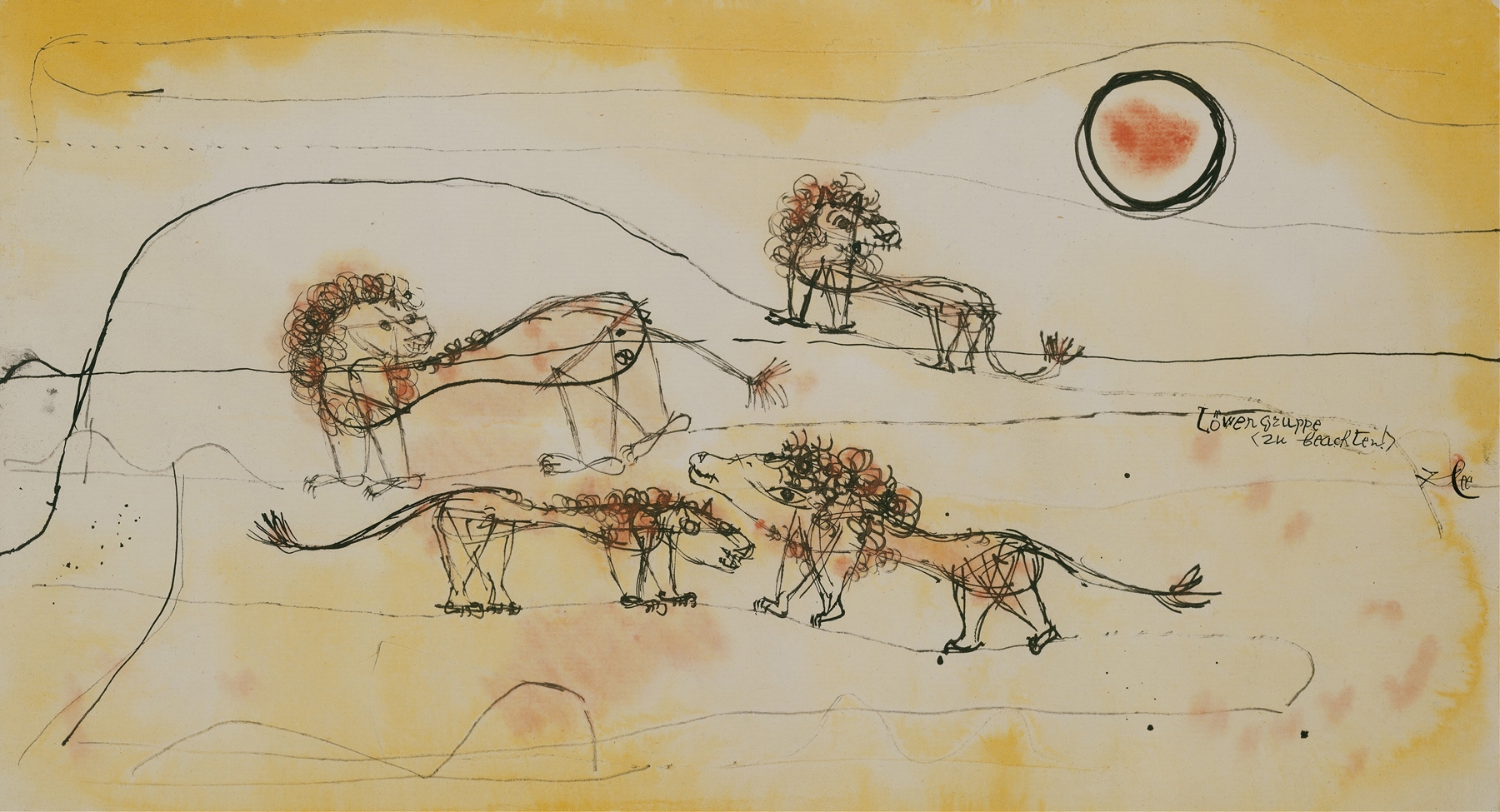
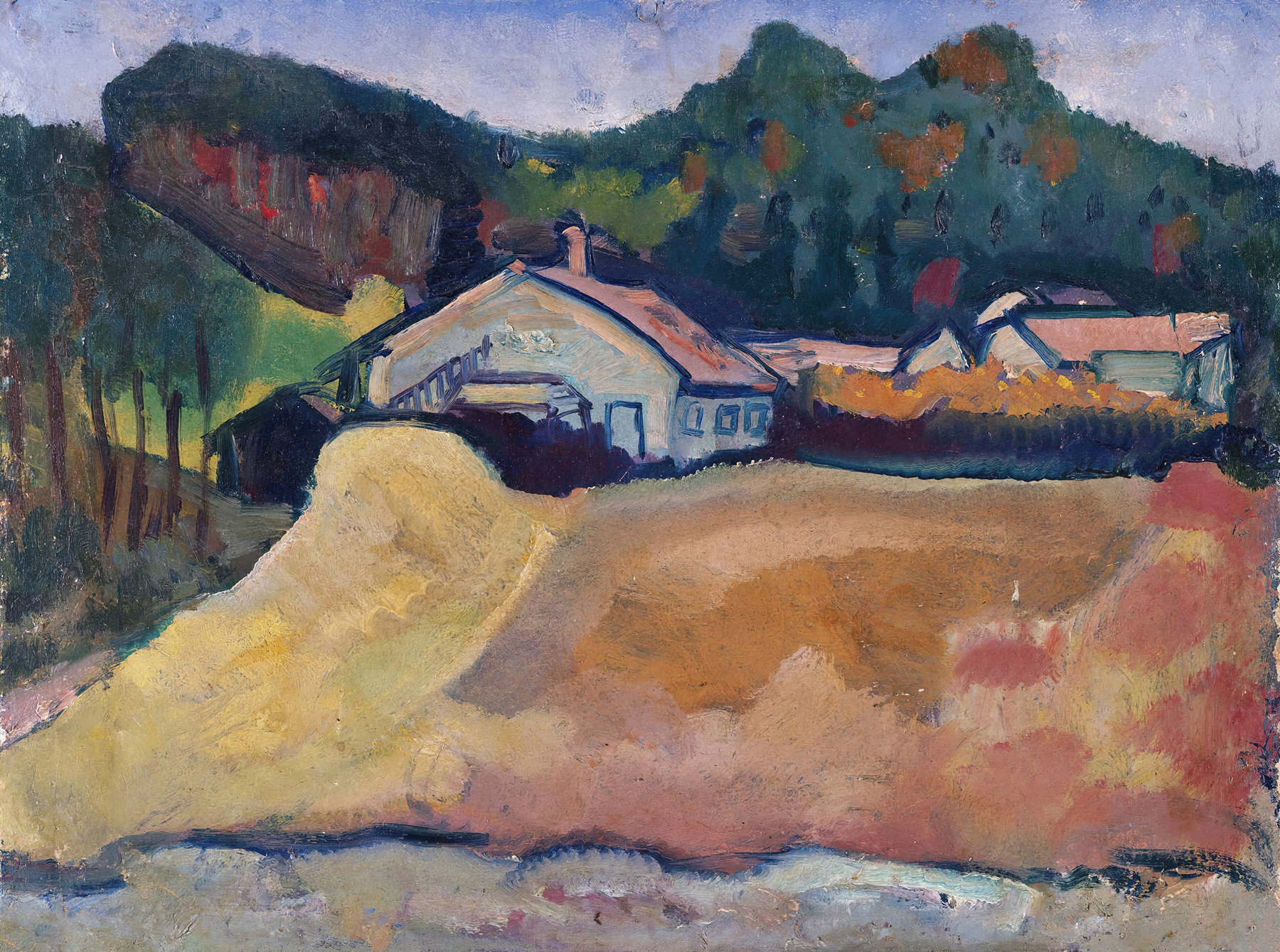
“Art reveals the soul when the world turns away.” In a realm of fleeting moments and nostalgic echoes, the essence of memory entwines with the landscape of our dreams. This artwork invites the viewer to contemplate the whispers of the past, the silent stories that linger in the recesses of the heart. Focus on the vibrant hues that Klee employs, infusing his canvas with life. Look closely at the gentle swells of color that dance across the surface—subtle blues and earthy browns form a harmonious backdrop, while brighter strokes of yellow and red punctuate the scene, evoking warmth and yearning.
The composition feels both abstract and tangible, as if bridging the gap between reality and imagination, guiding the eye to wander across a landscape that is both known and elusive. Delve deeper into the layers of this creation, where nostalgia intertwines with innocence. The organic shapes and whimsical forms suggest a dreamlike quality, hinting at the memories that shape our perception of nature. The juxtaposition of bold colors against softer tones creates a sense of tension, capturing the struggle between the clarity of memory and the fog of forgetfulness, making each glance feel like a poignant reflection.
In 1905, Paul Klee was residing in Munich, engaging with the avant-garde movements that sought to redefine art. This period marked a significant evolution in his style, influenced by Expressionism and the burgeoning interest in abstraction. As the art world began to embrace new forms of expression, Klee's exploration of color and emotion was pivotal, laying the groundwork for his later masterpieces.