A Pride of Lions (Take Note!) — History & Analysis
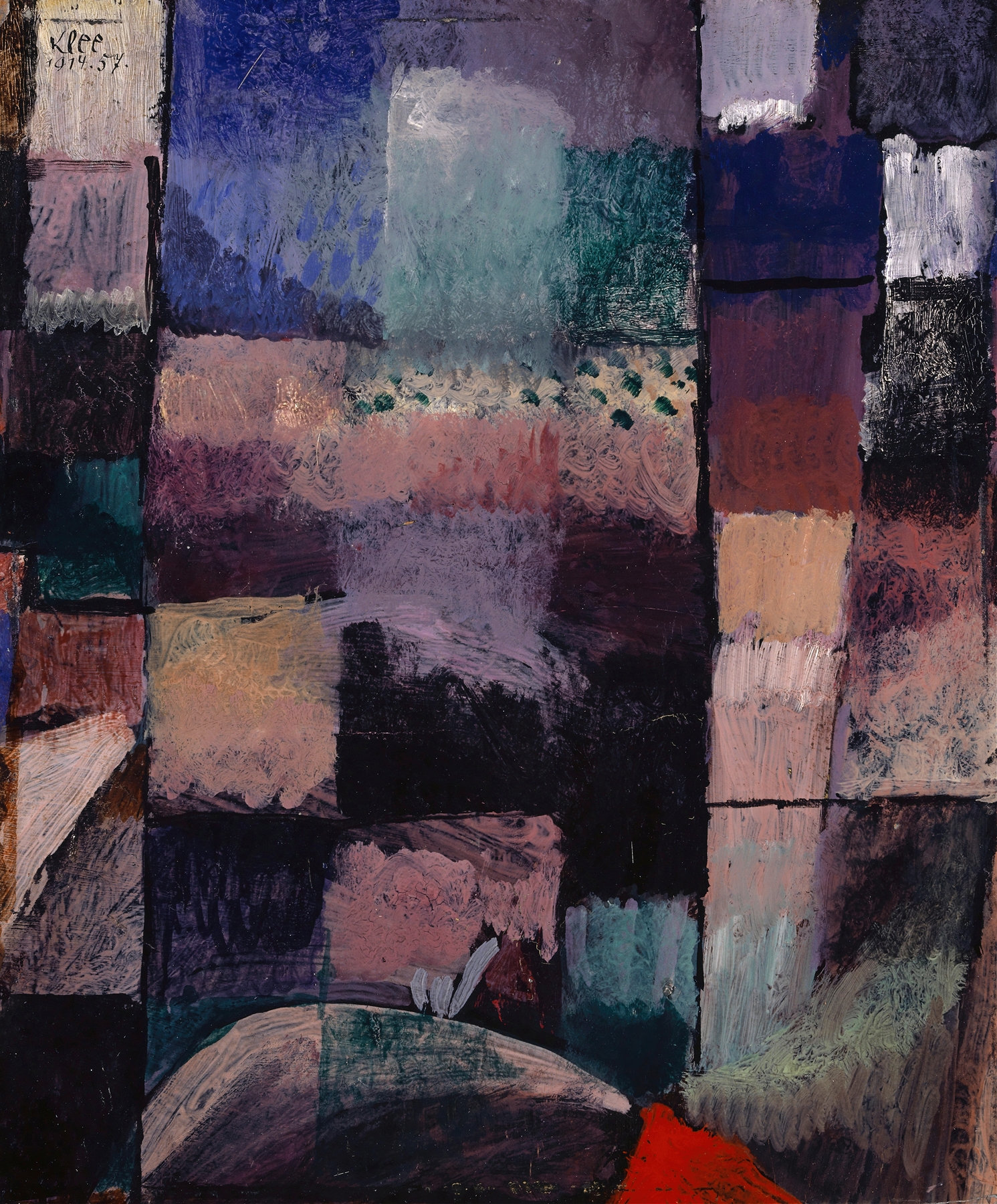
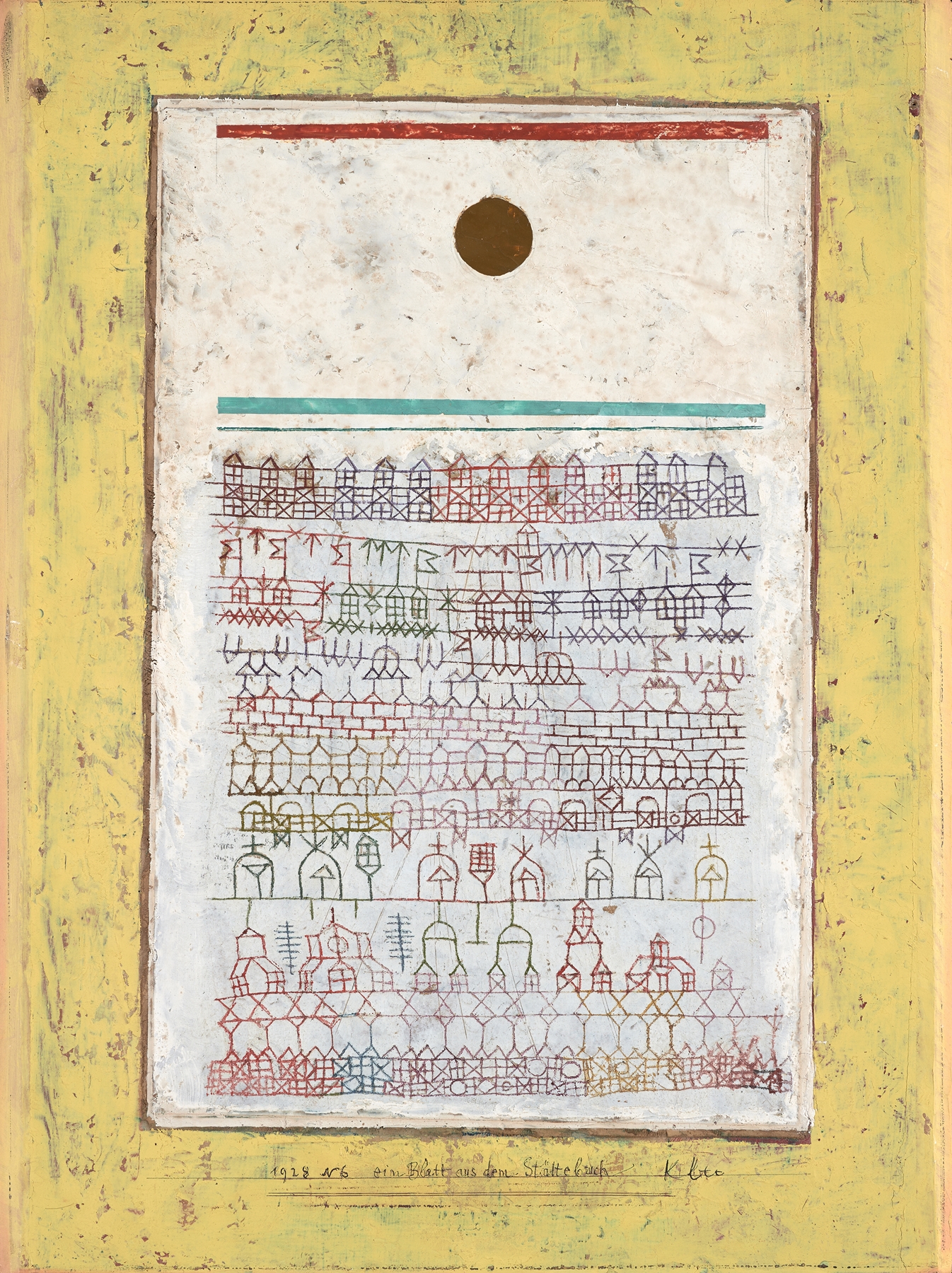
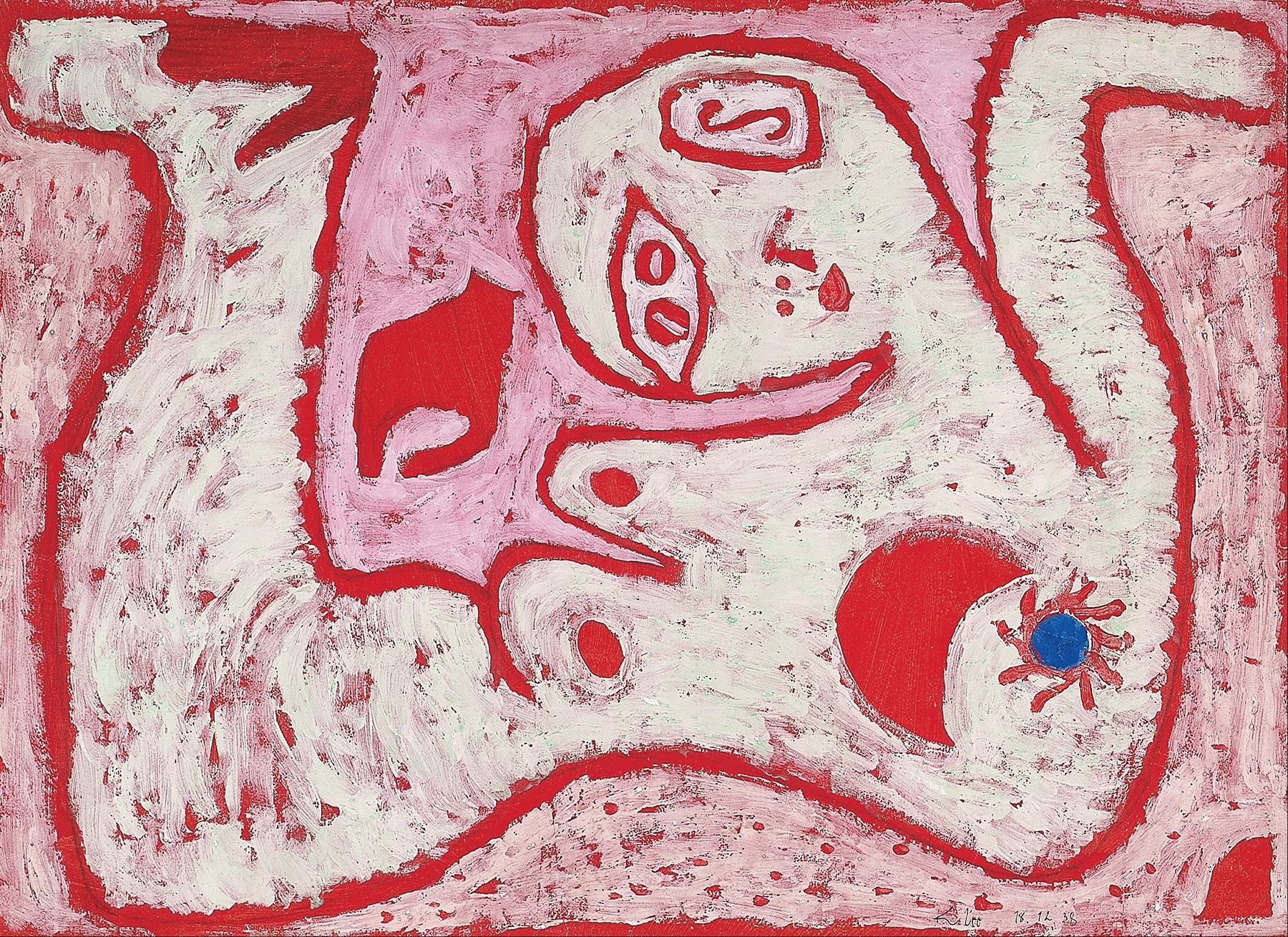
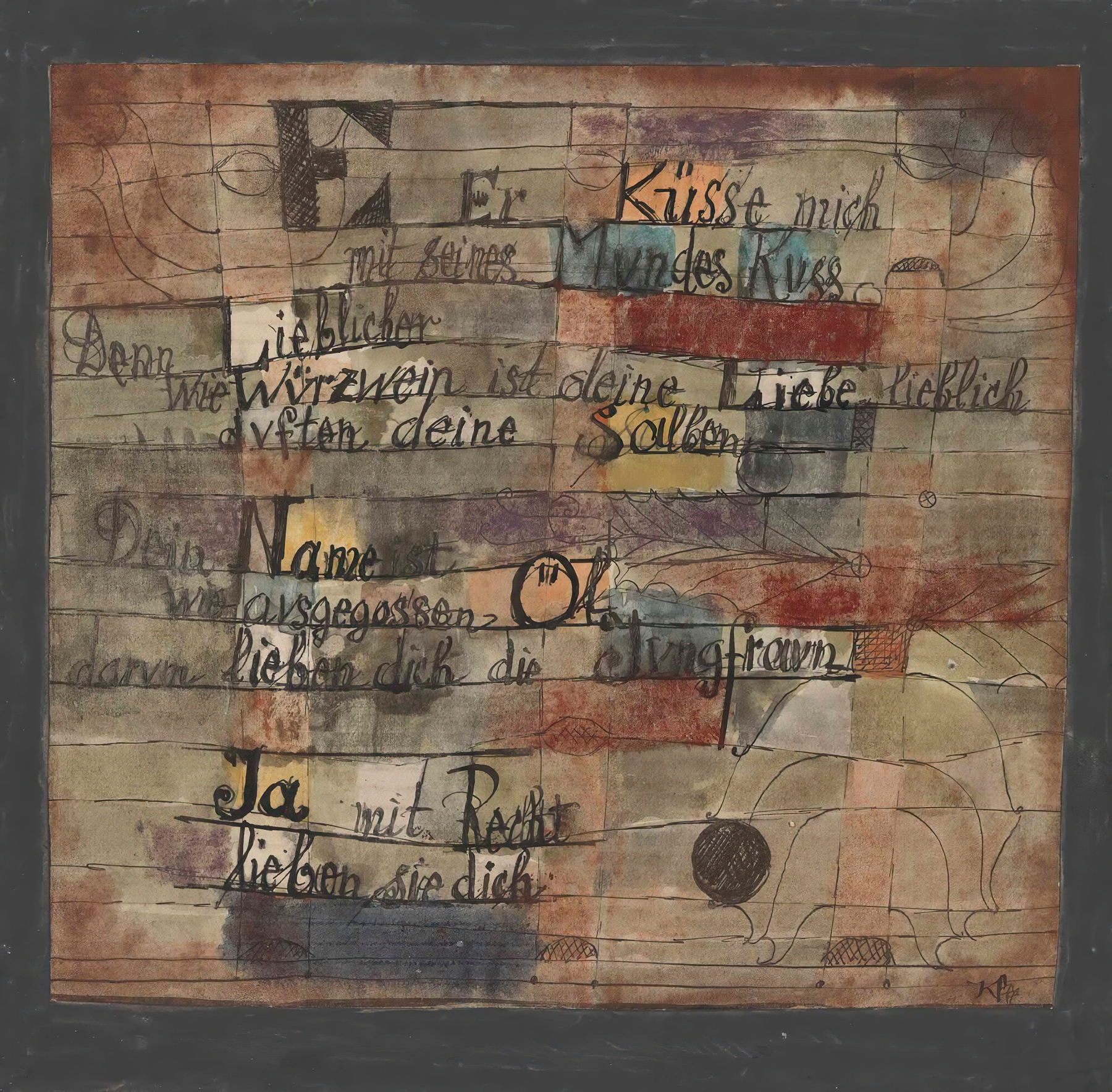
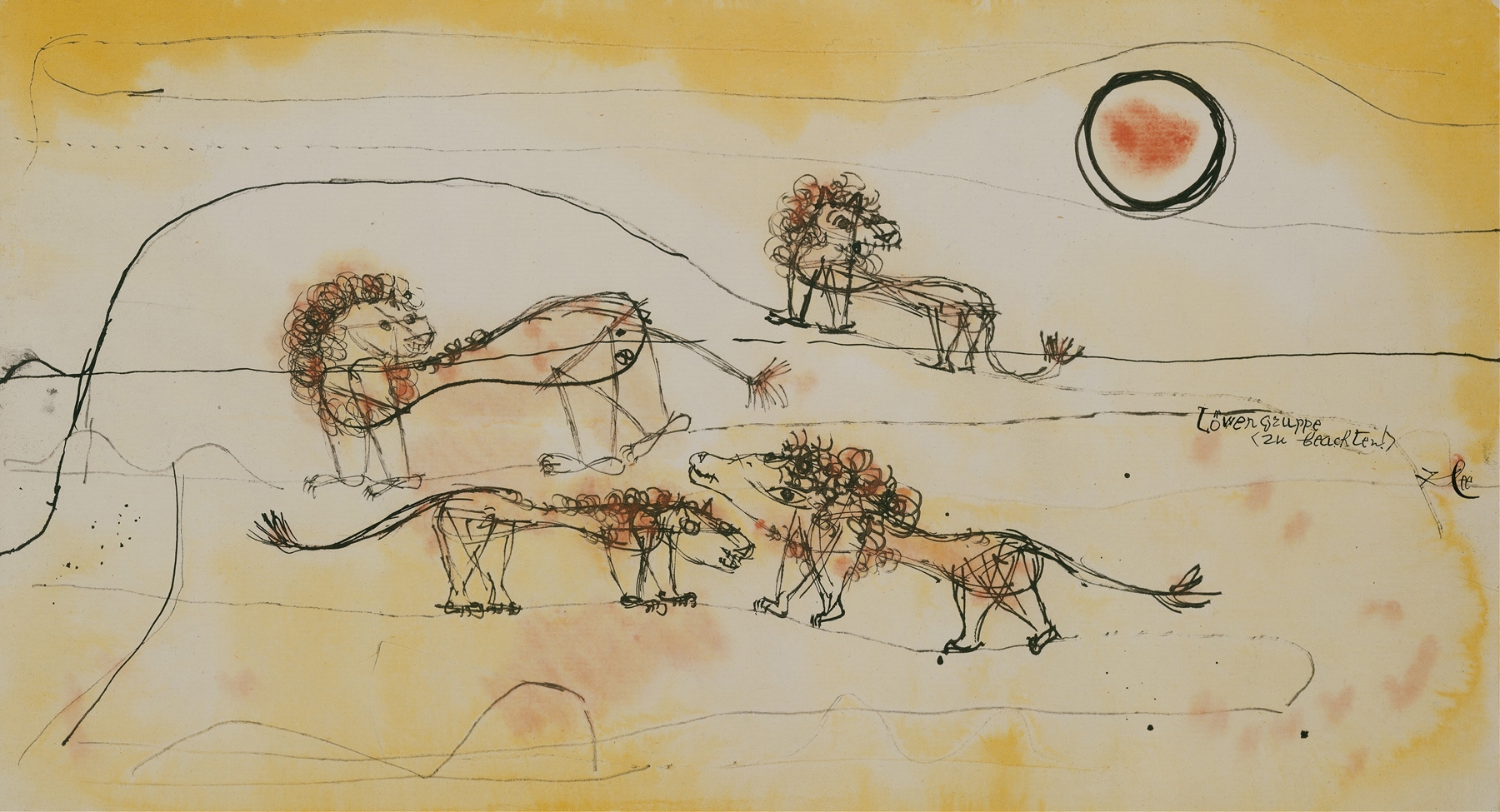
Where does light end, and longing begin? In the vibrant world crafted by Klee, ecstasy pulsates across the canvas, inviting viewers to contemplate the intricate dance between joy and yearning. Focus on the left side of the composition, where bold strokes of yellow and orange burst forth, creating a radiant backdrop that echoes the sun’s embrace. Notice how Klee’s unique use of line constructs the playful forms of the lions, each infused with personality through vivid color and whimsical shapes.
The juxtaposition of lively hues against more muted tones evokes a sense of both majesty and vulnerability, drawing the eye to the lions’ expressive gazes. Delve deeper into the connections woven within this work; the lions symbolize strength and unity, yet their playful arrangement suggests a more profound bond of companionship. The overlapping forms and colors create a sense of movement, imbuing the scene with an undercurrent of ecstasy that transcends the ordinary. This sense of vibrancy hints at both celebration and longing, inviting contemplation on the complexities of existence and connection.
In 1924, Klee was living in Germany, a period marked by personal and artistic exploration. He was deeply engaged with the expressionist movement, blending abstraction with emotional resonance. This work emerged during a time when he sought to express the inner experiences of life, capturing the delicate balance between joy and essence, encapsulating the spirited nature of his subjects through his innovative approach.