A river landscape with ferry boats — History & Analysis
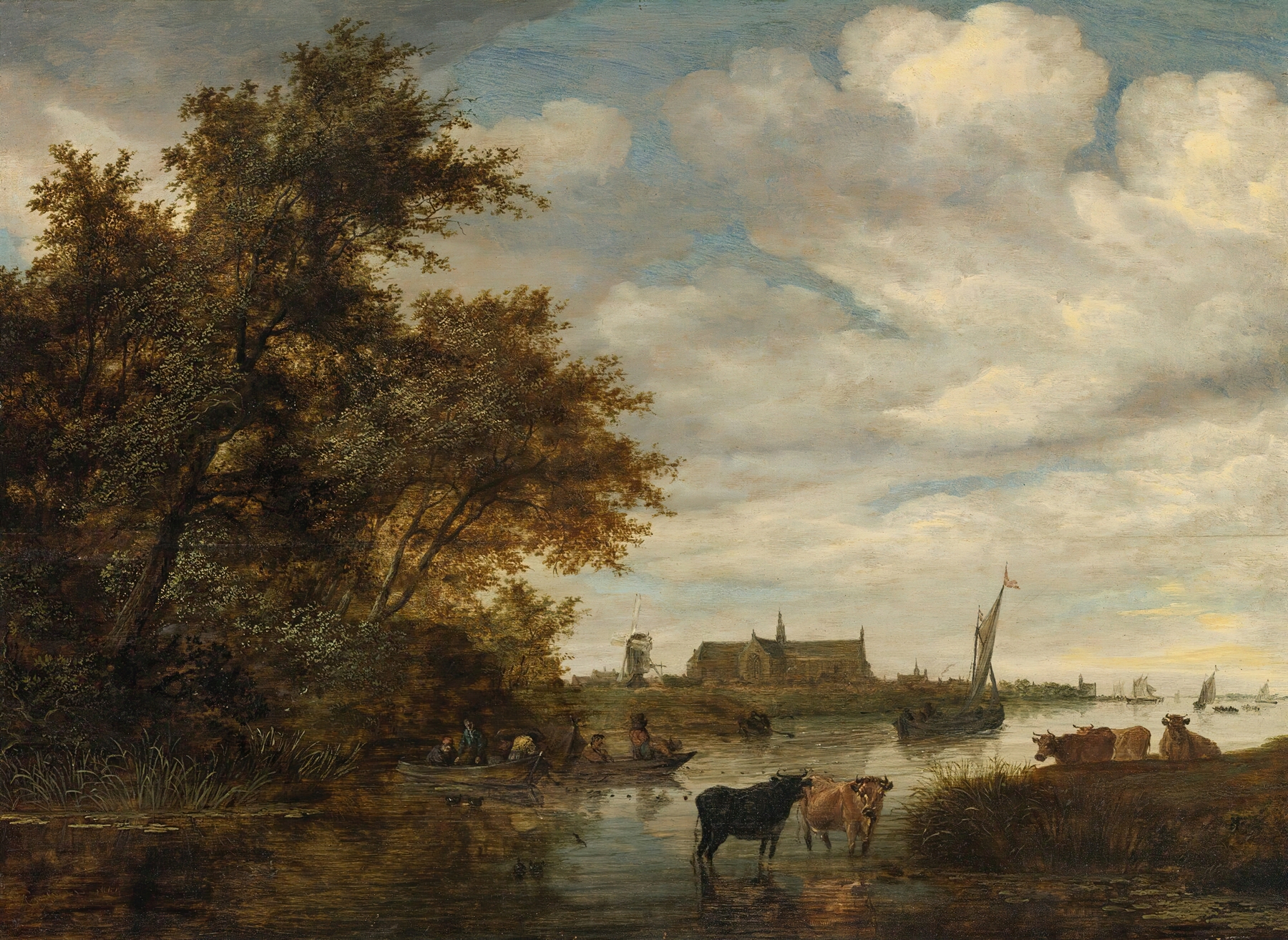
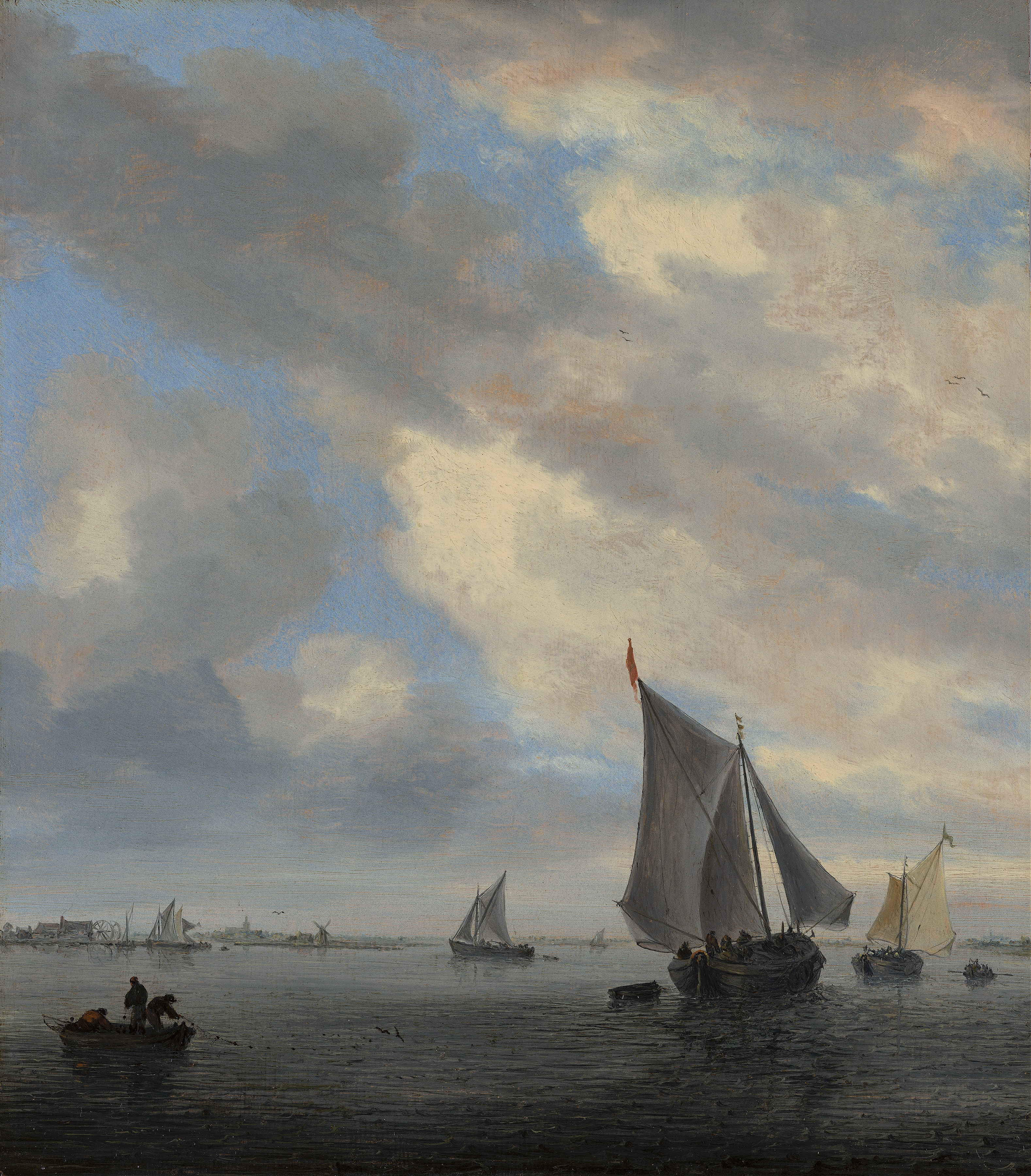
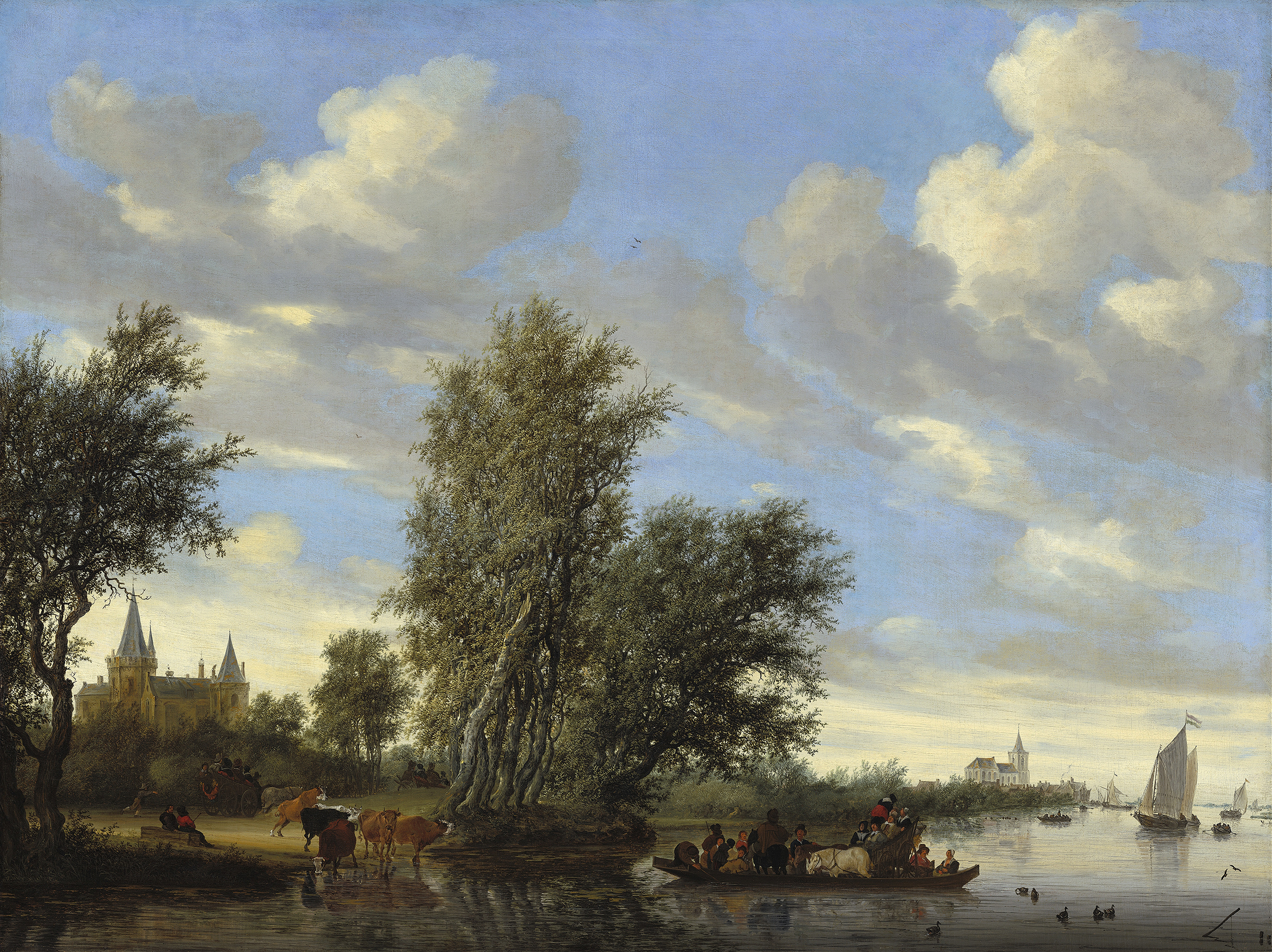
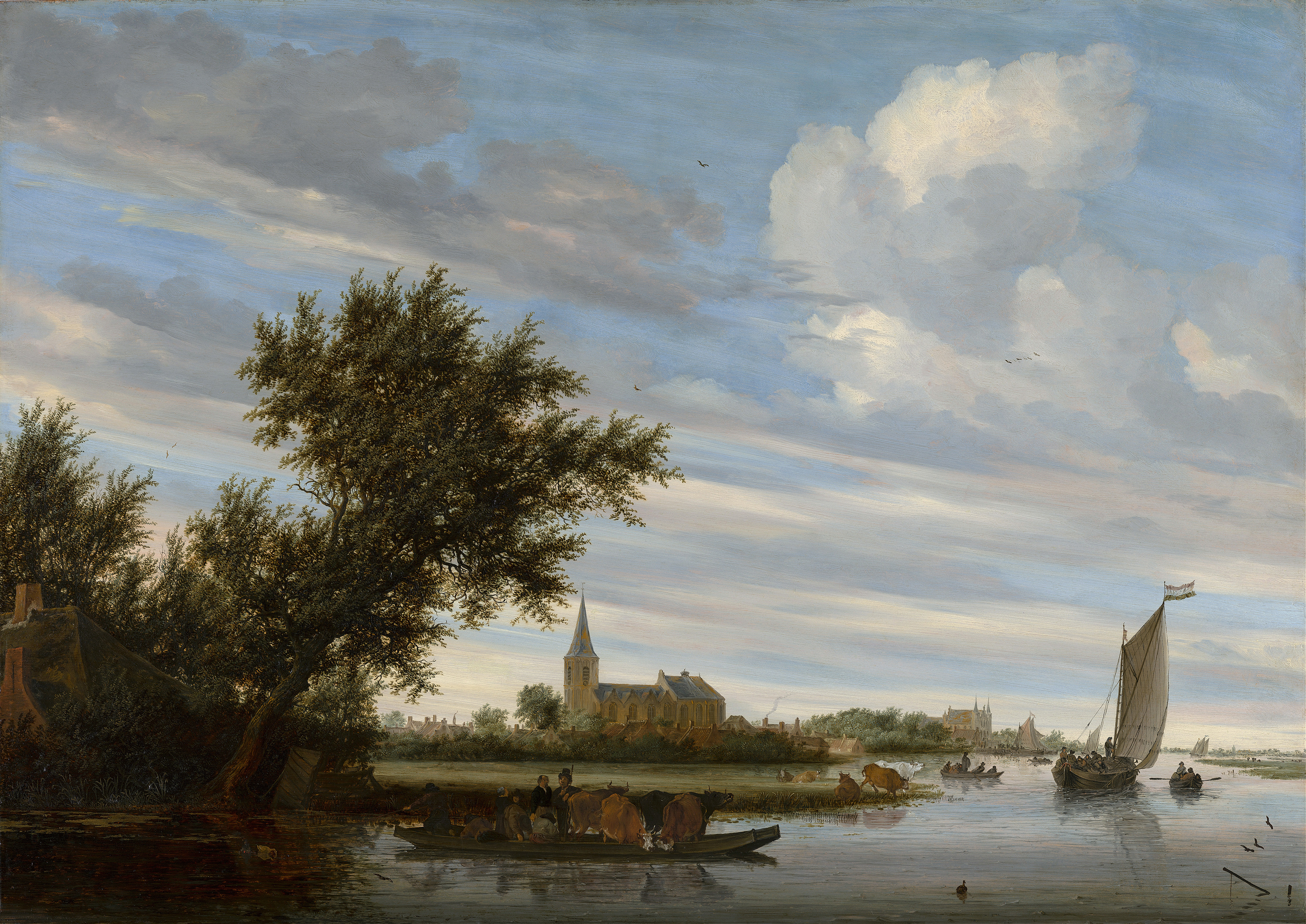
Is this a mirror — or a memory? In the stillness of the landscape, one can’t help but wonder if the serene river reflects not just the physical world but also the echoes of lives intertwined with its currents. The water, smooth as glass, invites contemplation while invoking the passage of time, hinting at the void beneath the tranquil surface. Look to the center of the canvas, where the river meanders gracefully between banks adorned with lush greenery. Notice how the soft blues and greens blend seamlessly, capturing the essence of nature’s tranquility.
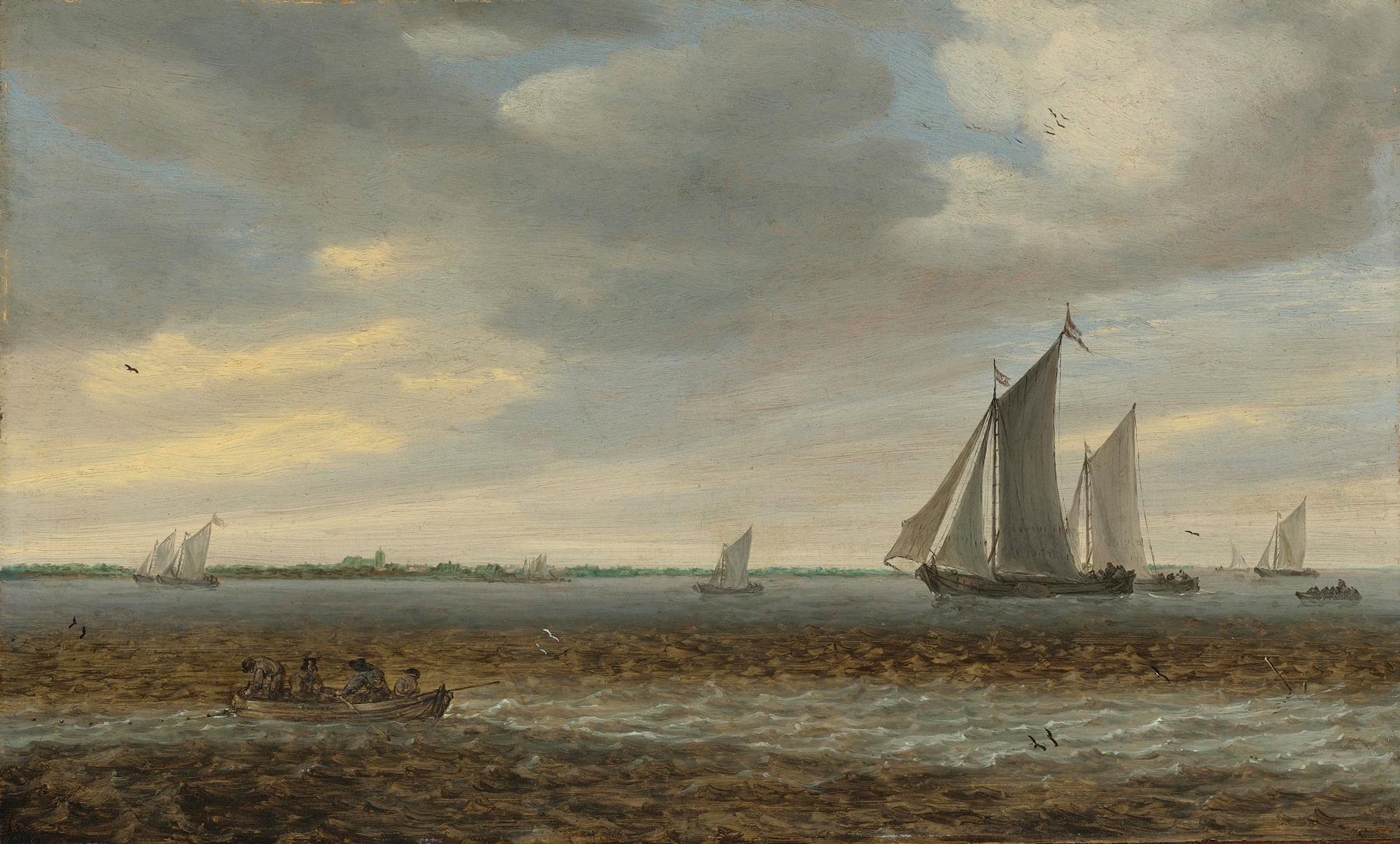
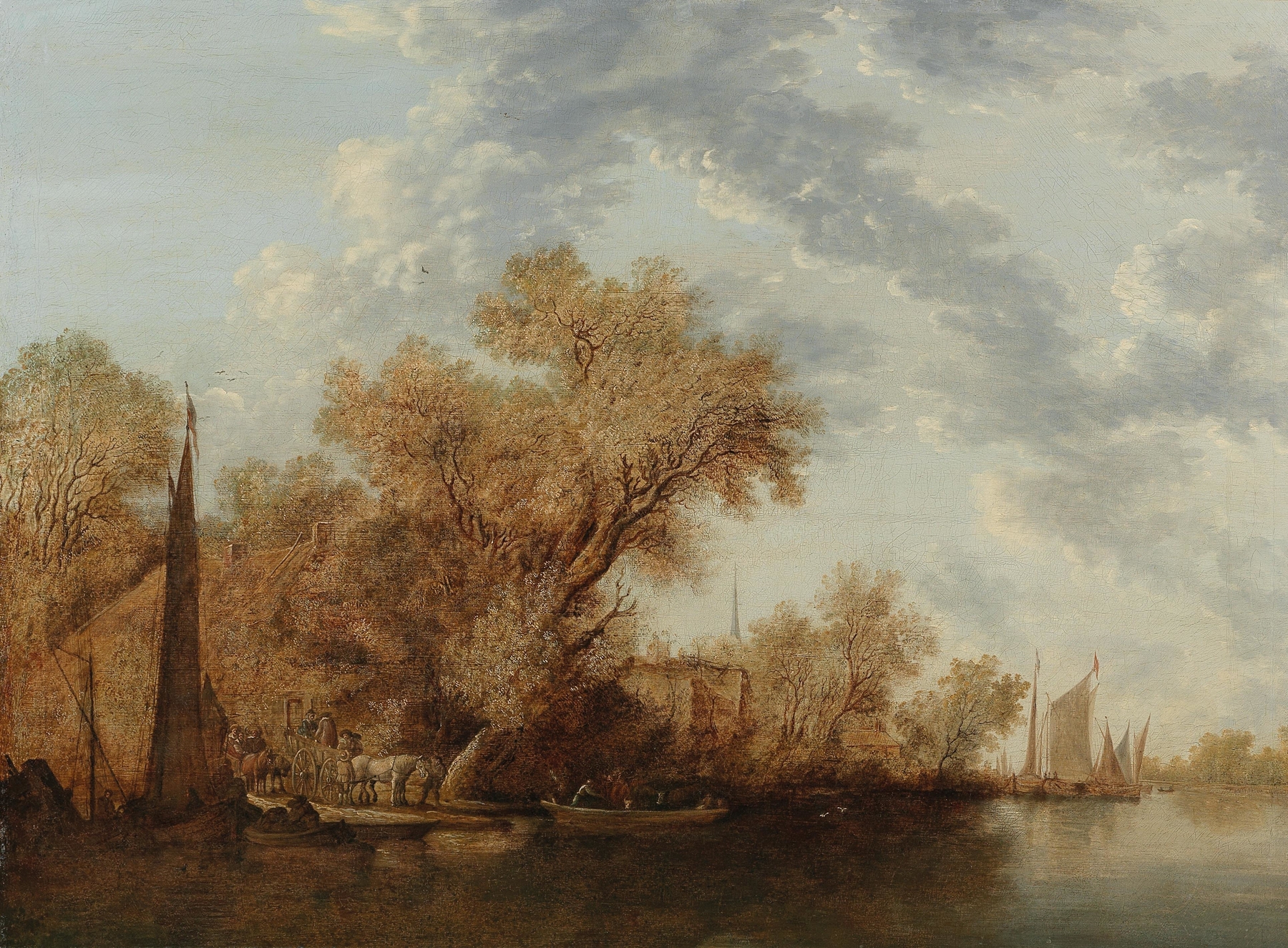
The ferry boats, gently bobbing upon the water, draw the eye, their sails whispering tales of journeys taken. Van Ruysdael's masterful brushwork evokes a sense of depth; the horizon stretches infinitely, inviting the viewer into a world suspended between reality and reflection. Yet, within this idyllic scene lies an undercurrent of tension. The boats, poised on the brink of departure, embody the fleeting nature of existence. The contrasting light and shadow play across the landscape, suggesting that solitude accompanies even the most beautiful moments.
Each detail, from the delicate ripples in the water to the distant figures upon the shore, imparts a sense of longing, as if the river holds more than mere reflections — it harbors memories of those who once traversed its depths. Created in a time when the Dutch Golden Age was flourishing, the artist painted this landscape amidst a rich tapestry of artistic innovation and exploration. Working in Haarlem in the 17th century, he was influenced by the interplay of light and nature, reflecting societal shifts that embraced both the beauty and complexity of the Dutch landscape. His commitment to conveying emotion through landscape art marked a significant evolution in the genre, paving the way for future generations of artists.