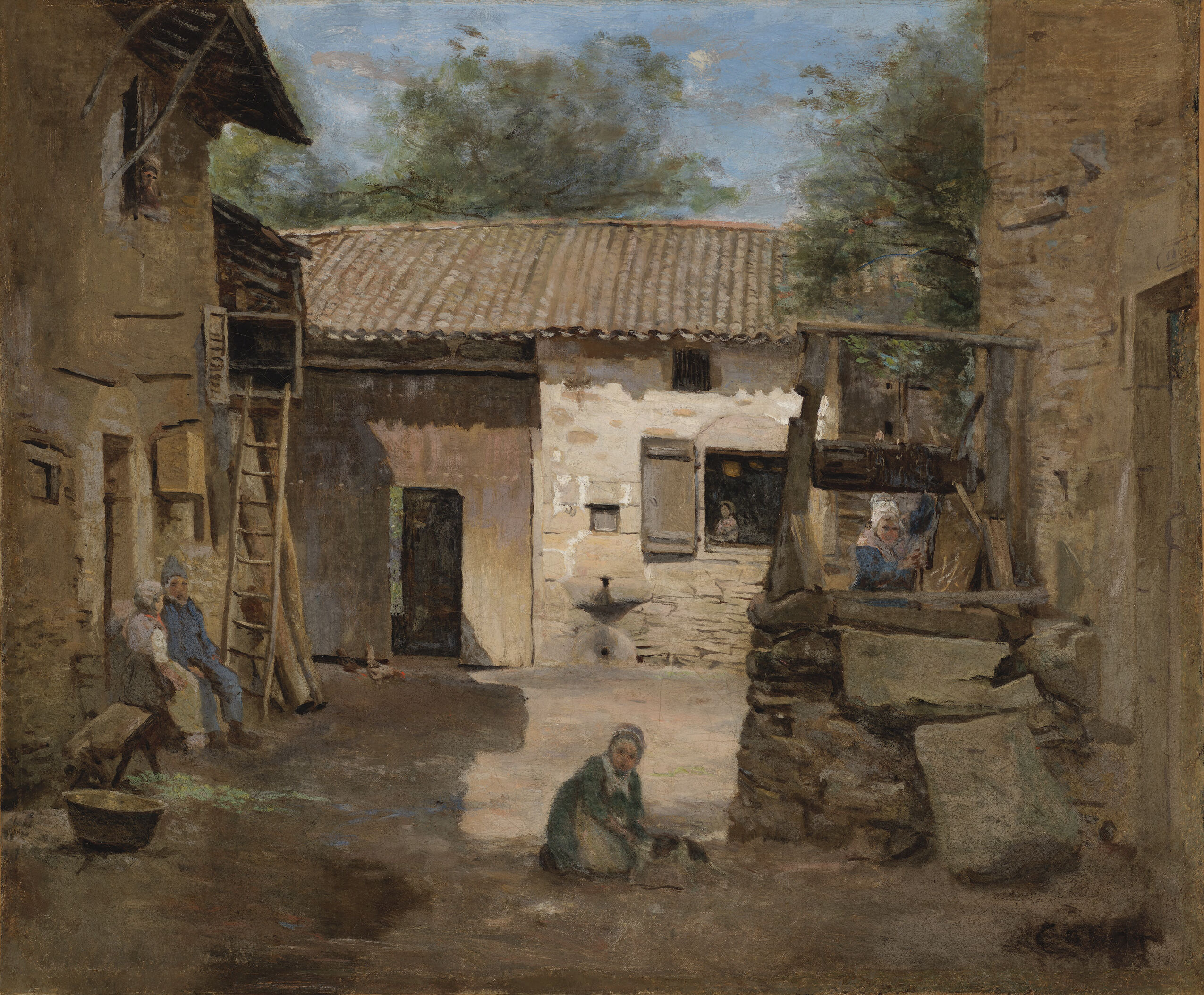
A Rustic Court-Yard — History & Analysis
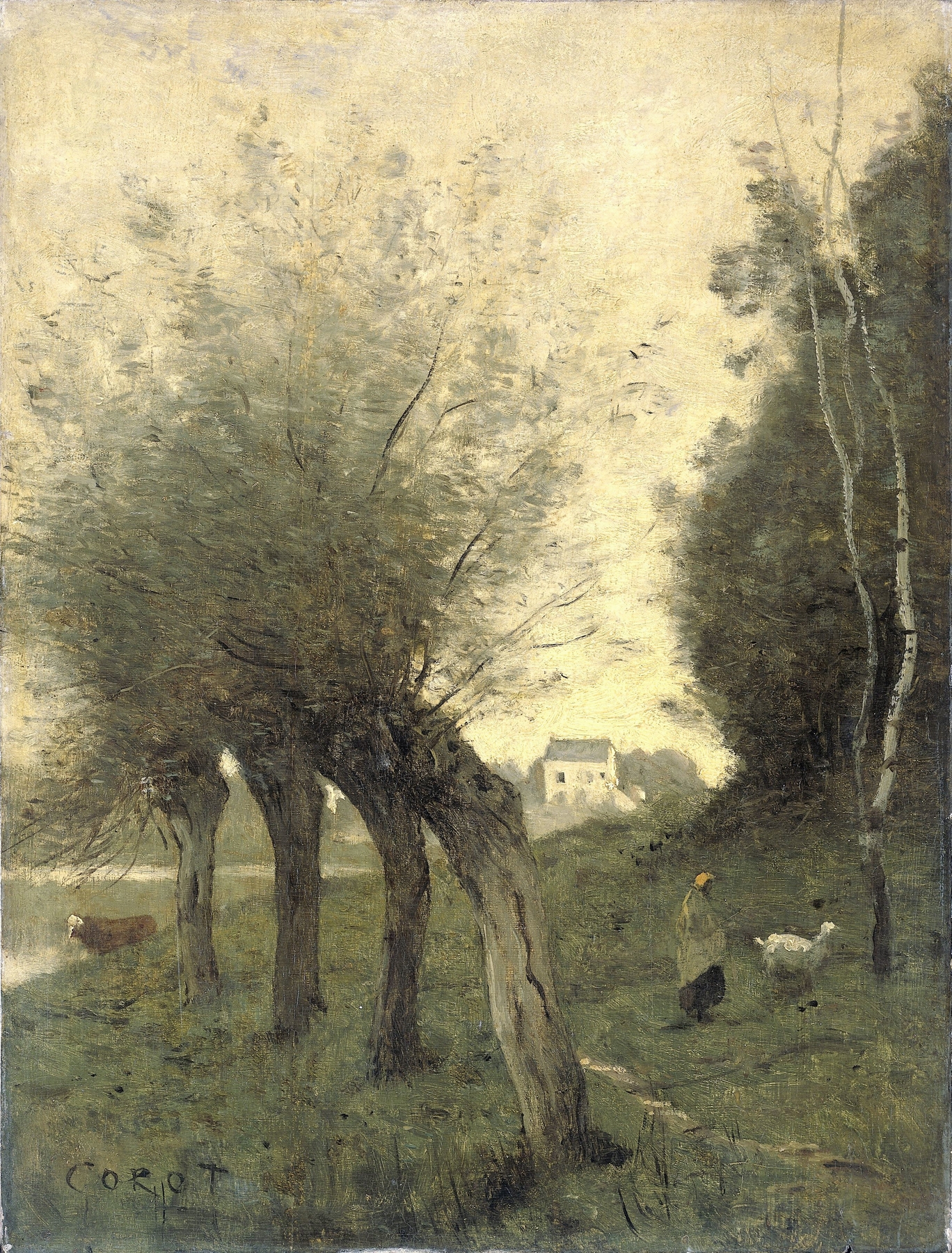
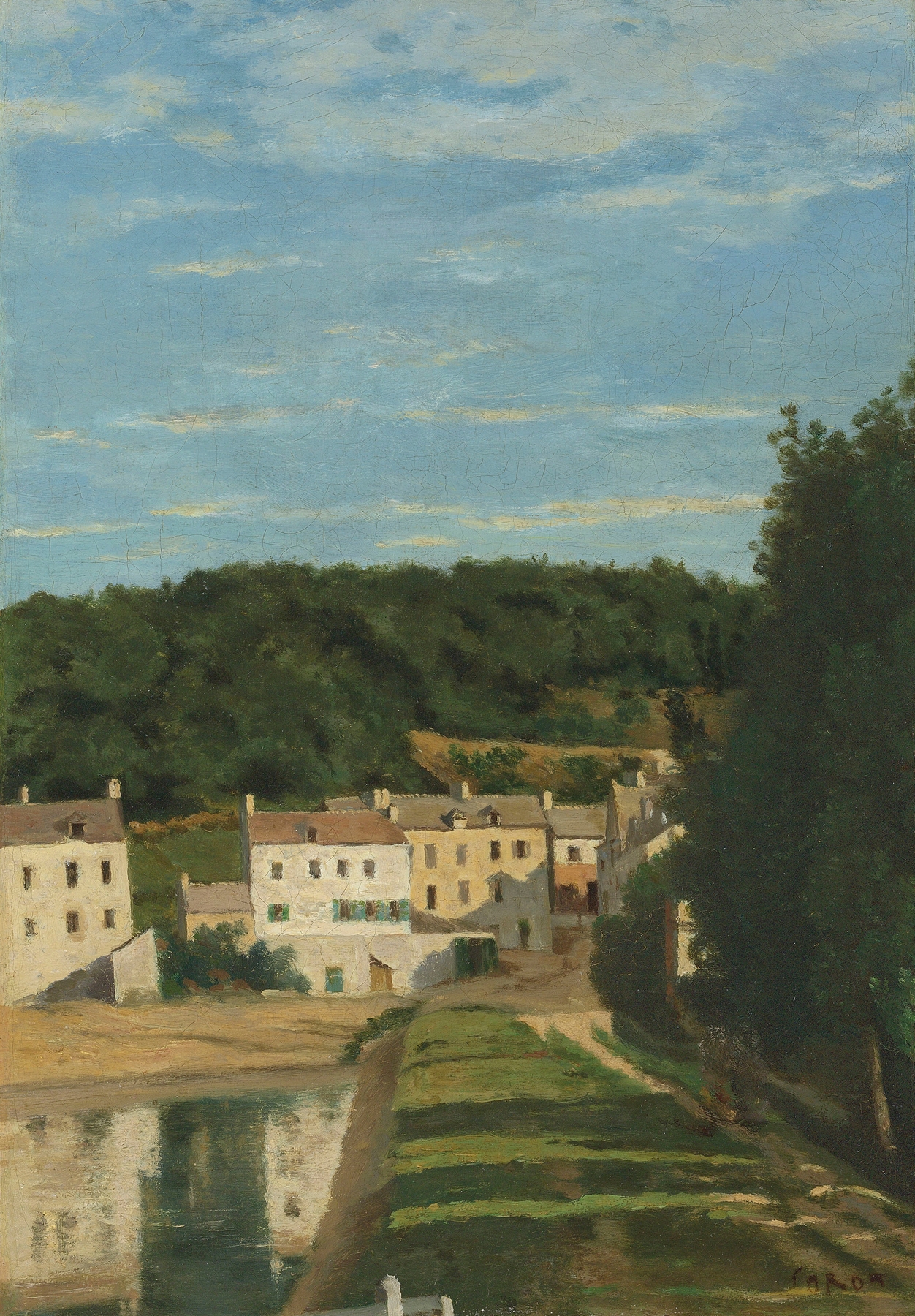
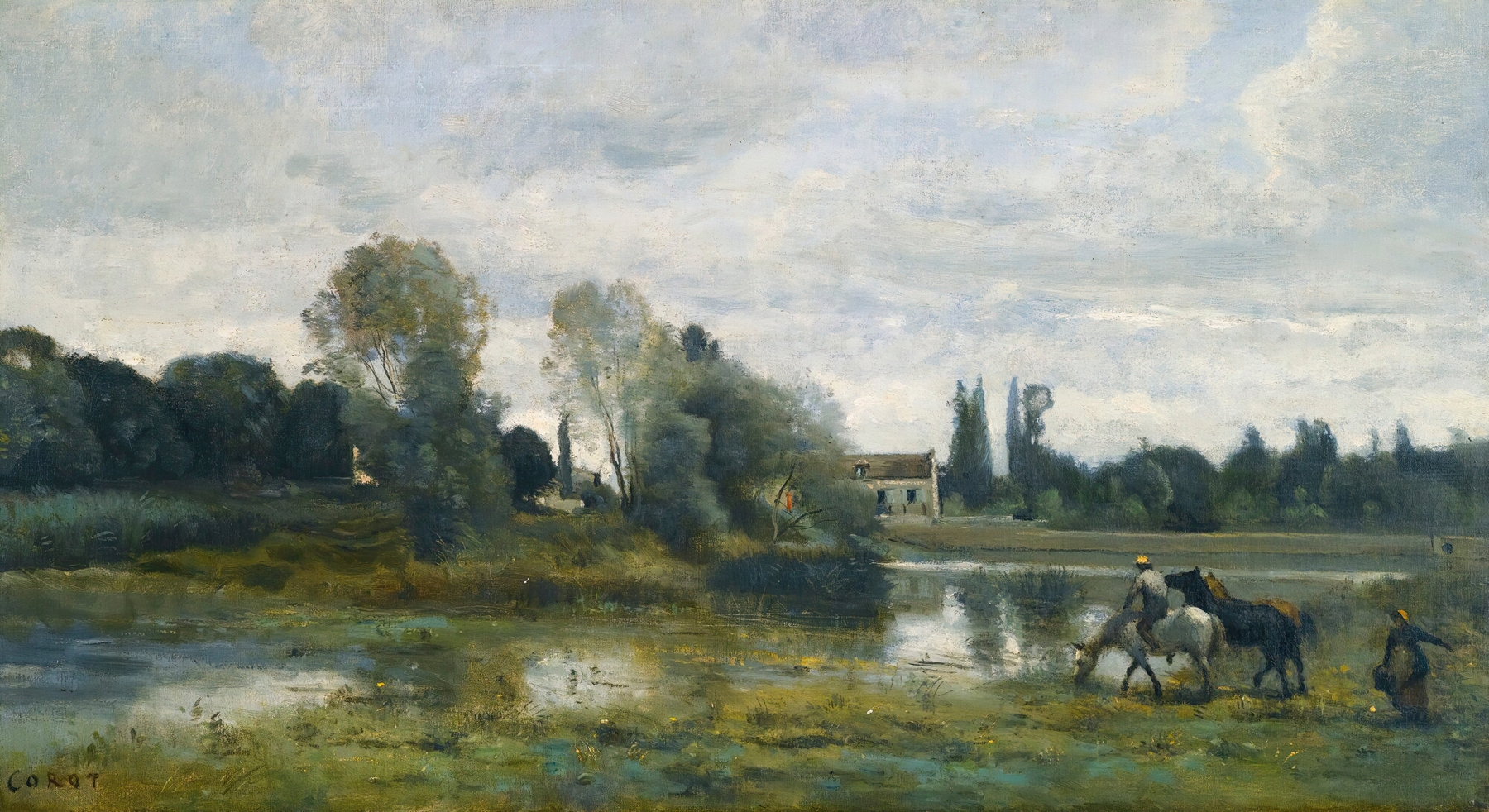
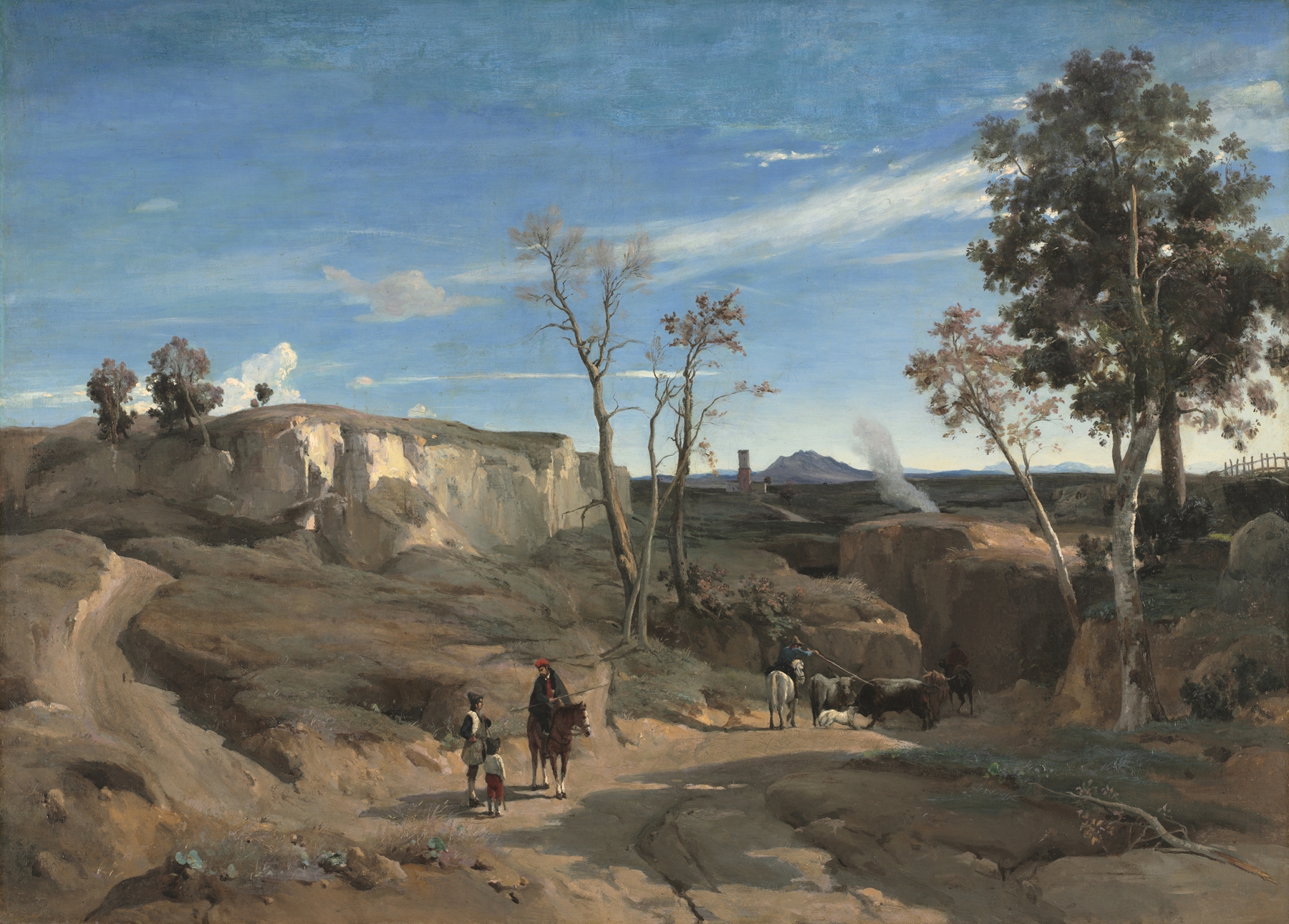
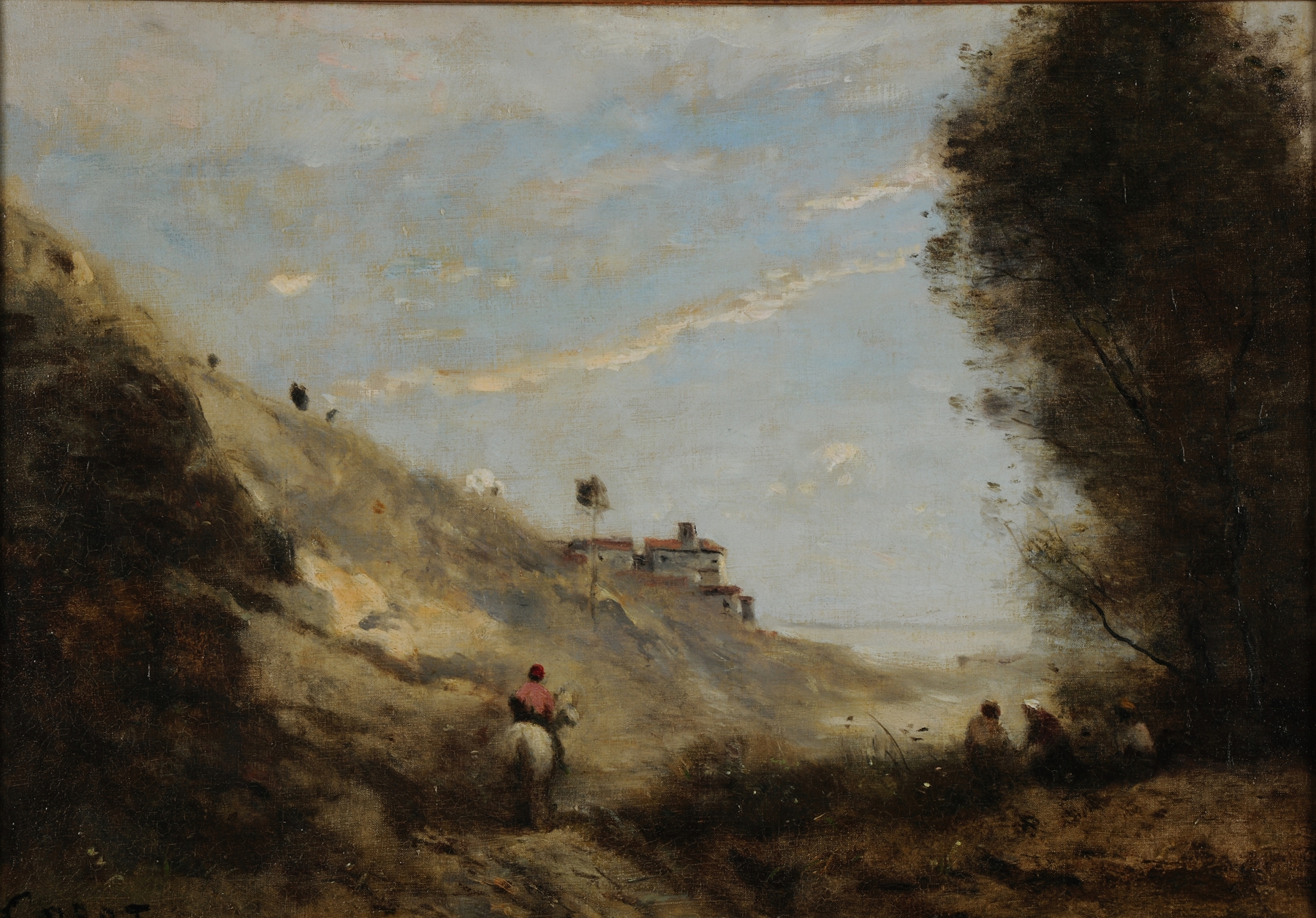
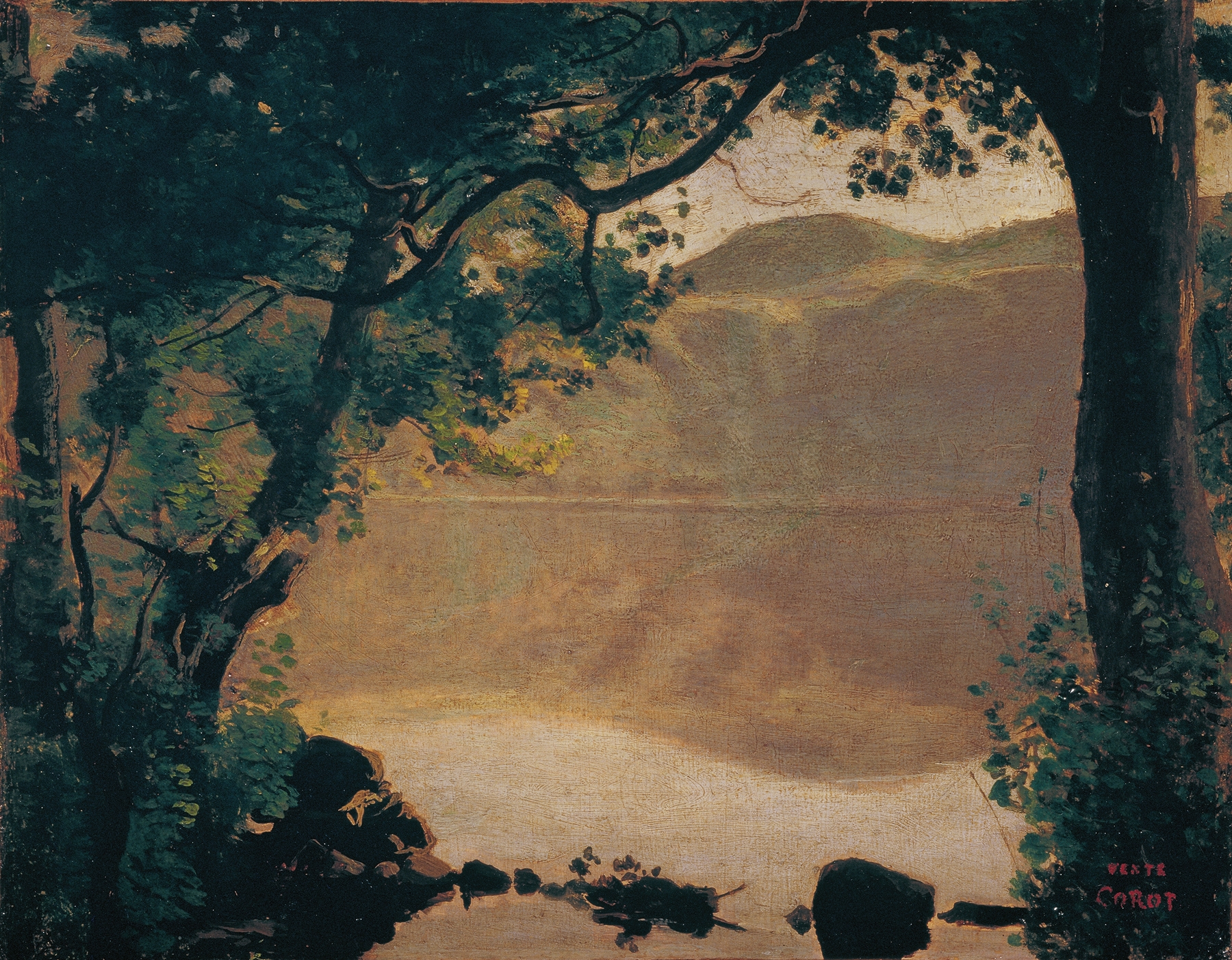
“To paint is to remember what time wants us to forget.” In A Rustic Court-Yard, the artist captures the delicate interplay between memory and illusion, inviting viewers to step into a moment suspended in time. Look to the right at the gentle arch of the rustic building, where warm earth tones converge with muted greens and soft blues. The light dances across the textured surfaces, illuminating the weathered stones and casting long shadows that evoke a sense of nostalgia. Each brushstroke breathes life into this tranquil courtyard, making it feel both familiar and dreamlike, as if one could almost hear the whispers of the past echoing through the quiet space.
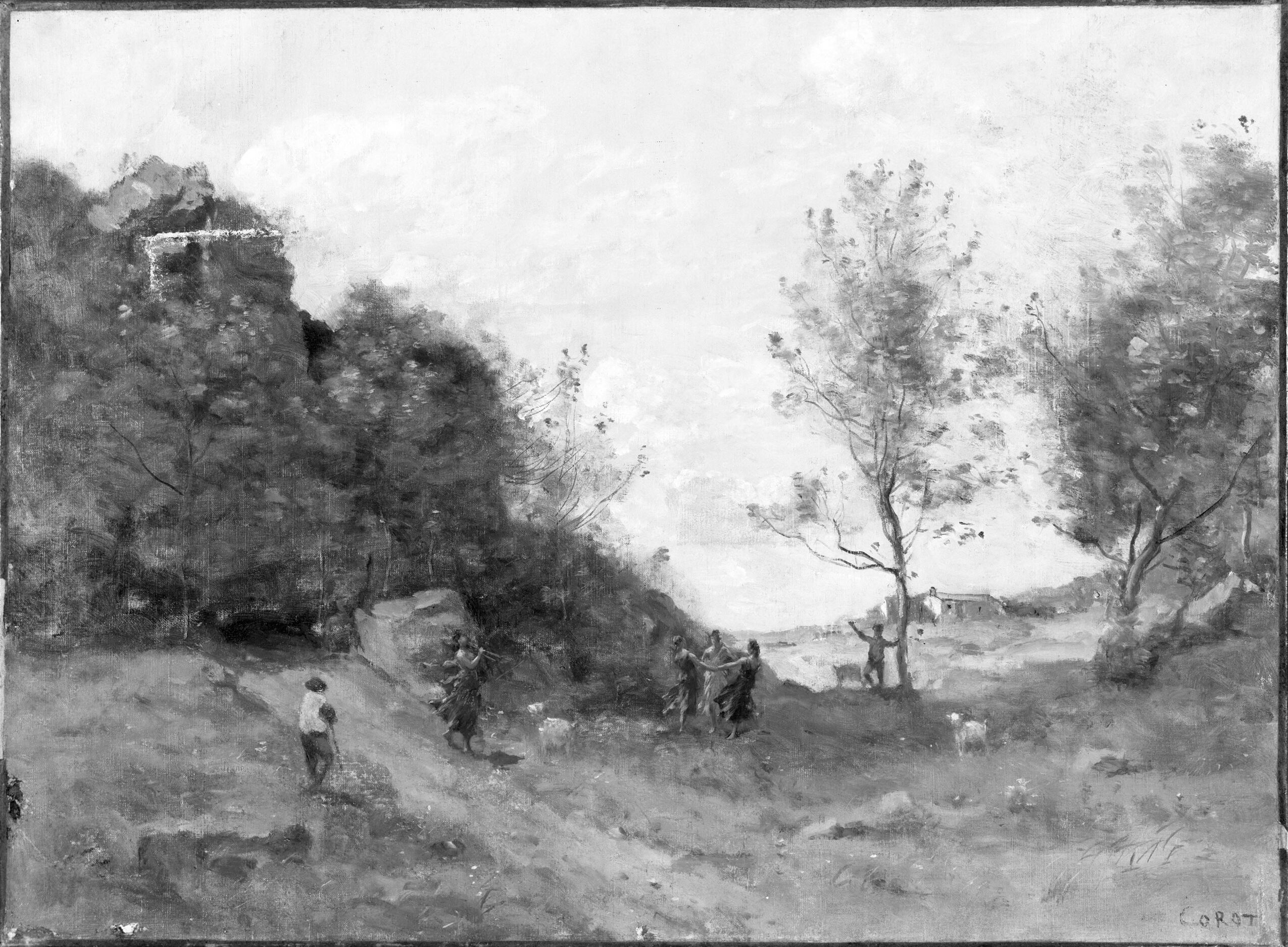
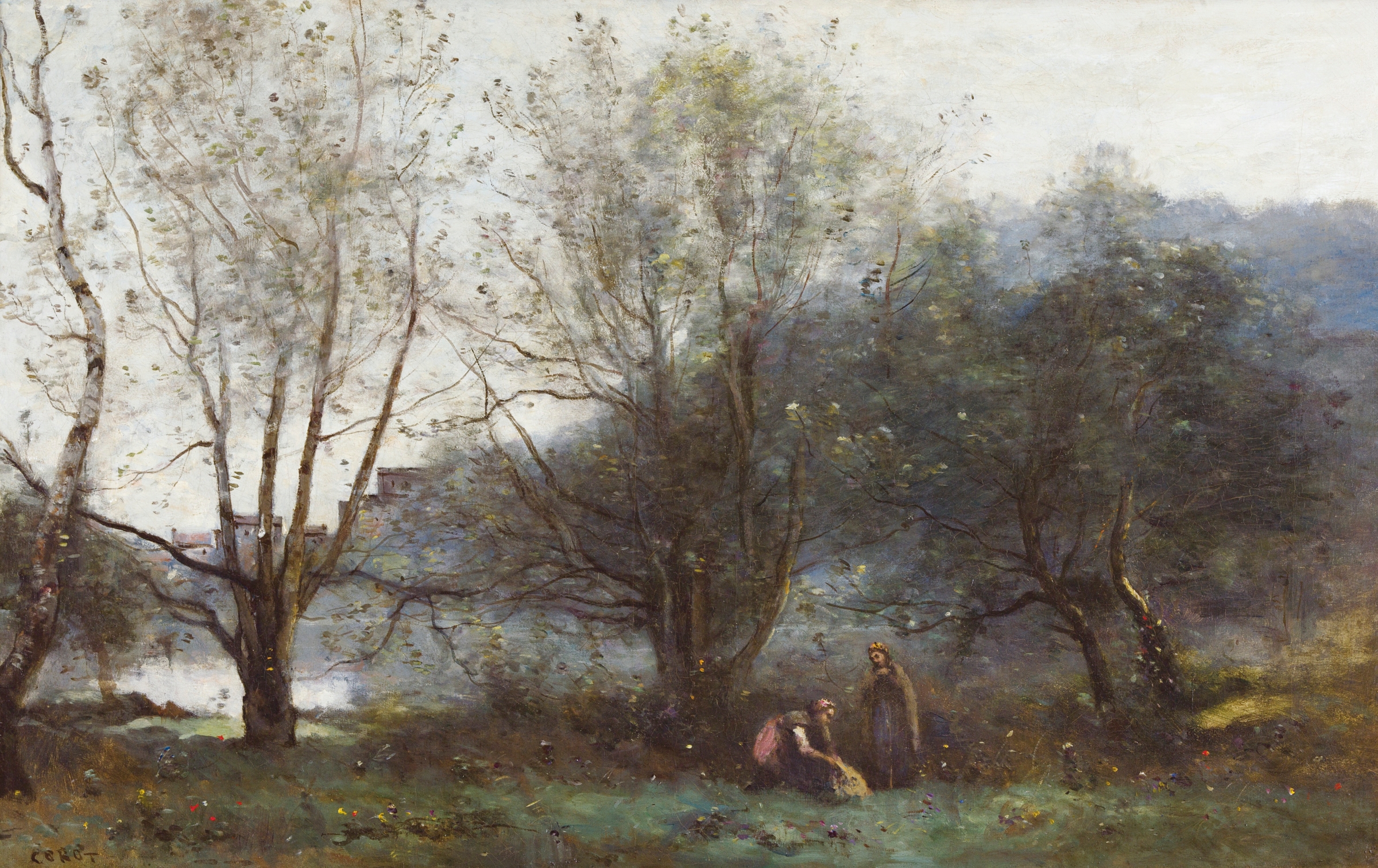
As you explore the composition, notice the way Corot balances the natural elements with the architectural forms. The juxtaposition of the organic and constructed hints at a deeper dialogue between humanity and nature. The scattered patches of sunlight beckon reflection, while the lingering shadows remind us of time’s relentless passage, suggesting that beauty exists even in the inevitable decay of life.
Created around 1850, this work emerged during a transformative time for the artist, who was deeply immersed in the burgeoning movement of Impressionism. While Corot was celebrated for his landscapes, he was also influenced by the romantic ideals of memory and imagination that permeated the art world. As Europe underwent rapid industrialization, he sought refuge in the simplicity of rural subjects, capturing the essence of a world that was changing before his eyes.