A Shipwreck — History & Analysis
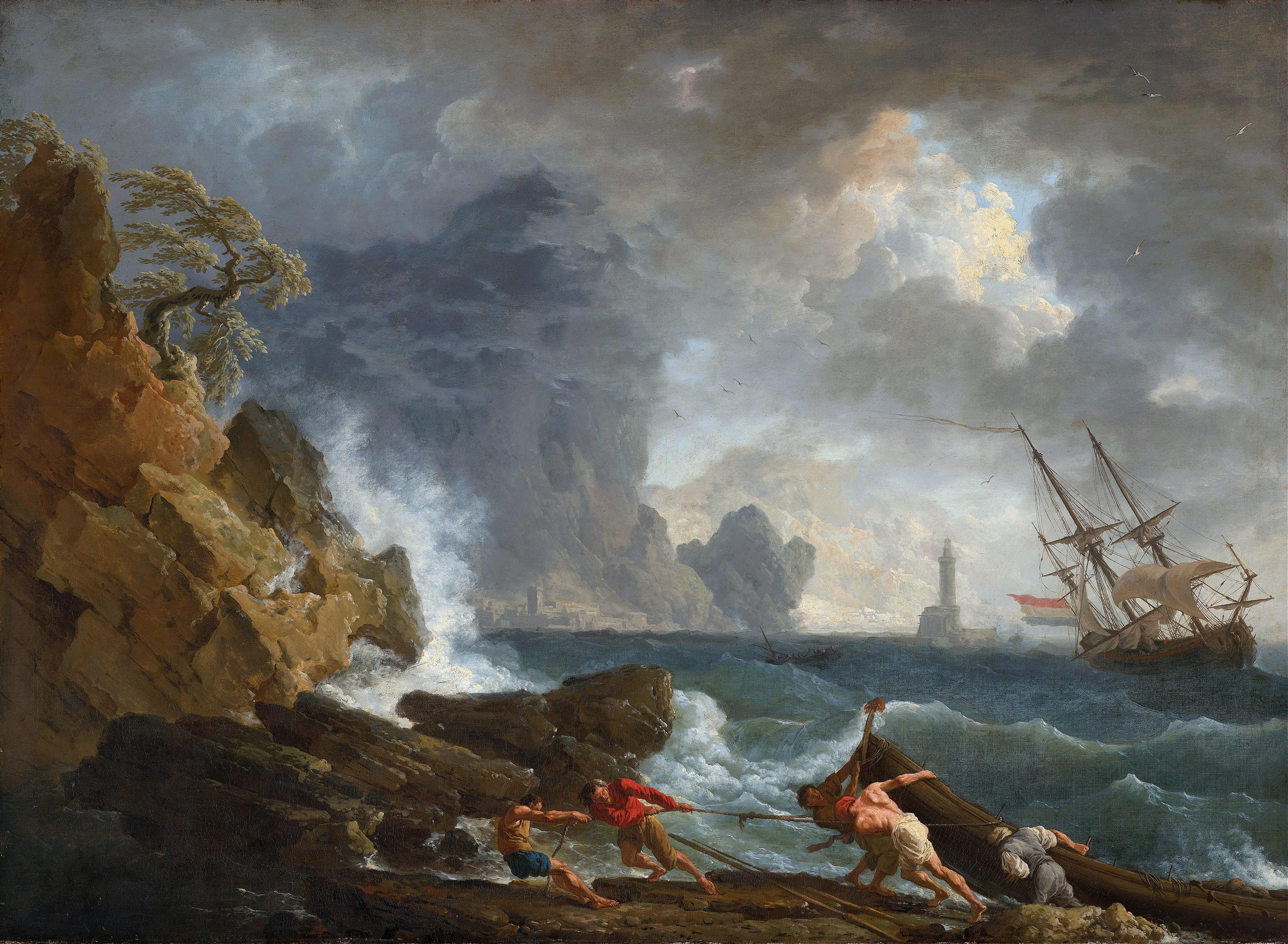
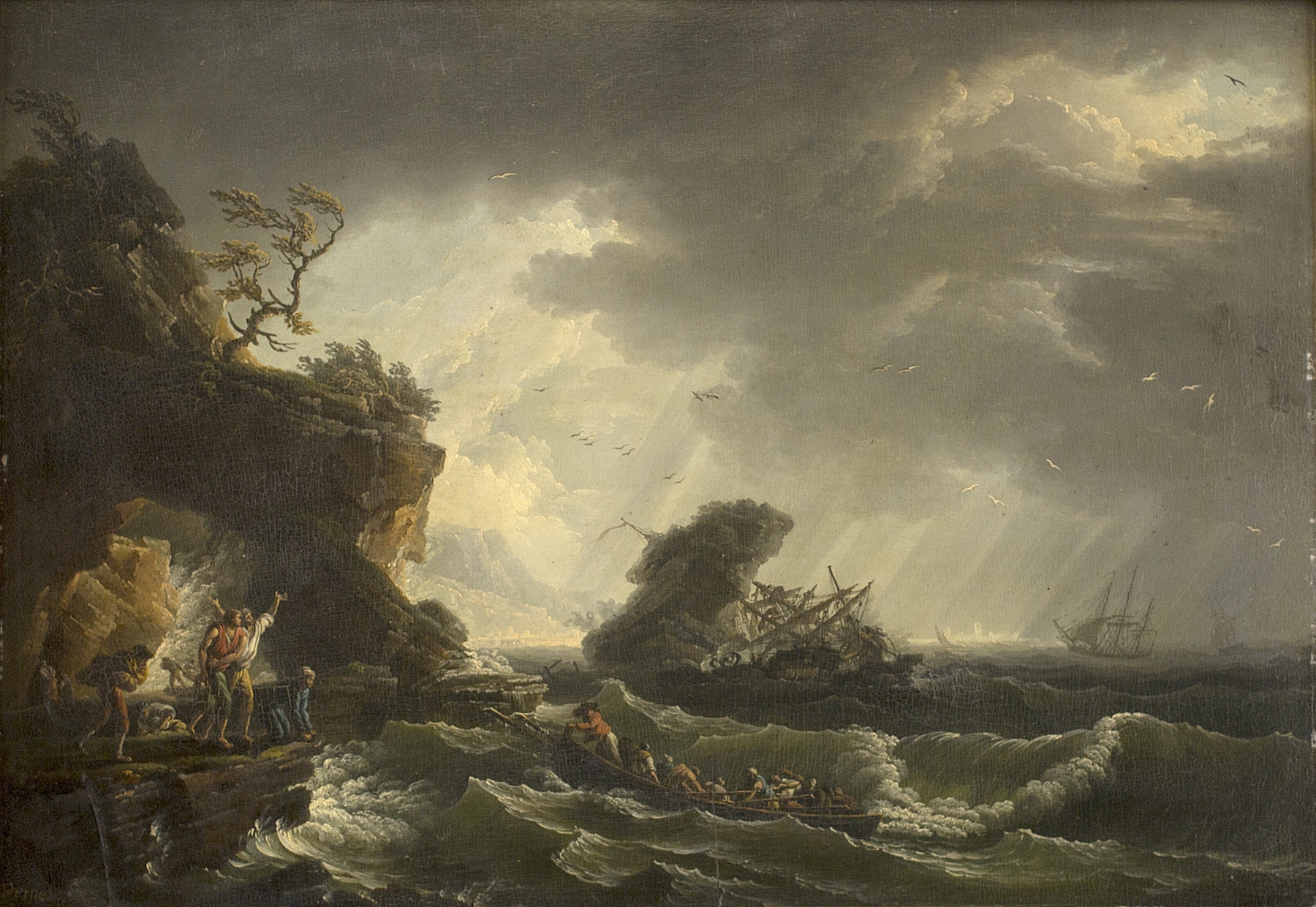
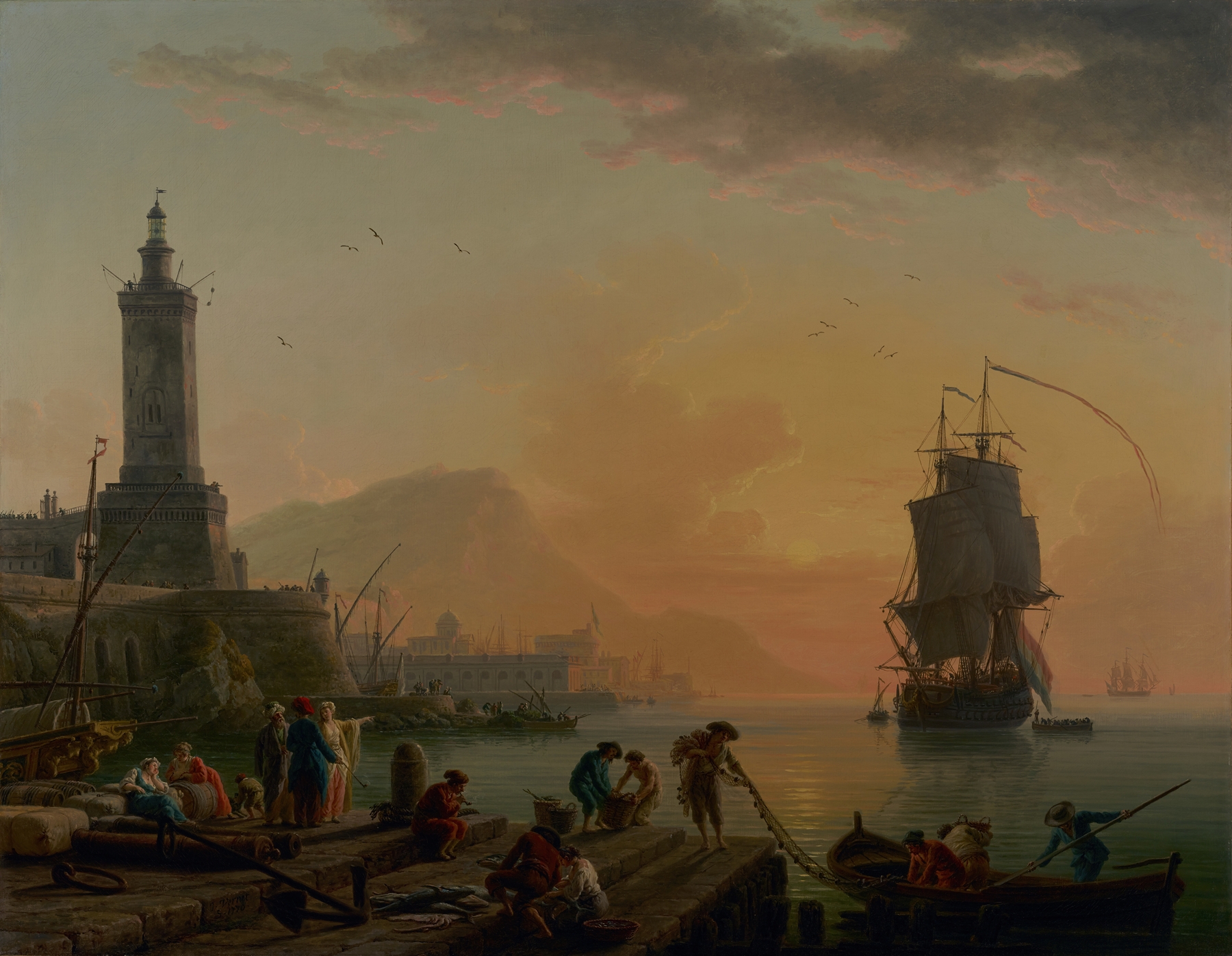
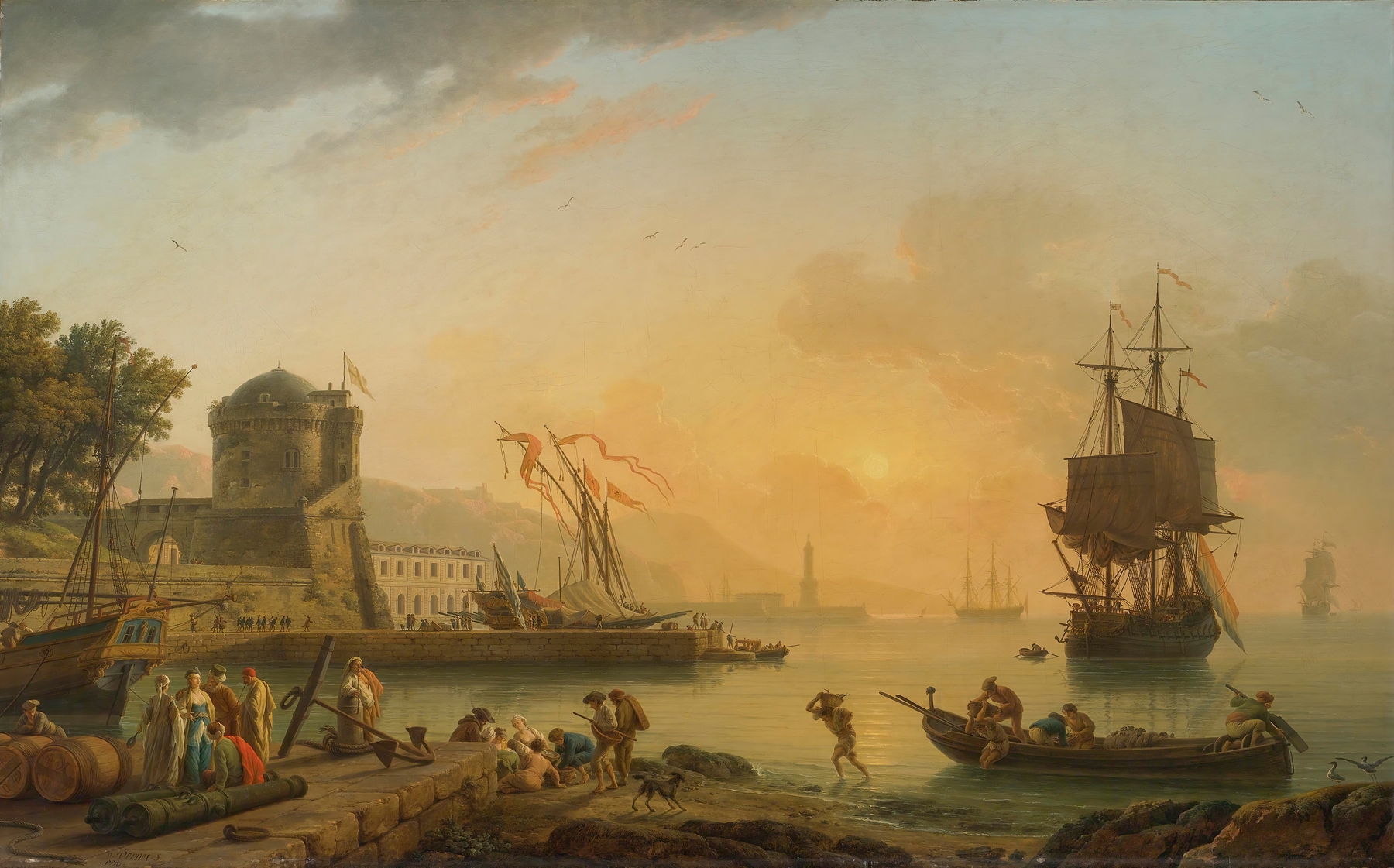
Is this a mirror — or a memory? A question lingers in the air, echoing the depths of loss and longing that permeate the canvas. Focus on the tumultuous waves crashing against the jagged rocks, where chaos meets the sublime. The muted palette of grays and blues evokes a tempestuous sky, while the glimmers of sunlight fighting through the clouds reveal moments of hope amid despair.
Look closely at the broken ship, its tattered sails caught in windless surrender, a haunting testament to nature's unforgiving force. The emotional tension is palpable: here, the shipwreck is not merely a tragedy of the sea but a reflection of human vulnerability. Notice the contrasting figures of sailors struggling against fate, their anguish captured in desperate gestures, while the distant horizon blurs with the suggestion of an unseen, beckoning land.
Each detail — the frayed ropes, the drowning dreams — echoes a sense of inevitability and loss, challenging the viewer to confront their own ghosts. Created during a period when Vernet was deeply engaged with maritime themes, A Shipwreck captures the artist's fascination with the sublime forces of nature and human fragility. Painted in a time marked by the Enlightenment's exploration of emotion and reason, Vernet’s work reflects both personal and societal anxieties, mirroring the turbulent seas of 18th-century Europe.