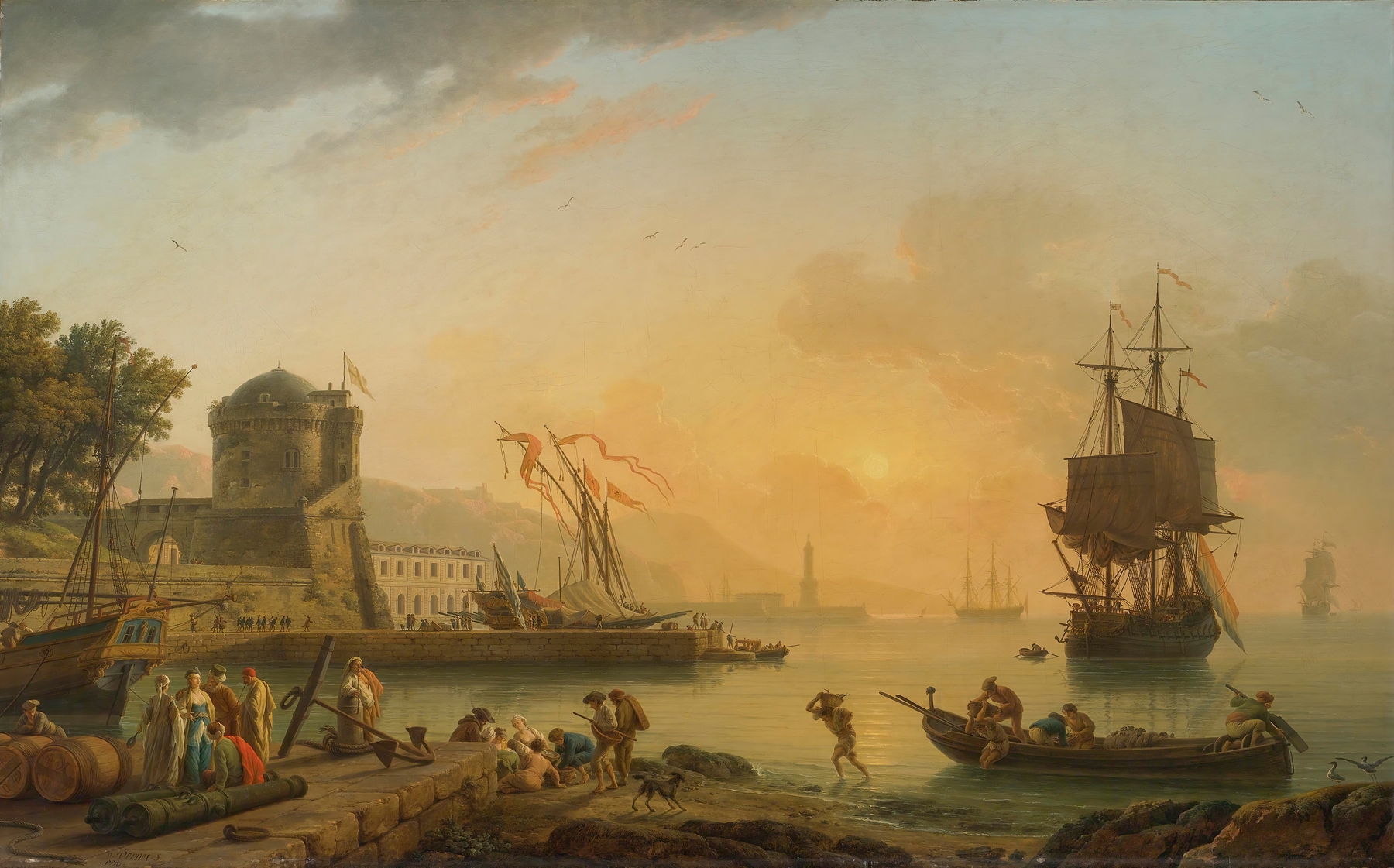
A shipwreck with figures coming ashore — History & Analysis
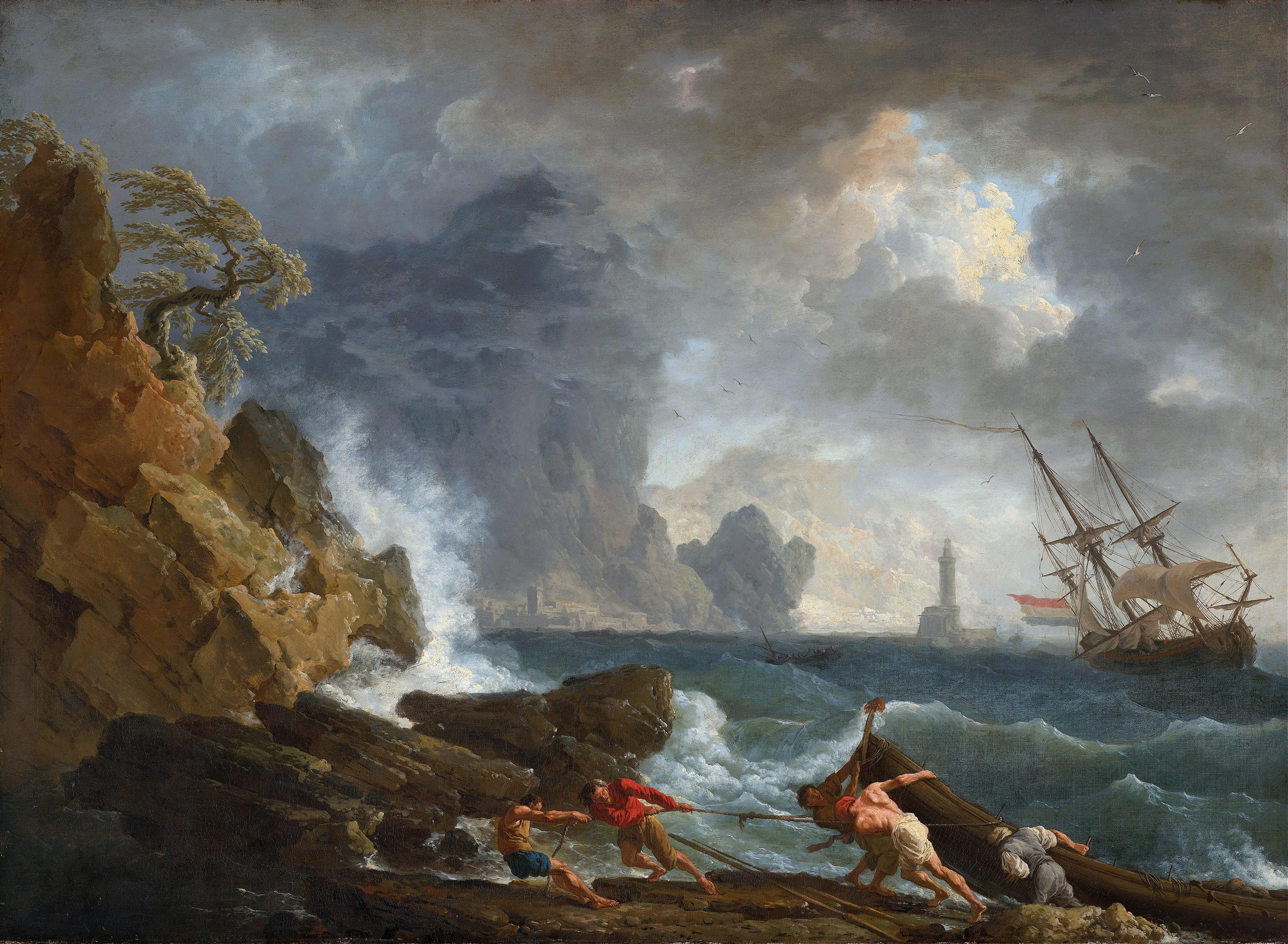
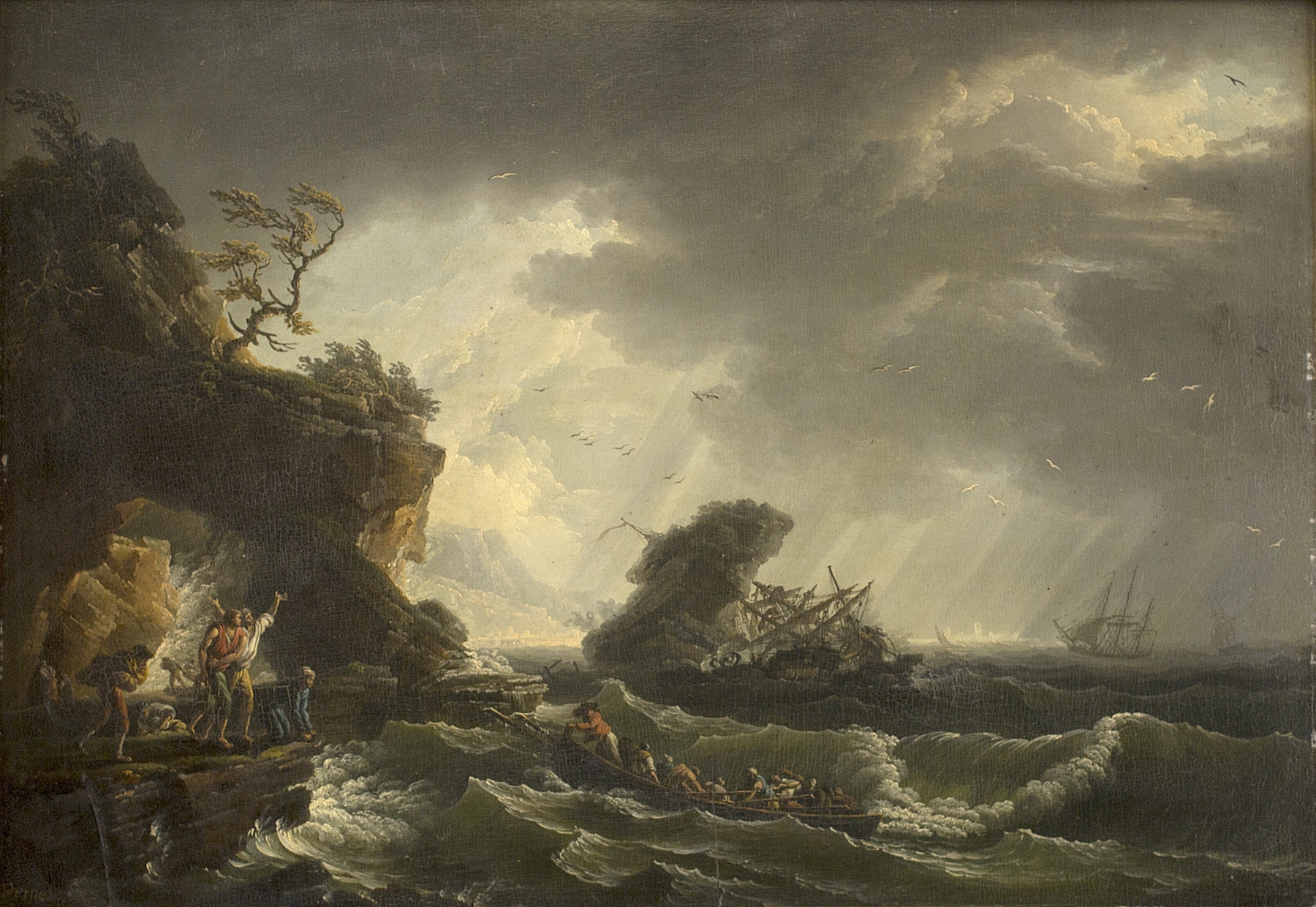
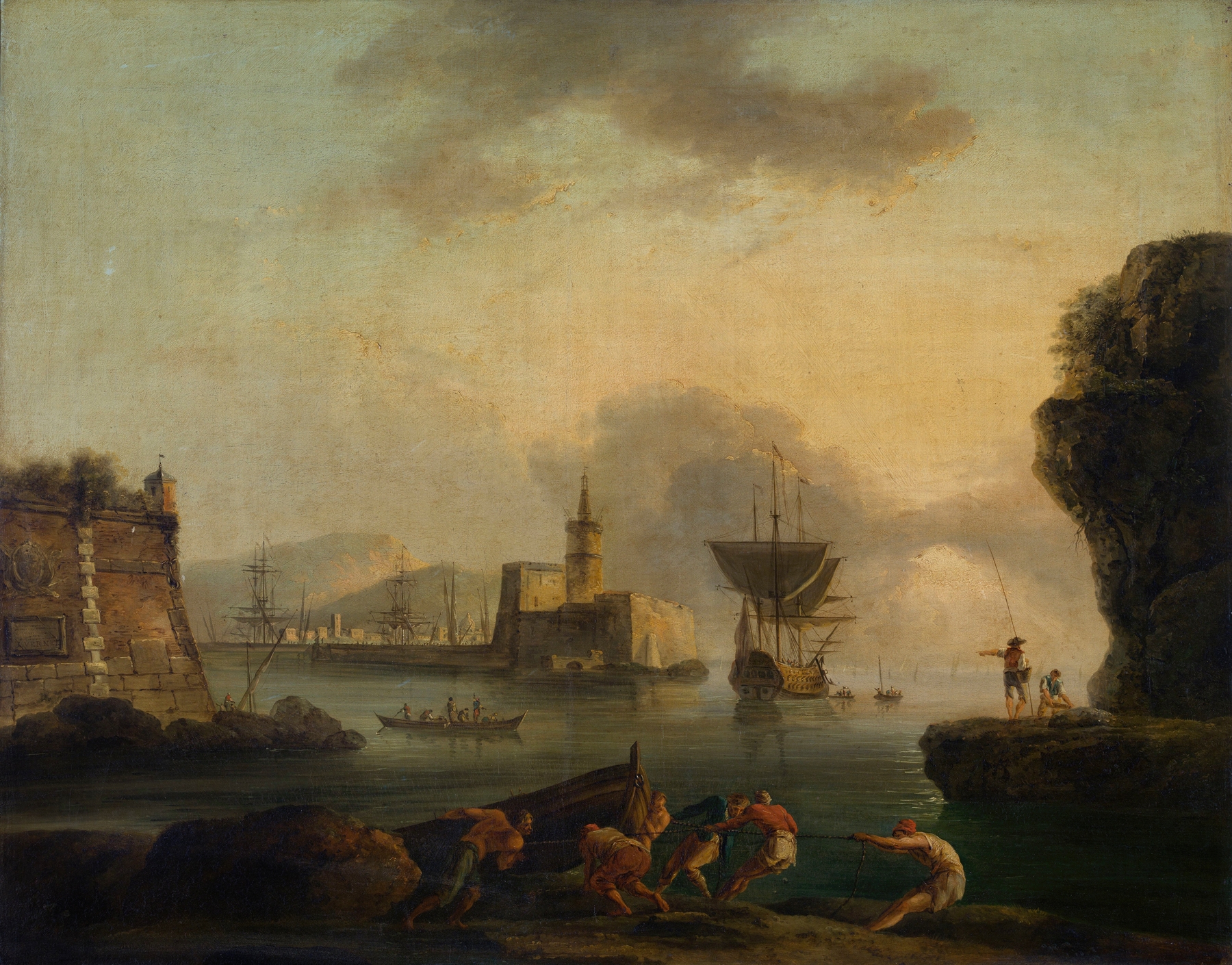
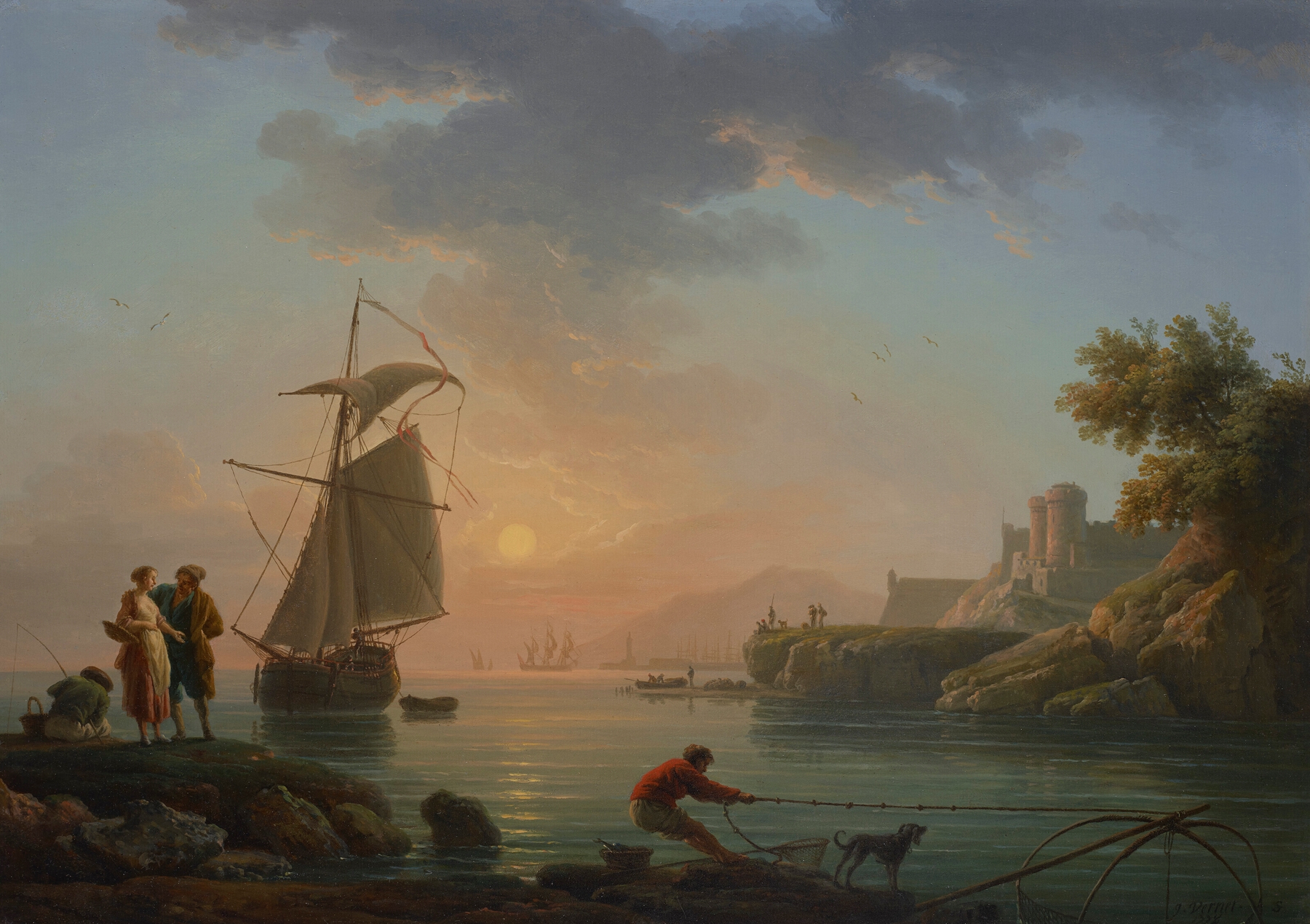
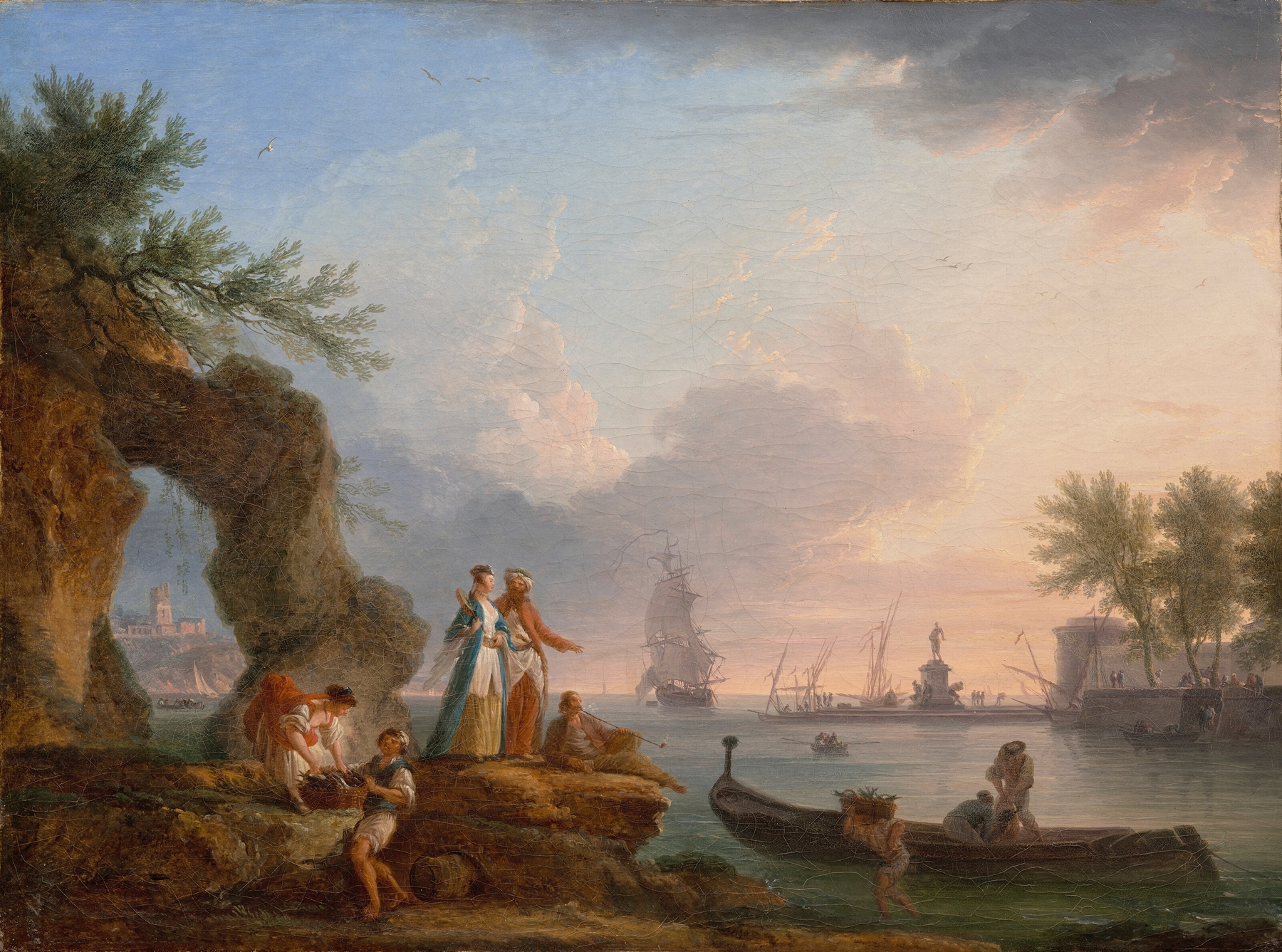
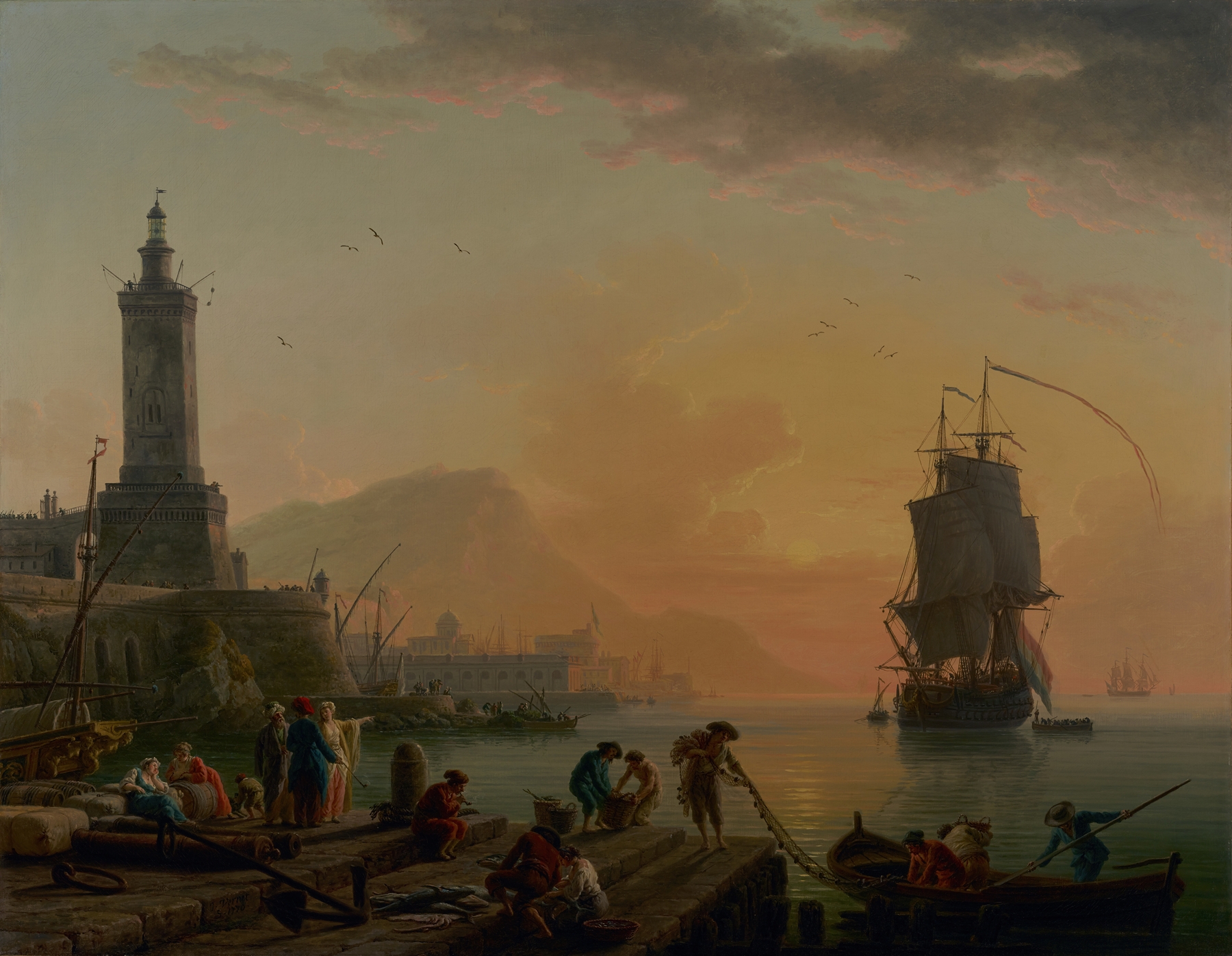
“The canvas doesn’t lie — it simply waits.” In the fragile balance between despair and hope, we find the heart of this artwork, where tumultuous seas clash with human resilience. Look closely at the figures emerging from the wreckage, their forms bathed in the soft, muted hues of dusk. Notice how the warm tones of the sunset contrast with the cool, dark blues of the sea, embodying the duality of their situation. The tumult of the waves, captured with swirling brushstrokes, frames the protagonists as they navigate their precarious existence.
The delicate yet striking brushwork imparts a sense of urgency, drawing the eye down the chaotic shoreline. Within this composition lies a poignant exploration of fragility. The figures, although seemingly robust, illustrate a vulnerability against nature’s might, each gesture and expression a testament to human struggle. The shipwreck serves as a metaphor for life’s unpredictability, while the interplay of light and shadow emphasizes both the despair of loss and the glimmer of survival.
Every detail—the scattered debris, the hesitant movements—echoes a shared experience of battling the uncontrollable. Created in an unrecorded year during his prolific career, Vernet was deeply engaged with maritime subjects, reflecting the turbulent waters of 18th-century France as well as his own artistic journey. The era was marked by a growing fascination with realism and the sublime, which influenced his style. This painting stands as a testament to the artist's ability to capture not just the physicality of the sea, but the emotional depth of humanity caught within its grasp.