A Smack Under Sail in a Light Breeze in a River — History & Analysis
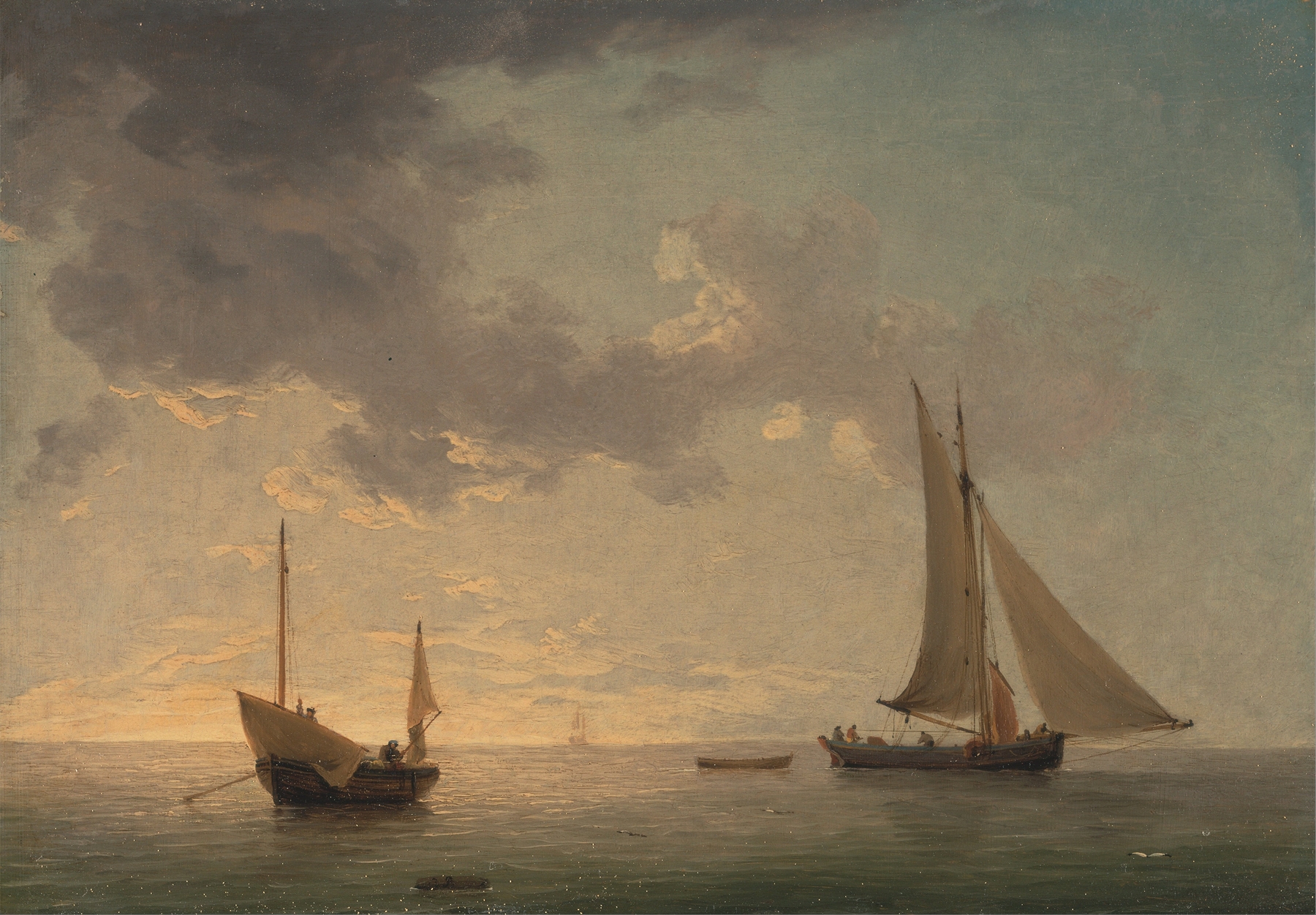
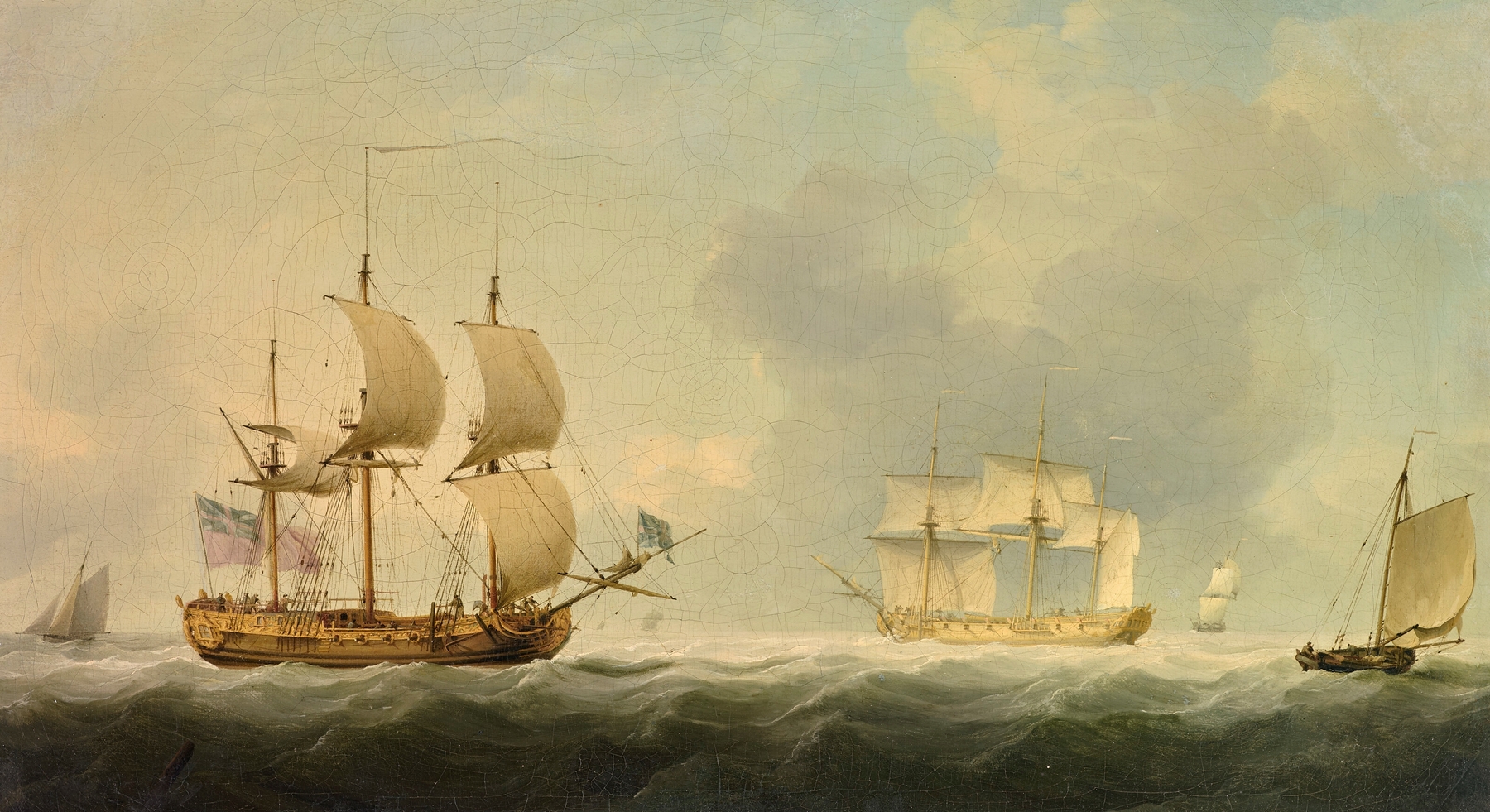
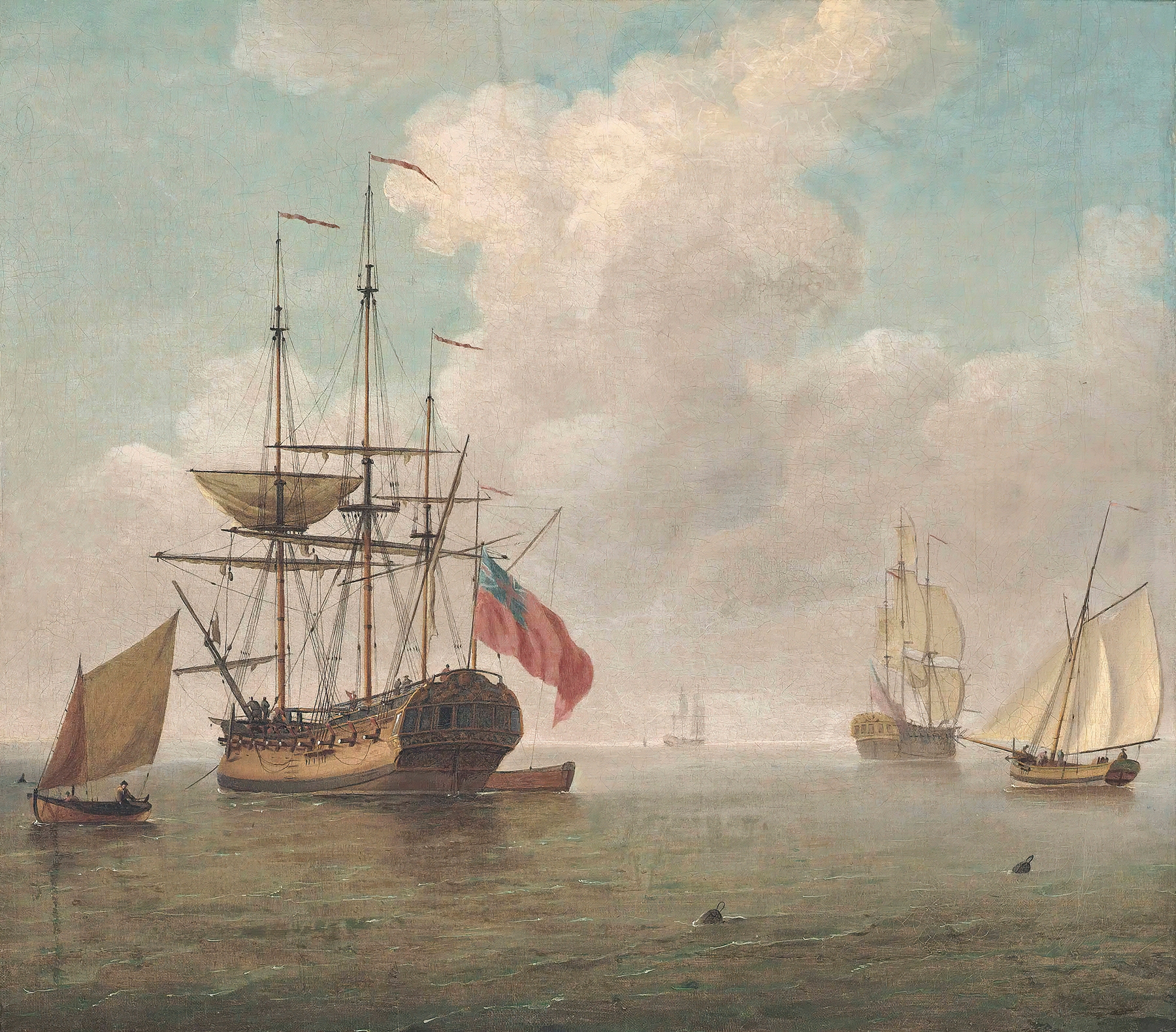
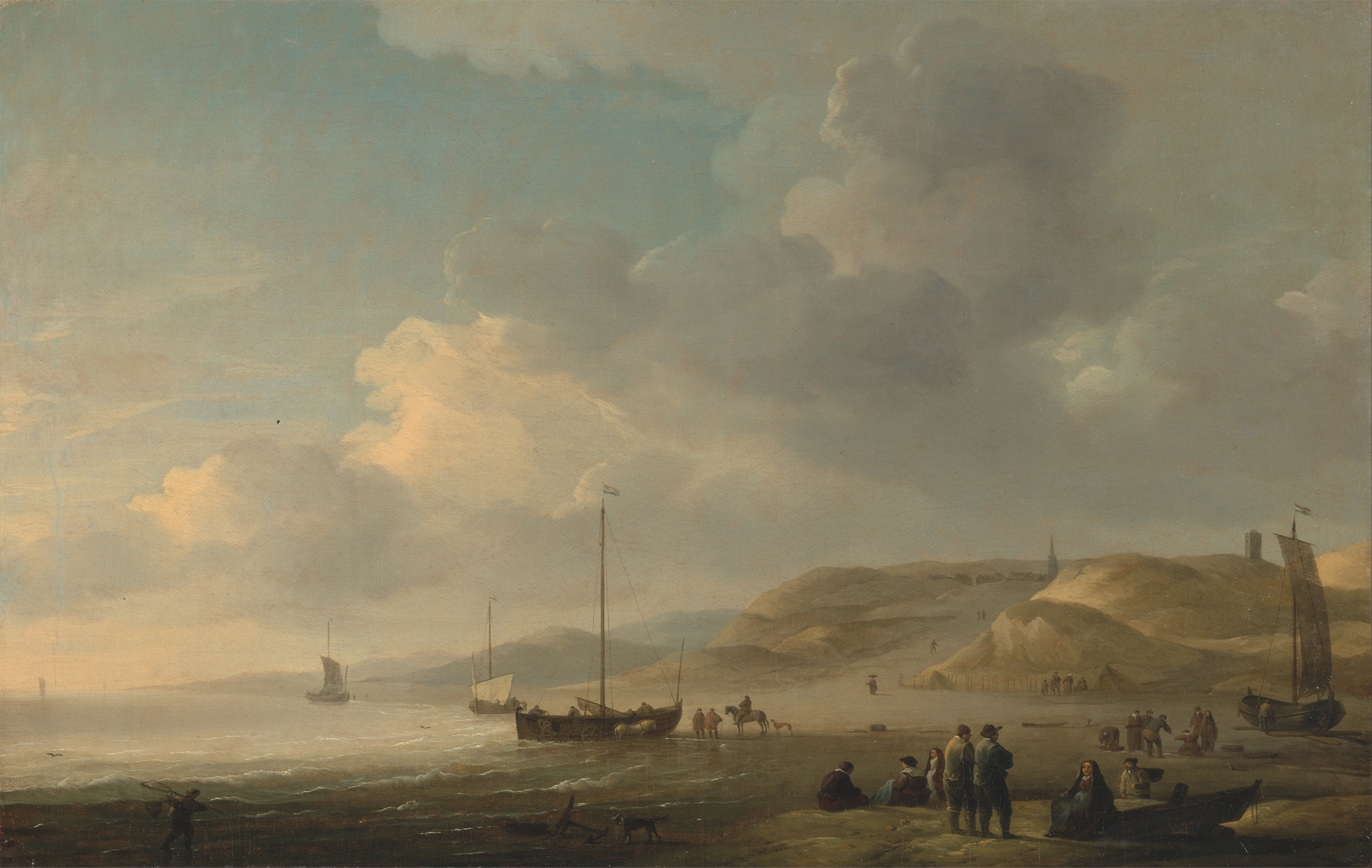
When did color learn to lie? In A Smack Under Sail in a Light Breeze in a River, a tranquil vista unfurls, yet whispers of madness ripple beneath its surface, challenging our perception of reality. The serene river scene, with its gentle waves and billowing sails, beckons the viewer to delve deeper into the layers of this idyllic setting. Begin by focusing on the river's reflective surface, where soft tones of blue and green meld together, creating a harmonious dance of color. Look closely at the sails of the smack, catching the light in a way that seems almost luminous against the muted backdrop.
Notice how the brushwork suggests a gentle breeze, the fluid strokes embodying movement, while the distant horizon remains steadfast, grounding the composition in contrast to the fleeting moment captured. Beneath the surface calm, the painting evokes a sense of unease. The sails, though filled with wind, hint at a tension — a yearning for freedom that feels just out of reach. The juxtaposition of the vibrant color palette against the muted landscape may signify the madness of pursuing desires that lead to an eventual reckoning.
Here, tranquility is but a façade, and the viewer is left to ponder the complexities of human aspiration amid nature’s beauty. During the years 1756 to 1759, Brooking was immersed in the vibrant artistic circles of London, where maritime themes were gaining prominence. This period marked a transition in British art, as artists began exploring not only the technical aspects of seascapes but also the emotional undertones they could convey. The work reflects Brooking’s response to contemporary artistic movements, where nature served as both muse and metaphor for the human condition.