A Storm on a Mediterranean Coast — History & Analysis
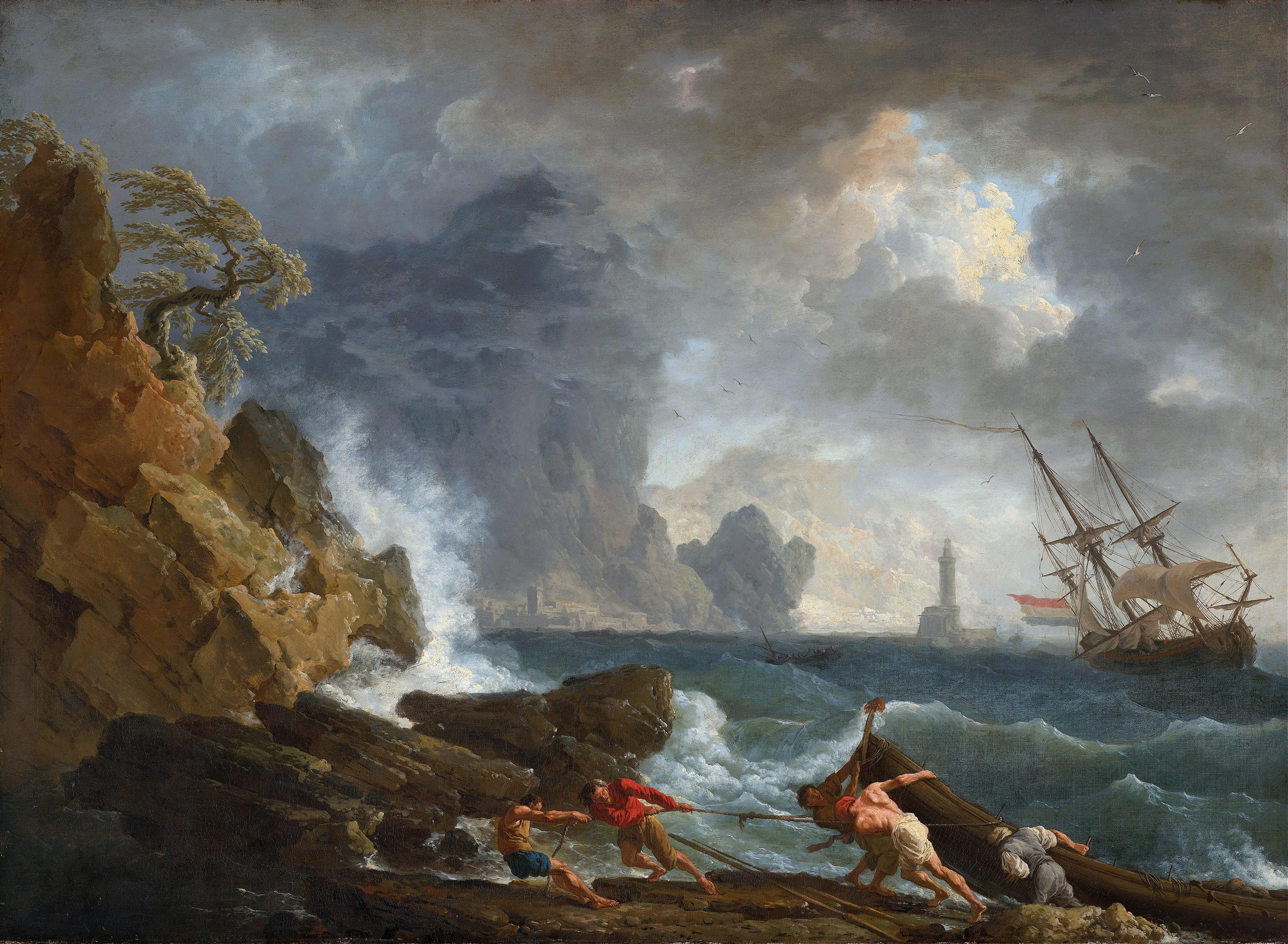
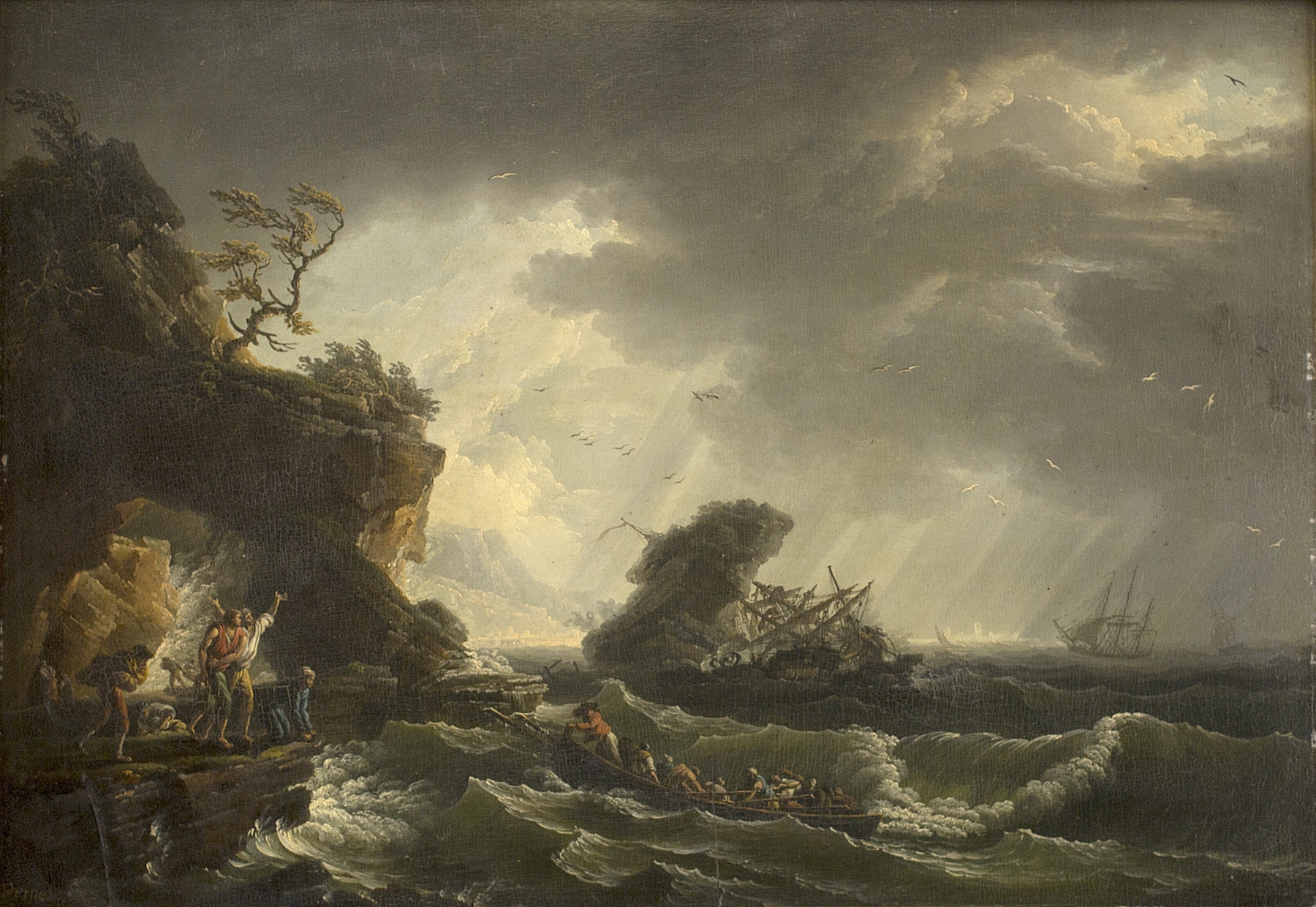
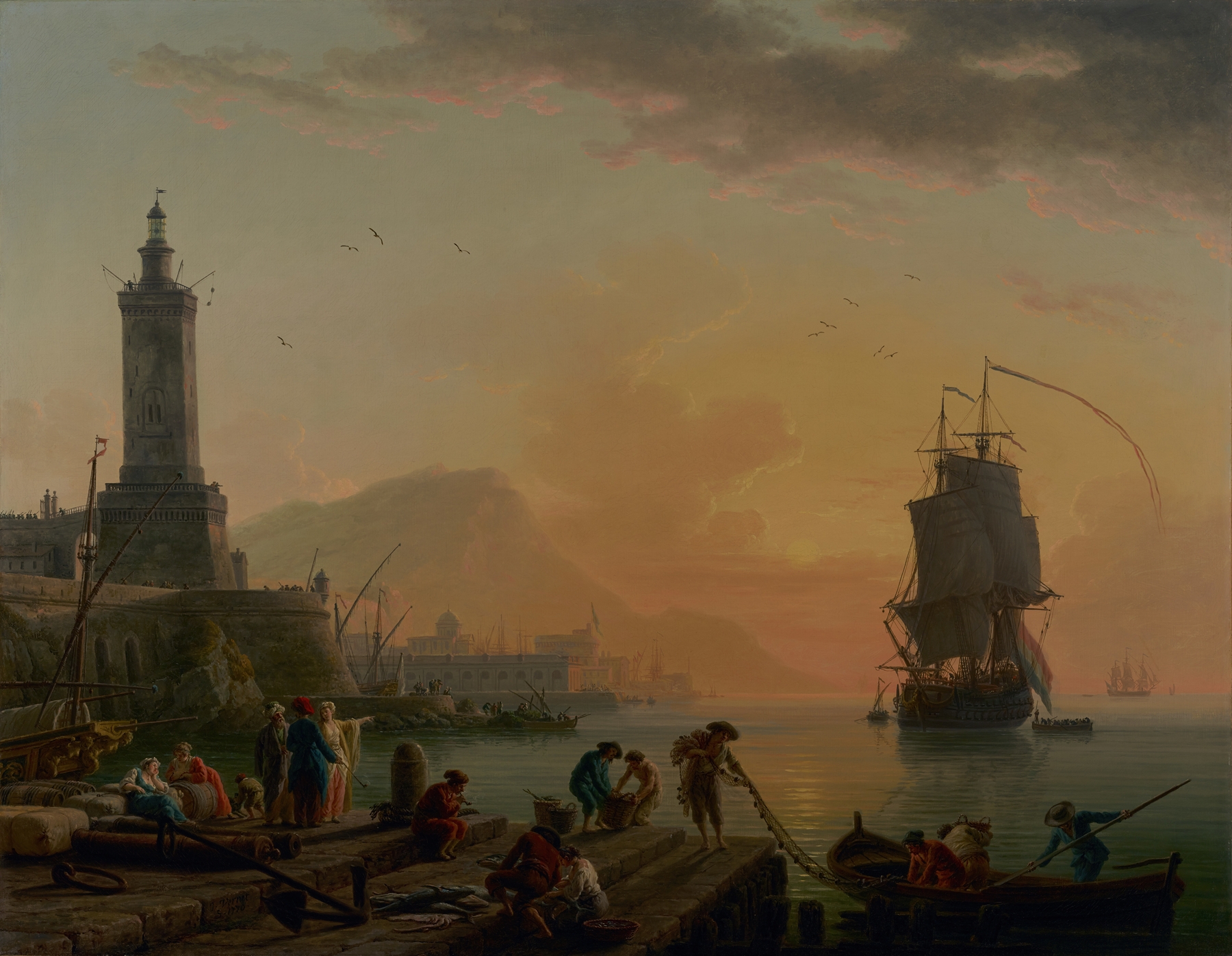
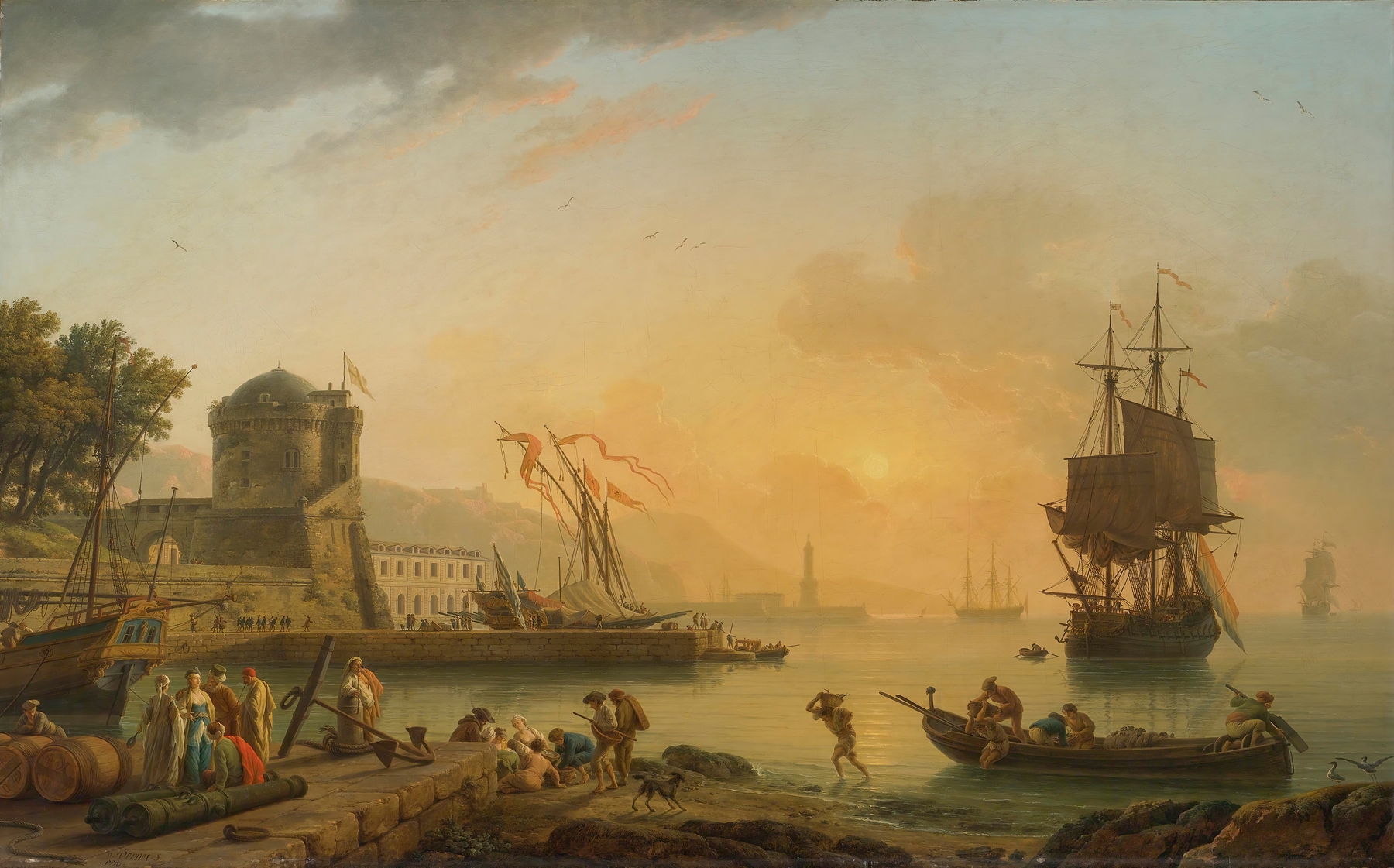
Can paint confess what words never could? In A Storm on a Mediterranean Coast, the tumultuous clash of nature's fury and the human experience invites us to explore the delicate balance between chaos and tranquility. Look to the left at the tumultuous waves crashing against jagged rocks, their white froth contrasted against the deep blues and greens of the stormy sea. Focus on the swirling clouds above, where dark grays mingle with fleeting patches of sunlight, illuminating the scene in a haunting glow.
The composition draws our eyes across the canvas, from the violent sea to the distant shoreline, where ships struggle against the winds, emphasizing a dance between the forces of nature and human endeavor. Within this tempest lies a narrative of vulnerability and resilience—the ships, though seemingly small against the overwhelming might of the storm, symbolize human aspiration and endurance. The interplay of light and shadow not only heightens the drama but also reveals a deeper emotional tension, suggesting that within chaos lies the potential for hope and survival.
Each brushstroke conveys a swirling turmoil of emotions, inviting viewers to reflect on their own struggles against life's unpredictable storms. In 1767, Vernet painted this work during a time when the European art scene was increasingly captivated by the sublime—nature's grandeur as both beautiful and terrifying. Living in France, he was regarded as a master in depicting seascapes and landscapes, and during this period, interest in maritime themes was growing alongside the Age of Enlightenment, marking a significant evolution in artistic expression.